The best walks and hikes around Oberelz
4.5
(8830)
30,292
hikers
685
hikes
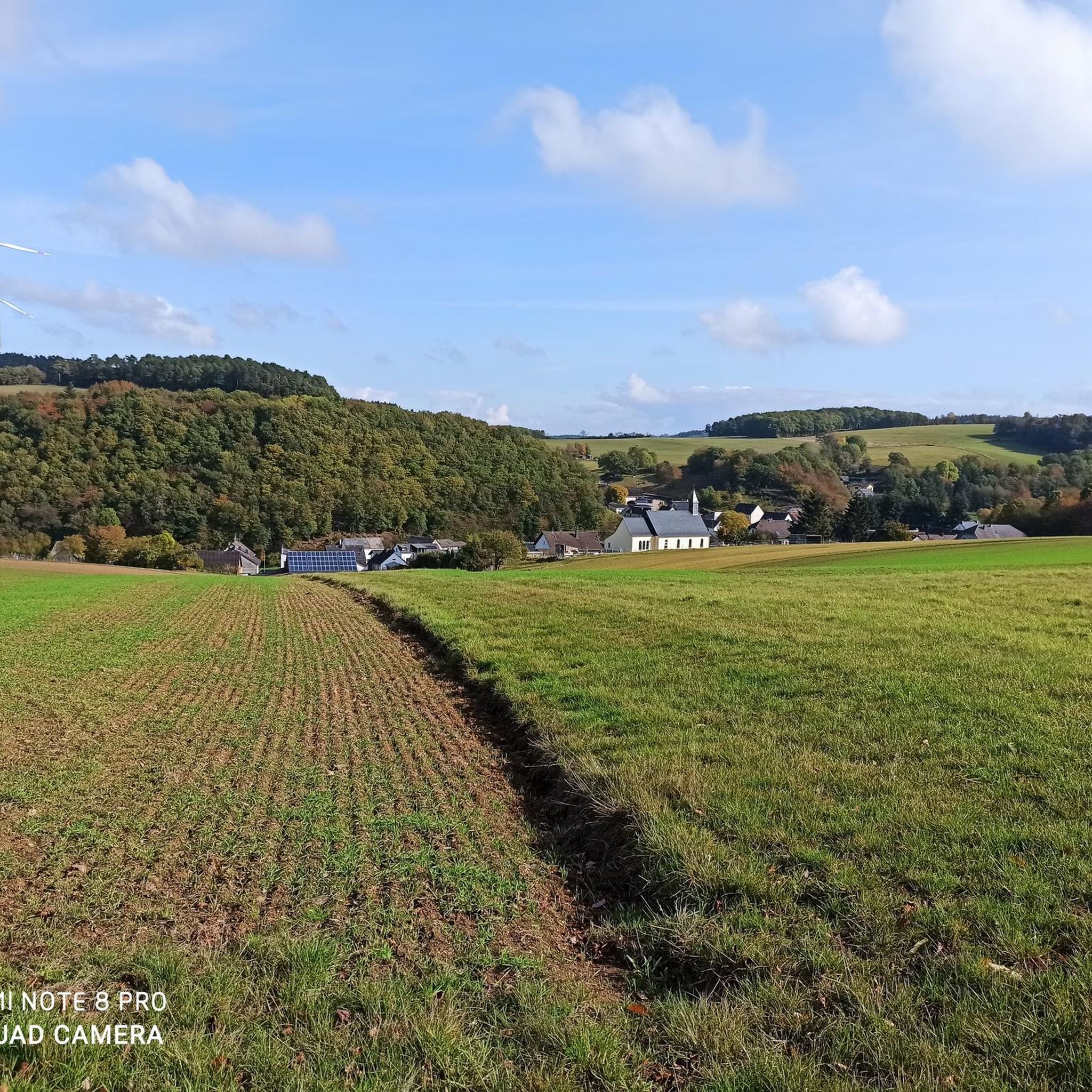
Hiking around Oberelz offers a variety of trails through the Eifel region. The landscape is characterized by rolling hills, dense woodlands, and open fields, providing diverse scenery for outdoor activities. The area features a network of paths suitable for exploring the natural environment. Elevation changes are generally moderate, making the terrain accessible for various hiking abilities.
Best hiking trails around Oberelz
- The most popular hiking route is View of Boos from the bench – Booser Double Maar Wetlands loop from…
Last updated: October 8, 2026
4.8
(33)
107
hikers
22.2km
06:09
400m
400m
Hard hike. Very good fitness required. Easily-accessible paths. Suitable for all skill levels.
5.0
(4)
14
hikers
7.12km
01:58
120m
120m
Easy hike. Great for any fitness level. Easily-accessible paths. Suitable for all skill levels.

5.0
(1)
4
hikers
10.3km
02:51
180m
180m
Moderate hike. Good fitness required. Easily-accessible paths. Suitable for all skill levels.
4.5
(2)
9
hikers
10.3km
02:49
150m
150m
Moderate hike. Good fitness required. Easily-accessible paths. Suitable for all skill levels.
4.0
(3)
10
hikers
Moderate hike. Good fitness required. Easily-accessible paths. Suitable for all skill levels.
Get access to more routes and recommendations from other explorers.
Already have an account?
Our route recommendations are based on thousands of hikes, rides, and runs completed by other people on komoot.
Start today with a free account
Your next adventure awaits.
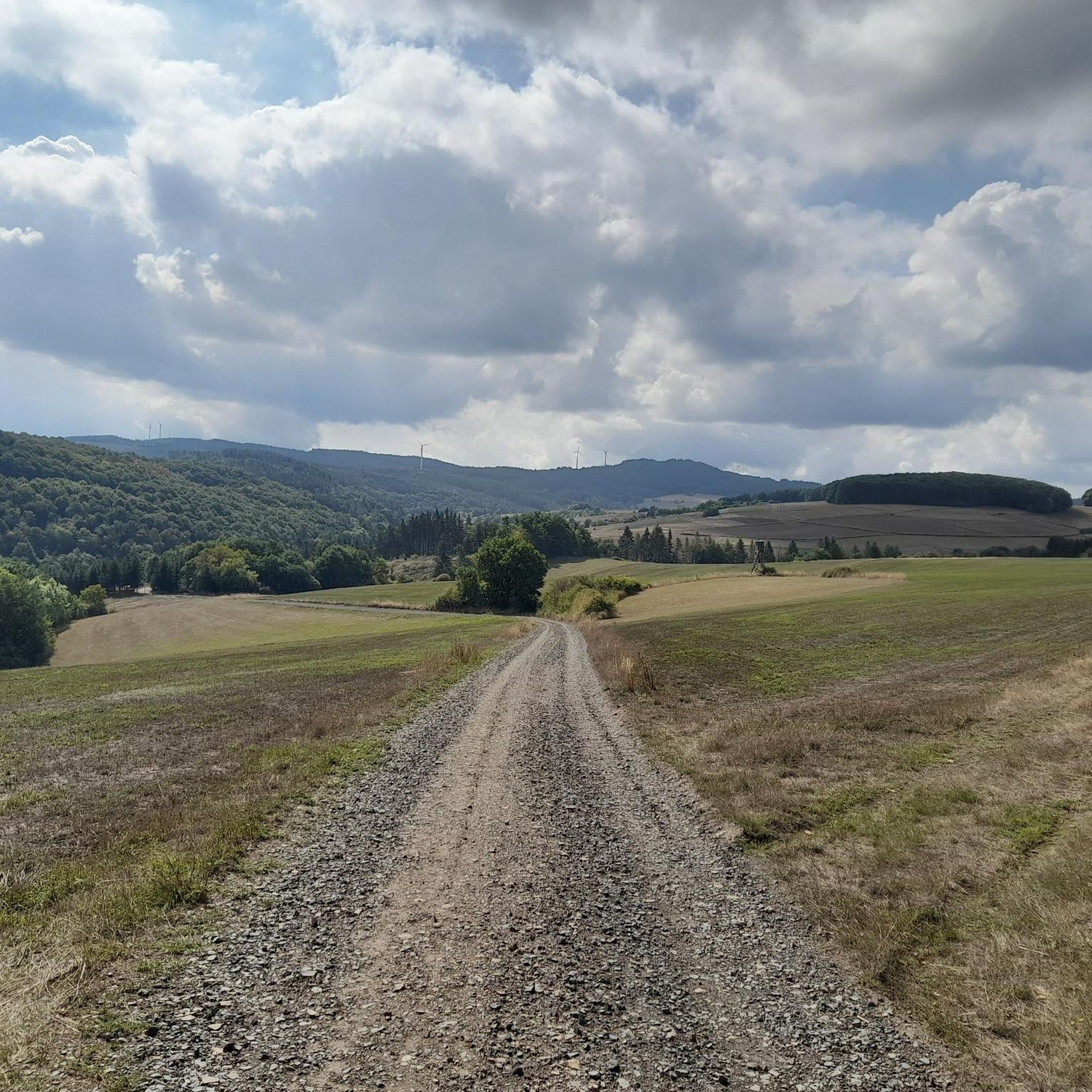
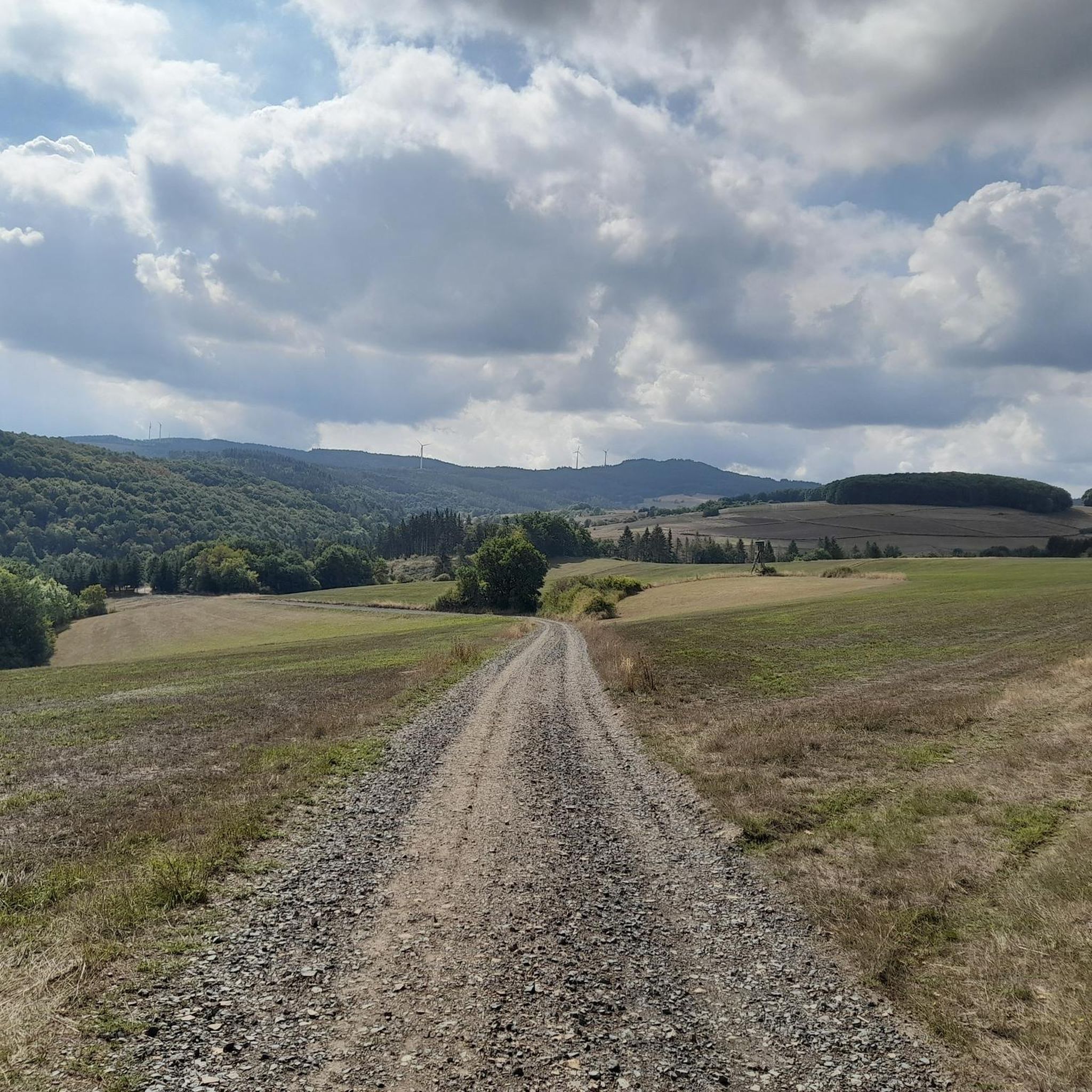
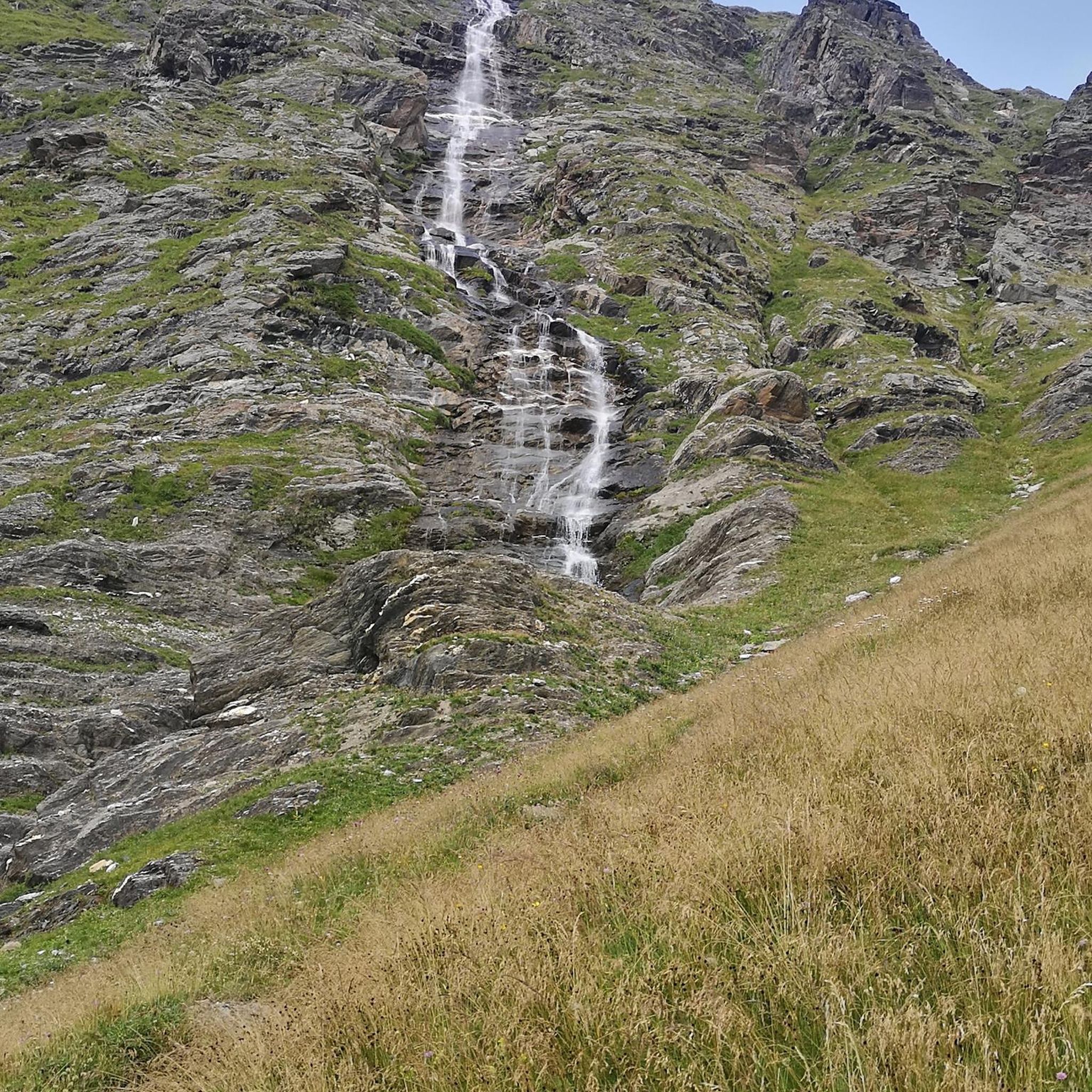
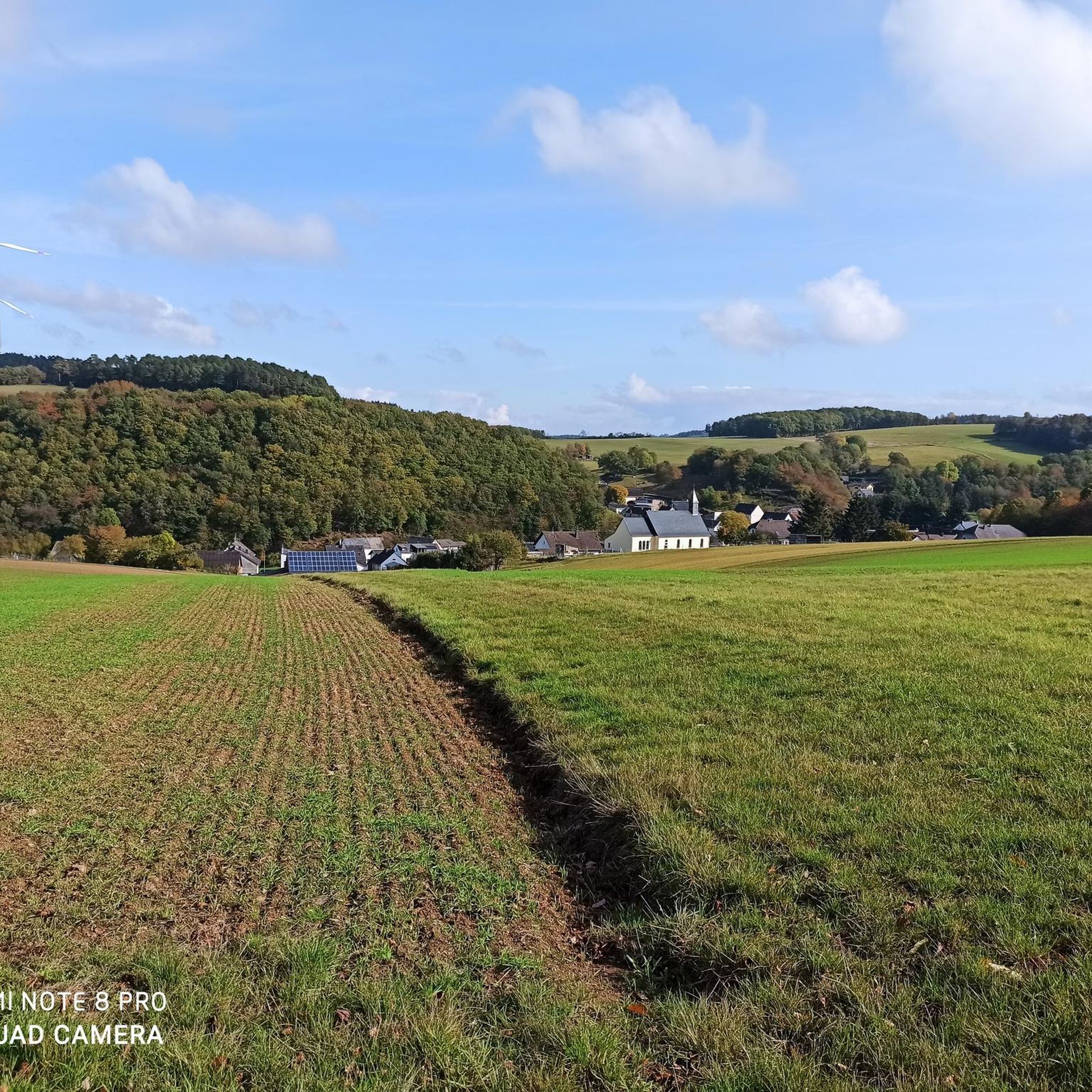
Tips from the Community

Just sit down and let your soul dangle🤗 perfect place 👌🏽
2
0

Very beautiful landscape, peace to enjoy
0
0

A fantastic view of Bermel. Great hiking trails and beautiful nature.
0
0
The Hochbermel Nature Reserve is located in the Mayen-Koblenz district of Rhineland-Palatinate. The approximately 65.7-hectare area, which was declared a nature reserve in 2001, extends southeast of the municipality of Bermel around the former basalt quarry at Hochbermel (570 m), which has been closed since the late 1970s. The L 96 state road runs to the north. Great hiking trails and beautiful nature.
0
0
The Boos Double Maar consists of two silted-up maars, which today appear as shallow depressions in the terrain. They are located within the municipality of Boos. The two maars formed between 10,150 and 14,160 years ago and belong to the Quaternary volcanic field of the Volcanic Eifel. The two maars form large, circular basins surrounded by tuff embankments. They lie on a west-southwest-east-northeast trend, thus following the Variscan strike of the subsurface. The west-southwest maar has a diameter of approximately 700 m and a depth of between 30 and 60 m; the east-northeast maar is between 650 and 700 m and a depth of between 50 and 87 m. Both depressions are very humid, so there are still areas that have a permanent water surface. The waters were formerly used as fish ponds, but later silted up and served as meadows and fields. Today, there is once again a fish pond in the west-southwestern part of the maar, the Booser Weiher. In the vicinity of the maars, there are tuff pits where the volcanic tuff formed during the eruption of the maars was mined. Very beautiful nature.
0
0

former site of a windmill, today a rest area with play facilities
0
0
Place with several rest and relaxation options
0
0

Be sure to take a break here and enjoy the view
0
0
Frequently Asked Questions
How many hiking trails are available around Oberelz?
There are over 660 hiking trails around Oberelz. This includes more than 340 easy routes, 260 moderate paths, and around 45 more challenging trails, offering a wide range of options for all skill levels.
Are there easy hiking trails suitable for beginners or casual walkers?
Yes, Oberelz offers a good selection of easy hiking trails. The landscape features rolling hills and moderate elevation changes, making many paths accessible. For example, the Klein Amerika Rest Area – Muße-Platz Uersfeld loop from Retterath is an easy 4.4-mile (7.1 km) trail that takes about 2 hours to complete.
Can I find circular hiking routes in Oberelz?
Many of the hiking routes around Oberelz are circular, allowing you to start and end at the same point without retracing your steps. An example is the Franzenmühle – Firefighting pond loop from Arbach, a moderate 5.1-mile (8.2 km) trail through wooded areas.
What kind of scenery can I expect while hiking around Oberelz?
The hiking trails around Oberelz are characterized by diverse scenery, including rolling hills, dense woodlands, and open fields. You'll experience the natural beauty of the Eifel region, with paths often leading through forests and past small bodies of water.
Are there any viewpoints or scenic spots along the trails?
Yes, several trails offer scenic viewpoints. For instance, the View of Boos from the bench – Booser Double Maar Wetlands loop from Oberelz provides excellent views of the unique Booser Double Maar wetlands.
What do other hikers enjoy the most about hiking in Oberelz?
The komoot community highly rates the trails around Oberelz, with an average score of 4.6 stars from over 7,200 reviews. Hikers often praise the varied terrain, the well-maintained paths, and the peaceful atmosphere of the woodlands and open landscapes.
Are there any interesting landmarks or natural attractions nearby?
Yes, the region around Oberelz features several natural attractions. You can explore the Nitztal Valley or discover unique features like the Wooden Bridges in the Endert Valley, which are part of the scenic gorges in the area.
Can I hike with my dog around Oberelz?
Many trails in the Eifel region are dog-friendly, and the natural paths around Oberelz are generally suitable for walks with your canine companion. It's always recommended to keep dogs on a leash, especially in wooded areas or near wildlife.
Are there trails suitable for families with children?
Yes, the abundance of easy and moderate trails with gentle elevation changes makes Oberelz a good destination for family hikes. Look for shorter, well-marked loops that offer interesting natural features to keep children engaged.
What is the best time of year to go hiking in Oberelz?
Spring, summer, and autumn are generally the best times for hiking in Oberelz. Spring brings blooming wildflowers, summer offers lush greenery, and autumn provides vibrant foliage. Winter hiking is also possible, but trails may be muddy or icy, so appropriate gear is essential.
Are there any longer, more challenging hikes available?
For those seeking a longer challenge, Oberelz offers several options. The View of Boos from the bench – Booser Double Maar Wetlands loop from Oberelz is a difficult 13.9-mile (22.4 km) trail that takes over 6 hours to complete, providing a more strenuous experience.
Is there parking available at the trailheads?
While specific parking information for every trailhead isn't provided, many hiking areas in the Eifel region typically have designated parking spots near popular starting points or villages. It's advisable to check local signage upon arrival.
Most popular attractions around Oberelz

Get inspired with the komoot mobile app


Explore more
Browse the best Hikes in other regions.
