Attractions and Places To See around Hariksee - Top 9
Best attractions and places to see around Hariksee, a lake in the Lower Rhine region, offer a blend of natural beauty and recreational activities. This area, situated between Schwalmtal and Niederkrüchten, Germany, is a popular local recreation spot. The landscape features riparian forests, bogs, and stream valleys, shaped by both natural processes and historical peat cutting. Visitors can explore various natural features, historical landmarks, and cultural sites.
Best attractions and places to see around Hariksee
- The most popular attractions is…
Last updated: October 9, 2026
Hariksee (Harik Lake)
Highlight • Lake
Translated by Google •
Tip by

Mühlrather Mühle — Watermill and Restaurant
Highlight • Monument
Translated by Google •
Tip by

Sign up now to discover places like this
Get recommendations on the best single tracks, peaks, & plenty of other exciting outdoor places.
View of the Hariksee (Lake Harik)
Highlight • Lake
Translated by Google •
Tip by
Hariksee and Inselschlösschen
Highlight (Segment) • Lake
Translated by Google •
Tip by

Notre's Restaurant & Lakeside Terrace on Lake Hariksee
Highlight • Restaurant
Translated by Google •
Tip by

Sign up for free to discover even more attractions around Hariksee.
Already have an account?
Start today with a free account
Your next adventure awaits.
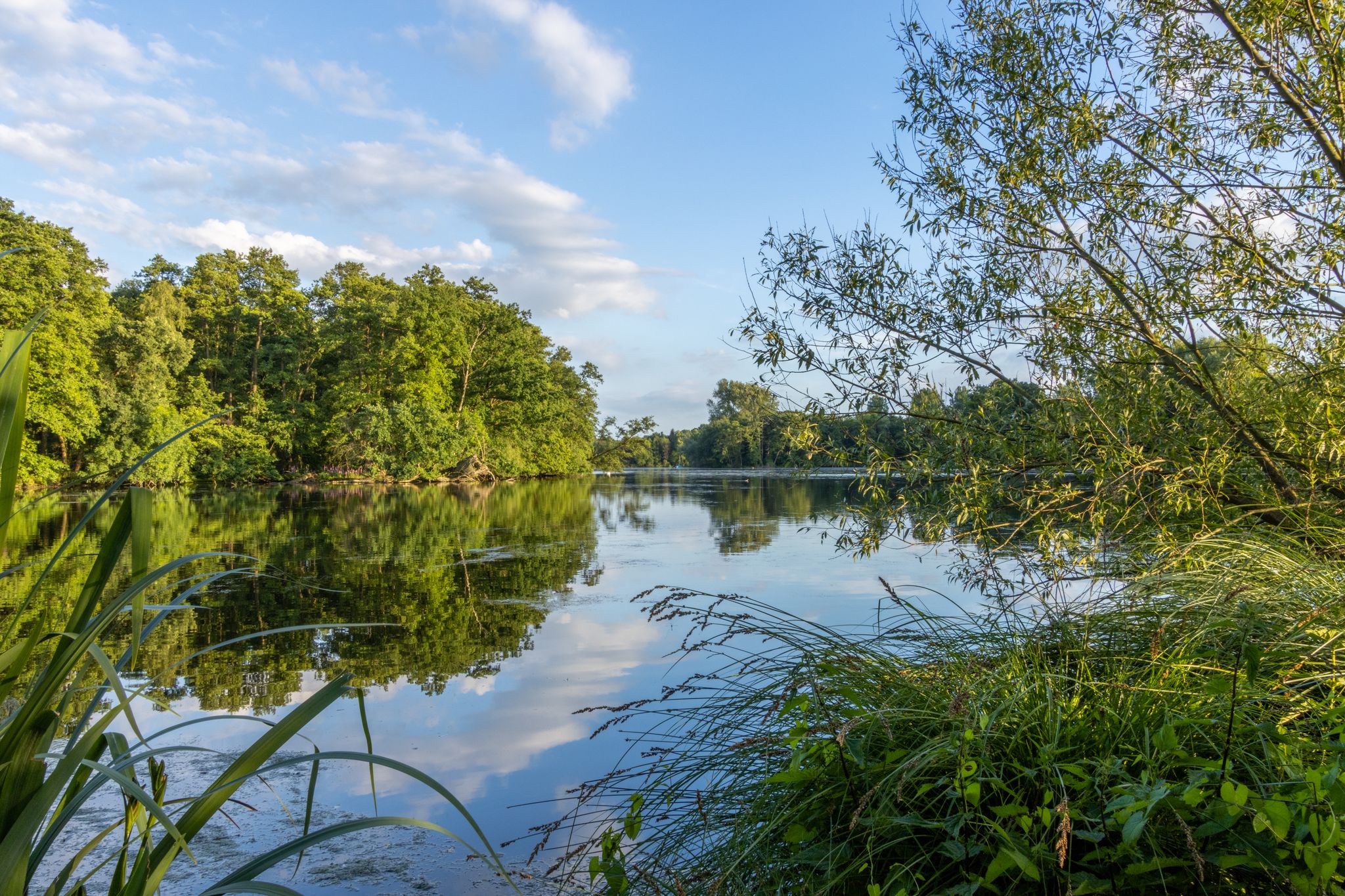
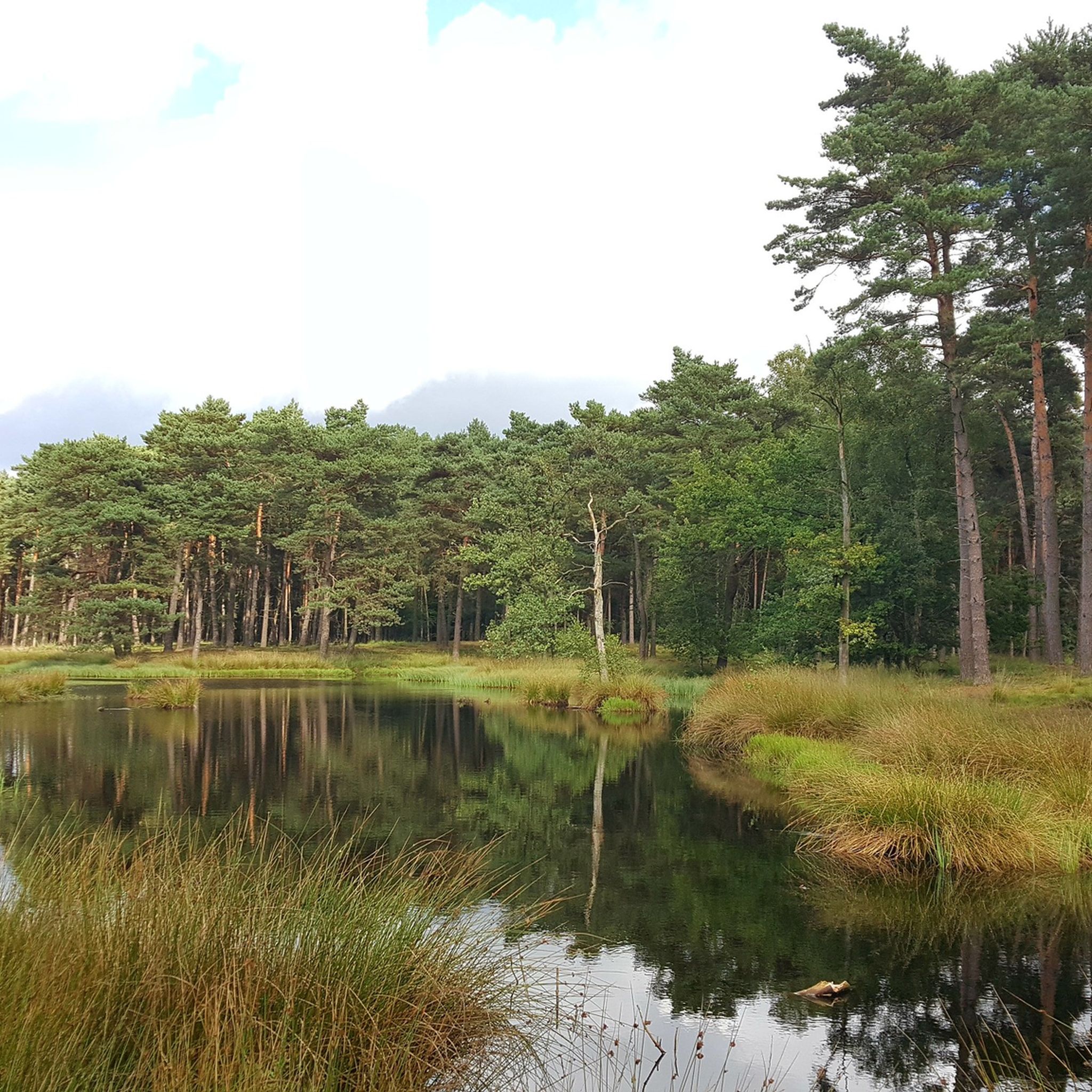
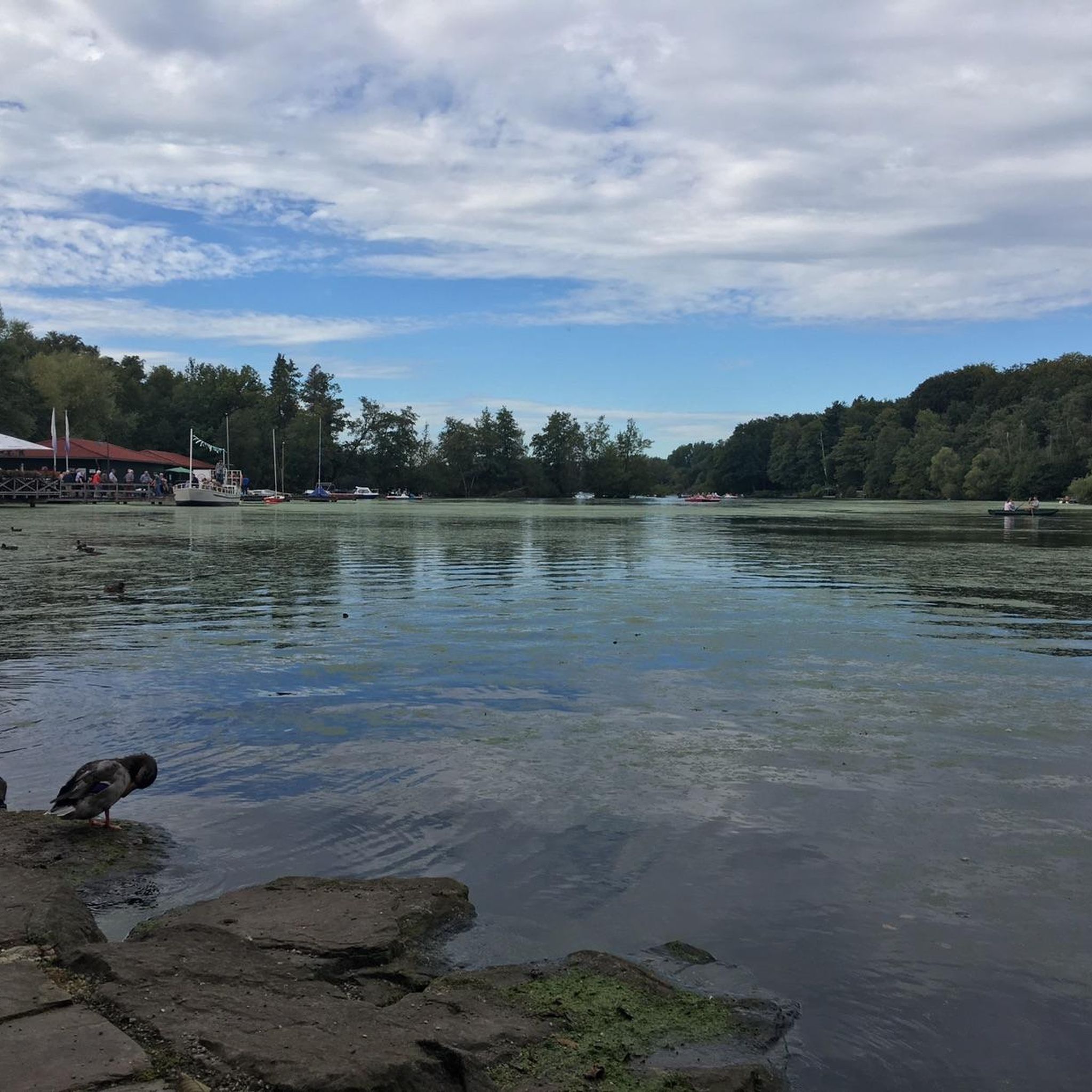
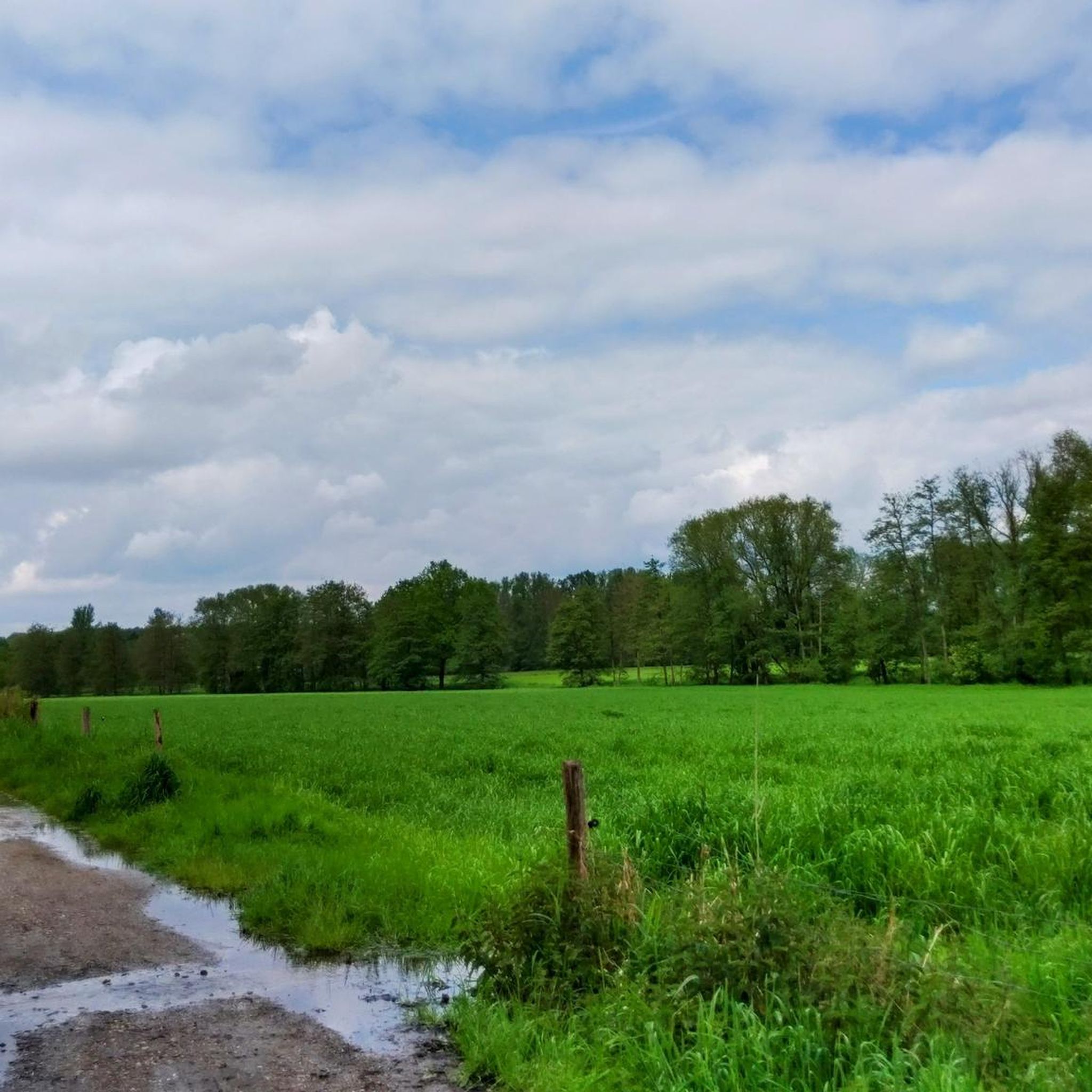

Other adventures around Hariksee

Tips from the Community

Here you will find a cozy terrace by the water
0
1
There is a nice forest path around Hariksee. You will also pass an animal meadow
2
0

Coffee and cake followed by a boat trip on Lake Harik - a lovely weekend programme, even with children. At both the Inselschlösschen and the Mühlrather Mühle on the other side of the lake, you have the opportunity to rent a boat and explore the lake using your own muscle power. Or you can board the excursion boat "Patschel" to experience the beauty of Lake Harik from there. On the shore of the lake there is also a lovely mini golf course and a small animal zoo where even the little ones can enjoy themselves. If you prefer to travel on foot, we recommend the 3.5-kilometre-long A 5 circular route. It connects the two excursion destinations and offers beautiful views of the lake from all sides. Lake Harik originated long before the time of peat mining, but it was given its current shape and size by the hard work of the peat cutters. The castle was built at the end of the 19th century for Bartholomäus Rosbach, the former owner of Haus Clee in Waldniel, as a small villa for hunting pleasures, parties and love affairs. The tourist development of Lake Harik began in 1920. Source: https://www.npsn.de/wb-hariksee-und-inselschloesschen
5
0

Now the Mühlrather Hof is open again after a long renovation and invites you to stop by.
6
0

Very cozy atmosphere after the reopening. Homely furnishings, friendly and attentive staff, good food at reasonable prices. There are a number of rooms, so it is certainly suitable for large groups. The parking lot is currently a construction site, but later you will definitely be able to sit outside and in the courtyard.
5
0

Popular rest stop at the Muehlrather Mill on Lake Harik.
23
0

Here you can sit on the waterfront in summer
2
1
A beautiful lake with lots to do around this lake, the Hariksee
5
0
Frequently Asked Questions
What natural features can I explore around Hariksee?
The centerpiece is, of course, Hariksee (Harik Lake) itself, with its serene waters and riparian forests. A truly unique natural sight is the Tangle of roots (Wortelpassage), where tree roots grow visibly above ground, forming a natural passageway in the forest. The surrounding area also features extensive forests and stream valleys, part of the vast Maas-Schwalm-Nette nature reserve.
Are there historical landmarks to visit near Hariksee?
Yes, a significant historical landmark is the Mühlrather Mühle — Watermill and Restaurant, which dates back to 1447 and still features preserved mill wheels. Another notable site is the Insel-Schlösschen (Island Castle), built in 1891, which now serves as an excursion restaurant on the lake.
What outdoor activities can I do around Hariksee?
Hariksee offers a variety of outdoor activities. You can enjoy boating on the lake, with options for renting pedal boats, rowing boats, kayaks, or electric boats. The area is also excellent for hiking and cycling, with numerous trails catering to different skill levels. For specific routes, you can explore guides like Hiking around Hariksee or Cycling around Hariksee.
Are there family-friendly activities around Hariksee?
Absolutely! Families can enjoy boating on the lake, including rides on the passenger ferry "Patschel" between Mühlrather Mühle and Insel-Schlösschen. There's also a minigolf course located on the grounds of the former beach resort. Many of the walking paths, like the 3.5-kilometer circular path around the lake, are suitable for families.
Where can I find places to eat around Hariksee?
You have several options for dining. The Mühlrather Mühle — Watermill and Restaurant is a historical spot offering meals. For lakeside dining, Notre's Restaurant & Lakeside Terrace on Lake Hariksee offers Greek cuisine with outdoor seating and occasional live music. The Insel-Schlösschen also functions as an excursion restaurant.
What kind of boating activities are available on Hariksee?
Visitors can rent pedal boats, rowing boats, kayaks, or electric boats to explore the lake. Additionally, the passenger ferry "Patschel" provides scenic tours, connecting the Mühlrather Mühle and the Insel-Schlösschen.
Are there easy walking paths suitable for everyone?
Yes, the 3.5-kilometer circular path (Rundweg A 5) around Hariksee is an easy walk that connects the main excursion destinations and offers beautiful views. The premium hiking trail W3 also provides accessible sections for a pleasant stroll.
What is the best time of year to visit Hariksee?
Hariksee is enjoyable throughout the warmer months, generally from March to October, when boating facilities are open and outdoor activities are in full swing. The open-air church services also run from March to September. The natural beauty of the forests and lake can be appreciated in spring, summer, and autumn.
How can I get around Hariksee to see the attractions?
The area is well-suited for exploration on foot or by bicycle, with numerous trails connecting points of interest. The passenger ferry "Patschel" offers a unique way to travel between the Mühlrather Mühle and the Insel-Schlösschen on the lake. Segway tours are also available for a different experience.
What do visitors enjoy most about Hariksee?
Visitors particularly appreciate the serene natural beauty of the lake and surrounding forests, the historical charm of places like the Mühlrather Mühle, and the variety of recreational activities available. The unique Tangle of roots is also a popular spot for its fairytale-like atmosphere and photographic opportunities.
Are there specific hiking trails I should consider around Hariksee?
Yes, the area offers several well-regarded hiking trails. The Hariksee and Schwalmtalweg Loop is an 8 km trail showcasing the natural environment. For a premium experience, consider the W3 trail. You can find more detailed routes and their difficulties in the Hiking around Hariksee guide.
Can I bring my dog on trails around Hariksee?
While specific regulations for dogs aren't detailed, the natural trails and open spaces around Hariksee are generally welcoming for dog walkers. It's always advisable to keep dogs on a leash, especially in nature reserves, and to clean up after them to preserve the environment for all visitors.
Most popular routes around Hariksee
Most popular attractions around Hariksee

Get inspired with the komoot mobile app


Explore more
Still not found the Highlight you’re looking for? See guides of the top attractions in other regions:
