The best road cycling routes around Münichreith-Laimbach
4.5
(71)
3,010
riders
192
rides
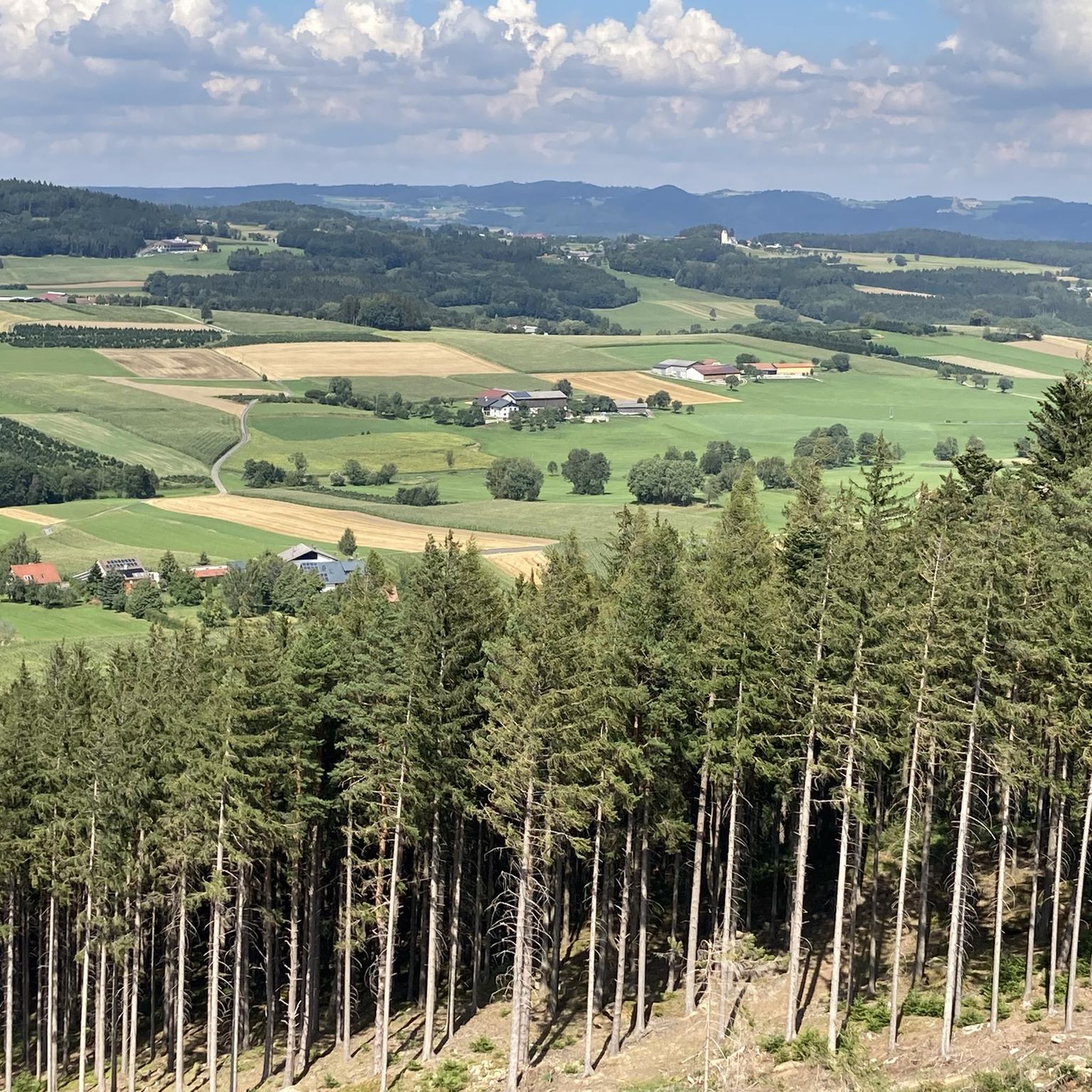
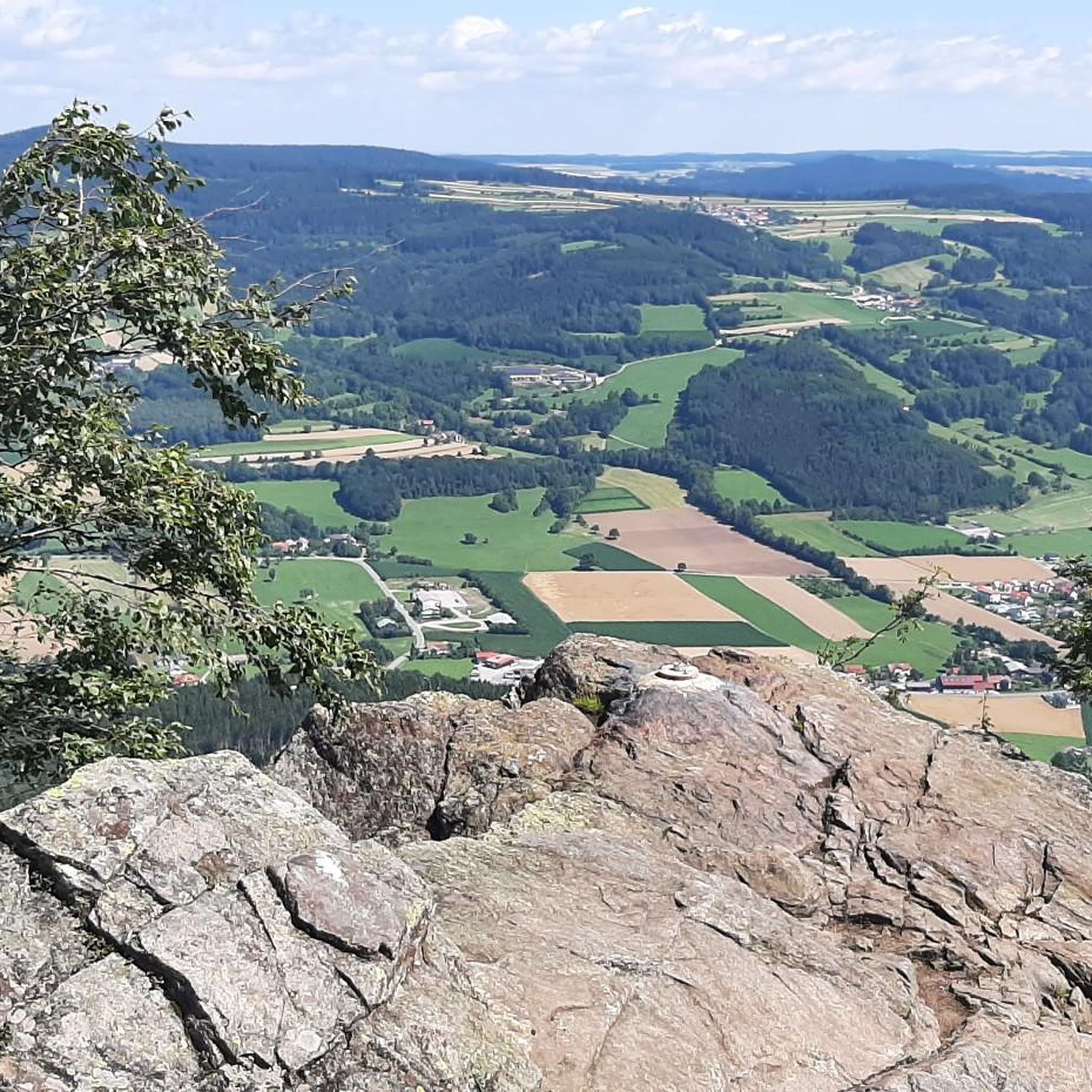
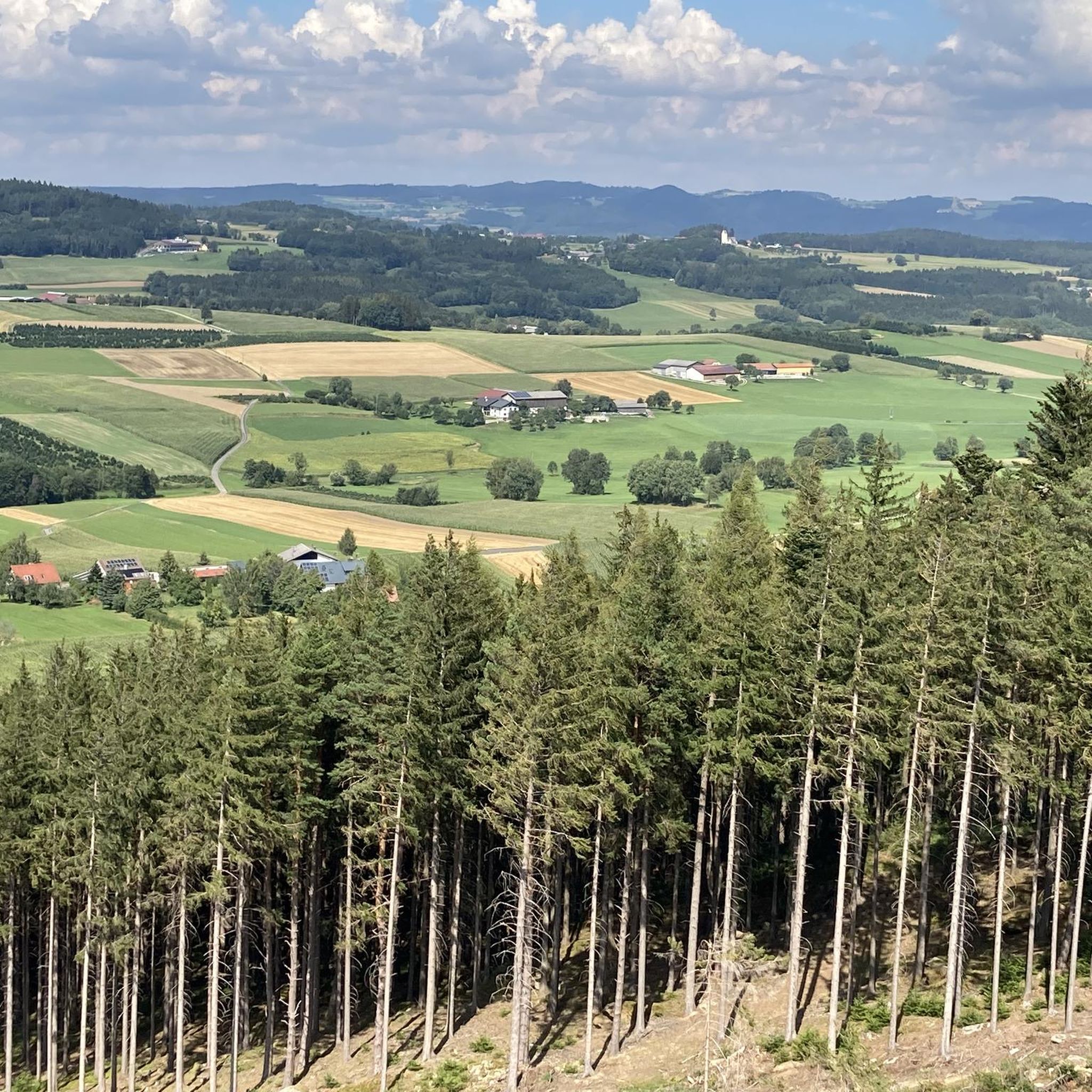
Road cycling around Münichreith-Laimbach features a landscape characterized by river valleys, rolling hills, and historical landmarks. The region offers varied terrain with notable elevation changes, as indicated by routes traversing areas like Yspertal. Road cyclists can expect a mix of open stretches and routes passing by cultural sites such as castles and viaducts. The area provides diverse options for different skill levels, from moderate paths to more challenging ascents.
Best road cycling routes around Münichreith-Laimbach
- The most popular road cycling…
Last updated: July 5, 2026
4.0
(2)
28
riders
86.7km
04:01
930m
930m
Hard road ride. Very good fitness required. Mostly well-paved surfaces and easy to ride.
13
riders
49.4km
02:44
1,000m
1,000m
Hard road ride. Very good fitness required. Mostly well-paved surfaces and easy to ride.

Sign up for free
13
riders
37.0km
01:41
420m
410m
Moderate road ride. Good fitness required. Mostly well-paved surfaces and easy to ride.
12
riders
85.6km
04:27
1,400m
1,400m
Hard road ride. Very good fitness required. Some segments of this route may be unpaved and difficult to ride.
13
riders
51.9km
02:28
690m
690m
Moderate road ride. Good fitness required. Mostly well-paved surfaces and easy to ride.
Get access to more routes and recommendations from other explorers.
Sign up for free
Already have an account?
Our route recommendations are based on thousands of hikes, rides, and runs completed by other people on komoot.
Start today with a free account
Your next adventure awaits.
Login or Signup
Popular around Münichreith-Laimbach
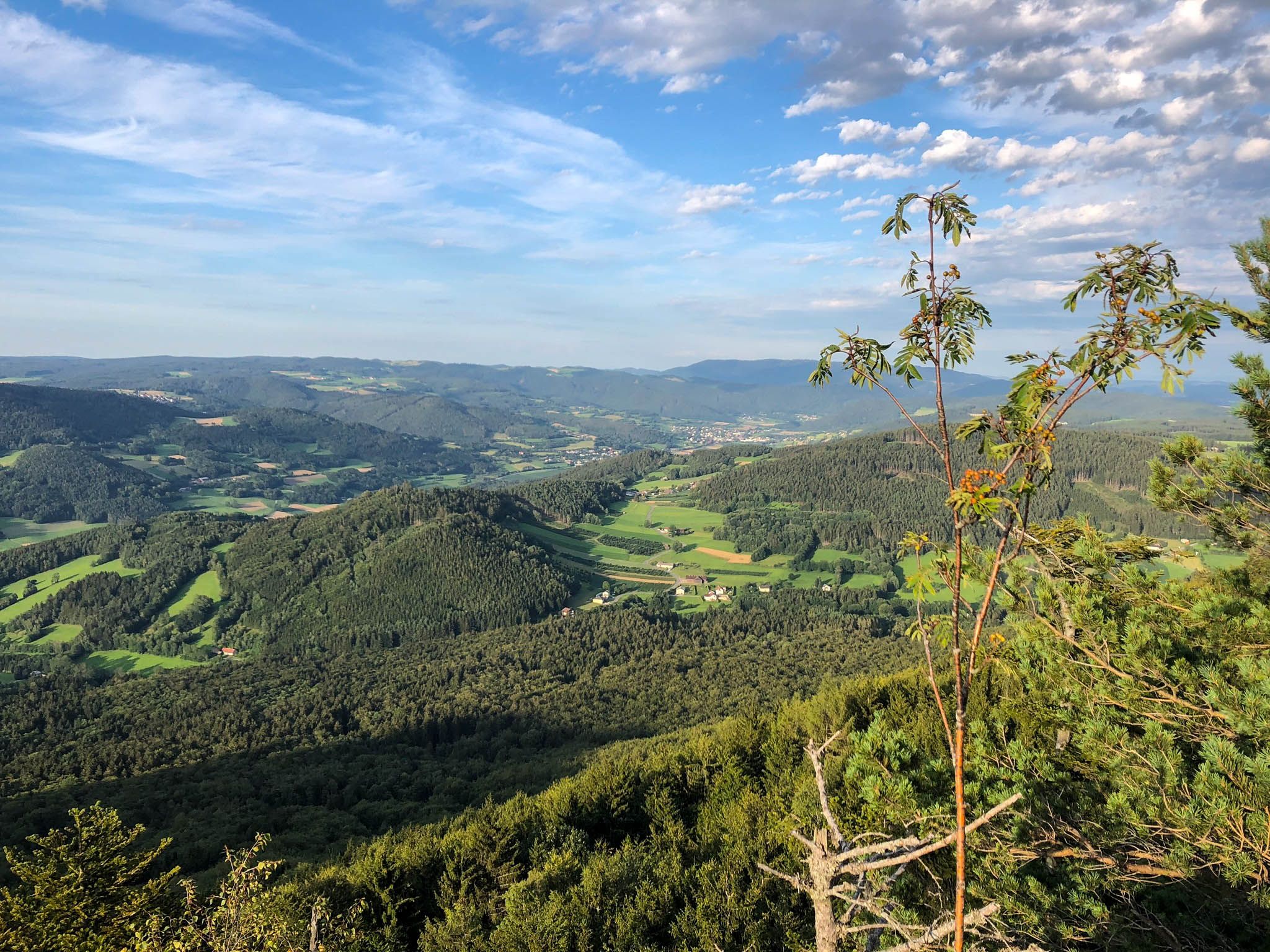
Ysper-Weitental circular hiking trail – Unwind in Austria
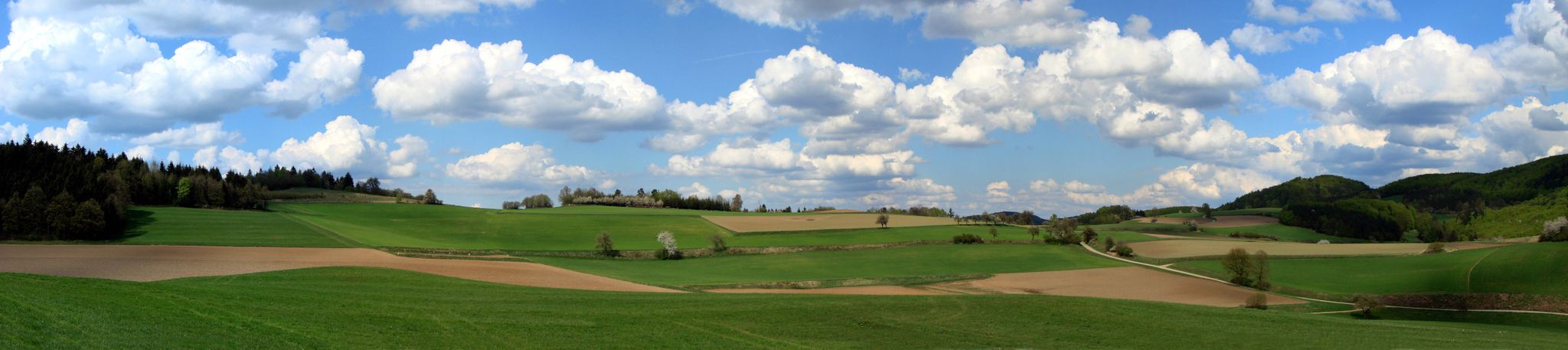
The Path of Life — A (spiritual) hike through northeastern Austria
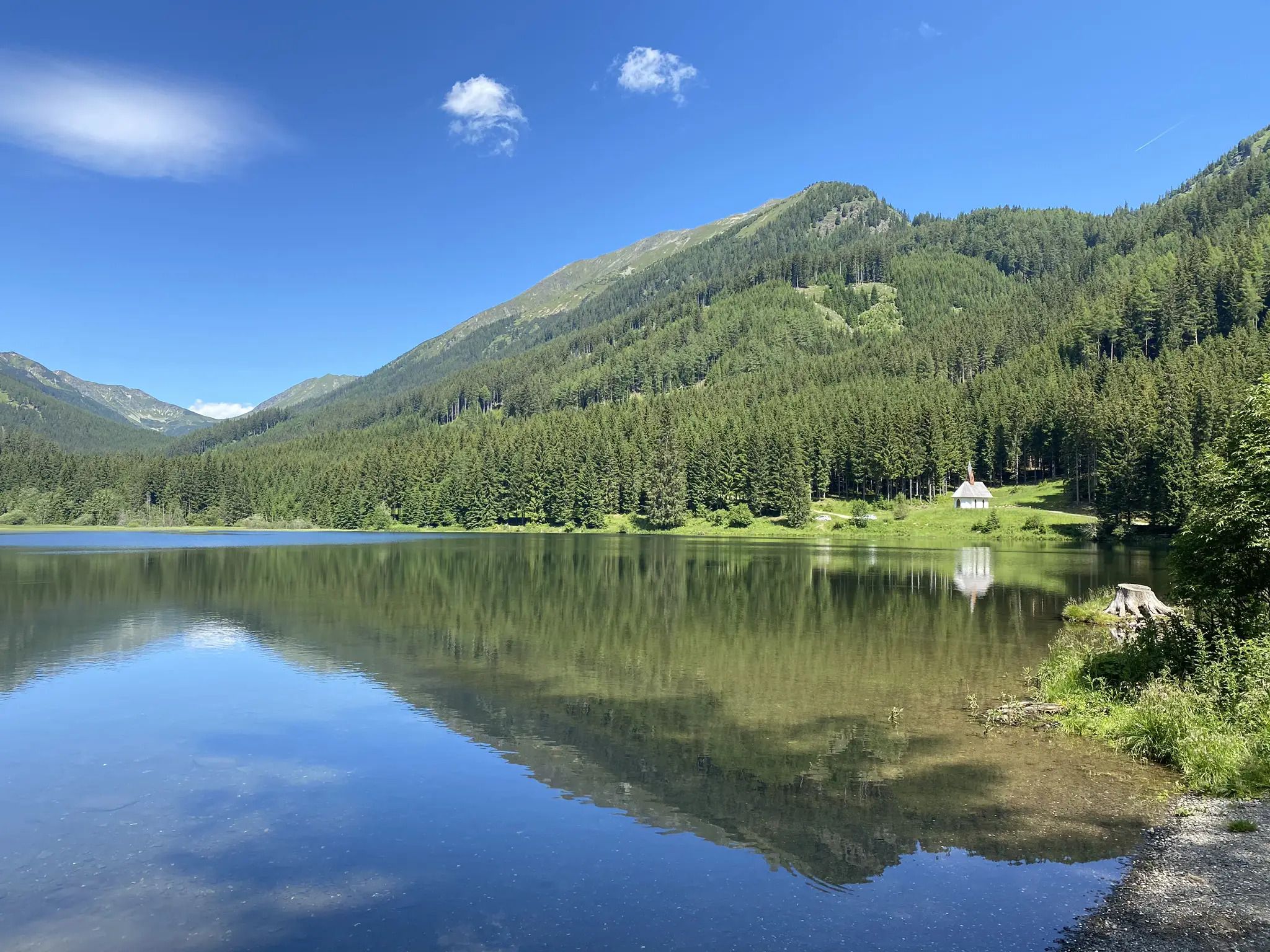
Eisenwurzen Trail – Hiking through Austria from north to south
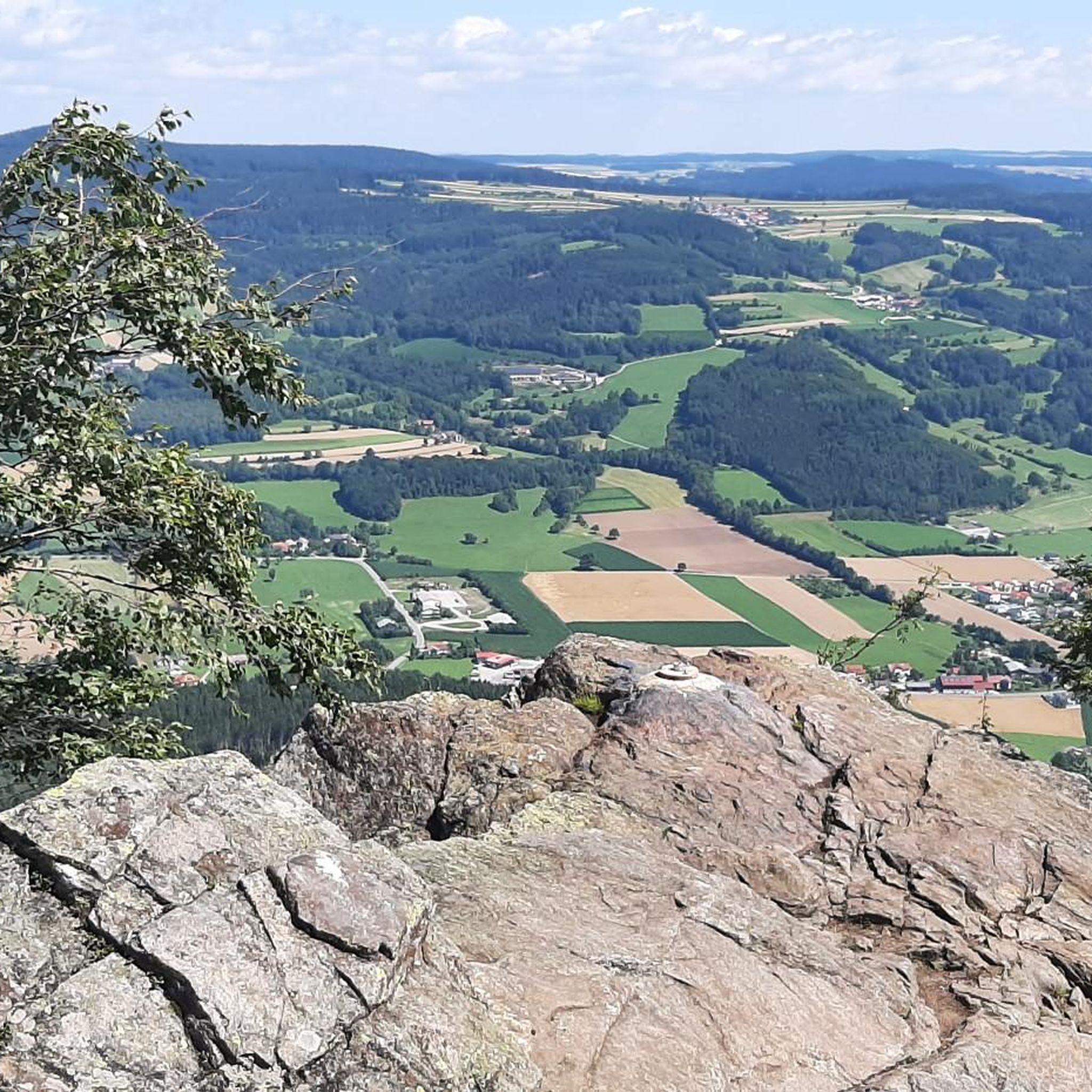
Hiking around Münichreith-Laimbach
Cycling around Münichreith-Laimbach
Running Trails around Münichreith-Laimbach
MTB Trails around Münichreith-Laimbach
Other adventures around Münichreith-Laimbach


Tips from the Community

The subsidiary church of Schwallenbach belonged to the large complex of property of the Niederaltaich monastery in the Wachau, which was allegedly founded by Charlemagne. This resulted in close ties to the monastery administration and the parish in Spitz. Thus, a small noble family from Spitz directly founded and endowed this church. Above the north gate, two interesting coat of arms reliefs with a chain and lock have been preserved. They refer to the mutual dependence of liege lord and vassal knight. Since the end of the 13th century, the monastery has enfeebled its dominion to the Dukes of Bavaria, who ceded it to King Maximilian I in 1504. The subsidiary church is first mentioned in 1419 and shows strikingly pronounced features of its Gothic period of origin. For example, the brick-built pointed helmet of the tower is a building form from the late Gothic period, which is particularly characteristic of the Wachau. The church is dedicated to St. Sigismund, the legendary King of Burgundy - he lived around 500.
0
0
Seyfried der Ritzendorfer sought permission from Pope Martin V to rebuild the church, and received permission in 1420. In 1421, Seyfried Ritzendorfer and his wife Anna issued the deed of foundation for the chapel. The new church, dedicated to St. Sigmund, was to be subordinate to the parish church of Spitz as a daughter church, along with the cemetery. The two shields above the entrance are the coats of arms of the founding couple (right: coat of arms of the Knights of Schwallenbach; left: coat of arms of the Ritzendorfers). Seyfried Ritzendorfer is buried in the church.
0
0
Branch church of St. Sigismund - Typical of Wachau Gothic The branch church of Schwallenbach belonged to the large property complex of the Niederaltaich Monastery in the Wachau region, which was allegedly donated by Charlemagne himself. This resulted in close ties to the monastery administration and the parish in Spitz. A small noble family from Spitz directly endowed and endowed this church. Two interesting coat of arms reliefs with chain and lock have been preserved above the north gate. They refer to the mutual dependence of feudal lord and feudal knight. Since the end of the 13th century, the monastery has enfeoffed its dominion to the Dukes of Bavaria, which they ceded to King Maximilian I in 1504. The branch church is first mentioned in 1419 and shows strikingly pronounced features of its Gothic period of origin. For example, the brick-built pointed helmet of the tower is a building form from the late Gothic period that is particularly characteristic of the Wachau region. The church is dedicated to St. Sigismund, the legendary king
0
0
The church of Schwallenbach dates back to a chapel from 1420, which was dedicated to Saint Sigismund. Buttresses and vault ribs indicate the late Gothic style. A statue of the Virgin Mary from the church, dating from 1515, has been preserved, the baroque altar was consecrated in 1724 by the bishop of Passau. The altarpiece dedicated to Saint Sigismund by Martin Johann Schmidt dates from 1767.
0
0

Nicely tarred cycle path directly on the banks of the Danube
0
0

The cannon roundabout of Pöggstall Castle was built around 1530 as an outlying defensive structure and served to defend the castle. The round fortress tower, with its mighty walls and loopholes, was part of the former moated castle complex. Today, the roundabout is considered one of the most impressive late medieval defensive structures in Lower Austria.
0
0
A fascinating castle with an exhibition included in the Lower Austria Card. Food and drinks are available.
0
0

Persenbeug Castle is beautifully situated on the Danube bridge and lock of the power plant
0
0
Frequently Asked Questions
How many road cycling routes are available around Münichreith-Laimbach?
There are nearly 200 road cycling routes in the Münichreith-Laimbach region, offering a diverse range of options for cyclists of all levels. The area is characterized by river valleys, rolling hills, and historical landmarks.
Are there easy road cycling routes suitable for beginners in Münichreith-Laimbach?
Yes, while the region features varied terrain with notable elevation changes, there are 9 routes specifically categorized as easy. These routes provide a gentler introduction to road cycling in the area.
Where can I find challenging road cycling routes with significant elevation gain?
For experienced cyclists seeking a challenge, there are 65 difficult routes with substantial climbing. Routes like the Yspertal – View of Grein loop from Münichreith-Laimbach, covering 86.7 km with over 930 meters of elevation gain, or the Pöggstall Castle – Burg Niederanna loop from Würnsdorf Hölltal, with nearly 1000 meters of ascent over 49.4 km, offer demanding rides.
Are there circular road cycling routes in the Münichreith-Laimbach area?
Yes, many of the road cycling routes in the region are designed as loops, allowing you to start and end at the same point. Examples include the Yspertal – View of Grein loop from Münichreith-Laimbach and the Yspertal – Waldhausen bathing lake loop from Yspertal.
What scenic viewpoints or landmarks can I expect to see along the road cycling routes?
The routes often pass by historical sites and offer scenic views. You might encounter landmarks such as the View of Maria Taferl from the Danube cycle path, the historic Ybbs Old Town, or natural features like the Ysper Gorge. Some routes also feature notable viaducts and castles.
What do other road cyclists enjoy most about road cycling in Münichreith-Laimbach?
The komoot community highly rates the road cycling experience in Münichreith-Laimbach, with an average score of 4.5 stars from over 60 reviews. Cyclists often praise the varied terrain, the mix of open stretches and cultural sites, and the extensive views found on many routes.
Are there any routes that pass by castles or historical sites?
Yes, the region is rich in historical landmarks. For instance, the Pöggstall Castle – Burg Niederanna loop from Würnsdorf Hölltal specifically features historical sites and varied terrain. Another route, the Hinterhaus Castle Ruins – Arnsdorf–Spitz ferry loop from Pöggstall, includes castle ruins.
What is the best season for road biking in Münichreith-Laimbach?
While specific weather forecasts should always be checked, the region's landscape of river valleys and rolling hills is generally enjoyable from spring through autumn. These seasons typically offer pleasant temperatures and vibrant scenery for road cycling.
Are there road cycling routes that include a viaduct?
Yes, the Viaduct at Weyrerteich – Drei-König-Wegscheid loop from Gutenbrunn is a moderate 38.2 km trail that leads through varied landscapes and prominently features a notable viaduct.
Is public transport accessible for reaching road cycling routes in Münichreith-Laimbach?
The guide focuses on routes starting from various points within the region, such as Münichreith-Laimbach, Würnsdorf Hölltal, Gutenbrunn, Pöggstall, and Yspertal. While specific public transport connections vary by starting point, it's advisable to check local bus or train schedules to plan your access to these areas.
Are there any routes that offer views of the Danube?
While not all routes directly follow the Danube, some areas provide views of the river. For example, the View of Maria Taferl from the Danube cycle path near Krummnussbaum is a highlight that can be incorporated into longer rides or visited as a scenic detour.
Most popular routes around Münichreith-Laimbach
Most popular attractions around Münichreith-Laimbach

Get inspired with the komoot mobile app


Explore more
Browse the best Road cycling routes in other regions.
