The best MTB trails around Mils
4.5
(1803)
9,015
riders
169
rides
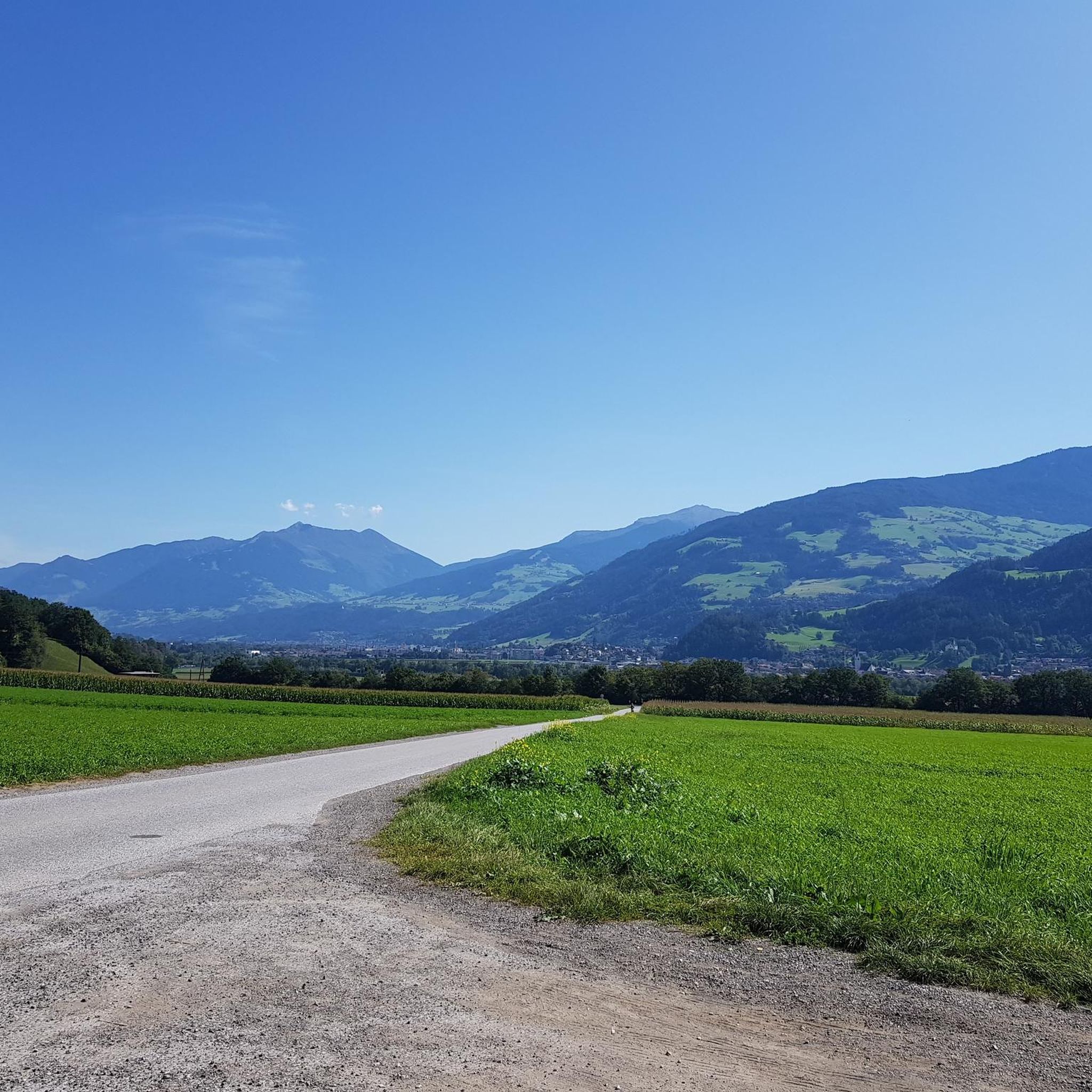
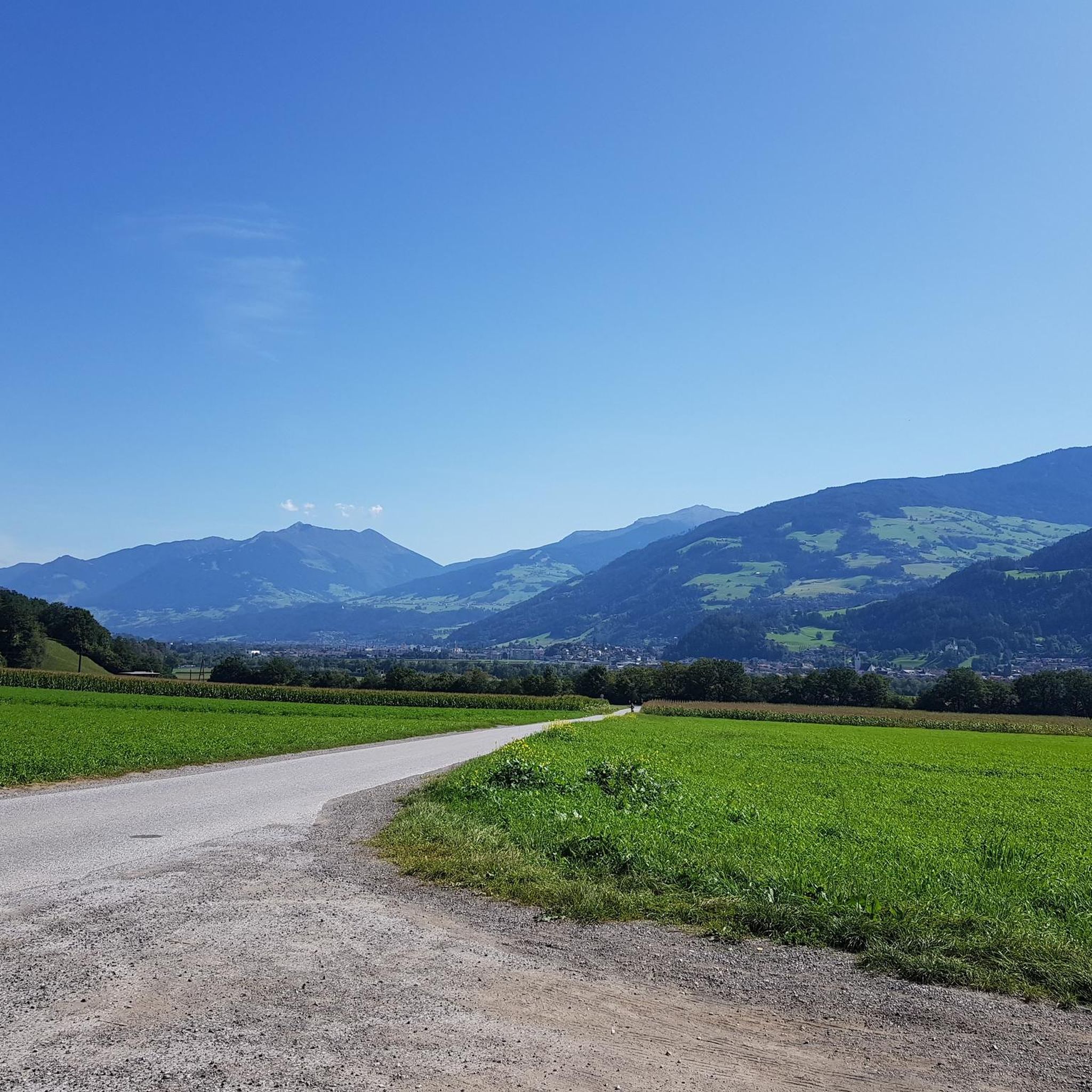
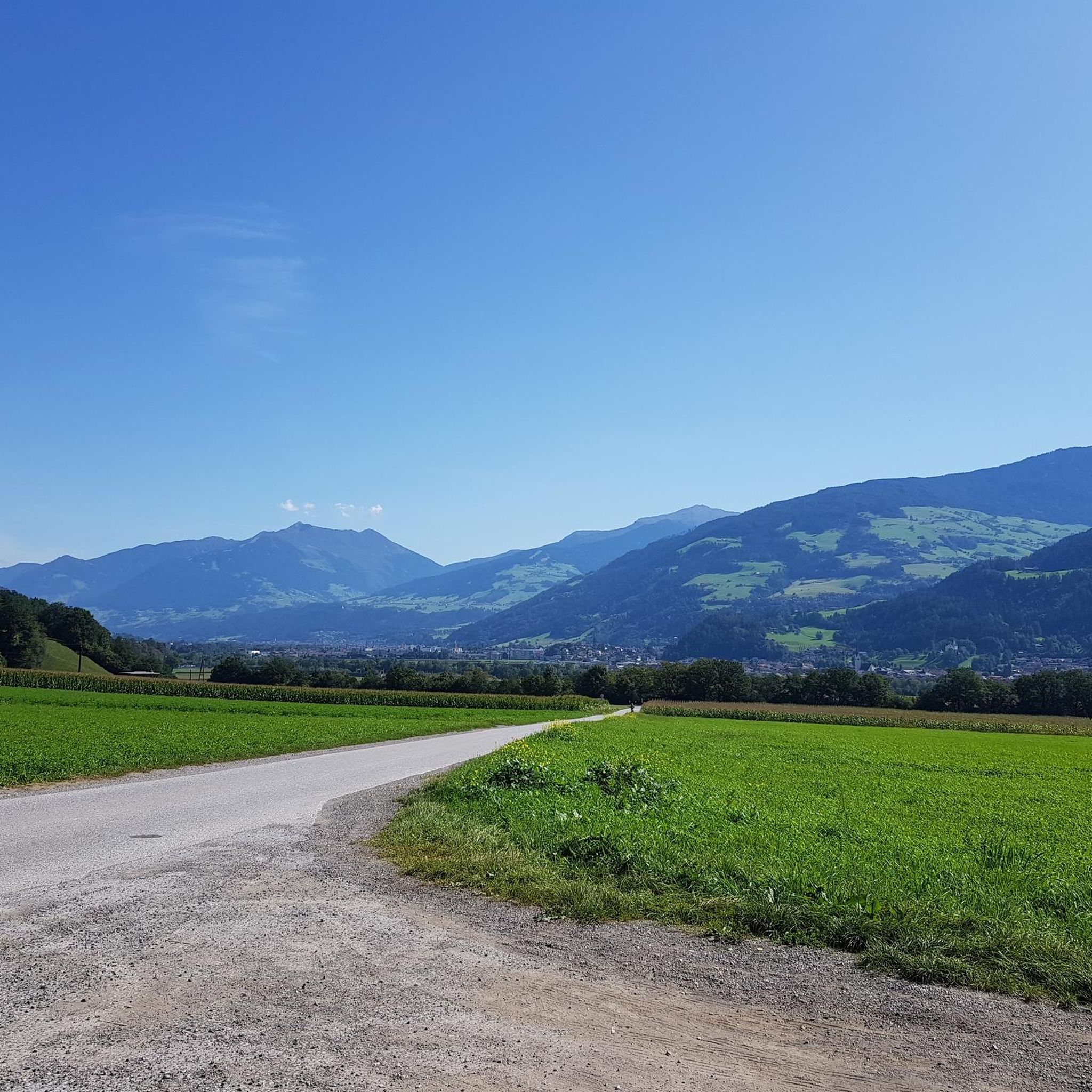
Mountain biking around Mils offers diverse terrain at the foot of the Karwendel Mountains, providing a range of routes for all skill levels. The region features green meadows, majestic mountains, and the Inn River, which flows nearby. This varied landscape includes everything from gentle hills to steep slopes, making it suitable for both leisurely rides and technically demanding passages.
Best mountain bike trails around Mils
- The most popular mountain bike trail is Road to the Hinterhorn Alm – Hinterhornalm Mountain…
Last updated: September 25, 2026
4.4
(34)
289
riders
20.4km
01:59
810m
810m
Moderate mountain bike ride. Good fitness required. Suitable for all skill levels.
4.7
(31)
183
riders
Moderate mountain bike ride. Good fitness required. Suitable for all skill levels.

4.9
(72)
160
riders
36.7km
04:23
1,730m
1,730m
Hard mountain bike ride. Very good fitness required. Suitable for all skill levels.
4.3
(3)
44
riders
Moderate mountain bike ride. Good fitness required. Suitable for all skill levels.
4.0
(8)
73
riders
28.9km
03:03
1,120m
1,120m
Hard mountain bike ride. Very good fitness required. Suitable for all skill levels.
Get access to more routes and recommendations from other explorers.
Already have an account?
Our route recommendations are based on thousands of hikes, rides, and runs completed by other people on komoot.
Start today with a free account
Your next adventure awaits.
Tips from the Community

Kloster St. Martin in Gnadenwald That St. Martin in Gnadenwald was chosen as one of our places of power is actually self-evident. When you arrive there, you can already feel the special aura of this place. First and foremost, St. Martin is a place of recreation - both physical and spiritual. In our fast-paced times, "coming to rest" is extremely important. The Cretan or classical stone labyrinth located to the left below the monastery is a symbol of the human life path. Labyrinths have existed in many cultures for more than 5000 years and are shaped by the need for inner peace and a sense of home. Text / Source: Hall-Wattens Tourismus, Unterer Stadtplatz 19, Hall in Tirol https://www.hall-wattens.at/de/st-martin-in-gnadenwald.html
14
0
History of St. Martin in Gnadenwald As early as the 11th century, a hunting lodge with a chapel in honor of St. Martin is said to have stood on the site of the present-day monastery. The first documented mention dates from 1337 in a will of the Tyrolean master of the hunt, Heinrich von Rottenburg. A second mention occurred in 1382. Around the same time or not long after, a hermitage was also founded here, inhabited by two lay brothers. The daughter Magdalena Getzner of the wealthy Hall citizen Jörg Perl entered the monastery of St. Magdalena in Halltal together with her daughter in 1486. This was possible because her father donated a considerable sum annually to the monastery of St. Magdalena. The daughter of Magdalena Getzner, also named Magdalena, had health problems, probably a mental disability, which is why the bishop allowed her to leave the monastery of St. Magdalena and settle in a healthy location in monastic habit. Magdalena Getzner and her daughter now chose St. Martin in Gnadenwald as their new place of residence. This is evidenced by a document from 1497 from the parish archive of Baumkirchen. In addition, some sisters followed them to St. Martin, so that a monastery was established there, of which Magdalena Getzner the Elder became the abbess. On October 7, 1520, the Augustinian monastery in St. Martin in Gnadenwald burned down. The 30 nuns found refuge in the St. Salvator chaplaincy in Hall and remained there until 1566. The era of the Peasants' Wars and the Reformation was not an age for rebuilding burnt-down monasteries. Thus In 1826, the entire church was renovated, and in 1836 it received a new high altar with an altarpiece, presumably by Arnold Schöpf. The frescoes by Milldorfer remained. During the Nazarene period, the small monastery received its Christmas nativity scene with figures over 80 cm tall. In 1935, the Tertiary Sisters from Hall moved into the long-vacant cells and have run a guesthouse for visitors there since 1939. This was a valuable place of refreshment for pilgrims during their journey. Unfortunately, the rental business was discontinued in 2019, and the Tertiary Sisters no longer live in the monastery. Text / Source: Hall-Wattens Tourismus, Unterer Stadtplatz 19, Hall in Tirol https://www.hall-wattens.at/de/st-martin-in-gnadenwald.html
14
0
History of St. Martin in Gnadenwald As early as the 11th century, a hunting lodge with a chapel in honor of Saint Martin is said to have stood on the site of the present-day monastery. The first documented mention is in a will from 1337 by the Tyrolean court master Heinrich von Rottenburg. A second mention occurred in 1382. Around the same time or not long after, a hermitage was founded here, inhabited by two forest brothers. Magdalena Getzner, the daughter of the wealthy Hall citizen Jörg Perl, entered the St. Magdalena monastery in Halltal together with her daughter in 1486. This was possible because her father donated a considerable amount to the St. Magdalena monastery annually. The daughter of Magdalena Getzner, also named Magdalena, had health problems, probably a mental disability, which is why the bishop allowed her to leave the St. Magdalena monastery and settle in a healthy place in monastic habit. Magdalena Getzner and her daughter now chose St. Martin in Gnadenwald as their new place of residence. This is evidenced by a document from 1497 from the Baumkirchen parish archive. In addition, some sisters went with them to St. Martin, so that a monastery was established there, with Magdalena Getzner the Elder as its abbess. On October 7, 1520, the Augustinian monastery in St. Martin in Gnadenwald burned down. The 30 nuns found refuge in the St. Salvator chaplaincy in Hall and remained there until 1566. The era of the Peasants' Wars and the Reformation was not the age for rebuilding burnt-down monasteries. Thus In 1826, the entire little church was renovated, and in 1836 it received a new high altar with an altarpiece, presumably by Arnold Schöpf. The frescoes by Milldorfer remained. During the Nazarene period, the little monastery received its Christmas nativity scene with figures over 80 cm tall. In 1935, the Tertiary Sisters from Hall moved into the cells that had been vacant for so long, and since 1939 they have operated a guesthouse here. This was a valuable place of refreshment, especially for pilgrims during their hikes. Unfortunately, the rental business was discontinued in 2019, and the Tertiary Sisters no longer live in the monastery. Text / Source: Hall-Wattens Tourism, Unterer Stadtplatz 19, Hall in Tirol https://www.hall-wattens.at/de/st-martin-in-gnadenwald.html
14
0
Kloster St. Martin in Gnadenwald That St. Martin in Gnadenwald was chosen as one of our places of power is actually self-evident. When you arrive there, you already feel the special aura of this place. Primarily, St. Martin is a place of recreation – both physical and spiritual. In our fast-paced times, "coming to rest" is extremely important. The Cretan or classical stone labyrinth located to the left below the monastery symbolizes the human path of life. Labyrinths have been found in many cultures for more than 5000 years and are shaped by the need for inner peace and home. Text / Source: Hall-Wattens Tourismus, Unterer Stadtplatz 19, Hall in Tirol https://www.hall-wattens.at/de/st-martin-in-gnadenwald.html
14
0

A visit to the church should be planned
1
0

St. Charles' Church in Volders is a stunning example of early Tyrolean Baroque and is dedicated to St. Charles Borromeo. Built in the 17th century, it impresses with its central dome, six additional domes, and a magnificent fresco by Martin Knoller. Particularly noteworthy are the high altar and the tombs of important figures. The church is easily accessible by bike, as it is located near the Inntal Autobahn and can be comfortably reached via cycle paths in the Inn Valley. A bike ride there combines culture and sport, offers a picturesque glimpse into Tyrolean architecture, and also makes for a relaxing excursion through the surrounding area of Volders.
3
0

The chapel serves as an emergency shelter, but also offers a good place to rest in the rain. Self-service drinks are available for a donation.
0
0

It looks very cozy, but is currently closed for renovations. The work should be completed by August.
0
0
Frequently Asked Questions
How many mountain bike trails are available around Mils?
Mils offers a wide selection of mountain biking opportunities, with nearly 180 routes available. These range from easy rides to challenging descents, catering to various skill levels.
Are there mountain bike trails suitable for beginners or families in Mils?
Yes, Mils provides options for less experienced riders and families. There are 22 easy mountain bike tours available, many of which offer leisurely rides along the Inn River with magnificent views, perfect for a relaxed outing.
What kind of challenging mountain bike trails can I find in Mils?
For experienced riders seeking a challenge, Mils features 63 difficult mountain bike trails with technically demanding passages and fast descents. An example is the Halltal Valley – Rupperti Chapel loop from Hall in Tirol, known for its challenging terrain.
Are there any circular mountain bike routes around Mils?
Yes, many mountain bike routes around Mils are designed as loops. For instance, you can explore the Road to the Hinterhorn Alm – Hinterhornalm Mountain Inn loop from Absam, a moderate 20.1 km trail, or the more challenging Windegg Church – View of Zirbensee loop from Volders-Baumkirchen, which covers 37.4 km.
What are some scenic highlights or natural attractions I can see while mountain biking in Mils?
Mils is nestled at the foot of the majestic Karwendel Mountains, offering dramatic landscapes. Along your rides, you can encounter natural monuments and stunning views. The Panoramic trail in the Karwendel Nature Park offers breathtaking vistas. You might also pass by the Patscherkofel Summit or the Lamsenspitze Summit.
Are there mountain bike routes that include stops for food or refreshments?
Absolutely. Several routes lead to or pass by mountain inns and snack stations. The Road to the Hinterhorn Alm – Hinterhornalm Mountain Inn loop from Absam, for example, takes you directly to the Hinterhornalm mountain inn. Another option is the Gartlach snack station – Mill Inn loop from Volders-Baumkirchen.
What do other mountain bikers say about the trails in Mils?
The mountain bike trails in Mils are highly regarded by the komoot community, boasting an average rating of 4.5 stars from over 1,400 reviews. Riders often praise the diverse terrain, ranging from green meadows to steep slopes, and the stunning views of the Karwendel Mountains.
Is Mils a good destination for mountain biking year-round?
While mountain biking is generally best in the warmer months, the region's diverse terrain means conditions can vary. For specific trail conditions, especially outside of peak season, it's always advisable to check local weather forecasts and trail reports before heading out.
Can I bring my dog on the mountain bike trails in Mils?
While the region is generally dog-friendly, specific rules for bringing dogs on mountain bike trails can vary, especially within the Karwendel Nature Park. It's always best to check local regulations for individual trails or protected areas to ensure a pleasant and compliant experience for you and your pet.
Are there any permits required for mountain biking in Mils?
Generally, no specific permits are required for mountain biking on designated trails in Mils. However, when riding within the Karwendel Nature Park, it's important to respect nature conservation rules and stay on marked paths. Always be mindful of local signage.
How accessible are the mountain bike trails in Mils by public transport or car?
Mils' geographical location makes it an ideal starting point for numerous tours. The region is well-connected, and many trailheads are accessible by car, often with parking facilities nearby. Public transport options are also available to reach Mils and surrounding areas, providing flexibility for your biking adventures.
Most popular routes around Mils
Most popular attractions around Mils

Get inspired with the komoot mobile app


Explore more
Browse the best MTB trails in other regions.
