The best city hikes and walks around Warsaw
4.6
(1316)
34,123
hikers
867
hikes
Urban hiking trails around Warsaw offer a diverse landscape characterized by extensive green spaces, historic parks, and riverine paths along the Vistula. The city integrates natural elements like the Kabaty Forest and Bielański Forest, providing accessible woodlands within its limits. Elevation changes are generally gentle, making most routes suitable for easy urban exploration. The terrain primarily consists of paved paths, park trails, and riverside promenades.
Best urban hiking trails around Warsaw
- The most popular urban hiking route is Presidential Palace – Royal Castle loop from Centrum, a 3.7 miles (6.0 km) trail that takes 1 hour 33 minutes to complete, exploring central historical landmarks.
- Another top favourite among local hikers is Copernicus Monument – The Royal Castle in Warsaw loop from Warszawa Powiśle, an easy 3.8 miles (6.2 km) path. This route connects significant city monuments and offers views of the Vistula River.
- Local hikers also love the Warsaw Zoo loop from Dworzec Wileński, a 3.0 miles (4.9 km) trail leading through urban green areas and along the river, often completed in about 1 hour 13 minutes.
- Hiking around Warsaw is defined by its numerous city parks, Vistula River boulevards, and accessible forest reserves. The network offers options for various ability levels, from leisurely strolls to longer urban explorations.
- The routes in Warsaw are highly rated by the komoot community with an average score of 4.6 stars from over 500 reviews. More than 22,000 hikers have used komoot to explore Warsaw's varied terrain.
Last updated: October 13, 2026
4.7
(15)
1,420
hikers
Easy hike. Great for any fitness level. Easily-accessible paths. Suitable for all skill levels.
4.8
(13)
1,278
hikers
Easy hike. Great for any fitness level. Easily-accessible paths. Suitable for all skill levels.

5.0
(7)
498
hikers
5.12km
01:18
10m
10m
Easy hike. Great for any fitness level. Easily-accessible paths. Suitable for all skill levels.
4.7
(7)
245
hikers
Easy hike. Great for any fitness level. Easily-accessible paths. Suitable for all skill levels.
4.5
(2)
118
hikers
Moderate hike. Good fitness required. Easily-accessible paths. Suitable for all skill levels.
Get access to more routes and recommendations from other explorers.
Already have an account?
Our route recommendations are based on thousands of hikes, rides, and runs completed by other people on komoot.
Start today with a free account
Your next adventure awaits.
Popular around Warsaw
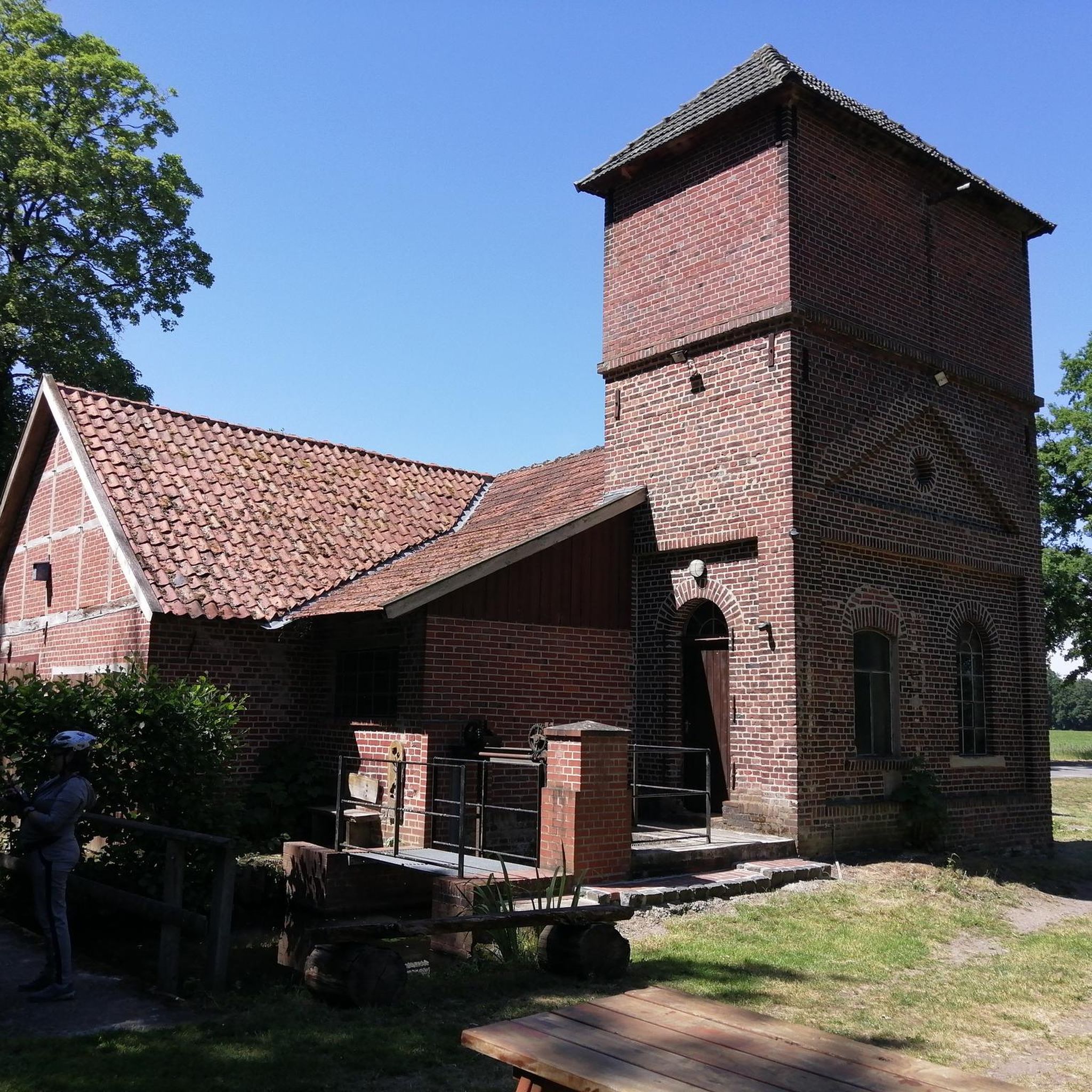
City hikes around Warszawa

City hikes around Jeziorko Czerniakowskie

City hikes around Las Bielański

City hikes around Lake Zgorzała

City hikes around Las Kabacki

City hikes around Park Młociński

City hikes around Lasek na Kole

City hikes around Park Natoliński
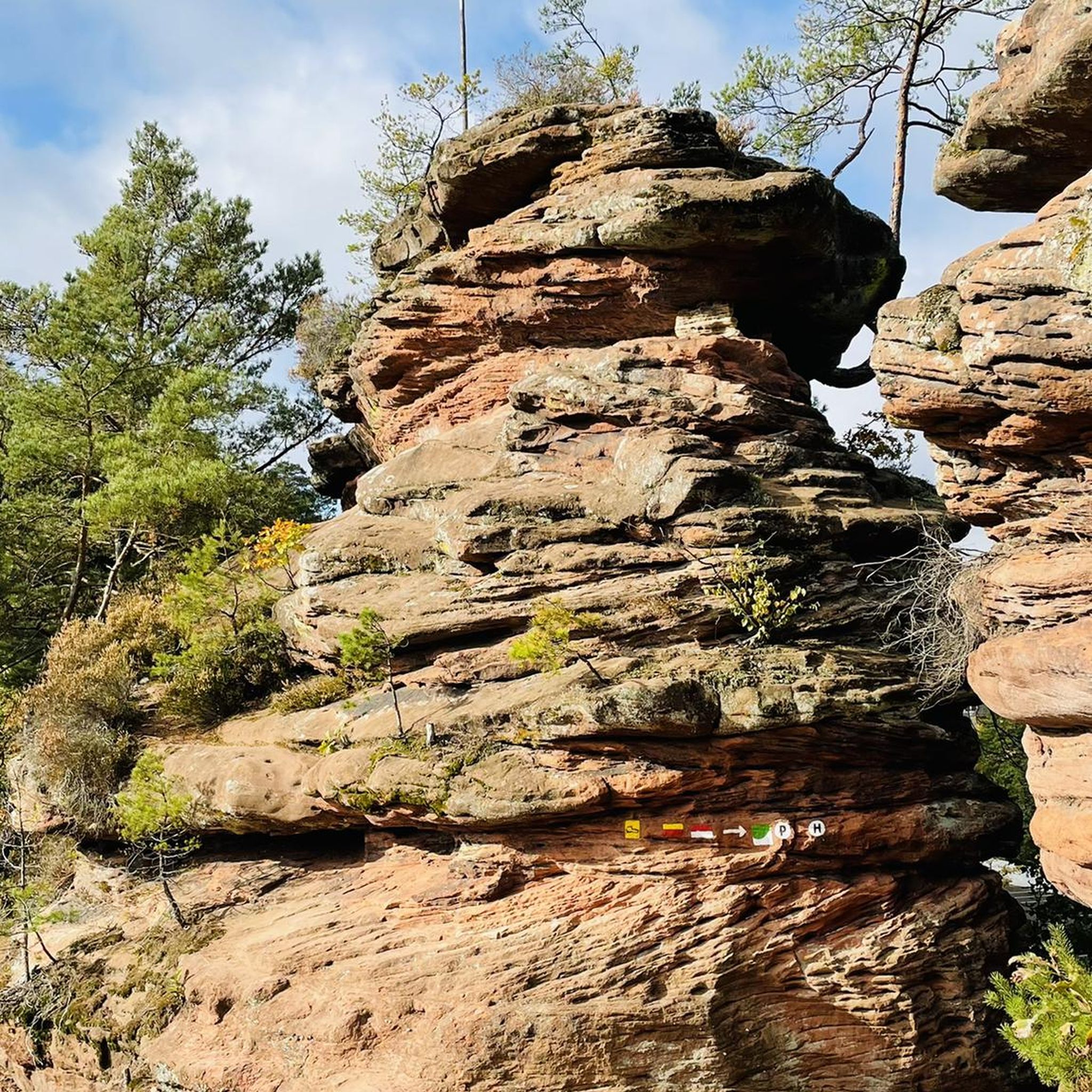
City hikes around Lake Wilanowskie
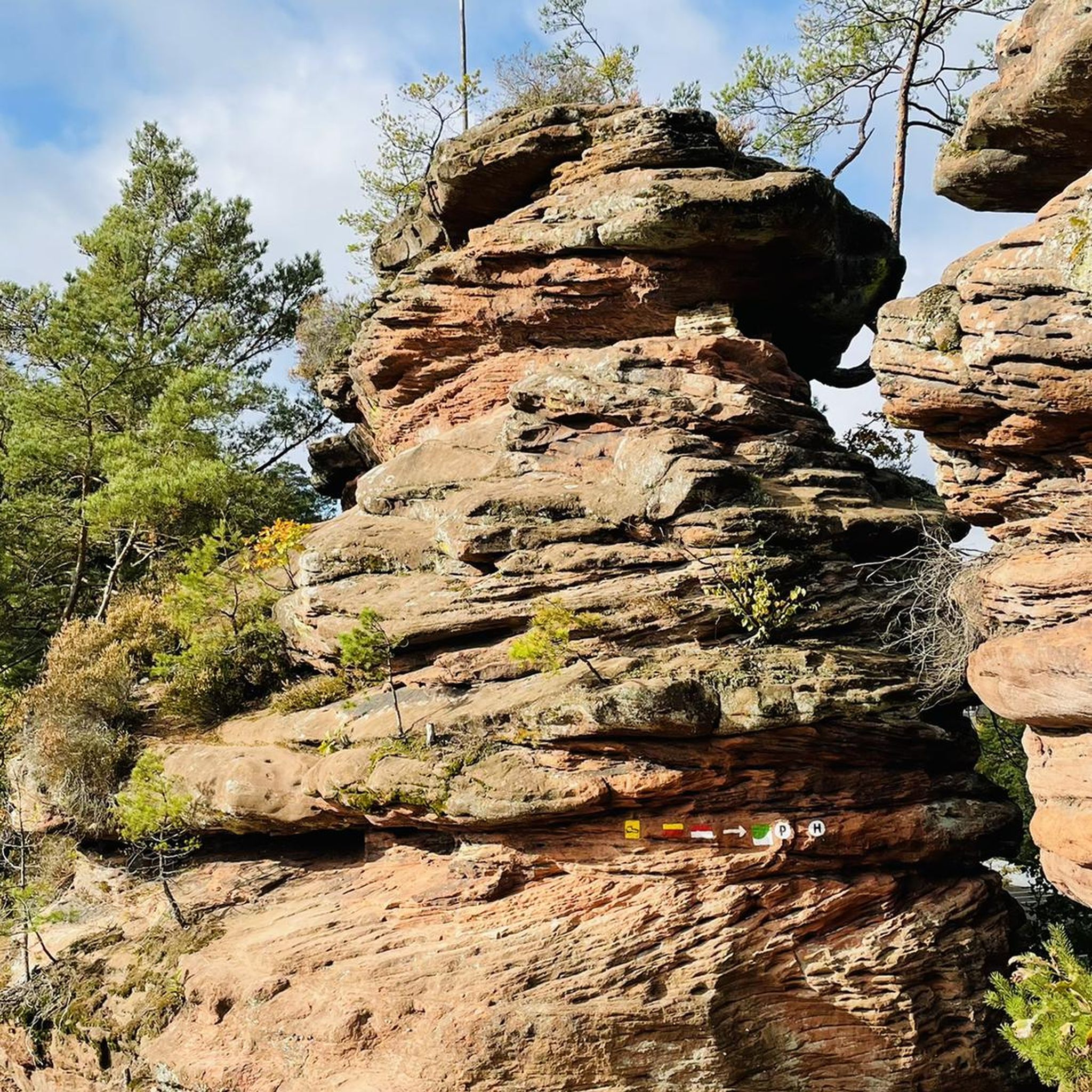
City hikes around Rezerwat Wyspy Zawadowskie
Other adventures around Warsaw

Tips from the Community

Nice hotel in a nice location in the city
0
0
Beautiful square in the center of what old buildings there are to see.
0
0
Beautiful historic place. On a beautiful walking route through the city
0
0

to visit: very beautiful
0
0
to see: interesting and scenic
0
0
A REAL JEWEL: A MUST SEE
0
0
INTERESTING: EXCELLENT CULTURAL INSIGHTS
0
0
Frequently Asked Questions
How many urban hiking trails are available around Warsaw?
Warsaw boasts an extensive network of over 700 urban hiking trails. These routes range from leisurely strolls through historic parks to more immersive walks in city-adjacent forests, ensuring there's something for every urban explorer.
What are the difficulty levels of urban hikes in Warsaw?
The majority of urban hikes in Warsaw are considered easy, with over 560 routes suitable for casual walkers. There are also around 170 moderate trails for those seeking a bit more challenge, and a few difficult routes for experienced urban hikers.
Are there any family-friendly urban hiking routes in Warsaw?
Yes, Warsaw offers many family-friendly urban hiking options. Parks like Łazienki Park provide gentle paths amidst historical landmarks and green spaces. For a slightly longer but still accessible adventure, consider the Warsaw Zoo loop from Dworzec Wileński, which is relatively flat and offers interesting sights for all ages.
Which urban trails are suitable for walking with dogs?
Many of Warsaw's green spaces and urban forests are dog-friendly, provided pets are kept on a leash. Kabaty Forest and Bielański Forest are popular choices for walks with canine companions, offering natural environments within city limits. Always check local regulations for specific park areas.
Can I find circular urban hiking routes in Warsaw?
Absolutely. Many urban trails in Warsaw are designed as loops, allowing you to start and end at the same point. A great example is the Presidential Palace – Royal Castle loop from Centrum, which takes you through historical cityscapes and returns you to your starting point.
What interesting landmarks can I see along urban hiking trails in Warsaw?
Warsaw's urban hikes often lead past significant historical and natural attractions. You can explore the Royal Castle and Warsaw Barbican on routes through the Old Town, or discover the serene Marconiego Fountain in Saxon Garden. Many trails also offer views of the Vistula River and its boulevards.
Are there urban hiking routes accessible by public transport?
Yes, Warsaw's excellent public transport system makes many urban hiking trails easily accessible. Routes like the Copernicus Monument – The Royal Castle loop from Warszawa Powiśle are conveniently located near metro and bus stops, allowing for car-free exploration of the city's green and historic areas.
What do other hikers enjoy most about urban hiking in Warsaw?
The komoot community highly rates urban hiking in Warsaw, with an average score of 4.6 stars. Reviewers frequently praise the city's unique blend of historical architecture and abundant green spaces, the well-maintained paths, and the ease of access to nature within an urban environment.
Are there any urban trails that offer viewpoints or scenic overlooks?
While Warsaw's urban landscape is relatively flat, some routes offer charming viewpoints, particularly along the Vistula River. The Viewpoint on the city walls provides a lovely perspective of the Old Town. Additionally, walks through parks like Łazienki Park offer picturesque vistas of historical palaces and landscaped gardens.
Can I find urban hikes with opportunities for cafe stops?
Absolutely! Many urban hiking routes in Warsaw pass through or near vibrant districts with numerous cafes and eateries. Trails through the Old Town, like the Tomb of the Unknown Soldier – Warsaw Barbican loop from Świętokrzyska, offer plenty of opportunities to pause for a coffee or a meal. Even larger parks often have kiosks or cafes within their bounds.
What are some hidden gem urban walks in Warsaw?
Beyond the well-known parks, consider exploring the Bielański Forest, a historic fragment of primeval forest within the city, offering varied landscapes and a true escape. The Vistulan Boulevards also provide unique perspectives, especially the natural islands and floodplains like the Zawadowskie Islands Nature Reserve, which are excellent for observing wild nature and water birds.
What is the best time of year for urban hiking in Warsaw?
Spring and autumn are generally ideal for urban hiking in Warsaw, with pleasant temperatures and beautiful foliage. However, the city's urban parks and forests offer unique charm year-round. Winter walks can be magical, especially after a fresh snowfall, while summer provides lush greenery and opportunities to enjoy riverside activities.
Most popular routes around Warsaw
Most popular attractions around Warsaw

Get inspired with the komoot mobile app


Didn’t find what you were looking for?
Check out more Hikes throughout Warsaw below and find the perfect route in your destination.
Explore more
Browse the best Hikes in other regions.
