The best hikes from bus stations around Solsones
4.6
(1052)
10,470
hikers
73
hikes
Hiking around Solsones, located at the foot of the Pre-Pyrenees in Catalonia, Spain, offers diverse landscapes for outdoor enthusiasts. The region features rolling hills, dense forests, and a network of rivers and reservoirs. Hikers can explore varied terrain, from verdant hillsides to the higher elevations of the Pre-Pyrenean foothills. This area provides a range of natural features, including the unique salt mountain of Salí de Cambrils and the tranquil Mare de la Font Park.
Best bus station hiking trails around Solsones
- The most popular bus station hiking route is Cap del Verd – Pla de les Eugues loop from la Coma i la Pedra, a 10.0 miles (16.1 km) trail that takes 6 hours 35 minutes to complete. This difficult route features significant elevation gain through mountainous terrain.
- Another top favourite among local hikers is La Coma Waterfall – El Pujol del Racó loop from la Coma i la Pedra, a moderate 6.6 miles (10.6 km) path. This trail explores forested areas and leads to natural water features.
- Local hikers also love the Santa Maria de Valls Chapel loop from Guixers, a 9.1 miles (14.7 km) trail leading through varied landscapes, often completed in about 4 hours 22 minutes.
- Hiking around Solsones is defined by Pre-Pyrenean foothills, dense forests, and river valleys. The network offers options for different ability levels, from moderate forest walks to more challenging mountain ascents.
- The routes in Solsones are highly rated by the komoot community with an average score of 4.6 stars from over 700 reviews. More than 8,000 hikers have used komoot to explore Solsones's varied terrain.
Last updated: October 10, 2026
4.0
(6)
80
hikers
Moderate hike. Good fitness required. Mostly accessible paths. Sure-footedness required.
5.0
(3)
28
hikers
8.59km
02:30
190m
190m
Moderate hike. Good fitness required. Mostly accessible paths. Sure-footedness required.

4.8
(4)
26
hikers
4.74km
01:16
50m
50m
Easy hike. Great for any fitness level. Easily-accessible paths. Suitable for all skill levels.
4.5
(6)
15
hikers
16.1km
06:35
1,260m
1,260m
Hard hike. Very good fitness required. Easily-accessible paths. Suitable for all skill levels.
5.0
(1)
17
hikers
10.6km
03:24
440m
430m
Moderate hike. Good fitness required. Easily-accessible paths. Suitable for all skill levels.
Get access to more routes and recommendations from other explorers.
Already have an account?
Our route recommendations are based on thousands of hikes, rides, and runs completed by other people on komoot.
Start today with a free account
Your next adventure awaits.
Popular around Solsones
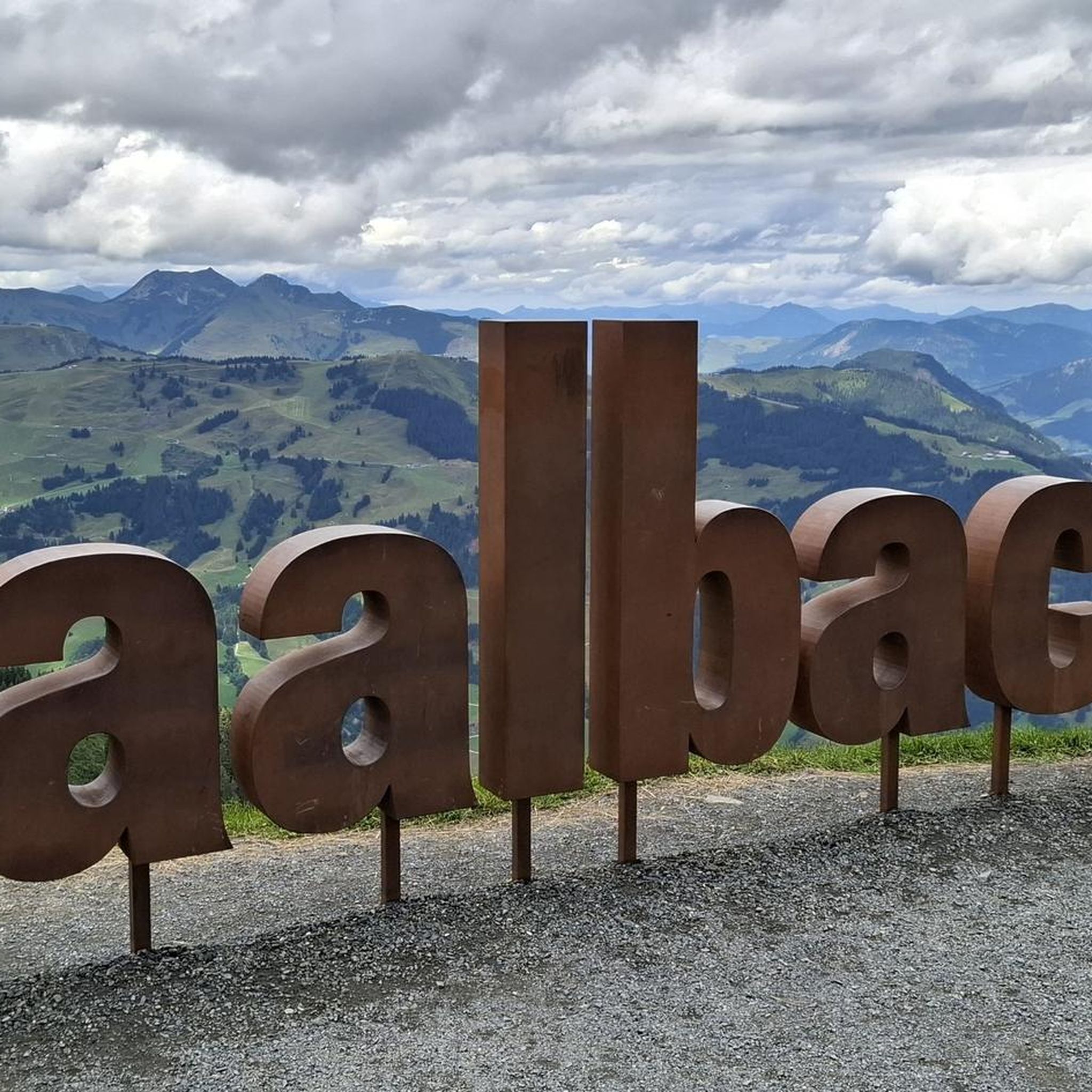
Hikes from bus stations around Pantà de la Llosa del Cavall
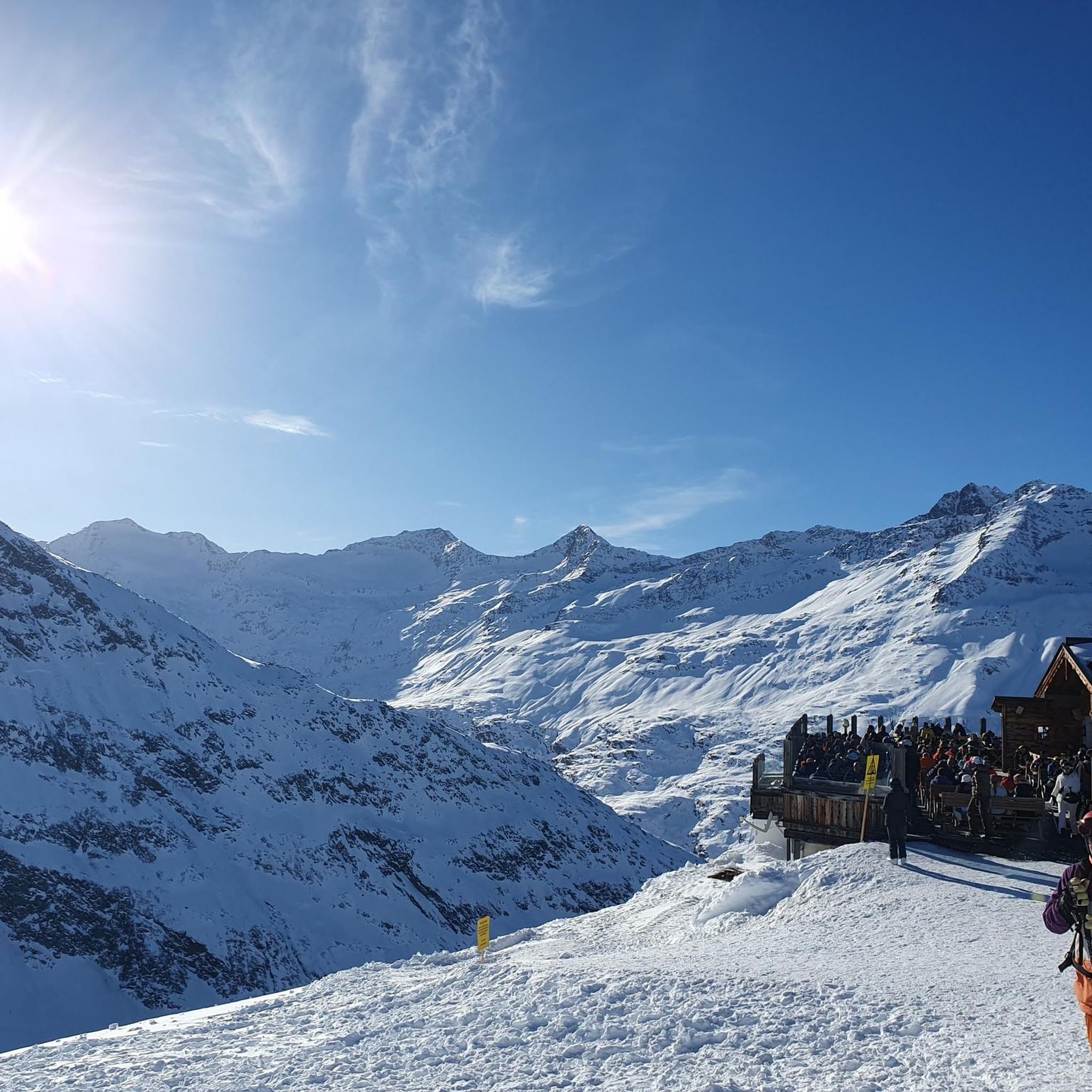
Hikes from bus stations around Pantà de Sant Ponç
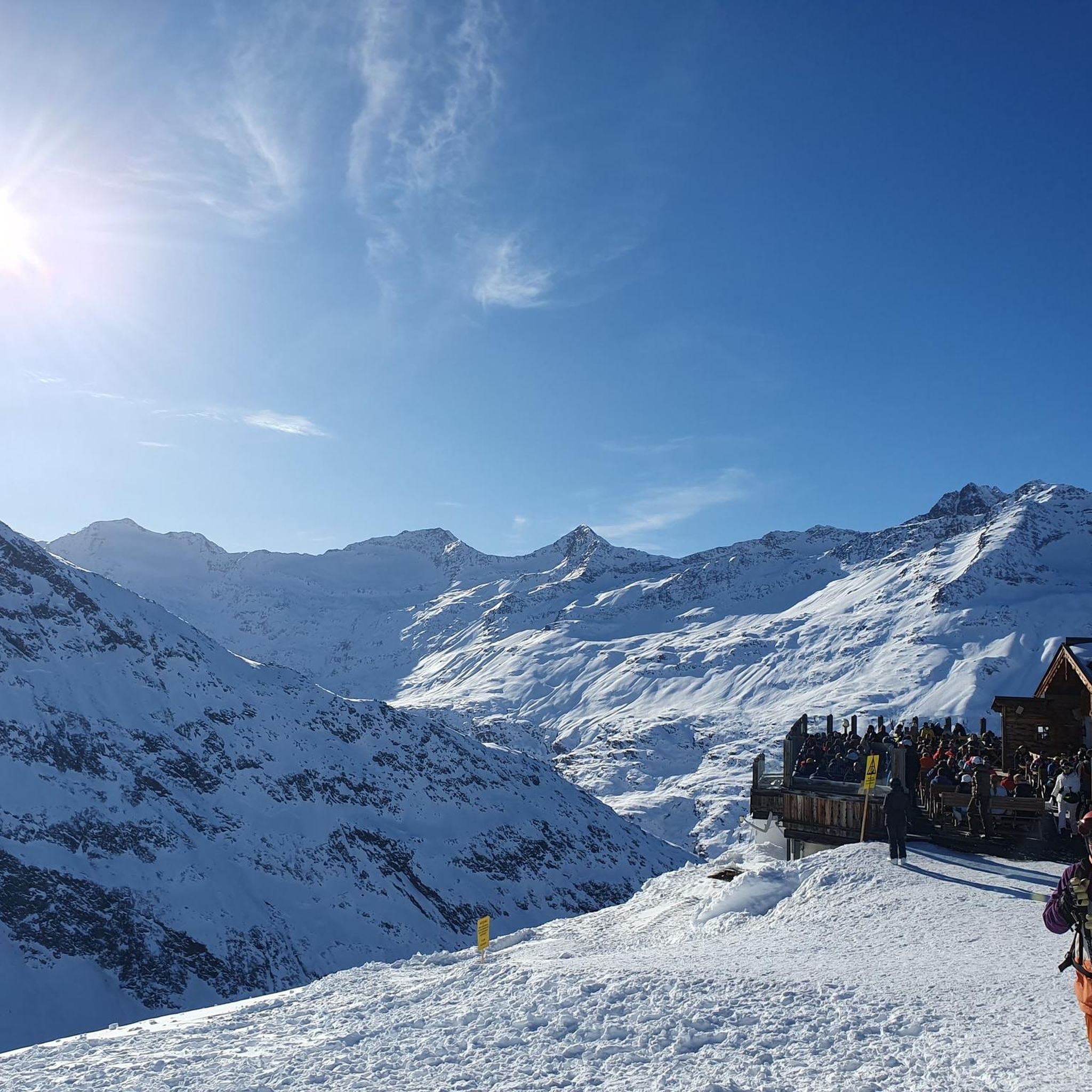
Hikes from bus stations in Espai D'Interès Natural Del Miracle
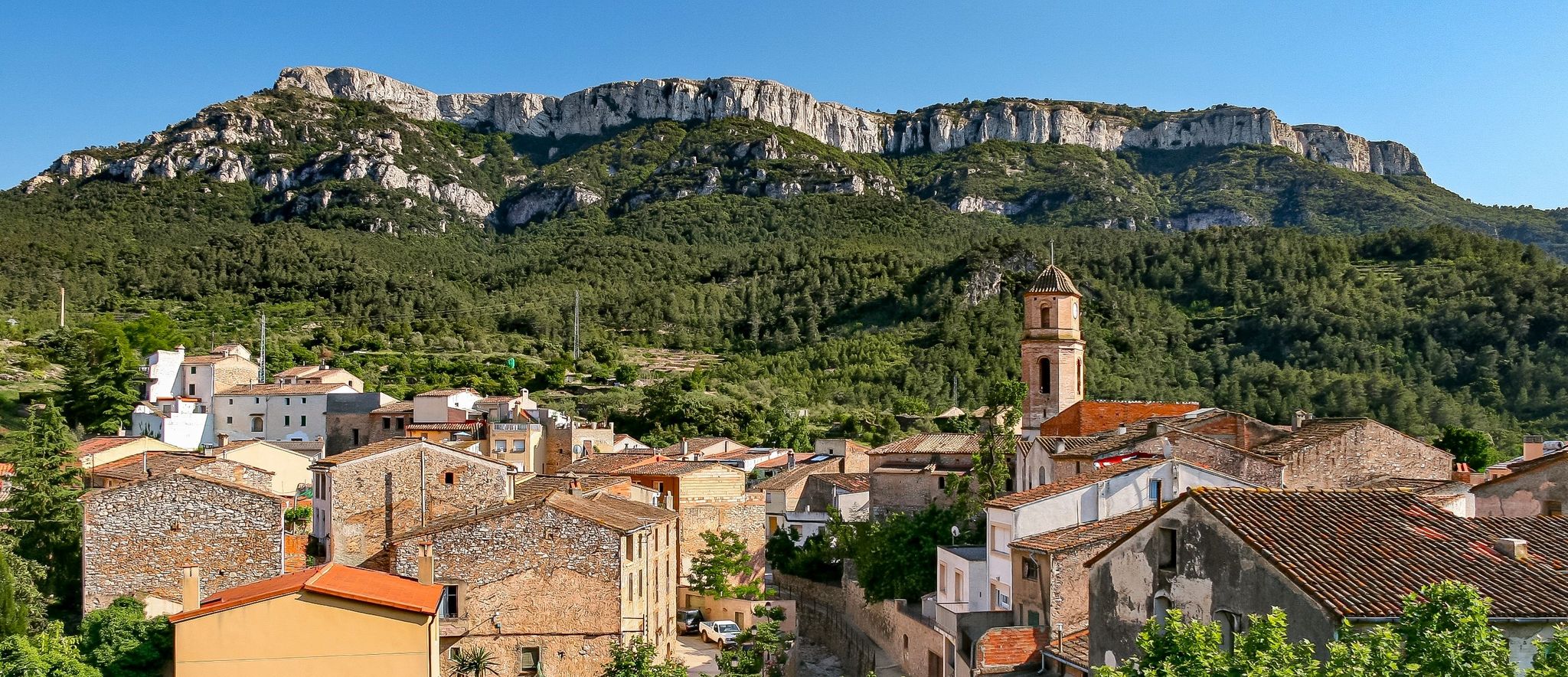
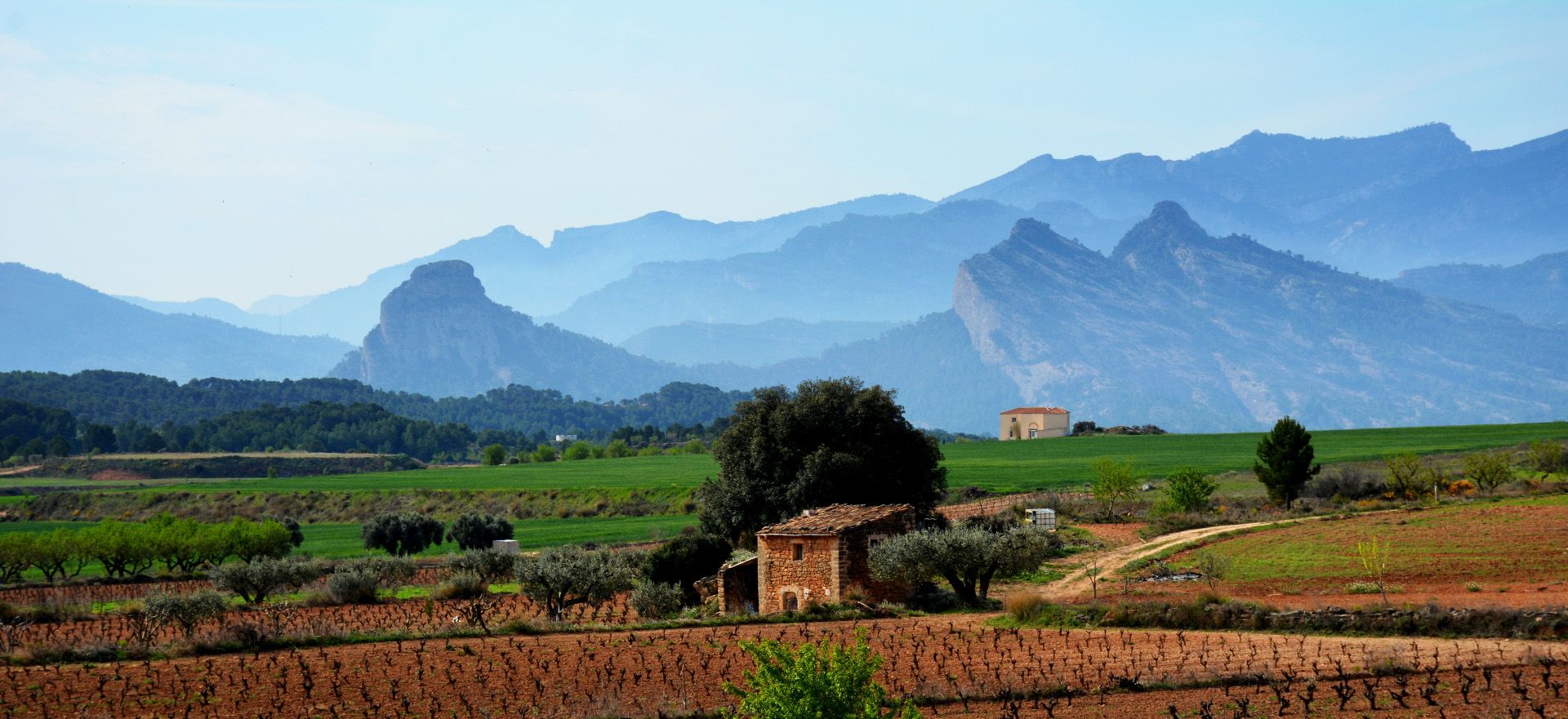
A land of contrasts – Tarragona to the Pyrenees on the GR 7
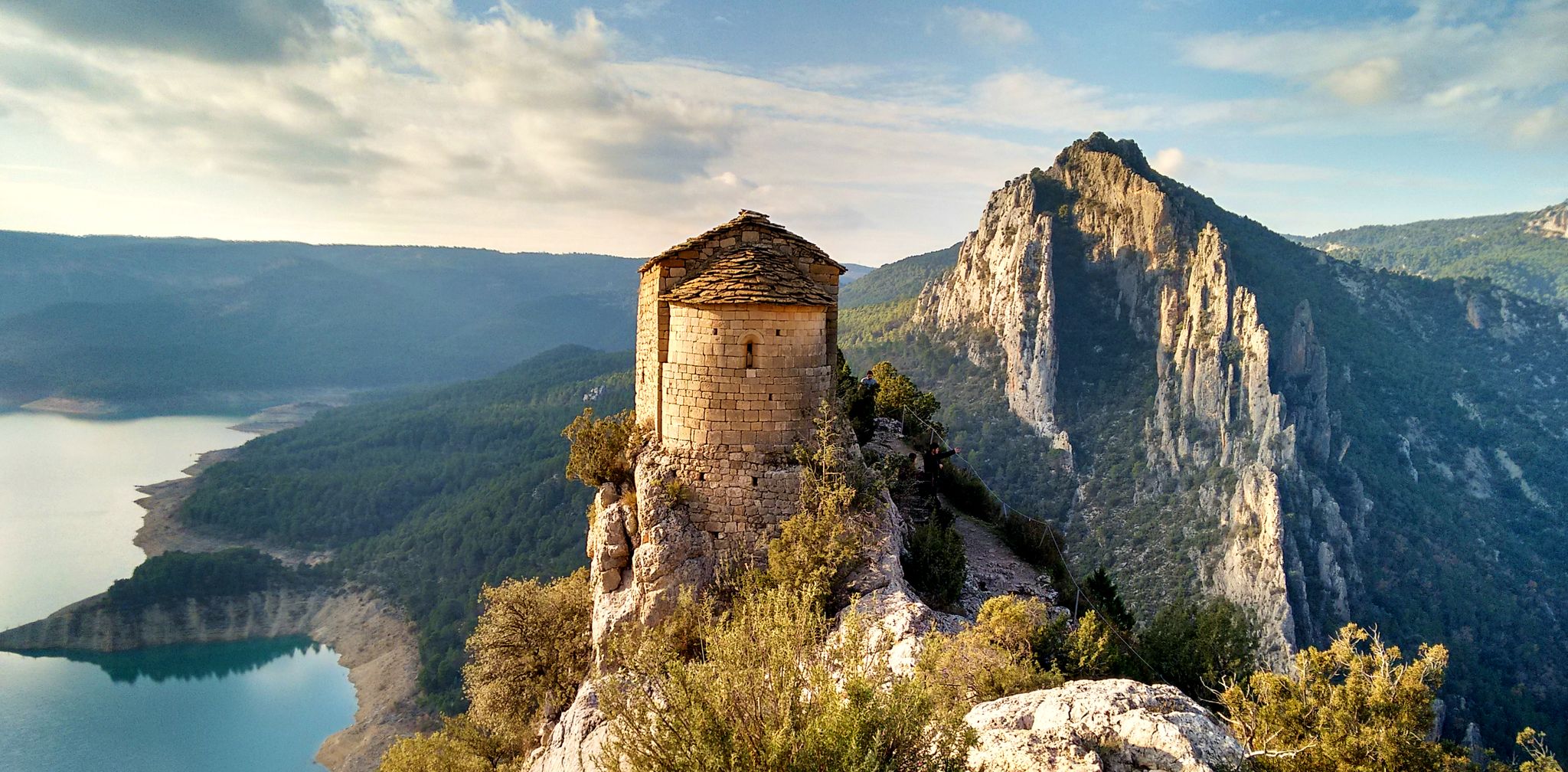
From the heart of southern Catalonia – GR 171
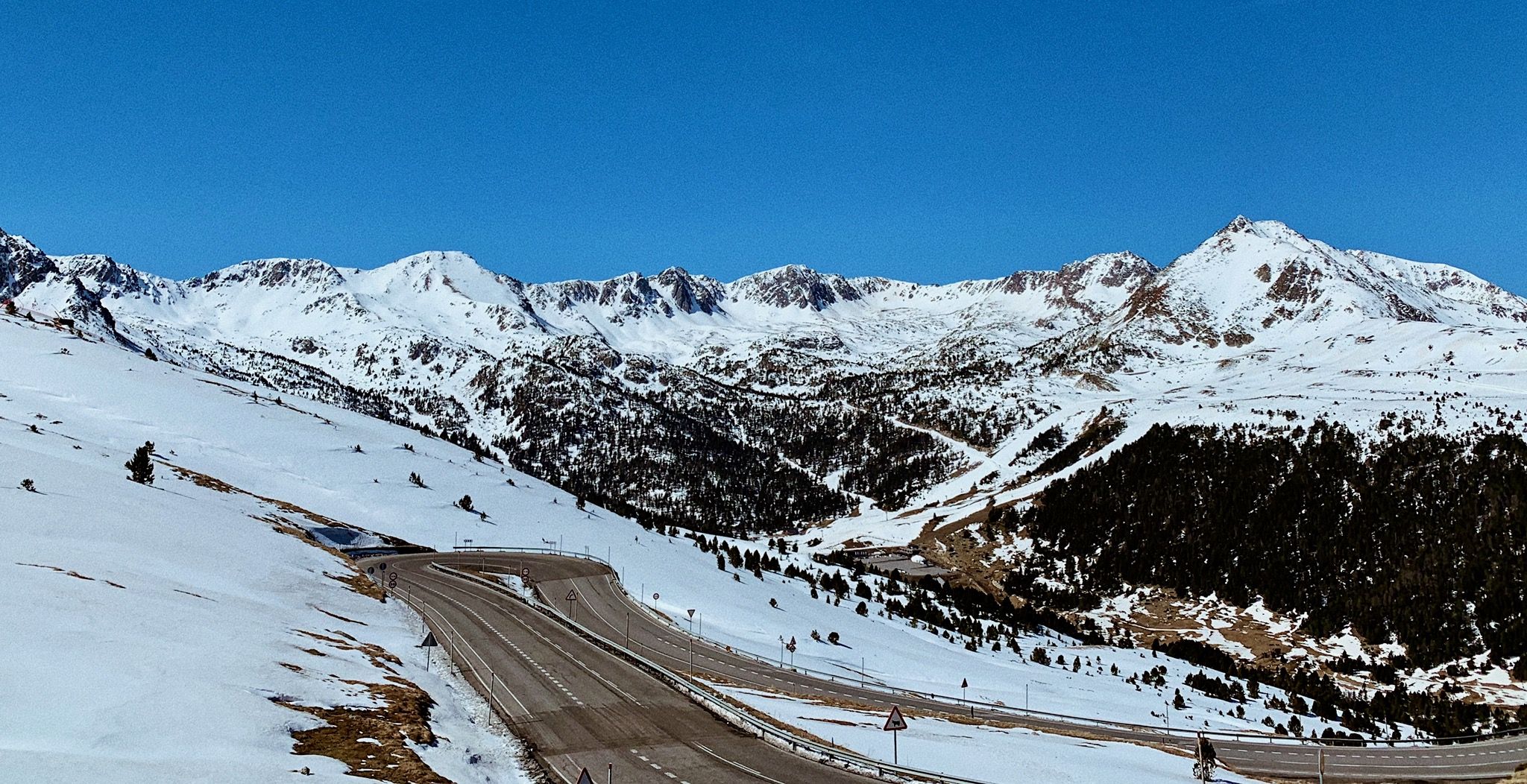
From the Mediterranean to the Pre-Pyrenees – Historical Path in Catalonia (GR 1)
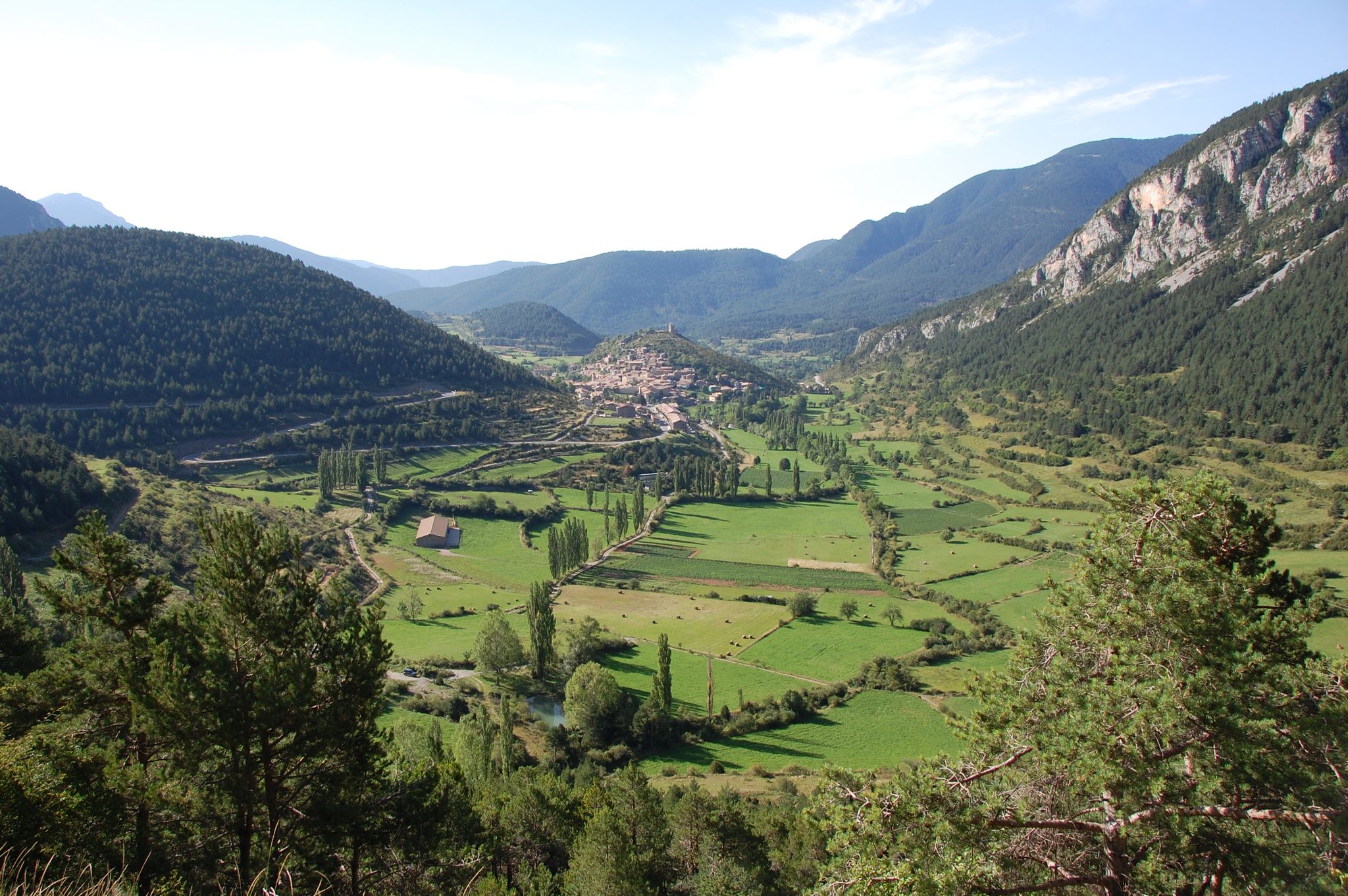
Valencia to Toulouse — Riding over the Pyrenees
Infinite MTB trails – Pedals del Pedraforca in Catalonia
Other adventures around Solsones


Tips from the Community

Sant Llorenç de Morunys is a town in the Solsonès region located at 925 metres above sea level, surrounded by the Port del Comte, Busa and Verd mountain ranges. It has a well-preserved medieval centre, with walls, cobbled streets and the 11th-century Romanesque church of Sant Llorenç, as the centre of the complex. It is a key point of passage and stop for mountain routes, cycle tours and crossings through the Pre-Pyrenees. The entrance and exit of the town can be done via roads with demanding slopes or forest tracks depending on the itinerary, but it is always worth stopping there to recover energy, fill up water bottles or take a quality break. A good place to charge batteries, both physical and e-bike.
1
0


Sant Llorenç de Morunys is a curious mountain town in the Solsonés region. If you are on the road here, do not hesitate to make a stop and recharge your batteries at any of its establishments.
1
0


We recommend a pizza at Pizzeria la Familia, a crepe at the Moncrep creperie or a cake at the Can Massana patisserie.
1
0

Interesting city cemetery located on the hill north of the city. It can be reached via a marked path.
0
0

At the highest point of Mola de Lord we find the classic key of the I.C.G.C. and a railing that protects against the temptation to reach the car park by the fastest route, because it is right at the foot of the cliff. On March 1, 2014, a cross was placed at the head of the Mola mound, as a sign of a place consecrated to the Lord and to devotion to his Saint. Mother, the Virgin Mary. The blessing was done in the company of a good group of friends from the Sanctuary.
0
0
Documented since the end of the 10th century as an ancient hermitage center, in the 11th century it became dependent on the monastery of Sant Llorenç de Morunys. A church was built there in the fifteenth century, and between 1582 and 1634 a community of Dominican friars was established there. The increase in his patrimonial assets led to the construction of a new temple between 1774 and 1785, which came to serve, in 1812, as a depot for French prisoners and was devastated in 1836 during the Carline War; a cannon from that time is preserved there, located at the entrance to the sanctuary. The current building was built on the initiative of the industrialist Esteve Monegal between 1867 and 1870, and was inaugurated on August 19 of this year. In 1896 a great fire, perhaps caused by lightning, completely destroyed the high altar and the paintings representing the legend. The image of the Virgin Mary was rescued and the temple was repaired. In 1901, a new high altar was inaugurated, this time financed by José Monegal. In 1929, the two Masriera canvases were installed there, replacing the previous two, burned in the 1896 fire. After the family that lived in the Sanctuary left at the end of the sixties of the 20th century, in 1971 Father Jordana, coming from the Monastery of Poblet, who had been Prior-President of Poblet and of the Spanish Cistercian Order, arrived in La Mola to reside there and lead a retired life. In 1975, a new reconstruction of the Sanctuary began and in the following years, electric light and running water were added. In 2008, the Hostatgeria del Santuari was inaugurated there, a "eucharistic, biblical place, a place to transmit the peace of God
1
0
Frequently Asked Questions
How many bus station hiking trails are available in Solsones?
There are 12 curated hiking routes in Solsones that are easily accessible from bus stations, offering a convenient way to explore the region's diverse landscapes without a car.
What is the general difficulty level of bus station hikes in Solsones?
The bus station hikes in Solsones cater to a range of abilities. Most of the routes, 10 out of 12, are classified as moderate. There is also 1 easy route and 1 difficult route for those seeking a greater challenge.
What do other hikers say about the bus station trails in Solsones?
The komoot community highly rates the hiking experience in Solsones, with an average score of 4.6 out of 5 stars from 797 ratings. Hikers often praise the region's varied terrain, beautiful natural features, and the convenience of public transport access.
Are there any circular routes accessible from bus stations in Solsones?
Yes, many of the bus station accessible routes in Solsones are circular, allowing you to start and end your hike at the same point. An example is the moderate Santa Maria de Valls Chapel loop from Guixers, which offers a rewarding journey through the local landscape.
Are there bus station hikes suitable for families in Solsones?
While most routes are moderate, the region offers trails that can be enjoyed by families. The Mare de la Font Park, on the outskirts of Solsona, is particularly suitable for family walks with its cool, shaded environment and botanical itinerary. Look for routes with shorter distances and less elevation gain.
Can I bring my dog on these bus station hikes?
Generally, dogs are welcome on most hiking trails in Solsones. However, it's always recommended to keep them on a leash, especially in areas with livestock or protected wildlife. Please ensure you carry water for your dog and clean up after them.
Are there any bus station hikes that feature waterfalls or water bodies?
Yes, Solsones is home to several rivers and reservoirs. You can explore routes that include water features, such as the moderate La Coma Waterfall – El Pujol del Racó loop from la Coma i la Pedra, which takes you past a beautiful waterfall. The Llosa del Cavall Reservoir is also a notable spot for water activities.
What kind of natural features or landmarks can I expect to see on these trails?
Solsones offers a rich tapestry of natural and historical sights. Along the trails, you might encounter pre-Pyrenean foothills, dense forests, and unique geological formations like the Salí de Cambrils (salt mountain). Notable landmarks include the impressive Castellvell de Olius, offering panoramic views, and the serene Sanctuary of Lord.
Are there any challenging bus station hikes for experienced hikers?
For experienced hikers seeking a challenge, Solsones offers demanding routes. The Cap del Verd – Pla de les Eugues loop from la Coma i la Pedra is classified as difficult, featuring significant elevation gain and a longer distance, perfect for a full day's adventure.
What are some easy bus station hikes for beginners?
If you're looking for an easier introduction to hiking from bus stations, there is one easy route available. These trails are generally shorter with less elevation, making them ideal for beginners or those seeking a leisurely stroll. Look for routes around the immediate surroundings of Solsona, like the Vinyet, which offer gentle terrain.
What is the best time of year to hike from bus stations in Solsones?
Solsones is enjoyable for hiking throughout much of the year. Spring and autumn offer pleasant temperatures and vibrant landscapes, making them ideal. Summer can be warm, but shaded forest trails and areas like Mare de la Font Park provide cooler options. Winter hiking is possible, especially at lower elevations, but higher areas like Port del Comte may have snow.
Are there any bus station routes that offer great viewpoints?
Absolutely. Many trails in Solsones lead to stunning viewpoints, thanks to its location in the Pre-Pyrenees. The area around Castellvell de Olius is particularly known for magnificent views of Solsona and its surroundings. The Coll de Port also provides expansive vistas.
Most popular routes around Solsones
Most popular attractions around Solsones

Get inspired with the komoot mobile app


Didn’t find what you were looking for?
Check out more Hikes throughout Solsones below and find the perfect route in your destination.
Explore more
Browse the best Hikes in other regions.
