The best family-friendly hikes and walks around Duero Bajo
4.8
(45)
486
hikers
16
hikes
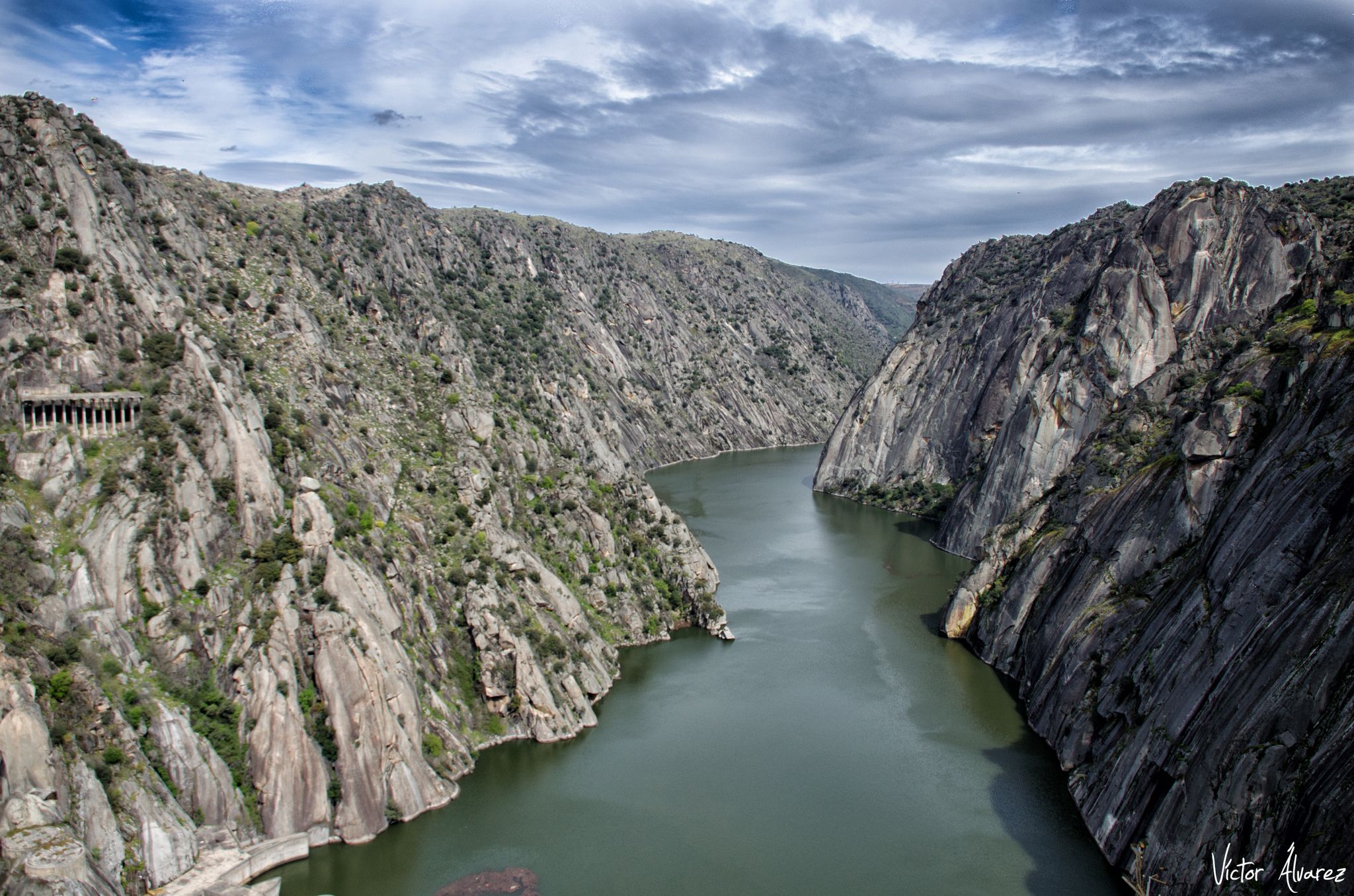
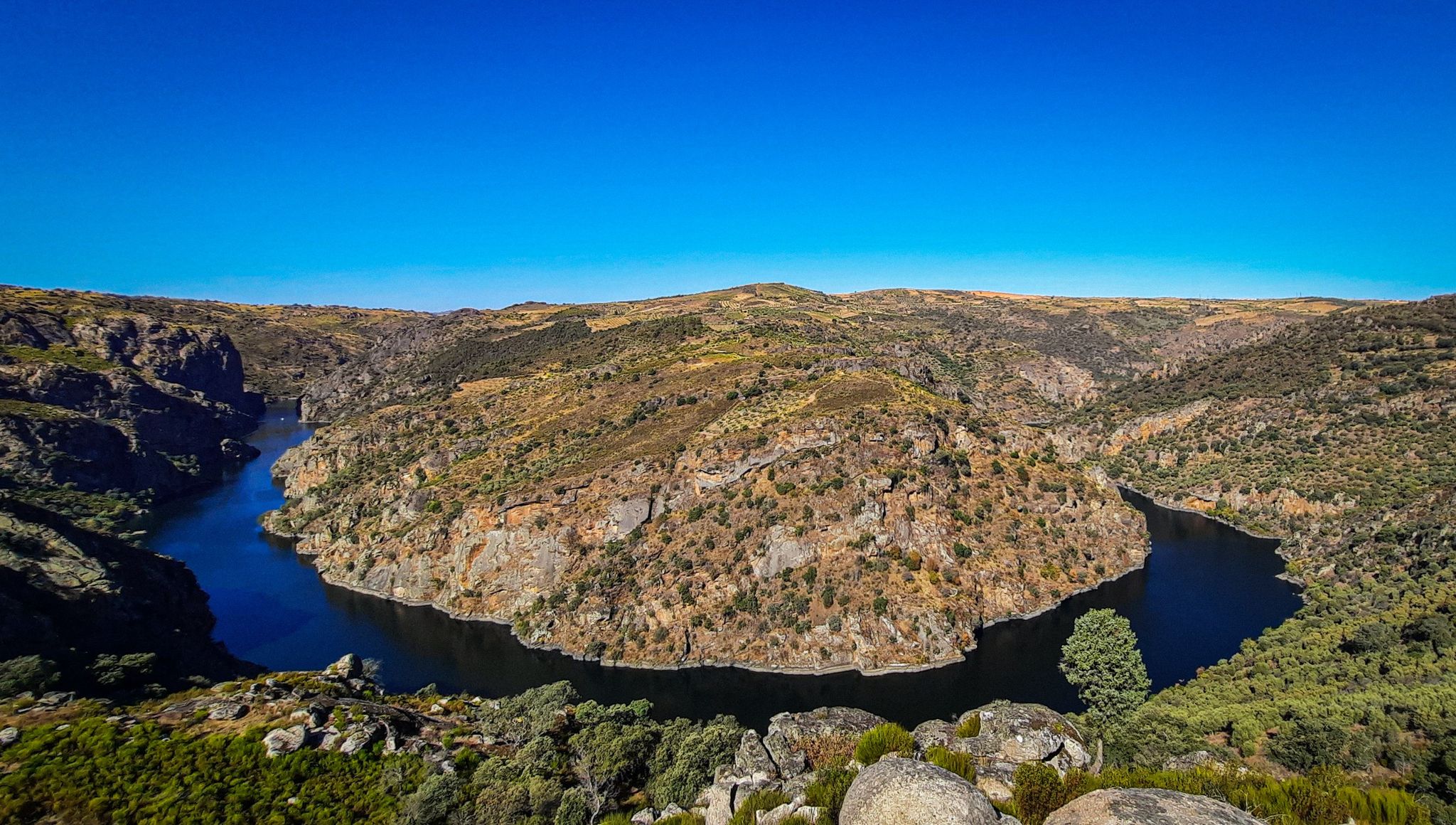
Family friendly hiking trails around Duero Bajo are primarily found within the Arribes del Duero Natural Park, a region defined by the deep canyons carved by the Duero River and its tributaries. The landscape features dramatic rock formations, steep slopes, and a unique Mediterranean microclimate within the gorges. This area offers a diverse environment for outdoor activities, characterized by river valleys and elevated plateaus.
Best family friendly hiking trails around Duero Bajo
- The most popular family friendly hiking route is…
Last updated: October 10, 2026
4.0
(3)
6
hikers
Easy hike. Great for any fitness level. Easily-accessible paths. Suitable for all skill levels.
4
hikers
11.1km
02:57
110m
120m
Moderate hike. Good fitness required. Easily-accessible paths. Suitable for all skill levels.

3
hikers
4.32km
01:14
100m
100m
Easy hike. Great for any fitness level. Easily-accessible paths. Suitable for all skill levels.
2
hikers
15.5km
03:57
50m
50m
Moderate hike. Good fitness required. Easily-accessible paths. Suitable for all skill levels.
5.0
(1)
2
hikers
7.21km
01:53
50m
50m
Easy hike. Great for any fitness level. Easily-accessible paths. Suitable for all skill levels.
Get access to more routes and recommendations from other explorers.
Already have an account?
Our route recommendations are based on thousands of hikes, rides, and runs completed by other people on komoot.
Start today with a free account
Your next adventure awaits.

Other adventures around Duero Bajo


Tips from the Community

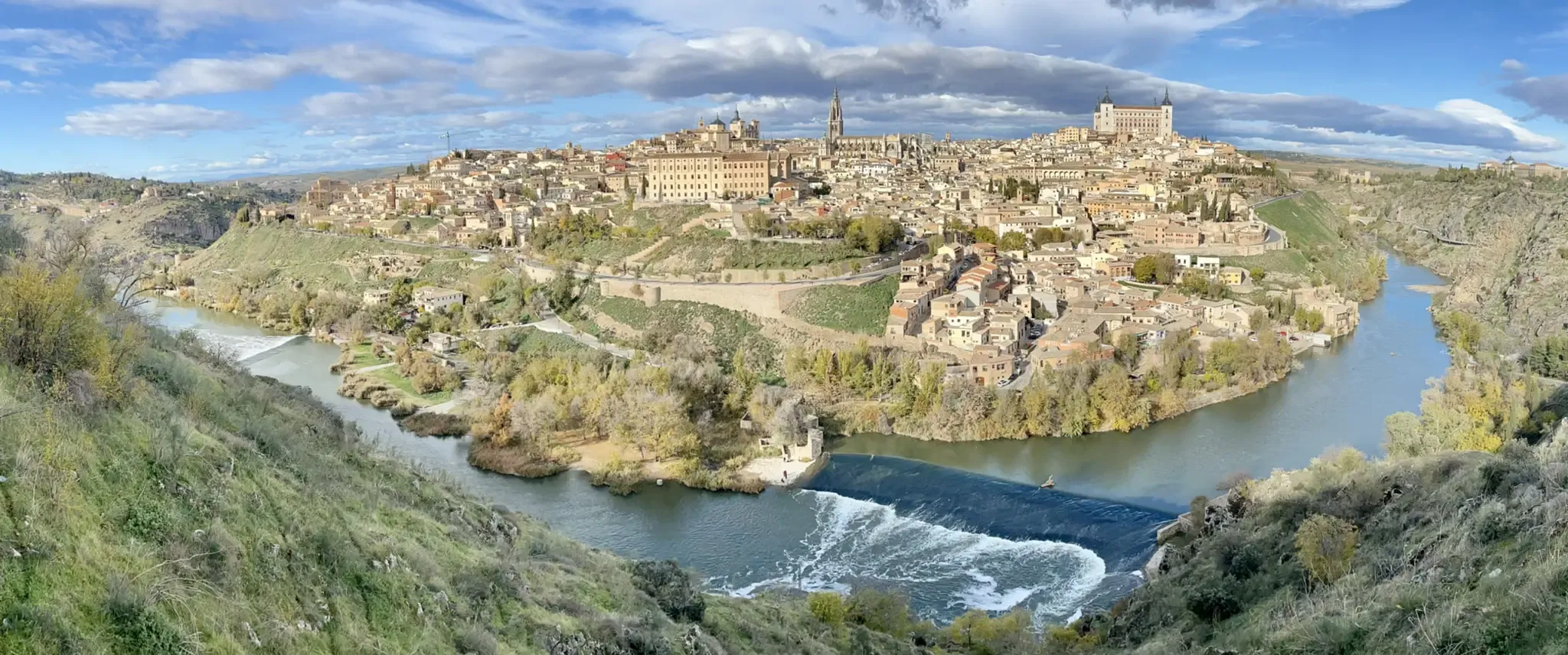
Toro is a municipality and Spanish city in the province of Zamora, in Castilla y León. It is located in the southeast of the province, in the heart of the Duero valley, about 33 km from the provincial capital. I hope you enjoy your visit to this charming city! 🌟
1
0
The inspiration for the Collegiate Church came from the Cathedral of Zamora, and its design also influenced other buildings, such as the Old Cathedral of Salamanca. Construction began in the 12th century under the auspices of the kings of León. It is one of the most characteristic examples of Romanesque in its transitional phase. The works extended over an unusually long period, from the last third of the 12th century to the middle of the 13th. The collegiate church was built in two stages: the first included the side portals, walls and layouts, while the second focused on the roof and a dome with attached towers. If you ever have the opportunity to visit Toro, don't miss the opportunity to explore this wonderful collegiate church. It is a true historical treasure! 🌟
3
1
The Clock Tower, also known as the Clock Arch, is located in the walled area of Toro, in the province of Zamora, Spain. Its construction began in 1719 during the reign of Philip V and was completed nineteen years later. The design is attributed to architect Joaquín Churriguera. The tower is located above the old Market Gate, which dates back to the 15th century and surrounded the first walled area of the city. Its height allows it to be seen from any point in Toro. If you ever visit Toro, don't miss the opportunity to admire this historic tower and its clock. It is a true symbol of the city! 🕰️🌟
2
0
The Plaza Mayor de Toro is located halfway between the Collegiate Church and the Clock Tower. It is a typical Castilian square, surrounded by three-story houses with arcades and balconies with wrought iron bars. The ground floor of these houses are usually occupied by bars and restaurants. If you ever have the opportunity to visit Toro, be sure to stop by the Plaza Mayor and enjoy its lively and welcoming atmosphere. Have a good trip! 🌟
3
0


The Plaza Mayor has one of the most important streets in Toro, the Puerta del Mercado. The city gate and clock tower are across the street.
0
0

The Mayor de Toro bridge, with its impressive 22 arches, was built in the 12th century, making it the oldest bridge that crosses the waters of the Duero River.
1
0

Villaralbo is a small town on the outskirts of Zamora, on the banks of the Duero River. The town is located on the Jacobean route Vía de la Plata.
2
0
Frequently Asked Questions
How many family-friendly hiking trails are available in Duero Bajo?
Duero Bajo offers a fantastic selection of family-friendly hiking trails. This guide features 47 routes, with 25 rated as easy and 22 as moderate, ensuring there's something for every family's comfort level.
What kind of natural landscapes can we expect to see on family hikes in Duero Bajo?
The region is renowned for its dramatic landscapes, particularly the deep canyons carved by the Duero River, known locally as 'arribes'. These gorges can plunge up to 400 meters, creating breathtaking views. You'll also find a unique Mediterranean microclimate within the canyons, supporting olive, almond, and cherry trees, especially beautiful when in bloom during spring.
Are there any easy circular routes suitable for families with younger children?
Yes, there are several easy circular routes perfect for families. For example, the Aceñas de Olivares from Playa de los Pelambres – circular by the Río Duero is an easy 6.5 km loop that takes about 1 hour and 40 minutes, offering lovely riverside views.
What are some interesting historical or cultural sights we can visit near the trails?
Many trails are close to charming villages and historical sites. In Toro, you can explore the impressive Collegiate Church of Santa María la Mayor and the historic Plaza Mayor de Toro. The Camino de Levante: Toro Loop is a great way to experience the town's heritage.
What is the best time of year for family hiking in Duero Bajo?
Spring and autumn are generally the best times for family hiking in Duero Bajo. Spring brings blooming almond trees and pleasant temperatures, while autumn offers mild weather and beautiful fall colors. The unique microclimate in the canyons can make them warmer than the surrounding plateau, so consider this for summer hikes, perhaps opting for early mornings or late afternoons.
Can we expect to see any wildlife during our hikes?
Absolutely! The Arribes del Duero Natural Park is a Special Protection Area for birds, home to over 200 species. Keep an eye out for various birds of prey like griffon vultures, black storks, and golden eagles soaring above the canyons. The area also hosts otters, badgers, and wild boars, though they are more elusive.
Are there any trails that offer views of the Duero River?
Many trails in Duero Bajo offer stunning views of the Duero River. The Route through the Duero Riverbank and San Lorenzo Heights is an easy 7.1 km hike that provides excellent perspectives of the river and its surroundings.
What do other hikers enjoy most about the family-friendly trails in Duero Bajo?
The area is highly rated by the komoot community, with an average score of 4.5 stars from 22 ratings. Reviewers often praise the stunning canyon views, the tranquility of the riverside paths, and the well-maintained trails that make them enjoyable for all ages. The unique natural beauty and rich biodiversity are frequently highlighted.
Are there any shorter walks suitable for families with very young children or toddlers?
For families with very young children, shorter and flatter options are ideal. The Zamora city tour is an easy 4.6 km circular route that takes about 1 hour and 15 minutes, offering a gentle stroll with historical sights.
Are dogs allowed on the family-friendly hiking trails in Duero Bajo?
While many trails in natural parks generally welcome dogs, it's always best to check specific regulations for the Arribes del Duero Natural Park, especially regarding protected wildlife areas. When permitted, dogs should typically be kept on a leash to protect local fauna and ensure a pleasant experience for all hikers.
Are there any trails that pass through or near charming villages?
Yes, several routes connect to or pass through picturesque villages. The Levante Way MTB Trail: Toro and Duero River Loop, while moderate, offers a longer exploration around the historic town of Toro and its surroundings, allowing you to experience the local charm.
Most popular routes around Duero Bajo
Most popular attractions around Duero Bajo

Get inspired with the komoot mobile app


Didn’t find what you were looking for?
Check out more Hikes throughout Duero Bajo below and find the perfect route in your destination.
Explore more
Browse the best Hikes in other regions.
