The best hikes from bus stations around Pas-Iguña
4.4
(792)
5,476
hikers
20
hikes
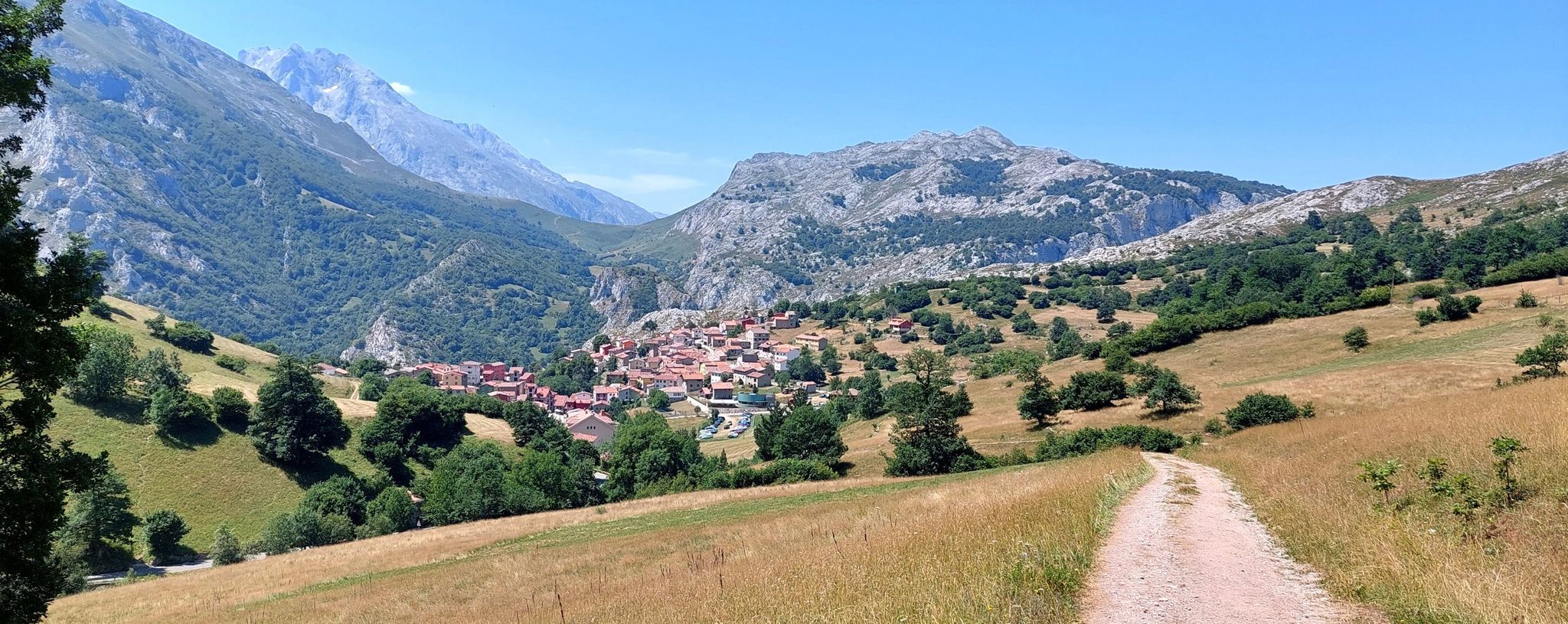
Bus station hiking trails around Pas-Iguña, located in Cantabria, Spain, traverse a diverse landscape characterized by verdant valleys, numerous rivers, and mountain plateaus. The region features extensive oak groves and beech forests, alongside green pastures and a unique patchwork of fields. Hikers can explore scenic river paths, discover various waterfalls, and ascend to elevated areas offering panoramic views of the surrounding terrain.
Best bus station hiking trails around Pas-Iguña
- The most popular bus station hiking route is Arroyo de la…
Last updated: July 7, 2026
4.6
(14)
128
hikers
4.43km
01:18
130m
130m
Easy hike. Great for any fitness level. Easily-accessible paths. Suitable for all skill levels.
4.0
(2)
7
hikers
12.3km
04:59
990m
990m
Hard hike. Very good fitness required. Mostly accessible paths. Sure-footedness required.

Sign up for free
4.5
(4)
6
hikers
15.2km
04:52
640m
640m
Moderate hike. Good fitness required. Easily-accessible paths. Suitable for all skill levels.
18.7km
05:44
650m
640m
Hard hike. Very good fitness required. Mostly accessible paths. Sure-footedness required.
4.9
(10)
52
hikers
9.79km
03:12
420m
420m
Moderate hike. Good fitness required. Easily-accessible paths. Suitable for all skill levels.
Get access to more routes and recommendations from other explorers.
Sign up for free
Already have an account?
Our route recommendations are based on thousands of hikes, rides, and runs completed by other people on komoot.
Start today with a free account
Your next adventure awaits.
Login or Signup



Tips from the Community

Very nice but very badly marked, hard to find without Komoot
1
0

The top of Alcor is located at 861 meters above sea level and offers beautiful views towards the Cantabrian interior, more specifically to Villacarriedo and San Roque de Riomiera.
1
0
Just 2.5 km from the town of Borleña and following a very picturesque path and without difficulty, you reach this wonderful place that offers a beautiful landscape and a waterfall with a natural pool that in the summer months will be your ideal place to give yourself a refreshing bath.
1
0
One of the most visited peaks in the Alto Asón area, from its 1414 masl it offers beautiful views of the entire Cantabrian interior in all directions.
4
0
Very close to the renowned Borleña churrón is this other waterfall, not so popular but worth visiting being so close.
1
0

Palacio de Soñanes in Villacarriedo is a Baroque marvel built in the 18th century and located next to the Colegio de los Escolapios. It was ordered to be built by D. Juan Antonio Díaz de Arce y Pérez del Camino, a diplomat of Philip V who became General Intendent of Aragon, between 1718 and 1722. It has been attributed to the Italian architect Cossimo Fontanelli, although it has recently been linked to the Salamanca baroque school, with plateresque and churrigueresque influences, being ultimately assigned to the mountain architect D. Francisco La Riva Ladrón de Guevara. The palace has a quadrangular ground plan, surrounding the old Torre de los Díaz de Arce. It has three floors and a monumental staircase. The facades have great ornamental richness, with free-standing Corinthian columns on the two lower floors and pilasters on the upper one. The Solomonic and balustraded columns have fluted shafts. The openings are rectangular, almost all of them highlighted by decorated columns, and are finished off by split pediments. In the center of the intermediate floor there are wrought iron balconies. The decoration is completed with other elements, such as friezes adorned with fallen leaves or grooves, etc. Pinnacles, modillions, acroteras and gargoyles appear on the roof. There are also some heraldic shields, highlighting the one located in the center of the upper floor of the façade, with the arms of Díaz de Arce and Pérez del Camino. It has recently been restored as a hotel and restaurant Source: https://turismodecantabria.com/disfrutala/que-visitar/133-palacio-de-sonanes
1
0
The Casona de los Miera is located in Selaya and was declared an Asset of Local Interest, with the property category on November 27, 2002. This house, also known as "La Torre" was built at the beginning of the 17th century with ashlars of good quality. This architectural complex is made up of a house and a tower with an “L” floor plan. The house is two stories high and is covered with a gabled roof. The wide arcade opens onto the corralada and the street through two semicircular arches. The wrought-iron balcony has a coat of arms of the Miera, Arce, Castillo de la Concha and Ceballos families and is supported by arches that are supported by pillars without capitals, instead simple imposts appear that are combined with lowered imposts. Protected by the arcade we find some doors that give us access to the interior of the house. The tower, made entirely of ashlar masonry, is three stories high and lacks decorations except for the coat of arms located between two small openings. On the sides of the tower there are two smaller balconies, but also made of wrought iron. The roof is hipped with Arabic tiles and is topped at its corners with pinnacles. Source: https://www.viajarporcantabria.com/casona-de-los-miera-en-selaya/
0
0
At the foot of the leafy De Todos oak grove, in Valvanuz, this building stands on top of another primitive one, of reduced dimensions, which dates back to around the 12th century. Its extension takes place under the protection, perhaps, of Royal patronage, which justifies a coat of arms on the portico of the hermitage, dated 1682, which reads "Long live the King of Castile, patron saint of this chapel". The most important element of the temple is the wood carving of the seated virgin from the end of the 12th century; in his right hand he holds a sphere, and in his left, on his knee, the child. She appears dressed in a tunic and cloak. Currently it is shown in a silver dressing room made with the contributions of the faithful. Source: https://www.vallespasiegos.org/what-to-see-and-what-to-do/item/12-santuario-nrt-sra-de-valvanuz-y-casa-de-la-beata
0
0
Frequently Asked Questions
How many bus station hiking trails are available in Pas-Iguña?
There are over 20 hiking routes accessible directly from bus stations in Pas-Iguña. These trails cater to various fitness levels, ranging from easy riverside strolls to challenging mountain ascents.
Are there any easy, family-friendly hikes accessible by bus in Pas-Iguña?
Yes, several easy routes are perfect for families. The Arroyo de la Llana River Trail is a great option, offering a gentle path along the river, often leading to the beautiful Churrón de Borleña Waterfall. The region's lush valleys and rivers provide a scenic backdrop for a relaxed family outing.
What kind of natural features can I expect to see on these bus-accessible trails?
The trails in Pas-Iguña showcase the region's rich natural beauty. You'll encounter verdant valleys, dense oak and beech forests, and numerous rivers like the Pas and Miera. Many routes feature impressive waterfalls, such as the Churrón de Borleña Waterfall, and offer panoramic views from elevated plateaus.
Are there any circular hiking routes from bus stations?
Yes, Pas-Iguña offers several circular routes that start and end near bus stops. For instance, the Alto Alcor – circular from Selaya via Villacarriedo is a challenging option, while the Hiking loop from La Pedrosa provides a moderate circular experience. These loops allow you to explore the diverse landscapes without retracing your steps.
What are some notable landmarks or points of interest along the bus station trails?
Beyond the natural beauty, you can discover unique landmarks. The Yera ghost station and the historic Engaña Tunnel offer a glimpse into the region's past. You might also spot traditional 'cabañas pasiegas' (shepherd's huts) and the unique 'Tumbao' Oak of Brujilices, a fallen oak that has regrown vertically.
What is the general difficulty level of bus-accessible hikes in Pas-Iguña?
The trails vary in difficulty. You'll find 3 easy routes, 14 moderate routes, and 4 difficult routes. This range ensures there's something for everyone, from leisurely walks along riverbanks to strenuous climbs up peaks like Pico Porracolina.
Can I bring my dog on the bus station hiking trails?
Many trails in Pas-Iguña are dog-friendly, allowing you to enjoy the natural surroundings with your canine companion. It's always recommended to keep dogs on a leash, especially in areas with livestock or protected wildlife, and to check specific trail regulations before you go.
What do other hikers enjoy most about hiking in Pas-Iguña?
The komoot community highly rates the hiking experience in Pas-Iguña, with an average score of 4.4 stars from over 760 reviews. Hikers frequently praise the region's stunning natural beauty, the tranquility of the valleys, and the variety of trails that cater to different skill levels. The accessibility from bus stations is also a significant plus for many.
Are there any trails that offer great viewpoints?
Absolutely. The Cantabrian Mountains provide numerous opportunities for breathtaking vistas. While specific bus-accessible routes may vary, many trails lead to elevated areas or viewpoints like La Braguía or Covalruyo, offering panoramic views of the valleys, mountains, and traditional Pasiego landscapes.
What is the best time of year to hike these bus-accessible trails?
Spring and autumn are generally considered the best seasons for hiking in Pas-Iguña. Spring brings lush greenery and blooming wildflowers, while autumn offers vibrant fall foliage. Summers are pleasant but can be warm, and winters, while beautiful, may present snow at higher elevations, requiring appropriate gear.
Are there any trails that follow rivers or streams?
Yes, the region is defined by its numerous rivers and streams, and many trails follow their courses. The Arroyo de la Llana River Trail is a prime example, offering a picturesque walk alongside the water. You'll also find trails along the Pas, Miera, and Aján rivers, often leading to charming cascades and pools.
Most popular routes around Pas-Iguña
Most popular attractions around Pas-Iguña

Get inspired with the komoot mobile app


Didn’t find what you were looking for?
Check out more Hikes throughout Pas-Iguña below and find the perfect route in your destination.
Explore more
Browse the best Hikes in other regions.
