The best traffic-free bike rides around De Marne
4.6
(56)
2,745
riders
66
rides
Road cycling around De Marne offers diverse landscapes, featuring the undulating hills of the Champagne vineyards and the flat, accessible paths along the Marne River valley. The region provides extensive greenways and quiet rural roads, ideal for no traffic road cycling routes. Cyclists can explore varied terrain, from forested areas like the Argonne Forest to open vineyard expanses. This blend of natural features ensures a range of experiences for road cyclists seeking routes without car traffic.
Best no traffic road…
Last updated: October 10, 2026
5.0
(2)
52
riders
Easy road ride. Great for any fitness level. Mostly well-paved surfaces and easy to ride.
4.5
(2)
45
riders
44.0km
01:39
50m
50m
Easy road ride. Great for any fitness level. Mostly well-paved surfaces and easy to ride.

5.0
(1)
50
riders
23.3km
00:54
30m
30m
Easy road ride. Great for any fitness level. Mostly well-paved surfaces and easy to ride.
45
riders
83.5km
03:11
90m
90m
Moderate road ride. Good fitness required. Mostly well-paved surfaces and easy to ride.
35
riders
47.3km
01:50
50m
50m
Easy road ride. Great for any fitness level. Mostly well-paved surfaces and easy to ride.
Get access to more routes and recommendations from other explorers.
Already have an account?
Our route recommendations are based on thousands of hikes, rides, and runs completed by other people on komoot.
Start today with a free account
Your next adventure awaits.
Popular around De Marne
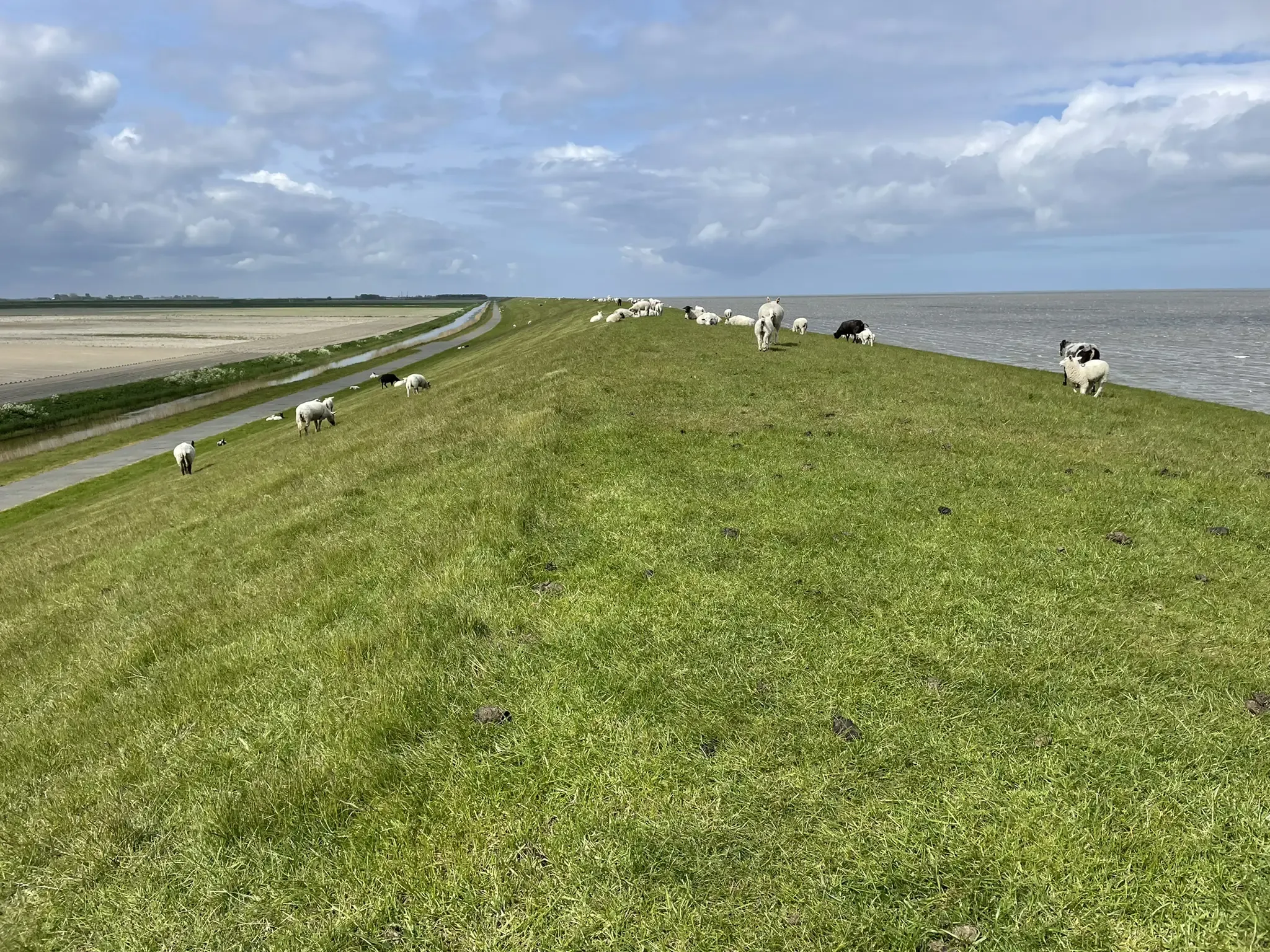
Tour of Groningen – 350 kilometers around the province
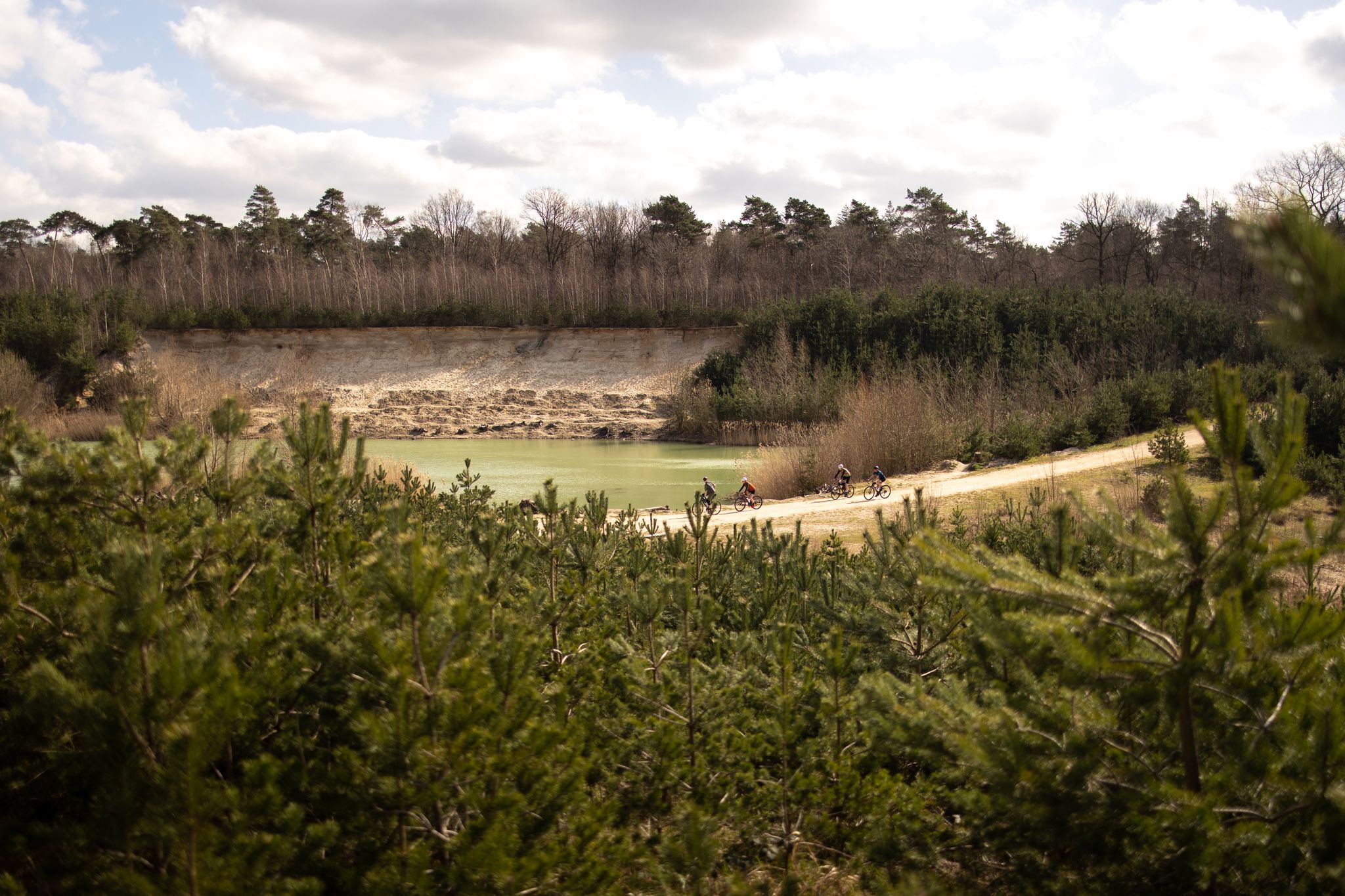
The Pieterpad by bike – From Pieterburen to Sint-Pietersberg
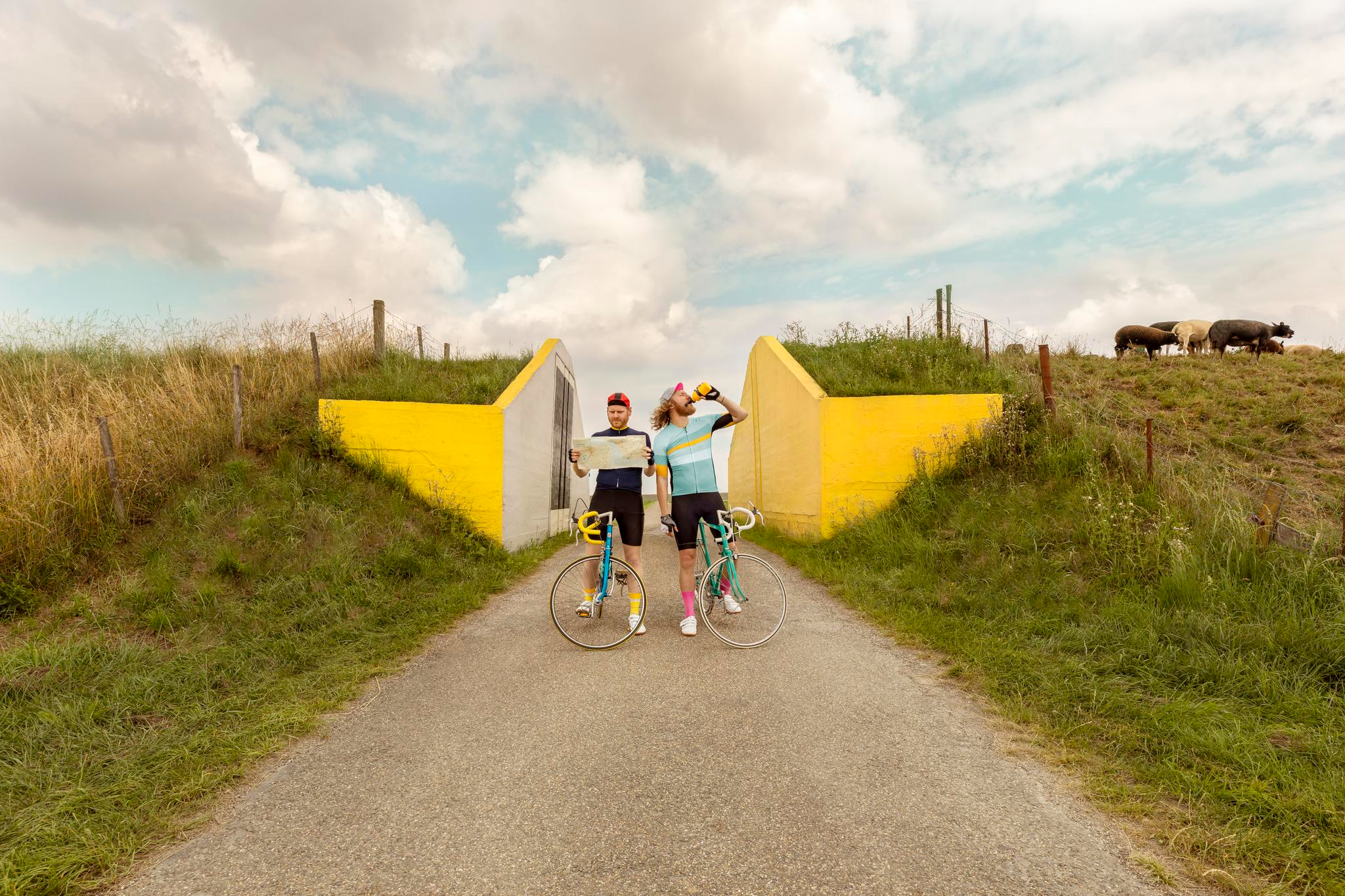
Cycling in Groningen – eight routes off the beaten track
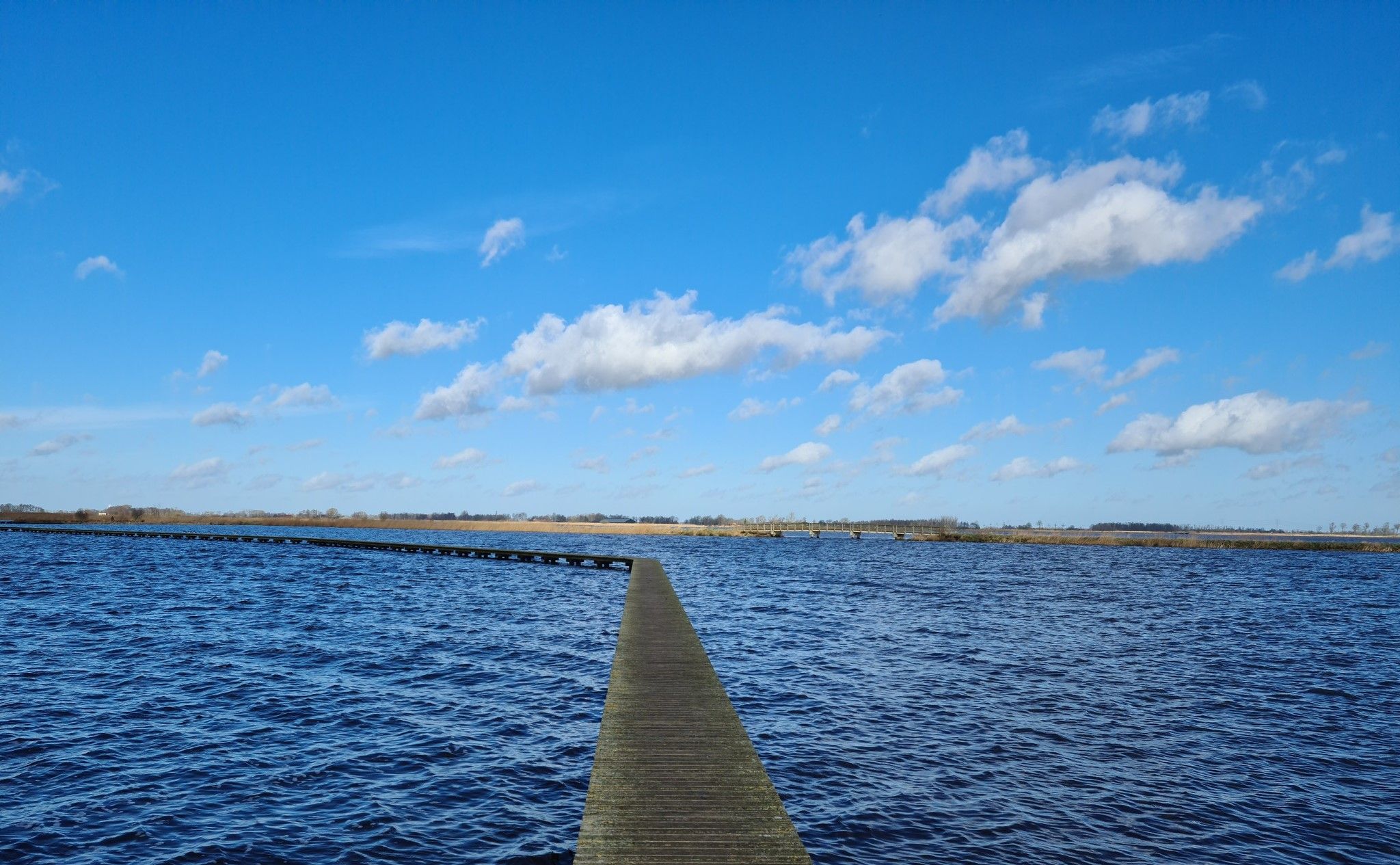
Right in the middle of nature - 20 accessible routes in Groningen
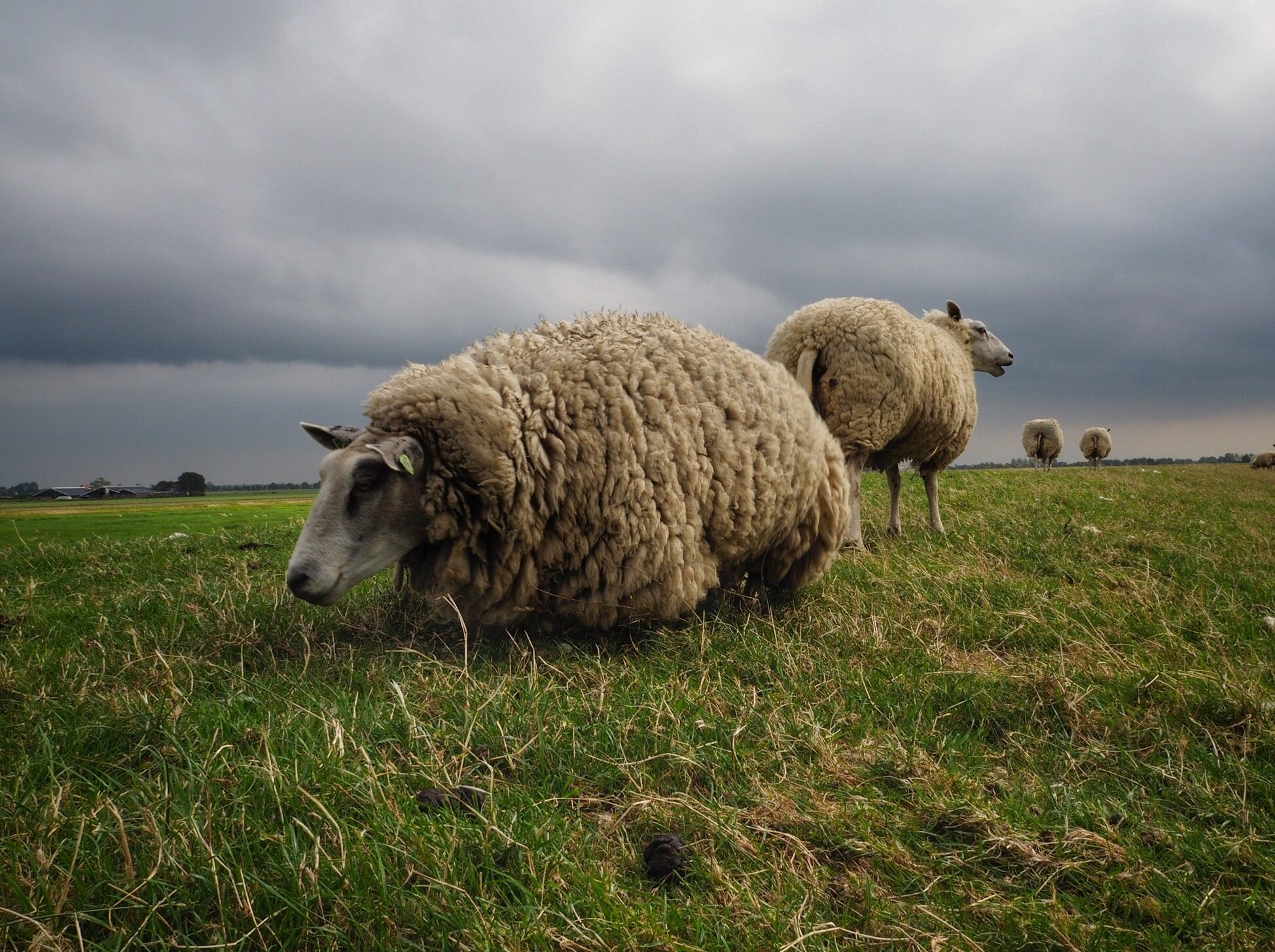
Along the Wadden Sea — part 3: Dutch Coastal Path
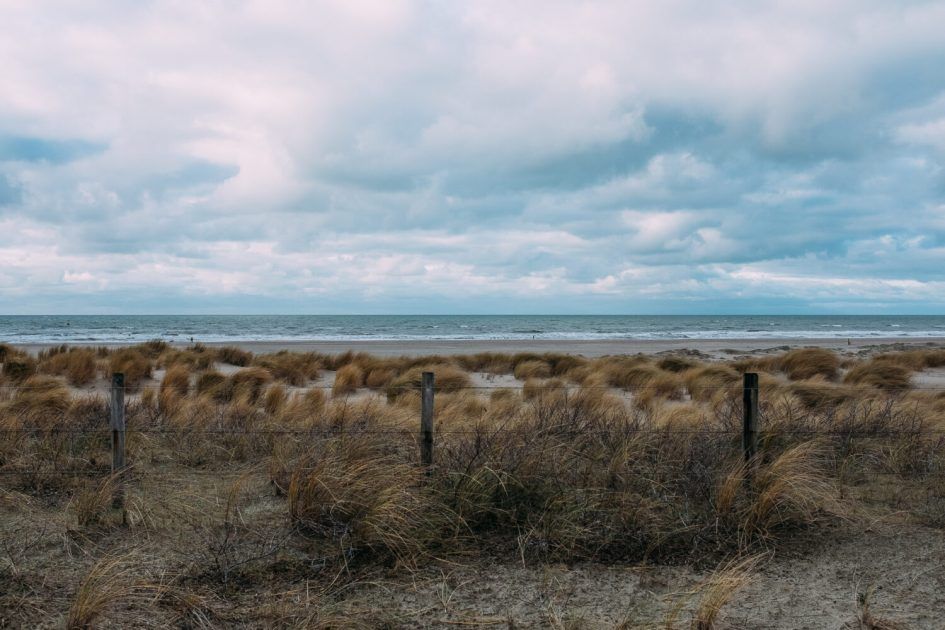
Beach, sea and dunes – LF Coastal Route in the Netherlands
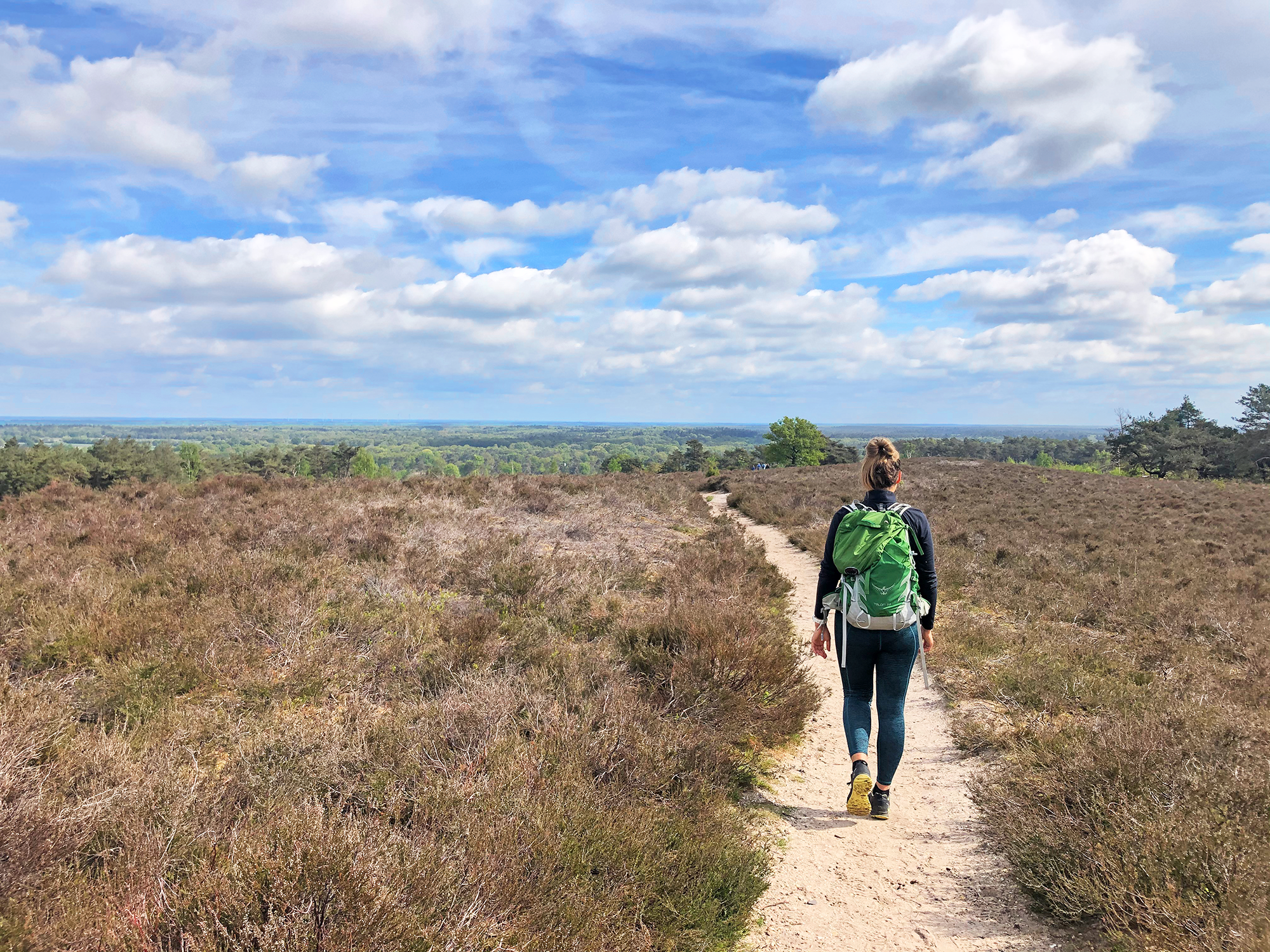
From the Wadden Sea to Castle Vorden – Pieterpad long-distance hike part 1

Groningen — wide cultural landscapes that offer much to discover
LF-routes

Traffic-free bike rides around De Marne
Other adventures around De Marne


Tips from the Community

Located in the north of the Netherlands in the provinces of Groningen and Friesland, declared National Park Lauwersmeer in November 2003. In 2016 it was named a DARK SKY PARK and is so far the 2nd place in the Netherlands to receive this recognition. Besides hiking and cycling trails, there are also publicly accessible areas of the park for water sports activities, bird watching spots/towers
0
0


Once the church was the center of the village, until the Christmas Flood of 1717 destroyed half the village, and the seawater rose two meters high inside the church. Over the centuries, the church's Romanesque-Gothic character gradually changed.
0
0

You can sit inside or outside. They have a wide selection of teas, but they also serve coffee and cappuccino. Friendly staff served me quite quickly. Not too expensive.
1
0

The church is no longer used as a religious building and its interior is largely empty. However, there is a good flyer about Winsum (also in German) explaining the town's attractions.
0
0

On Hellingstraat stands a replica of a lime kiln. Built in 2015 by the Zoutkamp Historical Fisheries Foundation, people from the reintegration program participated in the project. In the second half of the nineteenth century, Zoutkamp had two lime kilns, which together formed a so-called limeworks. Around 1900, the characteristic shapes of these kilns, along with the Reformed Church, largely defined the village's skyline. Initially, Zoutkamp's business revolved around the supply of shells to various lime kilns elsewhere in the northern Netherlands. These shellfishing companies dumped shiploads of shells, primarily cockles, in large piles on the banks of the Hunsingo Canal. In the 1860s, the Zoutkamp entrepreneur Woldringh built two lime kilns on the site. Woldringh had previously also built a Portland cement factory and a steam-powered sawmill. In the lime kilns, shells harvested from the Lauwerszee and Waddenzee were calcined and then converted with water into slaked lime, suitable for mortar, plaster, and other applications. Shell fishing remains a major industry in Zoutkamp. The shell dredger De Vertrouwen, owned by the Rousant company, still regularly docks at the Reitdiepskade to unload shells. The shells are no longer used for mortar, but are primarily used for insulating and regulating moisture in houses and paving cycle paths.
6
0
Discover the endless starry sky Far away from artificial light sources, it's so dark here at night that you can see everything. You'll see more stars than you've ever seen before. Several celestial platforms are scattered throughout the nature reserve. Lie down and gaze up; you could spend hours here. You'll find the celestial platforms at the Vlinderbalg, Achter de Zwarten, and on the Zoutkamperplaat. Near one of the towers during the day? Then you can, of course, also use them for animal watching.
7
0
In earlier times, fresh and salt water flowed together in the Lauwerszee. Fear of flooding led to the construction of a dam in 1969. A beautiful new landscape emerged on the former seabed, a true bird paradise. The nature in the Lauwersmeer is so unique that the area has been designated a National Park. Visitors are welcome day and night.
11
0
Frequently Asked Questions
How many traffic-free road cycling routes are available in De Marne?
There are over 50 dedicated traffic-free road cycling routes in De Marne, offering a wide range of options for cyclists looking for quiet rides. Most of these, around 38 routes, are classified as easy, making them accessible for various skill levels.
Are there easy traffic-free road cycling routes suitable for beginners or families in De Marne?
Yes, De Marne offers numerous easy, traffic-free road cycling routes perfect for beginners and families. Many paths follow the flat, accessible terrain along the Marne River valley and through extensive greenways. For example, routes like The Church of Mensingeweer – Old Lock of Schouwerzijl loop from Vierhuizen are rated as easy and provide a pleasant, car-free experience.
What kind of landscapes can I expect on traffic-free road cycling routes in De Marne?
You can expect a diverse range of landscapes. Many routes traverse the iconic rolling hills of the Champagne vineyards, offering panoramic views. Other paths follow the serene Marne River valley, providing flat and accessible cycling. The region also features routes through forested areas like the Argonne Forest and along green corridors such as the Coulée Verte de Reims.
Are there any circular traffic-free road cycling routes in De Marne?
Yes, many of the traffic-free road cycling routes in De Marne are designed as circular loops, allowing you to start and end at the same point. This is convenient for parking and exploring. An example is the Windmill "De Meeuw" in Garnwerd – The Waterwolf Pumping Station loop from Ulrum, which offers a scenic circular ride.
What are some interesting places to see along the traffic-free road cycling routes?
Along your rides, you can discover various points of interest. The region is rich in natural beauty, including the Lauwersmeer National Park, known for its exceptional ornithological reserve. You might also encounter charming settlements like Zoutkamp or historical sites such as the Oostum Church. Many routes also pass through picturesque Champagne villages and offer views of the famous vineyards.
What is the best time of year for traffic-free road cycling in De Marne?
The best time for traffic-free road cycling in De Marne is generally from spring through early autumn (April to October). During these months, the weather is usually pleasant, and the vineyards are lush. The region's diverse terrain, from riverside paths to forest routes, remains enjoyable, though some higher elevation areas might be cooler in early spring or late autumn.
Are there any longer or more challenging traffic-free road cycling routes for advanced cyclists?
While most routes are easy, De Marne does offer moderate options for those seeking a bit more challenge, with 13 routes classified as moderate. These might include routes with more undulating terrain through the Montagne de Reims Regional Nature Park or longer distances. For instance, The Tea Factory Museum – Zoutkamp Harbour loop from Leens is a moderate route covering over 60 km.
Can I find parking easily near the starting points of traffic-free road cycling routes in De Marne?
Yes, many starting points for traffic-free road cycling routes in De Marne, especially those in villages or near popular natural areas, offer convenient parking facilities. It's always a good idea to check the specific route details on komoot for information on recommended parking spots near the trailhead.
What do other road cyclists enjoy most about traffic-free cycling in De Marne?
The komoot community highly rates the traffic-free road cycling experience in De Marne, with an average score of 4.4 stars. Cyclists frequently praise the region's quiet rural roads, the stunning scenery of the Champagne vineyards, and the peaceful riverside paths along the Marne. The absence of car traffic allows for a truly immersive and relaxing ride.
Are there opportunities for wildlife spotting on traffic-free bike paths in De Marne?
Absolutely. The region's commitment to preserving its natural heritage means many traffic-free paths pass through areas rich in wildlife. The Lauwersmeer National Park, for example, is a significant ornithological reserve, home to over 300 bird species. Cycling along the Marne River or through the Argonne Forest also provides excellent opportunities to observe local fauna in their natural habitats.
Are there any routes that pass by cafes or places to stop for refreshments?
Yes, many traffic-free road cycling routes in De Marne are designed to pass through or near charming villages and towns where you can find cafes, bakeries, and restaurants. Cycling through the Champagne region, you'll often find opportunities to stop and enjoy local refreshments. It's recommended to check the route details or map for specific amenities along your chosen path.
Most popular attractions around De Marne

Get inspired with the komoot mobile app


Explore more
Browse the best Road cycling routes in other regions.
