The best traffic-free bike rides around Wisch
4.5
(79)
3,294
riders
86
rides
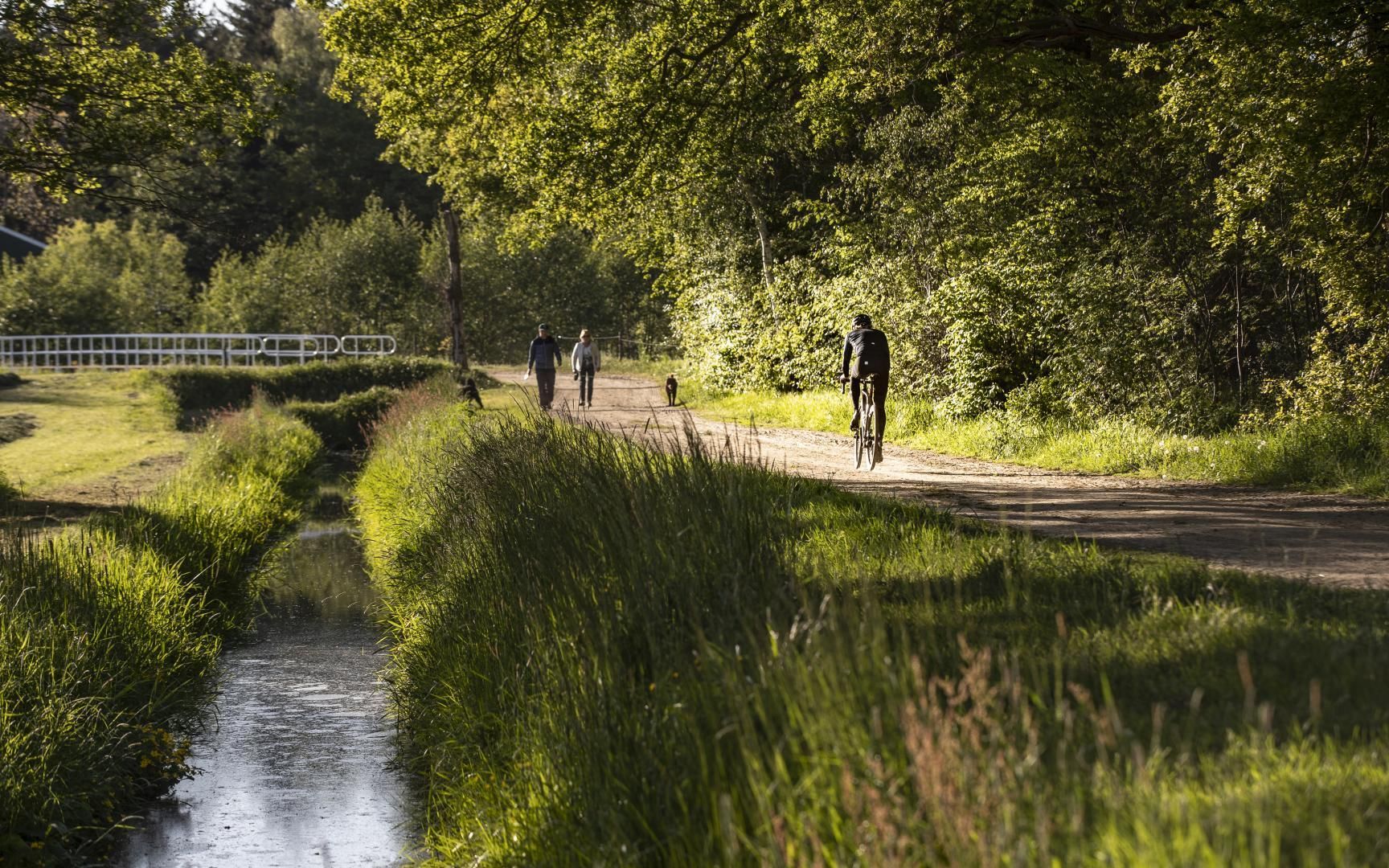
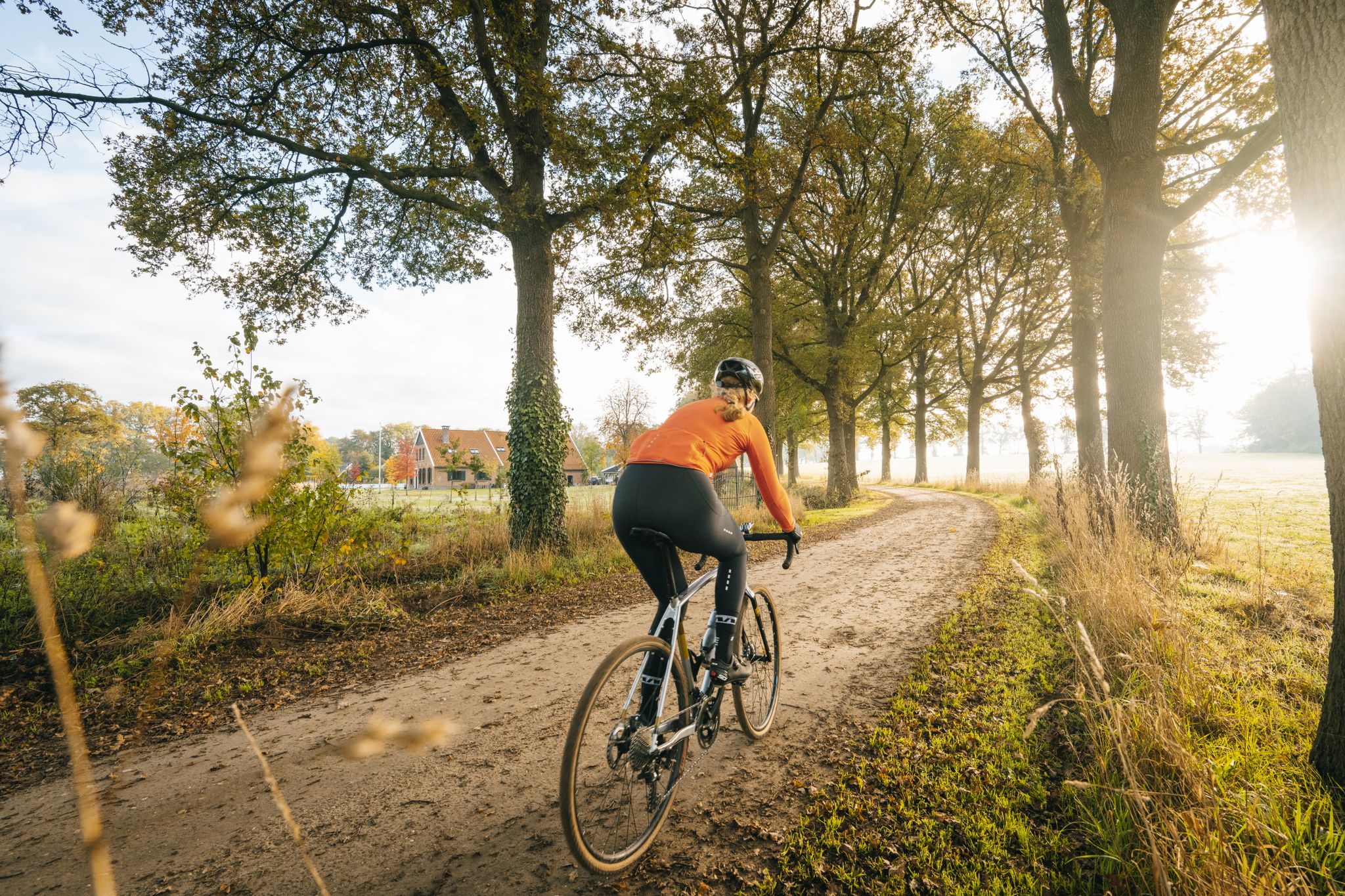
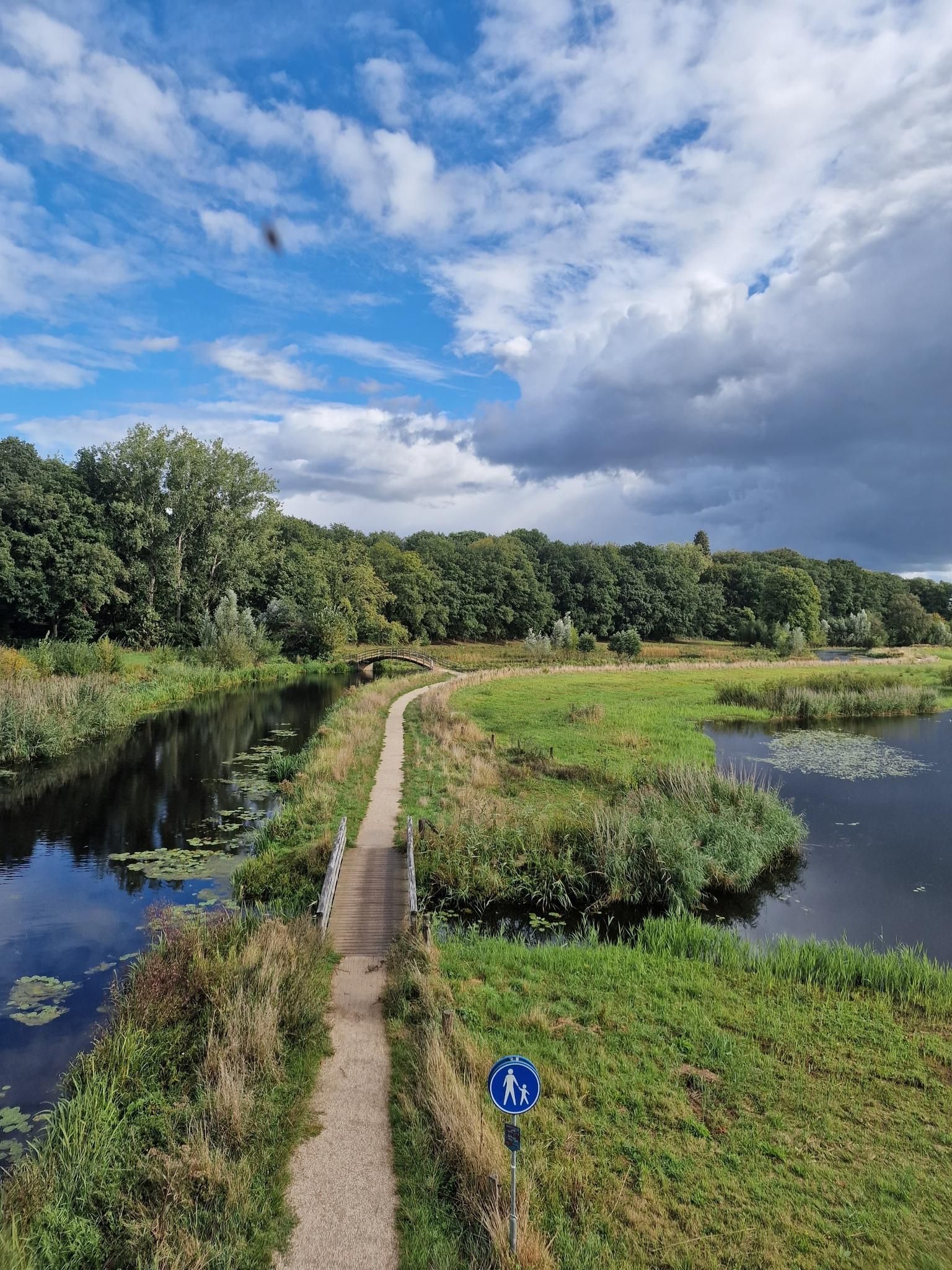
No traffic road cycling routes around Wisch traverse a landscape characterized by extensive cycle paths, often utilizing former railway lines that offer gentle slopes away from busy roads. The region features diverse scenery, including charming villages, forests, and open fields, providing varied terrain for road cyclists. This area, particularly in Gelderland, Netherlands, is known for its well-developed cycling infrastructure, making it suitable for long-distance rides. The routes generally present low elevation gains, ideal for sustained road cycling.
Best no traffic…
Last updated: October 10, 2026
4.5
(4)
76
riders
46.3km
01:53
100m
100m
Easy road ride. Great for any fitness level. Mostly well-paved surfaces and easy to ride.
4.7
(3)
56
riders
133km
05:44
320m
320m
Hard road ride. Very good fitness required. Some segments of this route may be unpaved and difficult to ride.

25
riders
112km
04:42
170m
170m
Hard road ride. Good fitness required. You may need to push your bike for some segments of this route.
28
riders
92.7km
03:53
90m
90m
Moderate road ride. Good fitness required. Some segments of this route may be unpaved and difficult to ride.
22
riders
56.6km
02:21
70m
70m
Moderate road ride. Good fitness required. Mostly well-paved surfaces and easy to ride.
Get access to more routes and recommendations from other explorers.
Already have an account?
Our route recommendations are based on thousands of hikes, rides, and runs completed by other people on komoot.
Start today with a free account
Your next adventure awaits.




Tips from the Community

Along the way there is a water tap from Vitens, always handy!
0
0

The former raised bog between Woold (NL) and Burlo-Vardingholt (DE) was formed in the last 5000 years. The peat was removed in the 19th and 20th centuries. Little remained of the original raised bog. Today, "Natuurmonumenten" (NL) and the district of Borken (DE) are working together on the renaturation of the European Natura 2000 area. The first results are already visible. Frogs, toads, and salamanders live in the newly formed ponds. Peat moss is growing again and sundew is coloring the ground reddish in places. At the Kuipersweg hiking parking lot in Winterswijk-Woold, there is an information sign that guided tours with a ranger/forester are offered in the Achterhoek. (www.nm.nl/agenda)
2
0


The geological gem in the Winterswijk National Landscape is the quarry in Ratum. The quarry has been in operation since the 1930s.
0
0
HISTORICAL DEVELOPMENT ORIGINAL PARISH 1316-1597: Until 1326, the Lordship of Bredevoort was a Westphalian bailiwick within the Upper Diocese of Münster. Catholics attended St. George's Church (today's Sint-Joriskerk) on the MARKET, which was elevated to parish church status in 1535. It was dedicated to Saint George and owes its name to the patron saint of the bailiwicks of Bredevoort, Saint George, who slew the dragon. REFORMATION PERIOD 1597-1675: Through the Treaty of Venlo, Bredevoort—like the entire Duchy of Guelders—became part of the Spanish Netherlands in 1543. During the Eighty Years' War, troops led by Maurice of Orange attacked Bredevoort in 1591 and besieged the town. With the subsequent introduction of the Reformation in 1597, the Roman Catholic inhabitants were no longer permitted to hold religious services. CHAPEL OF THE CROSS, 1675-1798: From 1675 onward, they secretly used the Chapel of the Cross, located just across the border. The Bishop of Münster, Bernhard von Galen, had it built specifically for the Catholics from Aalten and Bredevoort. PREVENTION CHURCH, 1798-1876: With the French invasion in 1795, the Batavian Republic was founded in Bredevoort, and freedom of religion was reinstated. In 1798, the Catholics began building a Roman Catholic church. This church stood between Koppelstraat and Officierstraat (opposite the present-day church). It consisted of two houses whose roofs had been removed and whose walls subsequently raised. The altar was made of brick, and everything was painted white to give the building a sacred appearance. ST. GEORGE'S CHURCH 1875/76: After the previous building had become too small, the architect Alfred Tepe designed this church in the Neo-Gothic style in 1875. The construction manager was Father A.E. Smorenburg. In 1876, it was consecrated to the Sacred Heart of Jesus, and its patron saint is Saint George.
2
0
St. George's Church at Koppelstraat/Kerkstraat 16 in Bredevoort was built on the curtain wall between two former bastions, which is why it still stands slightly higher than the surrounding streets. It was built in the Neo-Gothic style and designed in 1875 by the architect Alfred Tepe, after a house converted into a church had become too small. The construction manager was Father A.E. Smorenburg. The church was consecrated to the Sacred Heart of Jesus in 1876. Its patron saint is St. George. (Source: Information panel at the church) The first 100,000 bricks for the new church came from Barlo, Germany, and were transported by parishioners in wheelbarrows to demonstrate their solidarity with the Dutch Catholics. The remaining bricks were presumably fired in the brick kiln in De Haart. In 1897, the church received a clock and three bells; in 1898, Felice Monasso from Bocholt laid a terrazzo floor, and Muermans & Son from Roermond painted the walls, including a depiction of Christ and the Apostles in the Garden of Gethsemane. (Source: Wikipedia)
2
0
St. George's Church on Koppelstraat was built on the curtain wall between two former bastions, which is why it still stands somewhat higher than the surrounding streets. This makes it visible from afar and offers a good view. It was built in 1875 in the Neo-Gothic style and designed by the architect Alfred Tepe, after a house converted into a church had become too small.
2
0

Because mills always have a certain charm.
3
0
Frequently Asked Questions
How many no-traffic road cycling routes are available around Wisch?
There are over 80 dedicated no-traffic road cycling routes around Wisch, offering a wide range of options for cyclists looking for peaceful rides. These routes vary in length and difficulty, ensuring there's something for everyone.
What is the best time of year for no-traffic road cycling in Wisch?
The most popular times for road cycling in the Wisch region are typically from May to August. During these months, the weather is generally favorable, allowing cyclists to fully enjoy the diverse scenery and well-maintained paths.
What kind of terrain can I expect on no-traffic road cycling routes around Wisch?
The Wisch region, particularly in areas like Gelderland, offers diverse scenery and varied terrain. You can expect routes that feature gentle slopes, charming villages, forests, and open fields. Many paths utilize former railway lines, providing smooth surfaces away from busy roads.
Are there any easy no-traffic road cycling routes suitable for beginners in Wisch?
Yes, there are 8 easy no-traffic road cycling routes around Wisch, perfect for beginners or those looking for a relaxed ride. These routes typically have minimal elevation gain and are designed for a comfortable experience.
Can you recommend a longer no-traffic road cycling route in Wisch?
For a longer adventure, consider the Dinxperlo Border Crossing – Brüner Heights loop from Varsseveld. This challenging route covers over 132 kilometers and offers a substantial ride through varied landscapes.
What do other road cyclists enjoy most about cycling in Wisch?
The komoot community highly rates the no-traffic road cycling routes around Wisch, with an average score of 4.66 out of 5 stars. Reviewers often praise the quiet, scenic paths, the well-maintained surfaces, and the opportunity to explore charming villages and natural areas away from vehicle traffic.
Are there any challenging no-traffic road cycling routes for experienced cyclists?
Absolutely. There are 9 difficult no-traffic road cycling routes around Wisch for experienced riders seeking a challenge. These routes often feature longer distances and more significant elevation changes. An example is the Steengroeve Sibelco – Church of Bredevoort loop from Terborg, which is over 110 kilometers long.
Are there any circular no-traffic road cycling routes in Wisch?
Many of the no-traffic road cycling routes around Wisch are designed as loops, allowing you to start and end at the same point. For example, the Berkel Bridge, Almen – De Wildenborch Castle loop from Terborg is a moderate circular route of over 92 kilometers.
What natural features or landmarks can I see along the no-traffic road cycling routes?
The routes often pass through picturesque natural areas and past historical sites. You might encounter highlights like the Boven Slinge river, the Swiss Cottage in Anholter Schweiz, or the Green border crossing with covered picnic area. The region is known for its diverse landscapes, including forests and wetlands.
Are there family-friendly no-traffic road cycling options in Wisch?
Yes, with 8 easy routes and many moderate options, there are several family-friendly no-traffic road cycling routes around Wisch. These routes are generally flatter and shorter, providing a safe and enjoyable experience for all ages. Look for routes with lower difficulty ratings for the best family experience.
Where can I find parking for no-traffic road cycling routes in Wisch?
While specific parking details vary by route, many cycling routes in the Netherlands and Germany, including those around Wisch, often have designated parking areas near trailheads or in nearby villages. It's advisable to check the individual route details on komoot for specific parking recommendations.
Are there any routes that pass through nature reserves or protected areas?
Yes, some routes will take you through beautiful natural settings. For instance, the Wooldse Veen Nature Reserve – Steengroeve Sibelco loop from Terborg offers a moderate ride through the Wooldse Veen Nature Reserve, allowing you to experience the region's natural beauty.
Most popular attractions around Wisch

Get inspired with the komoot mobile app


Explore more
Browse the best Road cycling routes in other regions.
