The best traffic-free bike rides around Penela
4.5
(3)
48
riders
9
rides
Gravel biking around Penela offers an extensive network of no traffic gravel bike trails, characterized by diverse landscapes and challenging terrain. The region features a compelling blend of forest and rural paths, rolling hills, and significant elevation changes, providing varied experiences for cyclists. Riders can explore areas with dense pine forests, limestone landscapes, and river valleys, often leading through hidden natural beauty. These routes provide both physical challenges and rewarding panoramic views across the countryside.
Best no traffic gravel bike…
Last updated: July 7, 2026
61.2km
05:23
900m
900m
This difficult 38.0-mile gravel biking loop from Ansião in Terras de Sicó offers historical sites and scenic viewpoints.
4.3
(3)
16
riders
90.9km
06:41
1,240m
1,250m
Hard gravel ride. Very good fitness required. Mostly paved surfaces. Suitable for all skill levels.

Sign up for free
10
riders
82.7km
06:29
1,330m
1,330m
Hard gravel ride. Very good fitness required. Mostly paved surfaces. Suitable for all skill levels.
9
riders
Hard gravel ride. Very good fitness required. Mostly paved surfaces. Suitable for all skill levels.
2
riders
Hard gravel ride. Very good fitness required. Mostly paved surfaces. Suitable for all skill levels.
Get access to more routes and recommendations from other explorers.
Sign up for free
Already have an account?
Our route recommendations are based on thousands of hikes, rides, and runs completed by other people on komoot.
Start today with a free account
Your next adventure awaits.
Login or Signup
Popular around Penela
Tips from the Community

Ansião is a Portuguese municipality of about 13,000 inhabitants located in the district of Leiria, in the historical region of Centro. This charming village is renowned for its strategic location along the Portuguese Way of Santiago de Compostela and for being immersed in the natural landscape of the Sicó limestone massif.
1
0

Known as Serra da Portela or Serra do Anjo da Guarda, this is a natural viewpoint overlooking the Pousaflores Valley, where the landscape is filled with life and aromas. Wild orchids, rupicolous plants, "cucas" (a type of gourd), wormwood, and the fresh scent of thyme, which wafts away with every step, flourish among the limestone rocks. Here, atop Monte da Ovelha, human presence has left its mark: traditional windmills, a small chapel dedicated to the Guardian Angel, the Stations of the Cross for Good Friday, and initiatives celebrating bread and cornbread. It's also a place made for lingering: sitting at a table, lighting a grill, or simply gazing out.
1
0
At the entrance to Ansião, the Ponte da Cal bridge crosses the serene Nabão River. Built in the 17th century, it formed part of the old road axis between Coimbra and Lisbon and reveals, beneath its two perfect arches, curious marks sculpted by time. Popular memory links it to the passage of Queen Saint Isabel, inspiration for the old bathing tanks next to the bridge (one for women, the other for men). Legend says that the waters became miraculous after the queen refreshed herself here, giving rise to the famous "holy baths". The small chapel was built to mark this devotion.
1
1
The Santiago da Guarda Monumental Complex is an unmissable stop, where history unfolds in layers. Classified as a National Monument, it stands out for its Manueline elegance, its 14th-century manor tower, and the impressive Roman mosaics that reveal an ancient villa from the 4th and 5th centuries. The old road between Tomar and Coimbra passed through here, later used by pilgrims on their way to Santiago. Surrounded by the limestone landscape and oak groves of the Serra de Sicó, the place invites you to slow down and take a deep breath. Take the opportunity to chat with the hospitable people.
1
0
Penela Castle stands atop the rocky outcrop that gave it its name (peñela, "small stone hill"), dominating the town with imposing walls and towers dating from the 15th and 16th centuries. Founded in the 11th century by D. Sesnando Davides, it formed part of the Mondego defensive line, and its walls still reach 19 meters in height today. From the original fortress arose the castle that later served as a keep. On the walls, facing the Serra da Lousã mountain range, stand out arrow slits and loopholes, marks of its long military life, from arrows to firearms. Penela preserves three historical entrances: the Porta da Vila (Town Gate), the evocative Porta da Traição (Gate of Treason), with its double opening and Moorish inspiration, and the Porta do Relógio (Clock Gate), a reminder of the old breach where two towers collapsed in the 1755 earthquake. In short, a castle small in form, but enormous in history.
1
0
Built in the 1st century, the Castellum of Alcabideque, classified as a National Monument, is an impressive Roman structure designed to capture and raise water from the local spring to the aqueduct that led to Conímbriga, three kilometers away. The name "Alcabideque" preserves this memory: an Arabicized echo of the Latin, caput aquae, "mother of water," a direct reference to the spring that fed the entire system.
2
0
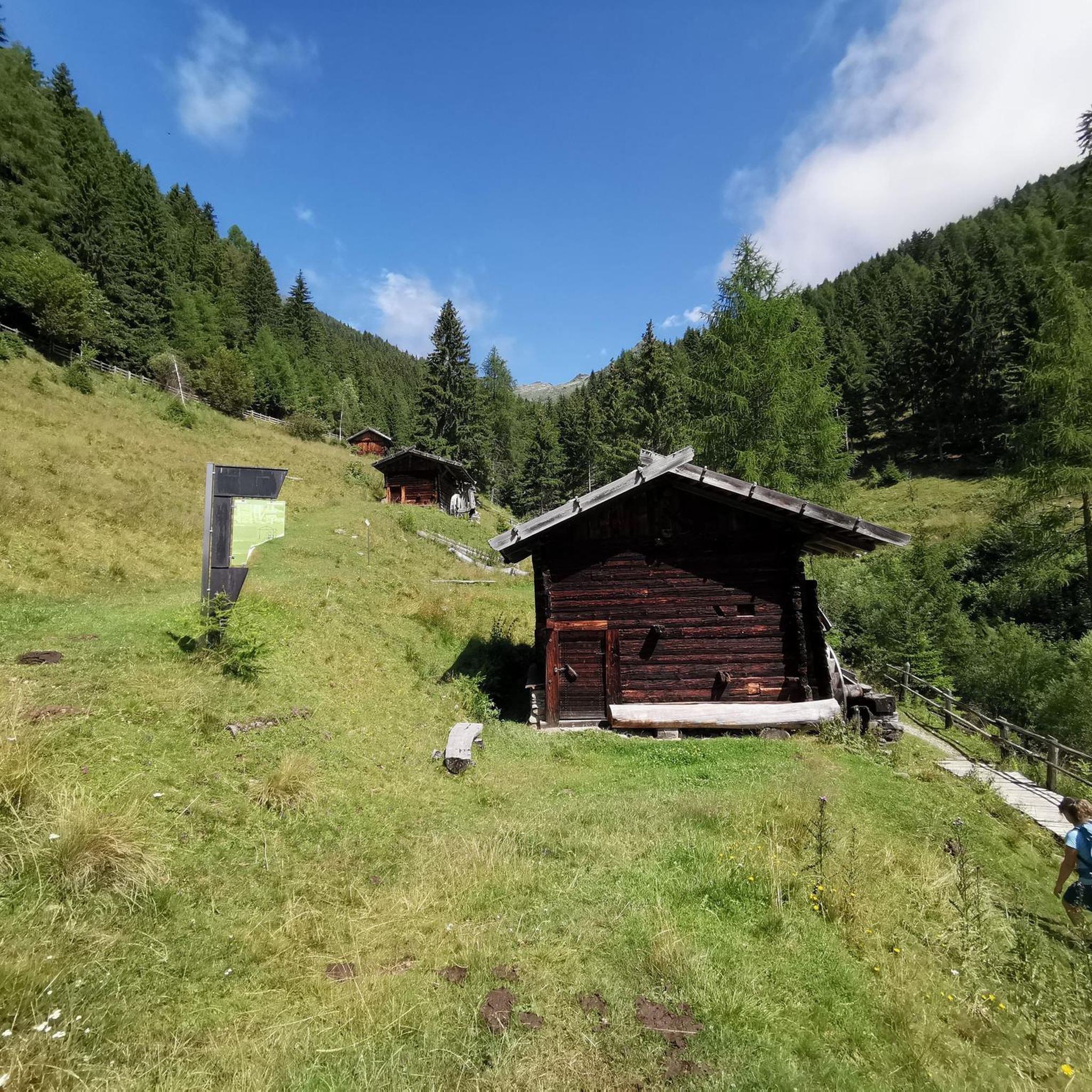
The windmills of Corujeiras are a valuable testament to the rural heritage of Sicó. Two types of windmills coexist here: the traditional rotating ones and those of North American influence, dating from the late 19th century, unique in Europe. It is said that an emigrant returning from the United States commissioned the construction of ten of these windmills, of which only five have withstood the test of time, preserving the memory of an ingenuity that crossed oceans.
1
0

Bridge built during the Spanish occupation of Portugal (1580-1640). Currently, next to this bridge, there is a place with benches and tables for pilgrims to rest.👍
4
0
Frequently Asked Questions
How many no-traffic gravel bike trails are available in Penela?
There are 9 dedicated no-traffic gravel bike trails around Penela featured in this guide. These routes offer a fantastic way to explore the region's diverse landscapes away from cars.
What kind of terrain can I expect on Penela's car-free gravel trails?
Penela's no-traffic gravel trails feature a mix of varied terrain, from forest and rural paths to rolling hills and significant elevation changes. You'll encounter picturesque pine forests, limestone landscapes, and even oak groves, especially in areas like the Serra da Lousã and Serra de Sicó. The routes are designed to provide both physical challenges and rewarding panoramic views.
Are there any easy no-traffic gravel bike routes suitable for beginners in Penela?
While many of the routes in this guide are rated as difficult due to significant elevation gains, the region does offer a range of trails. For a challenging but rewarding experience, consider the Praça da República – Penela Castle loop, which is shorter than others at 35 km with 490 m of elevation gain. It's a great way to experience the area's charm.
Can I find circular no-traffic gravel bike routes in Penela?
Yes, all the no-traffic gravel bike routes featured in this guide are circular, allowing you to start and end your ride at the same point. This makes planning your adventure much easier, especially if you're driving to the trailhead.
What historical sites or landmarks can I explore along the no-traffic gravel trails?
Many no-traffic gravel trails in Penela offer opportunities to visit historical sites. For instance, the Mãe de Água de Alcabideque – Roman Ruins of Conímbriga loop takes you past the impressive Roman Ruins of Conímbriga. You can also find routes that pass near the 12th-century Penela Castle or traditional Schist Villages like Talasnal, offering a blend of nature and culture.
Are there any waterfalls accessible from the no-traffic gravel bike routes?
Yes, the Penela region is home to several beautiful waterfalls that can be incorporated into your gravel biking adventure. While not directly on every route, you can find highlights like the Pedra Ferida Waterfall or the Mouros River Waterfall nearby, offering refreshing stops and scenic views.
What is the best time of year for no-traffic gravel biking in Penela?
The diverse landscapes of Penela make it suitable for gravel biking throughout much of the year. Spring and autumn generally offer the most pleasant temperatures and vibrant scenery. However, the region's extensive network of forest paths can provide shade in warmer months, and winter rides can be invigorating, though some trails might be muddier after rain.
Are there any particularly long or challenging no-traffic gravel routes for experienced riders?
Absolutely. For experienced riders seeking a significant challenge, the Gravosfera - Sheep Hill – Districts Trail loop from Ansião covers over 90 km with more than 1240 m of elevation gain. Another demanding option is the Ansião – Gravosfera - Sheep Hill loop, which is 82 km long with over 1330 m of climbing, offering a truly immersive experience in the region's rolling hills and forests.
What do other gravel bikers enjoy most about the no-traffic trails in Penela?
The no-traffic gravel trails in Penela are highly rated by the komoot community, with an average score of 4.5 stars. Reviewers often praise the quiet, immersive experience of riding through the region's extensive forest and rural paths, the challenging yet rewarding elevation changes, and the opportunity to discover charming villages and historical sites away from busy roads.
Are there any specific viewpoints or scenic spots along the no-traffic gravel routes?
Yes, the challenging climbs on many gravel routes are often rewarded with breathtaking viewpoints. You can expect panoramic vistas over valleys and rolling hills, especially in areas like the Serra da Lousã. These spots are perfect for taking a break, enjoying the natural aromas of wild orchids and thyme, and capturing stunning photographs of the Portuguese countryside.
Can I find parking easily near the starting points of these no-traffic gravel trails?
Given the focus on rural and forest paths, many routes start from or pass through small villages and towns like Ansião or São Miguel. While specific parking information for each trailhead isn't detailed here, these locations typically offer public parking options, making it convenient to access the car-free trails.
Most popular attractions around Penela

Get inspired with the komoot mobile app


Explore more
Browse the best Gravel rides in other regions.
