The best traffic-free bike rides around Pruno
4.6
(358)
2,826
riders
55
rides
No traffic touring cycling routes around Pruno, located in Haute-Corse, Corsica, offer a diverse range of landscapes for cyclists. The region is characterized by a blend of sea and mountains, with varied ecosystems including forests and wild beaches. Cycling paths often traverse coastal areas and more rugged mountainous terrain, providing a dynamic environment for exploration. The broader area is part of the Regional Natural Park of Corsica, known for its extensive network of trails and rich biodiversity.
Best no traffic…
Last updated: July 6, 2026
5.0
(9)
63
riders
57.6km
04:20
1,450m
1,450m
Hard bike ride. Very good fitness required. Mostly paved surfaces. Suitable for all skill levels.
4.2
(5)
40
riders
38.9km
02:52
890m
890m
Hard bike ride. Very good fitness required. Mostly paved surfaces. Suitable for all skill levels.

Sign up for free
4.7
(6)
32
riders
33.5km
02:33
840m
840m
Hard bike ride. Very good fitness required. Mostly paved surfaces. Suitable for all skill levels.
5.0
(1)
11
riders
25.3km
01:46
90m
90m
Easy bike ride. Great for any fitness level. Mostly paved surfaces. Suitable for all skill levels.
9
riders
80.3km
05:47
1,710m
1,710m
Hard bike ride. Very good fitness required. Mostly paved surfaces. Suitable for all skill levels.
Get access to more routes and recommendations from other explorers.
Sign up for free
Already have an account?
Our route recommendations are based on thousands of hikes, rides, and runs completed by other people on komoot.
Start today with a free account
Your next adventure awaits.
Login or Signup
Popular around Pruno
Tips from the Community

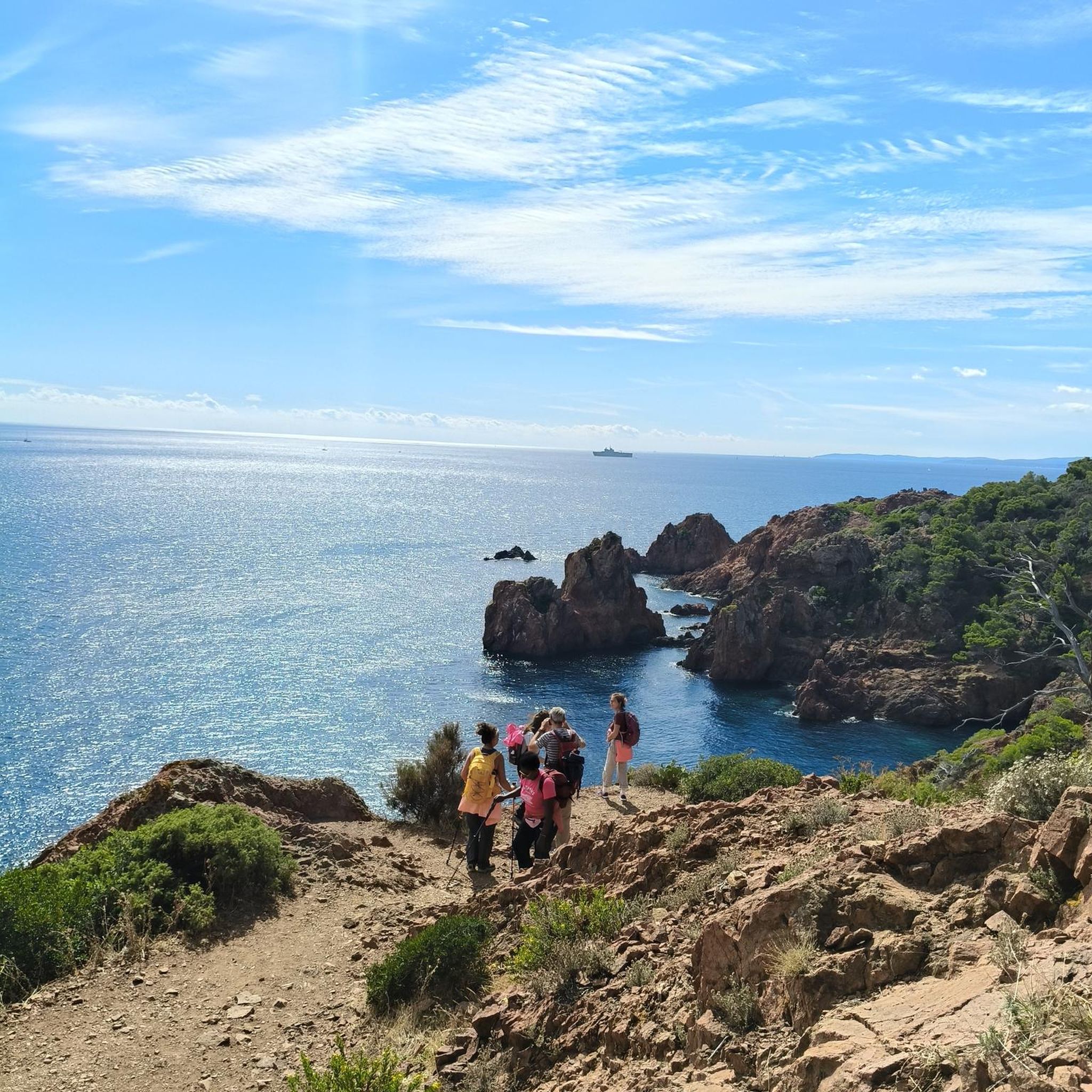
I couldn't resist taking a picture of Montecristo today because the light was so perfect 🤩🤩 By zooming in, you can even see the island of Giglio and the Italian coast. Pretty rare, right? 😎😎😎
0
0

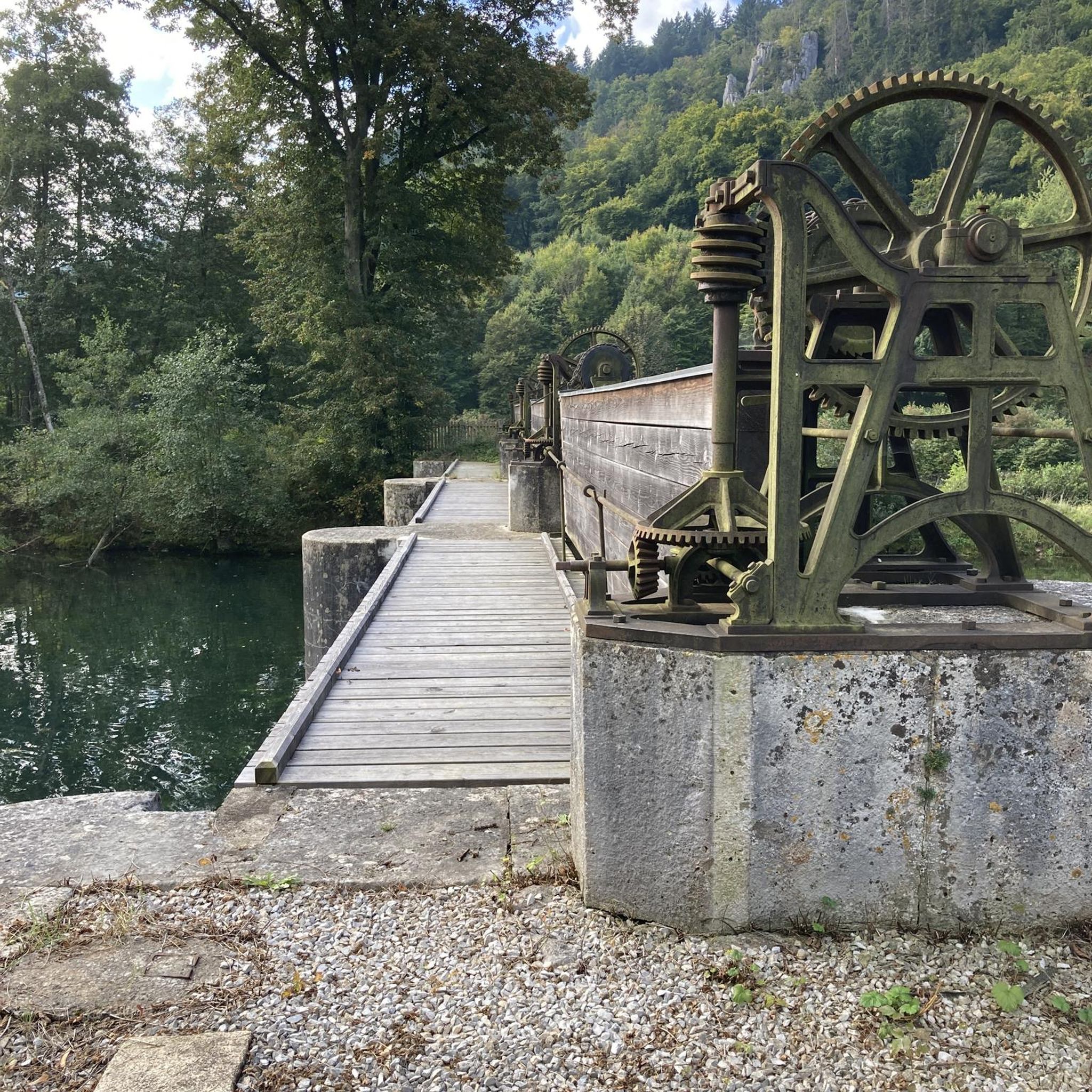
I confirm it's a good alternative to the national road which is very dangerous: bridge and anti-cycling facilities 😩😩😫 Crossed in August and September completely dry🚴♀️🚴🏻♂️🚴♀️🚴🏻♂️
0
0

This church is one of the Baroque buildings found in Corsica. It is recognizable from afar with its distinctive bell tower, visible amidst the natural forest setting of the Costa Verde massif.
0
0
Main village of Ampugnani Café open all year round San Petrone (1767 m) the highest peak of Castagniccia dominates La Porta Beautiful hike 👍👍👍
0
0
You have to enlarge the photo and in the mist the islands appear 👍👍👍
0
0

The church was begun at the beginning of the seventeenth century and completed in 1717. In 1740, embellishment works were carried out. The wall paintings were painted by Luigi Pollero in 1810. The main façade consists of two levels delimited by cornices and surmounted by a triangular pediment with three acroteria. On the first level, on either side of the portal, there are two niches that house the statues of Saint Nicholas and Saint Peter. The church ends in a semicircular apse. The bell tower rises at the junction of the apse and the right side façade. It has five floors that end in a dome surmounted by a cross. The interior consists of a nave and five richly decorated side chapels. On either side of the altar there are caryatid angels. Building dating from the first quarter of the 17th century (?), mentioned in the report of the pastoral visit of Msgr. Marliani, Bishop of Mariana and Accia, in 1646. It was restored in 1686 with the collaboration of master masons Lorenzo Chiglione and Giovanni Filippi. Rebuilt in 1717 and 1740. Main door dating from 1766. Painted decoration (investigated in the Palissy database) carried out by the painter Luigi Polleri in 1810, as shown by the date on the inside of the building. Restored in 1896.
1
0
The church was begun at the beginning of the seventeenth century and completed in 1717. In 1740, embellishment works were carried out. The wall paintings were painted by Luigi Pollero in 1810. The main façade consists of two levels delimited by cornices and surmounted by a triangular pediment with three acroteria. On the first level, on either side of the portal, there are two niches that house the statues of Saint Nicholas and Saint Peter. The church ends in a semicircular apse. The bell tower rises at the junction of the apse and the right side façade. It has five floors that end in a dome surmounted by a cross. The interior consists of a nave and five richly decorated side chapels. On either side of the altar there are caryatid angels. Building dating from the first quarter of the 17th century (?), mentioned in the report of the pastoral visit of Msgr. Marliani, Bishop of Mariana and Accia, in 1646. It was restored in 1686 with the collaboration of master masons Lorenzo Chiglione and Giovanni Filippi. Rebuilt in 1717 and 1740. Main door dating from 1766. Painted decoration (investigated in the Palissy database) carried out by the painter Luigi Polleri in 1810, as shown by the date on the inside of the building. Restored in 1896.
1
0
Frequently Asked Questions
How many no-traffic touring cycling routes are available around Pruno, Corsica?
There are over 50 dedicated no-traffic touring cycling routes around Pruno, Corsica, offering a wide range of options for cyclists looking for peaceful rides. These routes vary in difficulty, ensuring there's something for everyone from beginners to experienced riders.
Are there any easy, family-friendly no-traffic routes in the Pruno area?
Yes, Pruno offers several easy, traffic-free routes suitable for families. For instance, the Beach Access for Cyclists loop from Venzolasca is an easy option, covering about 25 km with minimal elevation gain, perfect for a relaxed family outing near the coast.
What kind of landscapes can I expect on these no-traffic touring routes in Corsica?
The no-traffic touring routes around Pruno, Corsica, offer incredibly diverse landscapes. You'll find a blend of coastal views, rolling hills, and mountainous terrain. The region is part of the extensive Regional Natural Park of Corsica, featuring varied ecosystems with forests, wild beaches, and dramatic mountain backdrops. Many routes traverse picturesque olive groves and natural paths.
Are there any challenging no-traffic routes for experienced touring cyclists?
Absolutely. For experienced touring cyclists seeking a challenge, Pruno offers numerous difficult no-traffic routes. The Silvareccio – Saint Antoine Ruines loop from Castellare-di-Casinca is a demanding option, spanning over 57 km with significant elevation gain, providing a rewarding ride through Corsica's rugged interior.
What are the best times of year to go touring cycling around Pruno to avoid traffic?
The shoulder seasons, particularly spring (April to June) and autumn (September to October), are generally ideal for no-traffic touring cycling around Pruno. The weather is pleasant, and tourist numbers are lower than in peak summer, ensuring quieter roads and trails. Winter can also offer peaceful rides, though some higher elevation routes might be affected by weather.
Can I find routes that are circular or loop back to my starting point?
Yes, many of the no-traffic touring cycling routes around Pruno are designed as loops, allowing you to start and finish at the same location. Examples include the Silvareccio – Saint Antoine Ruines loop from Castellare-di-Casinca and the View from Col de Sant'Agostino – Silvareccio loop from Venzolasca, providing convenient options for your tour.
Are there any waterfalls or natural attractions along the no-traffic cycling routes?
Yes, the region around Pruno is rich in natural beauty, including several waterfalls. While specific routes may not pass directly by all of them, you can find highlights like the Bucatoggio Waterfall, Ucelluline Waterfall, and Struccia Waterfall nearby. These can be excellent detours or destinations for a break during your ride.
What do other touring cyclists enjoy most about the no-traffic routes in Pruno?
The area is highly rated by the komoot community, with an average score of 4.6 stars. Reviewers often praise the tranquility and stunning natural beauty of the routes, highlighting the sense of escape offered by the car-free paths. The diverse scenery, from coastal stretches to mountain vistas, and the challenging climbs are frequently mentioned as major draws.
Are there any scenic viewpoints or mountain peaks accessible from these routes?
Yes, the mountainous terrain of Corsica offers numerous scenic viewpoints. While cycling, you might encounter breathtaking vistas, and nearby highlights include significant peaks and viewpoints. For example, Mount San Petrone and the Cross and View of Cervione offer spectacular panoramic views of the surrounding landscape and coastline, perfect for a photo stop.
What is the typical length and duration of a no-traffic touring cycling route in Pruno?
The routes vary significantly in length and duration. You can find shorter rides, like the Saint-Jean-Baptiste Church – Talasani loop from Rapajo, which is about 24.5 km and takes around 1 hour 45 minutes. Longer, more challenging tours, such as the Silvareccio – Saint Antoine Ruines loop from Venzolasca, can extend over 45 km and take more than 3 hours to complete, depending on your pace and stops.
Most popular attractions around Pruno

Get inspired with the komoot mobile app


Explore more
Browse the best Cycling routes in other regions.
