The best traffic-free bike rides around Quézac
4.1
(20)
99
riders
4
rides
Gravel biking around Quézac, situated in the Lozère department, offers diverse terrain at the gateway to the Gorges du Tarn, Cévennes National Park, and Grands Causses. The region features deep canyons, dramatic cliffs, and limestone plateaus alongside ancient forests and meandering rivers. This varied topography provides extensive networks of wide gravel paths, logging tracks, and quiet back roads suitable for gravel biking.
Best no traffic gravel bike trails around Quézac
- The most popular no traffic gravel bike trail is View…
Last updated: July 4, 2026
6
riders
56.1km
04:52
1,140m
1,140m
Hard gravel ride. Very good fitness required. Mostly paved surfaces. Suitable for all skill levels.
6
riders
42.8km
03:20
630m
630m
Hard gravel ride. Very good fitness required. You may need to push your bike for some segments of this route.

Sign up for free
3.0
(2)
9
riders
Hard gravel ride. Very good fitness required. Mostly paved surfaces. Suitable for all skill levels.
5.0
(1)
4
riders
43.8km
03:06
600m
600m
Hard gravel ride. Very good fitness required. Mostly paved surfaces. Suitable for all skill levels.
5.0
(1)
6
riders
40.0km
02:50
670m
670m
Hard gravel ride. Very good fitness required. Mostly paved surfaces. Suitable for all skill levels.
Our route recommendations are based on thousands of hikes, rides, and runs completed by other people on komoot.
Start today with a free account
Your next adventure awaits.
Login or Signup




Tips from the Community

The Col du Sapet overlooks the heart of the Cévennes National Park at an altitude of 1,080 meters. It is located on Mont du Bougès and serves as a starting point for numerous hiking trails. This pass is also particularly popular with local cyclists, with its 450-meter elevation gain and views of the Cévennes Mountains.
0
0


Przewalski horse Since 1990, semi-free breeding has been initiated on 300 hectares of the vast Causse Méjean, near the hamlet of Villaret. The Przewalski horse is the last wild horse; no one has ever managed to ride it regularly. The last wild animals disappeared from Mongolia in the 1970s.
0
0

A very nice surprise in the heart of the Sauveterre plateau. “This medieval building seems totally isolated, even forgotten by time and men. But it was on purpose that at the time this farm was positioned in this location. Indeed, its mission was to monitor the crossing of roads coming from Chanac, Ispagnac, Sainte-Énimie and Mende. In the 13th century the castle became the property of the Bishop of Mende. Partly ruined, the building was rebuilt in the 17th century. In the 19th century, agricultural buildings were built around the Château du Choizal. In the 20th century a fire damaged part of the building, certain parts were rebuilt. The fortified farm of Choizal was included in the inventory of historic monuments in 2004. The interior is private, however you can see this imposing residence from the road. (Source OT of Mende)
1
0
Frequently Asked Questions
How many no-traffic gravel bike trails are available around Quézac?
Komoot currently features 5 challenging no-traffic gravel bike trails around Quézac. These routes are designed to offer a true off-road experience, taking you through the stunning landscapes of the Gorges du Tarn, Cévennes, and Grands Causses regions.
What kind of terrain can I expect on these gravel bike trails?
The terrain around Quézac is incredibly diverse, offering a mix of wide gravel paths, logging tracks, shaded forest trails, and quiet back roads. You'll encounter significant elevation changes, from challenging ascents to serene forested paths, characteristic of the Cévennes and Grands Causses. Some sections can be technical, rocky, and loose, providing an engaging experience for gravel enthusiasts.
Are there any family-friendly no-traffic gravel routes in the area?
The gravel routes currently featured around Quézac are generally rated as 'difficult' due to significant elevation gains and varied terrain, making them more suitable for experienced gravel bikers. For families, it's advisable to consider shorter, less technical sections or explore dedicated greenways in the wider Lozère department, which might offer gentler gradients and smoother surfaces.
What natural features and landmarks can I see along these trails?
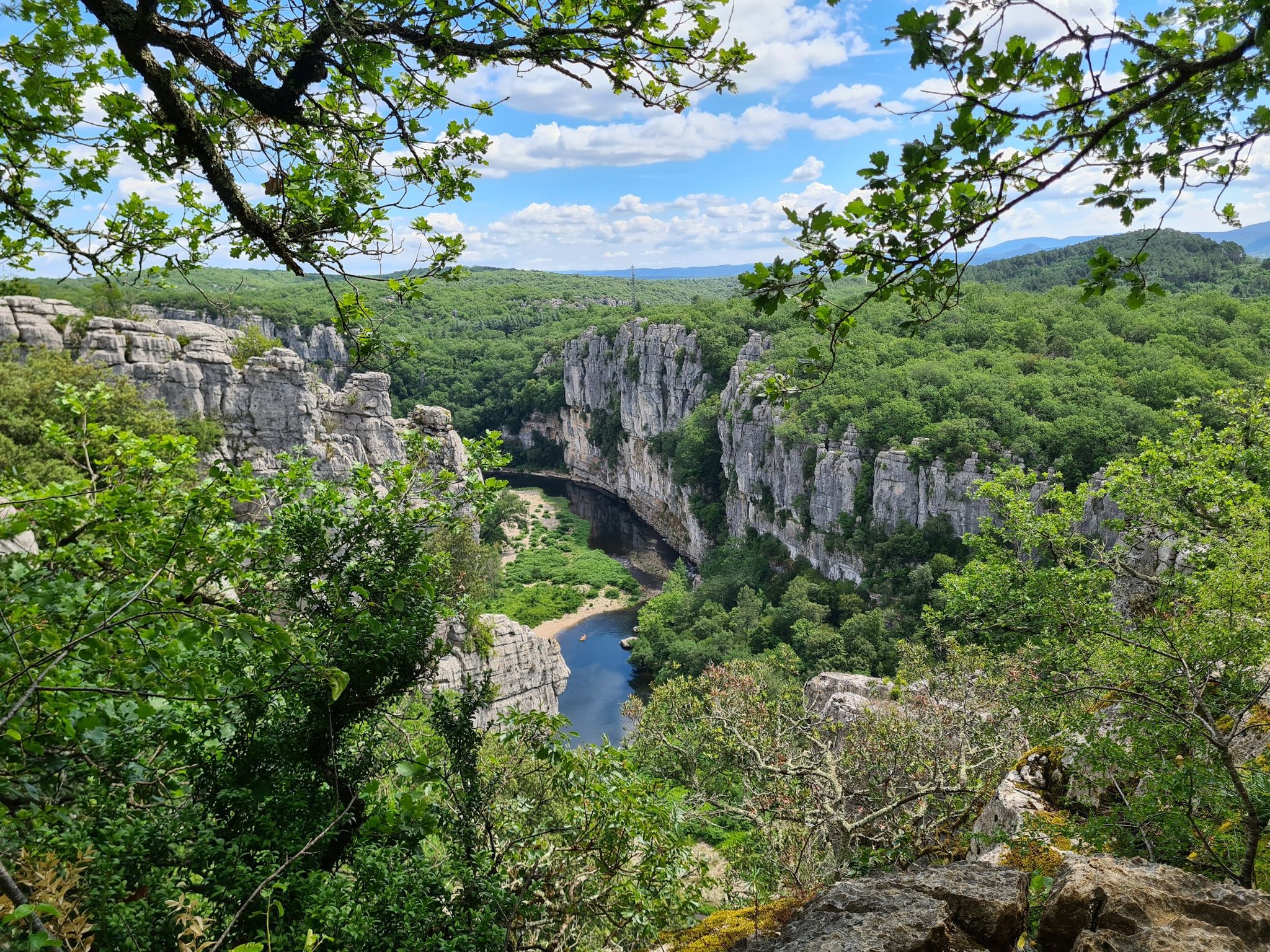
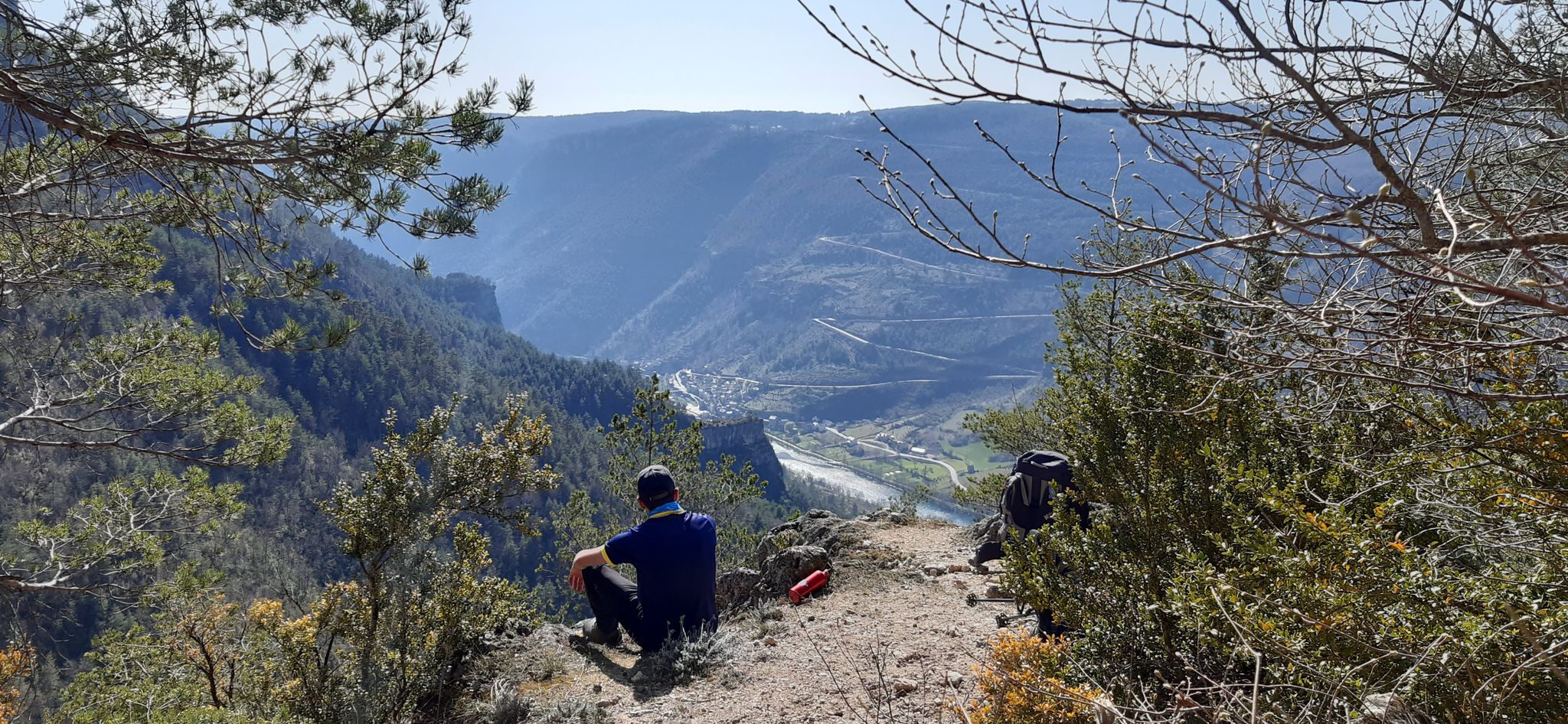
You'll encounter breathtaking natural beauty and historical sites. The routes often provide views of the dramatic Gorges du Tarn and the expansive Cévennes and Grands Causses plateaus. Highlights include the Sainte-Enimie Village, recognized as one of France's 'Most Beautiful Villages', and the charming Saint-Chély-du-Tarn. You might also pass by the Notre-Dame de Cénaret Chapel or the Dolmen at Col de la Pierre Plate.
When is the best time of year to go gravel biking in Quézac?
Spring (April-May) and Autumn (September-October) are generally ideal for gravel biking in Quézac. The weather is milder, and the landscapes are particularly vibrant. Summer can be very hot, especially in the gorges, so early morning rides are recommended. Winter can bring colder temperatures and potential snow at higher elevations, making some trails less accessible.
What do other gravel bikers enjoy most about the trails around Quézac?
The komoot community rates the gravel biking experience around Quézac highly, with an average score of 4.05 stars. Riders frequently praise the stunning, traffic-free natural landscapes, the challenging and varied terrain, and the opportunity to explore remote parts of the Cévennes and Gorges du Tarn away from crowds.
Are there any specific routes that offer panoramic views?
Yes, several routes offer spectacular views. For instance, the View of the Méjean plateau – View of Florac loop from Florac provides expansive vistas of the Méjean plateau. The region's topography, especially around the Gorges du Tarn, ensures many elevated sections with dramatic overlooks.
Can I find places to eat or stay near the gravel trails?
Quézac itself offers amenities, and nearby villages like Florac-Trois-Rivières and Sainte-Enimie are excellent bases. These towns provide various options for accommodation, cafes, and restaurants where you can refuel and relax after your ride. It's always a good idea to check opening times, especially in smaller hamlets.
What are the typical distances and elevation gains for these no-traffic gravel routes?
The routes around Quézac typically range from approximately 27 km to 44 km in distance. You can expect significant elevation gains, with routes featuring between 600 meters and over 900 meters of ascent. For example, the Le Pont-de-Montvert – Finiels Pass loop from Fraissinet-de-Lozère covers about 34 km with over 900 meters of climbing.
Is public transport available to access the starting points of these trails?
While Quézac is accessible, public transport options directly to the specific starting points of some remote gravel trails can be limited. It's often more convenient to travel by car to reach the trailheads, especially for routes starting outside of larger towns. Parking is generally available in villages like Florac or near specific attractions.
Are dogs allowed on the gravel bike trails around Quézac?
Many trails in the Cévennes and Grands Causses are accessible for dogs, especially if they are well-behaved and kept on a leash, particularly in protected areas or near livestock. However, always check local regulations for specific trails or national park guidelines, as rules can vary. Ensure your dog is fit enough for the distances and terrain, and carry enough water for both of you.
Most popular attractions around Quézac

Get inspired with the komoot mobile app


Explore more
Browse the best Gravel rides in other regions.
