The best traffic-free bike rides around La Mulatière
4.3
(2749)
53,627
riders
64
rides
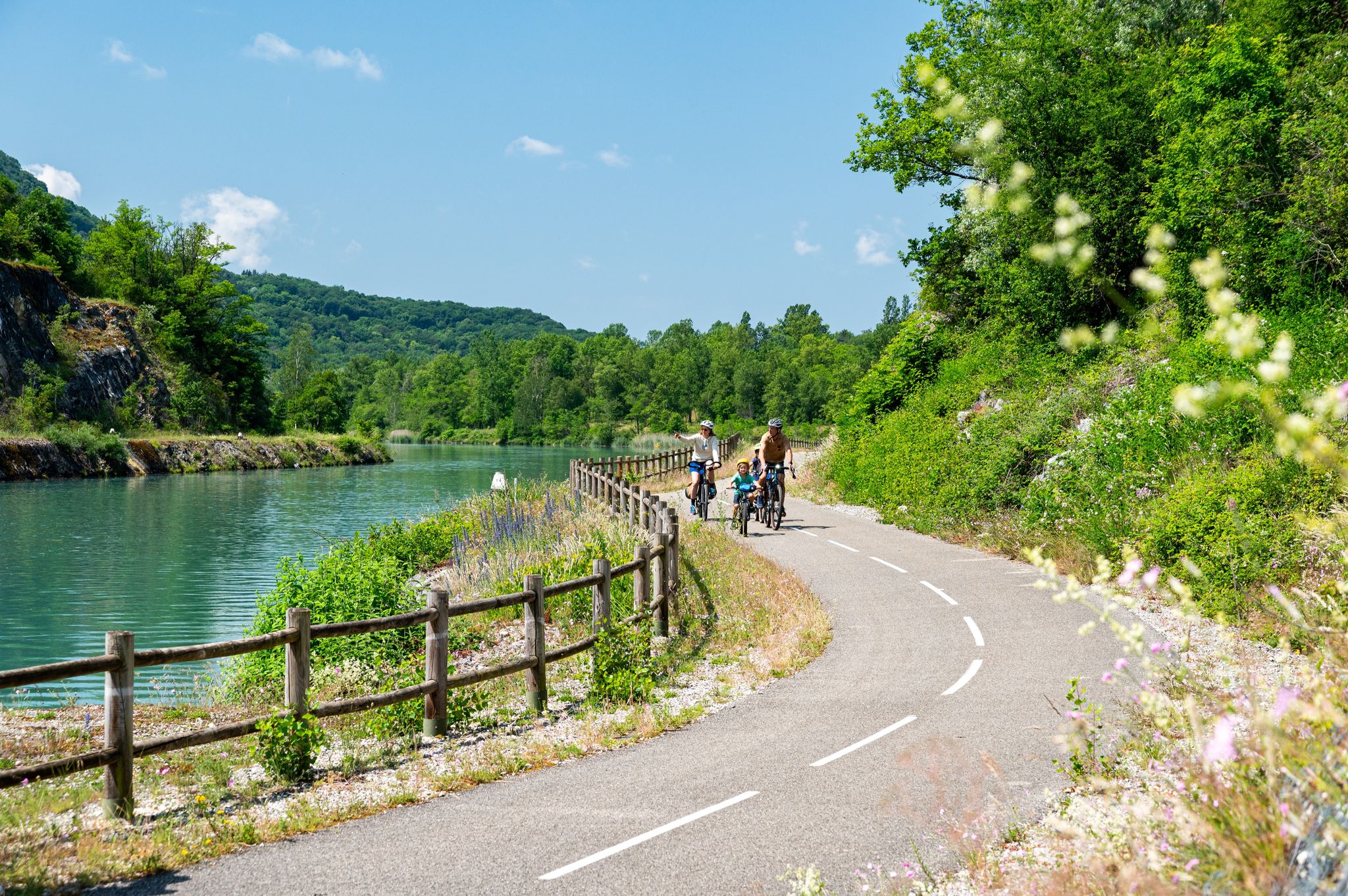
No traffic road cycling routes around La Mulatière offer diverse terrain, situated at the confluence of the Saône and Rhône rivers just south of Lyon. The region features dedicated cycle paths along the riverbanks, providing flat and accessible options. For more challenging rides, the rolling hills of the Monts du Lyonnais are readily accessible, presenting significant elevation changes. Urban green spaces also contribute to the varied cycling environment.
Best no traffic road cycling routes around La Mulatière
- The most popular…
Last updated: October 21, 2026
4.8
(4)
32
riders
37.6km
01:50
450m
450m
Moderate road ride. Good fitness required. Mostly well-paved surfaces and easy to ride.
31
riders
Hard road ride. Very good fitness required. Mostly well-paved surfaces and easy to ride.

5.0
(2)
59
riders
Easy road ride. Great for any fitness level. Mostly well-paved surfaces and easy to ride.
5.0
(1)
20
riders
54.5km
03:00
780m
780m
Moderate road ride. Good fitness required. Some segments of this route may be unpaved and difficult to ride.
4.3
(4)
7
riders
24.8km
01:23
320m
320m
Moderate road ride. Good fitness required. Some segments of this route may be unpaved and difficult to ride.
Get access to more routes and recommendations from other explorers.
Already have an account?
Our route recommendations are based on thousands of hikes, rides, and runs completed by other people on komoot.
Start today with a free account
Your next adventure awaits.

Other adventures around La Mulatière

Tips from the Community

Edit The ancient aqueducts of Lyon supplied the Gallo-Roman city of Lugdunum. Located largely on Fourvière Hill, the city reached an altitude of 300 meters (compared to 160 meters for the lower town on the banks of the Saône). Furthermore, few springs emerged from the hill, and none above the Trion threshold. In order to provide drinking water throughout the city, it was necessary to draw water from the nearby mountain ranges (Monts d'Or, Monts du Lyonnais, Pilat massif) via a system of aqueducts.
0
0

If you go there on a road bike, you have to be careful of the pedestrian-mobile chicanes.
0
0
Large, wooded, floral park with greenhouses. Popular with the people of Lyon for running, cycling, strolling, etc.
0
0

whether for a walk, a run or a picnic, this park is ideally well done and the icing on the cake is that you can see the panther at the zoo
0
0

4km around… flat, pleasant, water tap and toilets,
0
0

The Gier Aqueduct is one of the aqueducts that supplied Lugdunum with water. Capturing water from the Gier at Saint-Chamond, in the Loire, it transported water over 86 km to Fourvière. Several remains are still visible today, among others in the towns of Brignais and Chaponost. On the Plat de l'Air Site, you will discover 72 arches still standing out of the 92 that carried the canal in Roman times. You will understand, thanks to the remains on site (flushing tank and rampant) how the Yzeron siphon worked, allowing you to cross the Yzeron Valley, one of the many natural obstacles to have stood in the way of the aqueduct. This site, listed since 1900, which invites you to take a beautiful journey through time, is worth the detour!
3
0


Wide, very pleasant pedestrian and cycle path along the west facade of the former Tobacco Factory.
0
0
Frequently Asked Questions
How many no traffic road cycling routes are available around La Mulatière?
There are over 65 traffic-free road cycling routes around La Mulatière, offering a wide range of options for different skill levels. You'll find everything from easy riverside paths to more challenging climbs in the nearby Monts du Lyonnais.
What kind of terrain can I expect on traffic-free road cycling routes near La Mulatière?
The region offers diverse terrain. You can enjoy flat, gentle riverside paths along the Saône and Rhône rivers, perfect for relaxed rides. For those seeking a challenge, the rolling hills of the Monts du Lyonnais provide significant elevation changes, with strenuous climbs and rewarding descents.
Are there easy, beginner-friendly traffic-free road cycling routes in La Mulatière?
Yes, there are 9 easy routes specifically designed for a more relaxed experience. These often follow the flat riverside paths, such as sections of the Ecole Emile Cohl – The Pier loop from Sans Souci, which offers a gentle ride with minimal elevation gain.
Are there challenging traffic-free road cycling routes for advanced cyclists?
Absolutely. For experienced cyclists, there are 11 difficult routes that venture into the Monts du Lyonnais, featuring substantial climbs and descents. An example is the ViaRhôna Riverside Walkway – Beautiful view of the Rhône loop from Garibaldi, which includes significant elevation changes over its 101 km distance.
What scenic viewpoints can I discover on traffic-free road cycling routes around La Mulatière?
Many routes offer stunning views. You can find panoramic vistas from highlights like Mount Cindre or enjoy the View of Lyon from the Parc des Hauteurs. The confluence of the Saône and Rhône rivers also provides picturesque scenery, especially along dedicated cycle paths.
Are there any interesting landmarks or attractions along these routes?
Yes, you can incorporate visits to several attractions. Consider cycling past Feyssine Park, a large urban green space, or exploring the unique Croix-Rousse Tunnel (Cycle path). The iconic Basilica of Fourvière is also accessible from some routes, offering historical and architectural interest.
Are the traffic-free road cycling routes around La Mulatière suitable for families?
Many of the riverside paths are ideal for families, offering flat and safe cycling away from vehicle traffic. These routes provide a relaxed environment for all ages to enjoy. Look for the 'easy' graded routes for the most family-friendly options.
Is parking available for accessing traffic-free road cycling routes in La Mulatière?
Yes, parking is generally available in and around La Mulatière, particularly near the starting points of many popular routes. Specific parking information can often be found on individual route pages on Komoot, or by checking local municipal parking options.
Can I reach these traffic-free routes by public transport?
La Mulatière is well-connected to Lyon's public transport network, making it easy to access many starting points for traffic-free routes. Buses and trams often have stops near the riverbanks and other key cycling access points. Check local transport schedules for the most convenient options.
What do other cyclists say about the traffic-free road cycling routes in La Mulatière?
The komoot community highly rates the cycling experience in La Mulatière, with an average score of 4.3 stars from over 2,200 reviews. Cyclists often praise the beautiful riverside scenery, the variety of terrain, and the well-maintained paths that allow for enjoyable, traffic-free rides.
Are there circular traffic-free road cycling routes available?
Yes, many of the traffic-free road cycling routes around La Mulatière are designed as loops, allowing you to start and finish at the same point. Examples include the Miribel ford – Madonna of Mas Rillier loop from Hôtel de Ville - Louis Pradel, which offers a substantial circular ride.
What is the best time of year for traffic-free road cycling in La Mulatière?
Spring and autumn generally offer the most pleasant conditions for cycling, with mild temperatures and beautiful scenery. Summer can also be enjoyable, especially along the shaded riverside paths, but it's advisable to ride earlier in the morning or later in the afternoon to avoid the midday heat. Winter rides are possible, but be prepared for cooler temperatures and potentially wet conditions.
Most popular routes around La Mulatière
Most popular attractions around La Mulatière

Get inspired with the komoot mobile app


Explore more
Browse the best Road cycling routes in other regions.
