The best traffic-free bike rides around La Noë-Blanche
4.5
(29)
126
riders
27
rides
No traffic gravel bike trails around La Noë-Blanche traverse a landscape characterized by gently rolling terrain and varied rural features. The region, situated within a basin, offers altitudes ranging from 18 to 95 meters, providing dynamic rides without overly strenuous climbs. An extensive network of rural roads, unpaved paths, and quiet lanes, including greenways, defines the cycling experience. This bocage environment, with its hedgerows and scattered woodlands, offers visually appealing routes through agricultural land.
Best no traffic gravel bike trails…
Last updated: July 18, 2026
3.0
(3)
15
riders
Moderate gravel ride. Good fitness required. Mostly paved surfaces. Suitable for all skill levels.
5.0
(3)
11
riders
60.8km
04:04
540m
540m
Hard gravel ride. Very good fitness required. Mostly paved surfaces. Suitable for all skill levels.

Sign up for free
4.5
(2)
11
riders
32.1km
02:04
160m
160m
Moderate gravel ride. Good fitness required. Mostly paved surfaces. Suitable for all skill levels.
4.3
(7)
36
riders
51.3km
02:35
200m
200m
Moderate gravel ride. Good fitness required. Mostly paved surfaces. Suitable for all skill levels.
5.0
(2)
16
riders
Moderate gravel ride. Good fitness required. Mostly paved surfaces. Suitable for all skill levels.
Get access to more routes and recommendations from other explorers.
Sign up for free
Already have an account?
Our route recommendations are based on thousands of hikes, rides, and runs completed by other people on komoot.
Start today with a free account
Your next adventure awaits.
Login or Signup
Popular around La Noë-Blanche

Tips from the Community

Hello, your Point of Interest • 10 km cycle path from Rougé to Châteaubriant (48°16'19.6"N 1°39'50.1"W) is not located correctly on the map. Here are the correct coordinates: 47°46'48.7"N 1°27'11.3"W. Sincerely
0
0

This former watermill, documented as early as 1089, was initially used as a fulling mill before being converted into a flour mill in the 19th century. Its operation ceased on December 31, 1974. Since then, the building has stood as a significant heritage landmark, marking the industrial and riverine history of the Vilaine Valley.
0
0

nighttime. A medieval fortress and Renaissance building, Châteaubriant Castle recounts ten centuries of history. In the Middle Ages, Châteaubriant Castle was at the heart of the Marches of Brittany. It served as a stronghold defending the duchy against the Kingdom of France. The keep, ramparts, seigneurial chapel, and the medieval courtyard lodgings still bear witness to the power of this fortress. In the 16th century, the bailey became a residence opening onto the gardens. The castle gardens are open to the public from February to December. Visit maps are available at the reception-shop for a better understanding of the site. A 3D space allows you to discover, with free access, the architectural evolution of the castle, from the 11th century to the present day. From February to December, heritage mediators will accompany you on an in-depth tour of the castle, its keep, and its gardens. During school holidays, family workshops allow parents and children to develop their creativity or spark their curiosity! Opening days: Gardens are open to the public, Wednesday to Sunday: 9am-6pm (February-March and October-December) or 9am-7:30pm (April-September). Prices: - Free entry for those over €0.00 (Free access to the château gardens) - Individual adult rate from €3.00 to €6.00 (Guided tours, free for those on minimum income and special cards) - Individual child rate from €0.00 (Guided tours free for those under 26) - Individual child rate from €0.00 (Guided tours free for those under 26) Child from €4.00 to €8.00 (Family activity) - Adult group rate from €5.00 (From 15 people) Payment methods: Credit cards - Bank and postal checks - Cash Tours Self-guided tours (individual): Yes Guided tours (individual): Yes Average visit duration (individual): 1 hour Self-guided tours (groups): Yes Guided tours on request (groups): Yes Guided tours (groups): Yes Average visit duration (groups): 1 hour Languages: Tour: French, English - Signs: French, English Services: Interactive kiosk - Shop - WiFi Additional information: Groups of 15 people or more are welcome - Pets allowed (Dogs on leashes are allowed in the park.) - Points of interest visible without a tour Access Location: SNCF train station: 0.5 km
0
0

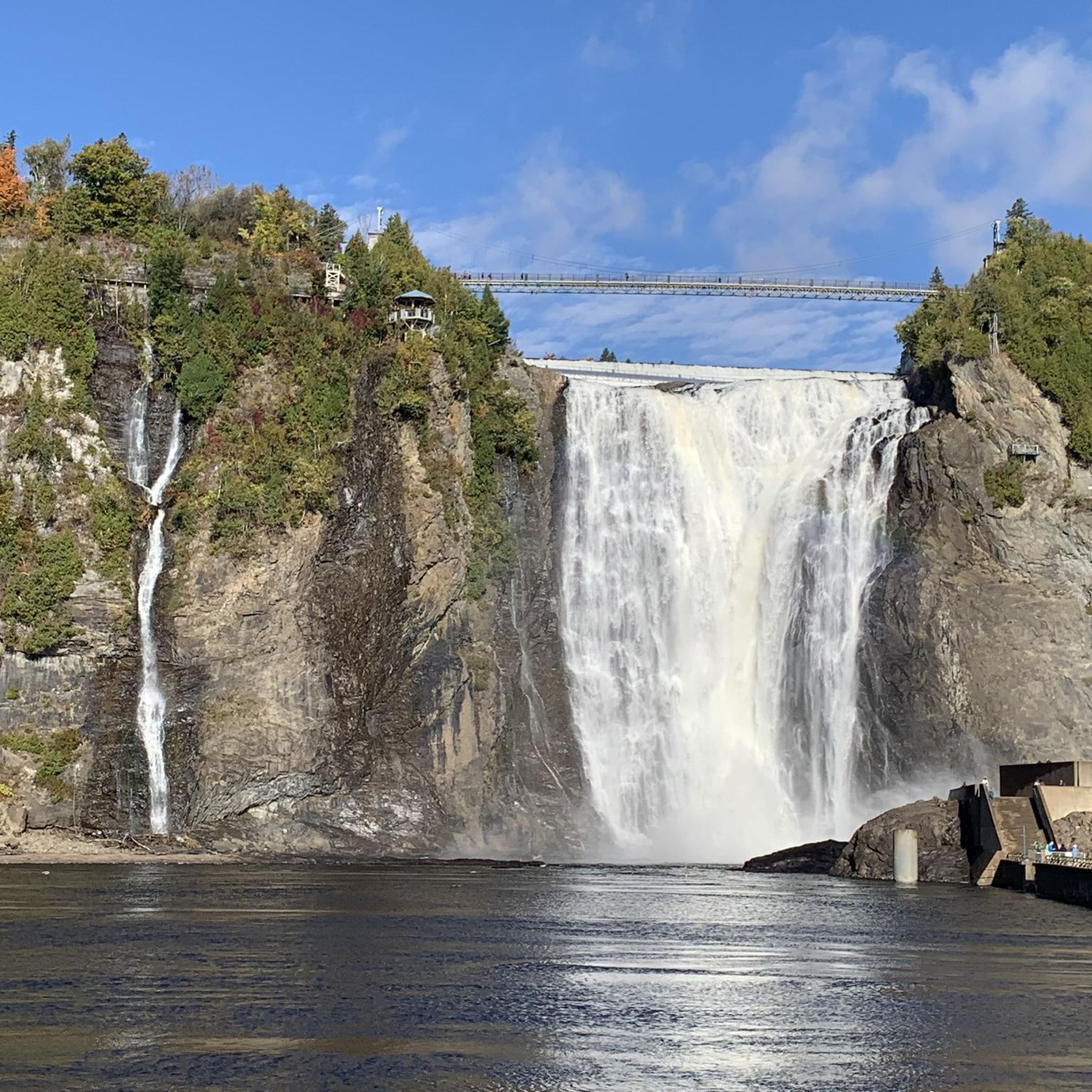
Very pretty for this turquoise blue water. But deadly for swimming.
1
0

The castle is a self-guided tour. A little tip: there are bike racks inside the castle, just beyond the entrance.
1
0

Saint-Sulpice-des-Landes Airfield. We were lucky enough to see the gliders take off!
0
0
Beautiful view of the village
0
0
Private mill, accessible to the public (passed in May 2025)
0
0
Frequently Asked Questions
How many no-traffic gravel bike trails are available around La Noë-Blanche?
Our guide features 18 curated no-traffic gravel bike trails around La Noë-Blanche. These routes leverage the region's extensive network of quiet rural roads, farm tracks, and greenways, ensuring a peaceful ride away from vehicular traffic.
What kind of terrain can I expect on gravel bike trails in La Noë-Blanche?
The terrain around La Noë-Blanche is characterized by rolling hills and gentle slopes, with altitudes ranging from 18 to 95 meters. This provides an engaging mix of slight gradients and flat sections, making for dynamic rides without overly strenuous climbs. You'll encounter a blend of unpaved paths, quiet country lanes, and potentially old railway lines converted into greenways.
Are there any family-friendly no-traffic gravel routes in the area?
Yes, La Noë-Blanche and the surrounding Ille-et-Vilaine department are known for their suitability for family cycling, especially on greenways. Routes like the Voie Verte Gravel Path – Pont de la Noë loop from Bain-de-Bretagne offer a moderate challenge over 32 km, ideal for families looking for a traffic-free adventure on well-maintained paths.
Can I bring my dog on these gravel bike trails?
Many of the rural paths and greenways around La Noë-Blanche are suitable for cycling with dogs, provided they are well-behaved and kept under control, ideally on a leash for their safety and that of others. Always check local regulations for specific paths, especially those passing through nature reserves or private land. The tranquil nature of these no-traffic routes makes them generally more dog-friendly.
What interesting landmarks or natural features can I see along the gravel routes?
While exploring the no-traffic gravel trails, you can discover several points of interest. Consider routes that pass near the Guipry-Messac Mill or offer views of the Vilaine Loop. You might also encounter historical elements like the Saint-Senoux Church or the scenic Montserrat Chapel, which provide glimpses into the region's heritage and natural beauty.
Are there any circular gravel bike routes available?
Yes, many of the gravel routes in the area are designed as loops, allowing you to start and end at the same point. For example, the Voie Verte Gravel Path – Bain-Châteaubriant greenway loop from Bain-de-Bretagne is a substantial 50 km circular route that offers a great no-traffic experience.
What is the best time of year to go gravel biking in La Noë-Blanche?
The best time for gravel biking in La Noë-Blanche, and Brittany in general, is typically from spring through autumn (April to October). During these months, the weather is generally milder and more stable, with less rainfall. The bocage landscapes are vibrant in spring and summer, while autumn offers beautiful foliage. Winter can be wet, making some unpaved paths muddy, but dedicated riders can still enjoy the quieter trails.
Where can I find parking for these no-traffic gravel trails?
For many routes starting from towns like Bain-de-Bretagne, you can typically find public parking in or near the town centers. For trails that begin in more rural areas, look for designated parking spots near trailheads or small village squares. Always ensure you park responsibly and do not obstruct local access.
What do other gravel bikers enjoy most about the trails in La Noë-Blanche?
The area is highly rated by the komoot community, with an average score of 4.5 stars. Reviewers often praise the tranquility of the routes, the beautiful rural landscapes, and the extensive network of traffic-free paths that make for a relaxing and immersive gravel biking experience. The gentle elevation changes are also frequently highlighted as enjoyable for a wide range of skill levels.
Are there any longer, more challenging no-traffic gravel routes?
For those seeking a longer and more challenging ride, the region offers routes that combine distance with varied terrain. The Bertaud Mill – Railway station loop from Bain-de-Bretagne is a difficult 60 km route with over 500 meters of elevation gain, providing a substantial no-traffic adventure through the Breton countryside.
Are there any cafes or amenities along the no-traffic gravel routes?
While many of the no-traffic routes traverse rural areas, you'll often find amenities in the charming villages and towns they pass through or start from, such as Bain-de-Bretagne. These towns offer cafes, bakeries, and small shops where you can refuel and rest. It's always a good idea to carry sufficient water and snacks, especially on longer stretches between villages.
Most popular routes around La Noë-Blanche
Most popular attractions around La Noë-Blanche

Get inspired with the komoot mobile app


Explore more
Browse the best Gravel rides in other regions.
