The best traffic-free bike rides around Commerveil
5.0
(5)
241
riders
32
rides
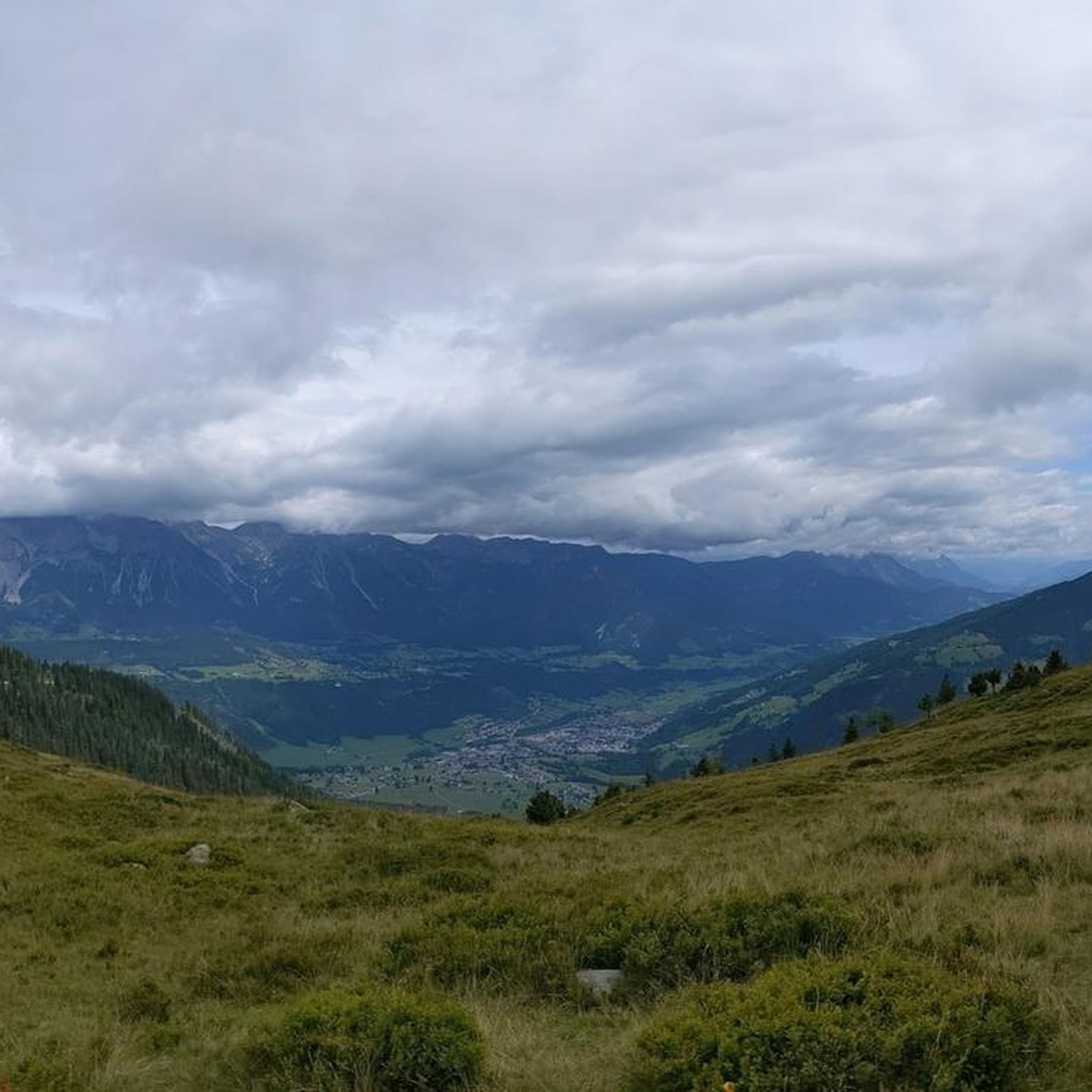
Road cycling around Commerveil offers diverse terrain within or near the Perche Regional Natural Park. The region is characterized by rolling hills, green valleys, and bocage countryside, providing varied elevations for cyclists. Routes often traverse lush forests and feature well-paved surfaces, ensuring a smooth experience. This landscape provides a backdrop for no traffic road cycling routes that connect charming villages and historical sites.
Best no traffic road cycling routes around Commerveil
- The most popular no traffic road cycling route is…
Last updated: October 19, 2026
5.0
(1)
19
riders
44.1km
02:22
730m
730m
Moderate road ride. Good fitness required. Mostly well-paved surfaces and easy to ride.
14
riders
124km
06:04
1,110m
1,110m
Hard road ride. Very good fitness required. Some segments of this route may be unpaved and difficult to ride.

11
riders
Easy road ride. Great for any fitness level. Mostly well-paved surfaces and easy to ride.
6
riders
58.3km
02:46
590m
590m
Moderate road ride. Good fitness required. Mostly well-paved surfaces and easy to ride.
5
riders
67.2km
02:55
530m
530m
Moderate road ride. Good fitness required. Mostly well-paved surfaces and easy to ride.
Get access to more routes and recommendations from other explorers.
Already have an account?
Our route recommendations are based on thousands of hikes, rides, and runs completed by other people on komoot.

Tips from the Community

This magnificent church in Neuchâtel is dedicated to the patronage of "Saint-ETIENNE". He is one of the first seven deacons of the early Jerusalem community and, according to the biblical accounts in the "New Testament", the first martyr (witness by blood) of early Christianity. The church commemorates his death on the second day of Christmas, December 26th. As the Acts of the Apostles reports: When Stephen loudly proclaimed his vision of the open sky "But he, full of the Holy Spirit, looked up to heaven and saw the glory of God, and Jesus standing at the right hand of God" (Chapter 7, Verse 55), the people were so outraged that they drove him out of the city and stoned him.
0
0

11th Century Church Worship was abolished in the parish of Chevain. The church was sold for 31,700 livres to the citizen of Villeray on 6 Vendémiaire, Year VII (September 27, 1799). The Chevain church, having been donated by Madame du Hameau de Villeray to the commune by notarial deed dated April 16, 1827, was restored to worship there on January 15, 1827. The parish was established as a branch parish.
0
0
A building constructed in the 11th and 12th centuries. It was then just a simple chapel built on a temple, which was subsequently remodeled numerous times over the centuries. The choir, narrower and higher than the rest, is believed to have been built on tombs from the old cemetery, from which a 10th-century Merovingian sarcophagus made of Roussard sandstone was extracted and is on display outside the church.
0
0

The place that gives its name to the surrounding forest. An abbey founded in 1145 by monks from the Abbey of Citeaux in search of silence and isolation. Now, only a ruined section remains, visible through the foliage from the road. Note that these ruins are located on the grounds of the oldest summer camp still in operation in France.
0
0

This 11th century medieval bridge is a beautiful place to contemplate Beaumont-sur-Sarthe for a short moment. In addition to the river, you can see the castle located on the heights of the town.
0
0
Saint-Rémy Church from the 11th and 16th centuries. Stained glass windows from the 20th century. Altarpiece of the Saint-Julien chapel from the 17th century.
0
0
Of Romanesque origin, the church of Louvigny has undergone many transformations over time. Among other things, the altars and the altarpiece were donated in the 18th century by Mr. François Thébault, a wealthy donor born in Louvigny. A commemorative plaque was erected in his memory in the sacristy of the church after it was found at the end of the 19th century by Father Chartrain, then parish priest, on the roof of his presbytery, in place of a tile. It is likely that it was thus protected from the pillaging of the Revolution. The steeple dates from the 19th century. It replaced a campanile. It was also in the 19th century that the stained glass windows, the Stations of the Cross and the baptismal font were installed. Generally made of stone, these are very original, since decorated in the Napoleon III style, the period of their manufacture, they are made of cast iron and undoubtedly a fine example of the industrial production of this time. The portal, typically Romanesque, is preceded by two steps in which an eight-pointed star and a cross are drawn. This is perhaps a summary of the life of Christ, from the Star of the Nativity to the Crucifixion. Several elements classified as Historic Monuments have been restored over the last few years, thanks to subsidies from the State and the Department of Sarthe, as well as the generosity of subscribers to the Fondation du Patrimoine. Thus, the remarkable tabernacle of the high altar in gilded wood. Painted in faux marble in the 18th century, it is one of the largest tabernacles preserved in Sarthe. The painting located just above, also superbly restored, and attributed to François Mongendre (1644-1690), represents Saint Germain d’Auxerre meeting Saint Geneviève as a child.
0
0
The Chapitrel is the name given to the entrance gate. The period door is in the Renaissance style. This construction had several functions: It was reserved for catechumens who were not allowed to enter the church and served as a warehouse for farmers who sold at the market on Sunday mornings. The saddleback tower dates from 1545. It is 28 m high. It is square and has four levels. Each floor is separated by an external Roussard belt called a "larmier" which overhangs quite widely, preventing water from running off. At the top of the roof are two granite crosses, each topped with a copper weather vane representing a crowned dragon's head.
0
0
Frequently Asked Questions
How many no traffic road cycling routes are available around Commerveil?
Commerveil offers a wide selection of traffic-free road cycling routes, with over 35 options available. These routes cater to various skill levels, including 11 easy, 26 moderate, and 1 difficult route, ensuring there's something for every cyclist.
What kind of terrain can I expect on the no traffic road cycling routes around Commerveil?
The routes around Commerveil, particularly within the Perche Regional Natural Park, feature diverse and engaging terrain. You'll encounter rolling hills and green valleys, offering both gentle ascents and scenic descents. The charming bocage countryside with its hedgerows provides a peaceful backdrop, often on quiet, well-paved country roads. Expect to cycle through lush forests with century-old trees, providing shade and a sense of immersion in nature.
What is the best season for no traffic road cycling in Commerveil?
The Perche region, including Commerveil, is beautiful throughout the warmer months. Spring (April-May) offers fresh greenery and blooming landscapes, while summer (June-August) provides long daylight hours for extended rides. Autumn (September-October) is also excellent, with pleasant temperatures and stunning fall foliage. Always check local weather conditions before heading out.
Are there routes suitable for beginners or families looking for no traffic road cycling?
Yes, Commerveil has several easy no traffic road cycling routes perfect for beginners or families. These routes typically feature less elevation gain and shorter distances. For example, the Motte castrale de Peray – Saint-Jouin Church of Marnes loop from Saint-Rémy-des-Monts is an easy option, offering a pleasant ride through the countryside.
What landmarks or points of interest can I see along the no traffic road cycling routes?
Many routes wind through charming villages and past historical sites. You might discover hidden treasures in rural churches or pass by manor houses characteristic of the region. Notable attractions nearby include the village of La Perrière, the historic Les Halles de René, and various picturesque churches like Catholic Church - St-Étienne de Neuchâtel. The Château de Bellerive – Ruins of Perseigne Abbey loop from Mamers route, for instance, takes you past historical ruins.
Are there any longer, more challenging no traffic road cycling routes for experienced cyclists?
Absolutely. For experienced cyclists seeking a challenge, there are routes with significant elevation gain. The Saint-Léonard-des-Bois – Saint-Cénéri-le-Gérei loop from Mamers is classified as difficult, covering over 120 km with more than 1,100 meters of elevation gain, providing a rewarding ride through varied landscapes.
Are there options for parking near the no traffic road cycling routes in Commerveil?
Yes, many of the no traffic road cycling routes around Commerveil start from towns like Mamers or Saint-Rémy-des-Monts, where public parking is generally available. These starting points are convenient for cyclists arriving by car, allowing easy access to the quiet country roads.
Can I find circular no traffic road cycling routes around Commerveil?
Yes, many of the no traffic road cycling routes around Commerveil are designed as loops, allowing you to start and end at the same point without retracing your steps. An example is the Vallée d'Enfer – Perseigne Viewpoint loop from Mamers, which offers a scenic circular tour.
Are there places to eat or stay along the no traffic road cycling routes?
The routes often pass through charming villages where you can find local cafes, bakeries, and small restaurants to refuel. For accommodation, there are guesthouses and small hotels in the towns and villages within and around the Perche Regional Natural Park, offering a chance to experience local hospitality.
What do other road cyclists enjoy most about no traffic road cycling in Commerveil?
The no traffic road cycling routes around Commerveil are highly rated by the komoot community, with an average score of 5.0 stars. Reviewers often praise the tranquility of the quiet country roads, the picturesque bocage landscapes, and the opportunity to discover charming villages and historical sites away from busy traffic.
Most popular attractions around Commerveil

Get inspired with the komoot mobile app


Explore more
Browse the best Road cycling routes in other regions.
