The best city hikes and walks around Limoux
4.5
(5241)
33,856
hikers
30
hikes
Urban hiking trails around Limoux are characterized by a varied terrain that includes rolling hills, river valleys, and agricultural landscapes. The region features a mix of forests and vineyards, offering diverse scenery for walkers. While the immediate Limoux area is known for its gentle elevations, nearby routes can include more pronounced climbs. This landscape provides a range of urban walking experiences suitable for different fitness levels.
Best urban hiking trails around Limoux
- The most popular urban hiking route is Carcassonne…
Last updated: October 6, 2026
4.0
(1)
22
hikers
2.36km
00:36
10m
10m
Easy hike. Great for any fitness level. Easily-accessible paths. Suitable for all skill levels.
4.0
(1)
20
hikers
2.45km
00:38
20m
20m
Easy hike. Great for any fitness level. Easily-accessible paths. Suitable for all skill levels.

6
hikers
Easy hike. Great for any fitness level. Easily-accessible paths. Suitable for all skill levels.
5.0
(1)
10
hikers
Easy hike. Great for any fitness level. Easily-accessible paths. Suitable for all skill levels.
8
hikers
3.44km
00:54
20m
20m
Easy hike. Great for any fitness level. Easily-accessible paths. Suitable for all skill levels.
Get access to more routes and recommendations from other explorers.
Already have an account?
Our route recommendations are based on thousands of hikes, rides, and runs completed by other people on komoot.
Start today with a free account
Your next adventure awaits.
Popular around Limoux
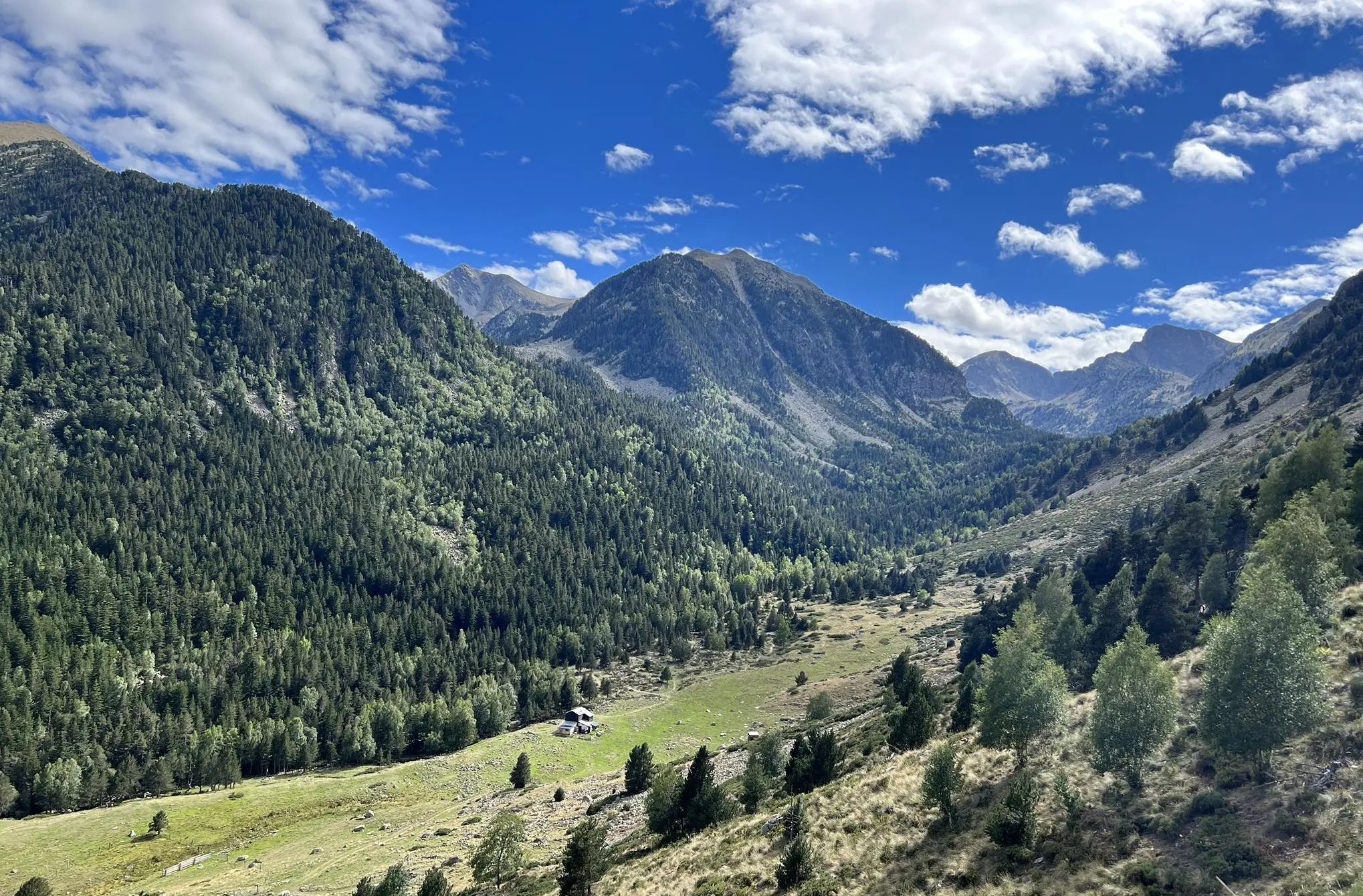
GR 36 long-distance footpath – Cross France from the Channel to the Pyrenees
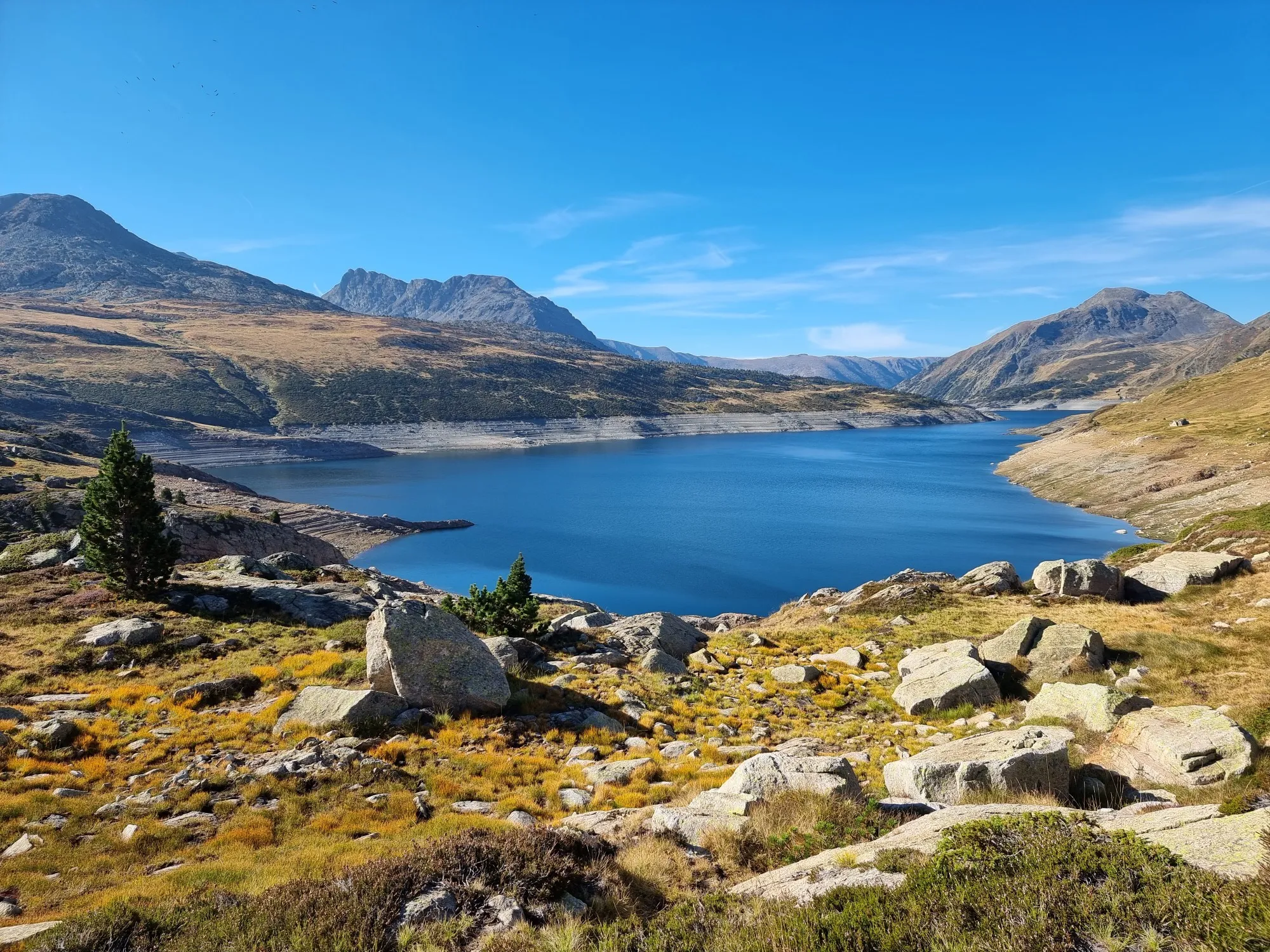
On wild ridges: Catalonia to Ariège – Hexatrek, Eastern Pyrenees
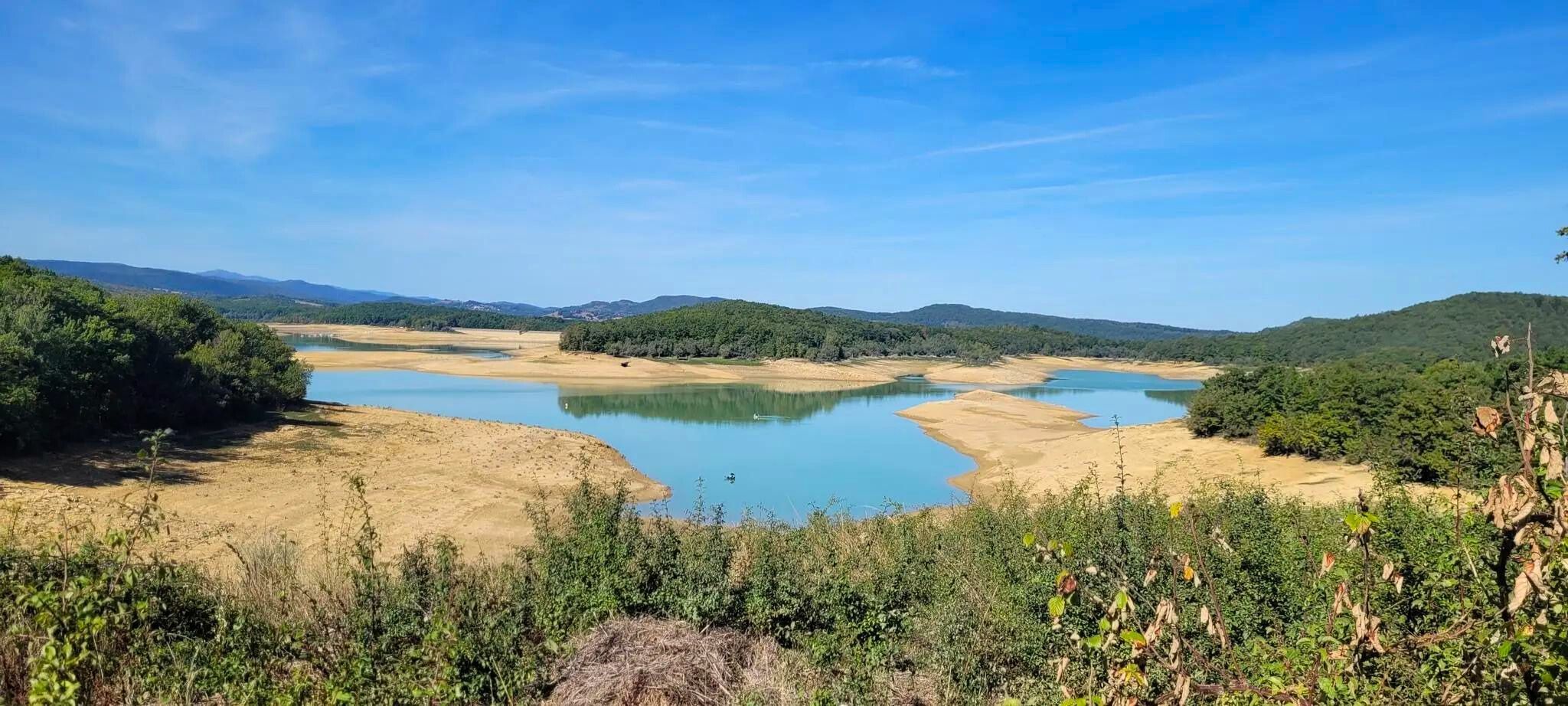
Plains, hills and mountains – GR 7 in the heart of France’s Occitania
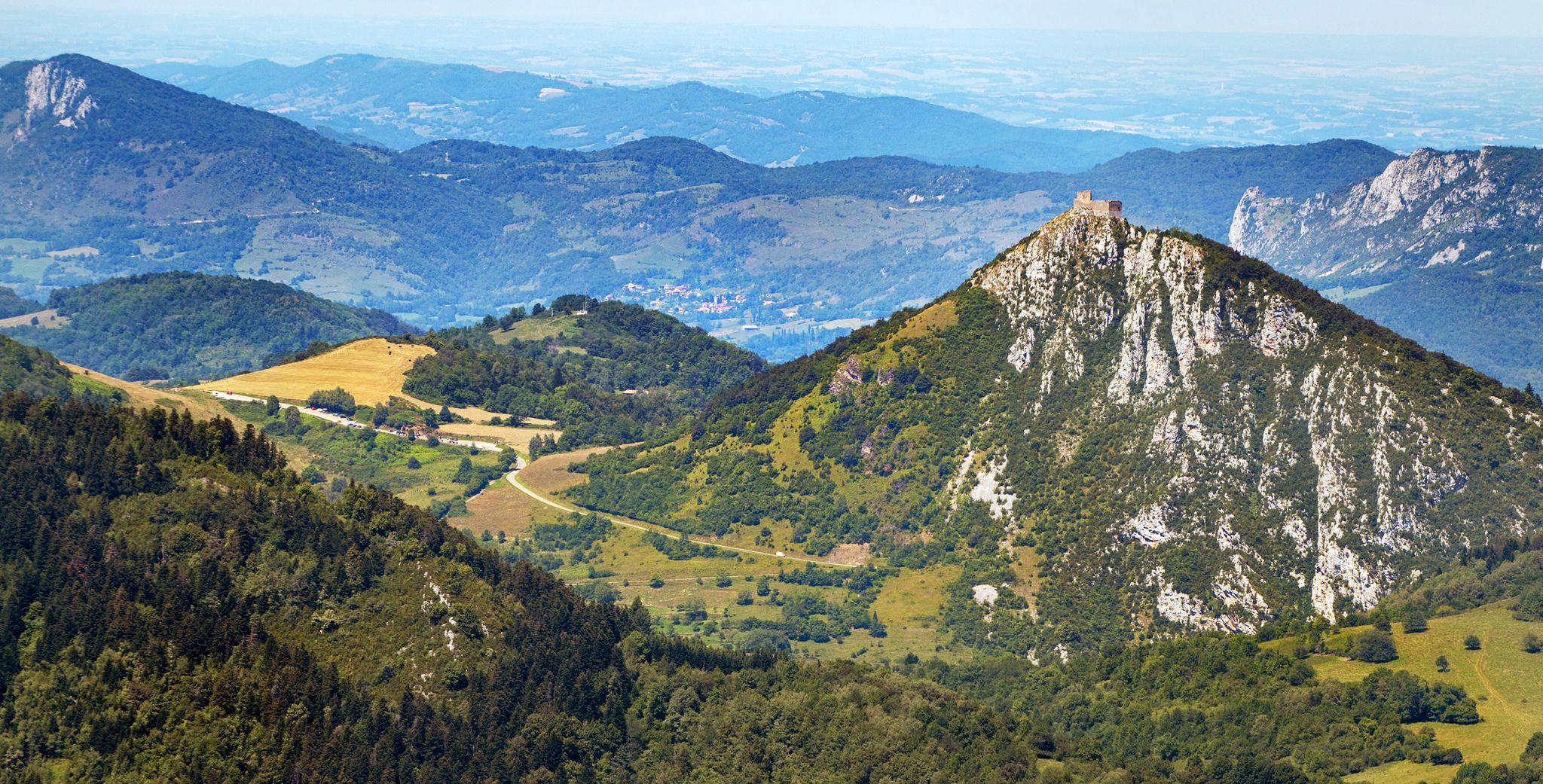
Cathar Route from Catalonia to France – Bons Homes Path (GR 107)
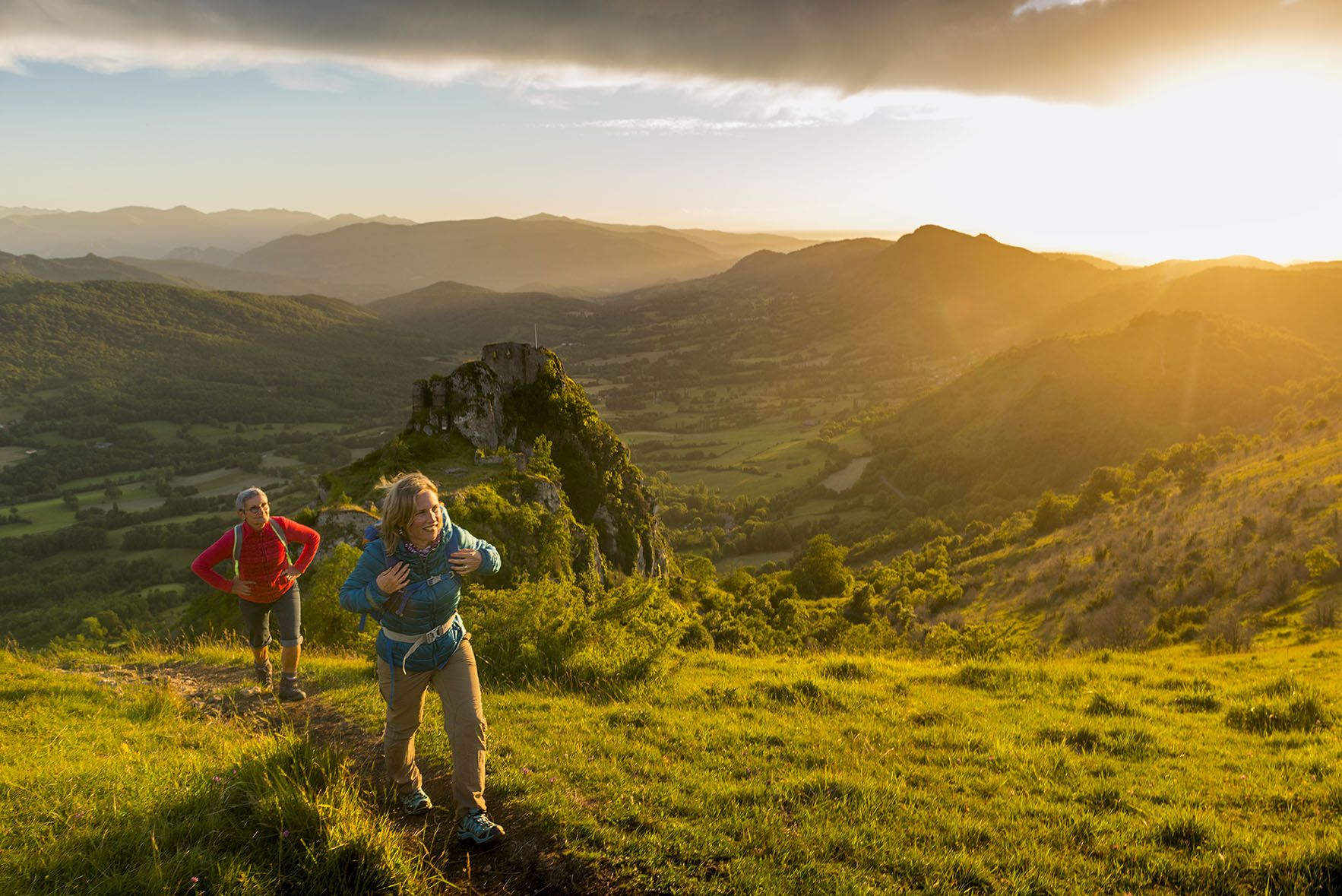
The chemin des Bonshommes — a journey between France and Spain
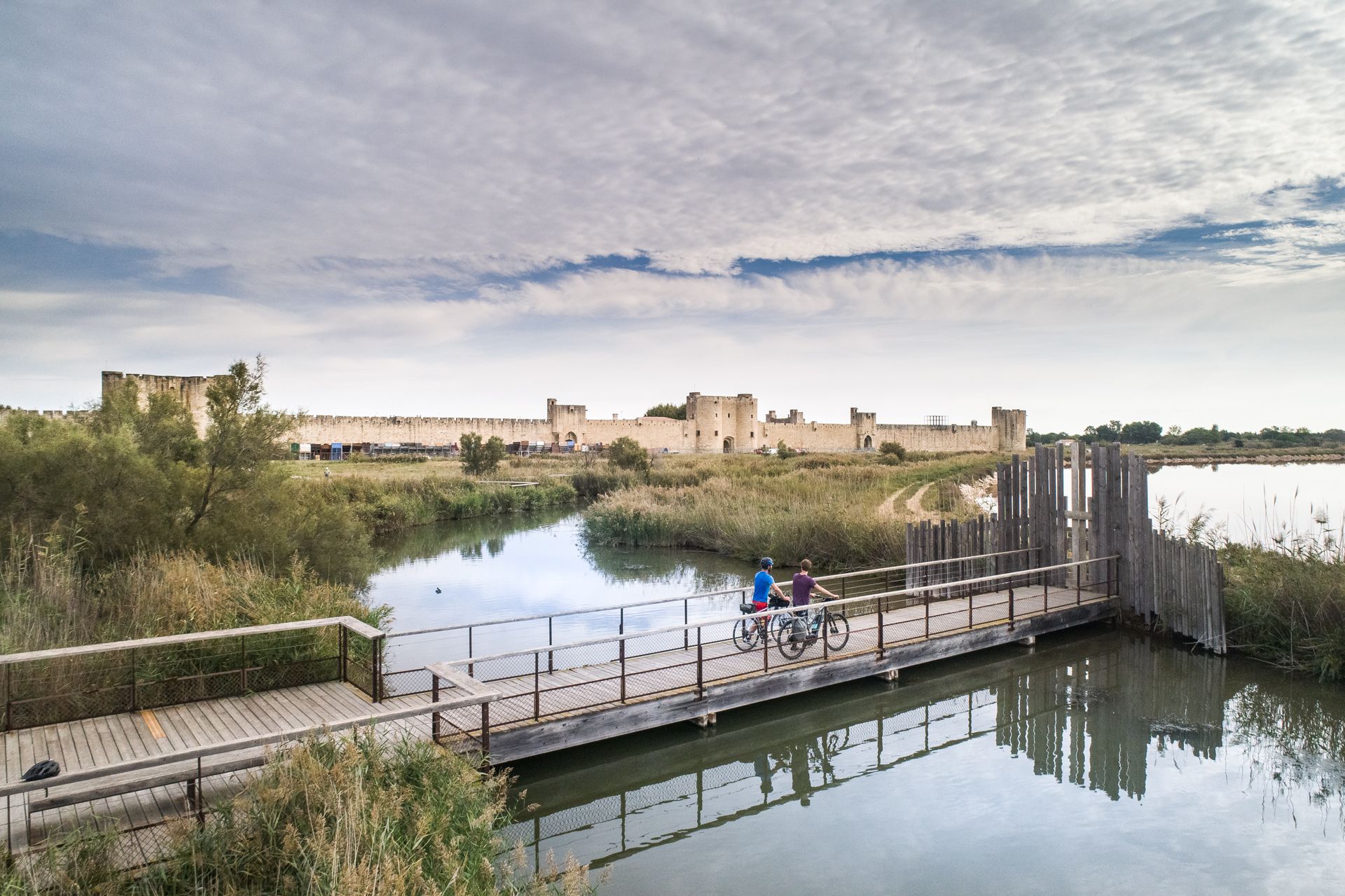
The most beautiful bike rides in Occitanie
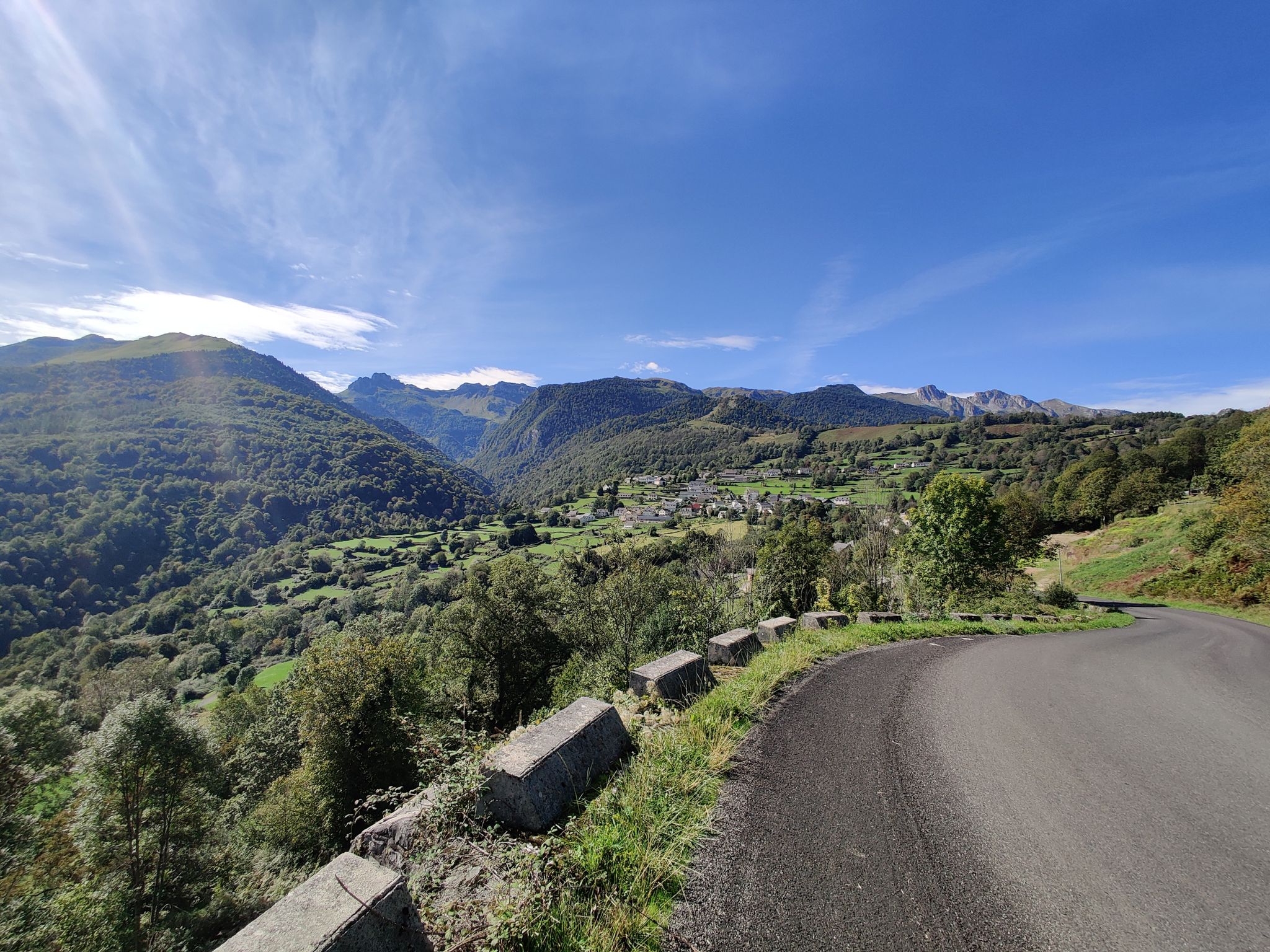
From the Atlantic to the Mediterranean – Route des Cols in the Pyrénées
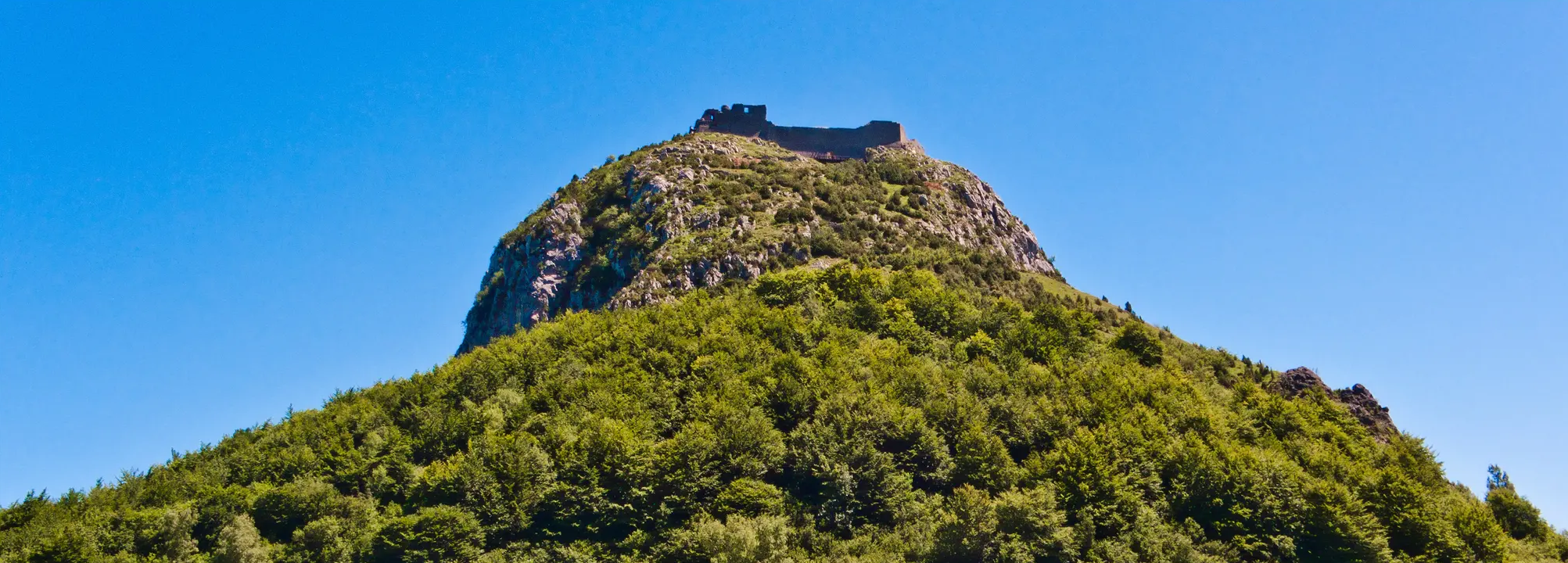
Climbs and greenways - The Great Ariège-Pyrénées Crossing by MTB
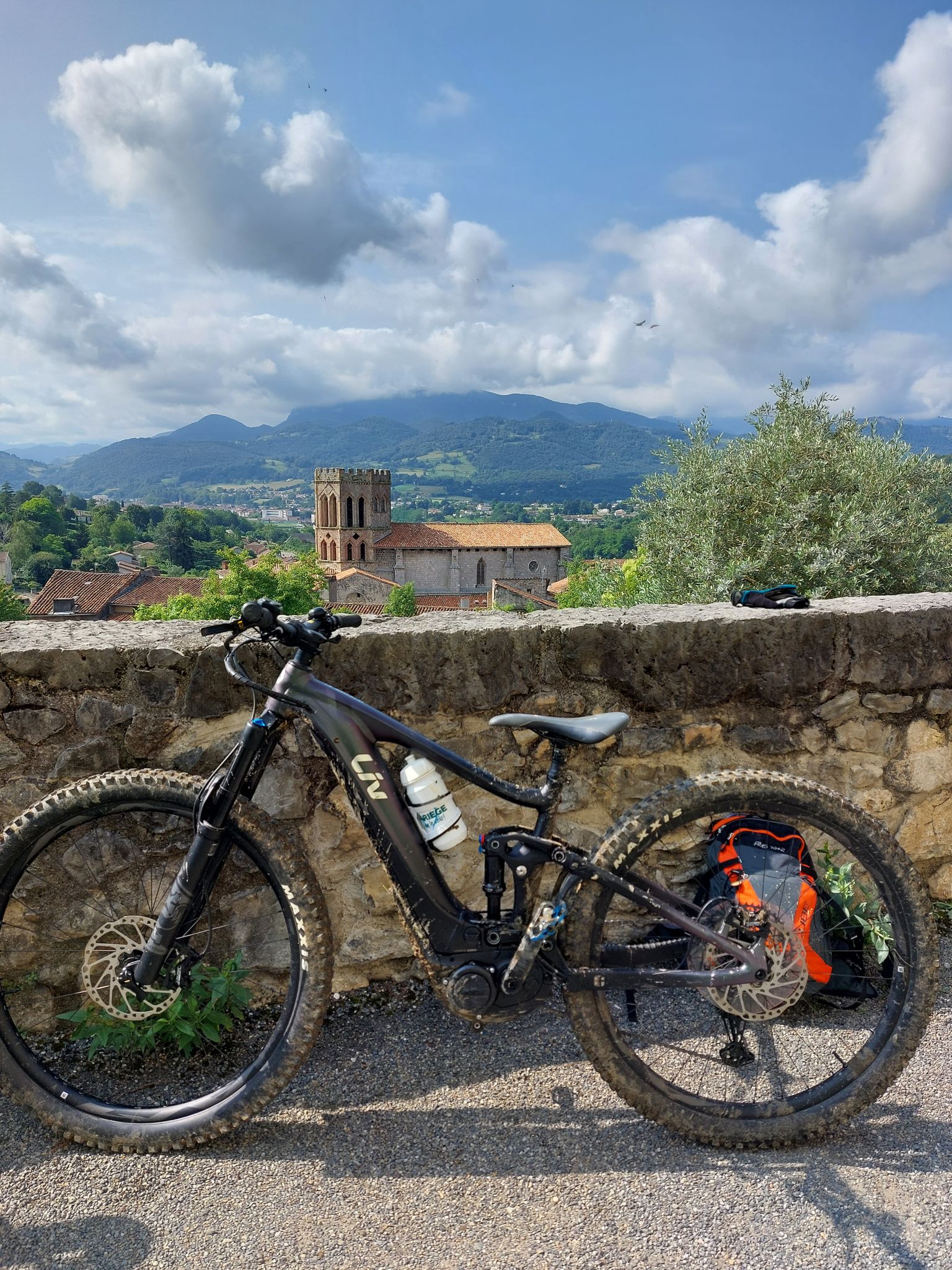
Great MTB Crossing Ariège Pyrénées
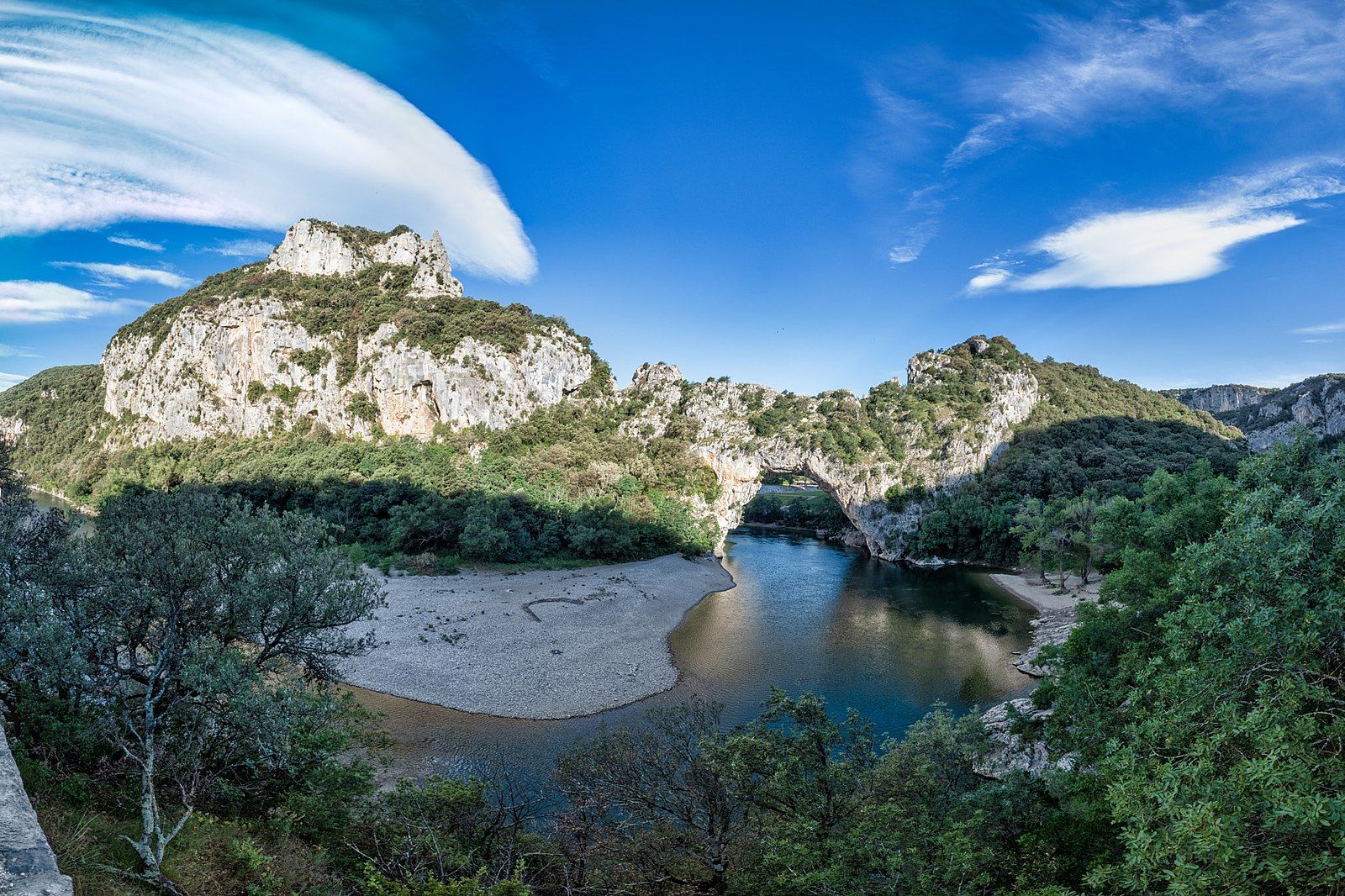
In the steps of the Cro-Magnon – a prehistoric journey in France
Other adventures around Limoux


Tips from the Community

Fountain completed in 1770, the work of Barata father and son, Italian sculptors. It stands in the middle of a red marble basin. The main base forms a square pedestal adorned with inscriptions on the faces and volutes at the corners. Above this pedestal are two tritons and two naiads who seem to command dolphins whose nostrils emit numerous jets of water. These mythological figures are surmounted by a basin adorned with mascarons and garlands, in the middle of which stands a statue of Neptune placed on a small pedestal from which an abundant spring emerges, distributing itself in cascades around the monument.
0
0
House where the poet Joë Bousquet, who was paralyzed, lived, and in which he received all the creators that the first half of the 20th century had to offer. Painters, poets, and philosophers succeeded one another in his room, which can be seen today as it was during his lifetime.
0
0
Housed in the former Présidial, facing Place Gambetta, the Carcassonne Museum of Fine Arts offers a refuge with a sensitive charm, a tasty and rich ensemble that lovers of paintings and history can discover in the museum's ten rooms dedicated to permanent collections.
0
0
The ramparts of Carcassonne were built in several stages over more than a millennium by the Romans (3rd-4th centuries), the Trencavel viscounts (12th century), and then the kings of France (13th century). The ensemble was then largely restored in the 19th century by the architect Eugène Viollet-le-Duc.
0
0
According to the notarial deeds, one can better imagine the small chapel built with the money from Jean de Saix's legacy, in 1527, intended for the creation of the hospital for plague victims. Supporting the ogival arch of the door, the corbels bear the erased arms of the family. Today we see the date 1697 inscribed on the keystone, marking the end of the works, and the trace of the old door opening onto the sacristy with the start of a staircase. The acceptance of the works took place in 1698 with several disputes. The interior features beautiful lierne and tierceron vaults that were not affected by the Wars of Religion period.
0
0
It succeeds a cemetery that had become too small, located on the Gravette plateau, which was closed in 1955.
0
0

wonderfully beautiful landscape here
0
0
Frequently Asked Questions
What makes urban hiking in Limoux unique?
Urban hiking in Limoux offers a blend of historical exploration and natural beauty. You can discover the town's rich heritage while enjoying scenic paths that often lead to panoramic views of the surrounding Aude river valley, vineyards, and even the distant Pyrenees. The trails are generally accessible, making it easy to combine a walk with exploring local culture and amenities.
How many urban hiking trails are available in Limoux?
There are over 20 urban hiking routes around Limoux, catering to various preferences. Most of these trails are rated as easy, with a few moderate options for those seeking a bit more challenge.
Are there easy urban walks suitable for families in Limoux?
Yes, many urban trails in Limoux are suitable for families. With 17 easy routes available, you can find pleasant walks that are not too strenuous, allowing everyone to enjoy the scenery and explore the town's surroundings. These paths often pass through charming streets and offer gentle inclines.
Can I bring my dog on urban hikes in Limoux?
Generally, dogs are welcome on many urban hiking trails in Limoux, especially those that venture into natural areas like forests and vineyards. However, it's always best to keep them on a leash, particularly in populated areas or near livestock, and to check local regulations for specific routes or protected areas.
What kind of natural attractions can I see on urban hikes around Limoux?
While urban hikes focus on the town, many routes extend into the immediate surroundings, offering glimpses of the region's diverse landscapes. You might encounter lush forests, expansive vineyards known for local sparkling wines, and views of the Aude river. For more dramatic natural features like gorges or waterfalls, you would typically venture slightly further from the urban core, such as the nearby Gorges de la Frau or Labyrinthe Vert.
Are there circular urban hiking routes in Limoux?
Yes, many of the urban hiking routes around Limoux are designed as circular paths. This allows you to start and end your journey in the same location, making it convenient for exploration without needing to arrange return transport.
What is the best time of year for urban hiking in Limoux?
Limoux is pleasant for urban hiking for much of the year. Spring and autumn offer mild temperatures and beautiful scenery, with blooming flowers or vibrant fall foliage. Summer can be warm, so early mornings or late afternoons are ideal. Winter walks can also be enjoyable, especially on clear days, offering crisp air and unique perspectives of the town and its surroundings.
Are there urban hikes that include historical landmarks or points of interest?
Absolutely. Urban hikes in Limoux often weave through the town's historic center and its immediate surroundings, allowing you to discover local architecture, charming squares, and perhaps even glimpses of ancient structures. The region is rich in history, and many trails offer a chance to experience this heritage firsthand.
What do other hikers enjoy most about urban hiking in Limoux?
The area is highly rated by the komoot community, with an average score of 4.5 stars from over 1,400 ratings. Reviewers often praise the accessibility of the trails, the charming blend of urban exploration with natural scenery, and the opportunity to experience the authentic character of Limoux and its surrounding vineyards.
Are there urban hiking trails with parking available?
Yes, many urban hiking trails in Limoux start from locations with readily available parking, particularly near the town center or at the outskirts where routes begin. This makes it convenient for those traveling by car to access the trails and explore the area.
Can I find urban hikes that include stops for refreshments or cafes?
Given the urban nature of these trails, many routes will pass through or near the town center of Limoux, where you can find numerous cafes, bakeries, and restaurants. This allows for convenient stops to enjoy local refreshments, such as the famous Blanquette de Limoux, during or after your hike.
Most popular routes around Limoux
Most popular attractions around Limoux

Get inspired with the komoot mobile app


Explore more
Browse the best Hikes in other regions.
