The best traffic-free bike rides around Roa
3.7
(3)
18
riders
4
rides
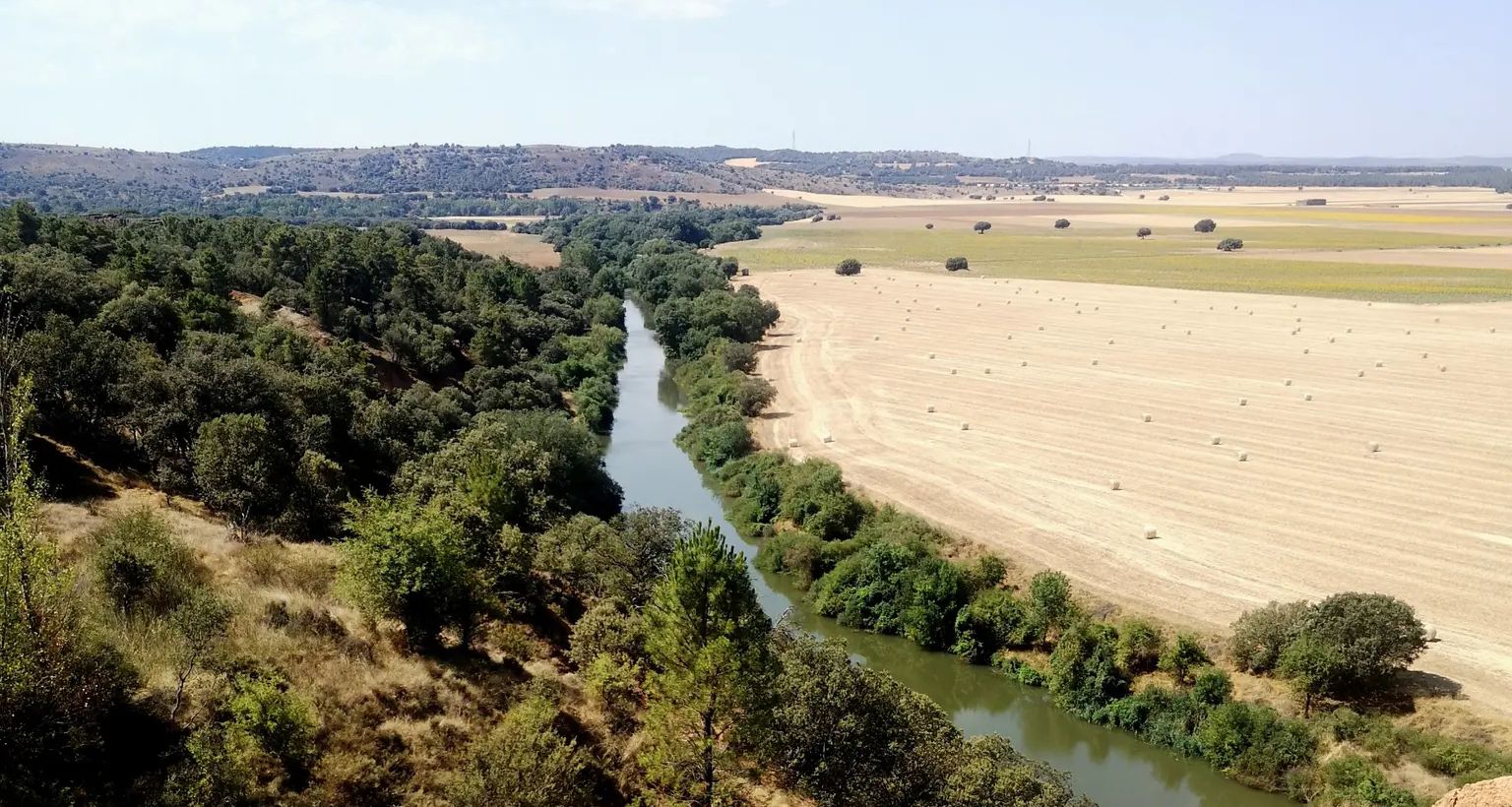
No traffic touring cycling routes around Roa offer opportunities to explore a landscape characterized by river valleys and agricultural plains. The region's terrain typically features gentle ascents and descents, suitable for extended cycling. Routes often follow quiet country roads, passing through rural areas and historic towns. This provides a setting for touring cyclists seeking peaceful journeys away from vehicular traffic.
Best no traffic touring cycling routes around Roa
- The most popular no traffic touring cycling route is Valle del Cuco – circular desde Encinas de Esgueva, a 36.5 miles (58.8 km) trail that takes 3 hours 40 minutes to complete. This moderate route navigates through the Cuco Valley, offering varied scenery.
- Another top favourite among local touring cyclists is Plaza del Coso de Peñafiel – Peñafiel Old Town loop from Valdearcos de la Vega, a moderate 31.1 miles (50.1 km) path. This route includes views of historic Peñafiel and surrounding countryside.
- Local touring cyclists also love the Fuentespina – Fuentespina loop from Castrillo de la Vega, a 29.4 miles (47.3 km) trail leading through agricultural landscapes, often completed in about 4 hours 12 minutes.
- Touring cycling around Roa is defined by river valleys, agricultural plains, and historic towns. The network offers options for different ability levels, from moderate to more challenging routes.
- The routes in Roa are highly rated by the komoot community with an average score of 4.25 stars from over 5 reviews. More than 20 touring cyclists have used komoot to explore Roa's varied terrain.
Last updated: August 26, 2026
5.0
(1)
2
riders
58.8km
03:40
440m
440m
Moderate bike ride. Good fitness required. Mostly paved surfaces. Suitable for all skill levels.
3.0
(1)
6
riders
Moderate bike ride. Good fitness required. Mostly paved surfaces. Suitable for all skill levels.

Sign up for free
3.0
(1)
8
riders
50.1km
04:07
430m
430m
Hard bike ride. Good fitness required. You may need to push your bike for some segments of this route.
2
riders
28.3km
02:13
220m
220m
Moderate bike ride. Good fitness required. Mostly paved surfaces. Suitable for all skill levels.
5.0
(2)
2
riders
32.0km
02:50
200m
200m
Hard bike ride. Good fitness required. You may need to push your bike for some segments of this route.
Our route recommendations are based on thousands of hikes, rides, and runs completed by other people on komoot.
Start today with a free account
Your next adventure awaits.
Login or Signup


Tips from the Community

Built of stone and with several semicircular arches, it is a good example of medieval civil engineering and has withstood the test of time thanks to its solidity, although it has been restored at different times. At one time it was key for the transit of workers and goods between neighborhoods, contributing to the economic growth of Aranda. Today it is preserved as a heritage element and is a pleasant place to walk, forming part of the city's historic complex and allowing visitors to learn about its industrial and medieval past along the river.
2
0
The medieval Puente de las Tenerías, located in Aranda de Duero over the Bañuelos river, is one of the most interesting historical corners of the city, although less known than the Duero bridge. It is a construction of medieval origin, linked to the urban and industrial development of the town, as it takes its name from the old tanneries (leather tanning workshops) that were in the area and that needed abundant water for their activity.
2
0
The bridge is built of stone and is characterized by its semicircular arches; it originally had four, although today it retains three due to later renovations. Over the centuries it has undergone numerous restorations, especially due to the floods of the Duero, one of the most important being the expansion and widening in the 19th century. In addition to its architectural value, it has been a strategic point for the passage of people, goods and herds, and today it is a symbol of the city and a very pleasant place to walk and enjoy the views of the river and Aranda de Duero. [iglesiaslocales.com], [edadesdelh...ogspot.com]
2
0
The Aranda de Duero Bridge, also known as Puente Mayor, is one of the city's most important historical elements, as it crosses the Duero River and has been key to its development. Although often called "Roman", it is actually a bridge of medieval origin, with references from the 12th-14th centuries, when it served as a fundamental crossing point on trade routes and the old Royal Road that connected the center and north of Spain.
2
0

At the convent there is a drinking fountain & picnic tables. The nuns sell handmade chocolates & cakes from a little shop beside the San Pedro church
0
0

The Aranda de Duero Bridge, also known as the Puente Mayor, is a medieval stone bridge over the Duero River. It is a symbol of the city and its heritage, connecting the old town with the modern areas. Although it has been renovated over time, it retains its historic essence.
4
1

good route
0
0

Interior of the most famous church in the area.
0
0
Frequently Asked Questions
How many no-traffic touring cycling routes are available in the Roa area?
There are currently 4 dedicated no-traffic touring cycling routes detailed for the Roa area. These routes offer a range of experiences, from moderate to difficult.
Are there any easy no-traffic touring cycling routes for beginners or families in the Roa area?
Currently, the available no-traffic touring cycling routes in the Roa area are rated as either moderate or difficult. There are no routes specifically categorized as easy. Cyclists should be prepared for routes like the Plaza del Coso de Peñafiel – Peñafiel Old Town loop from Valdearcos de la Vega, which is moderate, or the more challenging Fuentespina – Fuentespina loop from Castrillo de la Vega.
What kind of attractions can I expect to see along the no-traffic touring cycling routes around Roa?
The routes in the Roa area often pass by historical and cultural points of interest. You can explore various castles and settlements, such as Haza and its castle, the Castle of the Zúñiga Family in Encinas de Esgueva, and the Haza Walled Village. These offer interesting stops during your ride.
Are the no-traffic touring cycling routes around Roa suitable for cycling with dogs?
While the routes themselves are traffic-free, the suitability for cycling with dogs depends on your dog's fitness, training, and local regulations regarding pets on trails. Always ensure your dog is on a leash where required and consider the route's length and difficulty. For example, the Valle del Cuco – circular desde Encinas de Esgueva is a moderate route that might be suitable for well-trained dogs.
What is the best time of year to go touring cycling in the Roa area?
Given the general nature of touring cycling, spring and autumn typically offer the most pleasant weather conditions for cycling, with milder temperatures and less extreme heat or cold. These seasons are ideal for enjoying the routes without the intensity of summer heat or the potential challenges of winter weather.
Are there any circular no-traffic touring cycling routes available?
Yes, several of the no-traffic touring cycling routes in the Roa area are circular. For example, you can enjoy the Valle del Cuco – circular desde Encinas de Esgueva or the Path alongside the Duero – Aranda Bridge loop from Gumiel de Mercado, which both offer a return to your starting point.
What do other touring cyclists say about the no-traffic routes in the Roa area?
The komoot community rates the touring cycling experience in the Roa area highly, with an average score of 4.25 out of 5 stars. Cyclists often appreciate the quiet, traffic-free nature of the routes and the opportunity to explore the local landscape and historical sites.
Are there any routes that follow rivers or offer scenic water views?
Yes, the Path alongside the Duero – Aranda Bridge loop from Gumiel de Mercado offers sections that follow the Duero river, providing scenic views and a pleasant cycling experience along the water.
Are there opportunities for wildlife spotting on these no-traffic routes?
While specific wildlife sightings cannot be guaranteed, cycling on traffic-free routes, especially those passing through rural landscapes and along riverbanks like the Path alongside the Duero – Aranda Bridge loop from Gumiel de Mercado, often increases your chances of observing local flora and fauna in their natural habitats.
What should I consider when planning a winter touring cycling trip in the Roa area?
Winter cycling in the Roa area may present colder temperatures and potentially adverse weather conditions. It's crucial to check local weather forecasts, dress in appropriate layers, and ensure your bike is equipped for colder, possibly wet, or icy conditions. Shorter daylight hours also mean planning your route carefully to avoid cycling in the dark.
Are there any cafes or places to stop for refreshments along the no-traffic touring cycling routes?
The routes pass through or near various villages and towns, such as Encinas de Esgueva, Castrillo de la Vega, and Valdearcos de la Vega. While specific cafes are not listed for every route, these settlements typically offer opportunities for refreshments and breaks. It's advisable to carry sufficient water and snacks, especially on longer stretches, and to check for local amenities in advance.
Most popular routes around Roa
Most popular attractions around Roa

Get inspired with the komoot mobile app


Explore more
Browse the best Cycling routes in other regions.
