The best traffic-free bike rides around Ourense
4.0
(2)
51
riders
15
rides
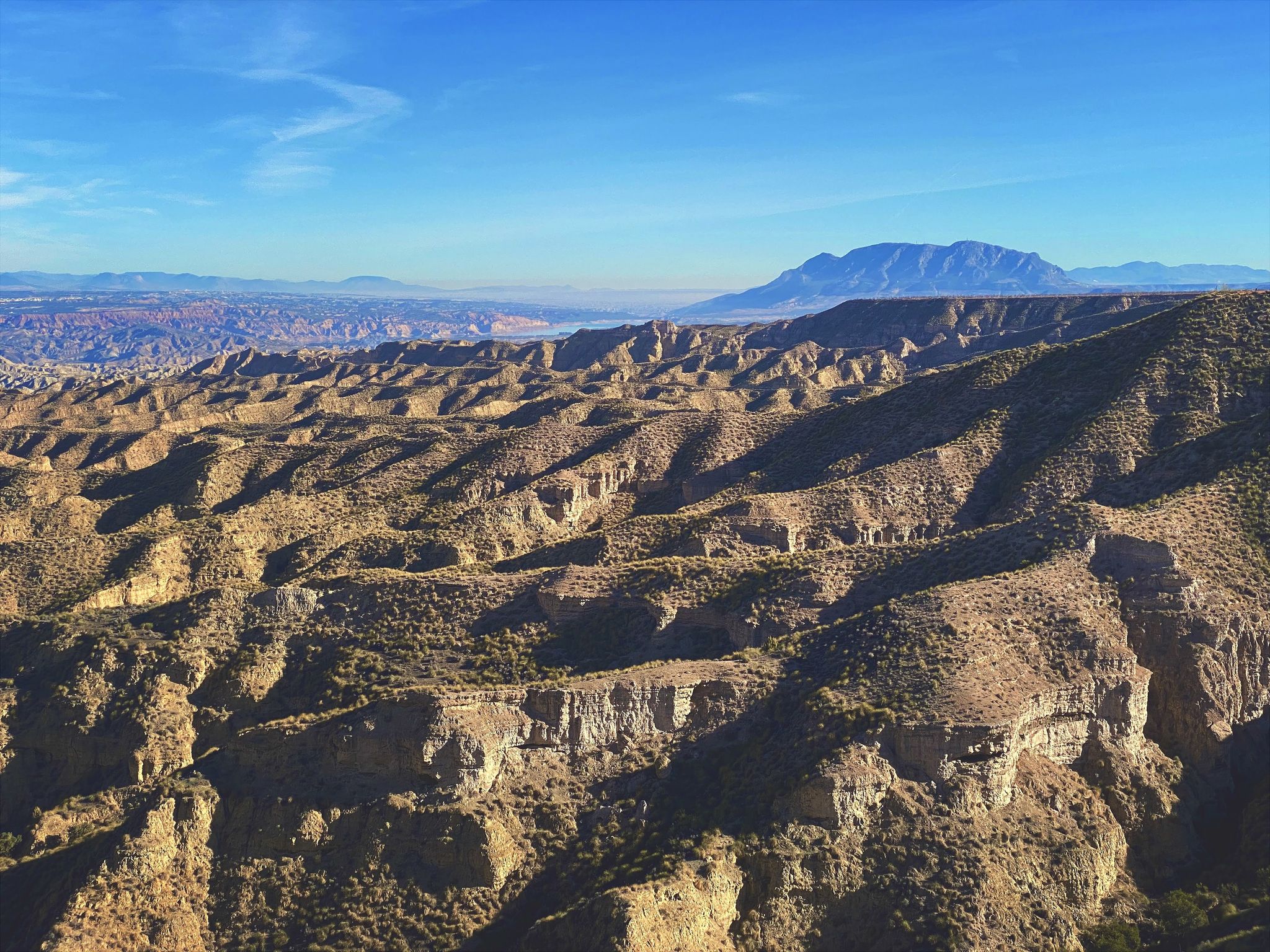
Gravel biking around Ourense offers diverse and rugged landscapes, characterized by river valleys, extensive forests, and challenging mountainous terrain. The region features the dramatic Sil Canyon within Ribeira Sacra, providing scenic vistas and terraced vineyards. The Miño River flows through Ourense, offering green pathways along its banks, while the Baixa Limia-Serra do Xurés Natural Park presents dense forests and granite mountains. This varied topography provides an extensive network of trails suitable for gravel biking.
Best no traffic gravel bike trails…
Last updated: October 18, 2026
3.0
(1)
6
riders
Hard gravel ride. Very good fitness required. Mostly paved surfaces. Suitable for all skill levels.
5.0
(1)
3
riders
18.9km
01:22
240m
240m
Moderate gravel ride. Good fitness required. Mostly paved surfaces. Suitable for all skill levels.

2
riders
21.8km
01:44
420m
420m
Moderate gravel ride. Good fitness required. Mostly paved surfaces. Suitable for all skill levels.
3
riders
121km
09:41
2,430m
2,430m
Hard gravel ride. Very good fitness required. Mostly paved surfaces. Suitable for all skill levels.
1
riders
Hard gravel ride. Very good fitness required. Mostly paved surfaces. Suitable for all skill levels.
Get access to more routes and recommendations from other explorers.
Already have an account?
Our route recommendations are based on thousands of hikes, rides, and runs completed by other people on komoot.
Start today with a free account
Your next adventure awaits.
Other adventures around Ourense

Tips from the Community

They are located in the historic center of Ourense, on Rúa das Burgas / Praza das Burgas, next to the Barbaña River. They are perfectly integrated into the urban environment, near the Cathedral and the Roman Bridge. Explored since Roman times, these waters were the origin of the city (Aquis Auriensis), and the remains include a 1st-century AD pool-sanctuary and votive stones dedicated to an indigenous deity. The water flows at approximately 64–68°C, with a flow rate of about 300 liters per minute. Rich in minerals such as metasilicates, fluoride, lithium, bicarbonate, and sodium, they are recommended for pruritic skin conditions and rheumatism. Recent studies support their beneficial effect on acne after washing with thermal water.
2
0
Location: in the municipality of Pereiro de Aguiar (Ourense), on the Loña River, a tributary of the Miño. Uses: water supply, irrigation, hydroelectric power generation, fishing; it is not navigable or suitable for swimming. Circular walk: approximately 4 km (3.7 km to be exact), easy difficulty, ideal for families and dogs—although they must be kept on a leash—offering shade, rest areas, and beautiful views.
1
0
Location: in the municipality of Pereiro de Aguiar (Ourense), on the Loña River, a tributary of the Miño. Uses: water supply, irrigation, hydroelectric power generation, fishing; it is not navigable or suitable for swimming. Circular walk: approximately 4 km (3.7 km to be exact), easy difficulty, ideal for families and dogs—although they must be kept on a leash—offering shade, rest areas, and beautiful views.
1
0
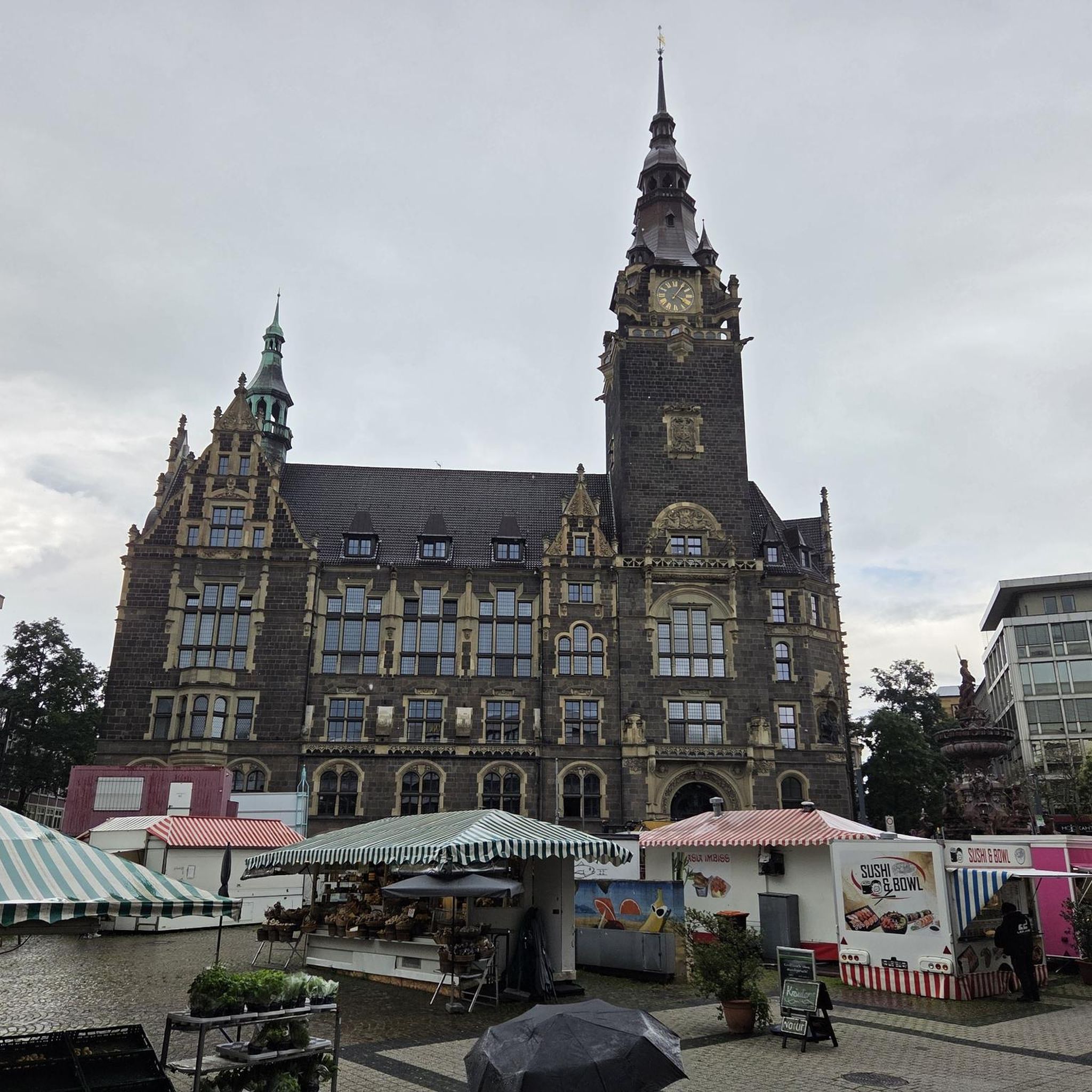
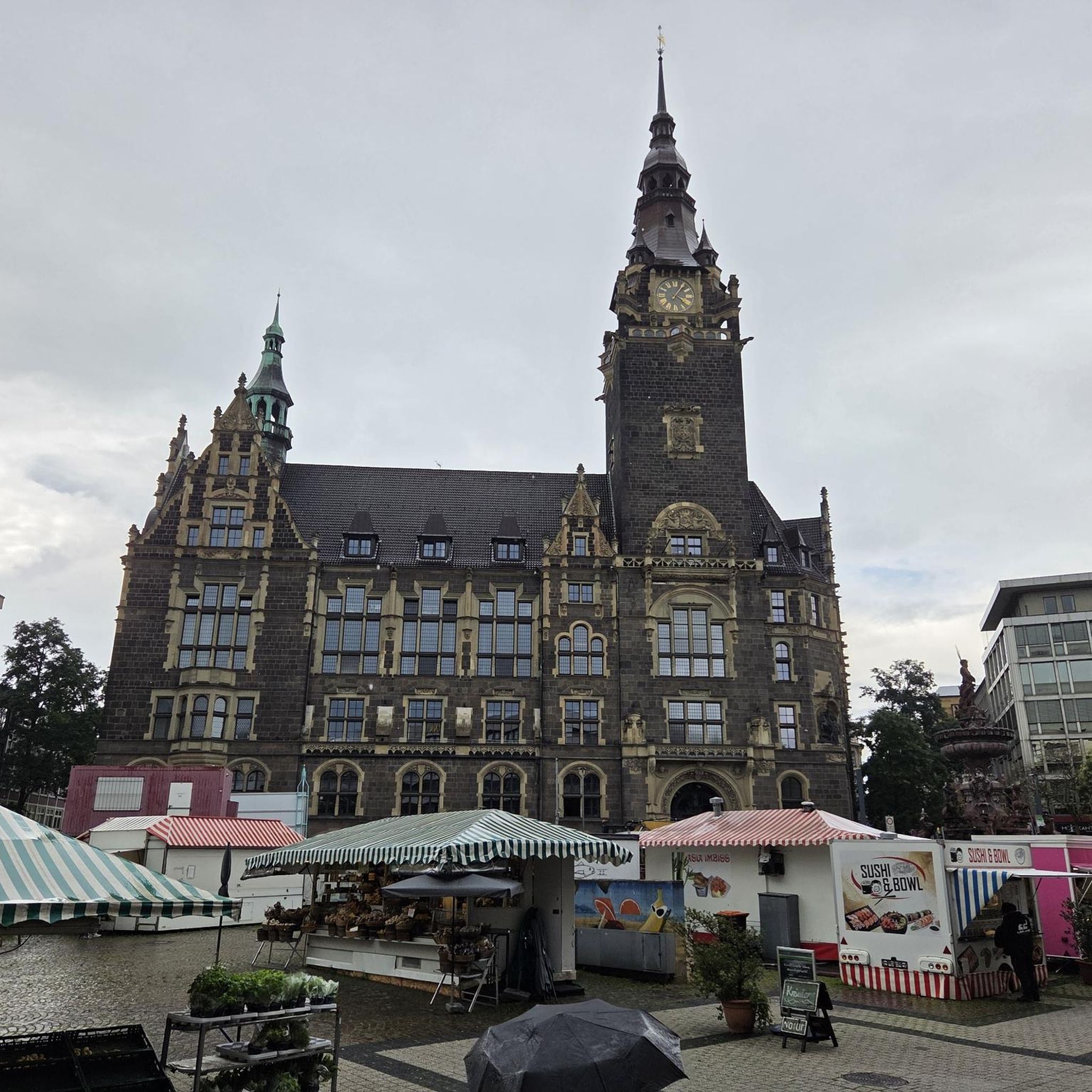
It spans the Miño River, linking the historic center of Ourense with the A Ponte neighborhood. It was built in the 1st century AD as a branch of the Via Nova (Via XVIII), connecting Bracara Augusta (Braga) with Asturica Augusta (Astorga). Only traces of the original Roman phase remain, such as rusticated stonework at the ends near the banks. It suffered damage during the Middle Ages; in 1228, under Bishop Lorenzo and with the support of Ferdinand III, it was rebuilt with pointed arches and renovated approaches. Until the 17th century, the bridge repeatedly collapsed. The final work was directed by Melchor de Velasco Agüero around 1660, establishing its current appearance.
1
0
The Roman bridge in Ourense, known as Ponte Vella or Puente Mayor, over the Miño River, was built in the 1st century AD as part of a branch of the Via Nova (Eighteenth Century). According to tradition, it dates back to the time of Trajan, although its construction characteristics place it close to the time of Augustus. Of that first bridge, only a few cushioned ashlars from the bases remain, as silent witnesses of the past.
1
0


Beautiful local recreation area 🤙
2
0
The Romans knew how to use the springs even earlier 🤙
1
0
Frequently Asked Questions
How many no-traffic gravel bike trails are available around Ourense?
You can explore a selection of 6 dedicated no-traffic gravel bike trails around Ourense. These routes are carefully curated to offer a serene and car-free cycling experience through the region's beautiful landscapes.
What kind of terrain can I expect on Ourense's no-traffic gravel bike trails?
Ourense's gravel trails offer a diverse and often challenging terrain. You'll encounter hilly environments, extensive forests, and ancient paths. The region is characterized by its rugged landscapes, from the dramatic canyons of the Ribeira Sacra to the challenging climbs of the Central Massif, providing a true test for gravel biking enthusiasts. Expect a mix of well-maintained and unpaved segments perfect for gravel bikes.
Are there any trails suitable for beginners or families looking for an easier ride?
While many of the listed no-traffic gravel routes in Ourense are rated as 'difficult' due to elevation and distance, the region does offer areas with gentler terrain. For a taste of the natural beauty without extreme challenges, consider exploring the green pathways along the Miño River, which provide a more serene environment. Always check the route details for elevation and distance to match your family's fitness level.
What natural attractions can I discover along these gravel bike routes?
Ourense's no-traffic gravel trails lead to a wealth of natural attractions. You can visit the stunning Barbantiño Waterfall or the picturesque A Boutureira Waterfall. Many routes also pass by the tranquil Cachamuíña Reservoir, offering beautiful lakeside views. The dramatic Sil Canyon in the Ribeira Sacra region is also a highlight, with breathtaking vistas from numerous viewpoints.
Can I visit any thermal springs after a ride?
Absolutely! Ourense is famous for its natural thermal springs. Several no-traffic gravel routes are designed to incorporate visits to these relaxing spots. For example, the route As Burgas Hot Springs – A Boutureira Waterfall loop from Ourense-San Francisco allows you to experience the renowned As Burgas Roman Baths. Other notable thermal baths include Outariz Hot Springs and Outariz and Burga de Canedo Thermal Baths, perfect for post-ride recovery.
Are there any historical landmarks to see on these routes?
Yes, Ourense is rich in Roman heritage. You can cycle past the ancient Roman Bridge (Ponte Vella) in Ourense, which crosses the Miño River. The route Roman Bridge Ourense – Cachamuíña Reservoir loop from Ourense is a great option to experience this. Another historical gem is the Monastery of San Pedro de Rocas, an ancient monastic complex carved into the rock, which can be found along routes in the Ribeira Sacra.
What is the best time of year for gravel biking in Ourense?
The best time for gravel biking in Ourense is generally during spring (April-May) and autumn (September-October). During these seasons, the weather is typically mild and pleasant, with less extreme heat than summer and fewer rainy days than winter. This allows for comfortable riding conditions and vibrant natural scenery.
Are the no-traffic gravel bike trails in Ourense suitable for dogs?
Many natural areas and trails in Ourense are dog-friendly, especially if your dog is accustomed to longer rides and can keep pace. However, it's always recommended to keep dogs on a leash, especially in natural parks or near wildlife, and to carry enough water for both yourself and your pet. Check specific park regulations if you plan to enter protected areas like Baixa Limia-Serra do Xurés Natural Park.
Are there any loop routes available for gravel biking?
Yes, several of the no-traffic gravel bike trails around Ourense are designed as convenient loop routes. Examples include the A Boutureira Waterfall loop from A Merca, the Allariz Roman Bridge loop from Mármoles, and the Cachamuíña Reservoir loop from Ceboliño. These loops offer a great way to explore without needing to retrace your steps.
What do other gravel bikers enjoy most about Ourense's trails?
The komoot community highly rates the gravel biking experience in Ourense, with an average score of 5.0 stars. Reviewers often praise the region's stunning natural beauty, the tranquility of the car-free routes, and the unique combination of challenging terrain with opportunities to discover historical sites and relaxing thermal springs. The diverse landscapes, from river valleys to dramatic canyons, are frequently highlighted as a major draw.
Where can I find parking for these no-traffic gravel bike routes?
Parking availability varies by starting point. For routes beginning directly in Ourense city, public parking garages or street parking might be an option. For routes starting in smaller towns or rural areas like A Merca or Mármoles, you can often find roadside parking or designated small parking areas near trailheads. Always check local signage for any restrictions.
Are there cafes or pubs along the no-traffic gravel bike trails?
While the focus is on no-traffic routes, many trails pass through or near small villages and towns where you can find local cafes (cafeterías) or pubs (bares) to refuel. The Miño River green belt, for instance, often has amenities nearby. For routes in more remote areas like the Ribeira Sacra or Central Massif, it's advisable to carry sufficient water and snacks, as services may be sparse. Planning your stops in advance is recommended.
Most popular routes around Ourense
Most popular attractions around Ourense

Get inspired with the komoot mobile app


Explore more
Browse the best Gravel rides in other regions.
