The best traffic-free bike rides around Moià
4.7
(12)
445
riders
88
rides
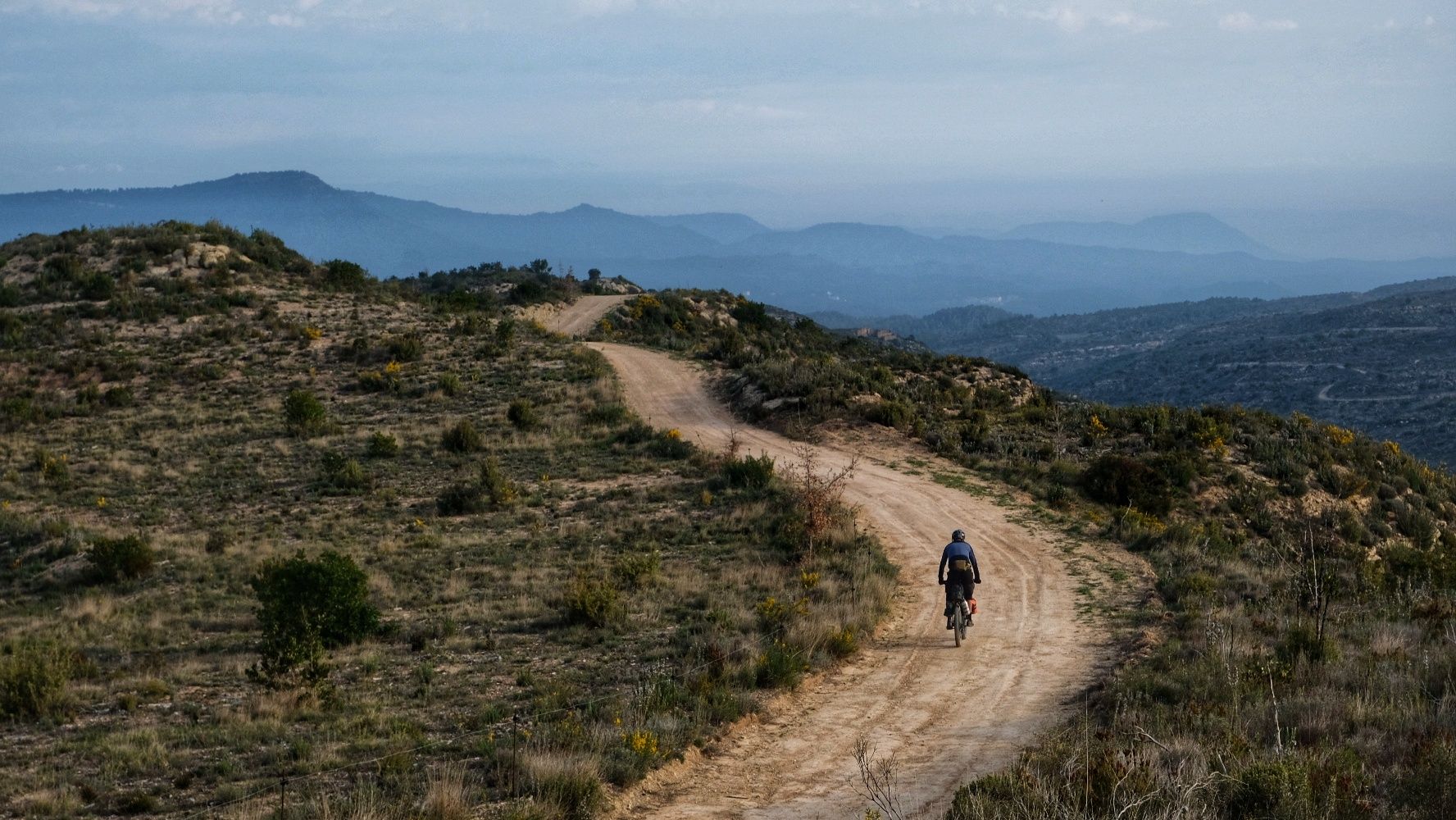
Gravel biking around Moià offers varied terrain across rolling hills, plateaus, and valleys, situated at an elevation exceeding 700 meters. The region features extensive beech, oak, and pine forests, intersected by streams and ravines, providing diverse landscapes for cyclists. This environment supports a network of routes that traverse open country, historical villages, and shaded forest sections. The topography includes gentle slopes and small hills, with elevated points like Coll de la Pullosa, contributing to varied route profiles.
Best no traffic…
Last updated: July 15, 2026
5.0
(1)
60
riders
Hard gravel ride. Very good fitness required. Mostly paved surfaces. Suitable for all skill levels.
30
riders
101km
07:51
1,820m
1,810m
Hard gravel ride. Very good fitness required. Mostly paved surfaces. Suitable for all skill levels.

Sign up for free
4.0
(1)
9
riders
34.3km
02:51
590m
590m
Hard gravel ride. Very good fitness required. You may need to push your bike for some segments of this route.
9
riders
Hard gravel ride. Very good fitness required. Mostly paved surfaces. Suitable for all skill levels.
20
riders
Moderate gravel ride. Good fitness required. Mostly paved surfaces. Suitable for all skill levels.
Get access to more routes and recommendations from other explorers.
Sign up for free
Already have an account?
Our route recommendations are based on thousands of hikes, rides, and runs completed by other people on komoot.
Start today with a free account
Your next adventure awaits.
Login or Signup

Other adventures around Moià

Tips from the Community

Located opposite the Mas de l’Esplugues farmhouse, this bridge allows passage over the Fontscalents stream, a tributary of the Marfà stream. Despite its small size, it is a Romanesque construction that has been preserved to this day. It has a single arch and a narrow passage, designed for the old bridle paths, intended for people and animals, but not for carts. The railing currently visible is a modern addition intended to improve safety.
2
0
This farmhouse is very special: it's built taking advantage of the natural shelter of a large rock and is located next to the Fontscalents stream. This spot has been home to different generations for over a thousand years, from medieval times until very recently, making it a place steeped in history. Although its name is already mentioned at the end of the 12th century, the building that stands today is the result of later renovations, especially from the 17th and 18th centuries. Some dates engraved in the stone still offer clues to these works. The façade, with its irregular and rustic appearance, blends elements of well-worked stone with simpler walls made of rubble and mortar.
1
0

It may be a heritage site, but it's in a fenced and enclosed area. It's not open to the public except behind the fence.
0
0

A medieval farmhouse extended between the 16th and 18th centuries, built taking advantage of the uneven ground, which allows direct entry from the ground floor. On the ground floor there is still a vaulted nave and an old walled-in voussoir portal, a reminder of its past as a livestock farmer. In front of the façade is the old barn and, a few metres away, the pond-washing area surrounded by oak trees that showed the self-sufficiency of the place. An elevated and silent point, ideal for understanding how these farmhouses were true hubs of life in Montseny.
0
0
Collsuspina is a small village with fewer than 400 inhabitants. It belongs to the Moyanés region. Its name comes from the fact that it was established on the Espina pass, along the old royal road from Manresa to Vic. The pass was named after the important L'Espina farmhouse that once stood there.
0
0

Quiet and cozy place
0
0

Old bridge of Roda de Ter
1
0

Incredible places to take photos
0
0
Frequently Asked Questions
How many no-traffic gravel bike trails are available around Moià?
There are over 80 dedicated gravel bike trails around Moià that focus on minimizing traffic, offering a wide range of options for cyclists. These routes leverage the region's extensive network of quiet country roads and forest paths.
What kind of terrain and elevation can I expect on Moià's gravel bike trails?
The Moianès region around Moià features diverse terrain, from rolling hills and plateaus to valleys and forested sections. You'll encounter varied elevations, with some routes like the Moià Old Town – Hermitage of Sant Miquel d'Oló loop covering over 1,800 meters of ascent, making for challenging rides. Even easier paths will offer gentle climbs and descents through picturesque landscapes.
What is the best time of year for gravel biking in Moià?
Moià is excellent for gravel biking for much of the year. Spring and autumn offer pleasant temperatures and vibrant scenery, with lush forests and comfortable riding conditions. Summer can be warm, but many routes pass through shaded beech and oak forests, providing relief. Winter riding is also possible, though some higher elevation sections might be cooler.
Are there any family-friendly no-traffic gravel bike routes in Moià?
While many routes in Moià are rated moderate to difficult, there are a few easier options available. For families, look for routes that stick to flatter sections of the plateaus or follow wider, well-maintained forest tracks. Always check the route's difficulty and elevation profile on komoot before heading out to ensure it matches your family's skill level.
Can I bring my dog on the gravel bike trails around Moià?
Many of the natural areas and trails around Moià are dog-friendly, especially those that traverse open country and forests. However, it's always best to keep your dog on a leash, particularly in areas with wildlife or near agricultural land. Be mindful of local regulations and ensure your dog is comfortable with the distance and terrain.
Are there circular gravel bike routes available in Moià?
Yes, many of the gravel bike routes around Moià are designed as circular loops, allowing you to start and end in the same location. For example, the Moià Old Town – Collsuspina loop is a great option for exploring the region's villages and countryside without needing a return trip arrangement.
What interesting sights or natural features can I see along the no-traffic gravel bike trails?
Moià's gravel trails offer a wealth of natural and historical sights. You can ride past the stunning Sant Miquel del Fai Monastery and Waterfall, explore the scenic Sant Miquel del Fai Road, or discover the ancient Santa Coloma Sasserra settlement. The region is also rich in forests, rolling hills, and viewpoints like La Creu, offering panoramic vistas.
Are there any waterfalls accessible from the gravel bike routes?
Absolutely! The region is home to beautiful waterfalls. You can visit the impressive waterfall at Sant Miquel del Fai Monastery, which is a prominent feature along some routes. Other natural gems include the Gorg de la Sort and the Baga Cerdana Waterfall, offering refreshing stops on your ride.
Where can I park my car when starting a gravel bike tour in Moià?
Moià, as the regional capital, offers various parking options within the town itself, often near the old town or public squares. For routes starting from surrounding villages like Castellterçol, you'll typically find public parking available. Always check local signage for any restrictions or fees.
Is public transport available to access gravel biking trails in Moià?
Moià is connected by bus services to larger towns in Catalonia, which can be an option for reaching the area. However, policies regarding bikes on public transport can vary, so it's advisable to check with the specific bus operator beforehand. Once in Moià, many trails are accessible directly from the town center.
Are there places to stop for food and drink along the gravel bike trails?
Moià and the surrounding villages like Collsuspina and Castellterçol offer cafes, restaurants, and pubs where you can refuel. Many routes pass through or near these settlements, providing convenient stops. It's a good idea to carry sufficient water and snacks, especially on longer or more remote sections, as services might be sparse between villages.
What do other gravel bikers enjoy most about riding in Moià?
The komoot community highly rates gravel biking in Moià, with an average score of 4.5 stars. Reviewers often praise the region's tranquil, traffic-free paths, the stunning natural beauty of its forests and rolling hills, and the opportunity to discover historical sites and charming villages along the way. The varied terrain also offers a satisfying challenge for all skill levels.
Are there any challenging no-traffic gravel routes for experienced riders?
Yes, Moià offers plenty of challenging routes for experienced gravel bikers. Many trails feature significant elevation gains and cover long distances, such as the Castellterçol – Collsuspina loop, which includes over 1,000 meters of ascent over nearly 60 kilometers. These routes often traverse more remote sections of the Moianès, providing a true adventure.
Most popular attractions around Moià

Get inspired with the komoot mobile app


Explore more
Browse the best Gravel rides in other regions.
