Park Krajobrazowy Dolina Bystrzycy
Park Krajobrazowy Dolina Bystrzycy
Attractions and Places To See around Park Krajobrazowy Dolina Bystrzycy - Top 20
Best attractions and places to see around Park Krajobrazowy Dolina Bystrzycy. This protected area in Lower Silesia, Poland, preserves the natural, historical, and scenic values of the Bystrzyca River valley. The park features the meandering Bystrzyca River, which acts as an ecological corridor, and is known for its relatively flat terrain, making it accessible for hiking and cycling. It covers an area of over 8,500 hectares and boasts rich biodiversity, including various plant and animal species, alongside historical landmarks.
Best…
Last updated: July 6, 2026
Sadowice Palace
Highlight • Historical Site
Translated by Google •
Tip by

Małkowice Palace
Highlight • Historical Site
Tip by

Sign up now to discover places like this
Get recommendations on the best single tracks, peaks, & plenty of other exciting outdoor places.
Sign up for free
Bridge over the Bystrzyca River
Highlight • Bridge
Translated by Google •
Tip by

Palace in Gałów
Highlight • Historical Site
In the 1970s, the building was partially inhabited …
Translated by Google •
Tip by

Mietkowskie Lake
Highlight • Lake
Translated by Google •
Tip by

Sign up for free to discover even more attractions around Park Krajobrazowy Dolina Bystrzycy.
Sign up for free
Already have an account?
Start today with a free account
Your next adventure awaits.
Login or Signup
Popular around Park Krajobrazowy Dolina Bystrzycy
Hiking around Park Krajobrazowy Dolina Bystrzycy
Cycling around Park Krajobrazowy Dolina Bystrzycy
MTB Trails around Park Krajobrazowy Dolina Bystrzycy
Running Trails around Park Krajobrazowy Dolina Bystrzycy

Gravel biking around Park Krajobrazowy Dolina Bystrzycy
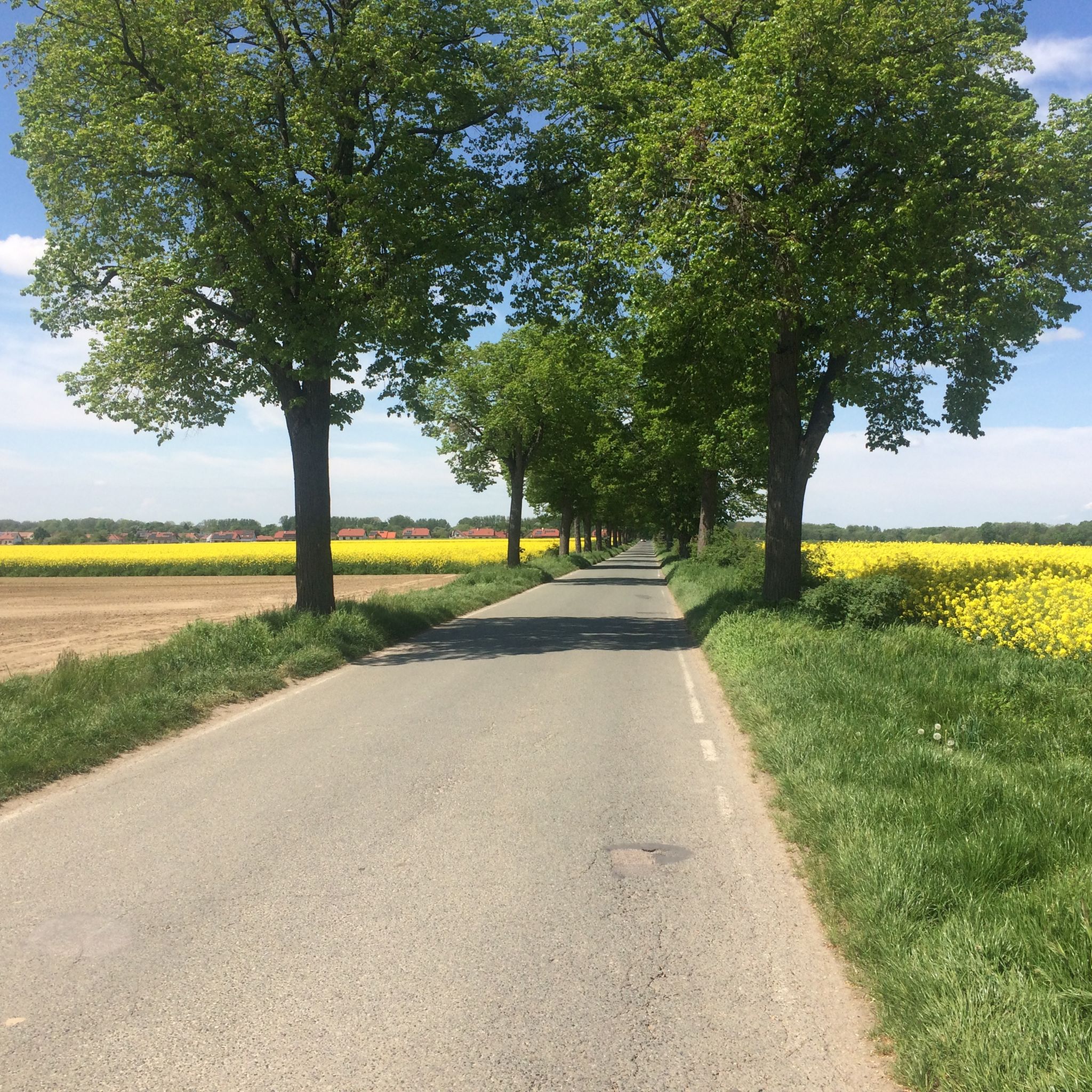
Road Cycling Routes around Park Krajobrazowy Dolina Bystrzycy

Mountain Hikes around Park Krajobrazowy Dolina Bystrzycy
Tips from the Community

Małkowice Palace (Pałac w Małkowicach) is a 19th-century neoclassical manor house in the village of Małkowice near Wrocław in Lower Silesia (Poland). The building was erected by a merchant family and later belonged to various noble and landed gentry families.
0
0


The castle is in excellent condition. But not accessible. It is secured with barbed wire and video surveillance. Why? I found the explanation on Wikipedia: The original palace stood on this site in 1574 (16th century). Gottlob Albrecht von Saurma (born 1743) [2] had the building rebuilt in the neoclassical style in 1798. In the first half of the 19th century, the castle was owned by the Counts von Stosch auf Manze from Mańczyce. In 1903, the building was expanded with side pavilions. The last German owner of the estate with knighthood rights until 1945 was Gustav von Johnston, a lieutenant in the Imperial Army [3]. After the end of World War II, the building fell into disrepair. The first major renovation took place in 1968. In 1977, the palace underwent extensive reconstruction. [4] It is the seat of the Ministry of Justice's correctional facility. The monument is part of the castle complex, which also includes a park [ 5 ] .
0
0

The palace in Sadowice, located in the Lower Silesian Voivodeship, is a 16th-century classicist residence, rebuilt in 1798 by Gottlob Albrecht von Saurma. The building is located on the Bystrzyca River, on the north-western edge of the village of Sadowice, with a façade facing the farm complex, preceded by a driveway and a round lawn. Currently, the palace serves as a Ministry of Justice Correctional Facility, which means that it is not open to visitors. For road cyclists, the asphalt routes in the vicinity of Kąty Wrocławskie are attractive, but it should be remembered that the area around the palace is fenced and inaccessible to visitors.
0
0


There is a nice asphalted road leading to it from the main road. The bridge is lined with boards - nice acoustics :-)
0
0
The palace in its current form was built in the 19th century and underwent reconstruction at the beginning of the 20th century. In the 1970s, the building was partially inhabited and managed by the State Agricultural Farm. In 1998, intentional burning of the roof led the palace to complete ruin, where it remains to this day. The facility is part of the palace complex, which also includes a park from the second half of the 19th century
1
0

The palace is not available to see up close.
1
0
Frequently Asked Questions
What natural attractions can I explore in Park Krajobrazowy Dolina Bystrzycy?
The park's central feature is the meandering Bystrzyca River, vital for wildlife and surrounded by diverse riparian vegetation. You can also visit Mietkowskie Lake, the largest lake in the area, offering scenic views and a small sandy beach. The park also features valuable forest ecosystems, including alder-ash and oak-hornbeam forests, and the peaceful Las Ratyński, ideal for easy walks.
Are there any historical or cultural sites to visit in the Bystrzyca River Valley?
Yes, the park is rich in historical sites. You can find elegant castles like Pałac Krobielowice, known for its architecture and gardens. The ruins of Pałac w Gałowie, though damaged by fire, still offer a glimpse into 19th-century history. Don't miss the interesting ruin of the Arnold Mill in Jarnołtów, with records dating back to 1271, or the British iron Bridge over the Bystrzyca River, resembling a renovated relic from World War II. The area also features numerous historical churches, such as the Romanesque church in Sośnica built before 1244, and various roadside shrines and penitential crosses.
What outdoor activities are available in Park Krajobrazowy Dolina Bystrzycy?
The park offers a variety of outdoor activities. Its relatively flat terrain makes it excellent for hiking and cycling, with many well-prepared trails. Hiking routes include easy loops like the Arnold's Mill in Jarnołtów – Karczma Rzym loop. For cyclists, there are cycling routes, including a 32-kilometer route starting in Jarnołtów. Mietkowskie Lake is a prime spot for water sports like sailing and kayaking. Educational paths and picnic areas are also available.
Are there family-friendly attractions or activities in Park Krajobrazowy Dolina Bystrzycy?
Yes, the park is suitable for families. Its relatively flat terrain makes many hiking and cycling trails accessible for various fitness levels, including beginners and children. Educational paths with informative boards and nature-related puzzles are designed to engage younger visitors. The small sandy beach at Mietkowskie Lake is also a popular spot for families, and the park offers excellent picnic areas.
What is the terrain like for hiking and cycling in the park?
The terrain in Park Krajobrazowy Dolina Bystrzycy is generally relatively flat, making it accessible and enjoyable for both hiking and cycling. The trails are well-prepared and suitable for various fitness levels, including beginners. This characteristic makes it an ideal location for leisurely strolls, family outings, and relaxed bike rides.
Can I bring my dog to Park Krajobrazowy Dolina Bystrzycy?
While the guide data doesn't explicitly state dog-friendly policies for every trail, national parks and landscape parks in Poland generally allow dogs on trails, often requiring them to be on a leash. Given the natural character of the park and its popularity for hiking, it is likely that dogs are welcome, but always ensure they are kept under control and any local regulations are followed.
Where can I find places to eat or stay near the park?
For dining, the Karczma Rzym (Roman Inn) in Jarnołtów is a highly atmospheric pub/restaurant and guesthouse offering good food and drink. While specific accommodation options are not detailed, the presence of guesthouses like Karczma Rzym suggests that lodging is available in the surrounding villages and towns.
What is the best time of year to visit Park Krajobrazowy Dolina Bystrzycy?
The park can be enjoyed throughout the year, but spring and summer are particularly appealing. In spring, the valley is known for its spectacular display of spring snowflakes (*śnieżyczka przebiśnieg*), which boast the largest known population in Poland. The warmer months are ideal for hiking, cycling, and water sports on Mietkowskie Lake, while autumn offers beautiful foliage. The relatively flat terrain makes it accessible even in milder winter conditions.
Are there any unique plant or animal species to look out for?
Yes, the Bystrzyca Valley is a significant refuge for various species. It is particularly renowned for having the largest known population in Poland of the spring snowflake (*śnieżyczka przebiśnieg*). Other protected plants include martagon lily (*lilia złotogłów*) and tiny grape hyacinth (*szafirek drobnokwiatowy*). The park also supports a rich diversity of birds (118 identified species), amphibians, reptiles, and insects, making it a great spot for wildlife observation.
Are there any viewpoints or scenic spots in the park?
Yes, Mietkowskie Lake offers scenic views from its dam, overlooking the surrounding hills. The meandering Bystrzyca River itself, with its natural course and diverse riparian vegetation, provides many picturesque spots. The park's forests, such as Las Ratyński, also offer peaceful and scenic environments for walks.
What do visitors enjoy most about Park Krajobrazowy Dolina Bystrzycy?
Visitors appreciate the park's blend of natural beauty and historical charm. The well-prepared trails for cycling and hiking, especially the easy routes, are highly valued. The scenic views from Mietkowskie Lake and the unique character of the Bridge over the Bystrzyca River are often highlighted. The peaceful atmosphere of the forests and the opportunity to explore historical landmarks like palaces and churches also contribute to a positive visitor experience.
Are there any specific cycling routes recommended for beginners?
Yes, the park's generally flat terrain makes it suitable for beginner cyclists. Many of the cycling routes are well-prepared and easy. For instance, the "Bike loop from Pałac w Małkowicach" (18.6 km) and the "Mietkowskie Lake – Path on the Mietków Embankment loop from gmina Mietków" (22 km) are both rated as easy, providing pleasant rides for those new to cycling.
Most popular routes around Park Krajobrazowy Dolina Bystrzycy
Most popular attractions around Park Krajobrazowy Dolina Bystrzycy

Get inspired with the komoot mobile app


Explore more
Still not found the Highlight you’re looking for? See guides of the top attractions in other regions:
