The best city hikes and walks around Ieper
4.5
(10994)
63,609
hikers
145
hikes
Urban hiking trails around Ieper offer a unique blend of historical exploration and natural scenery within the West Flemish countryside. The region features picturesque fields and the city's ancient ramparts, providing well-maintained paths for walking. Elevations like Hill 60 offer broader views, while the Majoorgracht moat adds a natural element to city strolls. The landscape is generally gentle, making it accessible for various fitness levels.
Best urban hiking trails around Ieper
- The most popular urban hiking route is Rijselpoort (Lille…
Last updated: August 10, 2026
4.7
(18)
206
hikers
Moderate hike. Good fitness required. Easily-accessible paths. Suitable for all skill levels.
4.5
(17)
161
hikers
11.2km
02:51
40m
40m
Moderate hike. Good fitness required. Easily-accessible paths. Suitable for all skill levels.

Sign up for free
4.8
(4)
144
hikers
Easy hike. Great for any fitness level. Easily-accessible paths. Suitable for all skill levels.
4.9
(8)
78
hikers
5.35km
01:22
10m
10m
Easy hike. Great for any fitness level. Easily-accessible paths. Suitable for all skill levels.
4.5
(4)
60
hikers
Easy hike. Great for any fitness level. Easily-accessible paths. Suitable for all skill levels.
Get access to more routes and recommendations from other explorers.
Sign up for free
Already have an account?
Our route recommendations are based on thousands of hikes, rides, and runs completed by other people on komoot.
Start today with a free account
Your next adventure awaits.
Login or Signup
Popular around Ieper

City hikes in Slagveld Passendale

City hikes around Polygonebos

City hikes around Dikkebus Vijver

City hikes around Zillebeke Vijver

City hikes in Provinciaal Domein De Palingbeek

City hikes around Palingbeek
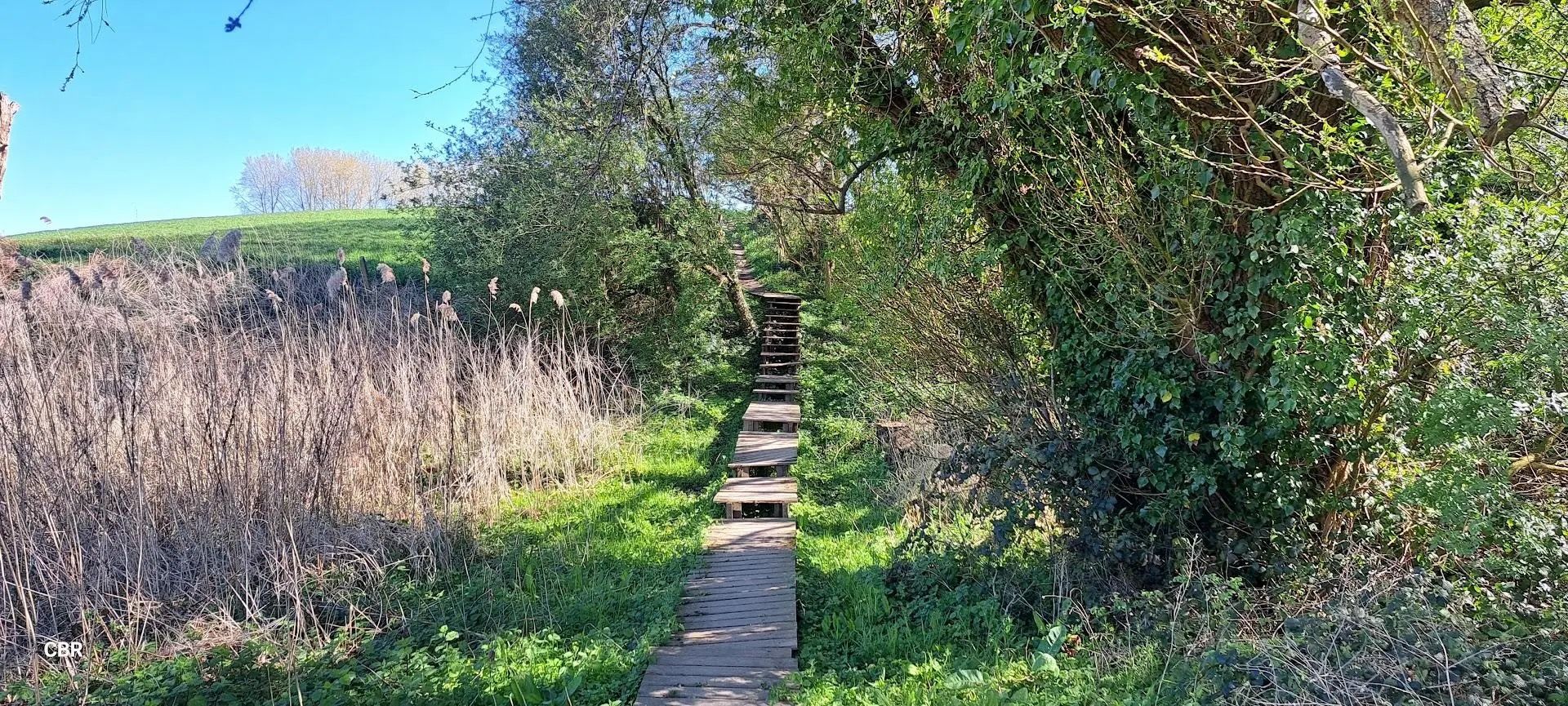
At the pace of the Westhoek - Streek-GR Heuvelland
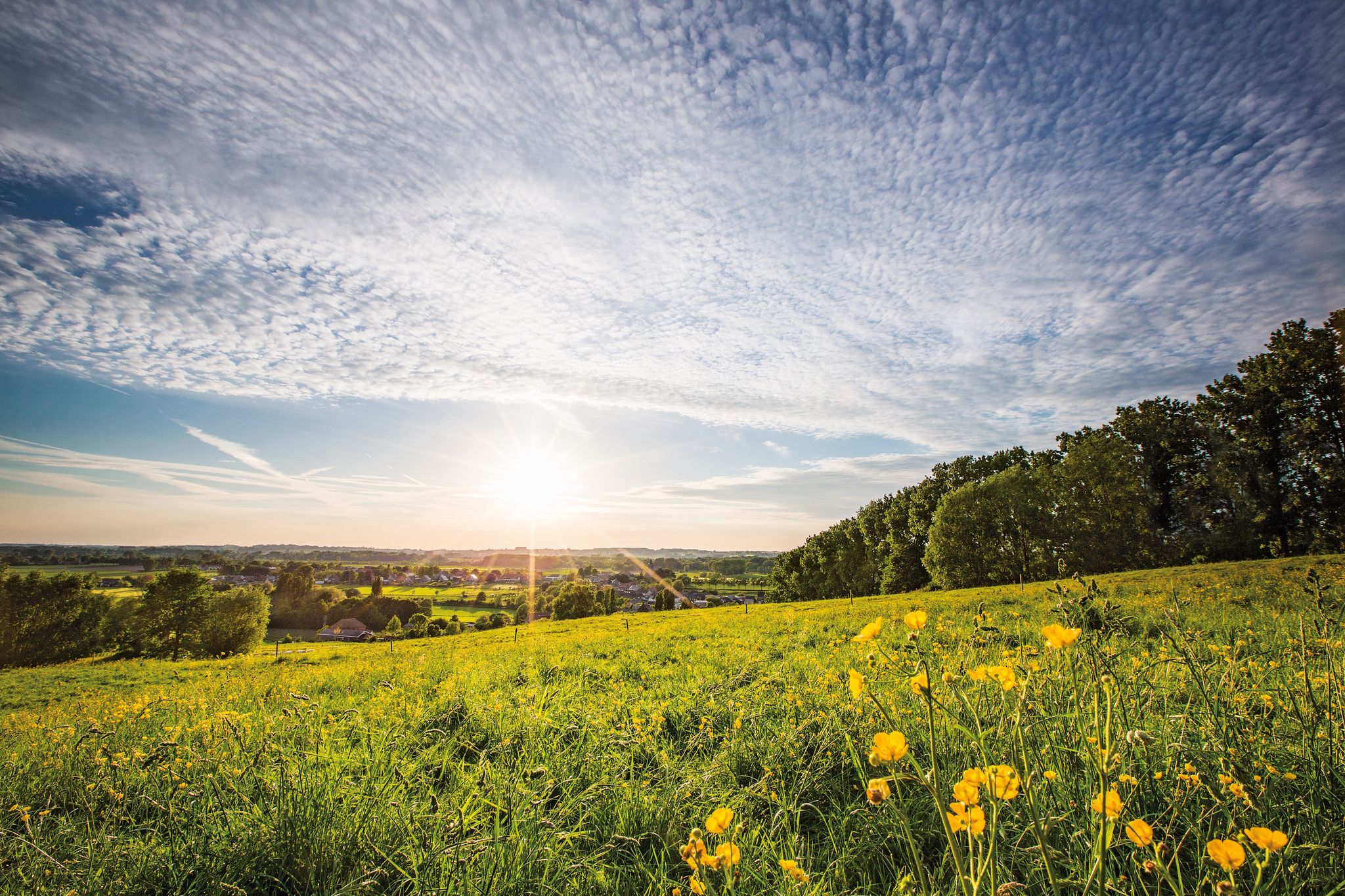
Belgium's best – the most beautiful hiking routes in Flanders
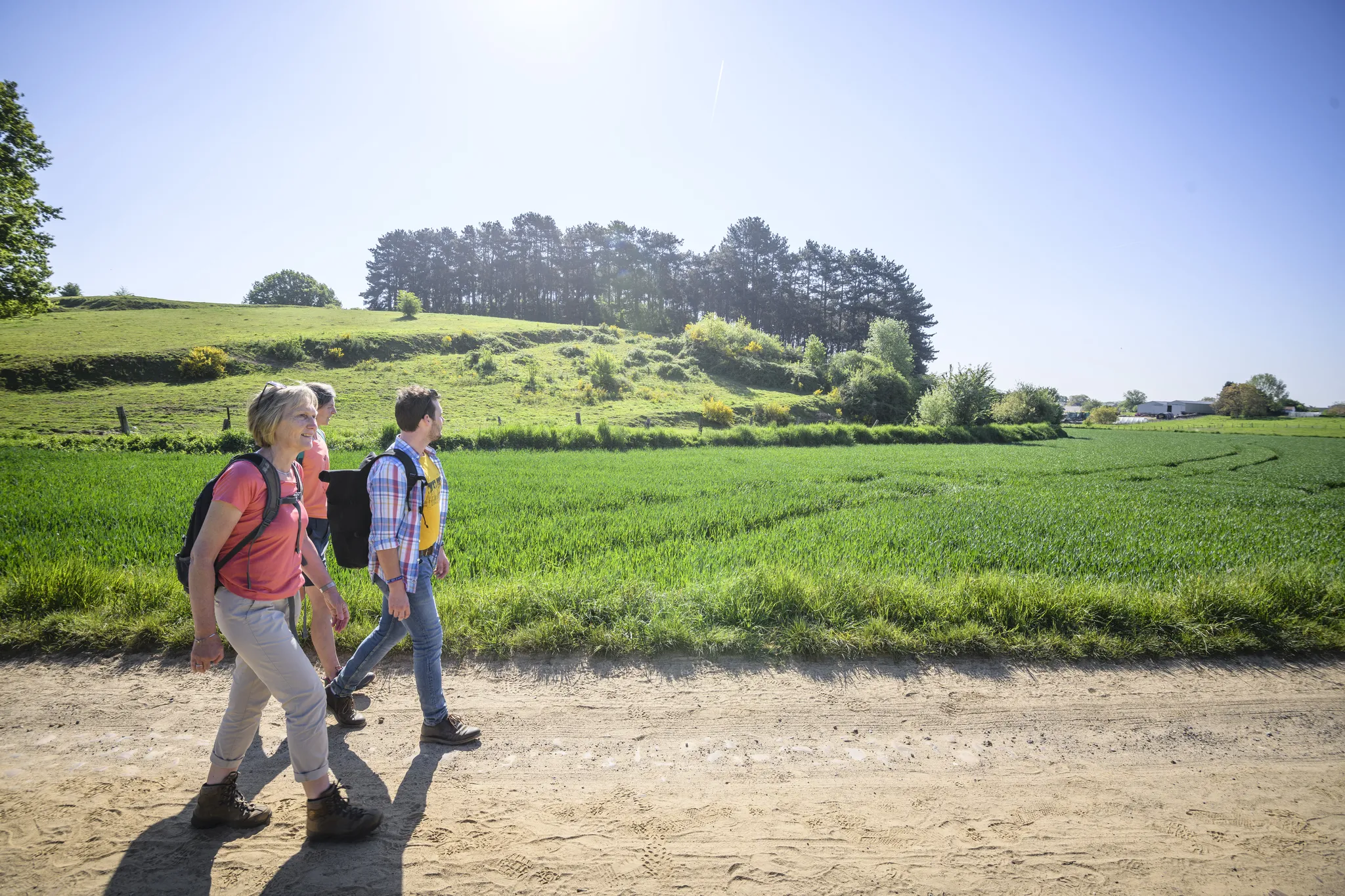
Delicious hiking: Culinary Tours in Flanders
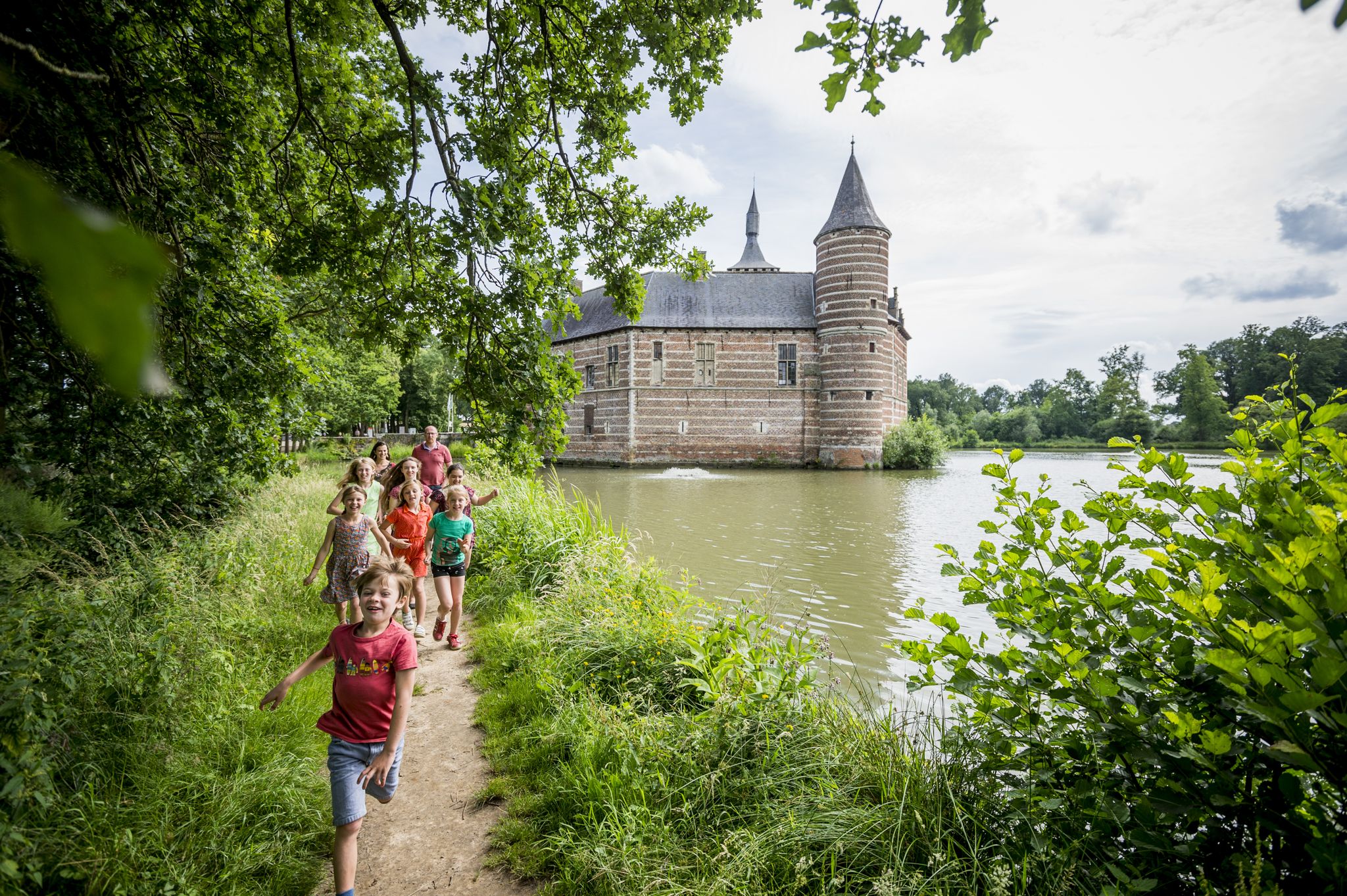
Time travel on foot — historical walks in Flanders
Other adventures around Ieper


Tips from the Community

The Ypres courthouse is a building in the Belgian city of Ypres. It houses the Judicial District of West Flanders, Ypres division, the Judicial District of West Flanders, Ypres division, the Labour Court of Ghent, Ypres division, and the Commercial Court of Ghent, Ypres division. The building is located on the Grote Markt.
0
0
The cemetery grounds were assigned to the United Kingdom in perpetuity by King Albert I of Belgium in recognition of the sacrifices made by the British Empire in the defence and liberation of Belgium during the war.
0
0

A very well-maintained cemetery right by the water.
1
0

Ramparts Cemetery, Lille Gate is a British military cemetery for the war dead of the First World War, located in the Belgian city of Ypres. The cemetery is situated within the Ypres ramparts, next to the Lille Gate, and covers an area of 1,871 m².
2
0
The Rijselpoort (Lille Gate) is a city gate in the Belgian city of Ypres. It is located in the south of the city center, on the road to Lille. The Rijselpoort is the oldest and only preserved city gate from the fourteenth century, connecting two remaining sections of Ypres's fortifications.
0
0
St. Martin's Church, commonly known as St. Martin's Cathedral, is a church in the Belgian city of Ypres. This church was the cathedral of the former diocese of Ypres, which existed from 1561 to 1801. Initially, a Romanesque church, probably dating from the 10th or 11th century, stood in this area. Initially, a Romanesque church, probably dating from the 10th or 11th century, stood in this area. In the eighth century, the diocese of Thérouanne (now Thérouanne, on the Lys River and south of Saint-Omer) was founded. Emperor Charles V destroyed the abbeys of Thérouanne because the abbots were too loyal to the French king. In 1561, the diocese of Thérouanne was dissolved into three dioceses: Boulogne-sur-Mer, Saint-Omer, and Ypres. The church of St. Martin's Monastery (canons regular of St. Augustine) was then elevated to cathedral status. Cornelius Jansenius was the most famous bishop of the diocese of Ypres. The concordat between Napoleon Bonaparte and Pope Pius VII of 1801 abolished the diocese of Ypres, and from then on, the parishes belonged to the diocese of Ghent. In 1833, the diocese of Bruges was reestablished, under which Ypres has been incorporated ever since. St. Martin's Church was completely destroyed during the First World War and subsequently rebuilt (1922-1930). Before the First World War, the church had a lower spire than the current one. The spire was destroyed during the war and later rebuilt, but with a slightly different, higher spire.
1
0
The Peace Bridge graces the unique fortifications of Ypres, the City of Peace. A harmonious combination of art, monument, and bridge. The Peace Bridge is a new memorial that inspires reflection. The Peace Bridge balustrade was artistically embellished with the word "PEACE" in 86 languages, using laser engraving. This reflects the 128 countries that fought here during WWI, speaking 86 languages. The use of durable corten steel evokes the reddish-brown of rusted iron. Elegant lighting creates a moving experience. The Peace Bridge is accessible at all times, offering a powerful artistic and multilingual focal point in the landscape that reinforces Ypres' message of peace and makes a clear statement of universal tolerance!
1
0

The Old Military Cemetery contains 450 Commonwealth burials and memorials from the First World War. Twenty-four of the graves are unidentified, but there are special memorials for seven victims known or suspected to be buried there. Source: https://www.cwgc.org/visit-us/find-cemeteries-memorials/cemetery-details/55601/poperinghe-old-military-cemetery/
3
0
Frequently Asked Questions
How many urban hiking trails are available in Ieper?
There are over 130 urban hiking routes around Ieper, offering a wide variety of experiences. Most of these, around 120, are considered easy, making them accessible for many hikers. You can find options ranging from short city strolls to longer excursions through the surrounding historical landscapes.
What kind of terrain can I expect on urban hikes in Ieper?
Urban hikes in Ieper often combine paved city paths with well-maintained trails along the ancient ramparts and through the picturesque West Flemish countryside. You'll encounter flat sections, gentle inclines, and sometimes unpaved paths, especially when exploring historical battlefield sites. The region is generally characterized by its tranquil fields and lush landscapes.
Are there any family-friendly urban hiking routes in Ieper?
Yes, many of the urban trails in Ieper are suitable for families. Routes along the city's ancient ramparts, such as the Rijselpoort (Lille Gate) – Ramparts Cemetery, Lille Gate loop from Ieper, offer easy, relatively flat paths with historical points of interest. These provide a blend of gentle exercise and educational opportunities for all ages.
Can I bring my dog on urban hikes in Ieper?
Many urban hiking trails in Ieper are dog-friendly, especially those that venture into the surrounding countryside or along the city's green spaces. Always keep your dog on a leash and be mindful of local regulations, particularly around historical sites or in more crowded city areas. It's advisable to check specific route details for any restrictions.
What historical landmarks can I see along urban hiking trails in Ieper?
Ieper's urban hikes are rich with history. You can walk along the city's ancient ramparts, visit the iconic Menin Gate Memorial, or explore poignant World War I sites. Notable highlights include the Hill 60 preserved Battlefield (World War I), the Bluff Memorial and Crater, and the Caterpillar Crater. The Menin Gate Memorial – View of the Verdronken Weide loop from Ypres is a great option to experience some of these.
Are there any circular urban hiking routes in Ieper?
Yes, Ieper offers several excellent circular urban hiking routes. These are convenient for starting and ending your walk at the same point. An example is the Ypres Ramparts (Fortifications) – Menin Gate Memorial loop from Ieper, which takes you along the city walls and past significant landmarks.
What is the best time of year for urban hiking in Ieper?
Spring and autumn are generally ideal for urban hiking in Ieper. The weather is typically mild, and the landscapes are particularly beautiful, with blooming flowers in spring or vibrant foliage in autumn. Summer can also be pleasant, but it can get warmer, especially in open areas. Winter offers a quieter, more reflective experience, though some paths might be muddy.
What do other hikers enjoy most about urban hiking in Ieper?
The urban hiking experience in Ieper is highly rated by the komoot community, with an average score of 4.5 stars. Reviewers often praise the unique combination of poignant World War I history with the serene natural beauty of the West Flemish countryside. The well-maintained paths along the ramparts and the opportunity to reflect at historical sites are frequently highlighted.
Are there urban hikes in Ieper that include viewpoints?
While Ieper's landscape is generally flat, some urban hikes offer elevated sections or specific viewpoints that provide panoramic vistas. For instance, areas like Hill 60, though slightly outside the immediate city center, offer thought-provoking views over the broader Flanders fields. Within the city, walking along the ramparts provides elevated perspectives of the Majoorgracht moat and the city's architecture.
Where can I find parking for urban hikes in Ieper?
Ieper has several public parking areas conveniently located near the city center and popular starting points for urban hikes. Many routes that begin within the city, such as those exploring the ramparts or historical sites, are easily accessible from these parking facilities. Look for designated parking zones around the city perimeter.
Are there any longer urban hiking routes available in the Ieper area?
Yes, for those seeking a longer urban hiking experience, there are routes that extend beyond the immediate city center into the surrounding towns and countryside. For example, the Saint-Médard Church – De Balokken Marina loop from Wervik offers a moderate 11.2 km hike, providing a more extensive exploration of the region's landscapes and waterways.
Most popular routes around Ieper
Most popular attractions around Ieper

Get inspired with the komoot mobile app


Didn’t find what you were looking for?
Check out more Hikes throughout Ieper below and find the perfect route in your destination.
Explore more
Browse the best Hikes in other regions.
