The best traffic-free bike rides around Herstal
4.2
(24)
933
riders
21
rides
No traffic road cycling routes around Herstal traverse the Wallonian landscape, characterized by the Meuse River valley and its surrounding undulating terrain. The region integrates into major cycling networks like the Maasfietsroute and EuroVelo 19, offering varied routes. Cyclists encounter bucolic scenery, limestone cliffs, and historical castles along the riverbanks. The area provides a mix of relatively flat sections along the Meuse and more challenging climbs on higher ground.
Best no traffic road cycling routes around Herstal
- The most popular no traffic road cycling route is Blegny Mine – Val-Dieu Abbey loop from Liers, a 44.1 miles (71.0 km) trail that takes 3 hours 22 minutes to complete. This route explores the Wallonian countryside, passing historical sites and offering diverse scenery.
- Another top favourite among local road cyclists is Lexhy Castle – RAVeL Line 31 loop from Liers, a moderate 31.1 miles (50.0 km) path. This route utilizes the dedicated RAVeL network, providing traffic-free sections and views of local castles.
- Local road cyclists also love the Château de Jehay – Lexhy Castle loop from Liers, a 40.7 miles (65.5 km) trail leading through a landscape dotted with historical châteaux, often completed in about 3 hours 1 minute.
- Road cycling around Herstal is defined by the Meuse River, bucolic landscapes, and historical castles, with routes often incorporating sections of the RAVeL network. The network offers options for easy rides and more moderate challenges.
- The routes in Herstal are highly rated by the komoot community with an average score of 4.2 stars from more than 10 reviews. More than 500 road cyclists have used komoot to explore Herstal's varied terrain.
Last updated: July 14, 2026
5.0
(1)
23
riders
70.8km
03:21
750m
750m
Moderate road ride. Good fitness required. Some segments of this route may be unpaved and difficult to ride.
13
riders
50.1km
02:13
230m
230m
Moderate road ride. Good fitness required. Mostly well-paved surfaces and easy to ride.

Sign up for free
20
riders
67.1km
03:05
400m
400m
Moderate road ride. Good fitness required. Some segments of this route may be unpaved and difficult to ride.
11
riders
67.6km
02:59
390m
390m
Moderate road ride. Good fitness required. Mostly well-paved surfaces and easy to ride.
5.0
(1)
8
riders
42.5km
02:04
230m
230m
Moderate road ride. Good fitness required. Some segments of this route may be unpaved and difficult to ride.
Get access to more routes and recommendations from other explorers.
Sign up for free
Already have an account?
Our route recommendations are based on thousands of hikes, rides, and runs completed by other people on komoot.
Start today with a free account
Your next adventure awaits.
Login or Signup
Popular around Herstal
Tips from the Community

This monumental piece of industrial heritage was once a chocolate factory. The architect of the factory was Florent Rosmeulen. He designed the Art Nouveau building with a large, striking rose window. Above the window is a relief with a squirrel. It was one of the first buildings in Belgium to be made of reinforced concrete. Chocolate was produced here until 1934. During the Second World War, the building was reused for military purposes, and in 1948 a loom manufacturer moved in. In the seventies, a metal foundry was established. Today, it is a residential area.
0
0
Natuurreservaat De Kevie is one of Haspengouw's most important nature reserves due to its valuable flora and fauna and its location in the Jeker Valley. More than 300 plant species can be found here, including orchids, water violets, and arrowhead. Animal species include breeding birds, various fish species, and amphibians.
0
0

Beautiful surroundings and a visit to the mine is definitely worth it. There is a nice little restaurant and playground for the children, and you can also take a tour of the mine.
0
0

The nature reserve De Kevie, located in the southeast of Tongeren, is not only a beautiful place for walking but also ideal for cyclists who want to enjoy peace, nature, and a green environment. This vast valley belt around the Jeker river is popular with recreational cyclists and cycle tourists, and various cycle paths and routes run through and along the area, forming part of the local cycle network. A popular route follows parts of the old railway line towards Nerem and runs along the edges of De Kevie, where cyclists ride on quiet unpaved paths that are often shared with walkers. These paths are largely separate from busy traffic, ensuring a pleasant and safe cycling experience in the middle of the landscape. Along these paths, you cycle through a varied landscape of hay meadows, valley forests, and marsh zones, with the green banks of the Jeker and the surrounding nature forming a constant backdrop. The route connections are linked to locally signposted nodes, making it possible to plan both short circular rides and longer tours that integrate De Kevie into broader cycling routes through the Limburg landscape, including routes that pass picturesque villages and farmlands. In addition, there are plans and projects to further improve the cycling infrastructure between the city center of Tongeren and De Kevie. New cycle paths are intended, among other things, to provide a safe and comfortable connection between the city park, the allotment gardens, and De Kevie, and to connect to regional cycle routes such as the future cycle highway F791 towards Liège.
0
0
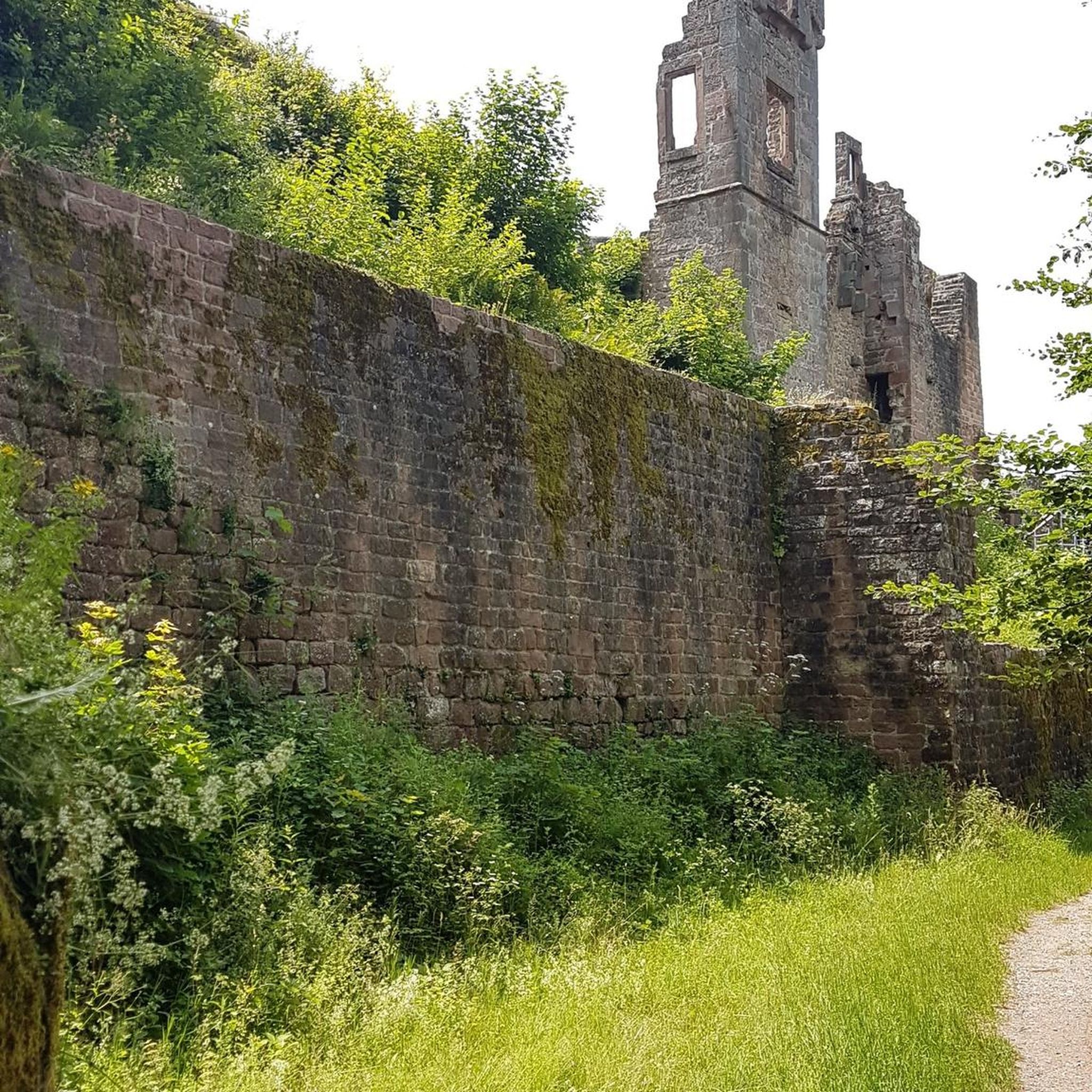
Scherpenberg Castle is a historic castle located at Dreef 99 in Nerem, a sub-municipality of Tongeren. It is part of Flanders' preserved heritage and forms part of the cultural-historical landscape around the Jeker river and the De Kevie nature reserve. The castle is recognized as a building heritage site due to its long history and architectural value. The current castle building dates largely from the late 16th and 17th centuries, built on the site of an older castle. Remnants of that original castle are still visible in the western substructure. The complex comprises an elongated main building with a gatehouse, two and a half stories high, under a slate hipped roof. Architectural details such as bacon bands and marlstone cornices are typical of the style and period of construction. Above the entrance is a chronogram from 1697 with the coats of arms of the Vaes and Schroots families, who occupied the castle at that time. Over the centuries, the castle changed owners and was associated with various noble families, including the Scarpenbergh, Baest, Hoen, de Limelette, van Brecht, de Berlaymont, Bex, Vaes, Mantels, and Corswarem families. Some parts of the building, such as service buildings, turrets, and outbuildings, also have historical value and display architectural elements from various periods. Scherpenberg Castle is situated in a green and rural setting that invites visitors to walk and explore the historic landscape around Tongeren. It is not always freely accessible to visitors because it is often privately owned and does not function as a public museum, but it remains a recognizable and valuable cultural-historical monument within the region.
0
0
Rosmeulen Castle is a historic country house and estate of great architectural and heritage value, located at Neremstraat 229 in Nerem, a sub-municipality of Tongeren. Dating back to the early 20th century, the building represents a unique combination of Neo-Rococo and Art Nouveau architecture, designed for chocolate and gingerbread manufacturer Florent Rosmeulen. Construction of the manor house, originally named La Brise, began around 1911, opposite the Rosmeulen chocolate factory. However, the founder himself never fully occupied the building, partly due to financial difficulties and the impact of the First World War. The building is situated amidst a romantic castle garden in the English landscape style, featuring ponds, lawns, mature trees, walking paths, and a walled vegetable garden, all contributing to the estate's unique atmosphere. The imposing entrance hall features a majestic staircase and stained-glass windows, while the exterior facades are richly ornamented with features such as bay windows, colonnades, and a round tower under a domed roof. During the First and Second World Wars, the castle was used by German and later American troops, respectively, reflecting its strategic location and the building's role during that time. After the war, the manor changed owners several times. Families such as Duesberg-Bossen Blijweert and Riskin lived there, and the Riskin family, in particular, carried out maintenance and renovation work for many years. In mid-2020, the castle was purchased by Dirk and Bie D'haese, who began a thorough restoration to restore the dilapidated building to its former glory. Their goal is not only to preserve the heritage but also to open the castle and park for use by associations and for events, with spaces such as a large hall of over 300 m² available. The castle is included in the Inventory of Immovable Heritage of Flanders for its architectural value, rich ornamentation, and its location in a historic park with a pond. Rosmeulen Castle, together with the former Rosmeulen chocolate factory and the surrounding landscape, forms a recognizable and valuable ensemble in Nerem with ties to the local industrial culture of the early 20th century, the social history of the region, and today's heritage conservation.
0
0
The former Rosmeulen chocolate factory in Nerem, a sub-municipality of Tongeren (Belgium), is a remarkable industrial heritage building with a rich history and striking architecture. The building was erected around 1908–1909 by Florent Rosmeulen, a chocolatier who produced chocolate, cocoa, and gingerbread there. It is one of the few industrial buildings in Limburg executed in the Art Nouveau style with characteristic details such as an impressive stained-glass window above the entrance and decorative references to cocoa and chocolate. The structure is among the first buildings in Belgium to be constructed with a reinforced concrete skeleton, which was progressive at the time and contributed to its robust industrial appearance. The factory experienced its heyday in the first decades of the 20th century but was severely impacted by the economic crisis of the 1930s. After reorganizations, the company went bankrupt in 1934, and production ceased. In the following decades, the building served various functions, being used by the military during World War II, then by other industrial enterprises such as a textile factory and a tin foundry, and later for cultural activities. After years of vacancy and decay, the former chocolate factory was repurposed from the mid-2010s into a residential and living complex. Under the name De Chocoladefabriek (The Chocolate Factory), the industrial monument is preserved and transformed into a residential project with lofts and apartments combined with communal spaces and gardens. The impressive Art Nouveau block, featuring a glass artwork approximately 6 meters wide, is one of the highlights of the renovation and one of the largest glass artworks in an industrial context in Flanders. The repurposing of the former chocolate factory has become an example of how historical industrial heritage can be integrated into a modern residential function. The project even received recognition with a prestigious real estate award for the way the old building was preserved and given new life. Today, the building not only commemorates the industrial history of the region but also serves as an architectural and social hub where living, heritage, and modern architecture converge, near the green nature reserve De Kevie and the former railway line.
0
0

Augustinian Abbey on the Meuse River, whose origins date back to 1075. The complex features an impressive corner tower, gateway, abbey church, dovecote, watermill, brewery, and other outbuildings. Later, it also housed a tax collection house and the abbot's palace. Today, it's a large school complex that can be very busy on a Wednesday afternoon.
0
0
Frequently Asked Questions
How many no traffic road cycling routes are available around Herstal?
There are 17 dedicated no traffic road cycling routes around Herstal featured in this guide. These routes offer a variety of experiences, from easy rides to more moderate challenges.
What kind of terrain can I expect on these no traffic road cycling routes?
The terrain around Herstal is quite varied. Many routes follow the Meuse River, offering relatively flat and serene paths. However, the region also features undulating landscapes with gentle climbs, especially as you move away from the riverbanks. You can expect a mix of flat sections and some rolling hills, providing a balanced cycling experience.
Are there any historical landmarks or natural features to see along these routes?
Yes, the region is rich in both natural beauty and historical sites. You can encounter impressive engineering like the Lanaye Lock Complex, tranquil natural escapes like the Frayères de Lanaye, or unique geological features such as the Caster Trench at Montagne Saint-Pierre. For historical interest, routes may pass near sites like the 13th-century Temple Farm in Visé, or offer views of various castles. For example, the route Blegny Mine – Val-Dieu Abbey loop from Liers offers a journey through historical landscapes.
Can I combine my ride with a visit to a castle?
Absolutely. The Herstal region is dotted with castles. While cycling, you might pass by or near several impressive structures. For instance, the route Château de Jehay – Lexhy Castle loop from Liers takes you past two notable castles. You can also explore other castles in the wider area, such as Eijsden Castle or Colonster castle, which are often accessible from nearby routes.
What is the best time of year for no traffic road cycling in Herstal?
Spring and autumn generally offer the most pleasant conditions for road cycling in Herstal, with mild temperatures and beautiful scenery. The 'bucolic landscapes' along the Meuse are particularly vibrant in spring and colorful in autumn. Summer can also be enjoyable, though it can get warmer. Winter cycling is possible, but be prepared for colder temperatures and potentially wet conditions.
Are there options for different difficulty levels among the no traffic routes?
Yes, the routes cater to various fitness levels. You'll find 5 easy routes perfect for a relaxed ride, and 12 moderate routes that offer a bit more challenge with longer distances or more elevation gain. There are no difficult routes listed in this guide, making it accessible for most road cyclists looking for traffic-free options.
Are there any circular no traffic road cycling routes around Herstal?
Many of the routes in this guide are designed as loops, allowing you to start and end at the same point. For example, the Lexhy Castle – RAVeL Line 31 loop from Liers is a great circular option, offering a convenient way to explore without needing to retrace your steps.
How can I access these no traffic routes using public transport or find parking?
Herstal is well-connected, and many routes are accessible from towns with public transport links. For routes starting further afield, such as those from Liers or Milmort, you'll often find designated parking areas. It's advisable to check the specific route details on komoot for information on public transport access points or parking availability near the starting points.
Are these no traffic routes suitable for families?
Many of the easy and moderate no traffic routes, especially those following the flatter sections of the Meuse Cycle Route or RAVeL paths, are suitable for families. These paths offer a safe environment away from vehicle traffic. The RAVeL Line 31 – Chemin au Pisserou loop from Herstal is an easy route that could be a good option for a family outing.
What do other cyclists say about the no traffic road cycling routes around Herstal?
The no traffic road cycling routes around Herstal are highly regarded by the komoot community, with an average rating of 4.2 out of 5 stars from 14 reviews. Cyclists often praise the peacefulness of the traffic-free paths, the scenic views along the Meuse River, and the well-maintained surfaces, making for an enjoyable and safe riding experience.
Are there routes that incorporate RAVeL paths?
Yes, several routes in this guide utilize the RAVeL network, which consists of traffic-free paths built on old railway lines or towpaths. These are ideal for no traffic road cycling. For instance, the RAVeL Line 31 – Rosmeulen Castle loop from Milmort is a great example of a route that incorporates these dedicated cycling paths.
Can I find routes that include stops at cafes or towns?
Many routes pass through or near charming towns and villages where you can find cafes and other amenities. The Meuse Cycle Route, for example, often leads through places like Visé, known as the 'city of the goose,' which offers opportunities for a break. Liège, a major city along the route, also provides numerous options for refreshments and exploration.
Most popular attractions around Herstal

Get inspired with the komoot mobile app


Explore more
Browse the best Road cycling routes in other regions.
