The best traffic-free bike rides around Vimercate
4.3
(380)
2,835
riders
103
rides
No traffic gravel bike trails around Vimercate offer diverse landscapes within the Brianza region of Lombardy, Italy. The area features a mix of natural parklands, including the extensive Parco di Monza and sections of the Parco della Valle del Lambro, providing varied terrain for gravel cyclists. Riders can expect a combination of unpaved paths, riverside trails along the Lambro and Adda rivers, and some asphalt sections. The region's topography includes gentle hills and flat stretches, suitable for different fitness levels.
…Last updated: October 17, 2026
4.1
(21)
166
riders
32.7km
01:51
120m
120m
Easy gravel ride. Great for any fitness level. Mostly paved surfaces. Suitable for all skill levels.
4.0
(2)
16
riders
43.8km
02:51
380m
380m
Moderate gravel ride. Good fitness required. Mostly paved surfaces. Suitable for all skill levels.

4.0
(1)
12
riders
35.4km
02:18
320m
310m
Moderate gravel ride. Good fitness required. Mostly paved surfaces. Suitable for all skill levels.
5.0
(1)
14
riders
47.3km
02:38
350m
350m
Moderate gravel ride. Good fitness required. Mostly paved surfaces. Suitable for all skill levels.
17
riders
40.5km
02:17
350m
350m
Moderate gravel ride. Good fitness required. Mostly paved surfaces. Suitable for all skill levels.
Get access to more routes and recommendations from other explorers.
Already have an account?
Our route recommendations are based on thousands of hikes, rides, and runs completed by other people on komoot.

Tips from the Community

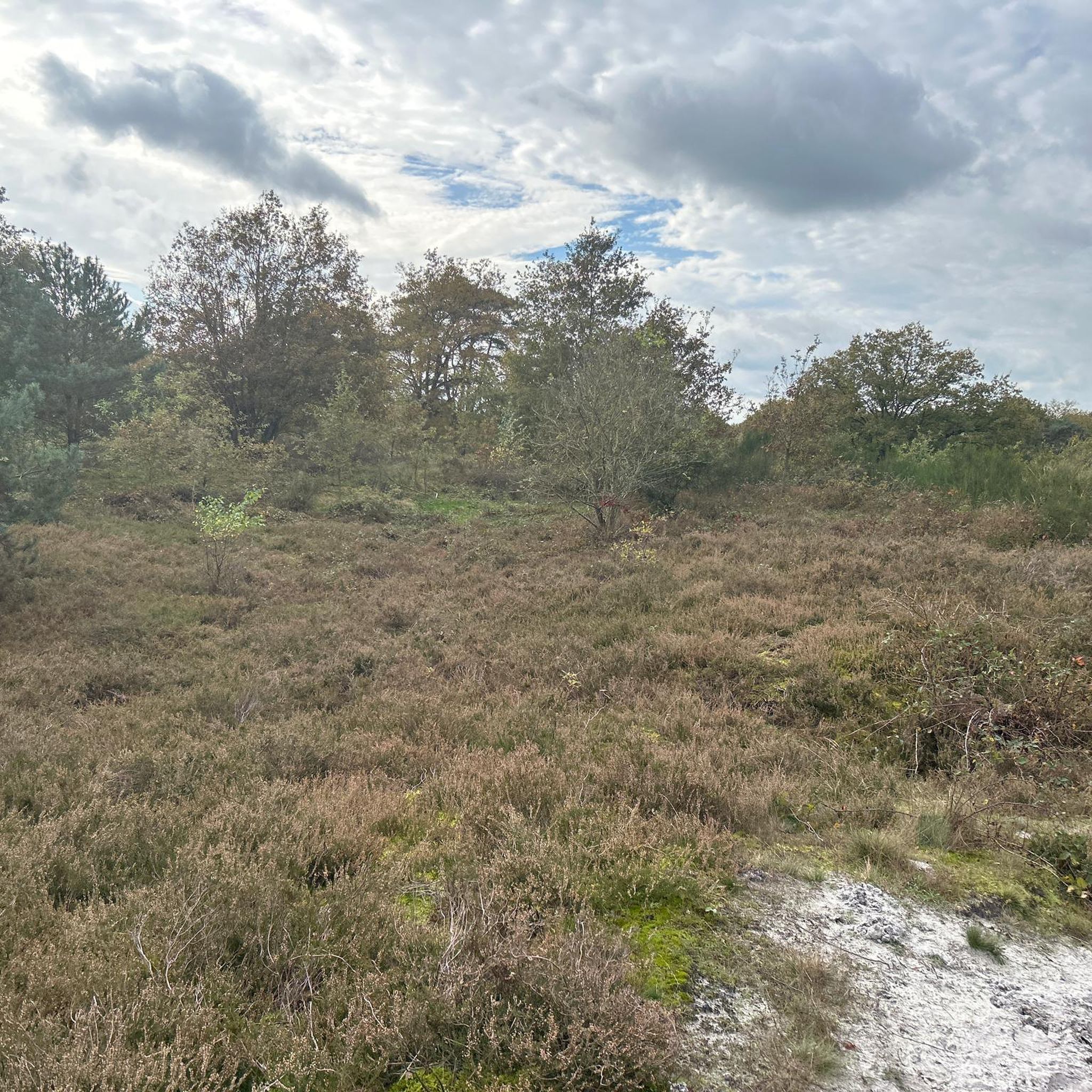
A stunning viewpoint during the ride
0
0

A cycle-pedestrian route of about 37 kilometers connecting Monza to Erba, crossing the Brianza region along the Lambro river. It is a path immersed in the greenery of the Lambro Valley Regional Park, characterized by a mixed surface (dirt, cobblestone, and asphalt) ideal for mountain bikes, gravel bikes, or robust city bikes. Main Features of the Route Start: Monza Park (entrance near Biassono/Lesmo). Finish: Center and train station of Erba (CO). Total length: Approximately 37 km (can be divided into shorter stages). Surface type: Mixed, with a prevalence of dirt and forest paths. Difficulty: Medium-easy, with the presence of some steep ups and downs.
0
0
The Angelo Bertini Hydroelectric Power Plant is a gem of industrial archaeology located in Porto d'Adda (a hamlet of Cornate d'Adda, Monza and Brianza). Inaugurated on September 28, 1898, by the Edison group, it holds an extraordinary historical record: at the time of its construction, it was the most powerful hydroelectric power plant in Europe and the second in the world, surpassed only by that of Niagara Falls. Its original purpose was fundamental for the modernization of Milan, as it had to supply the energy necessary for the electrification of Milan's tram network, allowing for the definitive replacement of horse-drawn trams.
0
0

The Esterle power plant was particularly well-designed from an architectural point of view, as it was intended to be representative of the Edison company that built it. It looks more like a Lombard pleasure villa than a true industrial facility. The effort to integrate the building into the surrounding territory, made in the early 20th century during the construction of the plant, was remarkable. Today it represents a significant example of monumental industrial archaeology and is known for its particular beauty. Inside, the walls and ceiling of the engine room were decorated with great care, as were the floors, lamps, light fixtures, and numerous wrought-iron furnishings.
0
0

The Park of Monza is one of the largest historic parks in Europe and the largest walled enclosure, with over 700 hectares of extension. Established in 1805 by Napoleon, it hosts the famous Villa Reale, the Royal Gardens, and the National Autodrome, offering nature, sport, and culture. It is freely accessible every day.
2
0

The Monza park is always a spectacle in spring
1
0
The Gardens of the Royal Villa of Monza are period gardens located in Monza, around the perimeter of the Royal Villa (mainly at the rear, on the northeast-facing sides). They form a single green space with the Monza Park, although they are actually separated from it by a fence—partly masonry, partly railings—which nevertheless has several entrances (both towards the park and towards the city), the gates of which are open at approximately the same times as the park.
2
0
Welcome to Brianzaland!!! Entrance to the BDM trails
0
0
Frequently Asked Questions
How many no-traffic gravel bike trails are available around Vimercate?
There are over 90 dedicated no-traffic gravel bike trails around Vimercate, offering a wide variety of options for different skill levels and preferences. You'll find routes ranging from easy, mostly paved paths to more challenging unpaved sections.
What kind of terrain can I expect on the no-traffic gravel trails in the Vimercate area?
The terrain around Vimercate is ideal for gravel biking, featuring a balance of asphalt and dirt roads. You can expect stunning gravel paths that traverse regional parks, offering a mix of natural beauty and varied surfaces. Many routes follow river paths and park trails, ensuring a car-free experience.
Are there family-friendly no-traffic gravel routes near Vimercate?
Yes, there are several family-friendly options. For instance, the Chain Bridge – Monza Park loop from Villasanta Parco is an easy route, largely within the expansive Parco di Monza, which is known for its safe and extensive network of paths suitable for all ages. Look for routes marked as 'easy' in the guide for the most suitable family options.
Can I bring my dog on these no-traffic gravel bike trails?
Many of the regional parks and natural areas around Vimercate, including sections of Parco di Monza and trails along the Lambro River, are dog-friendly. However, it's always best to check specific park regulations regarding leashes and waste disposal. Ensure your dog is comfortable with bike speeds and other trail users.
What are some scenic highlights or natural features I can see along these routes?
The region boasts numerous scenic spots. You can explore the vast Monza Park with its beautiful lakes and royal gardens. The Adda Cycle Path – Lower Brembo River Trail loop offers picturesque riverside views. Other natural attractions include Increa Park and Lake Sartirana, providing tranquil settings for your ride.
Are there any historical or cultural landmarks accessible from the gravel trails?
Absolutely. The area is rich in history. You can cycle towards the magnificent Royal Villa of Monza within its park. Other historical sites include the ancient San Rocco bridge in Vimercate and various historical villas like Villa Sottocasa. The View of the Adda River – Brivio Bridge loop can lead you past historical structures along the river.
What is the best time of year for gravel biking in Vimercate to avoid traffic?
Spring and autumn generally offer the most pleasant weather for gravel biking, with mild temperatures and vibrant scenery. These seasons also tend to have fewer crowds than peak summer, especially on weekdays, making it easier to enjoy the no-traffic routes. Winter can be ridden, but some unpaved sections might be muddy.
Are there circular no-traffic gravel routes available?
Yes, many of the gravel routes around Vimercate are designed as loops, allowing you to start and end at the same point without retracing your steps. Examples include the Climb to Consonno – Consonno Ghost Town loop and the Final Climb to Colle Brianza – View South from Paù loop, offering varied distances and difficulties.
What do other gravel bikers enjoy most about the no-traffic trails in Vimercate?
The komoot community highly rates the gravel biking experience around Vimercate, with an average score of 4.38 stars. Reviewers often praise the peaceful, car-free environment, the diverse landscapes ranging from river paths to parkland, and the opportunity to discover hidden gems and historical sites away from busy roads.
Are there options for advanced gravel bikers looking for a challenge?
Yes, for experienced gravel bikers seeking a challenge, there are several difficult routes. The Climb to Consonno – Consonno Ghost Town loop, for example, features over 1000 meters of elevation gain over 60 km, providing a demanding ride with significant climbs and descents on varied terrain.
Where can I find parking or public transport access for these trails?
Many routes start from towns with good public transport links, such as Carnate-Usmate or Villasanta Parco, which have train stations. For those driving, parking is often available near these starting points or at designated park entrances, particularly around Parco di Monza. Always check local parking regulations before you go.
Can I find places to eat or drink along the no-traffic gravel routes?
While the routes themselves are often car-free, they frequently pass through or near small towns and villages where you can find cafes, restaurants, and shops to refuel. Parco di Monza also has facilities within its grounds. Planning your stops in advance, especially on longer routes, is recommended.
Most popular attractions around Vimercate

Get inspired with the komoot mobile app


Explore more
Browse the best Gravel rides in other regions.
