The best traffic-free bike rides around Musei
4.4
(23)
247
riders
19
rides
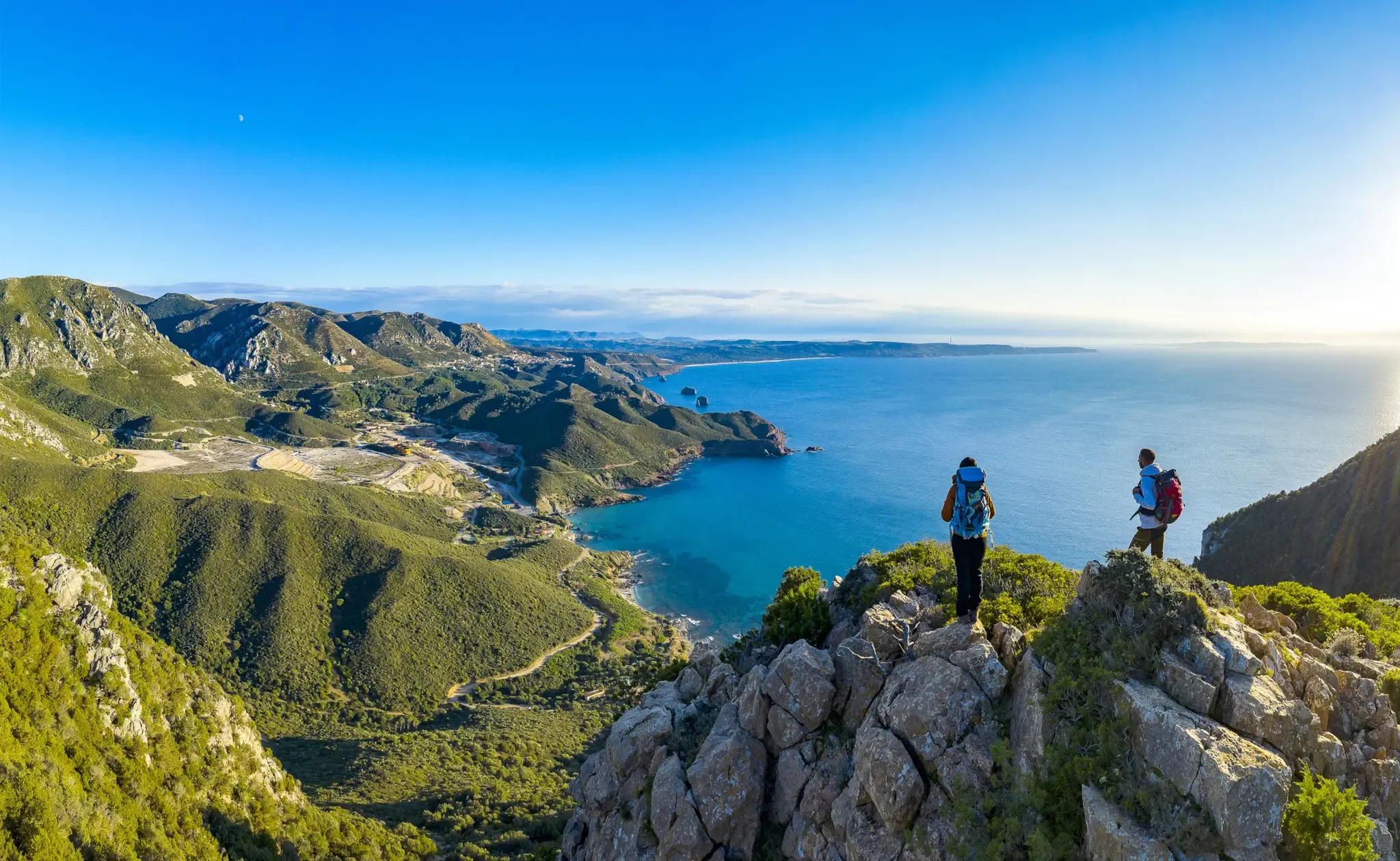
No traffic touring cycling routes around Musei traverse a landscape characterized by the rugged beauty of southwestern Sardinia. The region, part of the Sulcis-Iglesiente area, features a mix of coastal views, rolling hills, and historic mining areas. Cyclists can expect routes that wind through Mediterranean scrubland, past ancient ruins, and along quiet country roads. The terrain often includes moderate climbs and descents, offering varied challenges for touring cyclists.
Best no traffic touring cycling routes around Musei
- The most popular no…
Last updated: October 16, 2026
5
riders
50.8km
03:17
520m
520m
Hard bike ride. Very good fitness required. Mostly paved surfaces. Suitable for all skill levels.
4.5
(4)
21
riders
28.3km
01:52
210m
210m
Moderate bike ride. Good fitness required. Mostly paved surfaces. Suitable for all skill levels.

5.0
(1)
9
riders
Hard bike ride. Very good fitness required. Mostly paved surfaces. Suitable for all skill levels.
11
riders
24.6km
02:22
780m
780m
Hard bike ride. Very good fitness required. You may need to push your bike for some segments of this route.
5
riders
54.1km
03:34
340m
340m
Moderate bike ride. Good fitness required. Mostly paved surfaces. Suitable for all skill levels.
Get access to more routes and recommendations from other explorers.
Already have an account?
Our route recommendations are based on thousands of hikes, rides, and runs completed by other people on komoot.
Start today with a free account
Your next adventure awaits.


Tips from the Community

Scenic spot , on the mountains
0
0
Located at the entrance of the Saint John's cave
0
0

The Umbrian pilgrimage site of Assisi has produced two important figures: "Santa Chiara" also deserves to be honored alongside "San Francisco." She lived at the same time as Francis: Clare was born in (or around) 1193 and died in 1253. Her general feast day in the liturgical calendar is August 11, the day of her death, for all major Christian denominations; in addition, there are regional or religious order-specific feast days. Besides the church dedicated to her, there are two significant places in Assisi itself where one can follow in her footsteps: the Church of the Holy Sepulchre in the center of Assisi (see https://www.komoot.com/de-de/highlight/361280 for more information), and the Monastery of San Damiano (see https://www.komoot.com/de-de/highlight/361272), located just outside the historic city walls.
0
0

Among the churches, the Cathedral of Santa Chiara (dating back to the 13th century), the churches of Madonna delle Grazie, Del Collegio, a Jesuit temple, and San Francesco, one of Sardinia's best-preserved and most important buildings in the Gothic-Catalan style, which houses an altarpiece dating back to 1560, are particularly worth seeing.
5
0
Beautifully painted house on a small square with a fountain.
0
0

Nuraghe S'Omu 'e S'Orcu, meaning "the house of the ogre," is a Nuragic complex dating back to between 1500 and 900 BC. The imposing structure comprises a central tower, a bastion with an internal courtyard and cistern, and a rampart with five towers enclosing the Nuragic village. Traces of fire and smelting slag were found in one of the towers, evidence of metallurgical activity linked to the rich copper and tin deposits in the area. For more information on the site's history, services, and tours, visit the website: https://domusnovas.nuraghesomuesorcu.com/.
0
0
The evocative Grotta di San Giovanni is a geological and archaeological treasure, as well as the longest vehicle-accessible cave in the world. The cave is accessible from two sides, but the ticket office and information point are located at the main, southern entrance. Entrance is permitted only during cave opening hours. Ticket prices vary depending on the type of visit. You can find all the latest information on the website: https://www.grottasangiovanni.com/.
1
0
Iglesiente, the region at the center of the Sardinian mining epic and of which it is the capital, derives its name. It has a population of 27,000 and is the episcopal see and heir to the ancient diocese of Sulcis. Iglesias means "churches" in Spanish. It is no coincidence that in a city with a glorious past, especially under Catalan-Aragonese rule (when it was a royal city), the celebrations surrounding the Good Friday customs stand out, recalling Spanish customs in form and color. The mystery processions on Holy Tuesday and Holy Friday are particularly impressive. Among the churches, the Cathedral of Santa Chiara (dating back to the 13th century), the churches of Madonna delle Grazie, Del Collegio, a Jesuit temple, and San Francesco, one of Sardinia's best-preserved and most important buildings in the Gothic-Catalan style, which houses an altarpiece dating back to 1560, are particularly worth seeing.
0
0
Frequently Asked Questions
How many no-traffic touring cycling routes are available around Musei?
There are 16 dedicated no-traffic touring cycling routes around Musei. These routes offer a variety of challenges, with 5 classified as moderate and 11 as difficult, ensuring options for experienced cyclists looking for car-free adventures.
What do other touring cyclists enjoy most about the routes in Musei?
The routes around Musei are highly rated by the komoot community, with an average score of 4.5 out of 5 stars from 21 reviews. Cyclists particularly appreciate the challenging terrain and the opportunity to explore the region's unique landscapes away from traffic.
Are there any family-friendly no-traffic cycling routes in Musei?
While many routes around Musei are rated moderate to difficult, making them more suitable for experienced cyclists, families with older children who are comfortable with longer distances and some elevation gain might enjoy sections of routes like the Piazza Sella, Iglesias – Quintino Sella Square loop from Domusnoas/Domusnovas, which is a moderate 23 km ride. Always check the route details for specific difficulty and elevation before heading out with family.
What kind of terrain and elevation can I expect on these no-traffic routes?
The no-traffic touring cycling routes around Musei feature varied terrain, often including rolling hills and significant elevation changes. For example, the Quintino Sella Square – San Giovanni Cave loop from Cuccuru de is Piras involves over 780 meters of ascent over 38.9 km, indicating a challenging ride. Expect a mix of paved and unpaved surfaces, typical for touring in this region.
What landmarks and natural features can I see along the no-traffic cycling routes?
Many routes offer access to significant landmarks and natural features. You can explore the fascinating San Giovanni Cave, a unique natural wonder. Other points of interest include the historical Rosas Mining Village Narcao, offering a glimpse into the region's industrial past, and the intriguing Abandoned Suspension Bridge. These sites provide excellent opportunities for cultural and scenic stops during your ride.
Are there any loop routes available for no-traffic touring cycling?
Yes, several no-traffic touring cycling routes around Musei are designed as loops, allowing you to start and end at the same point. Examples include the challenging Piazza Sella, Iglesias – St. John's Cave loop from Cixerri (51.4 km) and the equally demanding Sa Duchessa mines loop from Grotta di San Giovanni (24.6 km). These loops are ideal for a full day's adventure.
What is the best time of year for no-traffic bike touring in Musei?
The best time for no-traffic bike touring in Musei, and Sardinia generally, is during spring (April-May) and autumn (September-October). The weather is typically mild and pleasant, avoiding the intense heat of summer and the cooler, potentially wetter conditions of winter. These seasons offer ideal temperatures for longer rides and exploring the cultural and natural attractions.
Are there any cultural or historical cycling routes in the Musei area?
Yes, the Musei area, with its rich mining heritage, offers routes that delve into its history. For instance, the Sa Duchessa mines loop from Grotta di San Giovanni takes you through landscapes marked by past mining activities. You can also visit the Rosas Mining Village Narcao, providing a direct connection to the region's industrial past.
Can I find cafes, pubs, or accommodation near the no-traffic cycling routes?
While the routes themselves are designed to be traffic-free, the Musei region and nearby towns like Iglesias and Domusnovas offer various amenities. You'll find cafes and restaurants in these centers for refreshments and meals. For accommodation, look for agriturismos or guesthouses in the surrounding countryside, which often cater to cyclists and provide a local experience. It's advisable to plan your stops in advance, especially on longer routes.
Are there any specific routes that are less crowded or considered 'hidden gems'?
For a less crowded experience, consider exploring routes that venture deeper into the more rugged parts of the region. While all routes are designed to be no-traffic, some, like the San Giovanni Cave – San Giovanni Cave Trail loop from Grotta di San Giovanni, offer a sense of remoteness as they navigate through natural landscapes and historical mining areas, providing a tranquil cycling experience away from popular tourist hubs.
Most popular attractions around Musei

Get inspired with the komoot mobile app


Explore more
Browse the best Cycling routes in other regions.
