The best hikes from bus stations in Broads
4.6
(1012)
7,065
hikers
72
hikes
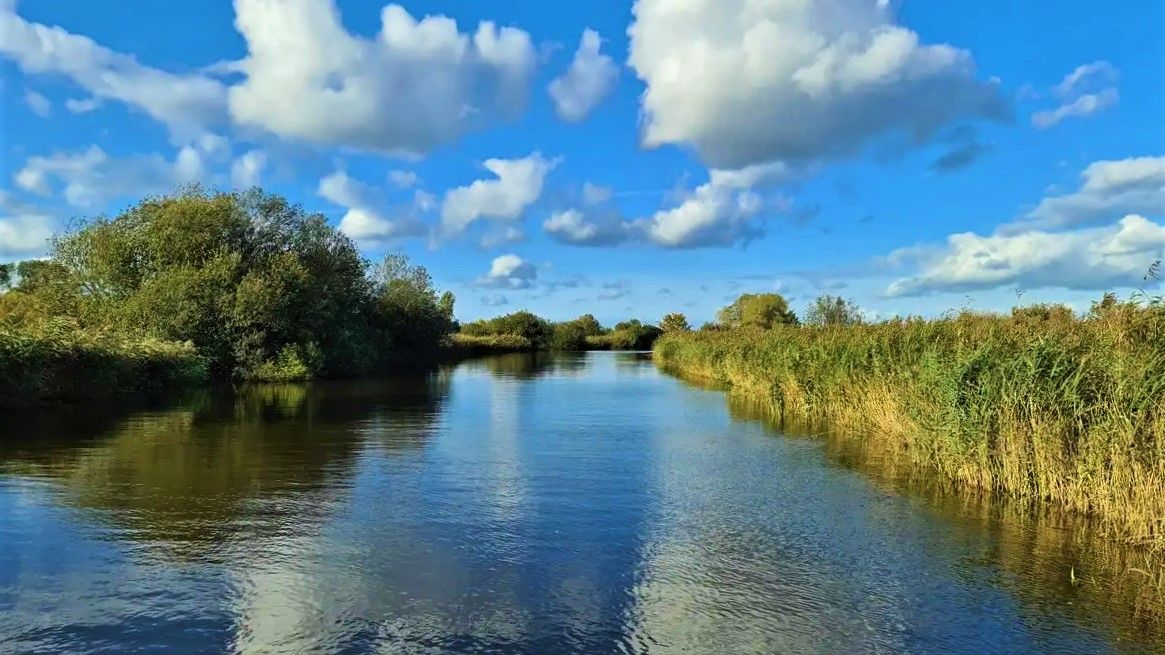
Bus station hiking trails in Broads offer access to a unique landscape of waterways, wetlands, and grazing marshes. The region, formed from medieval peat diggings, features an extensive network of rivers and lakes. Its predominantly flat terrain makes it accessible for various hiking abilities, with paths winding through reedbeds and occasional woodlands. Hikers can experience the expansive "big skies" characteristic of the area.
Best bus station hiking trails in Broads
- The most popular bus station hiking route is Horstead to…
Last updated: October 16, 2026
4.8
(17)
69
hikers
11.5km
02:56
30m
30m
Moderate hike. Good fitness required. Easily-accessible paths. Suitable for all skill levels.
5.0
(5)
16
hikers
11.3km
02:52
20m
20m
Moderate hike. Good fitness required. Easily-accessible paths. Suitable for all skill levels.

5.0
(31)
103
hikers
9.28km
02:22
30m
30m
Moderate hike. Good fitness required. Easily-accessible paths. Suitable for all skill levels.
4.8
(18)
96
hikers
Easy hike. Great for any fitness level. Easily-accessible paths. Suitable for all skill levels.
4.7
(10)
64
hikers
5.45km
01:22
10m
10m
Easy hike. Great for any fitness level. Easily-accessible paths. Suitable for all skill levels.
Get access to more routes and recommendations from other explorers.
Already have an account?
Our route recommendations are based on thousands of hikes, rides, and runs completed by other people on komoot.
Start today with a free account
Your next adventure awaits.
Popular around Broads
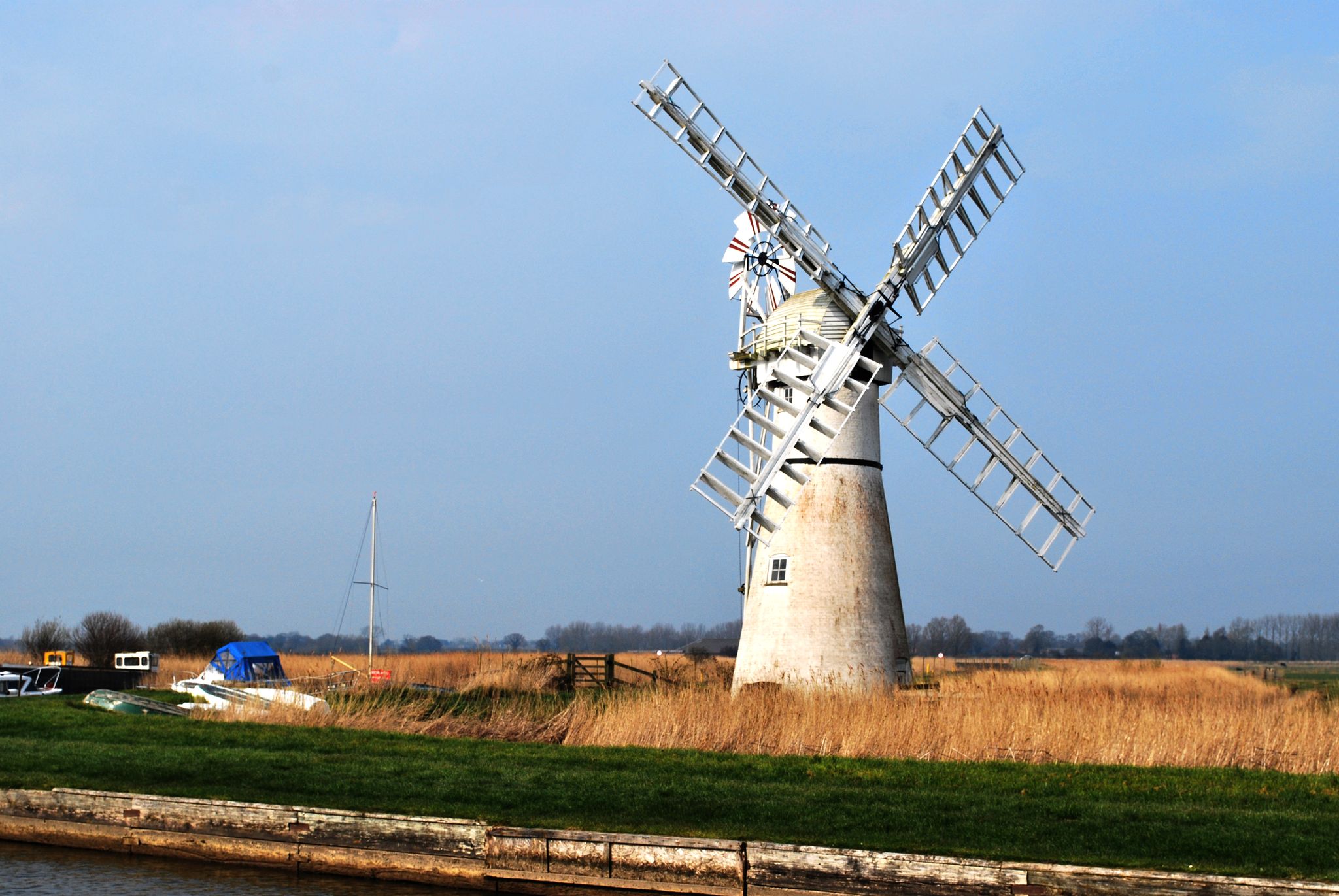
Norfolk Trails – long-distance walks
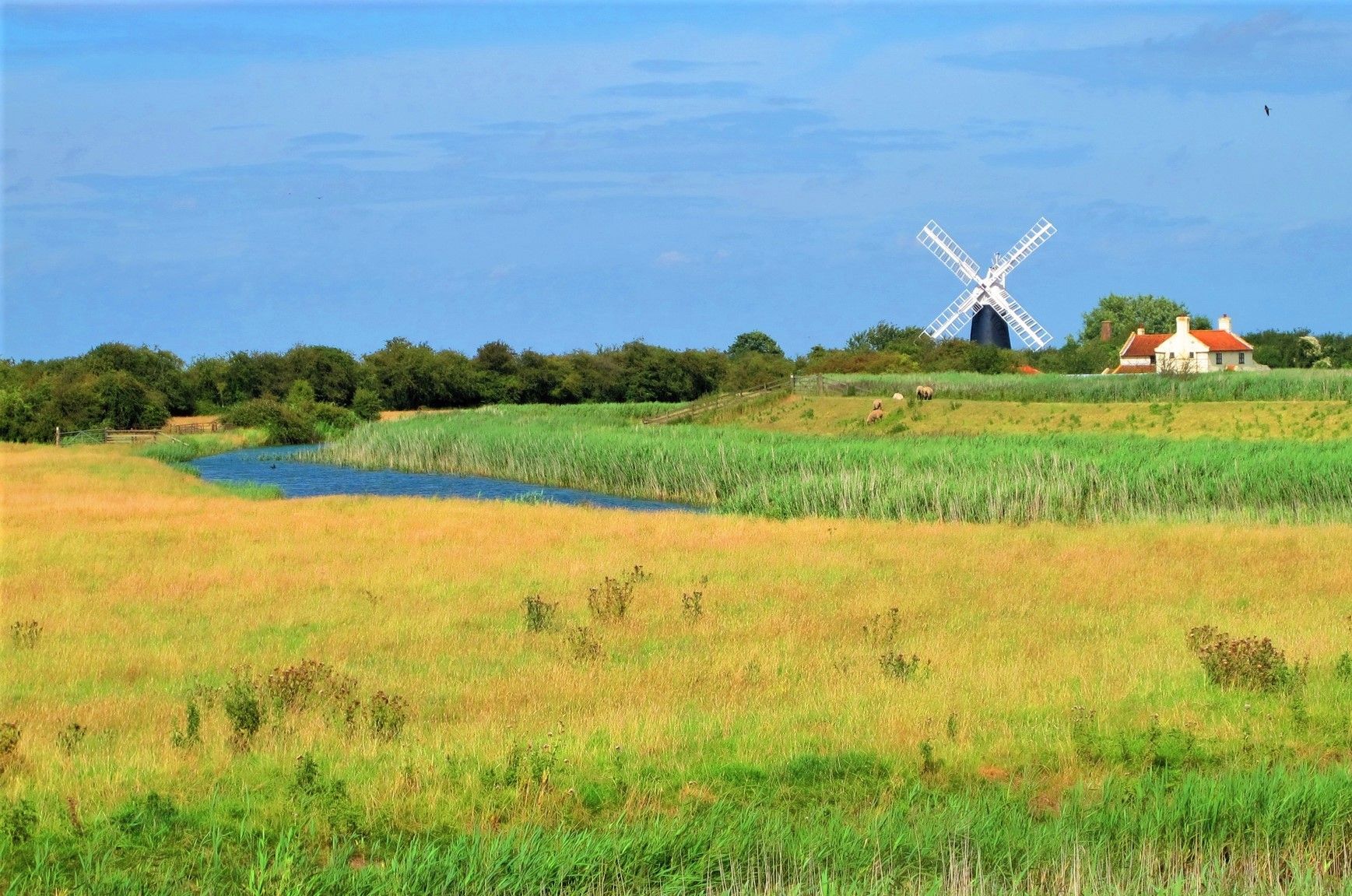
Wherryman's Way — Wildlife and windmills on waterside hike
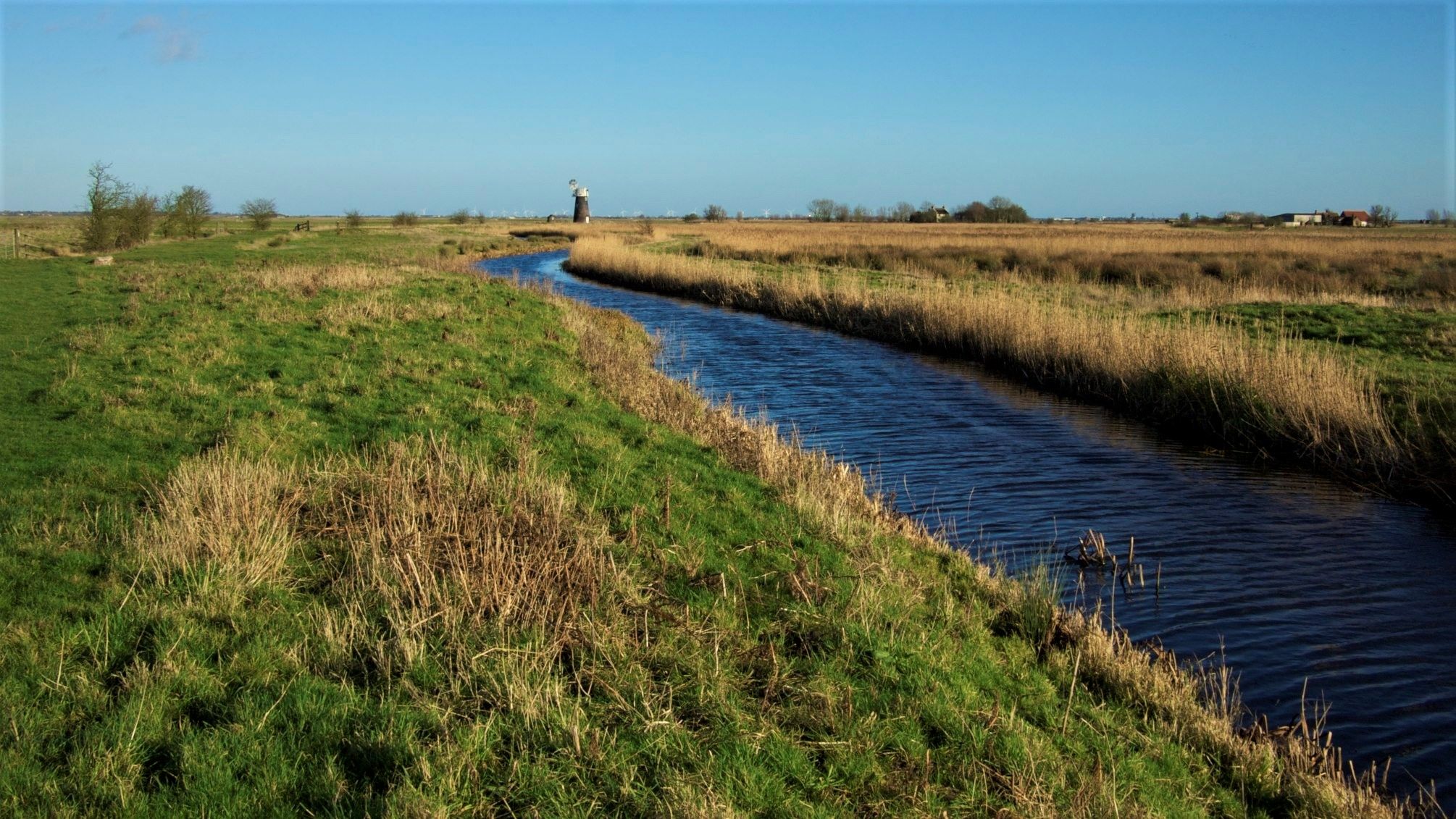
Weavers' Way — Hike the rich and varied landscapes of Norfolk
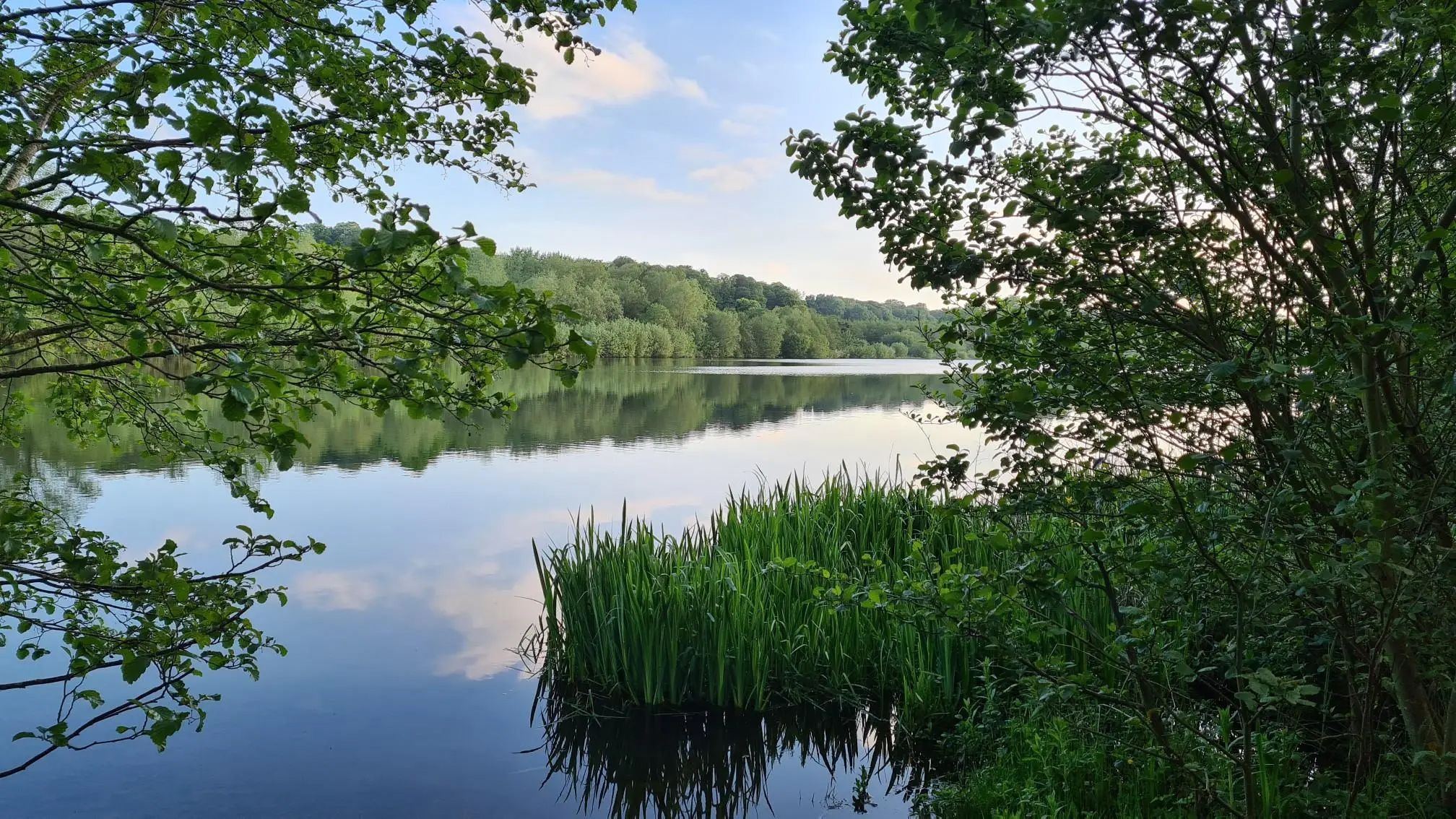
Enchanting family walks in the beautiful Broads National Park
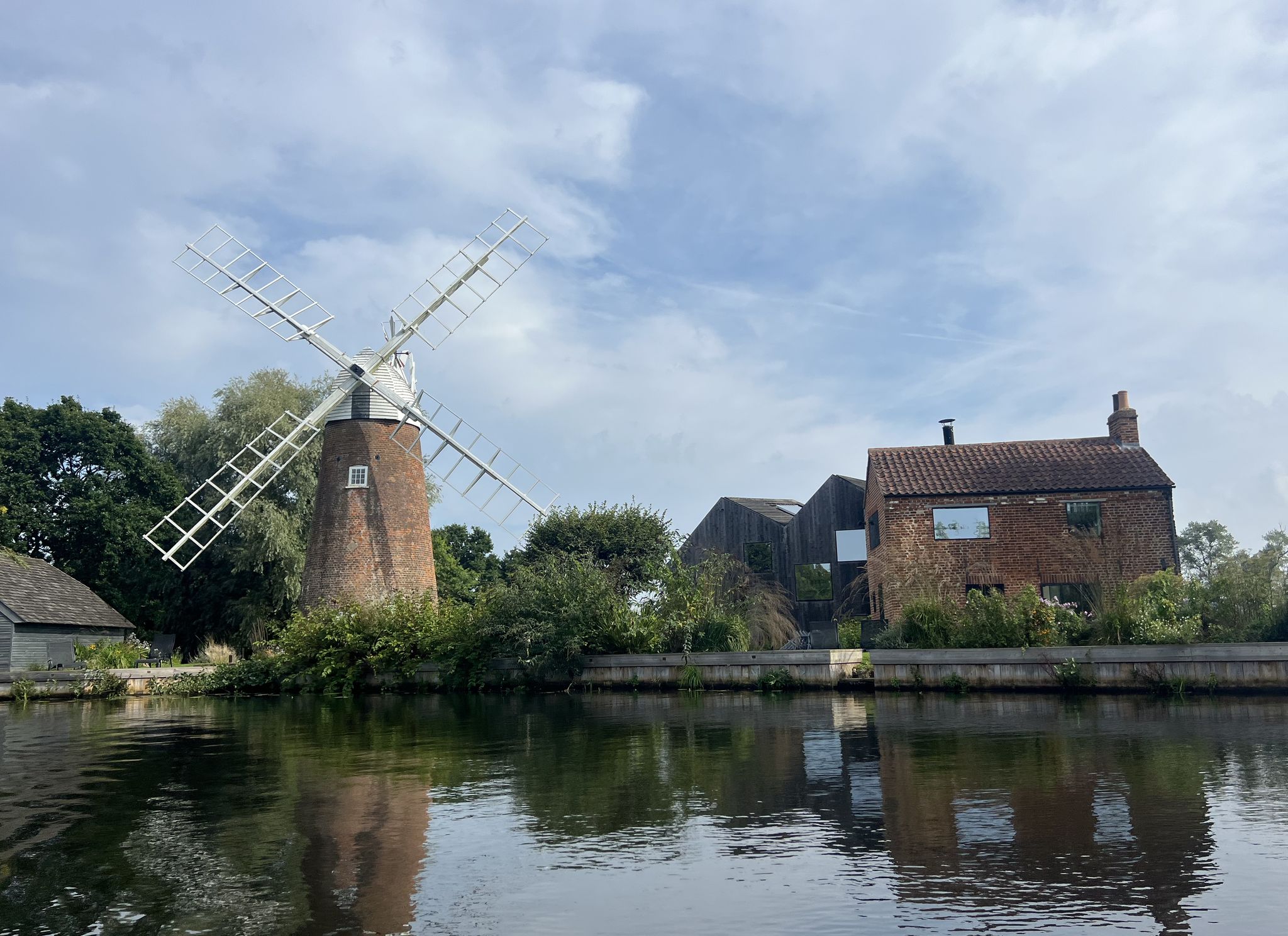
A Walk in the Parks – across the Broads National Park
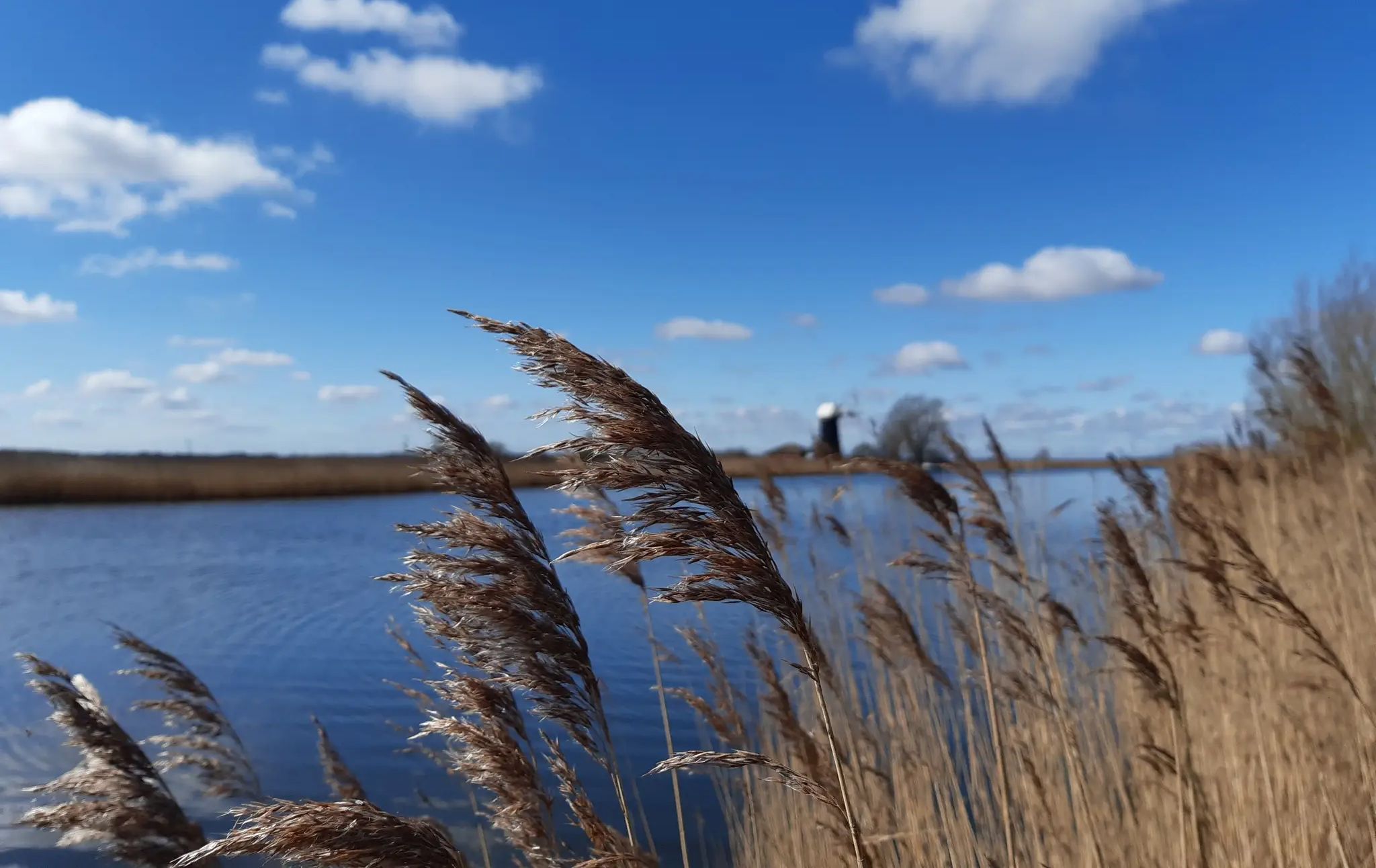
Windmills, wildlife and waterways – best walks in the Broads National Park
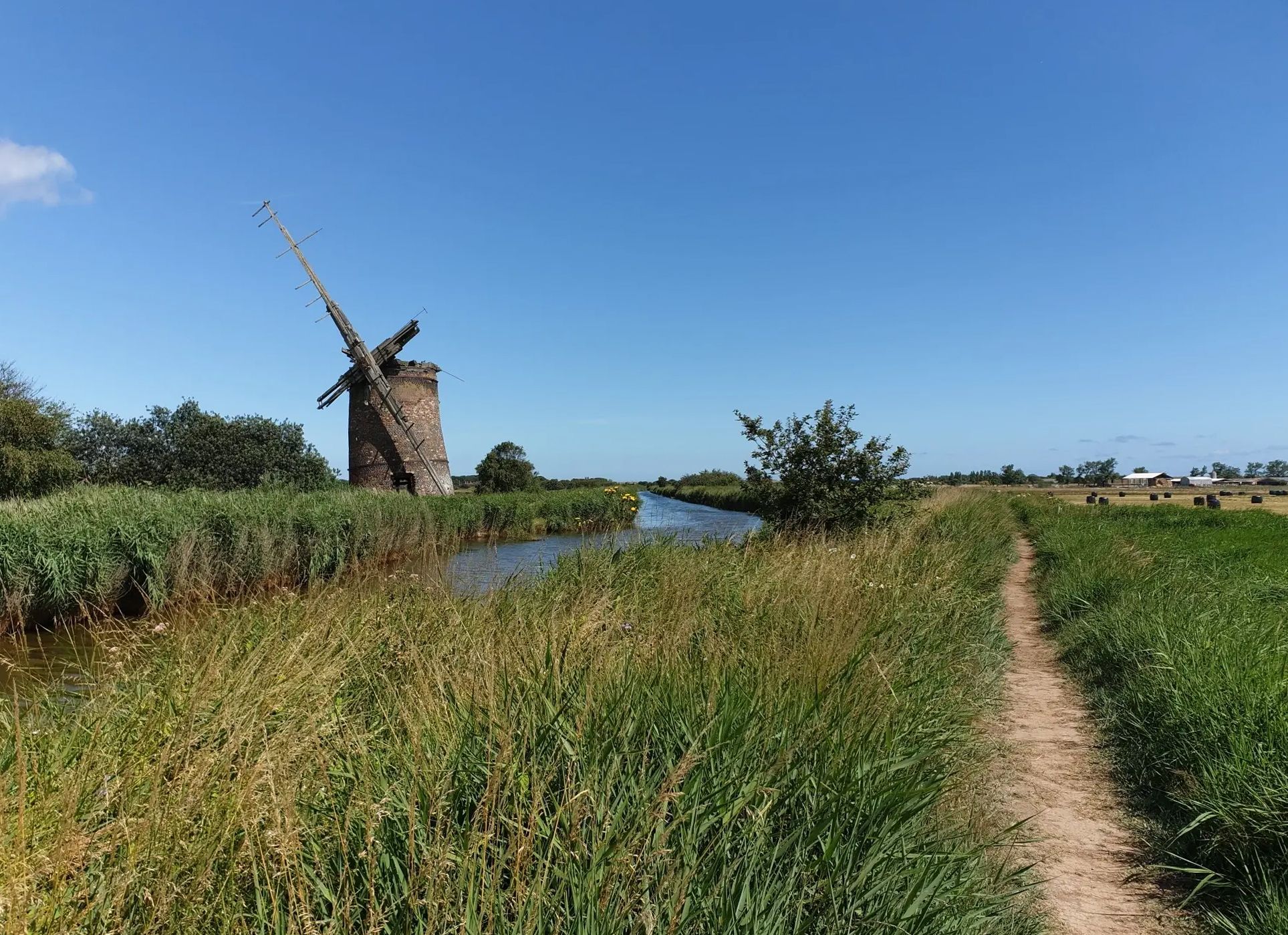
Golden autumn walks in the Broads National Park
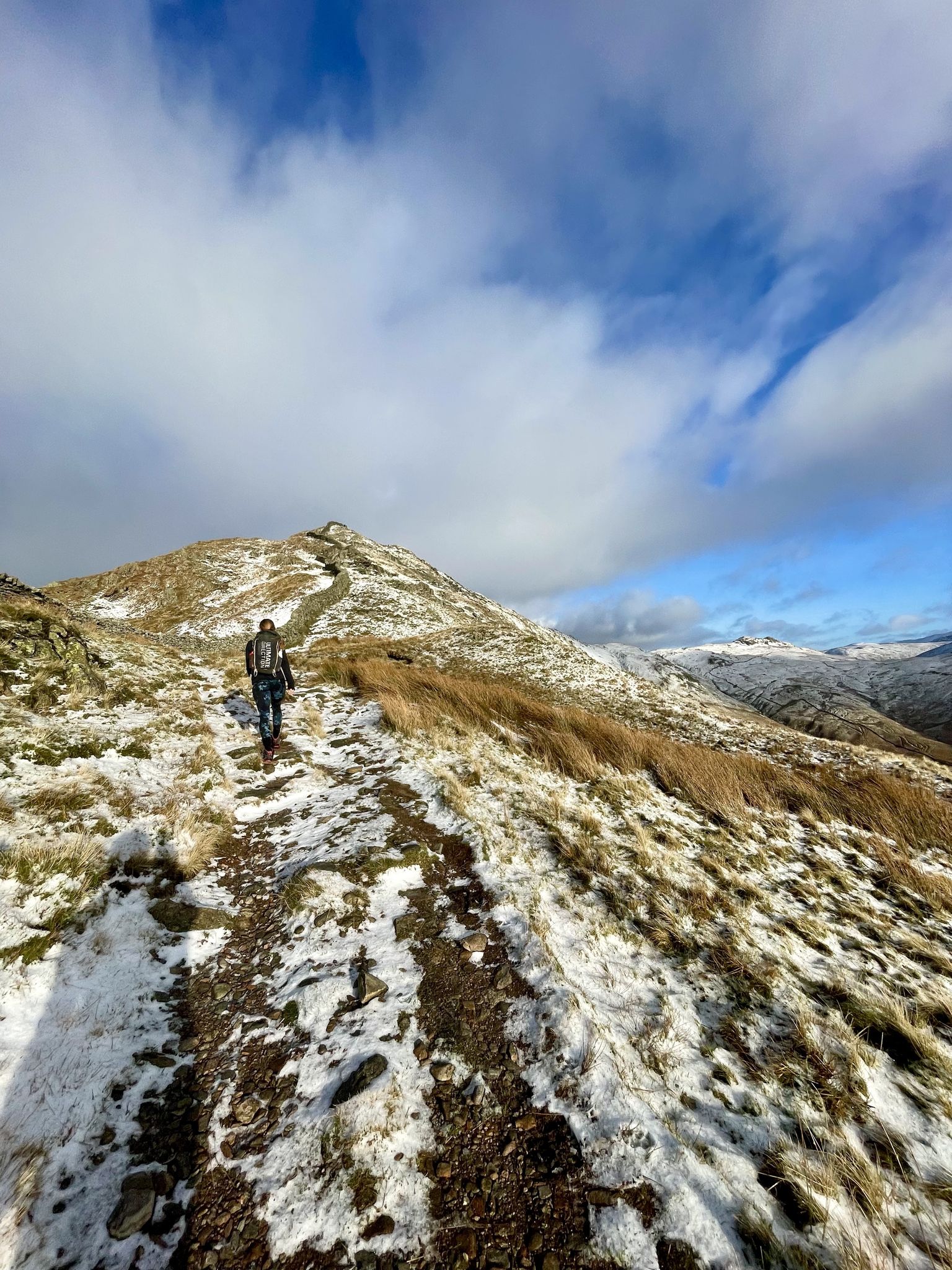
Walk Britain – 90 car-free adventures in England, Wales and Scotland
A Walk in the Parks – hikes across all of England’s national parks
Explore England’s most wildlife-rich national park — the Broads
Other adventures in Broads


Tips from the Community


Be aware, during the summer this route can become very overgrown! Shoulder height nettles and brambles taking over the path mean it's very slow going in places and faster if you bring secateurs. Usually this is a very easy stroll, but wear trousers rather than shorts if visiting at peak plant growth time
0
0

Not too far from the town centre either . Very handy car park
1
0

Using the power of moving water to drive a mill wheel is an ancient invention of the human spirit of discovery, the origins of which can be traced back to times long past. Thanks to such a construction, a watercourse - natural or artificial - could simply replace human or animal muscle power with the power of the natural elements, for example to grind grain into corn or to press oil from fruit. There are essentially two different ways of driving watermills: * Either the flowing water simply hits the blades of the water wheel from below to set it in motion; or * the water is guided - usually through a so-called "mill channel" - above the wheel and falls onto the blades; this type of construction is more efficient due to natural gravity.
1
0

Past all the moored river cruisers, looking across towards the park. There are a couple of cafes to stop at if you're minded.
0
0
Quayside cafe serving paninis, sausage rolls, cakes & coffee etc. Seating is on outdoor tables. Opening hours are 10am-4pm but are weather-dependent so only a place for a fine day.
0
0
Nice views of the cruisers on the Waveney although the road pinches as it crosses the bridge so you can't stop to admire them.
0
0

With its impressive fleet of vessels, Eastwood Whelpton is a classic Broads boatyard. Located on the edge of the village of Upton, it connects to the River Bure via Upton Dyke. Nearby is the beguiling sight of Palmers Hollow Post Mill, one of only two 'Hollow Post' drainage mills remaining in the national park. For a walk rich in wildlife, it's just a short stroll to Upton Broad and Marshes nature reserve from here.
0
0
Frequently Asked Questions
How many bus station hiking trails are available in the Broads?
There are over 70 hiking trails in the Broads that are accessible directly from bus stations. These routes offer a convenient way to explore the unique landscapes of the region without needing a car.
What is the best time of year to hike in the Broads?
The Broads offer enjoyable hiking year-round. Spring brings blooming wildflowers and active wildlife, while summer provides longer daylight hours for extended walks. Autumn showcases beautiful changing foliage, and even winter offers crisp, quiet walks, often with opportunities for seal spotting near the coast. The predominantly flat terrain makes most trails accessible in various conditions.
Are there easy bus-accessible trails suitable for families or beginners?
Yes, many of the bus-accessible trails in the Broads are considered easy, making them ideal for families and beginners. For example, the Swans on the River Bure – River Views Near Horstead loop from Coltishall is an easy 6.3 km route, and the View of the River Waveney – Beccles Old Bridge loop from Beccles is another easy option at 5.3 km, both offering gentle riverside paths.
Can I find circular hiking routes that start and end at a bus station?
Absolutely. Many bus-accessible routes in the Broads are circular, allowing you to return to your starting point without needing additional transport. An excellent example is the Wherryman's Way: Langley with Hardley Circular, which offers a moderate 11.3 km loop through scenic landscapes.
Are the bus station hiking trails in the Broads dog-friendly?
Most trails in the Broads are dog-friendly, though it's always best to keep dogs on a lead, especially near livestock, nature reserves, and nesting birds. The region's extensive network of footpaths along rivers and through open marshes provides plenty of space for walks with your canine companion. Always check local signage for specific restrictions.
What kind of wildlife can I expect to see on these trails?
The Broads are a haven for wildlife. Hikers often spot kingfishers, otters, and a wide variety of bird species, including marsh harriers and bitterns, particularly in nature reserves like How Hill Windmill and Nature Reserve. Rare butterflies and dragonflies are also common during warmer months. Near the coast, such as around Horsey, you might even spot seals.
Are there any historical sites or landmarks to see along the bus-accessible routes?
Yes, the Broads are rich in history. Many trails pass by ancient flint churches and historic sites. You can explore the ruins of St Benet's Abbey, or visit iconic structures like Horsey Windpump. The Upton Dyke area, for instance, is part of a waterway loop from Acle that offers glimpses into the region's past.
Can I find longer distance bus-accessible hikes in the Broads?
While many routes are shorter, you can connect bus-accessible sections of longer trails. The Broads are home to long-distance paths like the Weavers' Way and the Wherryman's Way. For a moderate, linear hike, consider the Horstead to Buxton along the River Bure route, which covers over 11 km and can be accessed via public transport at both ends.
Are there bus station trails that lead to pubs or cafes?
Yes, many routes in the Broads are designed to pass by welcoming pubs and tea rooms, perfect for a break or a meal. The region is known for its charming villages, and it's common to find refreshment stops along popular walking paths, especially those near riverbanks and broads.
What do other hikers enjoy most about hiking in the Broads?
The Broads are highly rated by the komoot community, with an average score of 4.6 stars. Reviewers often praise the tranquil environment, the unique waterways, and the opportunities for wildlife spotting. The flat terrain and well-maintained paths are frequently highlighted as making the trails accessible and enjoyable for all abilities.
Are there any less crowded bus-accessible trails for a quieter experience?
While popular spots can attract visitors, the Broads offer nearly 200 miles of footpaths, providing ample opportunity to find quieter routes. Exploring trails slightly off the main tourist hubs or visiting during off-peak seasons can lead to a more serene hiking experience. Many of the smaller village loops accessible by bus tend to be less frequented.
Most popular routes in Broads
Most popular attractions in Broads

Get inspired with the komoot mobile app


Explore more
Browse the best Hikes in other regions.
