The best dog-friendly hikes and walks around Forêt de Soignes - Zoniënwoud
4.5
(2391)
15,616
hikers
38
hikes
Dog friendly hiking trails around Forêt de Soignes - Zoniënwoud traverse a vast, ancient forest ecosystem located at the southeastern edge of Brussels. This region is characterized by towering European beech and oak trees, some over 200 years old, forming a dense canopy. Meandering streams and diverse flora, including ferns and seasonal wildflowers, define the forest floor. A significant portion of the forest is recognized as a UNESCO World Heritage Site, highlighting its ecological importance.
Best dog friendly hiking trails…
Last updated: July 13, 2026
4.6
(48)
246
hikers
7.43km
01:56
50m
50m
Easy hike. Great for any fitness level. Easily-accessible paths. Suitable for all skill levels.
4.9
(26)
178
hikers
Moderate hike. Good fitness required. Easily-accessible paths. Suitable for all skill levels.

Sign up for free
4.7
(24)
70
hikers
11.4km
02:59
90m
90m
Moderate hike. Good fitness required. Easily-accessible paths. Suitable for all skill levels.
4.7
(3)
37
hikers
3.78km
00:59
30m
30m
Easy hike. Great for any fitness level. Easily-accessible paths. Suitable for all skill levels.
4.2
(5)
19
hikers
9.36km
02:28
80m
80m
Moderate hike. Good fitness required. Easily-accessible paths. Suitable for all skill levels.
Get access to more routes and recommendations from other explorers.
Sign up for free
Already have an account?
Our route recommendations are based on thousands of hikes, rides, and runs completed by other people on komoot.
Start today with a free account
Your next adventure awaits.
Login or Signup
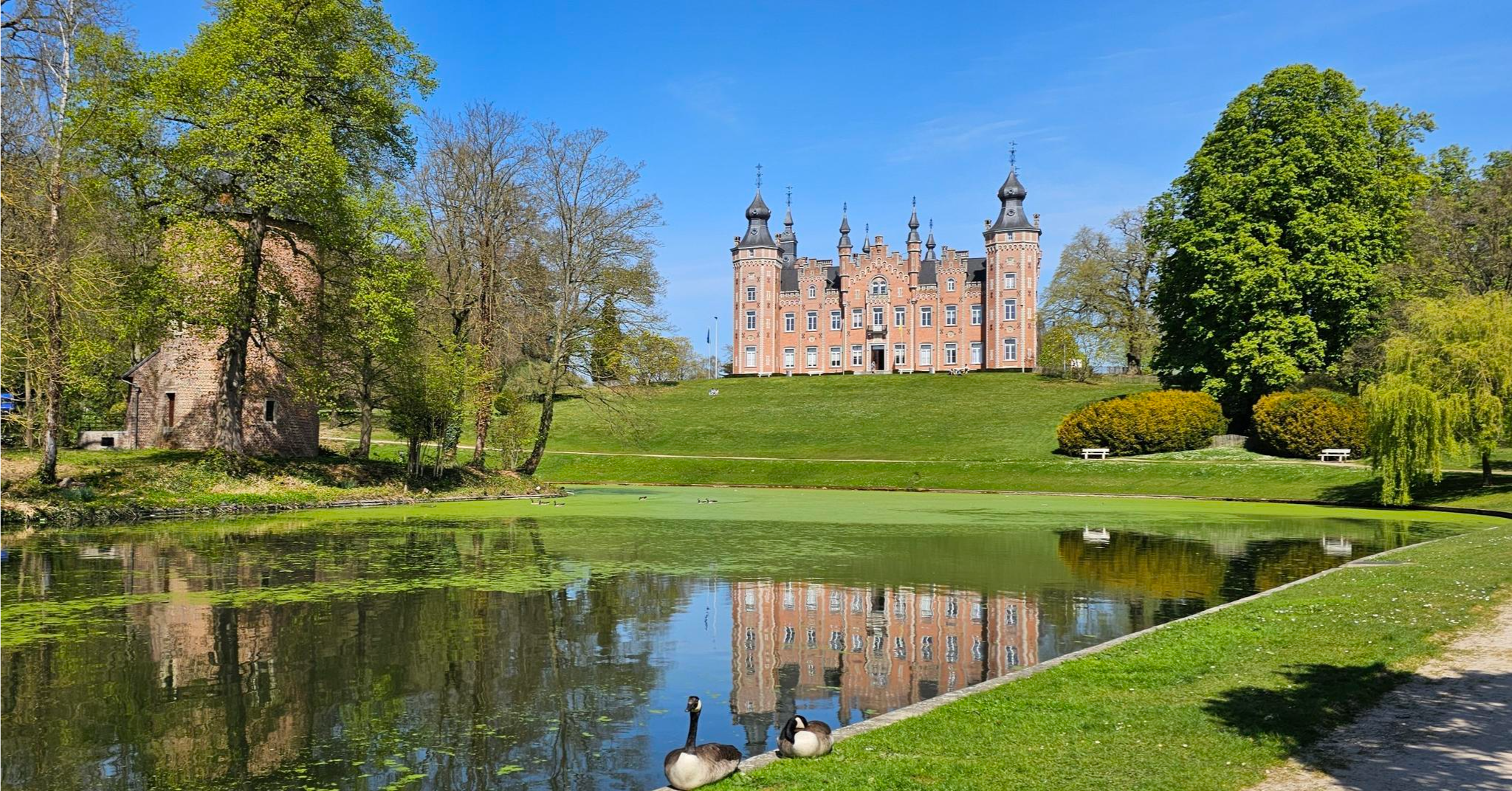
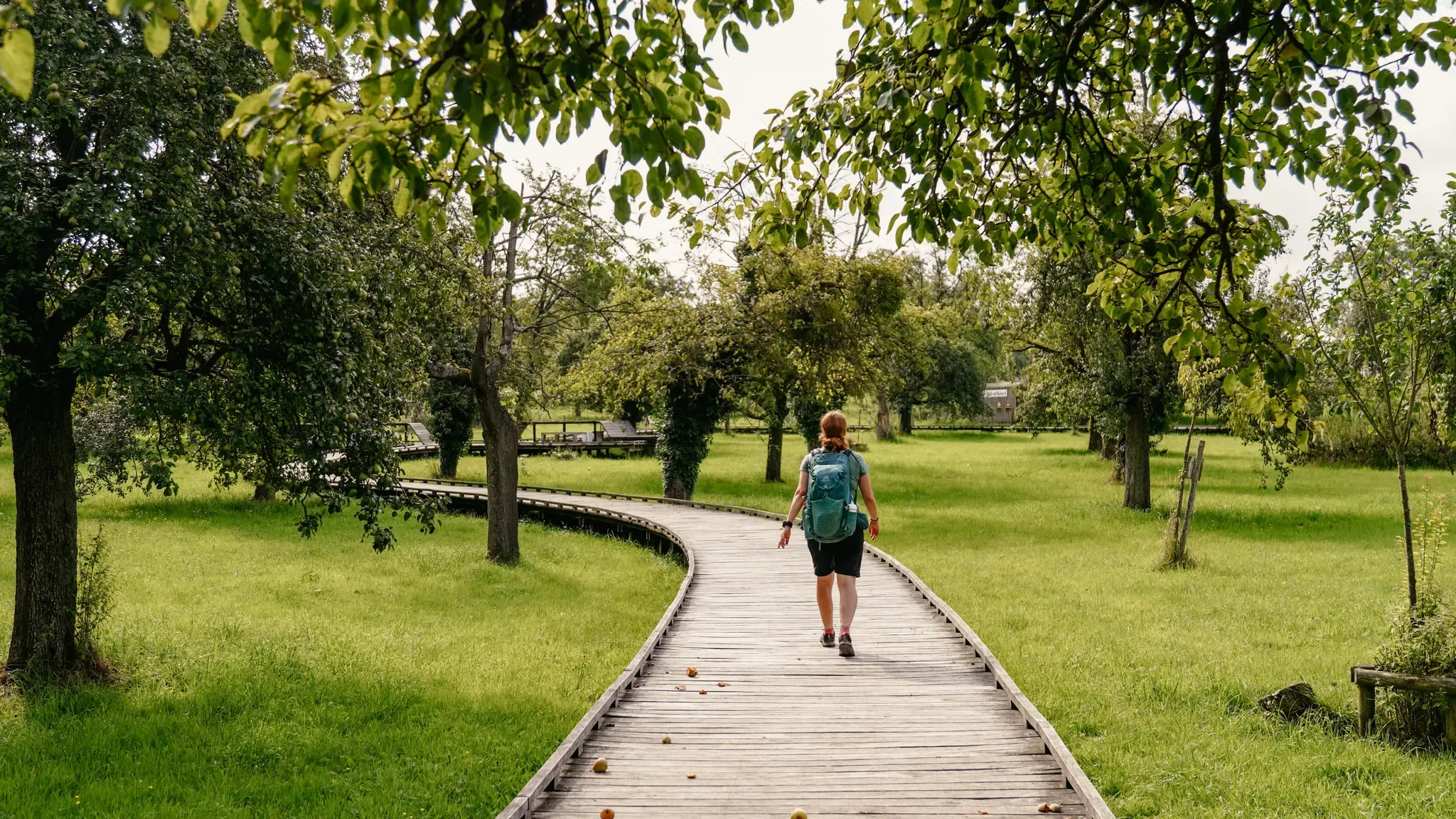
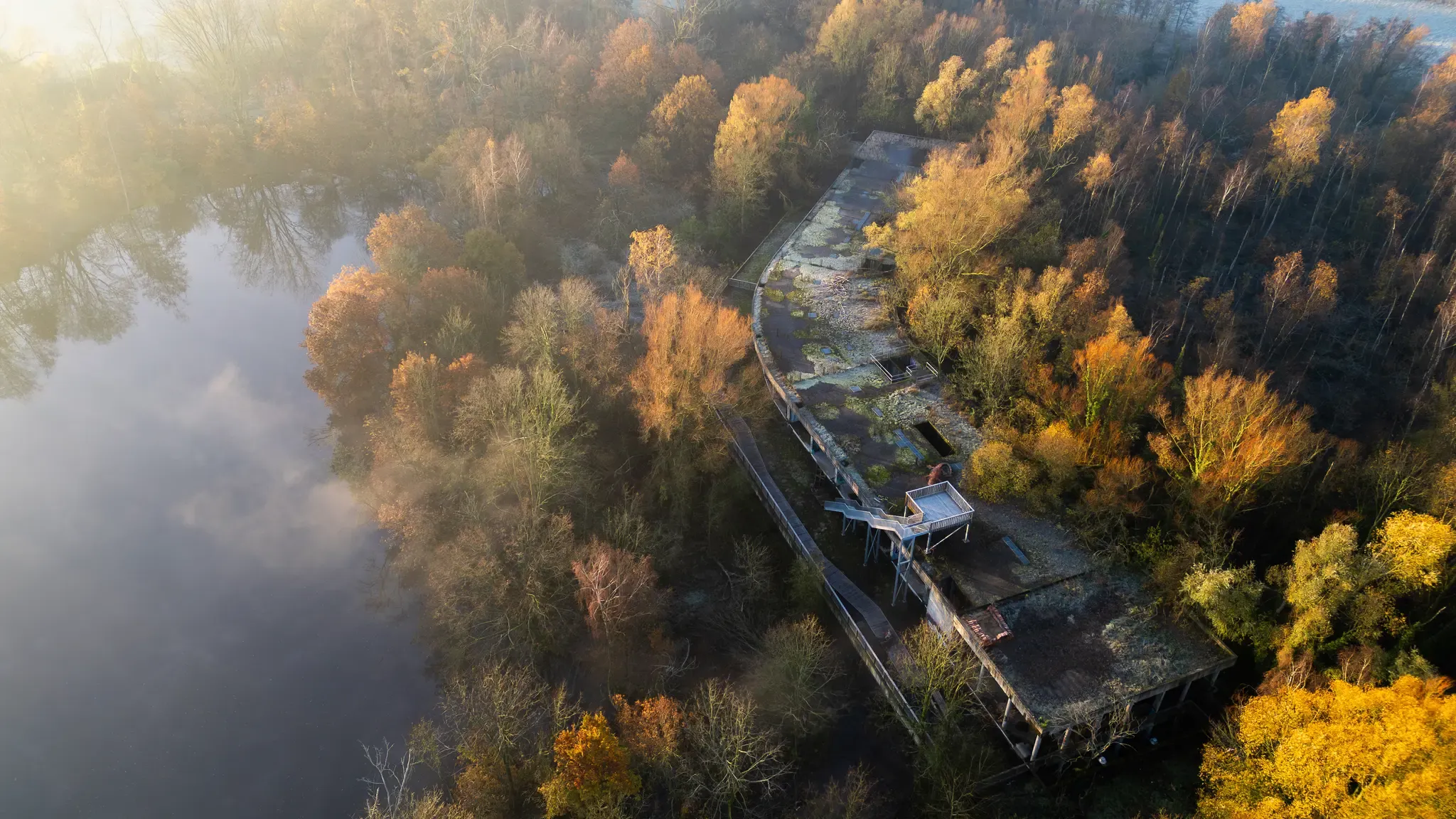
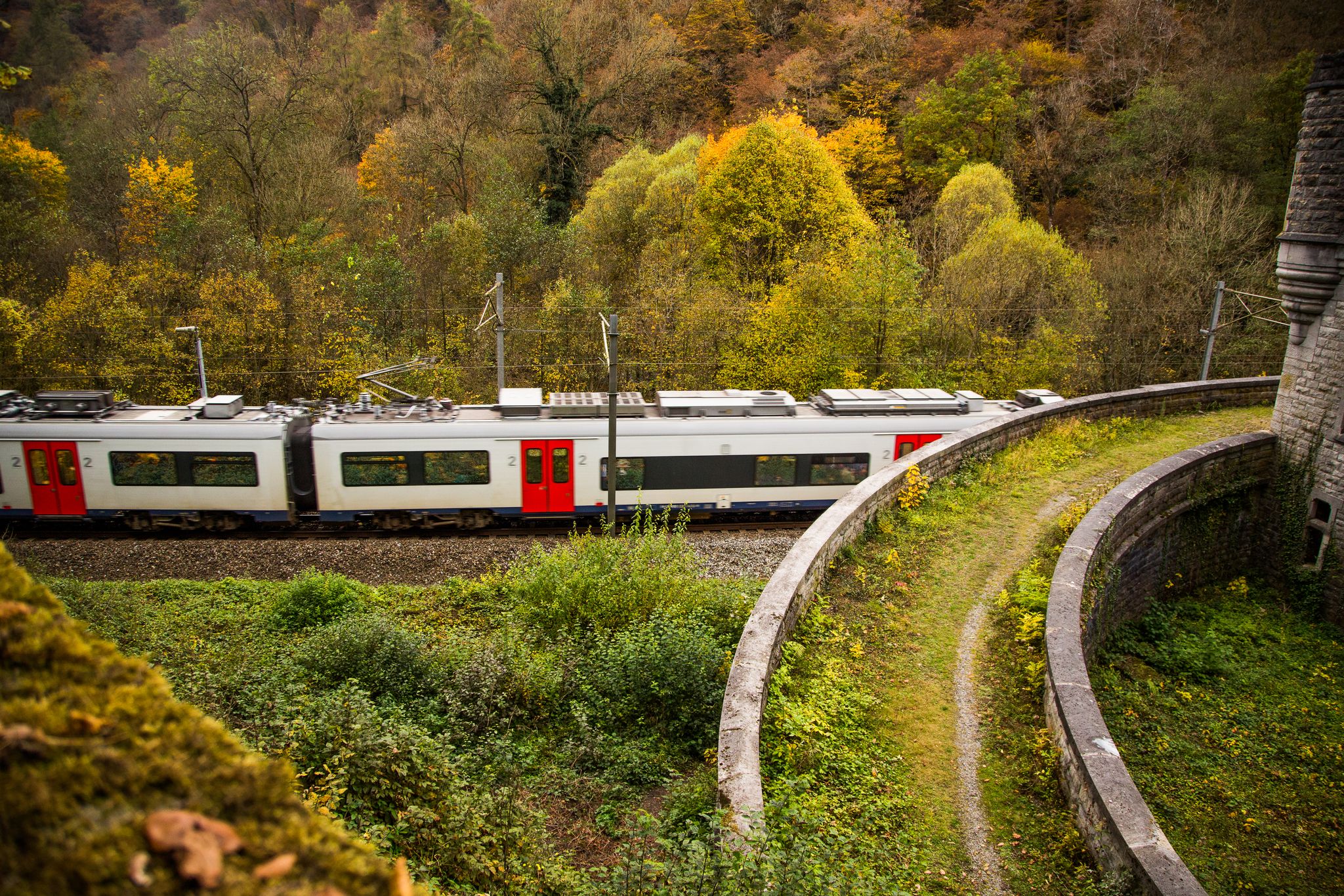
Other adventures around Forêt de Soignes - Zoniënwoud


Tips from the Community

Pillar chapel, located at the rear between the Lindevijver and the Putselvijver near the start of the so-called Processieweg, presumably from the second half of the 19th century. Damaged around 2004, subsequently restored and repainted. Little information is known about the origin and foundation of the chapel. It is not shown on the Popp map from the mid-19th century or the topographical map of 1867, but it is on the map from 1891. In the literature, it is dated around 1870. White-painted brick construction on a rectangular floor plan, covered by a steeply overhanging slate gable roof with an elaborate wooden bargeboard. Picked plinth. Round-arched niche with a barrel vault and a statue of Saint Cornelius, patron saint of farmers and cattle; he is also invoked for, among other things, epilepsy, cramps, and nerve pain. The chapel is flanked by lime trees with small chapels, dedicated to Saint Thérèse (left) and Our Lady of Lourdes (right). The Groenendaal Ponds are a historic system of five ponds in the Sonian Forest (Hoeilaart), dating from the 18th century and formerly owned by the Priory of Groenendaal. The area houses, among others, the Keizer Karelvijver pond and the Putselvijver pond, which is known as a fishing spot.
0
0

It looks a bit different than in the photo.
1
0
This tour goes for kilometers through the forest. In spring it is beautiful with the hyacinths and wood anemones. In summer nice and cool.
0
0

Pijlerkapel, located in the back between the Lindevijver and the Putselvijver near the beginning of the so-called Processieweg, presumably from the second half of the 19th century. Damaged around 2004, subsequently restored and repainted. Little is known about the origin and establishment of the chapel. It is not shown on the Popp map from the mid-19th century or the topographical map of 1867, but it is on that of 1891. In the literature, it is dated around 1870. White-painted brick construction on a rectangular floor plan, covered by a slate gable roof that projects strongly at the front, with an elaborate wooden wind board. Picked plinth. Grilled round arch niche with a barrel vault and a statue of Saint Cornelius, patron saint of farmers and cattle; he is also invoked for epilepsy, cramps, and nerve pain, among other things. The chapel is flanked by lime trees with tree chapels, dedicated to Saint Teresa (left) and Our Lady of Lourdes (right). Inventory of Immovable Heritage: Saint Cornelius Chapel flanked by lime trees with tree chapels, https://id.erfgoed.net/erfgoedobjecten/302943
5
0

Known for its distinctive shape with three protrusions that resemble the toes of a goose foot.
3
0


Good starting point for the walks in the arboretum. Especially the East and West coast of America, or the royal walk you can start here.
0
0
Frequently Asked Questions
How many dog-friendly hiking trails are available in Forêt de Soignes - Zoniënwoud?
There are over 35 dog-friendly hiking trails in Forêt de Soignes - Zoniënwoud, ranging from easy strolls to more challenging routes. Most of these are easy, with 26 routes classified as such, making them suitable for a wide range of fitness levels and dog companions.
What kind of terrain can I expect on dog-friendly trails in Forêt de Soignes - Zoniënwoud?
The trails in Forêt de Soignes - Zoniënwoud primarily feature well-maintained paths through dense beech and oak forests. You can expect surfaces that include compacted earth, gravel, and some areas with roots, especially in the older sections of the forest. The dense canopy of the beech trees often creates a shaded environment.
Are there any specific rules or regulations for walking dogs in Forêt de Soignes - Zoniënwoud?
Forêt de Soignes - Zoniënwoud is a protected natural area, and specific rules apply to dog walking to protect wildlife and other visitors. Dogs are generally required to be kept on a leash in most areas. Always look for local signage regarding leash requirements and designated off-leash zones, if any, to ensure a pleasant experience for everyone.
What are some notable natural features or landmarks I can see with my dog?
The forest itself is a UNESCO World Heritage Site, known for its ancient beech trees, often referred to as the 'Beech Cathedral'. You can also explore various ponds and historical sites. For example, the Drowned Children Ponds and Ganzepoot Pond are beautiful spots to visit. The Kapucijnendreef also offers a scenic path through the forest.
Are there any circular dog-friendly routes in the area?
Yes, many of the dog-friendly trails in Forêt de Soignes - Zoniënwoud are circular, offering convenient starting and ending points. An example is the Kleine Flos – Wooden stairs loop from Jezus-Eik, which is an easy 7.3 km route. Another option is the moderate Zonienwald (Sonian Forest) – Ganzepoot Pond loop from Sint-Genesius-Rode - Rhode-Saint-Genèse, covering about 9.5 km.
What is the best time of year to hike with my dog in Forêt de Soignes - Zoniënwoud?
Forêt de Soignes - Zoniënwoud is beautiful year-round. Spring offers vibrant greenery and blooming wildflowers like bluebells and wood anemones. Autumn provides stunning foliage colors. Summer offers cool shade under the dense canopy, while winter can transform the forest into a serene, snowy landscape. Always check local conditions, especially during hunting seasons, which may have restrictions on dog access in certain areas.
Are there any easy dog-friendly trails suitable for beginners or older dogs?
Absolutely. The majority of trails in Forêt de Soignes - Zoniënwoud are rated as easy, making them ideal for beginners, families, or dogs that prefer less strenuous walks. The Church of Our Lady – Kleine Flos loop from Jezus-Eik is a shorter, easy option at just under 4 km, perfect for a relaxed outing.
Where can I find parking or public transport access for dog-friendly trails?
Forêt de Soignes - Zoniënwoud is highly accessible. Many trailheads offer parking facilities. For public transport, several starting points are available, including areas near Middenhut in Sint-Genesius-Rode, the Forest Museum in Groenendaal, and the Koningsvijvers in Hoeilaart. The forest is also connected to Bois de la Cambre, an urban park extending into Brussels, making it easy to reach from the city.
What do other hikers say about dog-friendly trails in Forêt de Soignes - Zoniënwoud?
The area is highly rated by the komoot community, with an average score of 4.5 out of 5 stars from over 2,100 ratings. Reviewers often praise the quiet, well-maintained paths, the impressive ancient beech trees, and the overall peaceful atmosphere, making it a favorite for dog owners seeking a natural escape close to the city.
Are there any dog-friendly cafes or restaurants near Forêt de Soignes - Zoniënwoud?
While specific establishments are not listed here, the proximity of Forêt de Soignes - Zoniënwoud to various towns and villages, such as Jezus-Eik, Sint-Genesius-Rode, and Hoeilaart, means you can often find cafes and restaurants. It's always best to check in advance or look for outdoor seating options, as many places are becoming increasingly dog-friendly.
Can I find trails with water access for my dog to cool off?
Yes, Forêt de Soignes - Zoniënwoud features several streams and ponds, such as the Ganzepoot Pond and the Drowned Children Ponds. These can offer opportunities for your dog to cool down, but always be mindful of water quality and any local regulations regarding swimming or access for pets.
Most popular routes around Forêt de Soignes - Zoniënwoud
Most popular attractions around Forêt de Soignes - Zoniënwoud

Get inspired with the komoot mobile app


Explore more
Browse the best Hikes in other regions.
