Attractions and Places To See around Réserve naturelle de Sainte-Lucie - Top 4
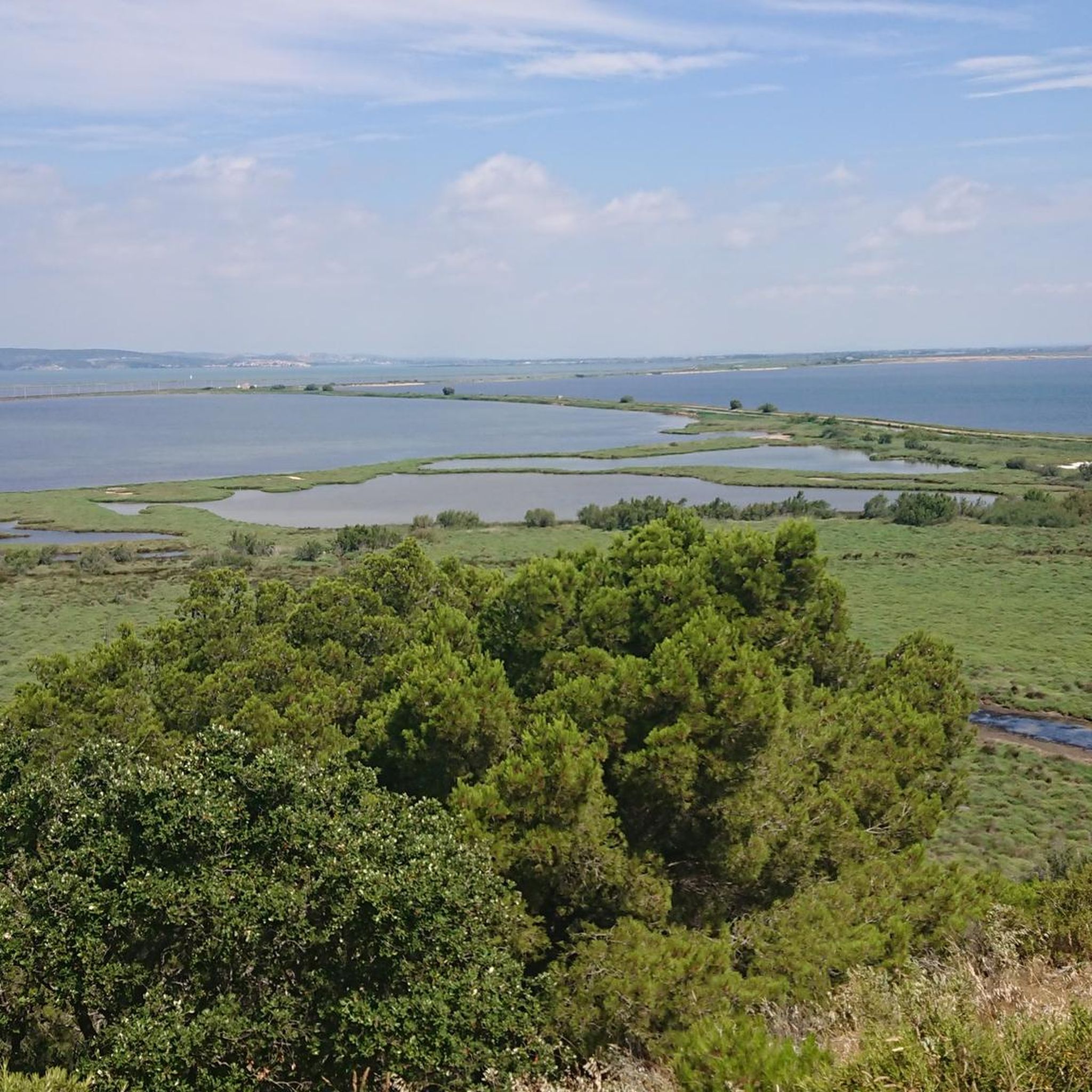
Best attractions and places to see around Réserve naturelle de Sainte-Lucie. This protected area spans 825 hectares near Narbonne and Port-la-Nouvelle, showcasing Mediterranean coastal landscapes. It features diverse ecosystems, including the limestone Île Sainte-Lucie, wild beaches, salt marshes, and wetlands. The reserve is also an ecological hotspot, supporting 193 bird species and various Mediterranean flora and fauna.
Best attractions and places to see around Réserve naturelle de Sainte-Lucie
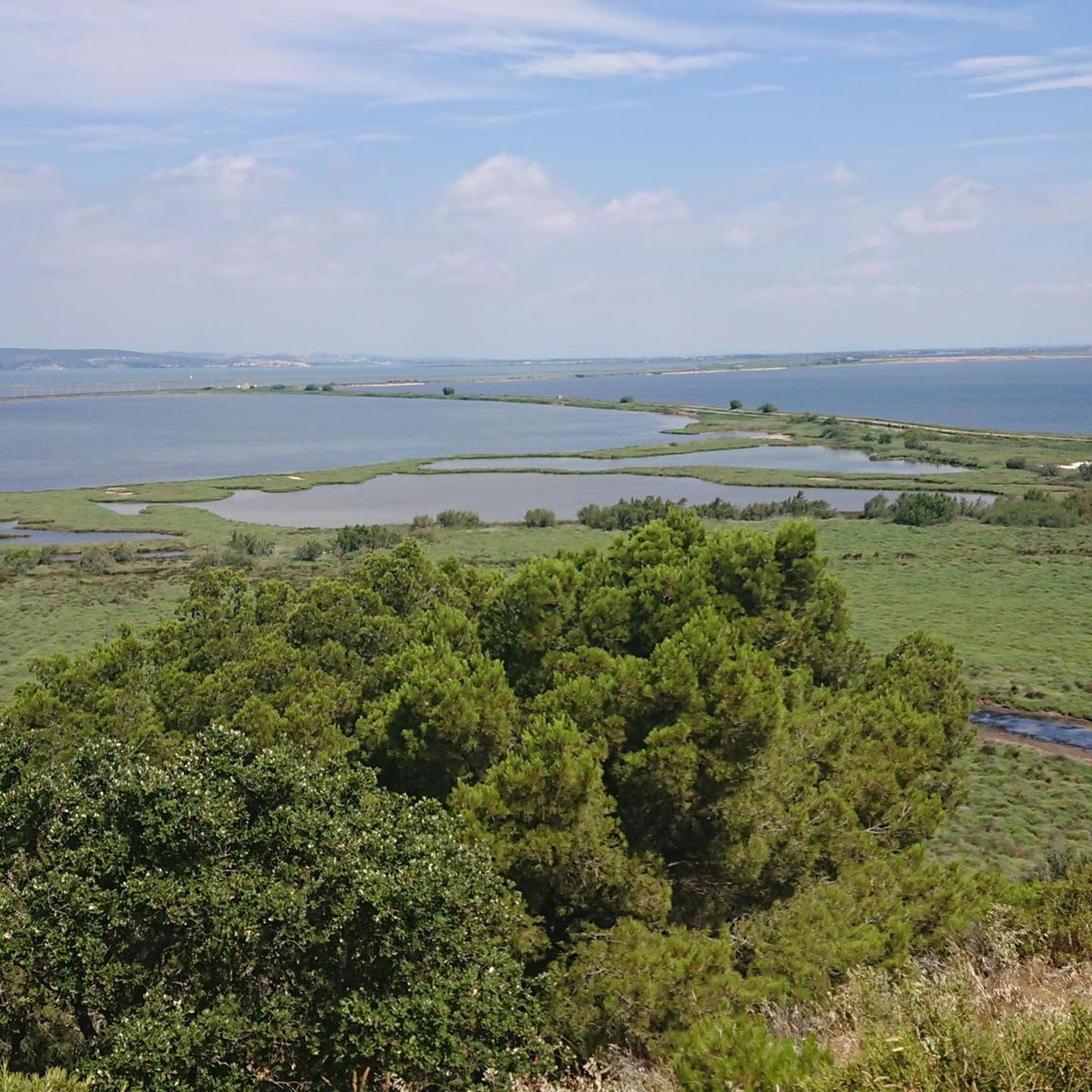
- The most popular attractions is Sainte-Lucie Island via the Canal de la…
Last updated: July 14, 2026
Sainte-Lucie Island via the Canal de la Robine
Highlight • Trail
Translated by Google •
Tip by

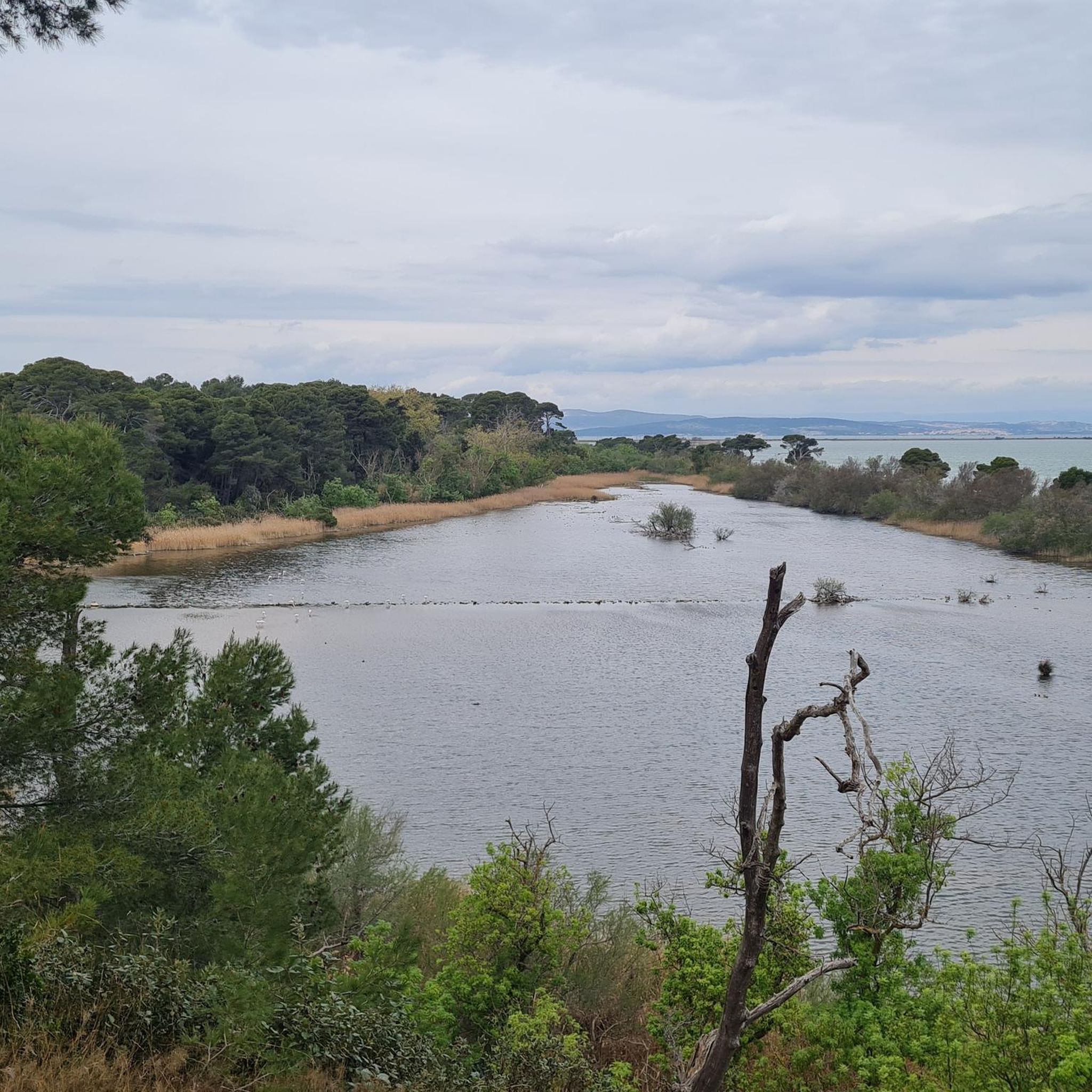
Cycle path on the Canal de la Robine
Highlight • Trail
Translated by Google •
Tip by

Sign up now to discover places like this
Get recommendations on the best single tracks, peaks, & plenty of other exciting outdoor places.
Sign up for free
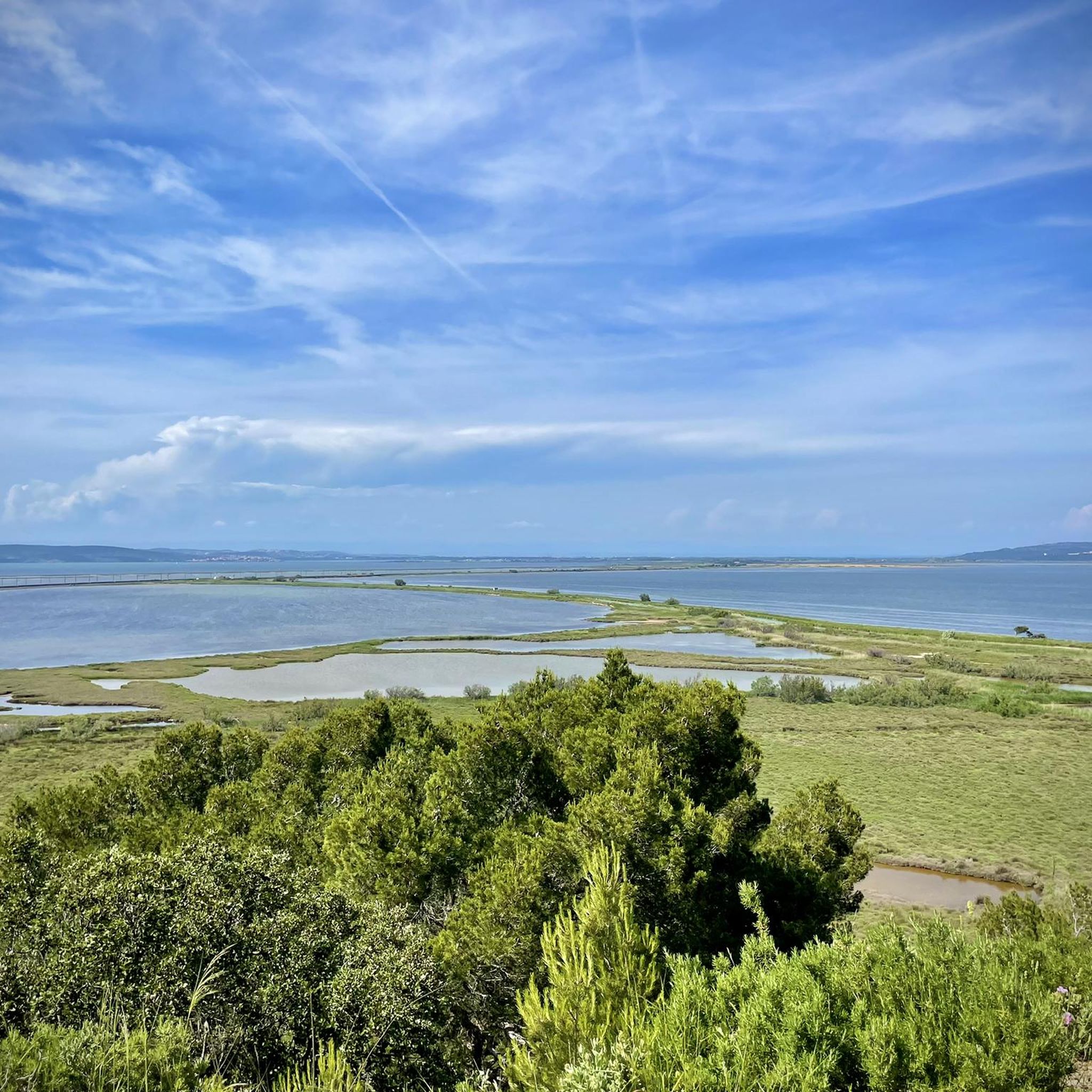
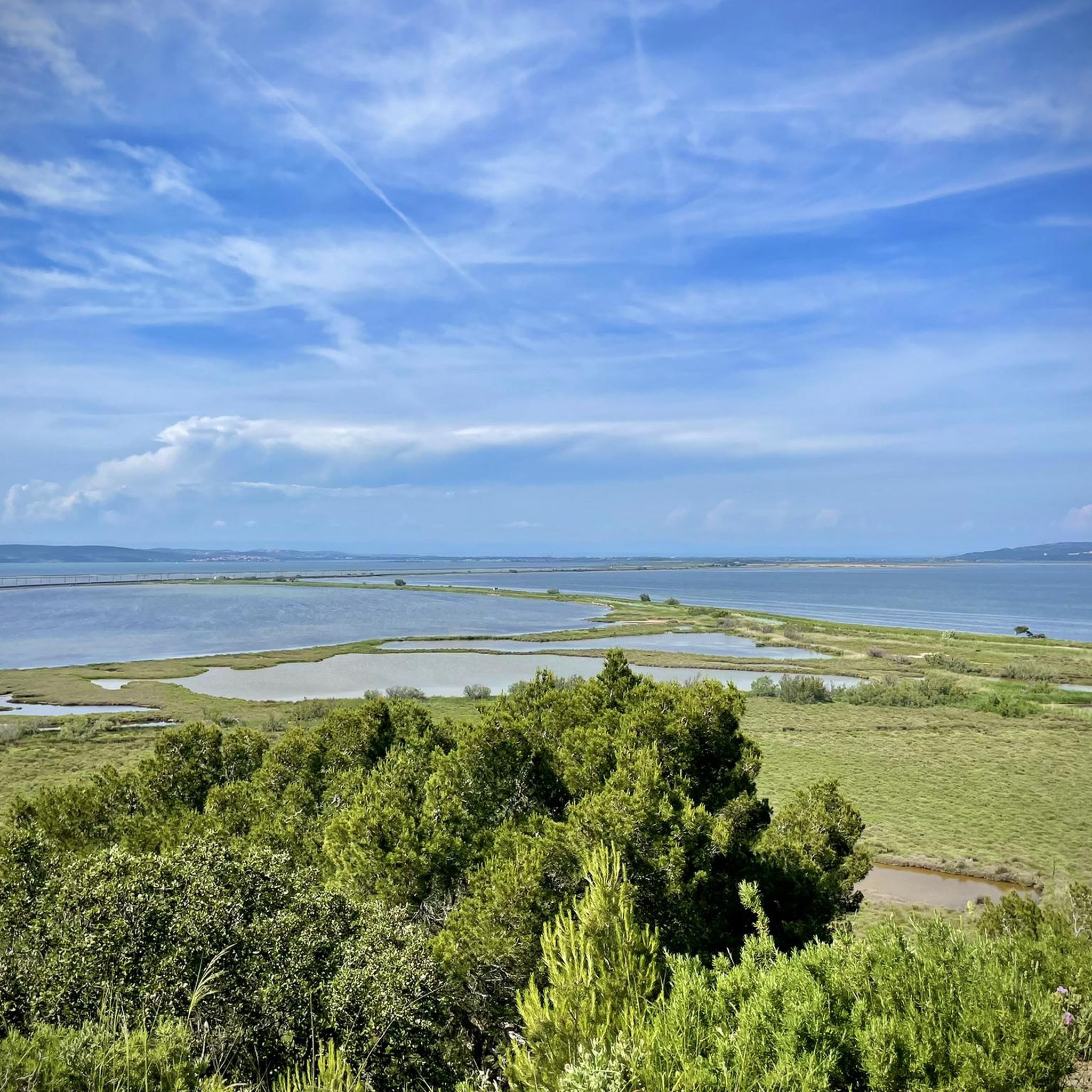
The Lookout
Highlight • Other
Translated by Google •
Tip by

Lockkeeper's House
Highlight • Other
Showing Translation
Tip by

Tour of La Vieille Nouvelle
Highlight • Historical Site
Translated by Google •
Tip by

Start today with a free account
Your next adventure awaits.
Login or Signup
Popular around Réserve naturelle de Sainte-Lucie
MTB Trails around Réserve naturelle de Sainte-Lucie
Road Cycling Routes around Réserve naturelle de Sainte-Lucie
Cycling around Réserve naturelle de Sainte-Lucie
Hiking around Réserve naturelle de Sainte-Lucie

Gravel biking around Réserve naturelle de Sainte-Lucie
Running Trails around Réserve naturelle de Sainte-Lucie
Tips from the Community

Infested with mosquitoes, avoid if you want to bivouac.
0
0

A charming place on the banks of the Canal de la Robine. A water point is also available a little further on, practical for refilling your water bottles before setting off again.
0
0

Peaceful corner. Too bad a passage was destroyed by the company that buried the fiber. The banks of the river are really lacking in maintenance, it's hard to cross in places, the path was so pleasant before this work, I hope VNF will improve these points. A tricky trick
1
0

In 2025, the route is very degraded following work carried out by VNF (burying a telecom cable). Mountain biking recommended, avoid at all costs towing a trailer or transporting a child).
0
0

Even with a headwind, there are beautiful views of the canal, lagoon and salt marshes. But the terrain is difficult and hardly suitable for racing bikes.
1
0

The Canal de la Robine between Narbonne and Port-la-Nouvelle offers a pretty bucolic stroll between land, sea and ponds. Don't miss the stop at Île Sainte-Lucie. Be careful, the canal is not very shaded.
0
0

The section is certainly very beautiful and attractive when the weather is nice. But when the wind blows, or like mine it's almost stormy, it's not an easy passage. There are almost no bushes or trees to block the wind.
1
0

Frequently Asked Questions
What natural features can I explore within the Réserve naturelle de Sainte-Lucie?
The reserve offers a rich variety of Mediterranean coastal landscapes. You can explore the limestone Île Sainte-Lucie, accessible only on foot or by bike, featuring pine forests and garrigue. The eastern end boasts wild, fine sandy beaches like Plage de la Vieille Nouvelle, backed by fragile dunes. Additionally, you'll find immense salt marshes, once active for salt production, and a mosaic of lagoons and wetlands crucial for diverse flora and fauna.
Where can I find scenic views or panoramic lookouts in the reserve?
For breathtaking vistas, head to The Lookout on Île Sainte-Lucie. This viewpoint offers panoramic views to the south, and on clear days, you might even spot the Pic du Canigou (2784 m) in the Pyrenees.
What kind of walking and cycling paths are available in the Réserve naturelle de Sainte-Lucie?
A network of trails allows visitors to explore the reserve. The Cycle path on the Canal de la Robine is a popular, accessible route for both walking and cycling, connecting to Narbonne or Port-la-Nouvelle. It's part of the EuroVelo 8 cycling route and offers many extraordinary viewpoints. There are also walking loops of varying lengths, from about 3 km to 7 km.
Are there hiking trails suitable for different skill levels?
Yes, the reserve offers trails for various abilities. You can find easy walks, such as the 7.25 km Hiking loop from Réserve naturelle de Sainte-Lucie. For a moderate challenge, consider the 7.81 km Roc Saint Antoine – The Lookout loop, which takes you to the highest point of Île Sainte-Lucie.
What outdoor activities can I do near the Réserve naturelle de Sainte-Lucie?
Beyond walking and cycling within the reserve, the surrounding area offers diverse outdoor activities. You can explore numerous hiking routes, including coastal paths and loops around the lagoons. For cyclists, there are extensive road cycling routes and gravel biking trails that take you through varied landscapes, from the coast to the nearby Corbières hills.
Are there any historical or cultural sites within the reserve?
While primarily a natural reserve, the Refuge Littoral du Domaine de Sainte-Lucie on the island holds significant history. It has served as a convent, a large agricultural and viticultural estate, and a hunting lodge over twenty centuries. The landscape also bears the historical mark of past salt production in the ancient salt marshes.
Is the Réserve naturelle de Sainte-Lucie accessible by public transport or car, and is parking available?
The reserve is accessible, particularly via the towpath of the Canal de la Robine, which can be reached from Narbonne or Port-la-Nouvelle. While specific public transport details aren't provided, the canal path makes it easy to access by bike or on foot. Parking is generally available near the main access points, such as the lock house, though it's advisable to check local signage.
Is the reserve family-friendly, and are there activities for children?
Yes, the reserve is family-friendly. The accessible walking and cycling paths, especially along the Canal de la Robine, are suitable for families. Children can enjoy spotting diverse wildlife, including numerous bird species, and exploring the unique natural environments like the beaches and salt marshes. The shorter walking loops are also ideal for families.
What is the dog policy for visiting the Réserve naturelle de Sainte-Lucie?
Dogs are generally prohibited on Île Sainte-Lucie itself, as it is a regional nature reserve dedicated to protecting its fragile ecosystems and wildlife. It's important to respect these rules to preserve the natural habitat, especially for breeding bird species. Always check local signage for the most current regulations.
What is the best time of year to visit the Réserve naturelle de Sainte-Lucie?
The reserve is beautiful year-round, but spring and autumn are often ideal for comfortable exploration, with milder temperatures. June is particularly vibrant when the rare Great Statice species blooms with beautiful violet hues in the salt marshes. Birdwatchers will find different species throughout the year, with breeding birds present in spring and summer, and migratory birds in autumn and winter.
Are there specific areas for birdwatching or wildlife spotting?
Absolutely. The reserve is a significant ecological hotspot, particularly for ornithologists. With 193 bird species recorded, the lagoons, wetlands, and salt marshes are prime locations for birdwatching. Keep an eye out for avocets and little terns, which breed here, as well as various Mediterranean plant species, reptiles like the Psammodrome des sables lizard, and diverse insects.
How long does it typically take to visit the main attractions in the reserve?
The duration of your visit can vary depending on your interests. A small walking loop around parts of the island might take 1-1.5 hours, while a larger loop covering about 7 km could take around 2.5 hours. If you plan to cycle the full length of the Sainte-Lucie Island via the Canal de la Robine path and explore various viewpoints, you could easily spend half a day or more.
Most popular routes around Réserve naturelle de Sainte-Lucie

Get inspired with the komoot mobile app


Explore more
Still not found the Highlight you’re looking for? See guides of the top attractions in other regions:
