Attractions and Places To See around Réserve naturelle des Hauts de Chartreuse - Top 20
Best attractions and places to see around Réserve naturelle des Hauts de Chartreuse, nestled in the French Alps, is a protected area known for its natural beauty and diverse ecosystems. This region extends from Mont Granier to the Dent de Crolles, characterized by rocky monuments and high walls. Accessible primarily on foot, it offers a variety of natural features and points of interest for exploration.
Best attractions and places to see around Réserve naturelle des Hauts de Chartreuse
- The most popular attractions is Granier Pass, a mountain pass that offers routes into the Chartreuse massif or down to the vineyards of Apremont. It provides a superb panorama.
- Another must-see spot is Saint-Même Cirque Waterfalls, a waterfall site featuring 4 cascades and access to the resurgence cave of the Guiers Vif spring. This natural site is located at the foot of the Hauts de Chartreuse nature reserve.
- Visitors also love Dent de Crolles, a summit reaching 2,062 meters. From its top, the view emerges over the entire Grésivaudan valley, making it a notable viewpoint.
- Réserve naturelle des Hauts de Chartreuse is known for its natural features, including waterfalls, mountain passes, and summits. These offer a variety of attractions to see and explore.
- The attractions around Réserve naturelle des Hauts de Chartreuse are appreciated by the komoot community, with 29 highlights, over 80 photos, and more than 240 upvotes.
Last updated: July 7, 2026
Saint-Même Cirque Waterfalls
Highlight • Waterfall
Translated by Google •
Tip by

Granier Pass
Highlight • Mountain Pass
Translated by Google •
Tip by

Sign up now to discover places like this
Get recommendations on the best single tracks, peaks, & plenty of other exciting outdoor places.
Sign up for free
Dent de Crolles
Highlight • Summit
Translated by Google •
Tip by

Aulp du Seuil Pass
Highlight • Mountain Pass
Translated by Google •
Tip by

Bellefont Pass
Highlight • Mountain Pass
Translated by Google •
Tip by

Sign up for free to discover even more attractions around Réserve naturelle des Hauts de Chartreuse.
Sign up for free
Already have an account?
Start today with a free account
Your next adventure awaits.
Login or Signup
Popular around Réserve naturelle des Hauts de Chartreuse
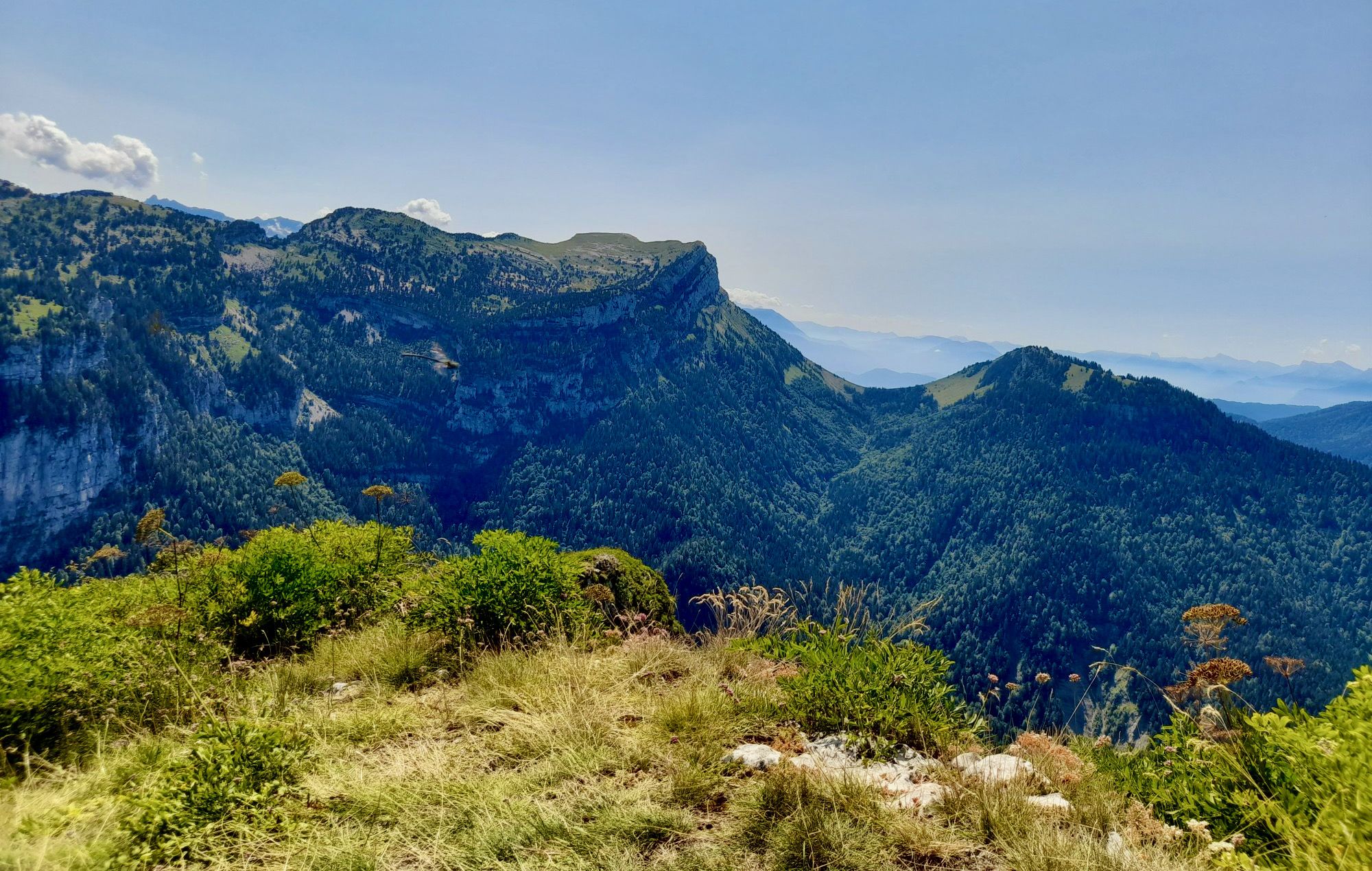
From Chambéry to Grenoble — the Trans-Chartreuse in France
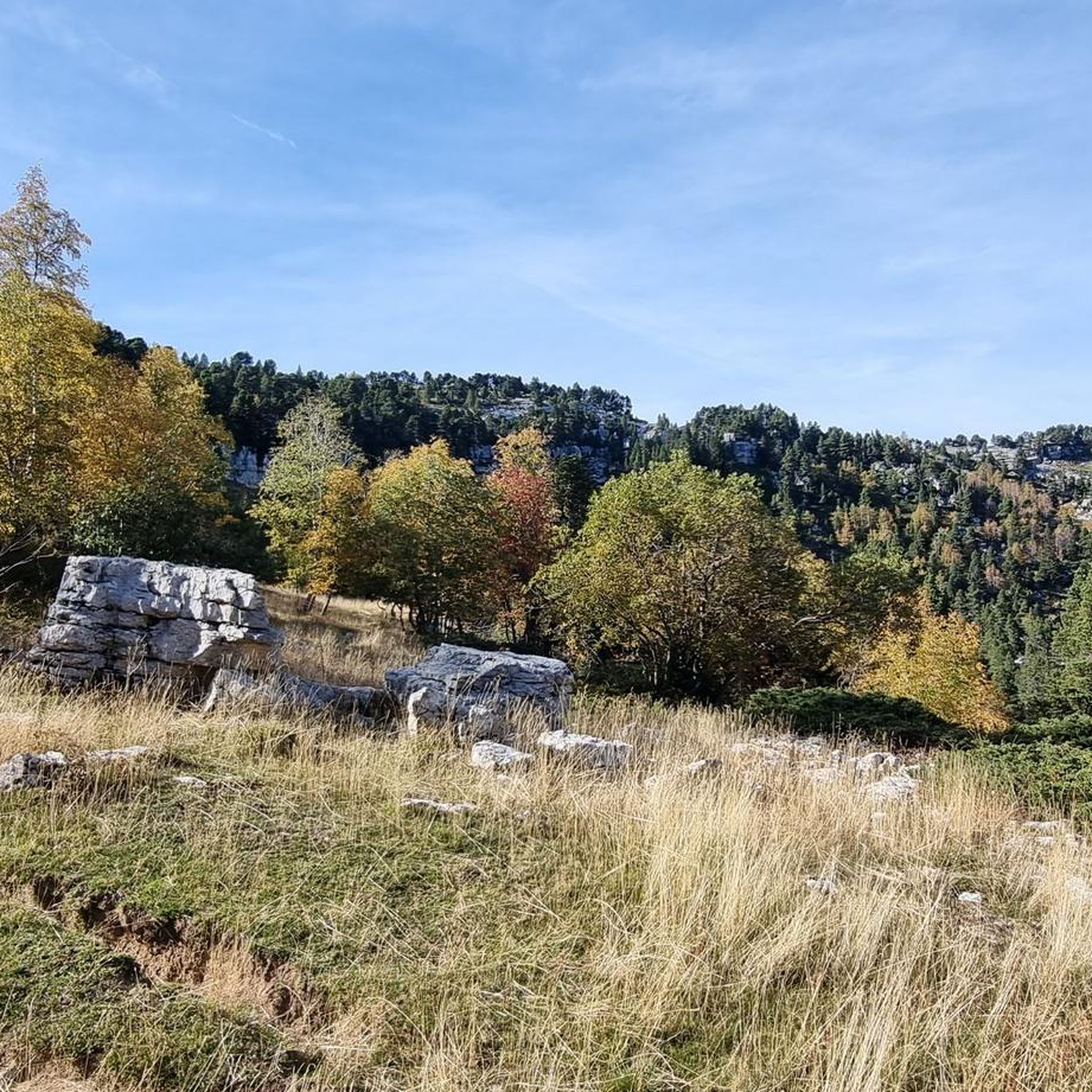
Running Trails around Réserve naturelle des Hauts de Chartreuse
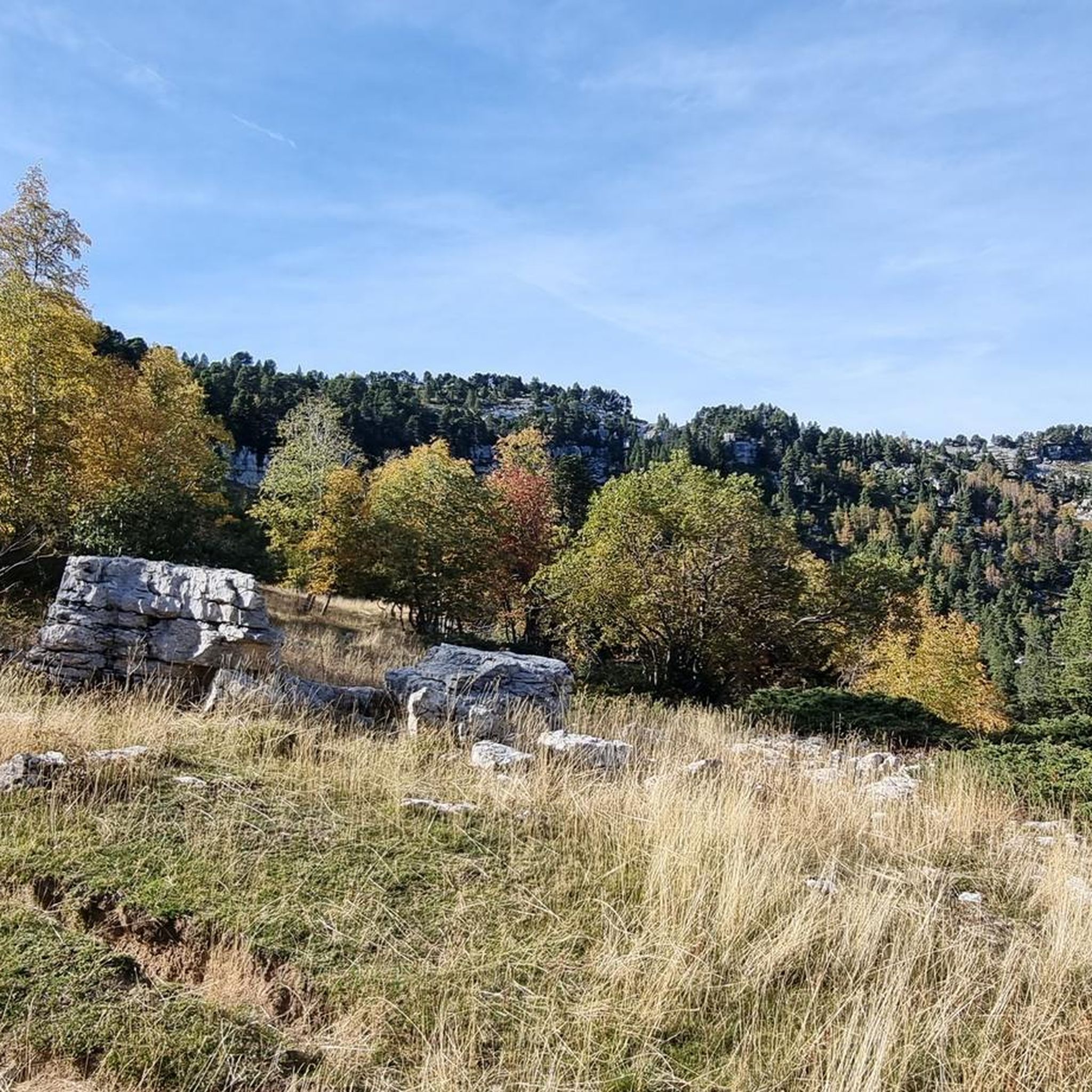
Cycling around Réserve naturelle des Hauts de Chartreuse
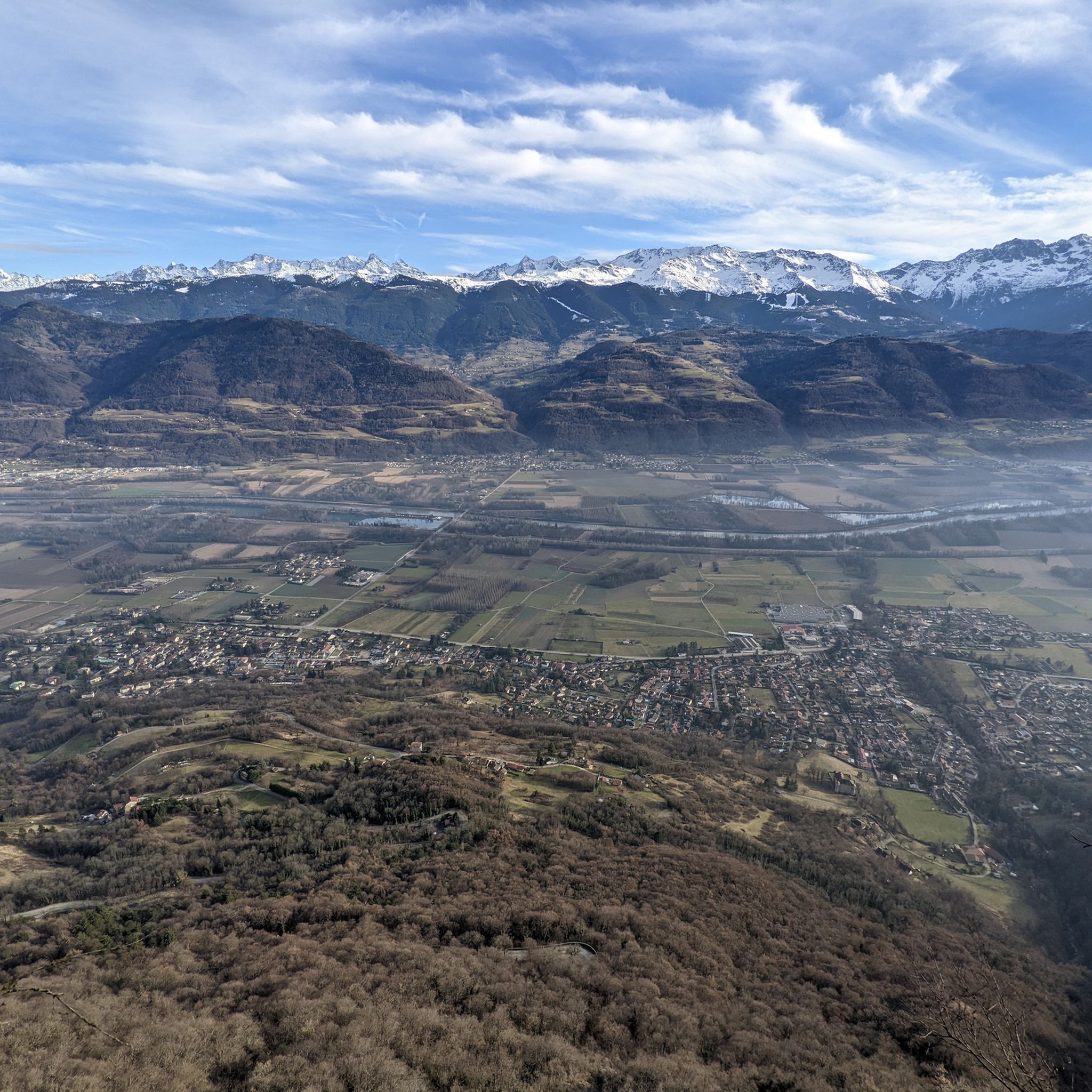
Hiking around Réserve naturelle des Hauts de Chartreuse
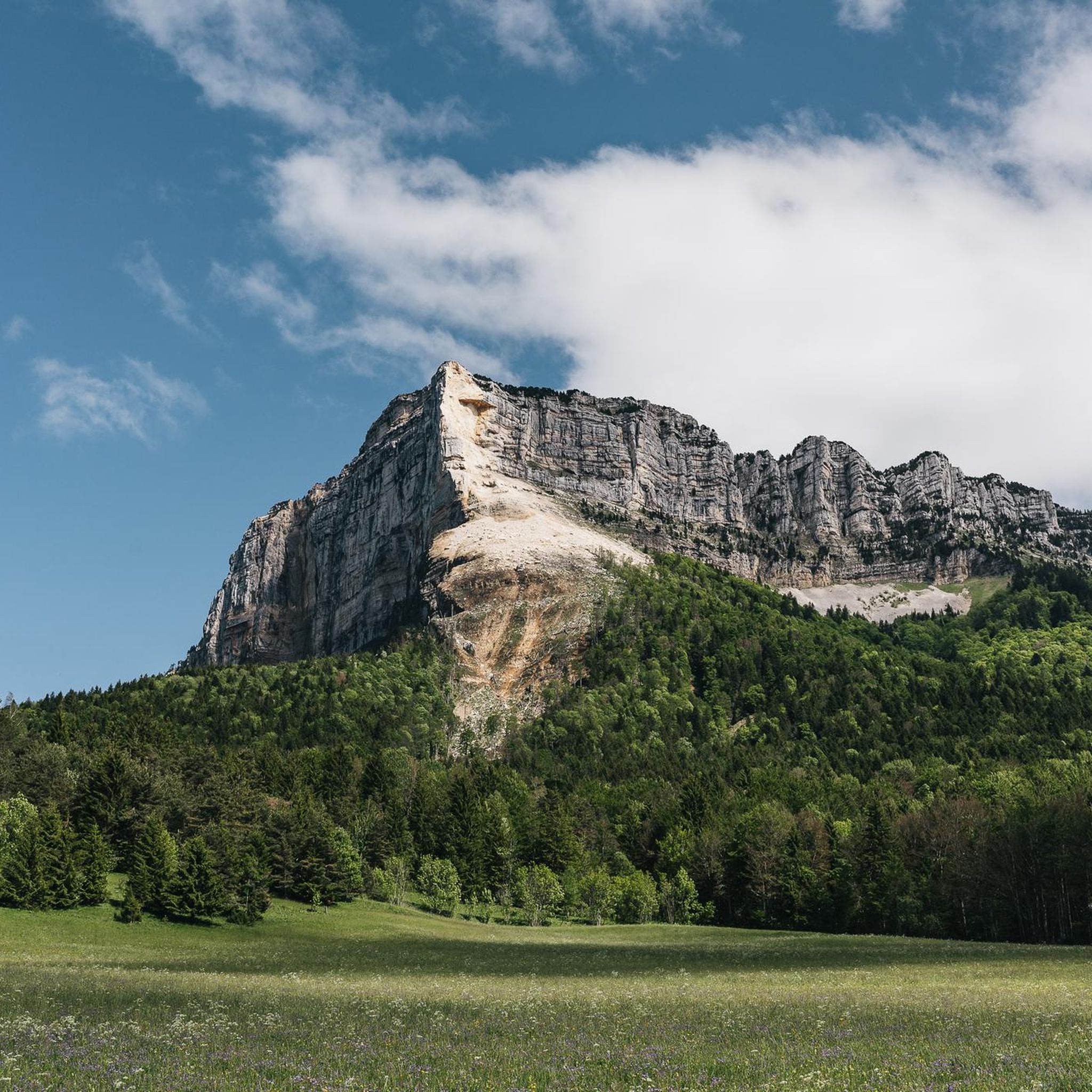
Road Cycling Routes around Réserve naturelle des Hauts de Chartreuse
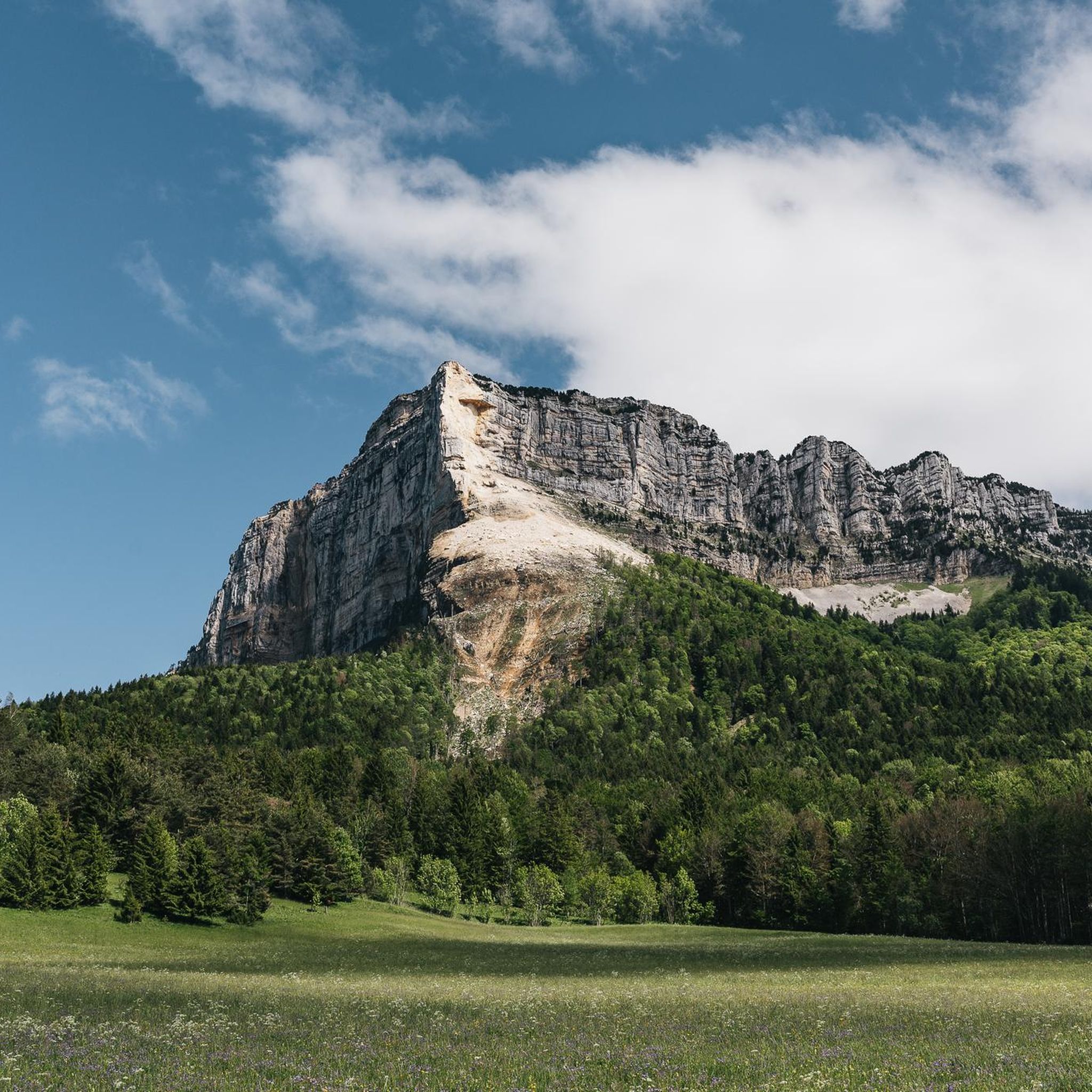
MTB Trails around Réserve naturelle des Hauts de Chartreuse
Mountain Hikes around Réserve naturelle des Hauts de Chartreuse
Gravel biking around Réserve naturelle des Hauts de Chartreuse
Other adventures around Réserve naturelle des Hauts de Chartreuse

Tips from the Community

The Cirque de Saint-Même, located at an altitude of 900 m, offers walkers landscapes of rare beauty. In a green setting, you will enjoy the coolness of three superb waterfalls dominated by an impressive cliff amphitheater. https://www.chartreuse-tourisme.com/offres/cirque-de-saint-meme-saint-pierre-dentremont-fr-2715680/
0
0

Proper climb from Chambery, beautiful views of the Chartreuse.
0
0

The access is very well signposted, and you can do a lovely loop hike, starting from Saint-Même-le-Haut, or from Saint-Pierre-d'Entremont for the more adventurous. At the end of winter, the water level can be very high.
0
0

The cross of the Aulp du seuil is located at 1825m above the cirque and marks the entrance to the high plateaus.
0
0

Warning: The climb from the east side is extremely steep! An average gradient of around 10% over 9-10 km.
2
0

A stunning summit with views of Mont Blanc. The two climbs from the Col des Ayes are relatively steep, but steel cables are installed at the more dangerous sections. The climb north via the Trou du Glaz is a bit longer and a bit easier. The climb east is a bit steeper and more exposed. The view is good, though.
1
0
Magnificent! But be careful on the second part it is much more technical so hiking is ok, running less so :/
0
0

Very good and quite accessible as a pass. Be careful of overtaking cars.
1
2
Frequently Asked Questions
What are the most notable natural features and landmarks in the Réserve naturelle des Hauts de Chartreuse?
The reserve is renowned for its exceptional natural beauty. Key features include the stunning Saint-Même Cirque Waterfalls, the panoramic views from the Dent de Crolles (the highest point in the reserve), and significant mountain passes like Granier Pass and Bellefont Pass. The area is also characterized by impressive rocky monuments, high walls, and extensive karstic networks with caves.
Are there any impressive waterfalls to visit in the reserve?
Yes, the Saint-Même Cirque Waterfalls are a must-see natural site. Located at 900 meters altitude, this cirque features four magnificent cascades: Cascade des Sources, Grande Cascade, Cascade Isolée, and Pisse du Guiers. They tumble over an amphitheater of limestone cliffs up to 500 meters high, with waters originating from the underground sources of the Guiers Vif.
What kind of views can I expect from the summits in the Réserve naturelle des Hauts de Chartreuse?
From the summit of the Dent de Crolles, reaching 2,062 meters, you can enjoy panoramic views over the entire Grésivaudan valley. Similarly, Bellefont Pass, at 1,902 meters, offers breathtaking vistas of Mont Blanc and the highest peaks of the Chartreuse massif.
Is the Réserve naturelle des Hauts de Chartreuse suitable for families?
Yes, several attractions are family-friendly. The Saint-Même Cirque Waterfalls, for instance, offer a beautiful walk between forest and torrent, with trails suitable for children. Visitors describe it as a very nice hike without difficulty, ideal for families.
What is the best time of year to visit the Réserve naturelle des Hauts de Chartreuse?
The reserve offers beauty throughout the year. Spring and summer are ideal for hiking and enjoying the lush flora and waterfalls. Autumn brings vibrant colors to the forests. While accessible primarily on foot, some areas might be challenging in winter due to snow, though winter hiking can also be rewarding for experienced visitors.
What kind of wildlife can I spot in the reserve?
The reserve boasts a rich biodiversity. It's home to nearly 75 species of breeding birds, including the Black Grouse, Ring Ouzel, Golden Eagles, and Alpine Accentors. You might also spot 43 species of mammals, with 23 being bats. The forests provide habitat for species like the Alpine Rosalia beetle, Tengmalm's owl, and the black woodpecker.
What hiking opportunities are available in the Réserve naturelle des Hauts de Chartreuse?
The reserve is a hiker's paradise, accessible primarily on foot. You can explore trails like the 'sentier des cascades' at Saint-Même Cirque. For more challenging routes, consider mountain hikes such as the 'Le pas de l'œil – Dent de Crolles loop' or the 'Mont Granier – Col de l'Alpette loop'. You can find more details on these and other routes in the Mountain Hikes around Réserve naturelle des Hauts de Chartreuse guide.
Are there cycling routes around the attractions?
Yes, the region offers various cycling opportunities. You can find routes like the 'Col du Granier loop from Chapareillan' for touring bicycles, or more challenging road cycling routes such as the 'Col du Coq – Saint-Hilaire-du-Touvet loop'. Explore more options in the Cycling around Réserve naturelle des Hauts de Chartreuse guide and the Road Cycling Routes around Réserve naturelle des Hauts de Chartreuse guide.
What makes the Granier Pass a popular spot for visitors?
The Granier Pass is a classic destination, offering a superb panorama. From the pass, visitors can choose to continue deeper into the Chartreuse massif or descend towards the vineyards of Apremont and around Lake Saint-André, making it a versatile starting point for exploration.
What is unique about the geology of the Chartreuse massif?
The Chartreuse massif is characterized by its distinctive geology, primarily sedimentary rocks that have been folded and uplifted. This has led to the formation of extensive karstic networks and caves, some of which are among the longest in Europe. Surface manifestations include scree, lapiaz (limestone pavements), and limestone towers, along with a notable absence of flowing surface water due to underground drainage.
Can I bring my dog to the Réserve naturelle des Hauts de Chartreuse?
While the reserve is a natural area, specific regulations regarding dogs can vary. It's generally recommended to keep dogs on a leash to protect wildlife and ensure a pleasant experience for all visitors. Always check local signage or the official Chartreuse Regional Natural Park website for the most current rules regarding pets in specific areas of the reserve.
How can I access the Réserve naturelle des Hauts de Chartreuse?
The reserve is primarily accessible on foot, with various entry points leading to hiking trails. Access often involves driving to nearby villages or parking areas at the base of the mountains. Public transport options might be limited, so planning your journey by car to trailheads is often the most practical approach. Always check for specific parking availability and any permit requirements for certain areas.
Most popular routes around Réserve naturelle des Hauts de Chartreuse
Most popular attractions around Réserve naturelle des Hauts de Chartreuse

Get inspired with the komoot mobile app


Explore more
Still not found the Highlight you’re looking for? See guides of the top attractions in other regions:
