Top 20 Mountain Passes around Parc national des Cévennes (cœur)
Mountain passes around Parc national des Cévennes (cœur) traverse a rugged landscape within the Massif Central. This region features diverse terrain, including high-altitude routes and access points to significant natural and historical sites. The passes offer varied elevations and provide trails and viewpoints across the Cévennes Mountains. The area is known for its natural features and serves as a destination for outdoor activities.
Best mountain passes around Parc national des Cévennes (cœur)
- The most popular mountain passes is Perjuret Pass…
Last updated: April 28, 2026
Minier Pass
Highlight • Mountain Pass
Translated by Google •
Tip by

Sapet Pass
Highlight • Mountain Pass
Translated by Google •
Tip by

Sign up now to discover places like this
Get recommendations on the best single tracks, peaks, & plenty of other exciting outdoor places.
Sign up for free
Lusette Pass
Highlight • Mountain Pass
Translated by Google •
Tip by

Loubière Pass
Highlight • Mountain Pass
Showing Translation
Tip by
Perjuret Pass
Highlight • Mountain Pass
Translated by Google •
Tip by

Sign up for free to discover even more mountain passes around Parc national des Cévennes (cœur).
Sign up for free
Already have an account?
Start today with a free account
Your next adventure awaits.
Login or Signup
Popular around Parc national des Cévennes (cœur)
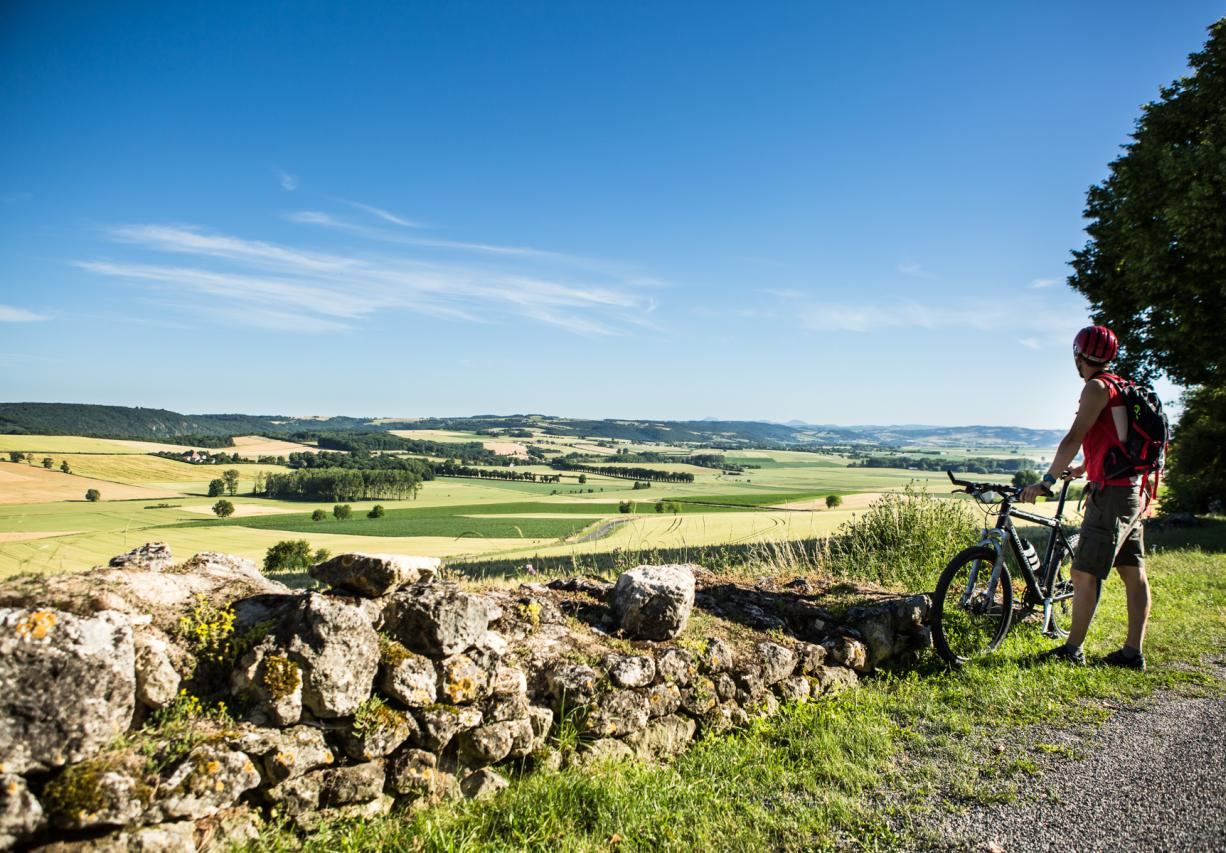
The Grande traversée du Massif Central by gravel bike
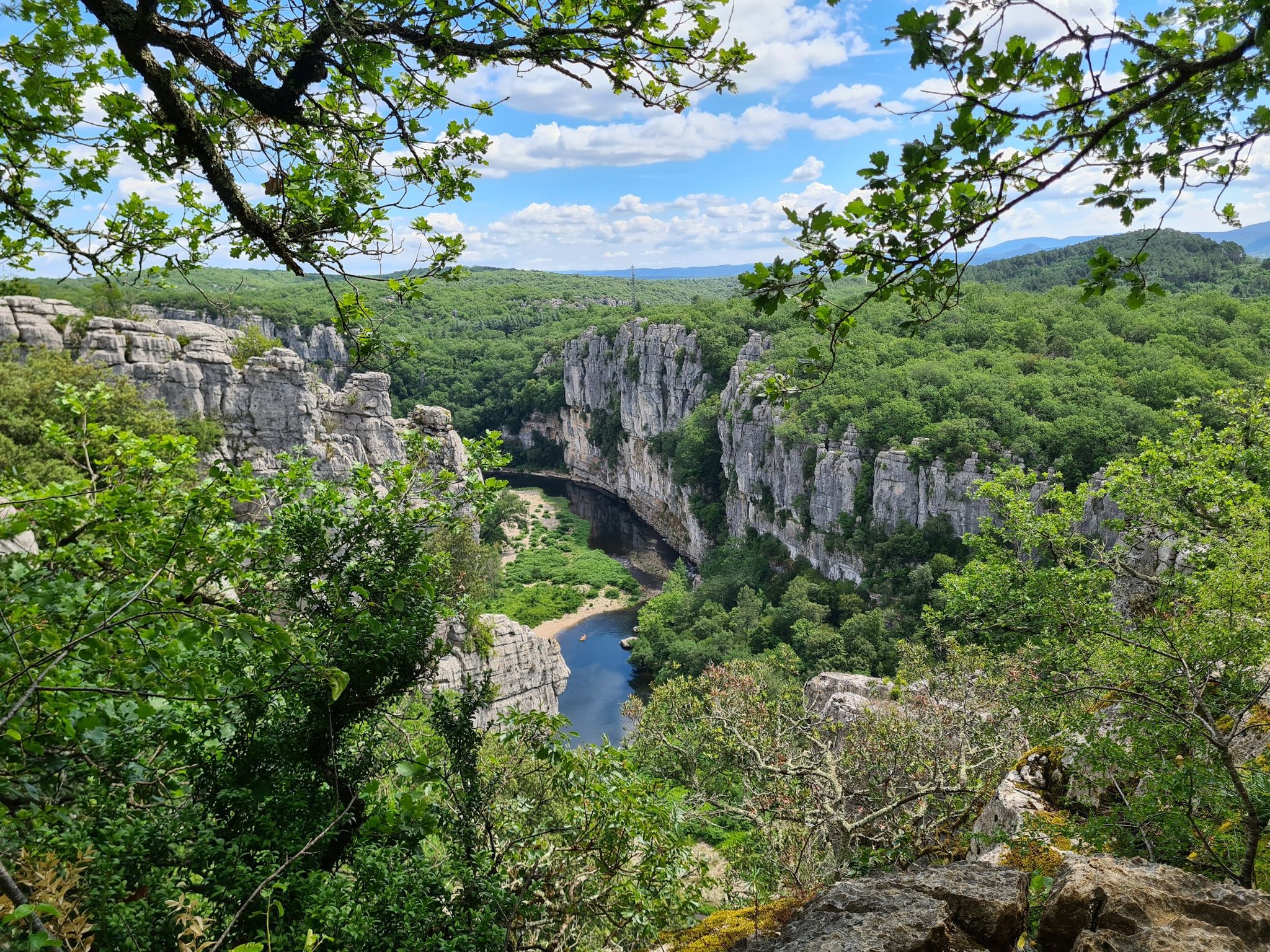
Hexatrek – The Cévennes to the Pyrenees between gorges and limestone plateau
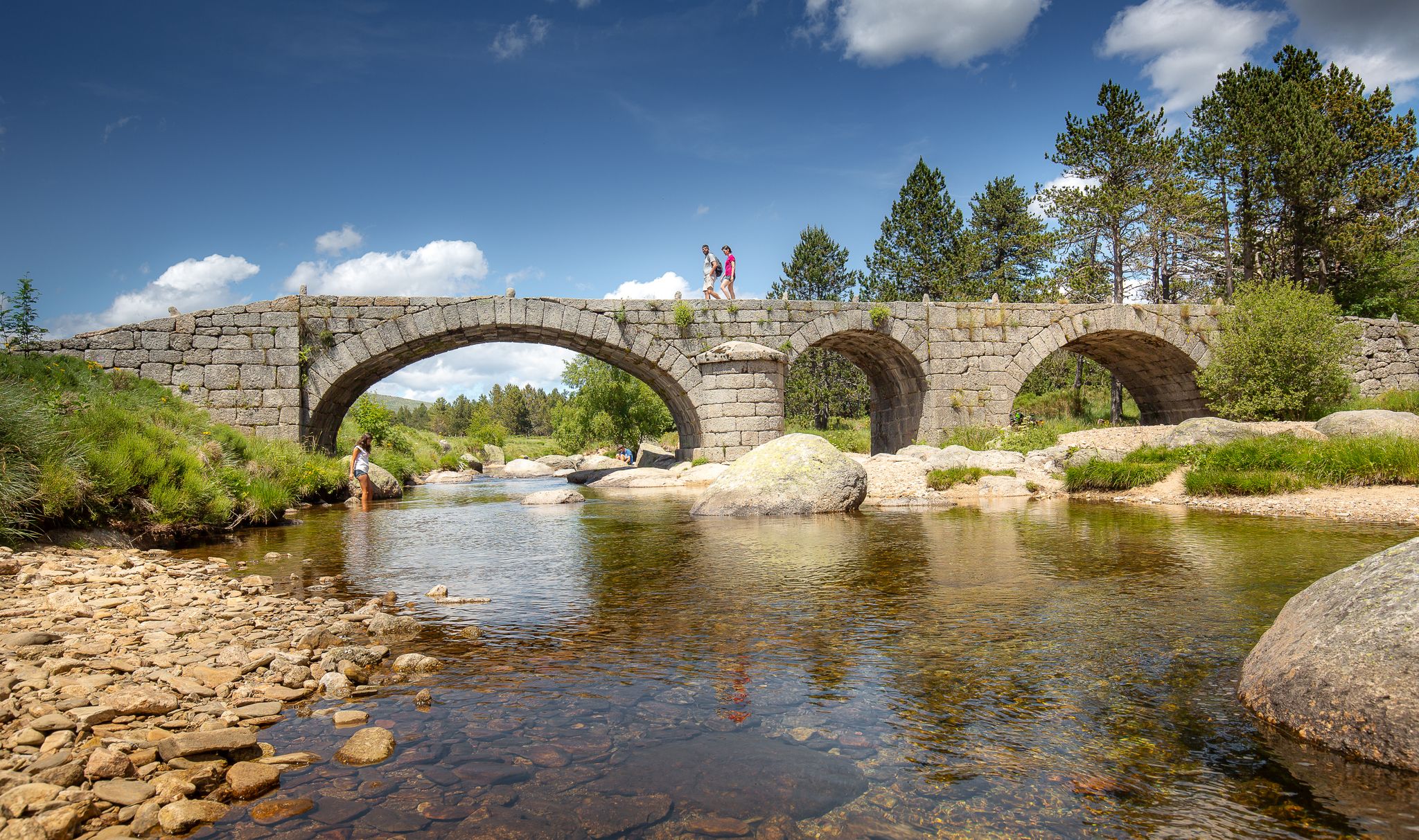
The most beautiful walks in Lozère
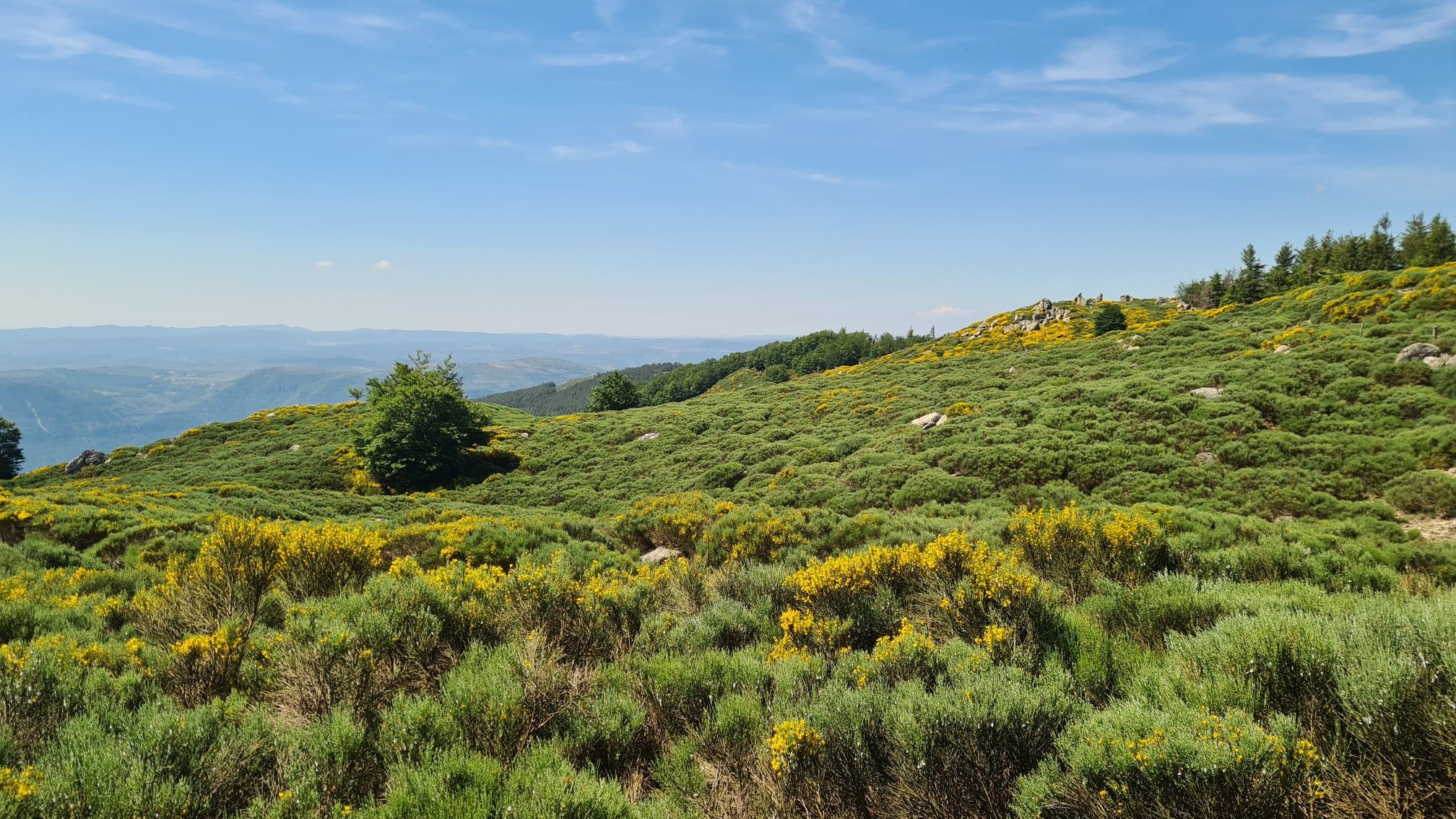
From L'Espérou to Lodève - Explore the Cevennes on the GR 71
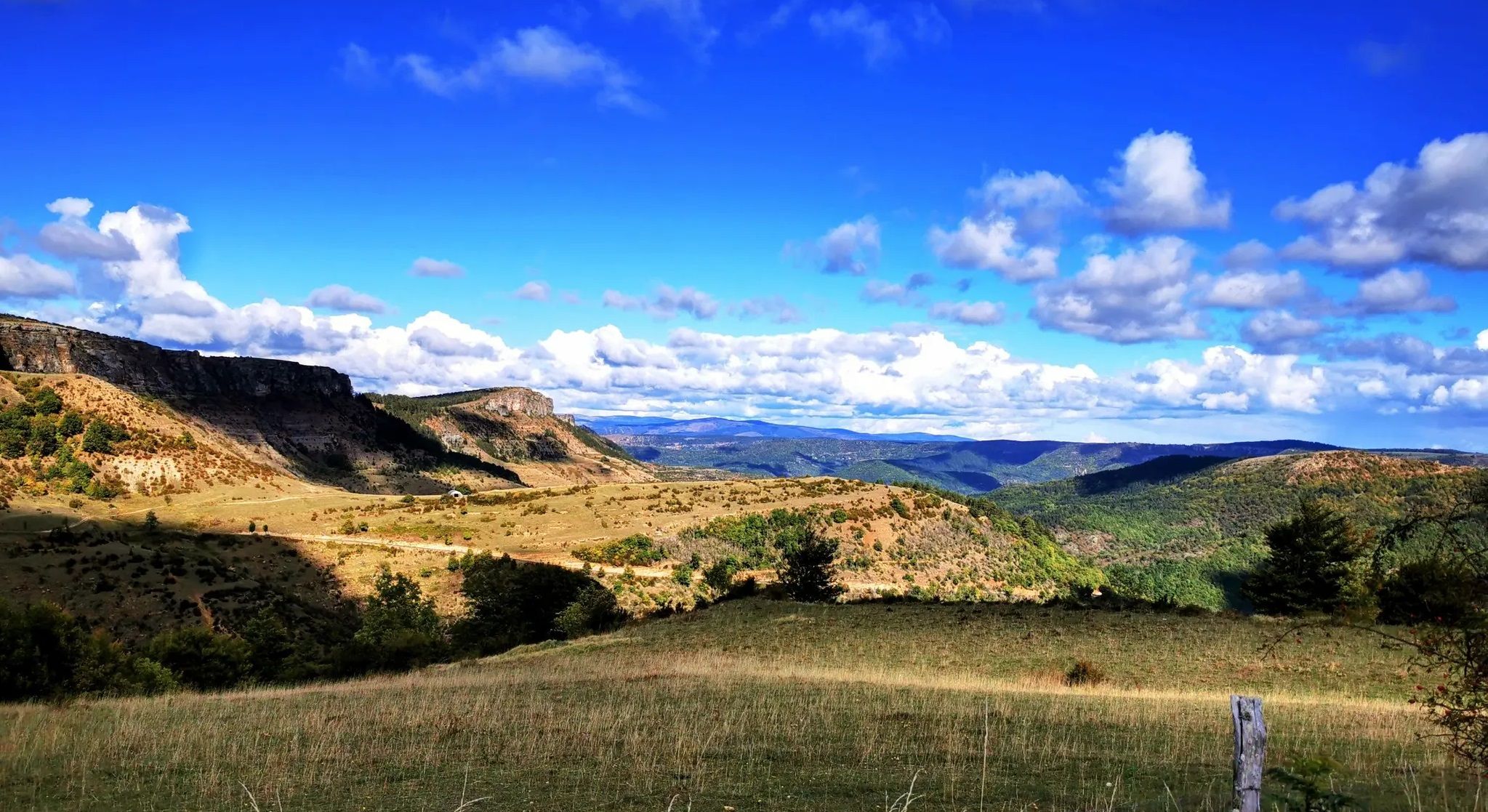
Crossing the Cévennes – a mountain bike trip in the heart of nature
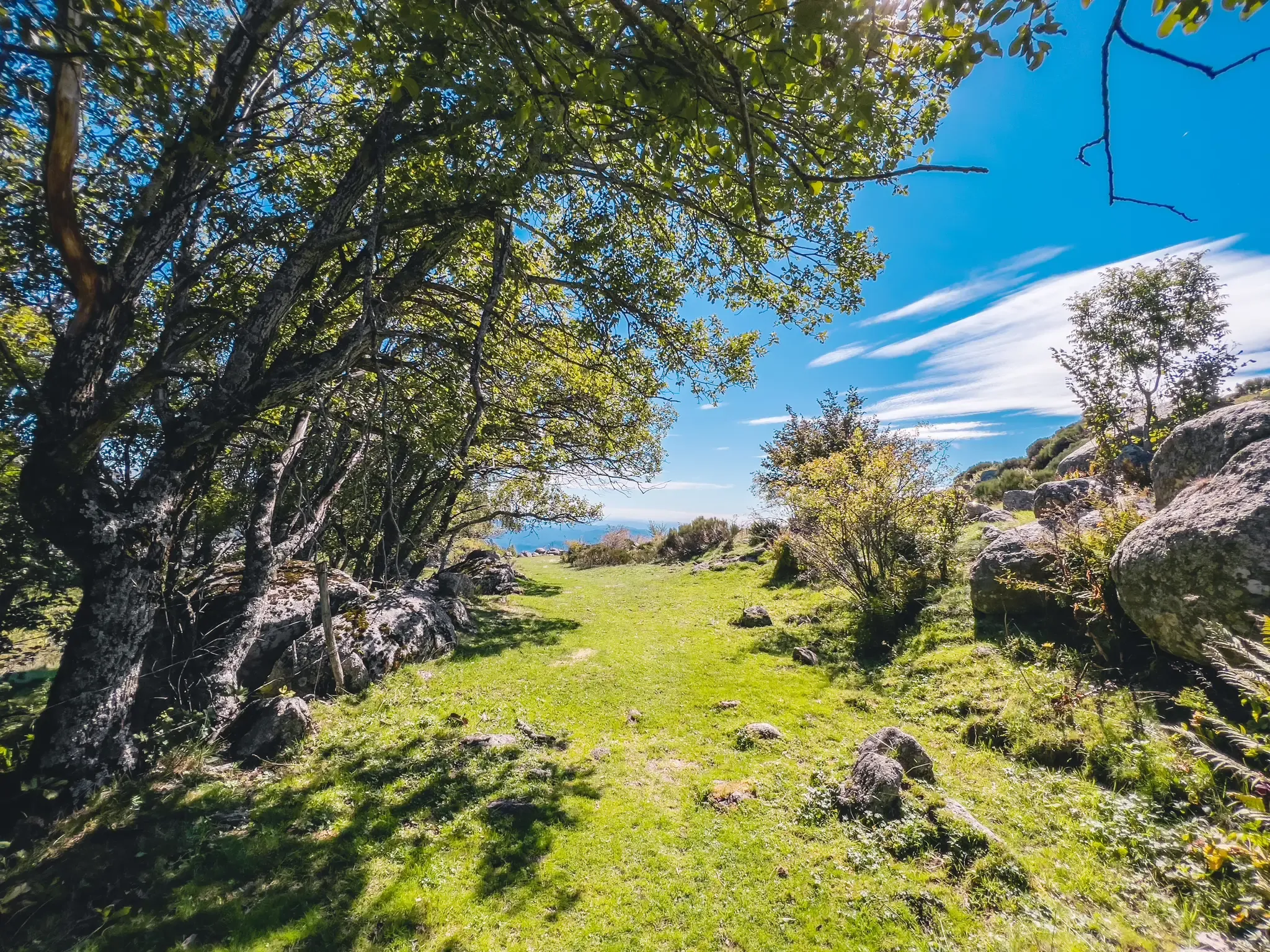
UNESCO landscapes and unique biodiversity – around Mont Lozère
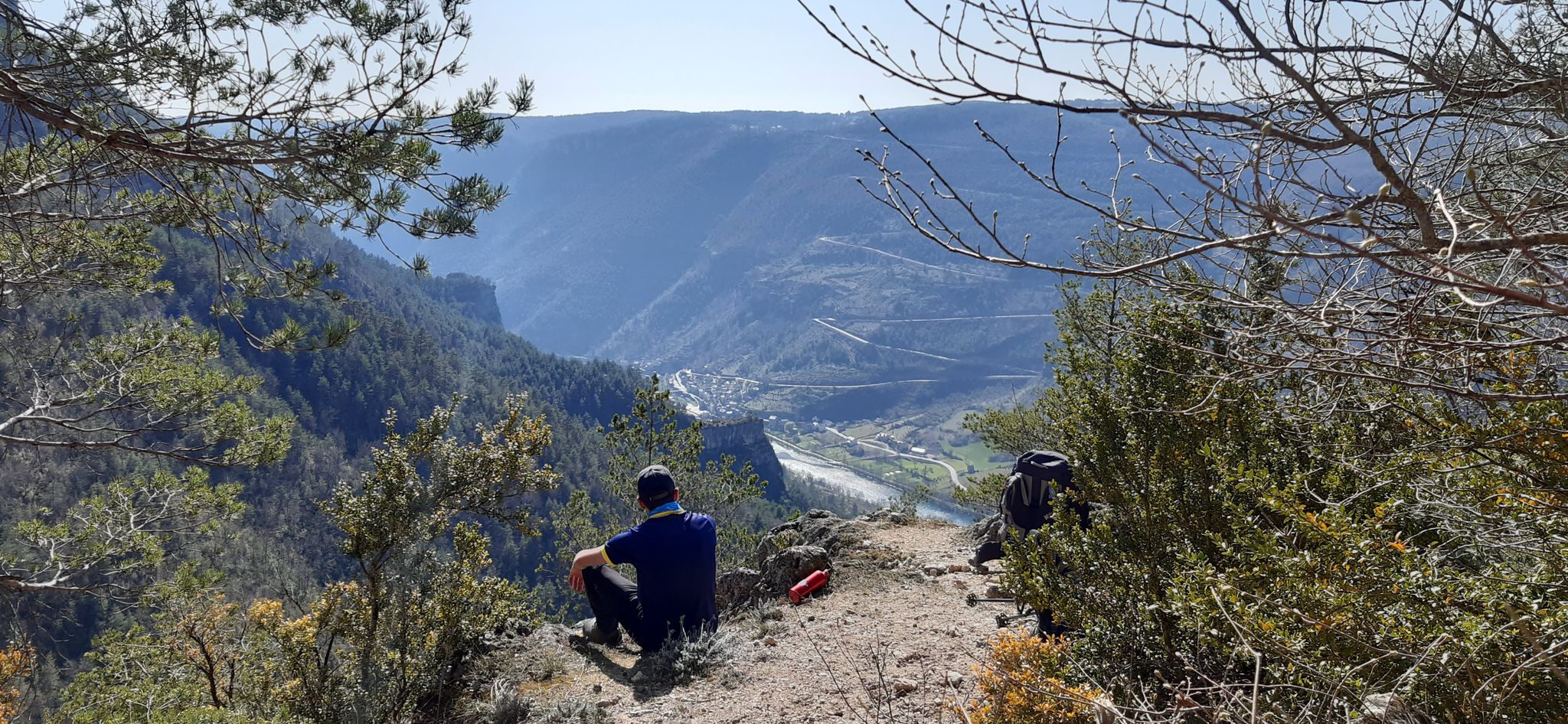
Walking to the rhythm of the Causses — The GRP Tour du Causse Méjean
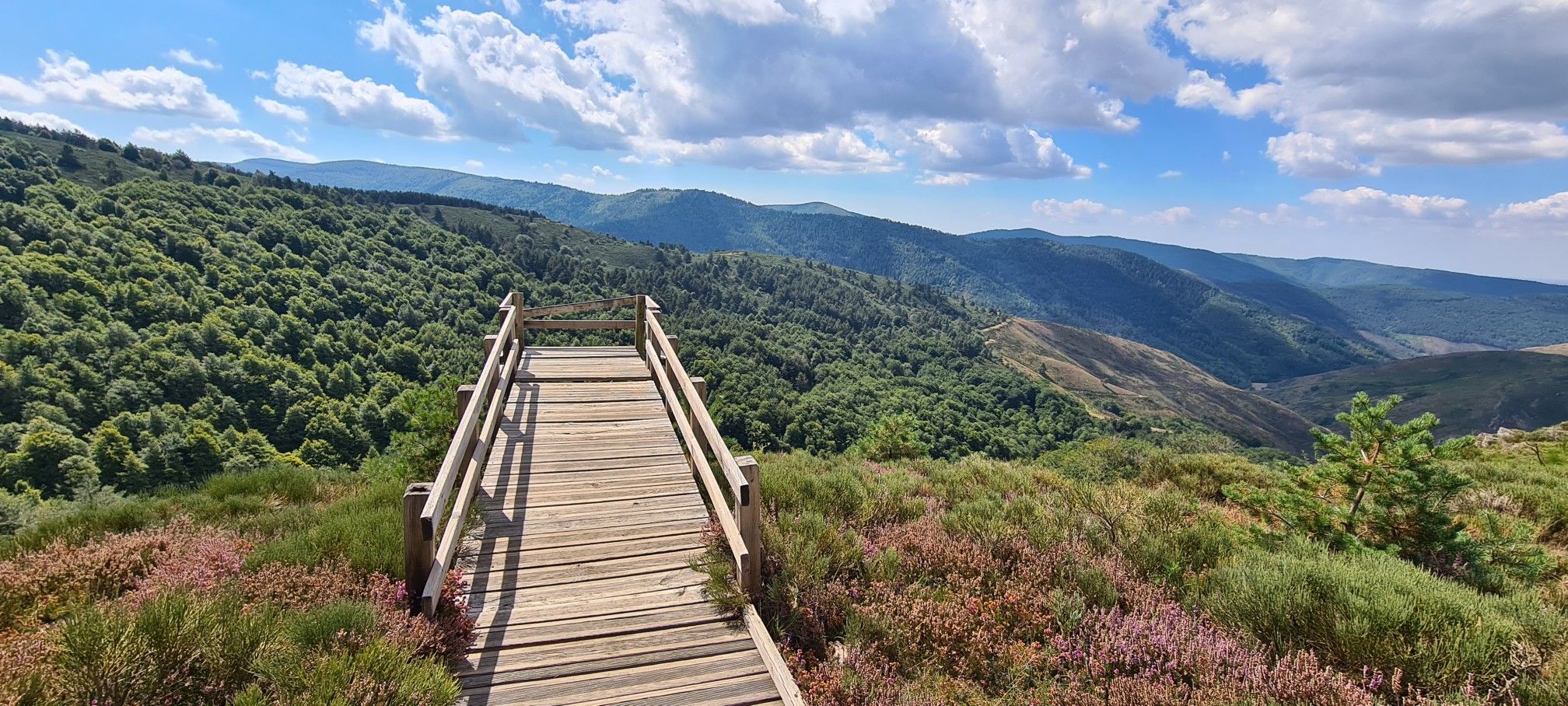
Hike and wild camp in the Cevennes — a Tour of Mount Aigoual (GR 66)
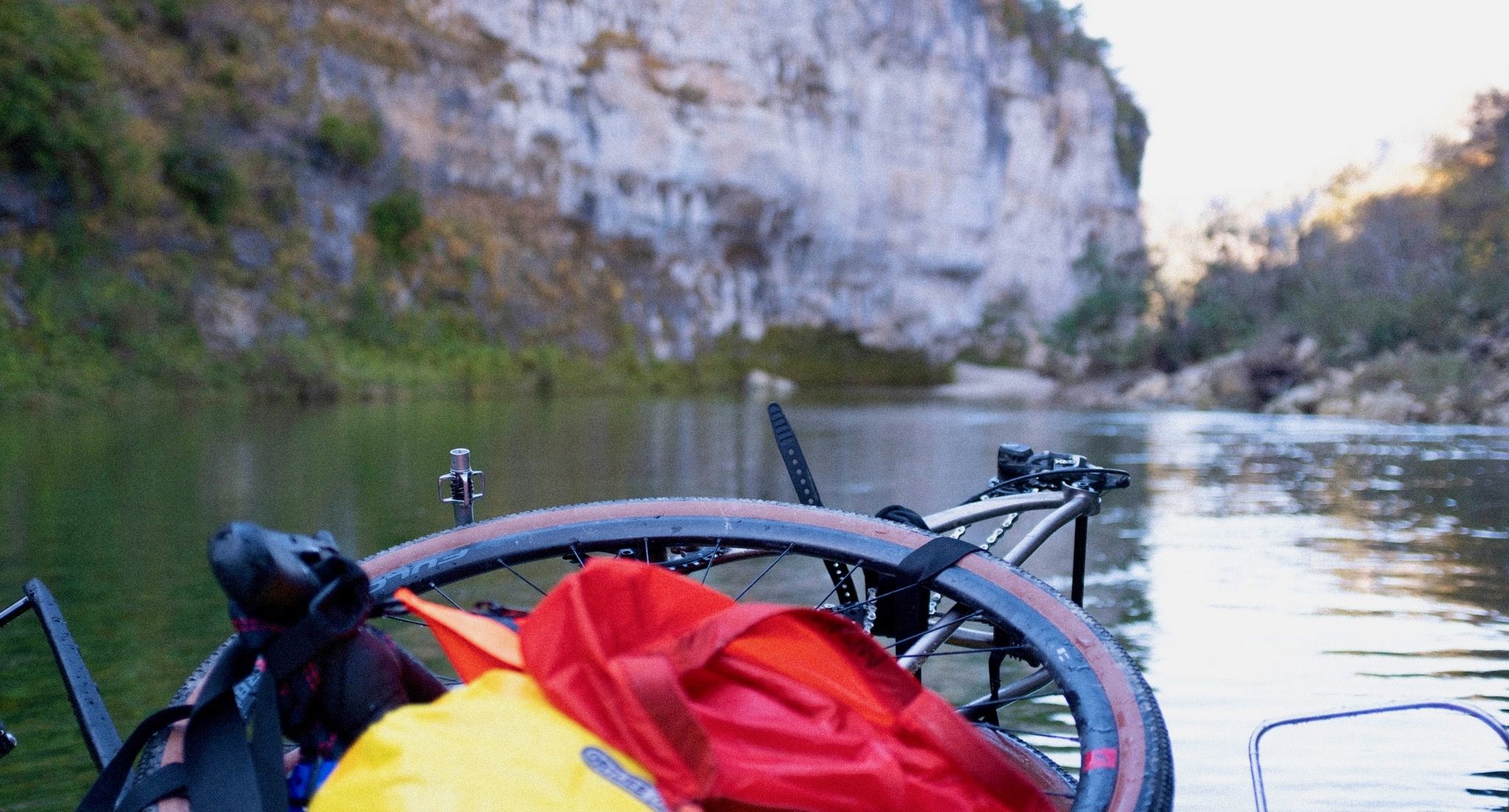
Heavenly Cévennes – Bikerafting in the Gorges du Tarn in France
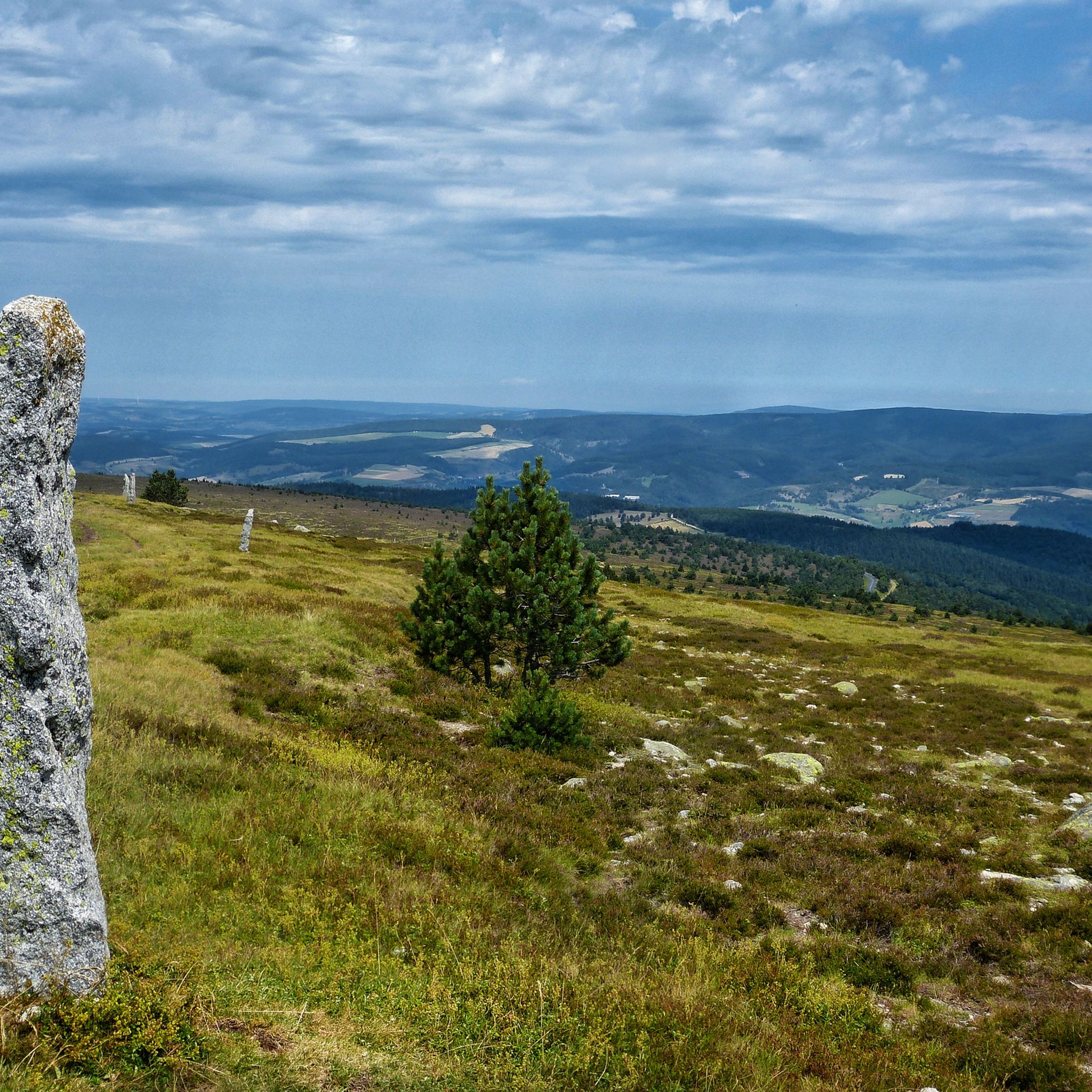
Hiking around Parc national des Cévennes (cœur)
Other adventures around Parc national des Cévennes (cœur)


Tips from the Community

This pass, discreetly nestled among the fir trees, is a great road and pedestrian crossing. It also allows cyclists and gravel enthusiasts to take the trails that go a little deeper into the coniferous forests.
0
0
The Col du Sapet overlooks the heart of the Cévennes National Park at an altitude of 1,080 meters. It is located on Mont du Bougès and serves as a starting point for numerous hiking trails. This pass is also particularly popular with local cyclists, with its 450-meter elevation gain and views of the Cévennes Mountains.
0
0

D41, very small road, relatively little traffic, challenging from both sides but doable.
2
0

Beautiful place but difficult to climb, the bends before the refuge are more than 11%
1
0


22.60 km and “Height difference” 1033m between Le Vigan and Col!
0
0

The Col du Minier with an altitude of 1,264 meters is located on the watershed between the Mediterranean Sea and the Atlantic Ocean. It is also located near a small waterfall, which is very useful for cooling off.
0
0

A nice tour but a part in the forest made impracticable by the cuts of wood which destroy any landmark donations for me course to review with the trace of the mountain bike 10
0
0
Frequently Asked Questions
What are some of the most notable mountain passes in Parc national des Cévennes (cœur)?
The Parc national des Cévennes (cœur) features several remarkable mountain passes. Among them, Perjuret Pass is popular, reaching 1,031 meters at the end of the Jonte gorges. Another significant pass is Minier Pass, an intermediate pass at 1,264 meters, situated on the watershed between the Mediterranean Sea and the Atlantic Ocean. Sapet Pass, at 1,080 meters, is known as an ideal starting point for trails and offers magnificent views of the Cévennes.
What kind of views can I expect from the mountain passes in the Cévennes?
The mountain passes in the Cévennes offer breathtaking panoramic views of the rugged landscape. For instance, Sapet Pass provides extensive views of the Cévennes Mountains and is described as having a 'magnificent and sublime view over the valley'. Finiels Pass on Mont Lozère is considered one of the most beautiful viewpoints in the park, offering access to the highest parts and views towards the Runes waterfall. Col de Saint-Pierre also boasts an excellent 360º view of the region.
Are there challenging cycling routes over these passes?
Yes, the Parc national des Cévennes (cœur) is known for its challenging cycling routes. The Lusette Pass, rising to 1,351 meters, offers a challenging yet rewarding ascent with an average gradient of 7.3% over 11.7 km from Mandagout. It was even part of the Tour de France in 2020. Col du Sapet, with its 450-meter elevation gain, is also particularly popular with local cyclists. For more cycling routes, you can explore the Cycling around Parc national des Cévennes (cœur) guide.
What hiking opportunities are available near the mountain passes?
Many mountain passes serve as excellent starting points for hiking. Sapet Pass is an ideal starting point for numerous hiking trails, including the path to the Signal de Bougès. Finiels Pass offers the shortest path to the summit of Finiels, providing access to magnificent views and hikes like the one to the Runes waterfall. Col de l'Asclier is also a privileged location for hikers. For detailed hiking trails, refer to the Running Trails around Parc national des Cévennes (cœur) guide.
Are there mountain biking trails accessible from the passes?
Yes, several passes provide access to mountain biking trails. The Minier Pass allows cyclists and gravel enthusiasts to take trails deeper into the coniferous forests. The region offers a variety of mountain biking routes, including challenging loops like the 'Tarn Bridge – Finiels Pass loop from Mas de la Barque'. You can find more options in the MTB Trails around Parc national des Cévennes (cœur) guide.
Are there any passes with unique historical or natural landmarks?
Yes, the region's passes often feature unique landmarks. The Col de la Pierre Plate, at 1,016 meters, is named after a dolmen with a perfectly flat megalith that crowns it, one of the best-preserved on the Causse Méjean plateau. Local legends even suggest it has healing properties. The Minier Pass is notable for being on the watershed line between the Mediterranean Sea and the Atlantic Ocean, and is near a small waterfall.
When is the best time to visit the mountain passes in the Cévennes?
The mountain passes in the Parc national des Cévennes (cœur) are generally best visited during the warmer months, from spring to autumn, when trails are clear of snow and weather conditions are more favorable for outdoor activities like hiking and cycling. During these seasons, you can fully enjoy the sensational scenery and challenging routes. Some passes may have specific periods reserved exclusively for cyclists, offering a unique experience without motorized traffic.
Are there family-friendly options among the mountain passes?
While many passes offer challenging routes, some areas around the passes can be enjoyed by families. Passes that serve as starting points for hiking trails, such as Sapet Pass, can lead to more accessible paths suitable for families. It's advisable to check specific trail difficulties and lengths when planning a family outing.
What do visitors particularly enjoy about the mountain passes in Parc national des Cévennes (cœur)?
Visitors frequently praise the magnificent views and the challenging yet rewarding experiences offered by the passes. For example, the Lusette Pass is noted for its 'beautiful and steep pass with great views' and an 'incredible' vista despite its difficulty. The Sapet Pass is described as a 'superb pass' and a 'must-do' for its incredible scenery from any direction. The community has shown appreciation with over 30 upvotes and 15 photos for the mountain passes in the region.
How difficult are the mountain passes in Parc national des Cévennes (cœur)?
The mountain passes in Parc national des Cévennes (cœur) offer a range of difficulties. Some, like the Lusette Pass, are considered challenging with steep gradients, making them ideal for experienced cyclists. Others, such as Minier Pass and Sapet Pass, are categorized as intermediate, offering a balance of challenge and accessibility. Col d'Uglas, for instance, has an average gradient of 5.6% with maximums of 12%, indicating a moderate to challenging climb.
Which passes offer a more secluded or intimate experience?
For those seeking a more intimate experience away from the crowds, Col de la Broue is a discreet but emblematic pass. Located on the D48 road between Vigan and Esperou, its secluded and less-traveled nature contributes to its charm, offering a unique perspective of the Cévennes landscape. The climb is moderate with some steep sections, and the asphalt eventually gives way to a more confidential path.
Where can I find parking and trailheads for these passes?
Many passes serve as natural access points for trails and often have designated parking areas. For example, Sapet Pass is an ideal starting point for numerous hiking trails, implying accessible trailheads. Finiels Pass is a key access point to the highest parts of Mont Lozère, suggesting facilities for visitors. It is recommended to check local signage or specific route guides for precise parking and trailhead locations before your visit.
Most popular routes around Parc national des Cévennes (cœur)
Most popular attractions around Parc national des Cévennes (cœur)

Get inspired with the komoot mobile app


