The best traffic-free bike rides in the Cedeberg mountains
4.7
(3)
67
riders
6
rides
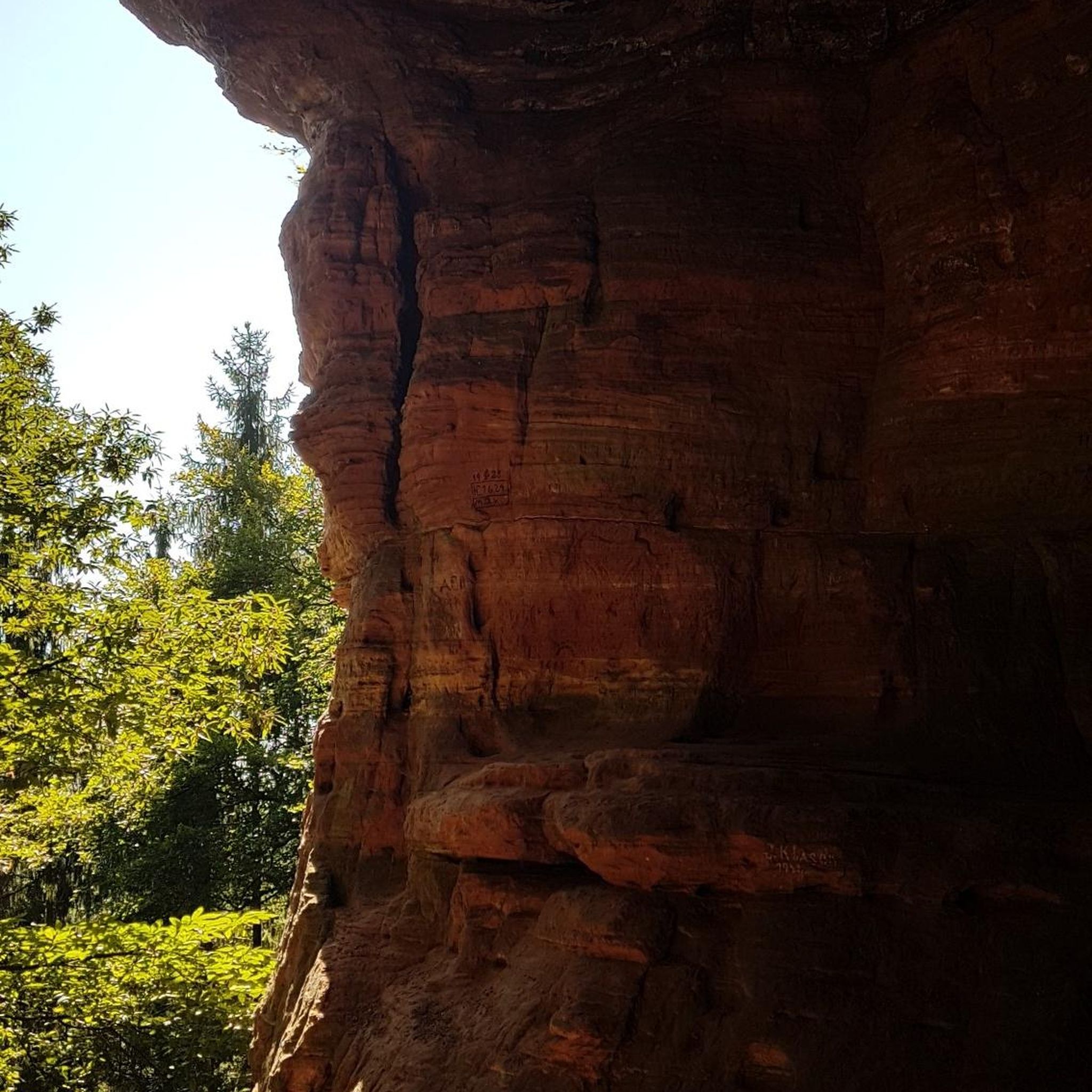
No traffic touring cycling routes in the Cedeberg mountains traverse a rugged and diverse landscape within the Cape Floral Kingdom World Heritage Site. This region is characterized by dramatic, wind-carved sandstone formations, elevated ridges, and deep gorges. Cyclists encounter crystal-clear mountain streams, rivers like the Olifants River, and unique fynbos vegetation. The terrain includes a mix of paved and unpaved sections, gravel roads, and jeep tracks, offering varied conditions for touring.
Best no traffic touring cycling routes in the Cedeberg…
Last updated: July 12, 2026
5.0
(1)
19
riders
28.6km
02:31
530m
530m
Hard bike ride. Very good fitness required. Mostly paved surfaces. Suitable for all skill levels.
4.0
(1)
16
riders
128km
10:30
1,740m
1,740m
Hard bike ride. Very good fitness required. Mostly paved surfaces. Suitable for all skill levels.

Sign up for free
5.0
(1)
11
riders
23.7km
02:07
400m
400m
Moderate bike ride. Good fitness required. Mostly paved surfaces. Suitable for all skill levels.
9
riders
57.1km
04:40
1,400m
1,400m
Hard bike ride. Very good fitness required. You may need to push your bike for some segments of this route.
8
riders
32.2km
02:47
760m
760m
Hard bike ride. Very good fitness required. Mostly paved surfaces. Suitable for all skill levels.
Our route recommendations are based on thousands of hikes, rides, and runs completed by other people on komoot.
Start today with a free account
Your next adventure awaits.
Login or Signup
Popular around Cedeberg mountains
Tips from the Community

Brutally steep with no shade. Exposed to the heat and with rough gravel. Worth every drop of sweat though, with amazing scenery and the descend to the Cederberg Oasis coming up.
2
0
Frequently Asked Questions
How many no traffic touring cycling routes are available in the Cederberg Mountains?
There are currently 6 dedicated no-traffic touring cycling routes in the Cederberg Mountains featured in this guide. These routes offer a range of distances and elevations, allowing you to explore the region's unique landscapes away from vehicle traffic.
What kind of terrain can I expect on these no-traffic touring cycling routes?
The Cederberg Mountains are known for their rugged and diverse landscape. While these routes are selected for minimal traffic, you can expect a mix of surfaces, including gravel roads, jeep tracks, and potentially some unpaved sections. The region features dramatic sandstone formations, mountain passes, and valleys, so be prepared for ascents and descents. For example, the Kriedouwkrans Dam – Nieuwoudts Pass loop from Stadsaal Caves includes significant elevation changes.
Are there any circular no-traffic touring routes in the Cederberg Mountains?
Yes, several routes in this guide are circular, allowing you to start and end at the same point. Examples include the Bike loop from Fontein-Meriba, the Bike loop from Kromrivier, and the Grootrivierhoogte Pass loop from Cederberg. These loops are ideal for exploring different sections of the wilderness area.
What are some natural features or landmarks I can see along these routes?
The Cederberg is rich in natural beauty and historical sites. Along these routes, you might encounter spectacular rock formations, ancient San rock art sites, and refreshing waterfalls. Notable attractions include the Sevilla Rock Art Trail, the impressive Wolfberg Arch, and the serene Algeria Waterfall. Many routes also traverse scenic mountain passes like Grootrivierhoogte Pass.
What is the best time of year to go touring cycling in the Cederberg Mountains?
The Cederberg experiences hot, dry summers and cold, wet winters. The most pleasant times for touring cycling are typically during the spring (September to November) and autumn (March to May) months. During these periods, temperatures are milder, and the landscape is often at its most vibrant, especially after winter rains. Summer can be very hot, making early morning or late afternoon rides preferable, while winter can bring cold fronts and rain, though clear, crisp days are also common.
Are there any family-friendly no-traffic cycling routes?
While the Cederberg routes in this guide are generally rated moderate to difficult due to elevation and terrain, the Bike loop from Kromrivier is categorized as moderate and is shorter, making it a potentially more manageable option for families with older, experienced children. Always assess the route's specific distance and elevation profile to ensure it matches your family's capabilities.
What should I know about parking and trailheads for these routes?
Parking availability varies depending on the specific starting point of each route. Many routes begin near established guesthouses, campsites, or small settlements within the Cederberg Wilderness Area, where parking facilities are often provided for visitors. It's advisable to check with your accommodation or the specific reserve management for details on parking and access points before your ride.
Do I need permits to cycle in the Cederberg Wilderness Area?
Yes, as the Cederberg is a designated Wilderness Area and part of the Cape Floral Kingdom World Heritage Site, permits are often required for entry and certain activities, including cycling on specific trails. It's crucial to check with CapeNature or the specific private land/reserve you plan to cycle through regarding permit requirements and fees in advance of your trip.
What do other touring cyclists enjoy most about the Cederberg Mountains?
The Cederberg Mountains are highly rated by the komoot community, with an average score of 4.7 stars. Reviewers often praise the region's dramatic, unspoiled wilderness, the sense of remoteness, and the unique geological formations. The challenging yet rewarding terrain and the opportunity to experience true tranquility away from traffic are frequently highlighted as key attractions.
Are there opportunities to combine cycling with other activities?
Absolutely. The Cederberg is perfect for multi-activity adventures. Many cycling routes pass close to hiking trails leading to iconic formations like the Maltese Cross or Wolfberg Arch. You can also visit ancient San rock art sites, swim in natural pools, or explore local rooibos tea farms. The region also offers opportunities for stargazing due to its clear night skies and minimal light pollution.
What kind of accommodation is available for cyclists in the Cederberg?
The Cederberg offers a range of accommodation options suitable for cyclists, from comfortable guesthouses and cottages to various campsites. Many establishments are geared towards outdoor enthusiasts and can provide secure bike storage or information on local trails. It's recommended to book accommodation in advance, especially during peak seasons, as options can be limited in this remote area.
Are there any cafes or places to resupply along the no-traffic routes?
The Cederberg is a remote wilderness area, and amenities are sparse. While some routes might pass near small farm stalls or guesthouses that offer refreshments, you should not rely on finding regular cafes or shops directly on the trails. It is essential to carry sufficient water, snacks, and any necessary supplies for your entire ride. Plan your route carefully and check for any known resupply points beforehand.
Most popular routes in the Cedeberg mountains
Most popular attractions in the Cedeberg mountains

Get inspired with the komoot mobile app


Explore more
Browse the best Cycling routes in other regions.
