The best traffic-free bike rides in the Tras-os-monte
4.5
(835)
8,330
riders
164
rides
Touring cycling in the Tras-os-monte region of Portugal offers diverse terrain, from lush forests and rolling hills to fertile farmlands and deep river valleys. This northeastern region is characterized by majestic mountains, plateaus, and river valleys, providing a variety of cycling experiences. Routes often wind through vineyards and olive groves, with many paths following former railway lines or scenic river ecoways. The landscape composition includes rugged areas in the "Terra Fria" and more fertile zones in the "Terra Quente."
Best…
Last updated: July 12, 2026
5.0
(2)
37
riders
16.8km
01:00
110m
110m
Easy bike ride. Great for any fitness level. Mostly paved surfaces. Suitable for all skill levels.
5.0
(2)
13
riders
38.3km
03:17
150m
160m
Moderate bike ride. Good fitness required. Mostly paved surfaces. Suitable for all skill levels.

Sign up for free
3.7
(3)
8
riders
39.1km
03:02
440m
450m
Hard bike ride. Good fitness required. You may need to push your bike for some segments of this route.
10
riders
48.9km
04:49
1,220m
1,220m
Hard bike ride. Very good fitness required. Mostly paved surfaces. Suitable for all skill levels.
3
riders
48.3km
04:36
890m
890m
Hard bike ride. Very good fitness required. Mostly paved surfaces. Suitable for all skill levels.
Get access to more routes and recommendations from other explorers.
Sign up for free
Already have an account?
Our route recommendations are based on thousands of hikes, rides, and runs completed by other people on komoot.
Start today with a free account
Your next adventure awaits.
Login or Signup
Popular around Tras-os-monte
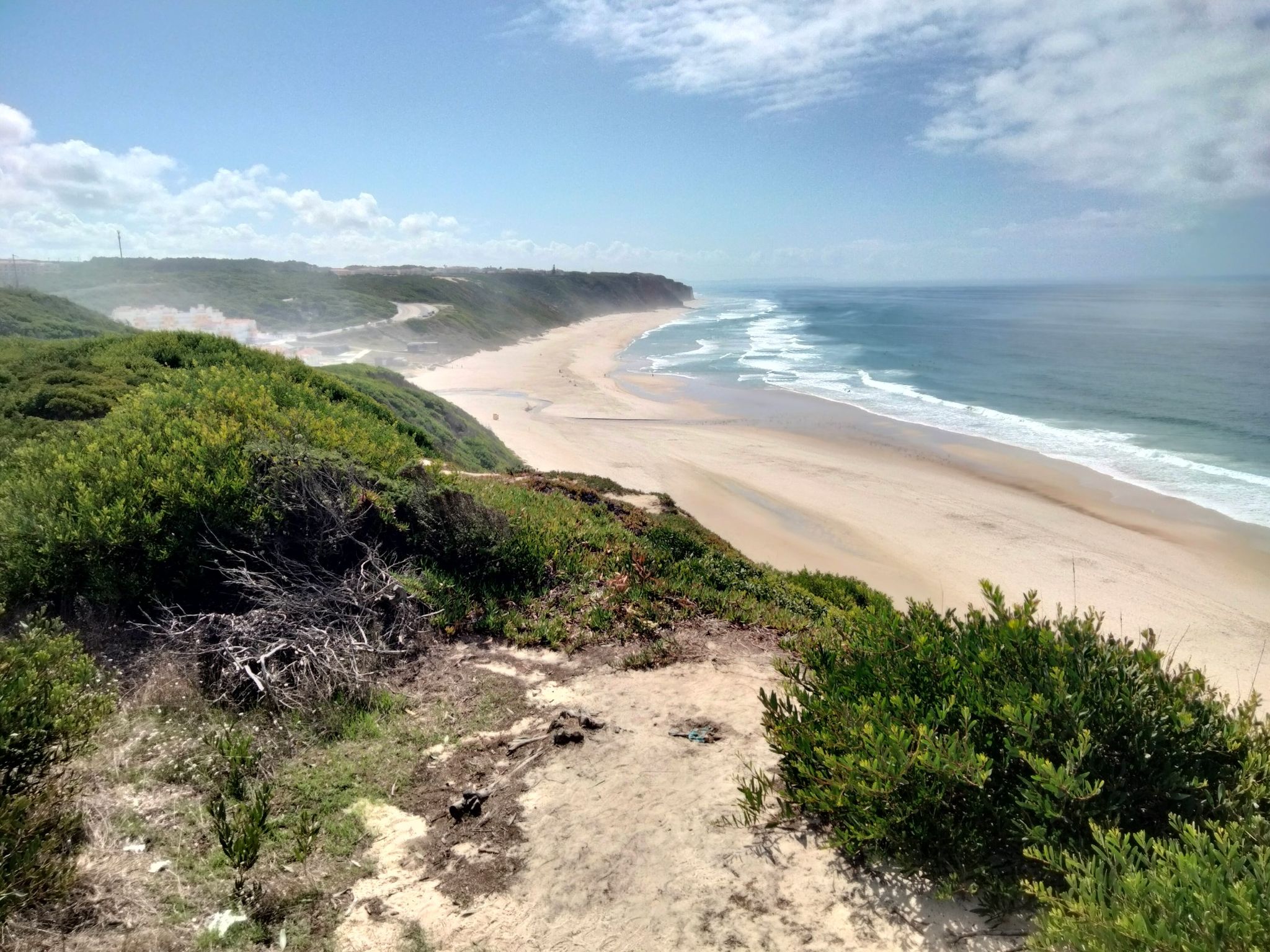
Portugal's Atlantic coast (north) – from Caminha to Lisbon
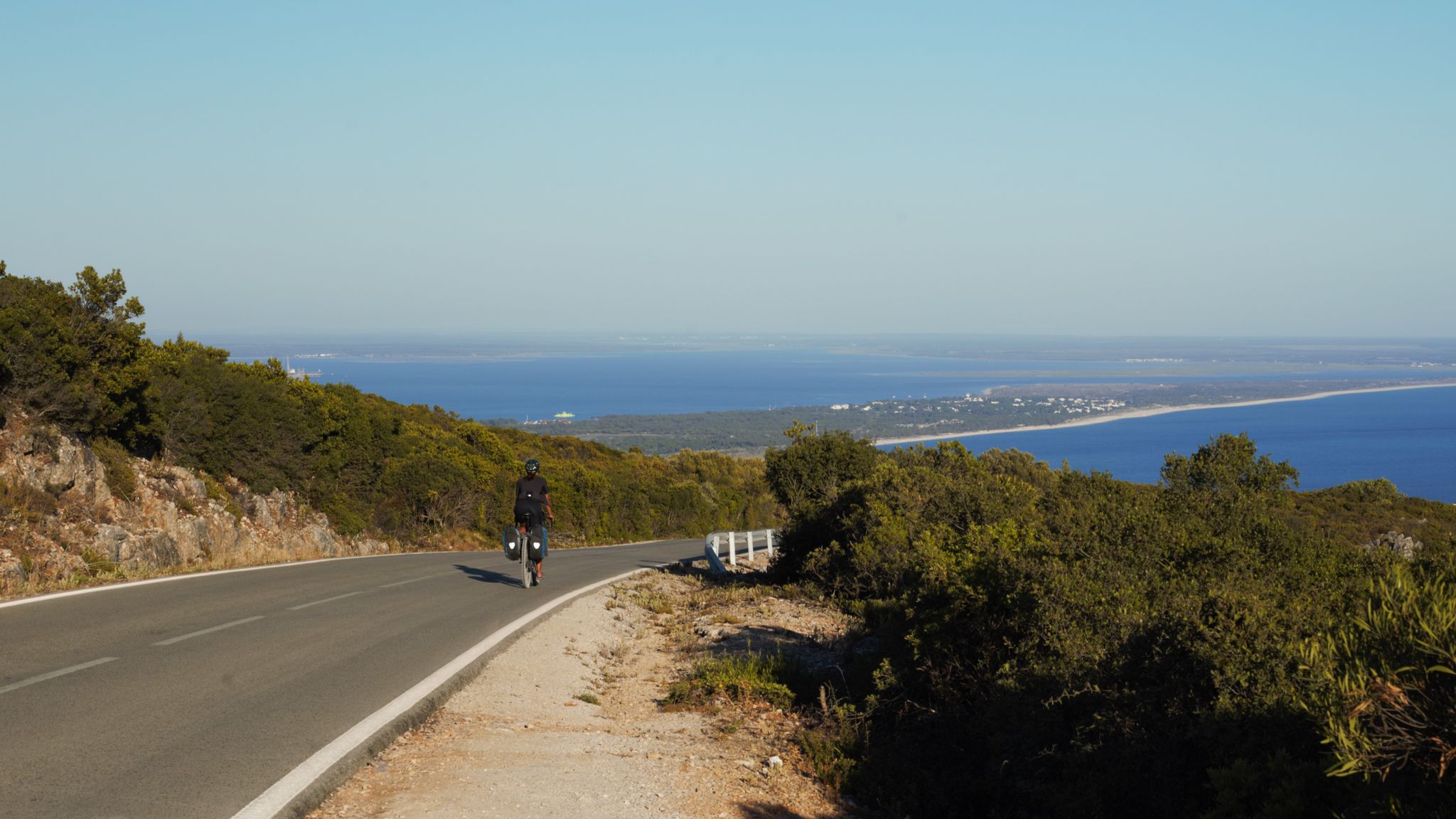
The breaking waves – cycle along the Atlantic coast of Portugal
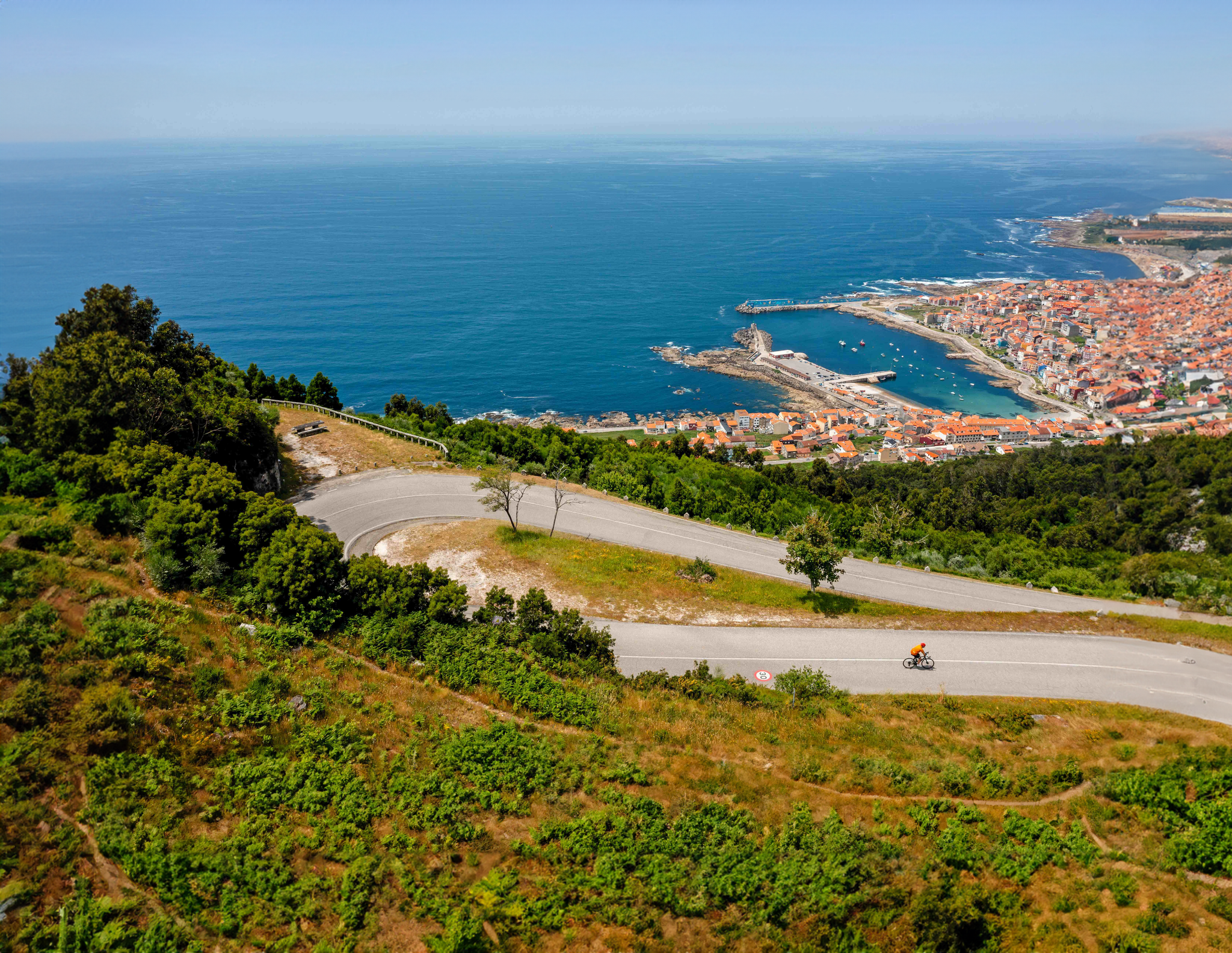
With TOUR in Northern Portugal
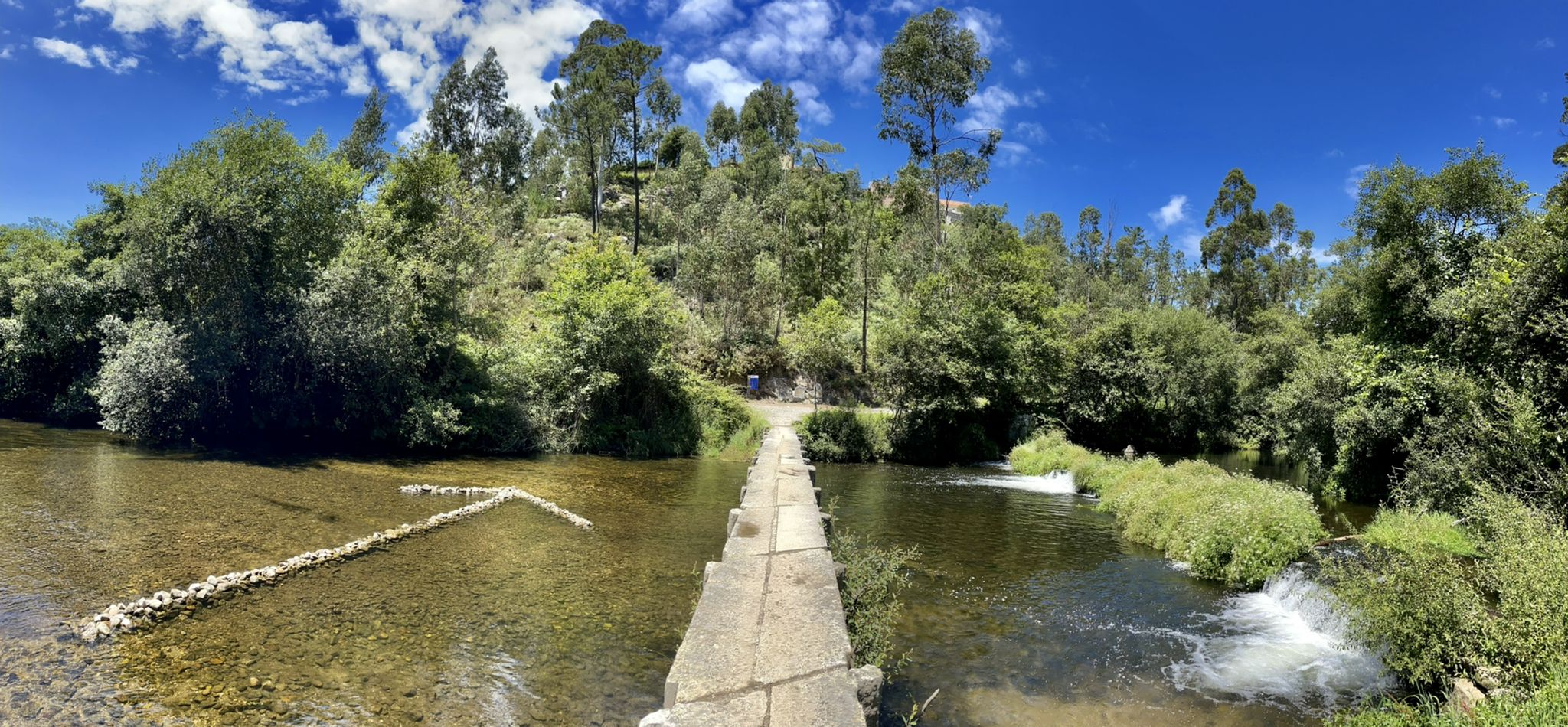
The challenge that knows no frontiers — Portuguese Coast Path
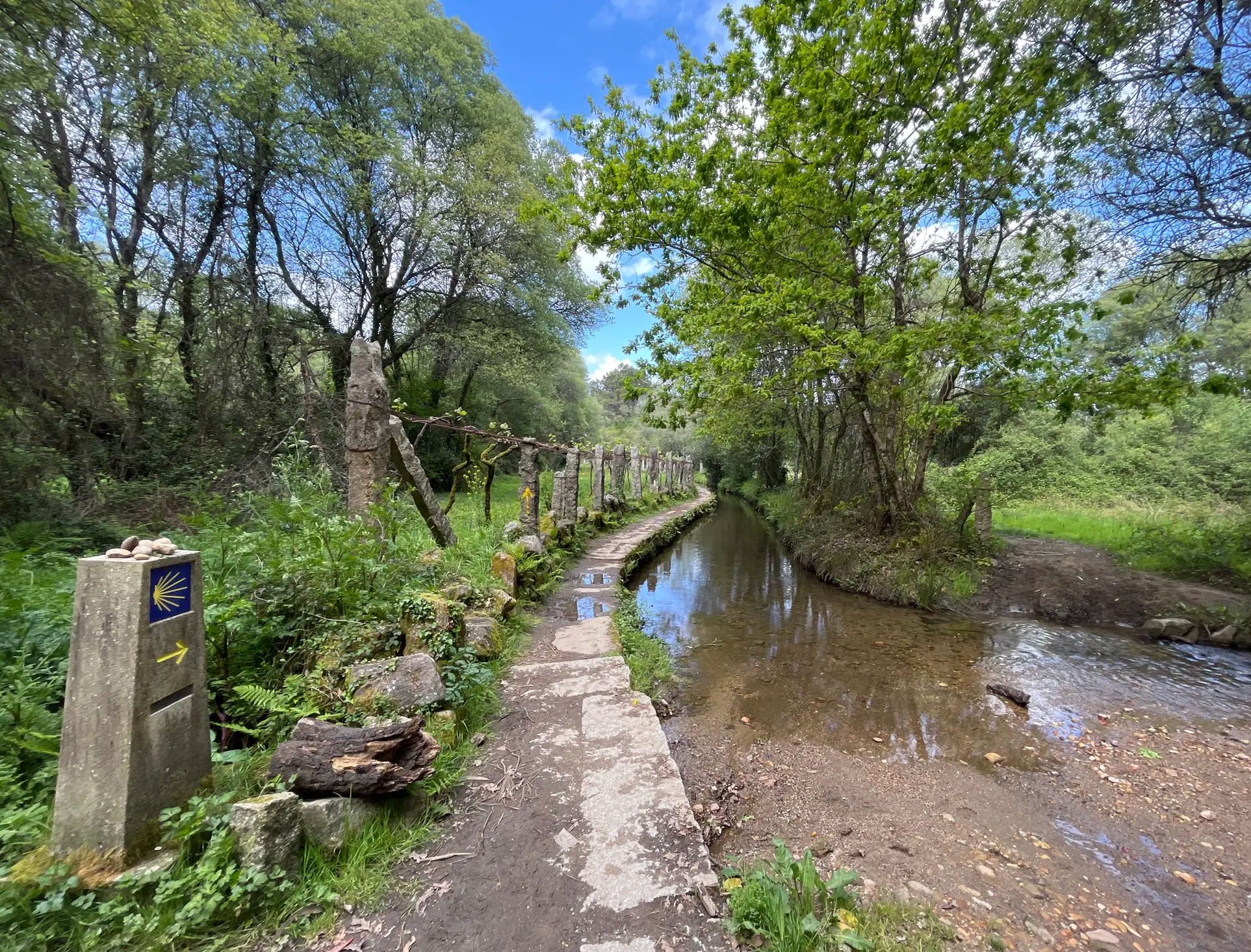
Na Rota dos Peregrinos – o Caminho Central Português
Traffic-free bike rides in the Tras-os-monte

Traffic-free bike rides in the Tras-os-monte
Other adventures in the Tras-os-monte


Tips from the Community


Historical Context Origin of the name: The town of Ponte de Lima, the oldest in Portugal, derives its name from the bridge that crosses it. Way of St. James: The bridge is an important crossing point on the Portuguese Way of St. James. Legend: The legend of the Lima River, which runs under the bridge, tells that the Romans believed it to be the river of forgetfulness, which would have given rise to the myth that people who crossed it would forget their past lives.
2
0
The bridge that gives the Lima Bridge its name is actually a combination of two structures: a Roman section, built in the 1st century, and a medieval section, expanded in the 14th century. It crosses the Lima River and is one of the town's most emblematic monuments. Characteristics of the bridge Roman section: The remaining Roman section consists of five arches, and its construction is linked to the military road that connected the cities of Braga and Astorga. Medieval section: The medieval portion of the bridge is larger and was built to connect to the Roman section, extending the structure over the river. Material: The bridge is built of granite, using the Roman technique of "quadratum" and "vittatum" masonry.
2
0

A city bathed by the Lima River, with walking trails in the area and good food.👍🥾🇵🇹
1
0

The trail follows the Cabril River and passes the famous swings of Vilar de Viando. The stone floor is more demanding on the legs, but the peaceful surroundings make it all worthwhile.
1
0
Mondim de Basto, on the banks of the Tâmega, holds memories of many peoples. Although it was only founded in the 12th century, during the reign of D. Sancho I, its roots are much older.
1
0

The granary – also called a canastro, caniço or hórreo – is a structure characteristic of the northwest of the Iberian Peninsula, built in stone or stone and wood, generally rectangular and supported on pilasters or columns. Its function is to store corn cobs, promoting their drying through lateral fissures and protecting them from animals, particularly birds and rodents.
0
0

bridge on the tea river route
0
0
Frequently Asked Questions
How many no traffic touring cycling routes are available in Trás-os-Montes?
There are over 160 dedicated no traffic touring cycling routes available in Trás-os-Montes. These routes cater to various skill levels, with a good mix of easy, moderate, and difficult options to explore the region's diverse landscapes.
What kind of terrain can I expect on no traffic touring cycling routes in Trás-os-Montes?
Trás-os-Montes offers a diverse range of terrain for touring cyclists. You'll find routes along lush forests, rolling hills, fertile farmlands, and deep river valleys. Many routes utilize paved roads with low traffic, dirt tracks, and converted former railway lines (ecopistas). While some paths are relatively flat, especially along river valleys, others, particularly in mountain ranges like Bornes, feature constant steep climbs and descents, with inclinations up to 15%.
What is the best time of year to go touring cycling in Trás-os-Montes?
The best time to go touring cycling in Trás-os-Montes generally depends on the specific area you plan to visit. The 'Terra Quente' (hot land) areas are best enjoyed in spring and autumn to avoid the intense summer heat, while the 'Terra Fria' (cold land) regions might be more pleasant in late spring, summer, and early autumn. Always check local weather forecasts, as conditions can vary across the region's diverse topography.
Are there any circular no traffic touring cycling routes in Trás-os-Montes?
Yes, Trás-os-Montes offers several circular touring cycling routes. For example, the Circular Route 13 of Mondim de Basto — Alvão Natural Park provides a challenging loop through stunning natural scenery. These routes are great for experiencing varied landscapes without repeating sections.
Are there routes suitable for beginners or families with children?
Yes, Trás-os-Montes has options suitable for beginners and families. Routes along river valleys, such as the Minho River Ecopista, often feature gentle slopes and paved surfaces, making them ideal for less experienced cyclists or those with children. The E-MOB Cycling Network, utilizing former railway lines, also provides accessible and scenic paths.
What natural features can I see along the no traffic touring cycling routes?
You can encounter a wealth of natural beauty. Routes often pass through areas like the Douro International Natural Park with its towering cliffs, Montesinho Natural Park known for its wild landscapes, and the stunning Vale do Tua Regional Natural Park. You might also cycle along the Azibo Reservoir or discover highlights such as Fenda da Calcedónia or a swimming spot in Peneda-Gerês National Park.
Are there any historical or cultural landmarks to visit on these routes?
Absolutely. Trás-os-Montes is rich in history and culture. You can discover charming traditional rural villages, historic castles, and ancient monasteries. Medieval towns like Bragança, Miranda do Douro, and Chaves offer impressive fortifications and well-preserved historic centers. Along some routes, you might pass by landmarks such as the Fortress of Valença or the Tui-Valencia International Bridge.
What do other touring cyclists enjoy the most about touring cycling in Trás-os-Montes?
The area is highly rated by the komoot community, with an average score of 4.5 stars. Reviewers often praise the region's unspoiled natural beauty, the tranquility of the no-traffic routes, and the authentic cultural immersion offered by traditional villages and local gastronomy. The diverse terrain and stunning vistas, particularly along river valleys and through natural parks, are frequently highlighted as major draws.
Are there any challenging no traffic touring cycling routes for experienced riders?
Yes, experienced riders seeking a challenge will find plenty of options. Routes like Salvaterra de Miño - Ponteareas Return or Tour 4 de Melgaço — Parque Nacional da Peneda-Gerês feature significant elevation gains and descents, providing a demanding yet rewarding experience. The Bornes Mountain Range also offers exciting mountain biking opportunities with stunning landscapes and steep inclines.
Can I find food and accommodation near the no traffic touring cycling routes?
Yes, Trás-os-Montes is known for its warm hospitality and rich gastronomy. You'll find charming villages along many routes where you can enjoy local markets, authentic cuisine, and traditional dishes like *posta mirandesa* or *alheira*. Accommodation options, from guesthouses to small hotels, are available in towns and villages throughout the region, offering a comfortable rest after your ride.
Is public transport available to access these routes?
While some larger towns in Trás-os-Montes have public transport connections, direct access to the start points of all no-traffic cycling routes via public transport can be limited, especially in more remote areas. It's advisable to research specific route access in advance. Some former railway lines, now part of the E-MOB Cycling Network, might have better connections to nearby towns.
Most popular routes in the Tras-os-monte
Most popular attractions in the Tras-os-monte

Get inspired with the komoot mobile app


Explore more
Browse the best Cycling routes in other regions.
