The best city hikes and walks in West Dunbartonshire
4.4
(4441)
36,250
hikers
193
hikes
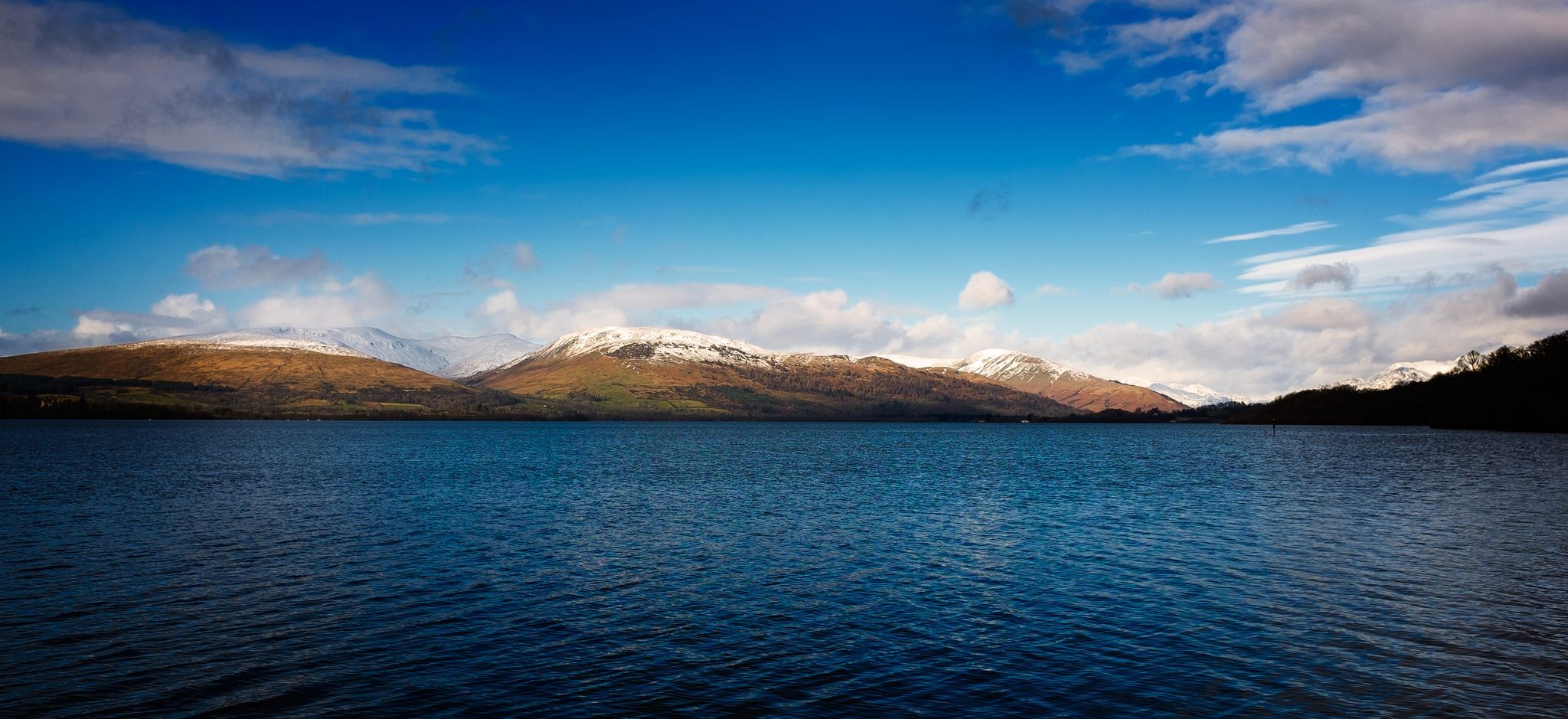
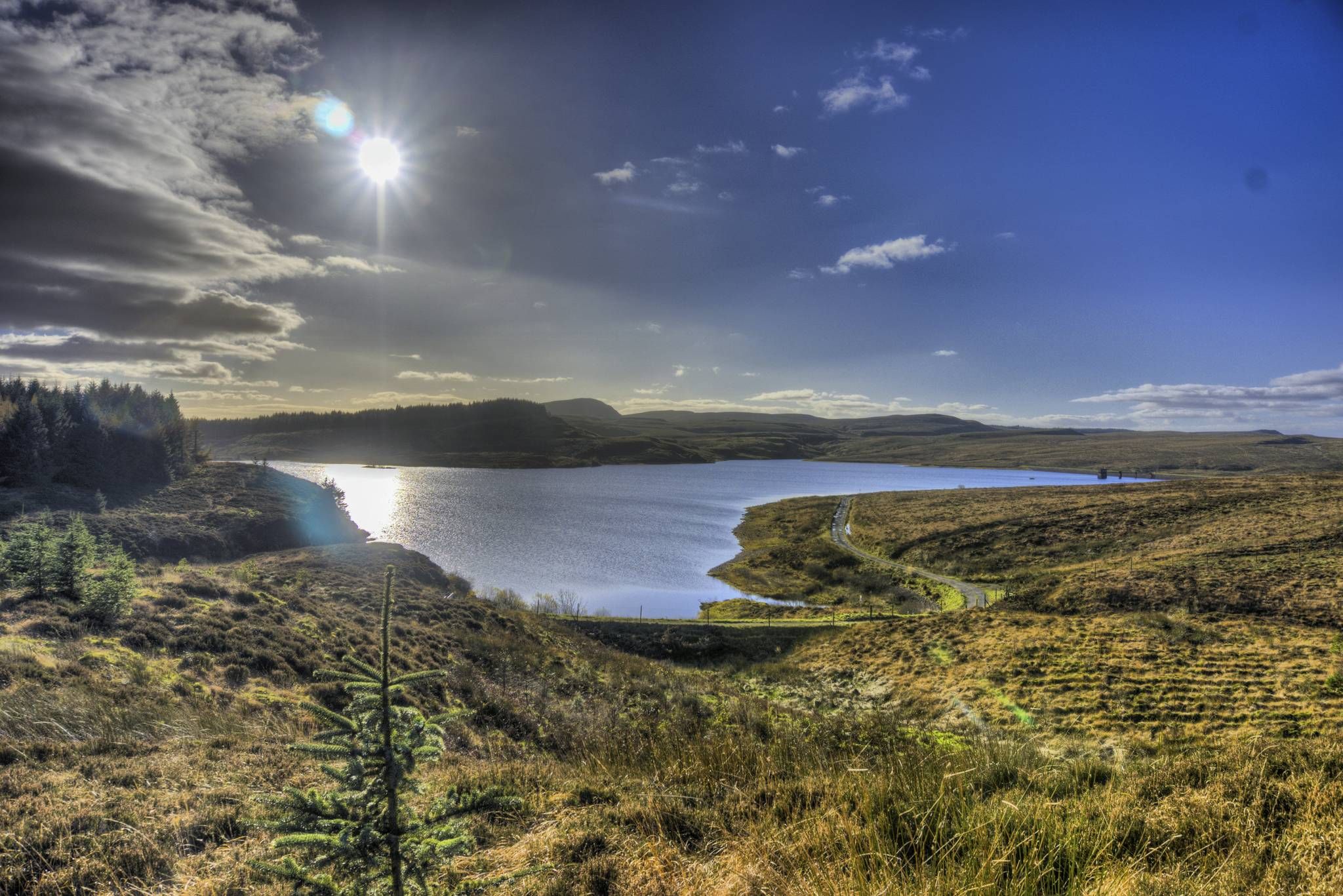
Urban hiking trails in West Dunbartonshire offer a blend of natural features and developed areas within west-central Scotland. The region is characterized by the presence of Loch Lomond, the Kilpatrick Hills, and the meandering River Leven, which connects to the Firth of Clyde. Notable landmarks like Dumbarton Rock, an ancient volcanic plug, rise dramatically, providing elevated views. Various green spaces, parklands, and riverside paths contribute to the diverse urban hiking landscape.
Best urban hiking trails in West Dunbartonshire
- The most…
Last updated: July 11, 2026
4.7
(3)
25
hikers
6.57km
01:41
30m
30m
Easy hike. Great for any fitness level. Easily-accessible paths. Suitable for all skill levels.
14
hikers
4.63km
01:12
30m
30m
Easy hike. Great for any fitness level. Easily-accessible paths. Suitable for all skill levels.

Sign up for free
9
hikers
15.0km
03:54
90m
90m
Moderate hike. Good fitness required. Easily-accessible paths. Suitable for all skill levels.
5.0
(1)
6
hikers
9.19km
02:21
30m
30m
Moderate hike. Good fitness required. Easily-accessible paths. Suitable for all skill levels.
1.0
(1)
7
hikers
14.6km
03:48
90m
90m
Moderate hike. Good fitness required. Easily-accessible paths. Suitable for all skill levels.
Get access to more routes and recommendations from other explorers.
Sign up for free
Already have an account?
Our route recommendations are based on thousands of hikes, rides, and runs completed by other people on komoot.
Start today with a free account
Your next adventure awaits.
Login or Signup
Popular around West Dunbartonshire


Other adventures in West Dunbartonshire


Tips from the Community

The Islay Inn is a traditional Scottish pub on Argyle Street in Glasgow, not far from Kelvingrove Park. It is considered a typical example of the city's vibrant pub culture, offering a mix of bar, restaurant, and meeting place for locals and visitors alike. The history of the site dates back to the 19th century, with the pub having had several names and concepts over time before acquiring its current character. Today, the Islay Inn is known for its Scottish cuisine, a wide selection of whisky, and regular live music that contributes to the authentic atmosphere.
0
0
A beautiful view from a distance of the old buildings of the University of Glasgow.
0
0
The Kelvingrove Art Gallery and Museum in Glasgow opened in 1901 and is one of the most visited museums in Great Britain. The Spanish-Baroque style building is already a landmark. The collection comprises over 8,000 objects, including works of art by Rembrandt and Salvador Dalí, as well as natural history and historical exhibits. The painting "Christ of Saint John of the Cross" is particularly well-known. The museum combines art, history, and science and is today a central cultural attraction of the city.
0
0
The Kelvin Hall in Glasgow opened in 1927 and served for a long time as a versatile event arena. It was known for sports events, exhibitions, circuses, and concerts and was considered an important meeting point in the city. It also temporarily housed the Transport Museum and sports facilities. After extensive renovation, the Kelvin Hall was reopened in 2016 as a modern cultural and educational venue. Today, the University of Glasgow, among others, uses the building for research, archives, and publicly accessible collections.
0
0
The River Kelvin flows through Kelvingrove Park and significantly shapes its landscape. It originates north of Glasgow and flows into the River Clyde. In the park, it meanders in curves, accompanied by green spaces, paths, and bridges. The Kelvin contributes to the calm, natural atmosphere and provides a habitat for animals such as birds and fish. At the same time, it forms an important recreational area for visitors and connects nature with the urban environment of Glasgow.
0
0
The Stewart Memorial Fountain in Kelvingrove Park in Glasgow was erected in 1872 and commemorates Lord Provost Robert Stewart, who drove forward the city's modern water supply. The richly decorated fountain in Neo-Gothic style was designed by James Sellars and created with sculptures by John Mossman. It symbolizes Glasgow's successful supply of clean drinking water from Loch Katrine and thus an important advance for the health of the population. Today it is considered one of the most important monuments in the park.
0
0

Kelvin Hall was one of the largest exhibition centers in Great Britain and is now used as an arts and sports venue. The building opened as an exhibition space in 1927. It was also used as a concert hall. From 1988 until its relocation to the Riverside Museum in 2010, the building housed the Glasgow Museum of Transport.
2
0
The garden with its tropical houses is absolutely worth a visit
0
0
Frequently Asked Questions
How many urban hiking trails are available in West Dunbartonshire?
West Dunbartonshire offers a wide selection of urban hiking trails, with over 190 routes to explore. These range from easy strolls to more challenging walks, ensuring options for various fitness levels.
Are there easy urban walks suitable for beginners or families?
Yes, West Dunbartonshire has a significant number of easy urban walks, with over 140 routes classified as easy. Many of these are perfect for families or those new to hiking. For example, the River Leven – Dumbarton Rock loop from Dumbarton East offers a gentle path with scenic views.
What kind of attractions can I expect to see on urban hikes in West Dunbartonshire?
Urban hikes in West Dunbartonshire often feature a blend of natural beauty and historical landmarks. You can explore areas around the River Leven and River Clyde, and even catch glimpses of Balloch Castle or the dramatic Dumbarton Rock. Many routes also pass through local parks and green spaces.
Are there any circular urban walks in the region?
Yes, many urban trails in West Dunbartonshire are circular, allowing you to start and finish at the same point. The River Leven loop from Dumbarton Central is a great example of a moderate circular route that takes you along the scenic riverbanks.
Can I bring my dog on the urban hiking trails?
Most urban hiking trails in West Dunbartonshire are dog-friendly, provided dogs are kept under control, especially around livestock or in populated areas. Always check local signage for specific restrictions, particularly in nature reserves or protected areas. The paths along the River Leven are generally popular with dog walkers.
What do other hikers say about the urban trails in West Dunbartonshire?
The urban trails in West Dunbartonshire are highly regarded by the komoot community, with an average rating of 4.3 stars. Hikers frequently praise the accessibility of the routes, the blend of urban convenience with natural scenery, and the well-maintained paths along rivers and through parks.
Are there urban walks accessible by public transport?
Yes, many urban walks in West Dunbartonshire are easily accessible by public transport, particularly those starting in towns like Dumbarton, Balloch, and Clydebank. Routes often begin near train stations or bus stops, making it convenient to explore without a car. For instance, the River Leven – Dumbarton Rock loop is accessible from Dumbarton East.
What is the best time of year to go urban hiking in West Dunbartonshire?
Urban hiking in West Dunbartonshire is enjoyable year-round. The region experiences mild winters and cool summers, making it suitable for outdoor activities in any season. Spring and autumn offer pleasant temperatures and vibrant scenery, while summer provides longer daylight hours. Even in winter, many urban paths remain accessible and offer a different kind of beauty.
Are there any longer urban routes for a full day's hike?
While many urban routes are shorter, there are options for longer excursions. For example, the Kelvin Aqueduct – Glasgow Botanic Gardens loop from Westerton is a moderate route spanning over 15 km, offering a more extended urban hiking experience that can take several hours.
Where can I find parking for urban walks in towns like Dumbarton or Balloch?
Parking is generally available in and around the main towns of West Dunbartonshire, such as Dumbarton and Balloch. Look for public car parks near town centers, train stations, or popular attractions like Balloch Castle Country Park. Some residential areas may also offer on-street parking, but always check local restrictions.
Are there urban trails that pass by places to eat or drink?
Given the urban nature of these trails, many routes will take you through or near town centers and residential areas where you can find cafes, pubs, and restaurants. This allows for convenient stops to refuel or relax during your hike, especially in places like Dumbarton, Balloch, or Clydebank.
Most popular routes in West Dunbartonshire
Most popular attractions in West Dunbartonshire

Get inspired with the komoot mobile app


Didn’t find what you were looking for?
Check out more Hikes throughout West Dunbartonshire below and find the perfect route in your destination.
Explore more
Browse the best Hikes in other regions.
