The best hikes from bus stations around Zarrentin am Schaalsee
4.6
(4773)
16,253
hikers
77
hikes
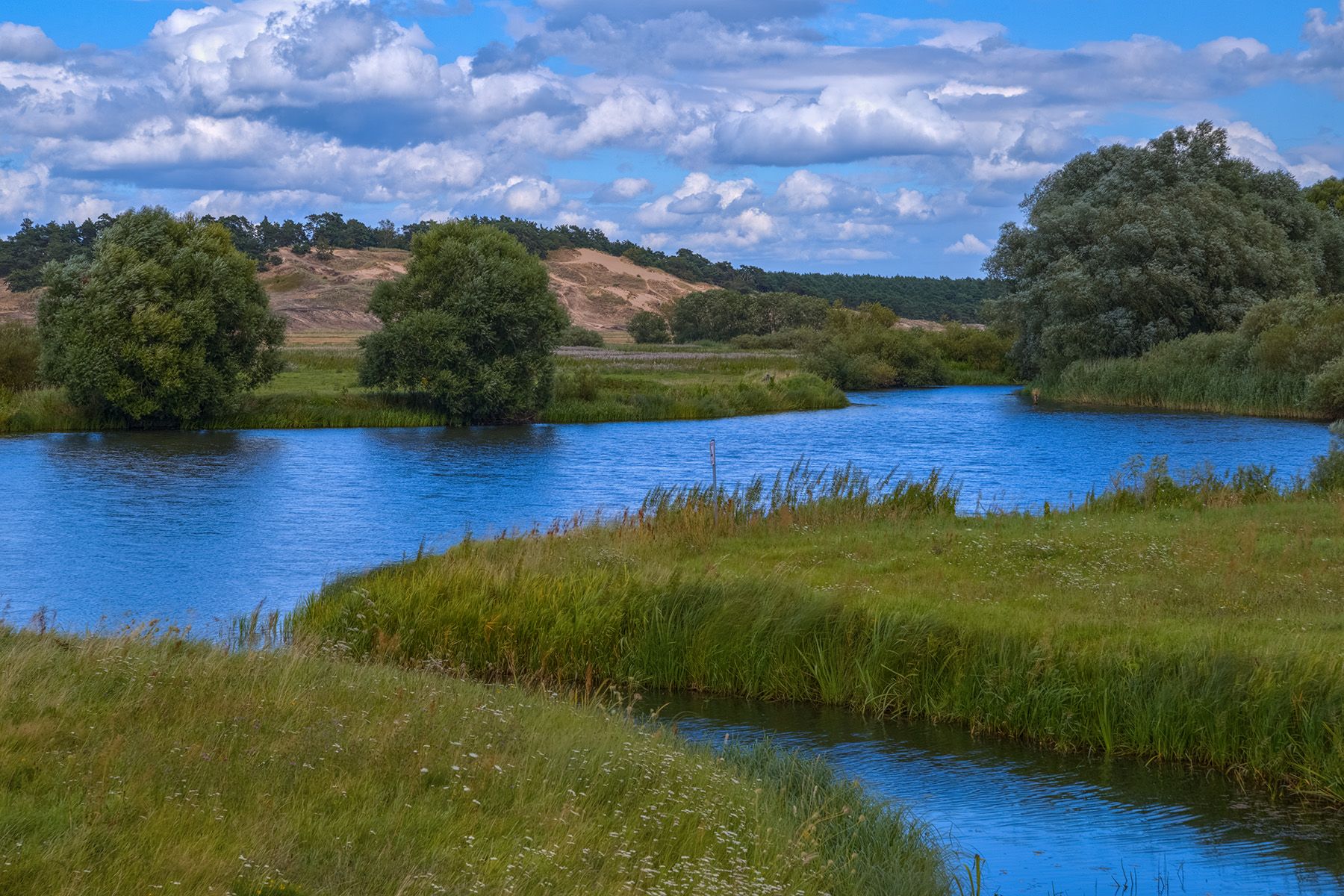
Bus station hiking trails around Zarrentin am Schaalsee lead through the UNESCO Biosphere Reserve Schaalsee, characterized by a mosaic of quiet forests, clear lakes, moors, fields, and pastures. The region features the Schaalsee, one of Germany's deepest lakes, along with other waterscapes like Lütauer See and Kirchensee. Hikers encounter diverse ecosystems, including species-rich moors and swamp forests, with the Hellberg reaching 93 meters above sea level.
Best bus station hiking trails around Zarrentin am Schaalsee
- The most popular bus station…
Last updated: July 11, 2026
4.7
(118)
424
hikers
Moderate hike. Good fitness required. Easily-accessible paths. Suitable for all skill levels.
4.7
(84)
259
hikers
Moderate hike. Good fitness required. Easily-accessible paths. Suitable for all skill levels.

Sign up for free
4.7
(72)
227
hikers
Moderate hike. Good fitness required. Easily-accessible paths. Suitable for all skill levels.
4.6
(38)
134
hikers
Moderate hike. Good fitness required. Easily-accessible paths. Suitable for all skill levels.
4.7
(136)
491
hikers
Moderate hike. Good fitness required. Easily-accessible paths. Suitable for all skill levels.
Get access to more routes and recommendations from other explorers.
Sign up for free
Already have an account?
Our route recommendations are based on thousands of hikes, rides, and runs completed by other people on komoot.
Start today with a free account
Your next adventure awaits.
Login or Signup
Popular around Zarrentin am Schaalsee
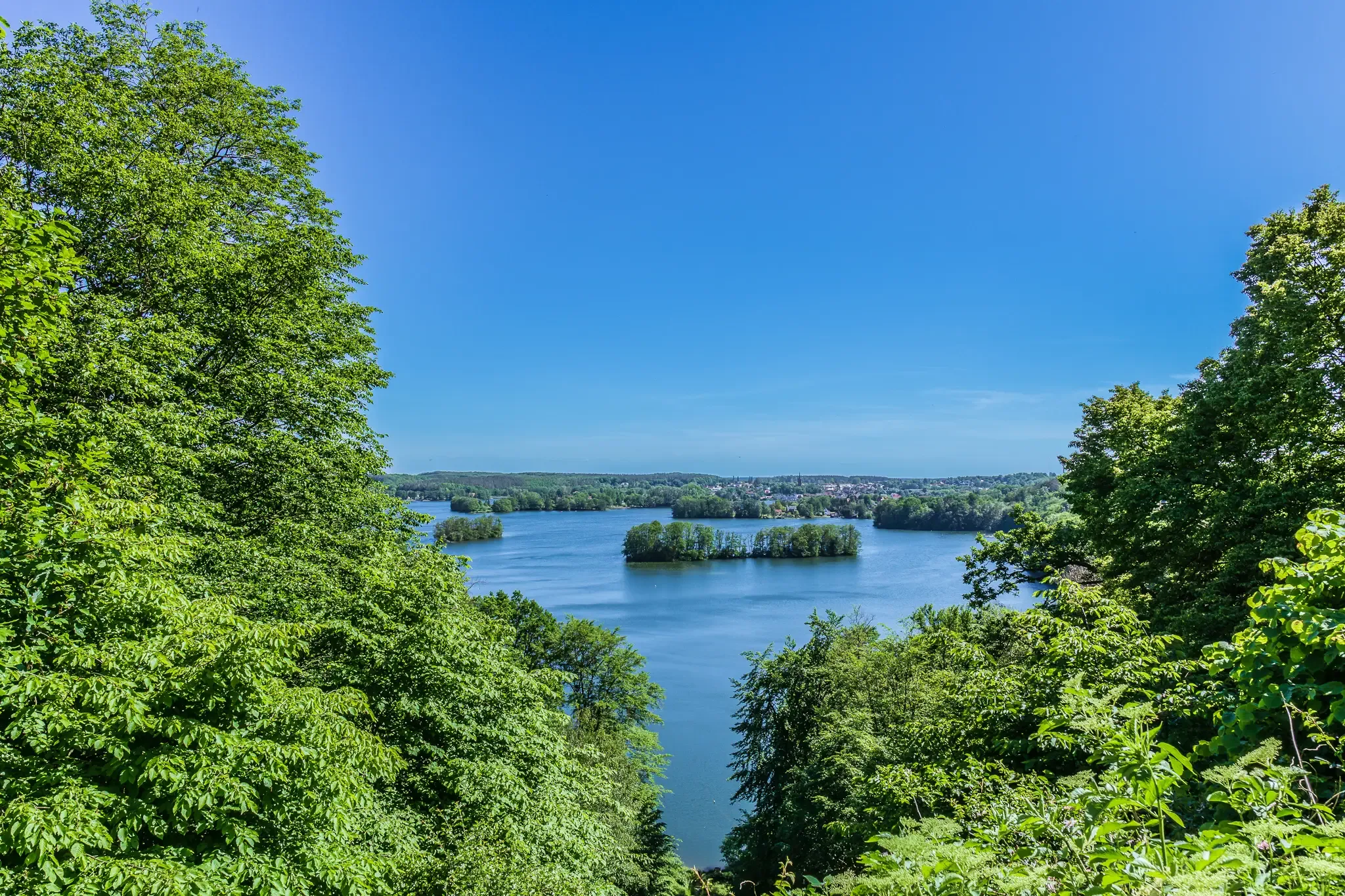
Germany's MV Nature Park Trail — Hike through epic natural landscapes
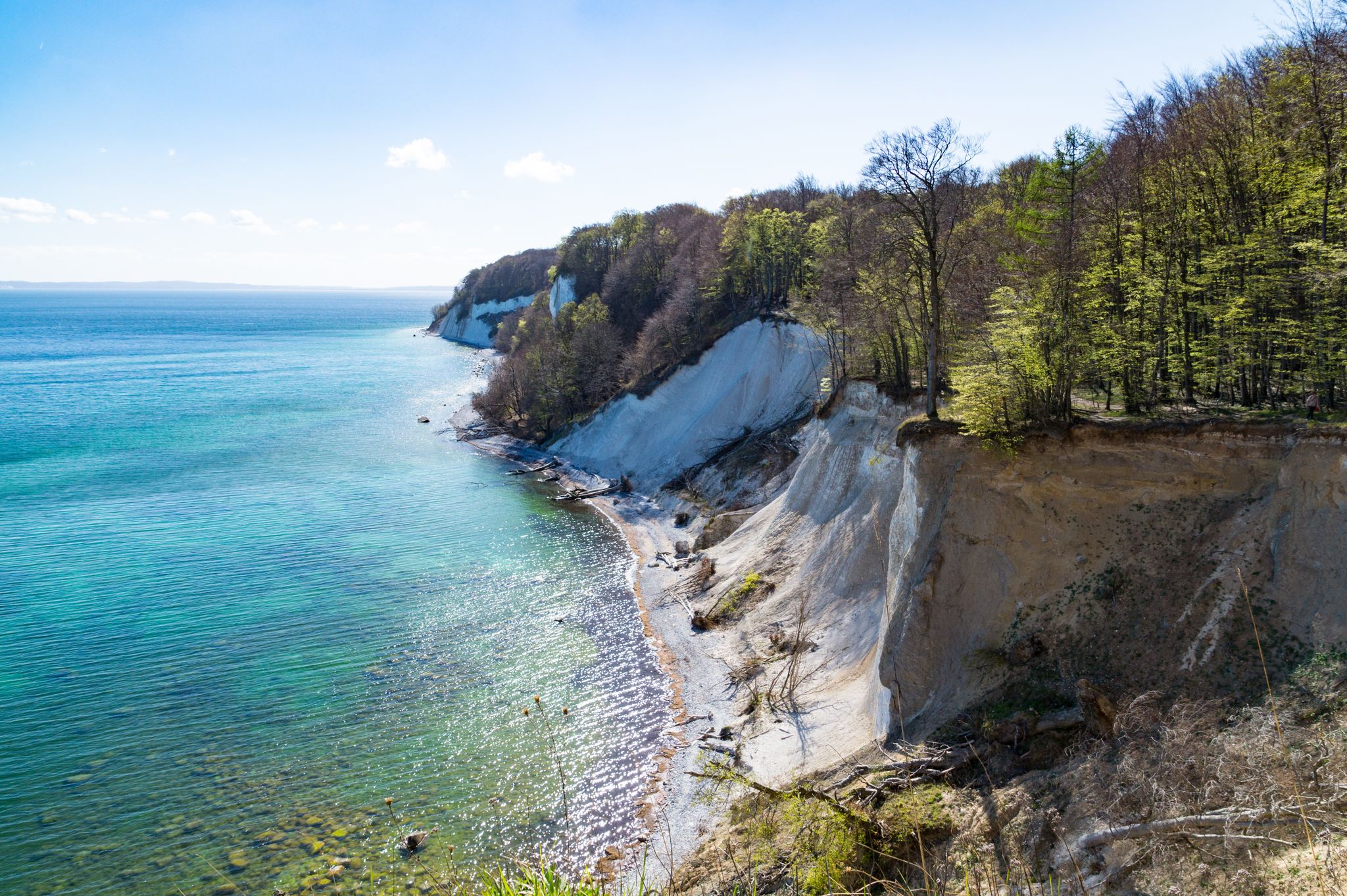
The National Natural Landscapes in Mecklenburg-Vorpommern
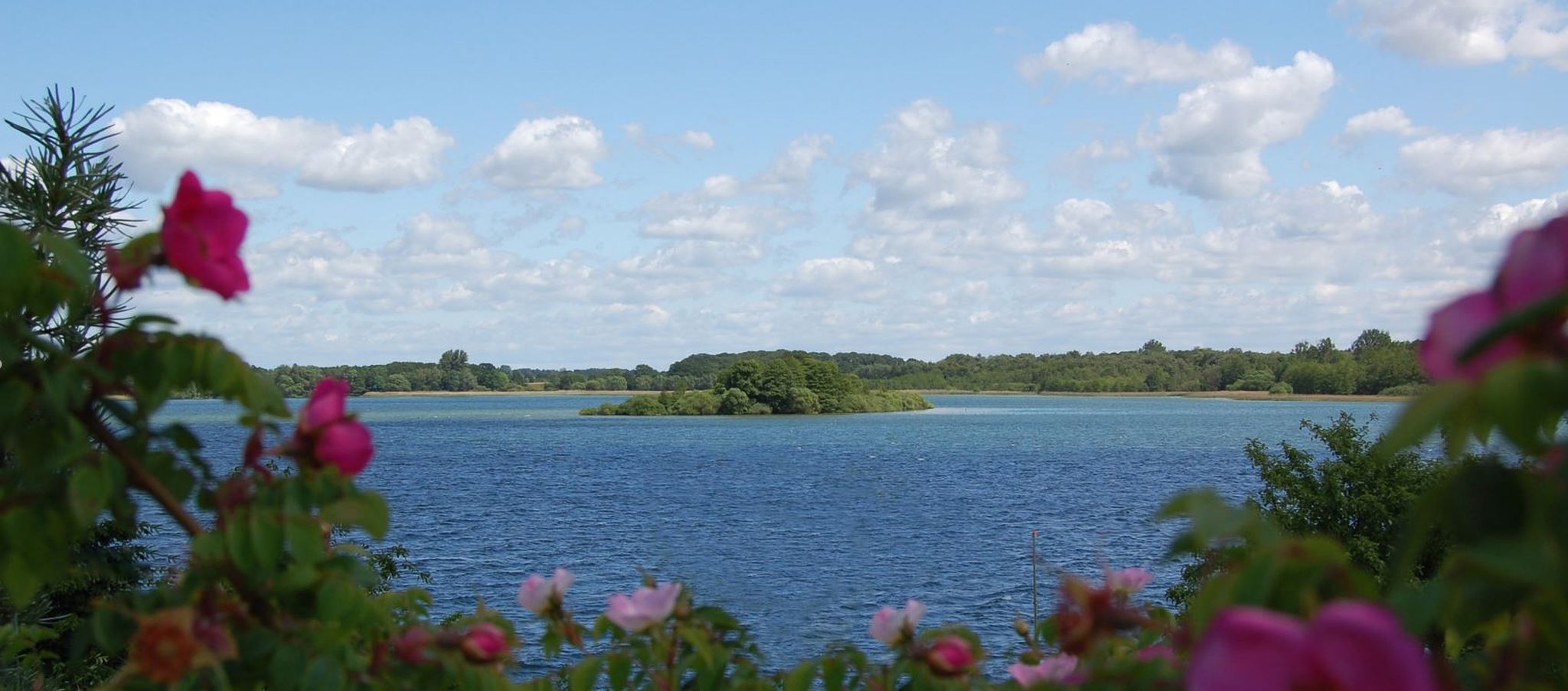
Hiking in the south of the Biosphere Reserve
Monastery Triangle: Ratzeburg - Rehna - Zarrentin
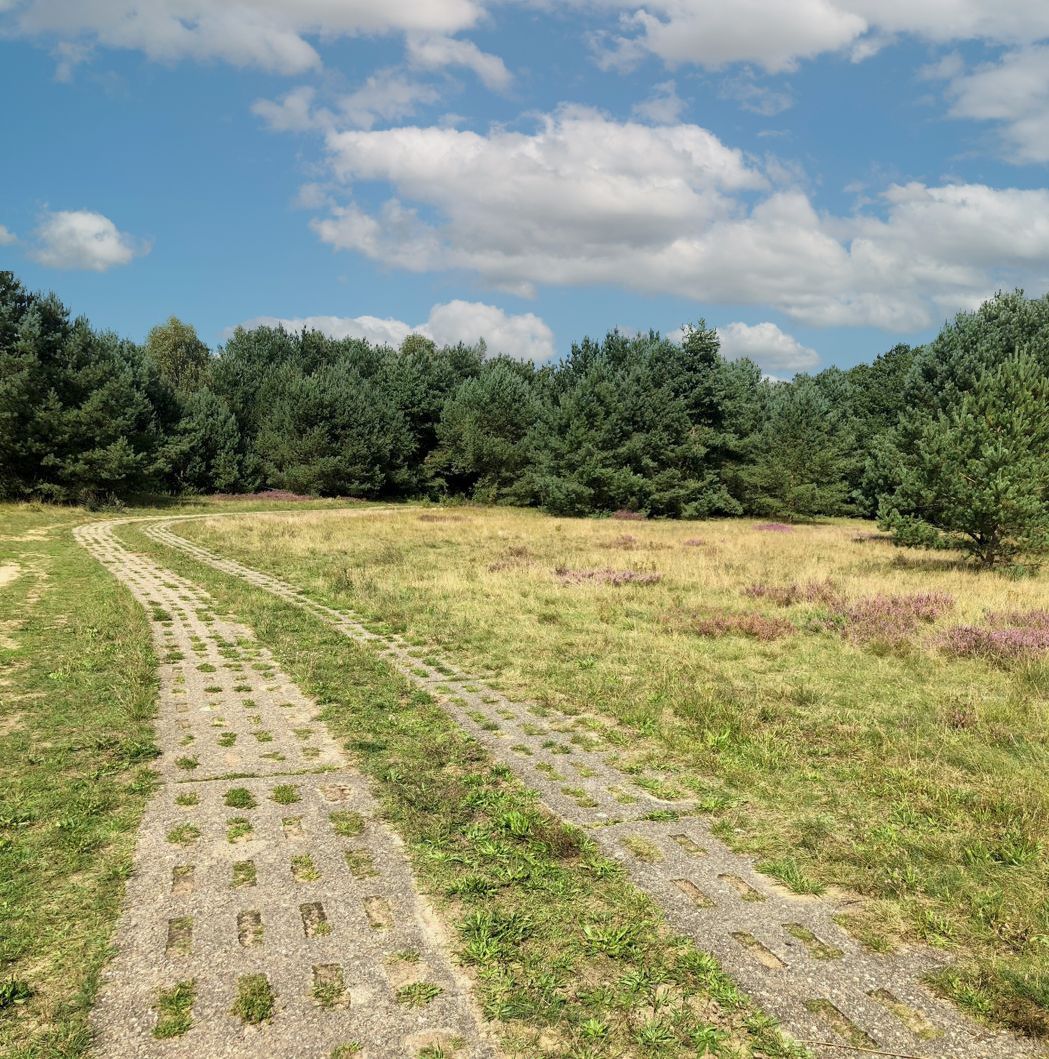
On the way on the Green Belt in the Schaalsee Biosphere Reserve
Borderless and free on the trail of history – Iron Curtain Trail (SH)
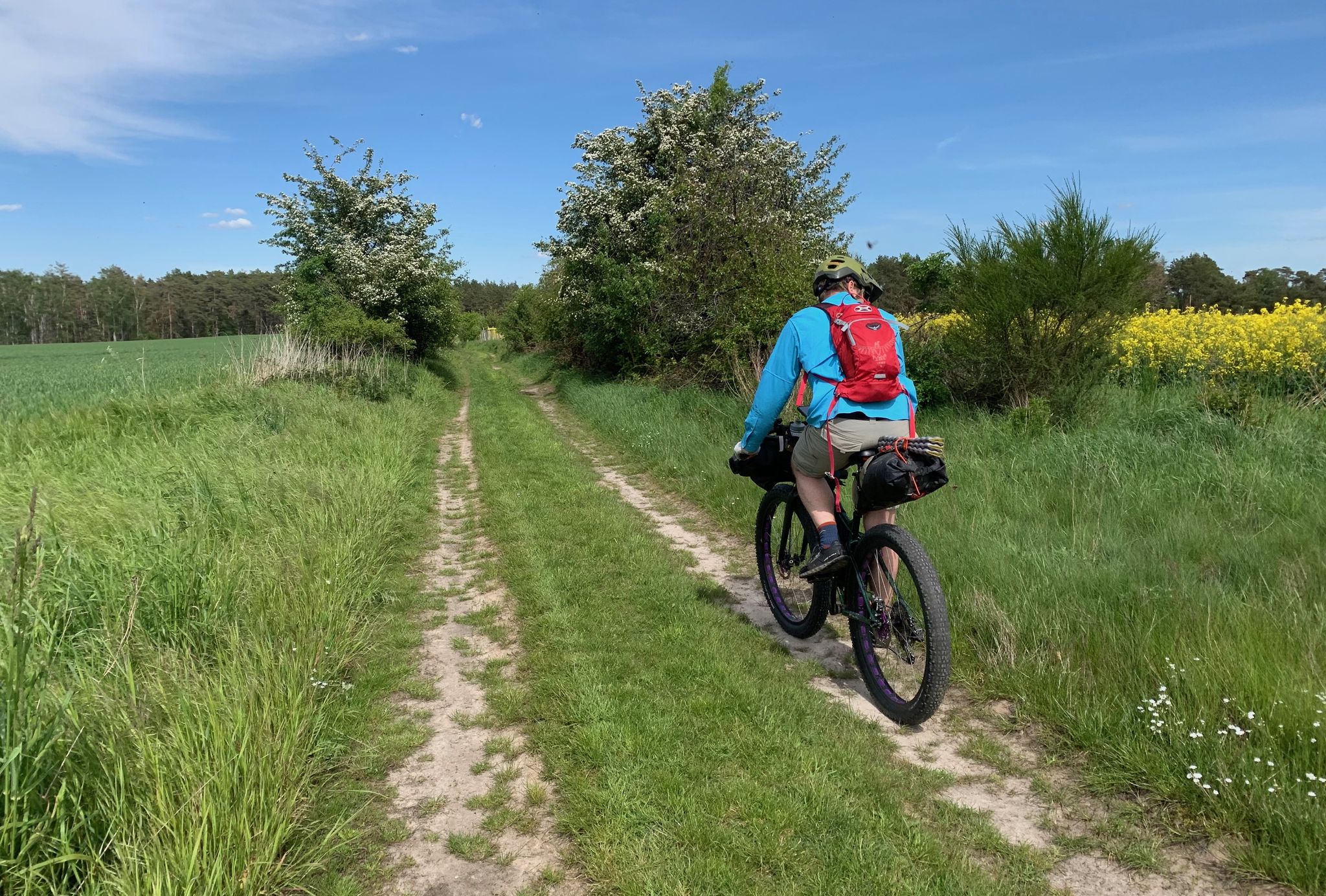
Multi-day tours in the Schaalsee Biosphere Reserve
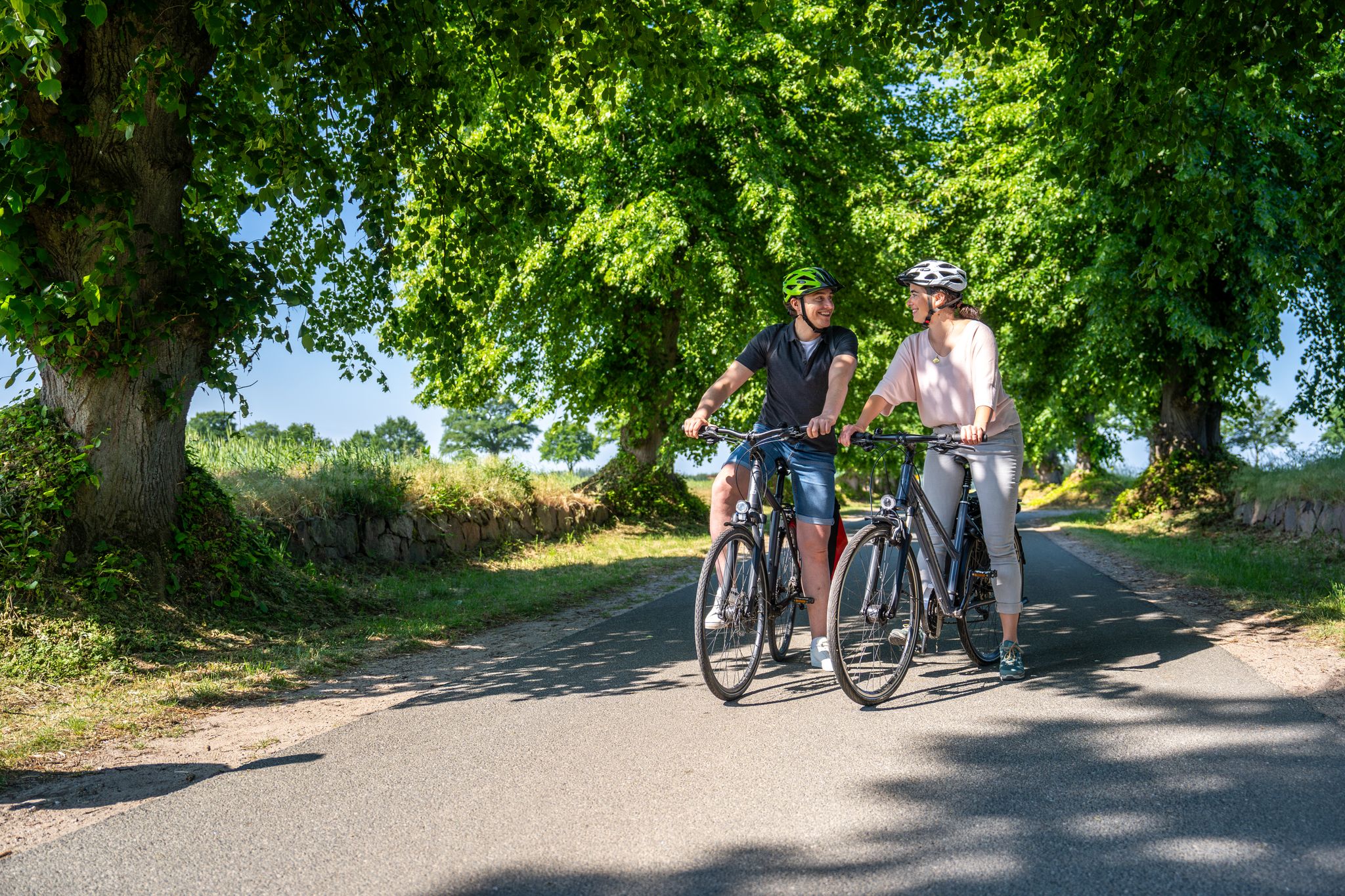
Cycling in the Schaalsee biosphere reserve
Mit dem Rad auf dem Elbe-Schaalsee-Rundweg
Auf dem Elbe-Schaalsee-Rundweg durch das Biosphärenreservat
Other adventures around Zarrentin am Schaalsee


Tips from the Community

Seasonal opening hours: April/May: Friday to Sunday and on public holidays from 11 am June - October: open daily from 11 am | except Tuesday (closed day)
0
0

The island of Stintenburg, with its imposing manor house, is a place shrouded in mystery with a highly eventful history. Until after the fall of the Berlin Wall, few of the people living in the restricted area during the GDR era suspected that the secret elite unit of the GDR border troops was trained in the manor house until 1986: professional officers armed with dual weapons, service dogs, and motorcycles to guard the inner-German border in the immediate vicinity. The island has a long history as a noble residence. Owners such as the Counts of Schwerin, the von Lützow and von Bülow families, Duchess Christine Margarete of Mecklenburg (1615–1666), and the von Hammerstein family called it home. In 1740, the estate came into the possession of Count Johann Hartwig Ernst von Bernstorff (1712–1772), whose family remained the lords of the manor until the 20th century and who have occupied it again since the 1990s, after the restitution. The manor house was built starting in 1810 for the Danish branch of the von Bernstorff family. The center of the nine-axis, neoclassical plastered building with its high hipped roof is emphasized by a restrained central projection. The facade of the impressive house is clearly and strictly structured by stacked windows on the first two floors. https://www.denkmalschutz.de/denkmal/stintenburg.html
2
0
Stintenburg. A sea eagle circles over deep blue water, the trees to the left and right of the cobblestone avenue cast thick shadows, and once you cross the small bridge to the island in the Schaalsee, see the red bridge house on your left and the manor house in the distance in the park, this seems like the perfect place to forget the problems of the world. The poet Gottlieb Klopstock described the island as an "island of happier solitude" in his ode "Stintenburg" in 1767 after a visit. It's hard to imagine that German history, with all its shoals, is focused like a magnifying glass right here on the 400-meter-long and 190-meter-wide island. Perfect material for a Hollywood film – after all, there's now a book that documents the multifaceted history. https://www.ln-online.de/kultur/regional/was-die-stasi-auf-der-insel-stintenburg-trieb-73FITHSMMMB7PQFHLOO4OFIAAU.html
2
0

Very friendly - even though it was closed, I was allowed to use the terrace as shelter for over an hour and eat what I had brought with me.
1
0

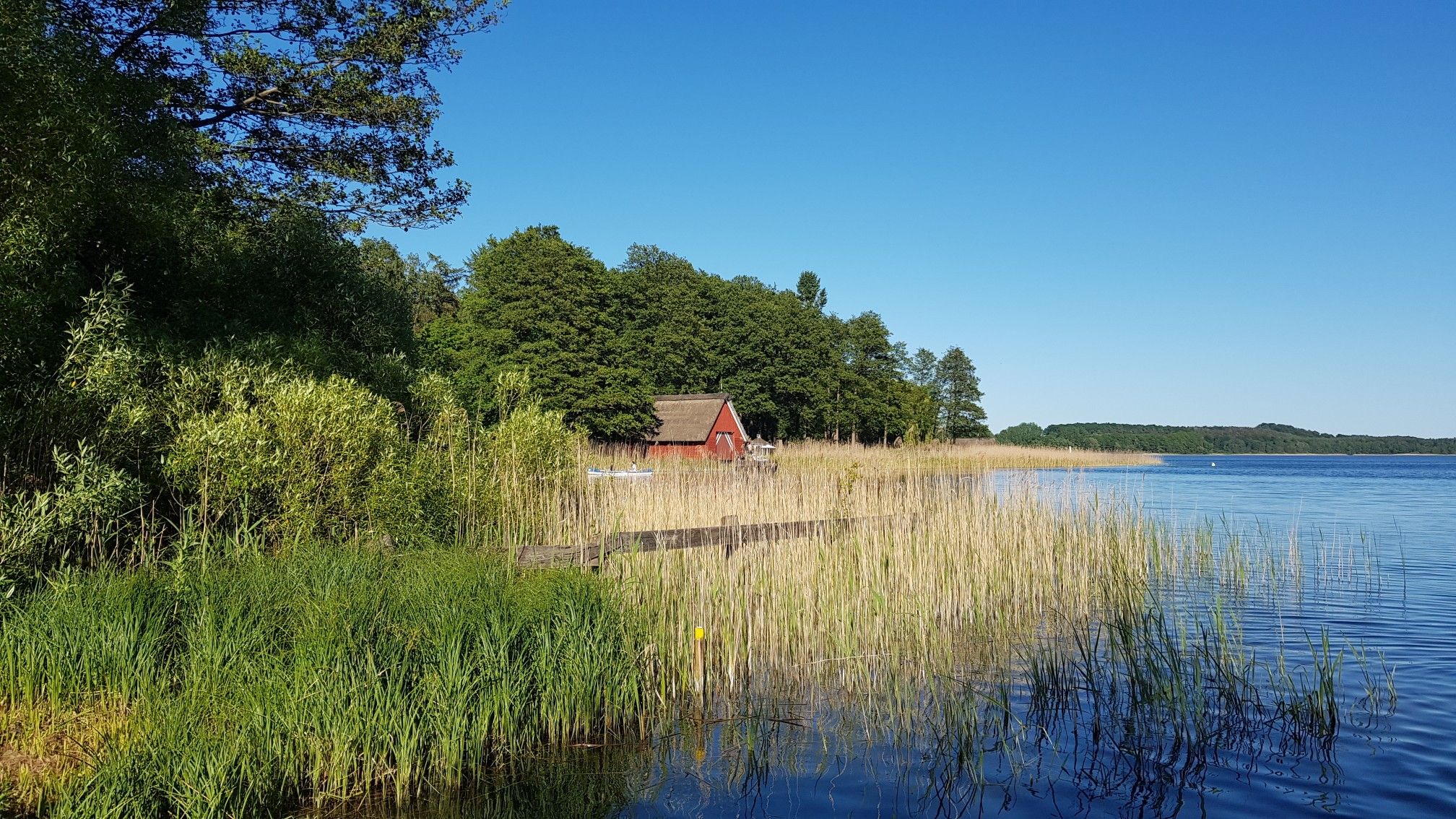
Small pier for rowing boats, a quite romantic place with a beautiful view of the lake
0
0

The Cistercian monastery in Zarrentin am Schaalsee was founded in 1246 and dissolved in 1553. The building houses a permanent exhibition in the cloister, which has a direct connection to the monastery and its history. Originally, the monastery complex, together with the Zarrentin Church, formed a closed, slightly trapezoidal rectangle with a four-sided cloister surrounding the inner courtyard. This contained the nuns' cemetery. The buildings of the south and west wings were described as dilapidated as early as 1576 and demolished soon thereafter. The Gothic east wing, whose long side runs parallel to the shore of Lake Schaalsee, has survived to this day. The cross-ribbed vaults, some with elaborately designed keystones and consoles, are completely preserved. Source: https://de.wikipedia.org/wiki/Kloster_Zarrentin
2
0
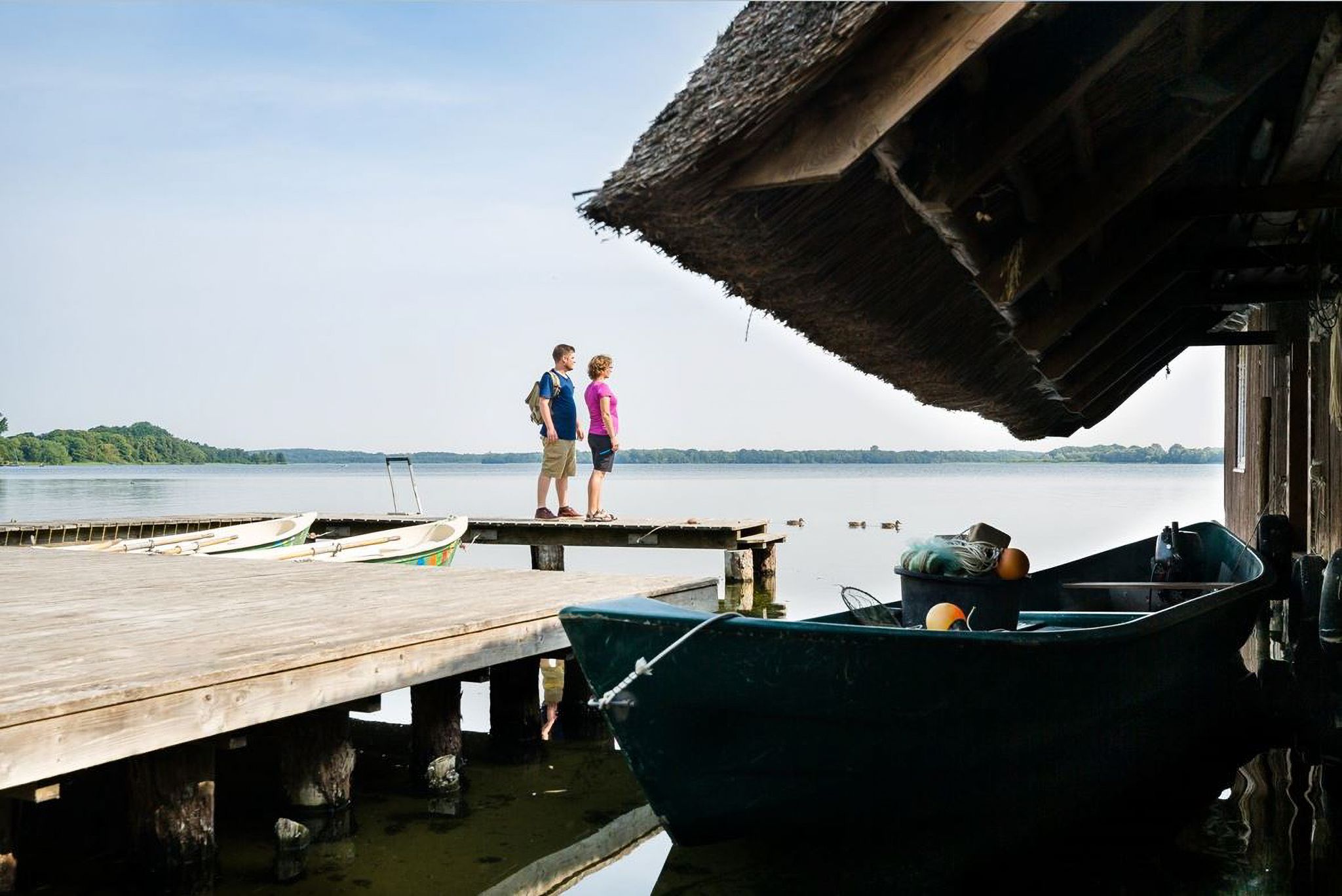
The approximately 1.2 km long waterfront promenade runs from the bathing establishment to the church and monastery complex. Along the way, there are boat rentals and passenger boat rides, as well as a restaurant, snack bar, and hotel. Piers with beautiful boathouses along the entire route complete the picture of this idyllic waterfront promenade.
2
0
The UNESCO Schaalsee Biosphere Reserve lies between the metropolitan areas of Hamburg, Lübeck, and Schwerin. The 24-square-kilometer Schaalsee was formed by glaciers during the last Ice Age and is one of the deepest lakes in Germany. Islands, bays, and extensive reed beds characterize the Schaalsee. The lake's rich flora and fauna is a result of its history: During the division of Germany, the inner-German border ran through the lake, allowing nature to develop largely undisturbed. Today, hiking and cycling trails lead through beech and marsh forests, moors and wet meadows, commercial forests, pastures, and fields.
2
0
Frequently Asked Questions
How many hiking trails are accessible from bus stations around Zarrentin am Schaalsee?
There are over 75 hiking trails around Zarrentin am Schaalsee that are easily accessible from local bus stations. These routes offer a convenient way to explore the diverse landscapes of the UNESCO Biosphere Reserve Schaalsee without needing a car.
What kind of landscapes can I expect on bus-accessible hikes in Zarrentin am Schaalsee?
The region offers a 'green mosaic' of landscapes. You'll find quiet forests, clear lakes like the Schaalsee and Kirchensee, species-rich moors, and open fields. Many trails follow old tree-lined avenues and lead along picturesque lakeside promenades, providing a rich natural experience.
Are there any easy, family-friendly bus-accessible hikes?
Yes, there are many easy routes suitable for families. For example, the Bridge over the Schaale – Schaale River loop from Zarrentin am Schaalsee is an easy 3.7 km hike. Another great option is the Zarrentin Moor Experience Trail – Zarrentin Monastery on Lake Schaalsee loop, which is 5.1 km and includes the accessible Moorerlebnispfad boardwalk.
Can I bring my dog on these bus-accessible trails?
Most trails in the Zarrentin am Schaalsee region are dog-friendly, but it's always best to keep your dog on a leash, especially in nature reserves and near wildlife. The diverse terrain, from forests to lakeside paths, offers plenty of enjoyment for you and your canine companion.
What are some notable natural features or landmarks I can see on these hikes?
You can explore a variety of natural and historical landmarks. The Schaalsee lakeside promenade in Zarrentin offers charming views, while the Hellbach Valley Nature Reserve showcases unique ecosystems. Don't miss the Schwarzsee Viewing Platform for expansive vistas. The historic Zarrentin Abbey Church is also a significant cultural stop.
Are there any circular routes starting from bus stops?
Absolutely. Many of the bus-accessible routes are circular, allowing you to start and end at the same bus stop. A popular moderate option is the Zarrentin Monastery on Lake Schaalsee – Old Sunken Lane 'Redder' loop from Zarrentin am Schaalsee, which is over 17 km long and offers varied scenery.
What is the best time of year to hike from bus stations in Zarrentin am Schaalsee?
The region is beautiful year-round. Spring brings blooming flora and active wildlife, while summer offers pleasant temperatures for lakeside strolls. Autumn is particularly stunning with vibrant foliage, especially along routes through dense forests. Even in winter, the quiet, frosty landscapes have a unique charm.
Are there any longer or more challenging bus-accessible hikes?
Yes, for those seeking a longer challenge, routes like the Zarrentin Monastery on Lake Schaalsee – Old Sunken Lane 'Redder' loop at over 17 km provide a moderate challenge with varied terrain. Another good option is the St. Abundus Church Lassahn – Bridge House Stintenburg Island loop from Lassahn, which is over 10 km and also rated moderate.
What do other hikers enjoy most about the bus-accessible trails in Zarrentin am Schaalsee?
The area is highly rated by the komoot community, with an average score of 4.7 stars. Reviewers often praise the tranquility of the UNESCO Biosphere Reserve, the well-maintained paths, and the stunning views of the Schaalsee and other lakes. The convenience of public transport access to such pristine nature is also frequently highlighted.
Are there any cafes or places to eat near bus stops along the trails?
Zarrentin am Schaalsee town center, which is a central bus hub, offers several cafes and restaurants where you can refuel before or after your hike. Along some routes, you might find smaller eateries or guesthouses in the villages, especially near popular attractions like the Zarrentin Abbey Church or the lakeside promenade.
Can I find historical sites along these bus-accessible routes?
Yes, the region is rich in history. Besides the Zarrentin Abbey Church, parts of the historic 'Green Belt' – tracing the former inner-German border – are integrated into hiking trails within the Schaalsee Biosphere Reserve, offering a unique blend of nature and historical reflection. You can also find historical sites like Kehrsen Motte.
Most popular routes around Zarrentin am Schaalsee
Most popular attractions around Zarrentin am Schaalsee

Get inspired with the komoot mobile app


Explore more
Browse the best Hikes in other regions.
