The best city hikes and walks around Wittenberge
4.5
(498)
2,259
hikers
23
hikes
Urban hiking trails around Wittenberge are primarily shaped by the Elbe River and its extensive floodplains, which form a significant part of the UNESCO Middle Elbe Biosphere Reserve. The region features a landscape of green areas, urban forests, and accessible green spaces within and around the town. Terrain is generally characterized by gentle gradients, making routes suitable for various fitness levels.
Best urban hiking trails around Wittenberge
- The most popular urban hiking route is Old Oil Mill Wittenberge – Clara-Zetkin…
Last updated: July 11, 2026
4.7
(6)
15
hikers
Moderate hike. Good fitness required. Easily-accessible paths. Suitable for all skill levels.
4.5
(2)
22
hikers
Easy hike. Great for any fitness level. Easily-accessible paths. Suitable for all skill levels.

Sign up for free
5.0
(1)
15
hikers
Easy hike. Great for any fitness level. Easily-accessible paths. Suitable for all skill levels.
5.0
(2)
11
hikers
Easy hike. Great for any fitness level. Easily-accessible paths. Suitable for all skill levels.
5.0
(1)
4
hikers
Easy hike. Great for any fitness level. Easily-accessible paths. Suitable for all skill levels.
Get access to more routes and recommendations from other explorers.
Sign up for free
Already have an account?
Our route recommendations are based on thousands of hikes, rides, and runs completed by other people on komoot.
Start today with a free account
Your next adventure awaits.
Login or Signup
Popular around Wittenberge
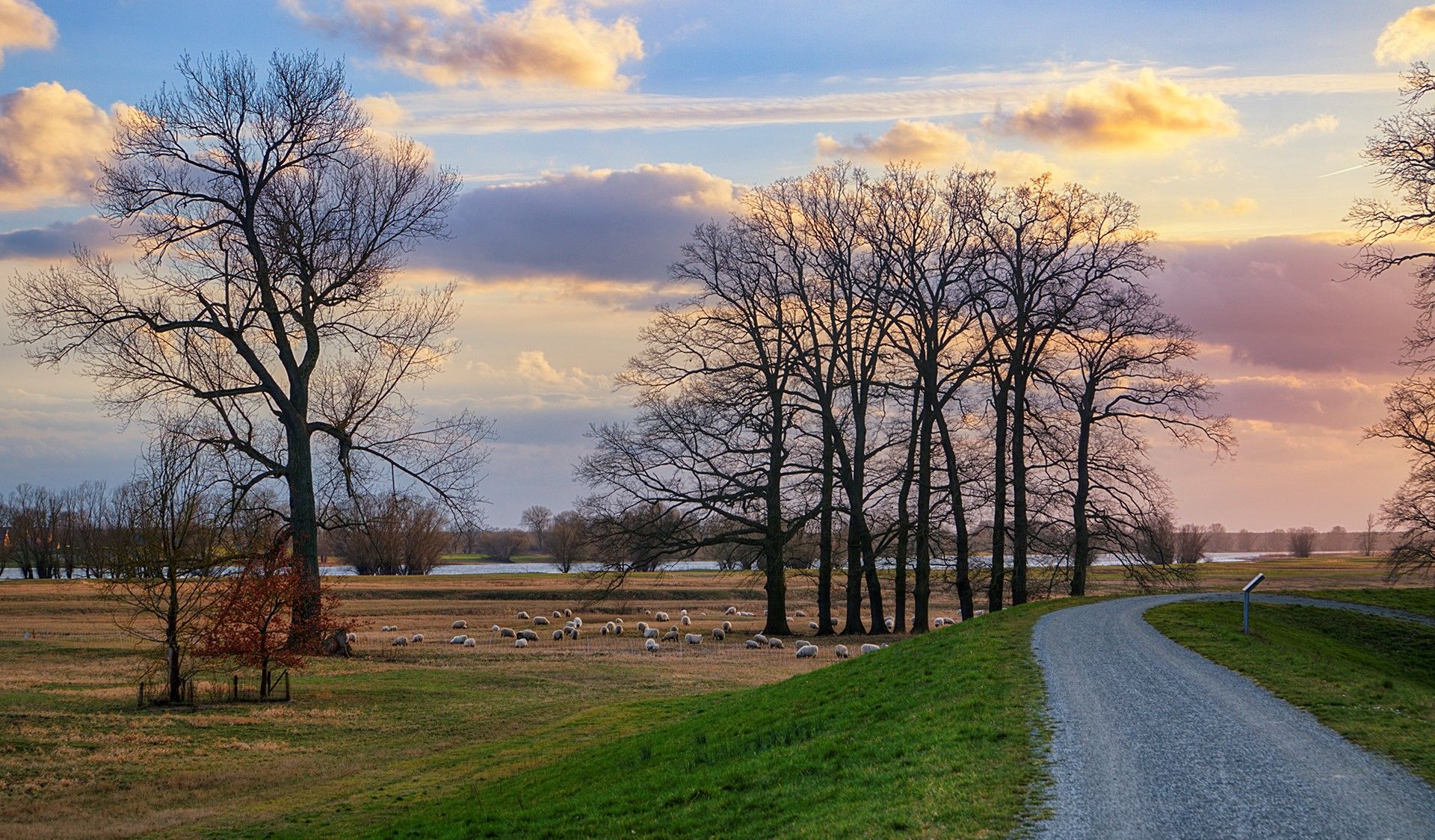
Tour Brandenburg – Cycle around Berlin in 18 stages
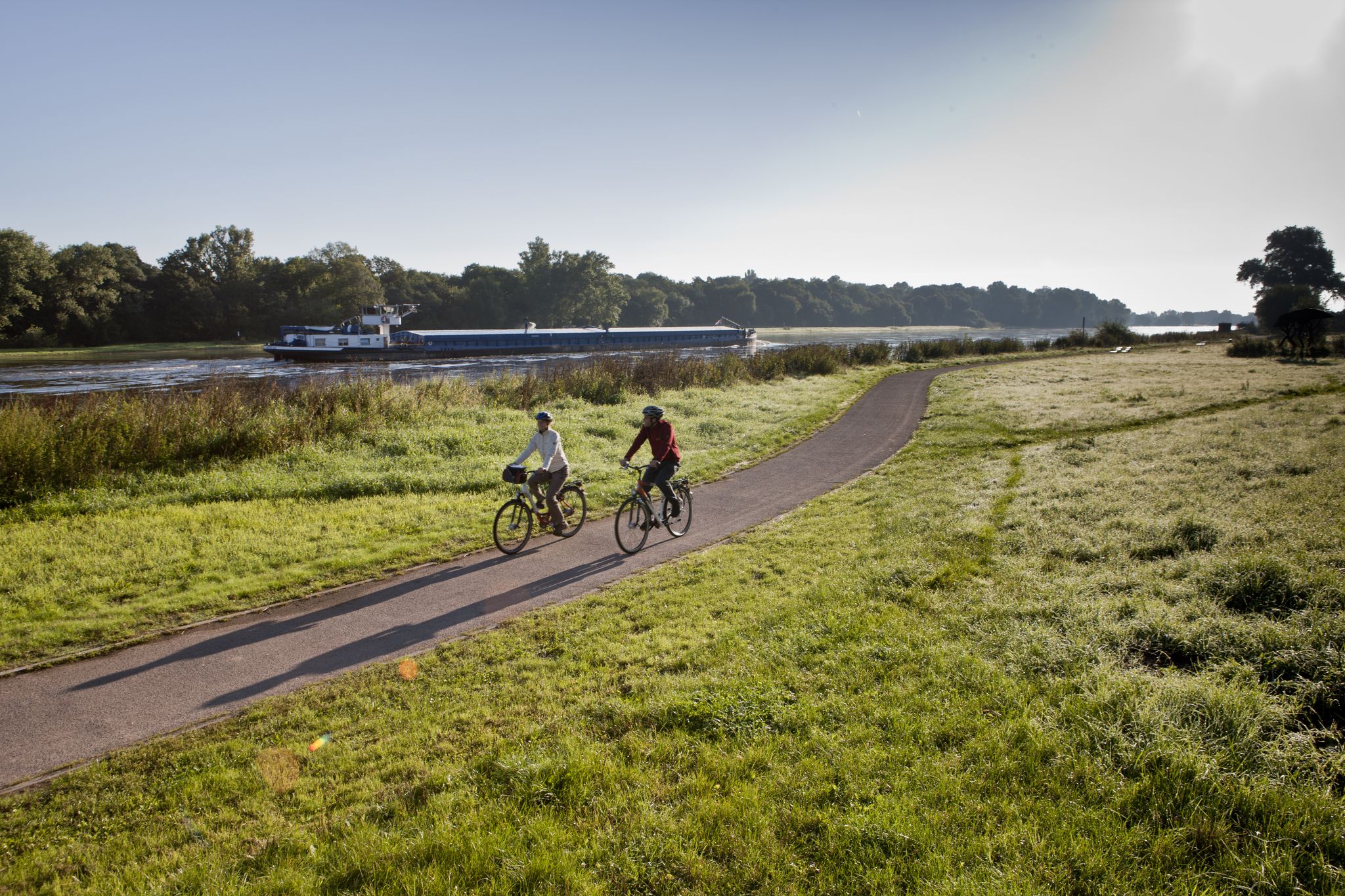
Elbe Cycle Route – Ride through Saxony-Anhalt
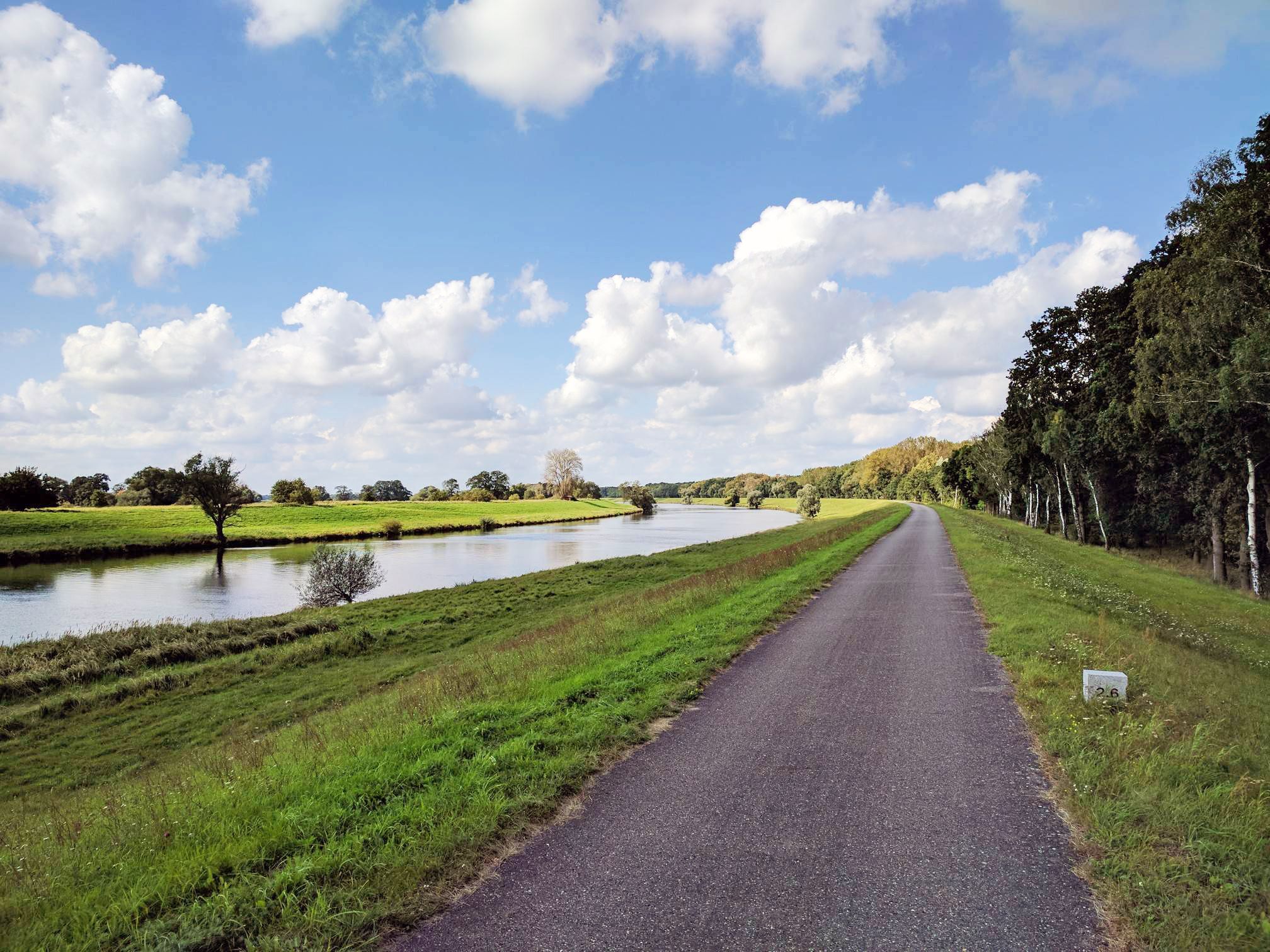
Germany's Elbe Müritz Cycle Path — Ride past rivers and lakes
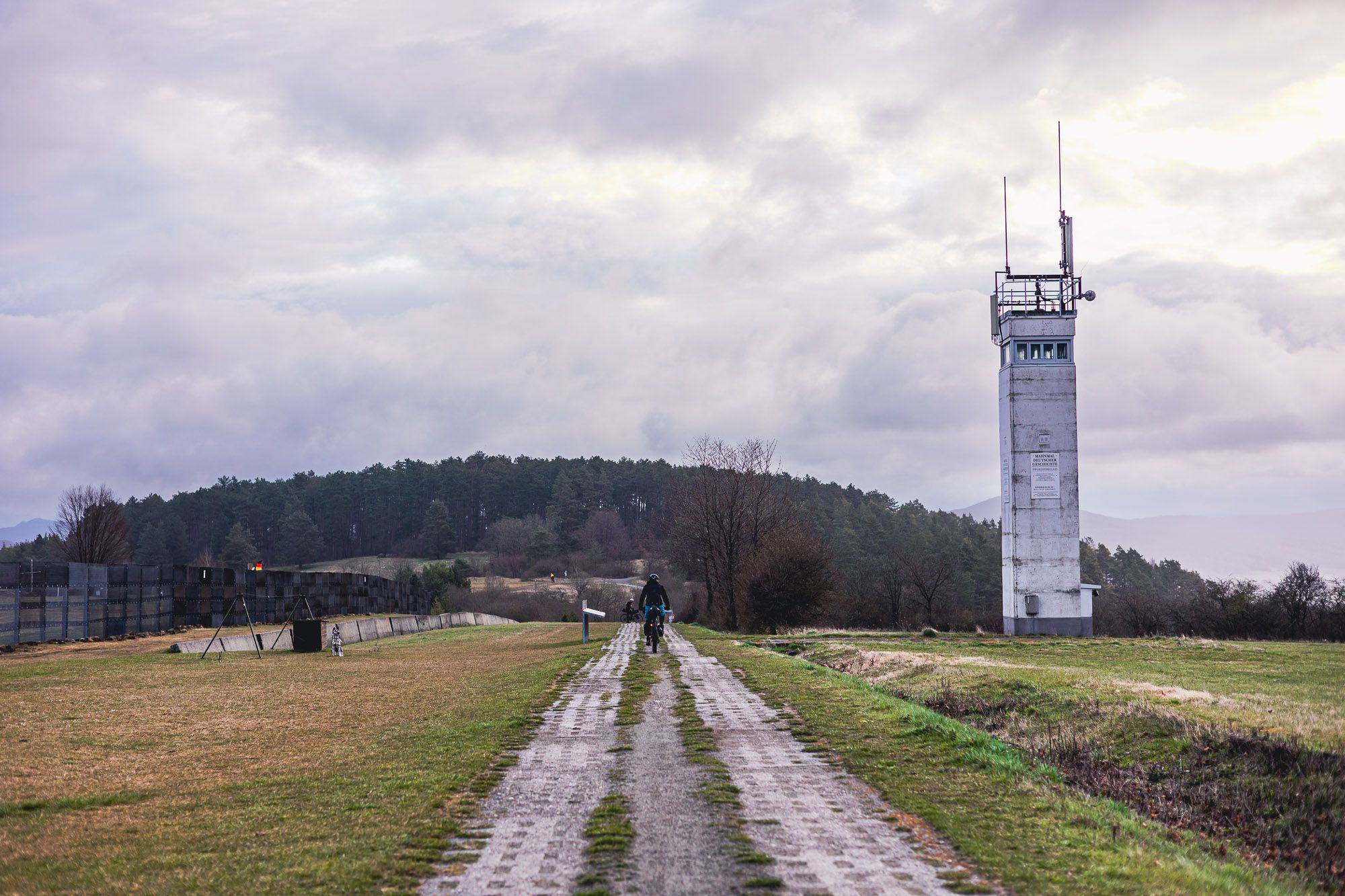
The Baltic Sea to Vogtland – 8 days along Germany's green former border
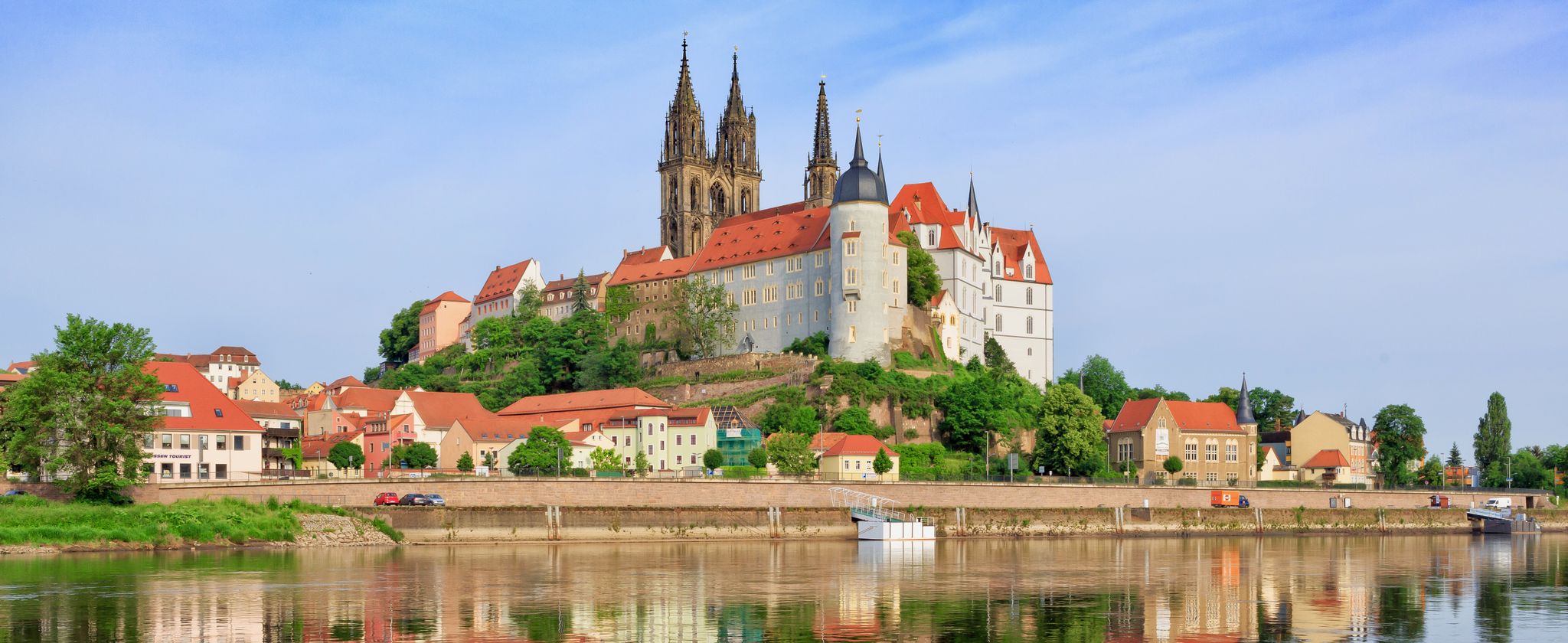
The Elbe Cycle Path — cross-border cycling pleasure
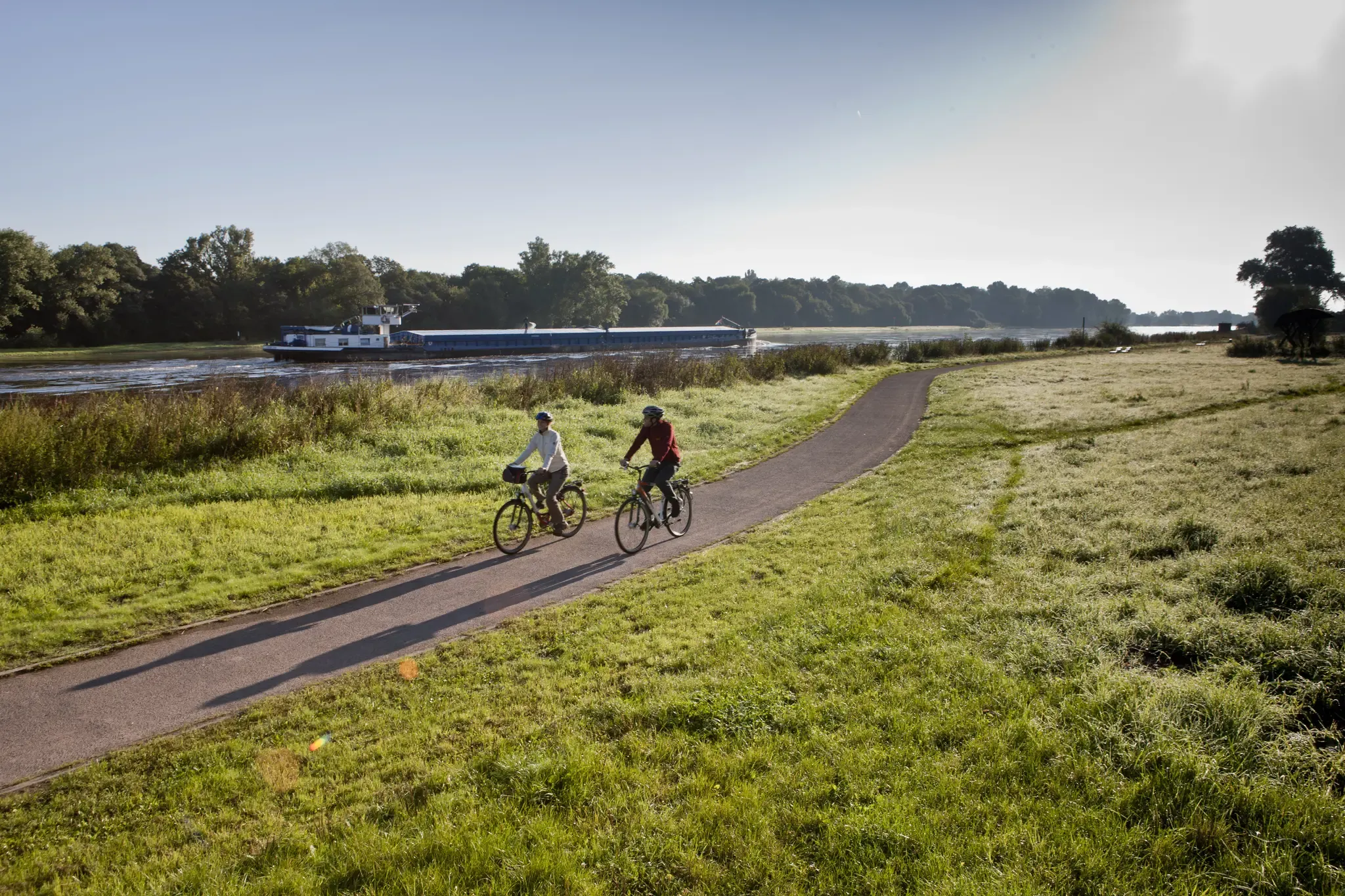
Ride the Elbe Cycle Route through Saxony-Anhalt
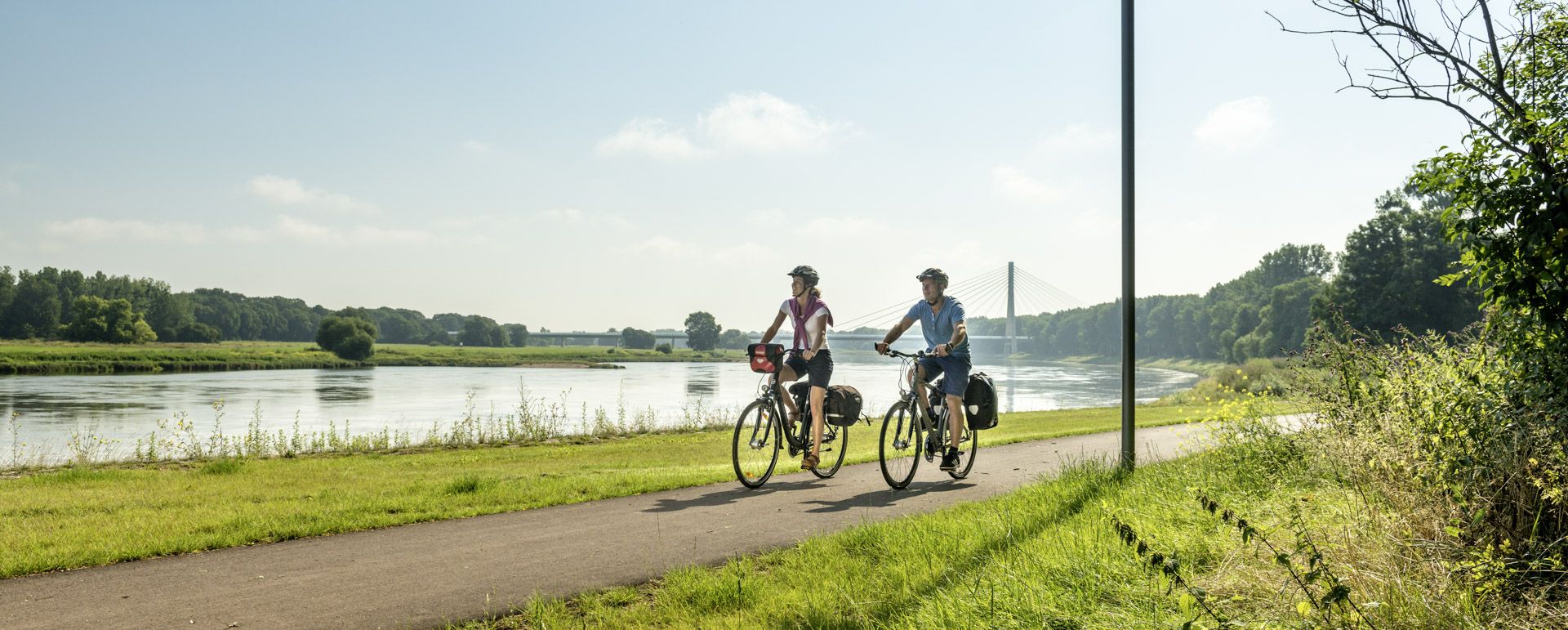
Cycling in Saxony-Anhalt – Where nature and culture combine
Other adventures around Wittenberge


Tips from the Community

located directly on the water with a beautiful view over the Elbe meadows.
0
0

The Stadtkirche St. Marien in Wittenberg, first mentioned in 1187, is considered the mother church of the Reformation, where Martin Luther preached from 1512 onwards. As the oldest building in the city (built from approx. 1281), it was the scene of the first German-language Protestant service. It houses the Cranach Altar and is part of the UNESCO World Heritage. Main preaching church of Martin Luther (since 1512) and Johannes Bugenhagen. Here, in 1521, the mass was celebrated for the first time in German and communion was administered in both kinds (bread and wine).
1
0
The history of the school site in Wittenberge began in 1895 with the opening of the Realschule. Later, the school continued as a Realgymnasium and, in the GDR, as an Erweiterte Oberschule (EOS). Since 1992, the school has once again been operating as a Gymnasium. The school has a focus on natural sciences. Students have the opportunity to work on interdisciplinary projects in their free time and participate in competitions such as „Jugend forscht“. On the annual „Day of Science“, lecturers from universities in Brandenburg, Berlin, and Mecklenburg-Vorpommern give talks on scientific topics.
2
0
The Marie Curie High School in Wittenberge (Brandenburg) was founded in 1895 as a private higher school for boys and moved into the main building in Sandfurttrift in 1900. It developed from a reform grammar school into today's state grammar school with a focus on natural sciences, which is housed in two listed buildings.
2
0
The Wittenberg Elbe riverbank promenade has transformed from an industrial harbor area into a modern recreational spot. It connects historic buildings, like the renovated main customs office, with green spaces and offers views of the Elbe. After extensive redesign, it now shapes the city's new image as the "Gateway to the Elbe Valley". The area around the promenade was closely linked to shipping and industrial development (nearby sewing machine factory). A striking building on the promenade, which was comprehensively renovated after a long period of vacancy and decay. As part of urban development, the riverbank has been upgraded and now serves as a promenade for locals and tourists.
3
0
The Steintor in Wittenberge is the city's oldest landmark, first mentioned in 1297. Rebuilt in its current form after a fire around 1430, it was the northwestern exit of the fortified city. The tower, formerly called "Alter Turm" (Old Tower), served as a prison in the 19th century and has housed a local history museum since 1928.
1
0
The harbor originally originated in the context of Wittenberg's industrial boom as a harbor basin. After the industrial facilities in the harbor area were shut down, the Nedwighafen was converted into a modern sports boat harbor. Today, the Nedwighafen serves as a central meeting point for water tourists on the Elbe and is an important part of tourism in the Prignitz. It is centrally located in the city, in close proximity to the Alte Ölmühle.
3
0
The house is located at the harbor, directly on the Elbe Cycle Route (Elberadweg). The rooms are stylishly furnished and have a view of the Elbe. Guests can also enjoy breakfast with a view of the Elbe.
3
0
Frequently Asked Questions
How many urban hiking trails are available in Wittenberge?
Wittenberge offers a good selection of urban hiking trails, with over 20 routes available for you to explore. These trails are designed to showcase the town's charm, green spaces, and riverside scenery.
What is the general difficulty level of urban hikes in Wittenberge?
The urban hikes in Wittenberge are generally accessible, with the vast majority being rated as easy. There are also a couple of moderate routes for those looking for a slightly longer challenge. The terrain is characterized by gentle gradients, making it enjoyable for various fitness levels.
Are there any circular urban hiking routes in Wittenberge?
Yes, many of the urban hiking routes in Wittenberge are circular, allowing you to start and end at the same point. For example, the Old Oil Mill Wittenberge – Clara-Zetkin Park loop offers a moderate 10.3 km circuit, while the Steintor Wittenberge – Wittenberge Town Hall loop is an easier 5.6 km option.
What kind of landmarks and natural features can I see on urban hikes in Wittenberge?
Urban hikes in Wittenberge often lead you past significant landmarks and natural features. You can explore historical sites like the Old Oil Mill Wittenberge, enjoy the scenic Elbe River, and even witness the unique Confluence of the Gnevsdorfer Vorfluter and the Elbe. The trails also wind through urban forests and green spaces, providing accessible nature experiences.
What do other hikers enjoy most about urban hiking in Wittenberge?
The komoot community rates urban hiking in Wittenberge highly, with an average score of 4.4 out of 5 stars. Hikers often praise the well-maintained paths, the peaceful riverside sections along the Elbe, and the opportunity to combine nature experiences with exploring the town's historical and green areas.
Are urban hikes in Wittenberge suitable for families with children?
Absolutely! Given the generally easy difficulty and gentle gradients, many urban hikes in Wittenberge are well-suited for families. Shorter routes like the Old Oil Mill Wittenberge – Bahnstraße Wittenberge loop (4.4 km) are perfect for a leisurely family stroll, offering a mix of urban green spaces and riverside views.
Can I bring my dog on urban hiking trails in Wittenberge?
Yes, dogs are generally welcome on the urban hiking trails in Wittenberge. The extensive green spaces, riverside paths, and urban forests provide plenty of opportunities for you and your canine companion to enjoy the outdoors. Please remember to keep your dog on a leash and clean up after them.
What is the best time of year for urban hiking in Wittenberge?
Wittenberge's urban trails are enjoyable year-round. Spring and autumn offer pleasant temperatures and beautiful scenery, with vibrant foliage or blooming nature. Summer is great for riverside walks, while winter can provide a unique, tranquil experience, especially along the Elbe. The gentle terrain makes these trails accessible in most weather conditions.
Are there public transport options to access urban hiking trails in Wittenberge?
Wittenberge is well-connected by public transport, making it easy to access the urban hiking trails. The town's train station, Wittenberge Station, serves as a convenient starting point for several routes, such as the Wittenberge Station – Bahnstraße Wittenberge loop, which is a 7.5 km easy hike.
Where can I find parking for urban hikes in Wittenberge?
Parking is generally available in and around Wittenberge, especially near key starting points for urban trails. You can often find parking close to landmarks like the Old Oil Mill or in the town center, providing convenient access to routes that explore the urban and natural landscapes.
Can I spot wildlife on urban hikes in Wittenberge?
Despite being urban, Wittenberge is nestled within the UNESCO Middle Elbe Biosphere Reserve, offering opportunities for wildlife spotting. Along the Elbe River and in the town's green spaces, you might observe various bird species. The region is particularly known for its large stork population, and if you're lucky, you might even spot beavers or sea eagles.
Most popular routes around Wittenberge
Most popular attractions around Wittenberge

Get inspired with the komoot mobile app


Explore more
Browse the best Hikes in other regions.
