The best traffic-free bike rides around Aspisheim
4.7
(22)
142
riders
27
rides
Gravel biking around Aspisheim offers diverse terrain through the Mainz-Bingen region, characterized by extensive vineyards, river valleys, and rolling hills. The landscape includes paths through the "Aspisheimer Sonnenberg" vineyards and routes near the confluence of the Rhine and Nahe rivers. Riders can expect varied elevations, from gentle slopes along river paths to more demanding ascents through the hillsides of Rheinhessen and the Bingen Forest. This region provides a network of no traffic gravel bike trails suitable for exploring its natural…
Last updated: October 14, 2026
4.7
(3)
20
riders
57.2km
03:26
670m
670m
Hard gravel ride. Very good fitness required. Mostly paved surfaces. Suitable for all skill levels.
5.0
(1)
7
riders
44.1km
03:07
880m
880m
Hard gravel ride. Very good fitness required. Mostly paved surfaces. Suitable for all skill levels.

5.0
(2)
15
riders
Easy gravel ride. Great for any fitness level. Mostly paved surfaces. Suitable for all skill levels.
5.0
(1)
6
riders
39.3km
02:53
770m
770m
Hard gravel ride. Very good fitness required. You may need to push your bike for some segments of this route.
9
riders
Easy gravel ride. Great for any fitness level. Mostly paved surfaces. Suitable for all skill levels.
Get access to more routes and recommendations from other explorers.
Already have an account?
Our route recommendations are based on thousands of hikes, rides, and runs completed by other people on komoot.
Start today with a free account
Your next adventure awaits.
Popular around Aspisheim

Tips from the Community

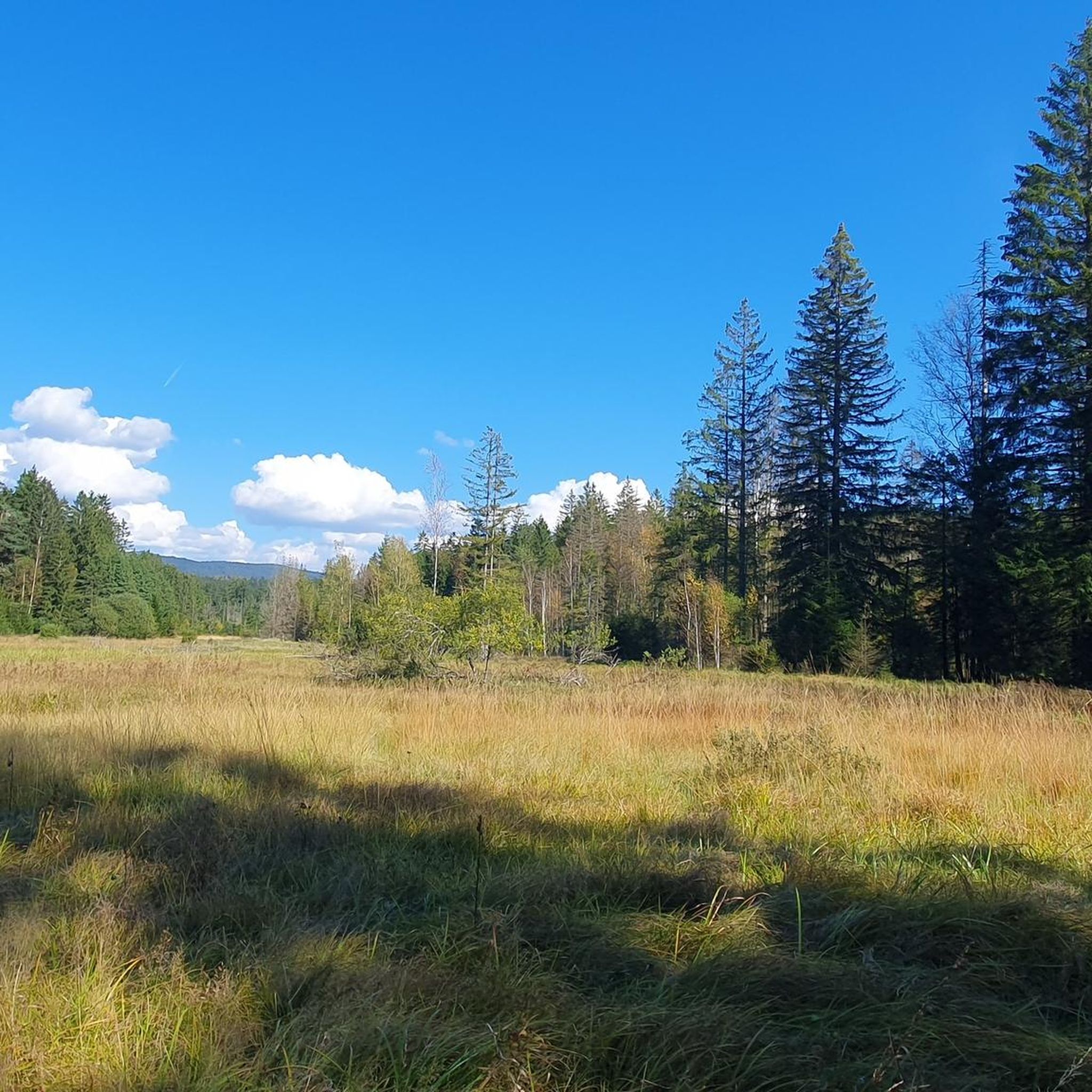
Currently fenced off due to wild boar plague and also worst low water.
0
0

From the village center in Weiler, continuing the Heilig Kreuz-Weg, a Stations of the Cross with Stations of the Cross leads north into the Binger Wald. It ends at the "Gedenkstätte Belle Kreuz" in the middle of the forest. The site is equipped with an open-air altar and a 10-meter-high wooden cross. The altar area serves as a memorial for the victims of the Second World War. The first Holy Mass took place here in 1955. As early as 1949, the community was founded to establish a Stations of the Cross. In 1951/52, the Stations of the Cross, made of Mayen basalt, could be erected. The Mainz sculptor Adam Winter created the relief panels for the niches of the stations. Since 1961, the remaining work has been completed.
1
0

Flood levels of the last 100 years
0
0

The Hindenburgbrücke was an important railway bridge over the Rhine, connecting Rüdesheim am Rhein with Bingen am Rhein (Kempten district). It was built between 1913 and 1915 and solemnly opened in August 1915 during World War I. With a total length of over a kilometer, it was an imposing technical structure that primarily served to close the strategically important railway connection between the Ruhr area and the Saarland and to relieve the Rhine routes. The structure was designed for double tracks and featured combined steel and stone arch constructions. A distinctive feature were the widely visible, castle-like bridge towers at the ends, which were architecturally adapted to the castles of the region. During World War II, the bridge became a strategic target and was finally blown up by German troops in March 1945 to stop the advance of the US Army; additional air raids almost completely destroyed the remaining parts. After the war, the Hindenburgbrücke – unlike many other bridges – was not rebuilt, as transport routes had changed and the priority lay with other Rhine crossings. Today, only the striking stone approach bridges and the bridge towers remain as "silent witnesses" on the Rhine bank and on the island of Rüdesheimer Aue. These ruins are listed as historical monuments and are part of the UNESCO World Heritage Upper Middle Rhine Valley, with the remaining piers in the shipping channel being blown up in the 1960s for navigational safety reasons.
7
0

Beautiful view, stunning landscape
0
0

When you drive through the vineyards you always have a great view of the Rhine Valley.
1
1
Frequently Asked Questions
How many no traffic gravel bike trails are available around Aspisheim?
Komoot features over 30 dedicated no-traffic gravel bike trails around Aspisheim. These routes vary in difficulty, offering options for easy rides, moderate challenges, and more difficult excursions through the region's diverse landscapes.
What kind of terrain can I expect on the no traffic gravel bike trails near Aspisheim?
The terrain around Aspisheim is quite varied, perfect for gravel biking. You'll encounter scenic paths through extensive vineyards, riverside trails along the Rhine and Nahe, and routes winding through hills and forests. Expect a mix of gravel surfaces, paved sections, and natural forest paths, providing a dynamic riding experience.
What is the best time of year for gravel biking in Aspisheim?
The spring and autumn months are generally ideal for gravel biking in Aspisheim. During these seasons, the weather is pleasant, and the vineyards offer beautiful scenery, whether in bloom or displaying their autumnal colors. Summer can also be great, especially for early morning or late afternoon rides to avoid the midday heat.
Are there easy no traffic gravel bike trails suitable for beginners?
Yes, there are several easy no-traffic gravel bike trails around Aspisheim. For instance, the Rhein Riverside Cycle Path – Rhine Beach, Sandlache Nature Reserve loop from Münster-Sarmsheim offers a gentle ride with minimal elevation gain, perfect for those new to gravel biking or looking for a relaxed outing. Another easy option is the Rhine Beach, Sandlache Nature Reserve – Rhein Riverside Cycle Path loop from Ingelheim am Rhein.
Are there any circular gravel bike routes around Aspisheim?
Yes, many of the no-traffic gravel bike trails around Aspisheim are designed as circular routes, allowing you to start and end at the same point. An example is the challenging View of the Niederwalddenkmal – Rhine-Nahe-Eck loop from Ockenheim, which offers stunning views and a rewarding ride.
What natural features can I see along the no traffic gravel bike trails?
You'll be treated to a variety of natural beauty. The routes often pass through the famous vineyards of Rheinhessen, offer panoramic views of the Nahe estuary and the Binger Loch, and follow paths along the Rhine and Nahe rivers. The Bingen Forest also provides shaded sections with lush greenery.
Are there any historical landmarks or viewpoints along the routes?
Absolutely! The region is rich in history and offers numerous viewpoints. You might encounter the impressive Rossel Ruins, which provide wonderful views of the Nahe estuary. The Rhine-Nahe-Eck is another significant viewpoint where the two rivers meet. Further afield, the Niederwald Monument above Rüdesheim offers fantastic vistas.
Is parking available for gravel bikers near Aspisheim?
Yes, parking is generally available in and around Aspisheim, especially in the larger towns like Bingen am Rhein or Rüdesheim, which serve as common starting points for many routes. Look for designated parking areas near trailheads or in town centers.
Can I reach the trails by public transport?
Aspisheim and surrounding towns like Bingen am Rhein are accessible by public transport, including regional trains and buses. This allows for flexible planning, where you can combine a train journey with your gravel bike tour, especially if you plan a one-way route or want to explore different starting points.
Are there places to stop for food or drinks along the way?
Many routes pass through charming villages and towns where you can find cafes, restaurants, and traditional 'Straußwirtschaften' (seasonal wine taverns) in the vineyard areas. Rüdesheim am Rhein, for example, is famous for its lively Drosselgasse, offering numerous options for refreshments and local cuisine.
Are the no traffic gravel bike trails in Aspisheim family-friendly?
While some routes are more challenging, there are definitely family-friendly options, particularly those along the riverbanks or through flatter vineyard sections. Look for routes marked as 'easy' in the komoot guide, which typically have less elevation and smoother surfaces, making them suitable for families with children.
Can I bring my dog on these gravel bike trails?
Most natural trails and paths in the Aspisheim region are dog-friendly, provided your dog is on a leash and you clean up after them. However, always check local regulations, especially in nature reserves or protected areas, as rules can vary. Ensure your dog is comfortable with the distance and terrain.
What do other gravel bikers say about the trails in Aspisheim?
The gravel bike trails around Aspisheim are highly rated by the komoot community, with an average score of 4.8 out of 5 stars from over 20 ratings. Reviewers often praise the stunning vineyard views, the quiet and varied terrain, and the excellent opportunities for traffic-free cycling.
Most popular attractions around Aspisheim

Get inspired with the komoot mobile app


Explore more
Browse the best Gravel rides in other regions.
