The best traffic-free bike rides around Wächtersbach
4.5
(509)
2,433
riders
56
rides
No traffic touring cycling routes around Wächtersbach are situated within the Hessian Spessart nature park, providing access to diverse landscapes. The region is characterized by the Kinzig River valley, extensive forests, and picturesque riverside landscapes. Its location offers a network of cycling routes with mostly paved surfaces and gentle inclines, suitable for various preferences.
Best no traffic touring cycling routes around Wächtersbach
- The most popular no traffic touring cycling route is Vogelsberg Southern Railway Cycle Path – Wooden Minion Sculpture…
Last updated: July 11, 2026
4.8
(42)
189
riders
Moderate bike ride. Good fitness required. Mostly paved surfaces. Suitable for all skill levels.
4.8
(66)
247
riders
Hard bike ride. Very good fitness required. Mostly paved surfaces. Suitable for all skill levels.

Sign up for free
5.0
(12)
69
riders
Hard bike ride. Good fitness required. You may need to push your bike for some segments of this route.
4.8
(4)
22
riders
11.1km
00:52
80m
80m
Easy bike ride. Great for any fitness level. Mostly paved surfaces. Suitable for all skill levels.
4.6
(9)
38
riders
Easy bike ride. Great for any fitness level. Mostly paved surfaces. Suitable for all skill levels.
Get access to more routes and recommendations from other explorers.
Sign up for free
Already have an account?
Our route recommendations are based on thousands of hikes, rides, and runs completed by other people on komoot.
Start today with a free account
Your next adventure awaits.
Login or Signup
Popular around Wächtersbach

Bikepacking to road cycling to MTB – on Tour with RMV
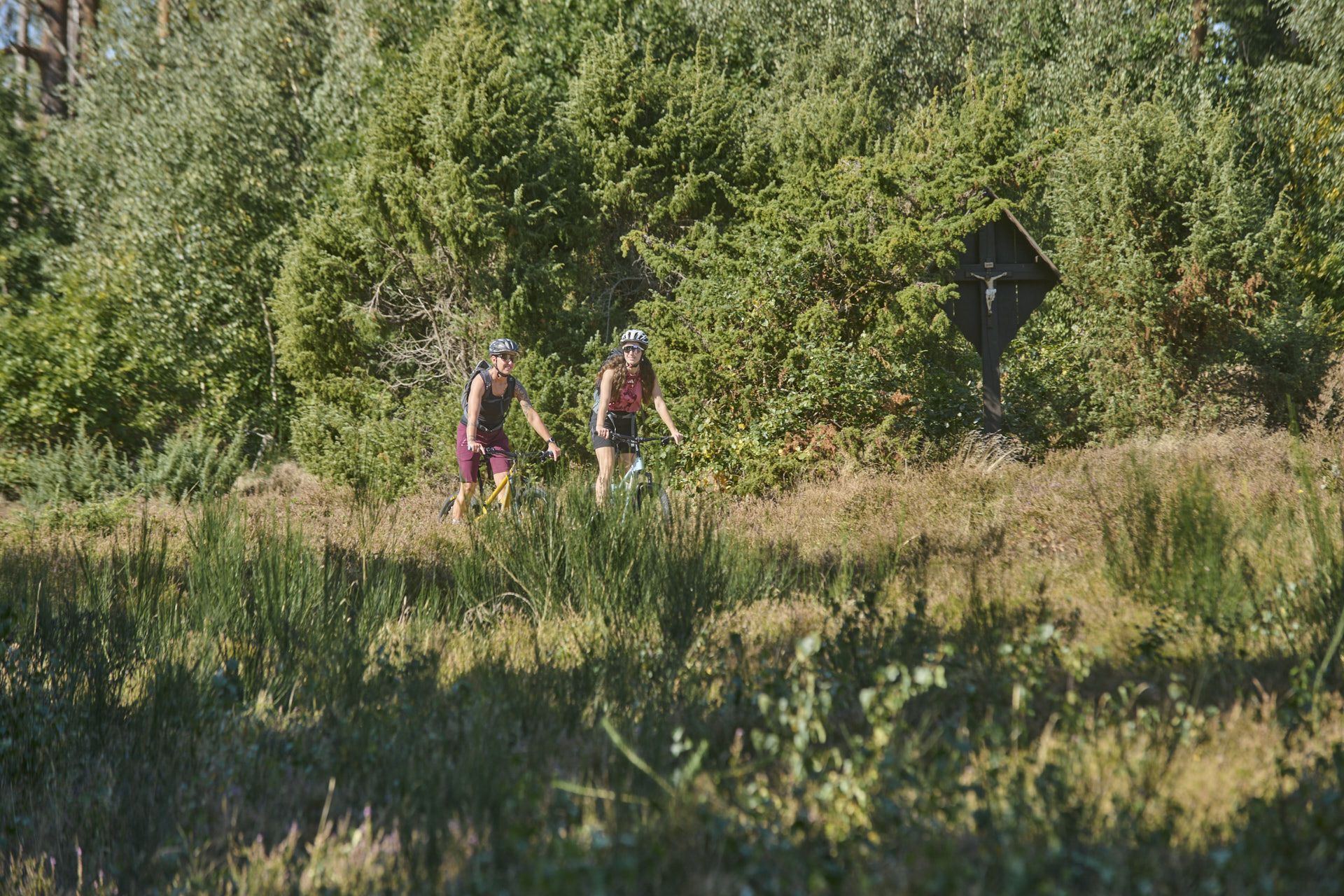
Nature, trails and local cuisine – MTB in the Spessart
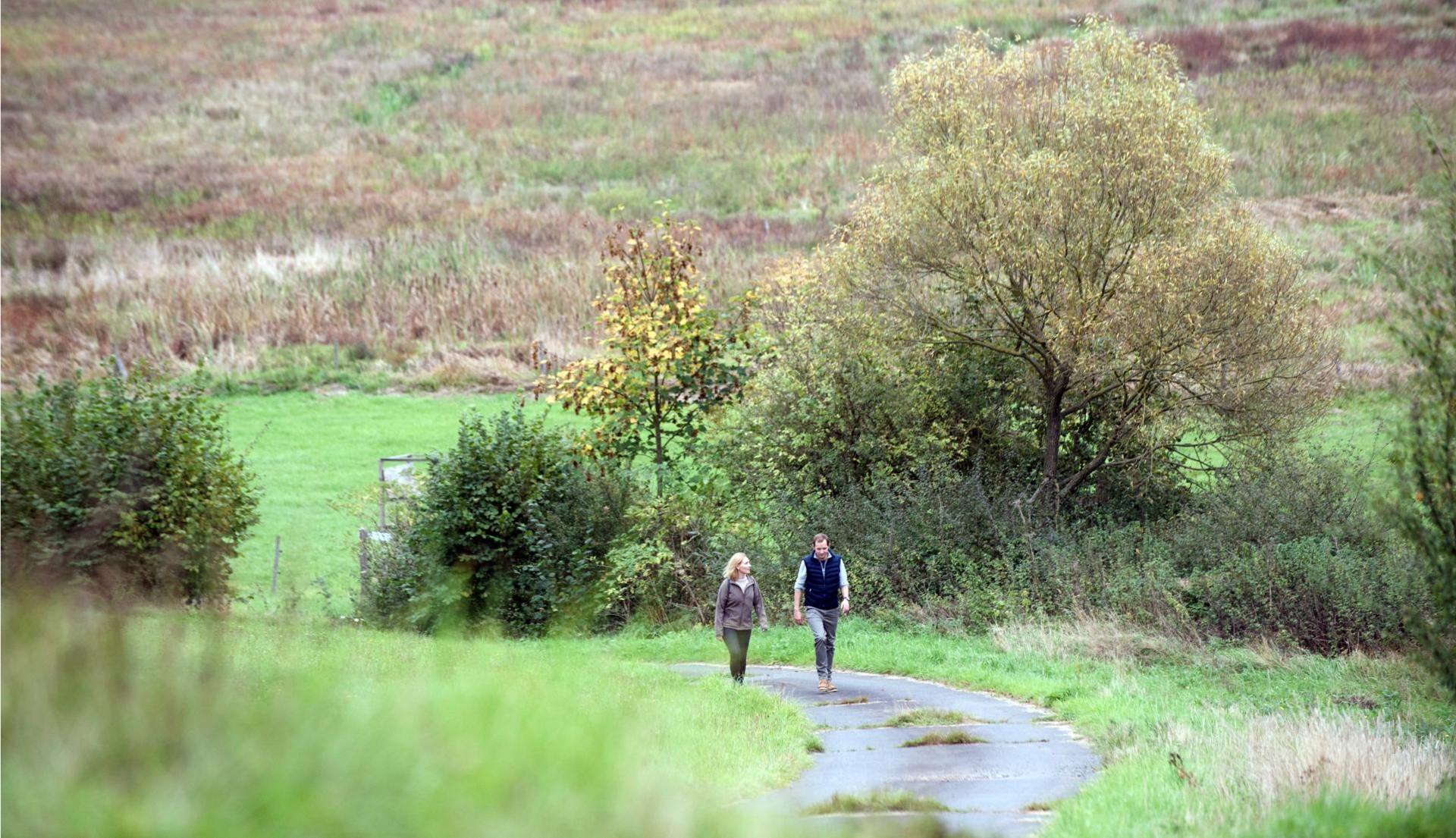
Pleasure hiking in the Spessart: trails that taste as good as they look
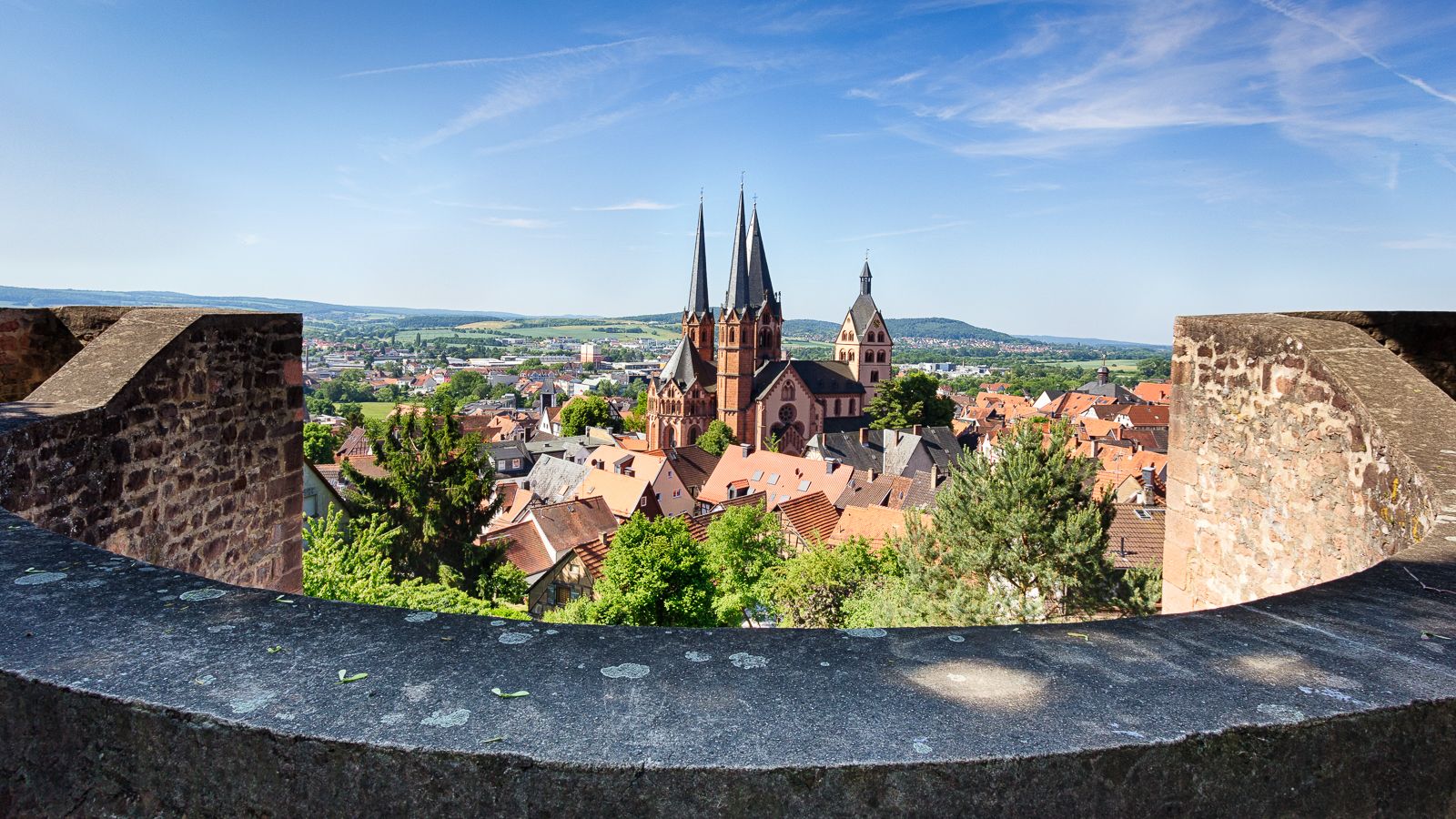
On the Way of St. James through Hesse – from the Fulda to the Main
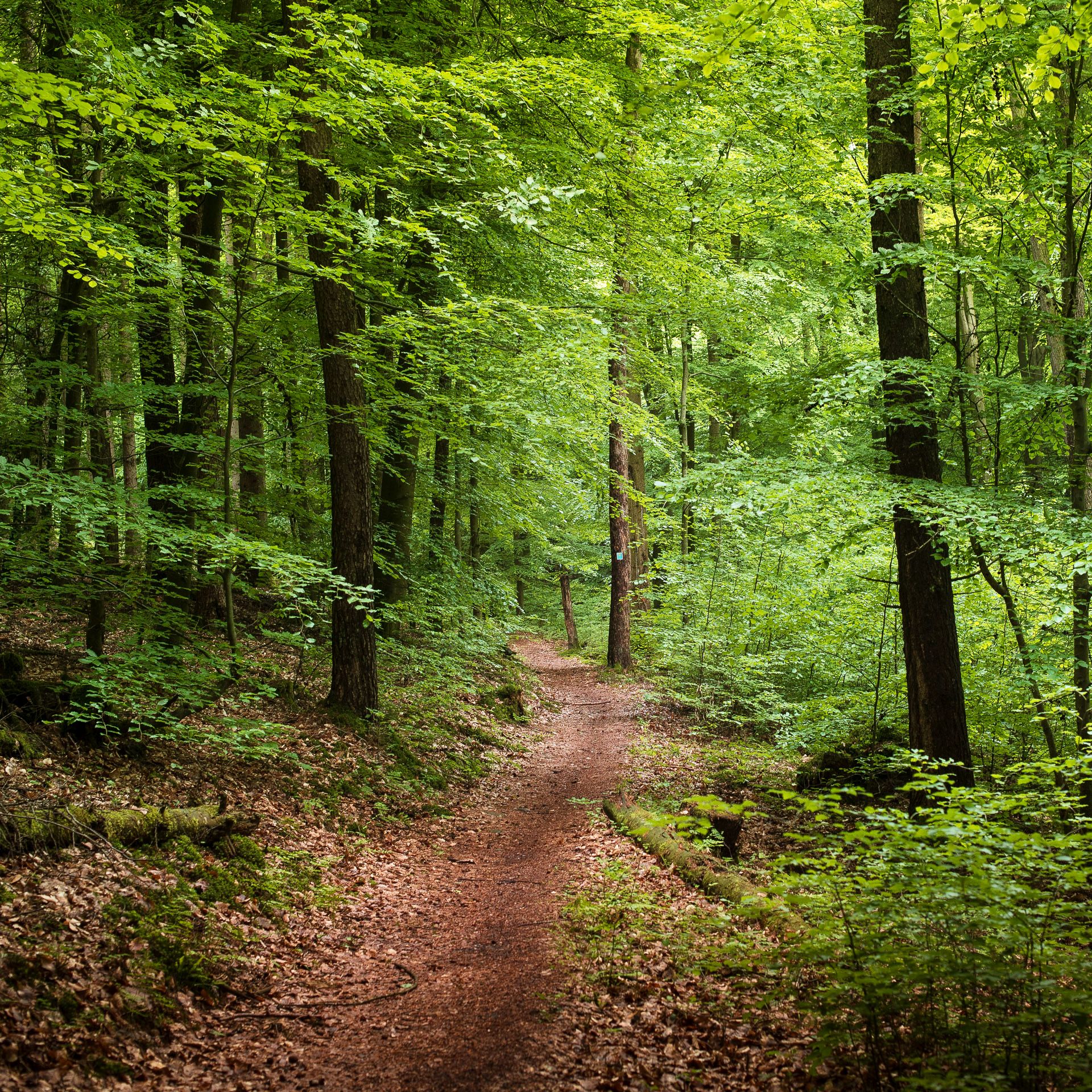
Endless forests, flowing trails – MTB in Germany’s Spessart region
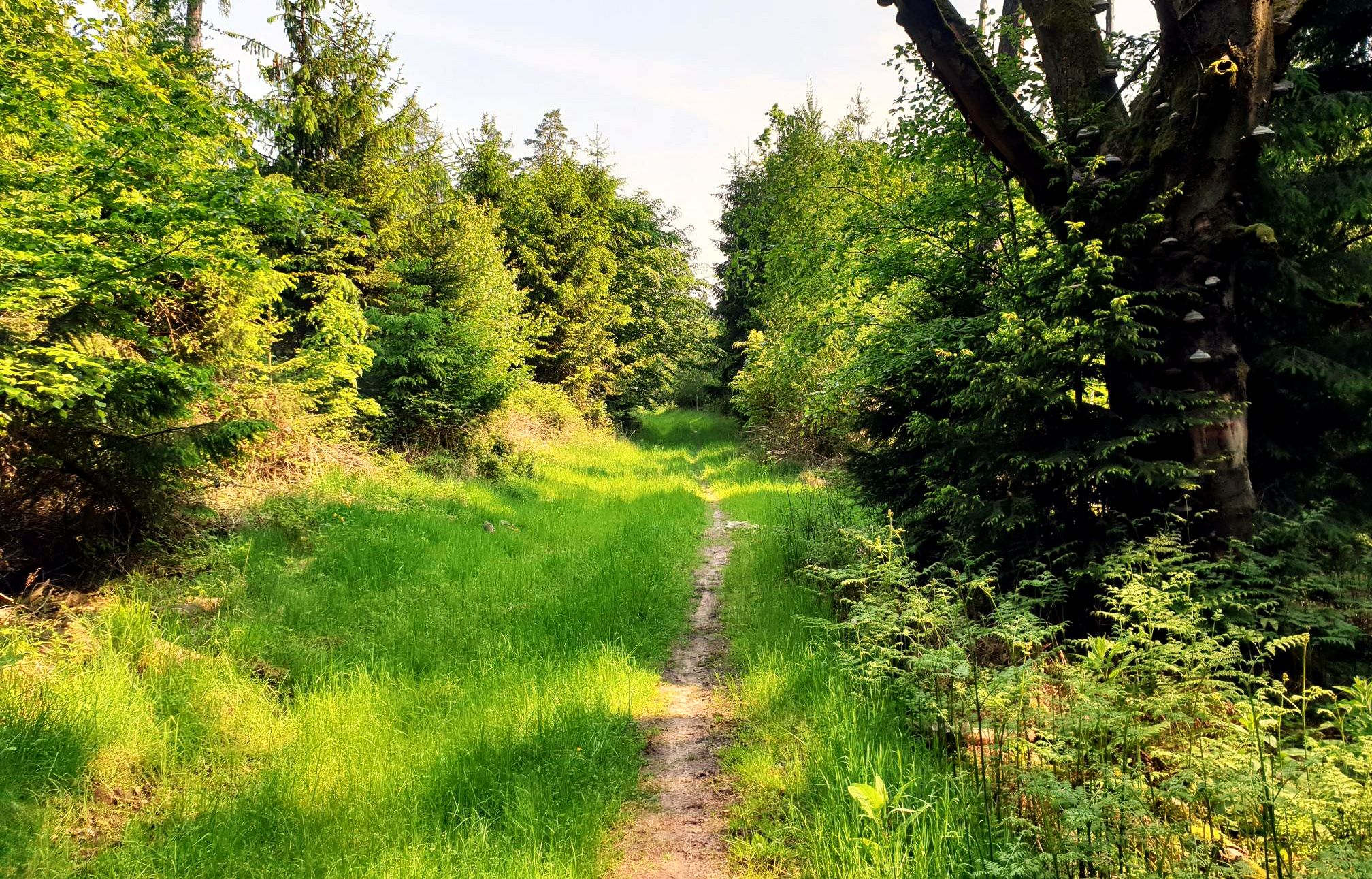
Mountain biking in the Spessart – Awesome trails in Germany
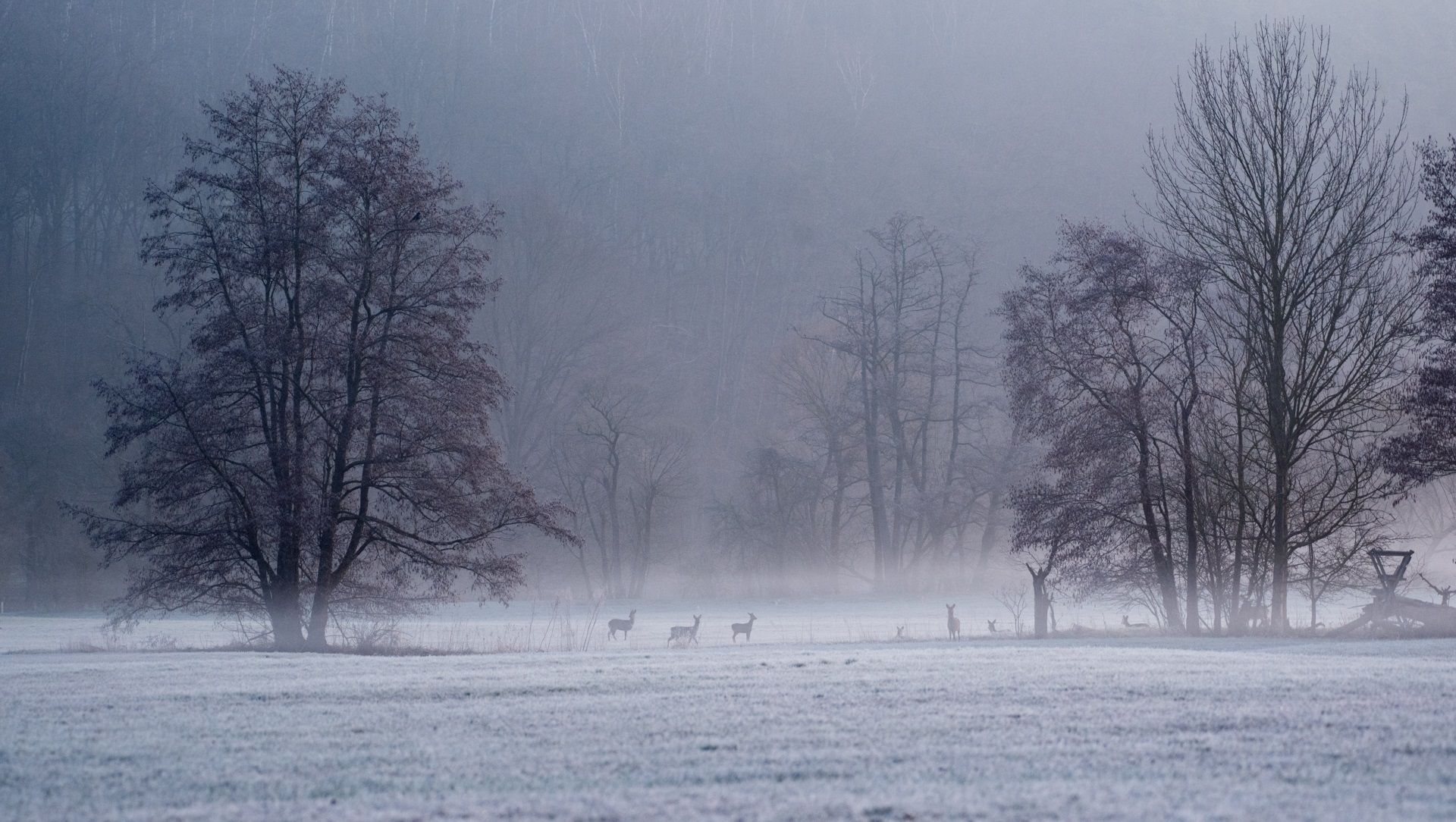
Die schönsten Winterwanderungen im Spessart
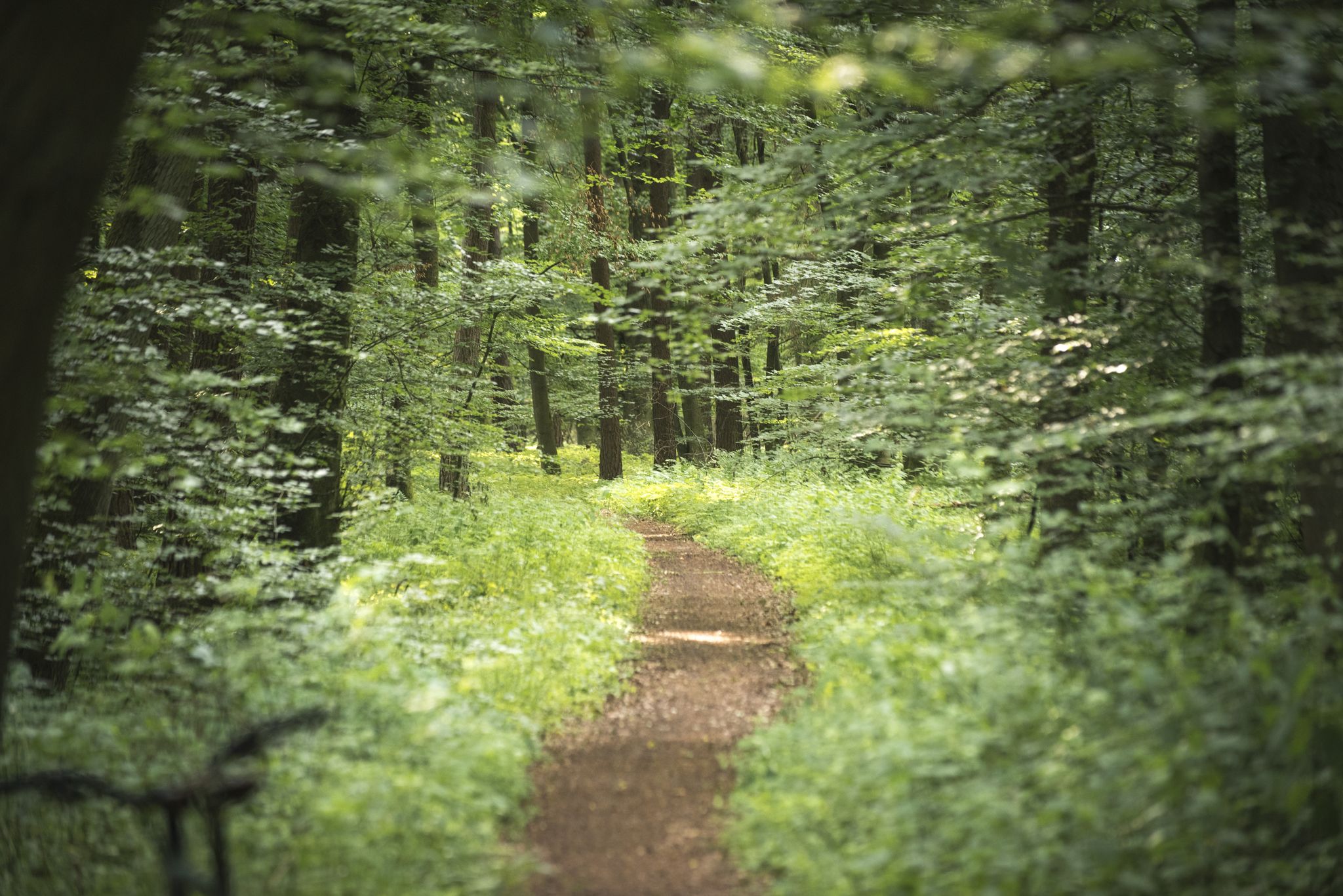
Die schönsten Premium-Spazierwanderwege im Hessischen Spessart

Traffic-free bike rides around Wächtersbach
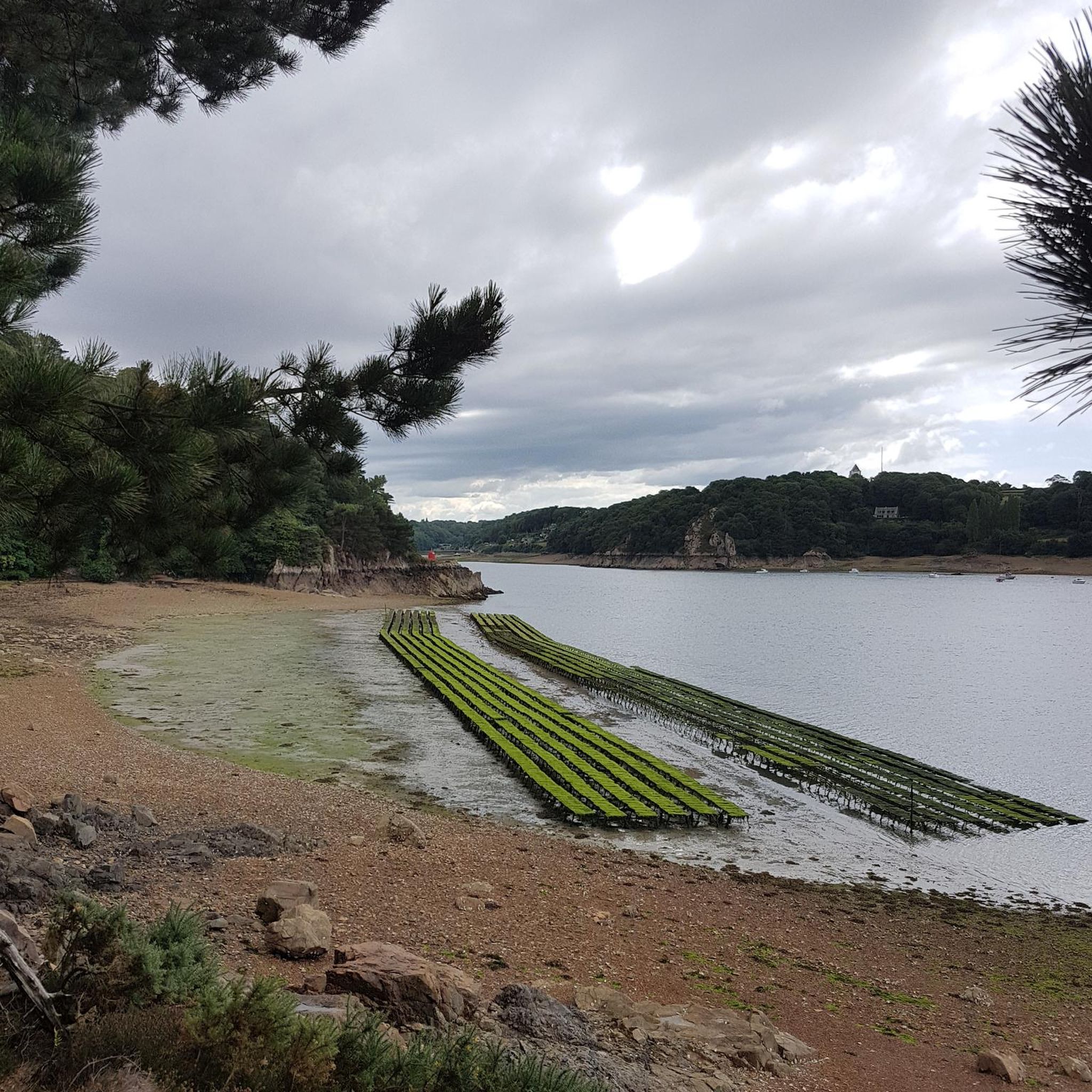
Traffic-free bike rides around Wächtersbach
Other adventures around Wächtersbach


Tips from the Community

Even invites you to swim on hot days ;)
1
0

Storks can often be observed!
1
0

It's a real eye-catcher, simply brilliantly done.
0
0

A heartfelt thank you to those who so lovingly designed this rest area! It gave me shelter from the constant rain today.
0
0

The Kinzig is a river approximately 86 kilometers long. It rises in Sterbfritz, flows southwest through the Main-Kinzig district of Hesse, and flows into the Main from the right in Hanau. The Kinzig is a second-order river in low mountain ranges. It overcomes an elevation of 301 meters and has a bed gradient of 3.5 per thousand. The Kinzig's catchment area covers 1,058 square kilometers, and the calculated mean discharge (MQ) at the mouth of the Kinzig is 10.97 cubic meters per second. The Kinzig was first documented in 796 as "iuxta fluvium Kincihen." In 815, the name was written as "Chinzicha," around 900 as "Kincicha"/"Kinzicham," in 1364 as "Kinzige," in 1584 as "Kintzig," in 1607 as "Bintz," in 1681 as "Kintz," in 1716 as "Kins," in 1769 as "Kinzing," and in 1802 as "Kinzig." In the river's headwaters, there was the now-defunct village of Kinzig, mentioned in 815 as "Chirizichheimero." The village and river were often confused by monastery scribes at that time with "Chizzicha" (now Bad Kissingen), both of which were described as being located in the Saalegau. The name presumably derives from the ancient Celtic *ku̯anti̯o- meaning "flat hill, valley." The name was therefore derived from the mountainous region from which the Kinzig flows. Source: Wikipedia
2
0
The Kinzig is a river approximately 86 kilometers long. It rises in Sterbfritz, flows southwest through the Main-Kinzig district of Hesse, and flows into the Main from the right in Hanau. The Kinzig is a second-order river in low mountain ranges. It overcomes an elevation of 301 meters and has a bed gradient of 3.5 per thousand. The Kinzig's catchment area covers 1,058 square kilometers, and the calculated mean discharge (MQ) at the mouth of the Kinzig is 10.97 cubic meters per second. The Kinzig was first documented in 796 as "iuxta fluvium Kincihen." In 815, the name was written as "Chinzicha," around 900 as "Kincicha"/"Kinzicham," in 1364 as "Kinzige," in 1584 as "Kintzig," in 1607 as "Bintz," in 1681 as "Kintz," in 1716 as "Kins," in 1769 as "Kinzing," and in 1802 as "Kinzig." In the river's headwaters, there was the now-defunct village of Kinzig, mentioned in 815 as "Chirizichheimero." The village and river were often confused by monastery scribes at that time with "Chizzicha" (now Bad Kissingen), both of which were described as being located in the Saalegau. The name presumably derives from the ancient Celtic *ku̯anti̯o- meaning "flat hill, valley." The name was therefore derived from the mountainous region from which the Kinzig flows. Source: Wikipedia
2
0
The Kinzig is a river approximately 86 kilometers long. It rises in Sterbfritz, flows southwest through the Main-Kinzig district of Hesse, and flows into the Main from the right in Hanau. The Kinzig is a second-order river in low mountain ranges. It overcomes an elevation of 301 meters and has a bed gradient of 3.5 per thousand. The Kinzig's catchment area covers 1,058 square kilometers, and the calculated mean discharge (MQ) at the mouth of the Kinzig is 10.97 cubic meters per second. The Kinzig was first documented in 796 as "iuxta fluvium Kincihen." In 815, the name was written as "Chinzicha," around 900 as "Kincicha"/"Kinzicham," in 1364 as "Kinzige," in 1584 as "Kintzig," in 1607 as "Bintz," in 1681 as "Kintz," in 1716 as "Kins," in 1769 as "Kinzing," and in 1802 as "Kinzig." In the river's headwaters, there was the now-defunct village of Kinzig, mentioned in 815 as "Chirizichheimero." The village and river were often confused by monastery scribes at that time with "Chizzicha" (now Bad Kissingen), both of which were described as being located in the Saalegau. The name presumably derives from the ancient Celtic *ku̯anti̯o- meaning "flat hill, valley." The name was therefore derived from the mountainous region from which the Kinzig flows. Source: Wikipedia
3
0

An unmanned hut, but with rest areas outside. The door is usually closed.
0
0
Frequently Asked Questions
How many no-traffic touring cycling routes are available around Wächtersbach?
There are over 50 dedicated no-traffic touring cycling routes around Wächtersbach listed on komoot. These routes offer a variety of distances and difficulty levels, ensuring a suitable option for almost every cyclist looking to explore the beautiful Spessart region without vehicle interference.
What kind of terrain can I expect on the no-traffic touring cycling routes in Wächtersbach?
The no-traffic touring cycling routes around Wächtersbach offer varied terrain. Many routes, especially those following river valleys like the Kinzig, feature mostly paved surfaces with gentle inclines, ideal for relaxed touring. However, some routes, such as sections of the Vogelsberg Southern Railway Cycle Path, might include varied surfaces like compacted gravel or unpaved sections, providing a mix of experiences. The region's location within the Spessart Nature Park means you'll often be cycling through 'endless forests' and picturesque riverside landscapes.
Are there any family-friendly no-traffic cycling routes in Wächtersbach?
Yes, Wächtersbach offers several family-friendly no-traffic cycling routes. The Kinzig Valley Cycle Path, for instance, is known for its gentle inclines and scenic riverside views, making it suitable for families. Routes with mostly paved surfaces and away from main roads are generally excellent choices for cycling with children. You can find 14 easy routes in the area, perfect for a leisurely family outing.
What are some notable natural features or attractions I can see along the no-traffic cycling routes?
Many no-traffic cycling routes in Wächtersbach pass by significant natural features and attractions. The Kinzig Reservoir is a prominent highlight, offering a 6.5 km circular path and beautiful views. You might also encounter the Kinzig Floodplains or enjoy panoramic vistas from the View of the Kinzig Reservoir. The region is rich in 'endless forests' of the Spessart Nature Park, providing a tranquil backdrop for your ride.
Are there any historical sites or cultural landmarks accessible from the no-traffic cycling routes?
Absolutely. The region around Wächtersbach is dotted with historical and cultural points of interest. You can cycle past the impressive Wächtersbach Castle, or explore charming villages like Wittgenborn, Spielberg, and Helfersdorf that retain their original character. Nearby, you can also visit the historic Gelnhausen Old Town and Imperial Palace or the Büdingen Old Town. The St. Martin's Church (Bad Orb) is another notable landmark in the vicinity.
What is the best time of year to go touring cycling in Wächtersbach?
The best time for touring cycling in Wächtersbach is generally from spring through autumn (April to October). During these months, the weather is typically mild and pleasant, and the natural landscapes of the Spessart are at their most vibrant. The Kinzig Reservoir also offers pedal boat rentals from May to September, adding to the recreational options.
Can I find circular no-traffic touring routes around Wächtersbach?
Yes, many of the no-traffic touring cycling routes around Wächtersbach are designed as circular loops, allowing you to start and end your ride in the same location. An example is the moderate Bench Near Großer Kreuzberg – Long Meadow Near Weilers loop from Wächtersbach, which offers a scenic ride without needing to retrace your steps.
Where can I park my car when accessing no-traffic cycling routes in Wächtersbach?
Wächtersbach and its surrounding villages offer various parking options, often near trailheads or town centers, making it convenient to access the no-traffic cycling routes. For routes like the Kinzig Valley Cycle Path, you can typically find parking in towns along the route. Specific parking information might be available on individual route pages on komoot.
What do other touring cyclists enjoy most about the no-traffic routes in Wächtersbach?
The no-traffic touring cycling routes in Wächtersbach are highly rated by the komoot community, with an average score of 4.6 stars from over 790 ratings. Reviewers often praise the tranquility of cycling through the Spessart's 'endless forests,' the well-maintained paths along the Kinzig River, and the opportunity to discover charming villages and historical sites away from vehicle traffic. The diverse landscapes and accessibility for various fitness levels are also frequently highlighted.
Are there any challenging no-traffic touring routes for experienced cyclists?
Yes, for experienced touring cyclists seeking a challenge, Wächtersbach offers several difficult no-traffic routes. For instance, the Vogelsberg Southern Railway Cycle Path – Wooden Minion Sculpture loop from Wächtersbach is a demanding route with significant elevation gain. Another challenging option is the Obermarkt Gelnhausen – Kinzigtal Cycle Path loop from Feuchtwiesen bei Aufenau, which also features considerable ascents and descents.
Can I access the no-traffic cycling routes using public transport?
Wächtersbach is well-connected by public transport, including train services. The train station in Wächtersbach can serve as a convenient starting point for many cycling routes, especially those following the Kinzig Valley, which often run parallel to railway lines. This allows for flexible planning, including one-way trips by combining cycling with train travel.
Are there any cafes or restaurants along the no-traffic cycling routes in Wächtersbach?
Yes, you'll find various cafes, pubs, and restaurants in Wächtersbach and the charming villages situated along or near the no-traffic cycling routes. The Kinzig Reservoir, for example, has a restaurant and kiosk available from May to September. These establishments provide excellent opportunities to refuel and relax during your ride, often offering local specialties.
Most popular routes around Wächtersbach
Most popular attractions around Wächtersbach

Get inspired with the komoot mobile app


Explore more
Browse the best Cycling routes in other regions.
