The best traffic-free bike rides around Königsberg in Bayern
4.2
(12)
247
riders
9
rides
No traffic road cycling routes around Königsberg in Bayern are characterized by a diverse landscape of rolling hills, dense forests, and picturesque river valleys, particularly along the Main River. The region is nestled within the Haßberge area, offering varied terrain from gentle riverside paths to moderate inclines through forested hills. Cyclists can expect well-paved surfaces suitable for road bikes, with routes often featuring elevation gains up to several hundred meters.
Best no traffic road cycling routes around Königsberg in Bayern
- The most popular no traffic road cycling route is Lower Gate – Friesenhausen Castle loop from Königsberg in Bayern, a 33.6 miles (54.0 km) trail that takes 2 hours 21 minutes to complete. This moderate route features over 480 meters of elevation gain, passing through varied landscapes.
- Another top favourite among local road cyclists is Königsberg–Hofheim Cycle Path – Königsberg Castle in Bavaria loop from Königsberg in Bayern, a moderate 41.3 miles (66.4 km) path. This route includes significant climbs, with over 715 meters of elevation, offering expansive views of the region.
- Local road cyclists also love the Königsberg Castle – Burgpreppach Castle loop from Königsberg in Bayern, a 28.2 miles (45.4 km) trail leading through rolling hills and past historic sites, often completed in about 2 hours 9 minutes.
- Road cycling around Königsberg in Bayern is defined by rolling hills, dense forests, and river valleys, with routes often connecting historic towns and castles. The network offers options for different ability levels, from easier riverside paths to more challenging routes with notable elevation changes.
- The routes in Königsberg in Bayern are highly rated by the komoot community with an average score of 4.8 stars from 6 reviews. More than 235 road cyclists have used komoot to explore Königsberg in Bayern's varied terrain.
Last updated: August 21, 2026
15
riders
54.0km
02:21
480m
480m
Moderate road ride. Good fitness required. Mostly well-paved surfaces and easy to ride.
5
riders
Moderate road ride. Good fitness required. Mostly well-paved surfaces and easy to ride.

Sign up for free
4.0
(2)
9
riders
45.3km
02:08
550m
550m
Moderate road ride. Good fitness required. Mostly well-paved surfaces and easy to ride.
12
riders
Easy road ride. Great for any fitness level. Mostly well-paved surfaces and easy to ride.
6
riders
Moderate road ride. Good fitness required. Mostly well-paved surfaces and easy to ride.
Get access to more routes and recommendations from other explorers.
Sign up for free
Already have an account?
Our route recommendations are based on thousands of hikes, rides, and runs completed by other people on komoot.
Start today with a free account
Your next adventure awaits.
Login or Signup
Popular around Königsberg in Bayern
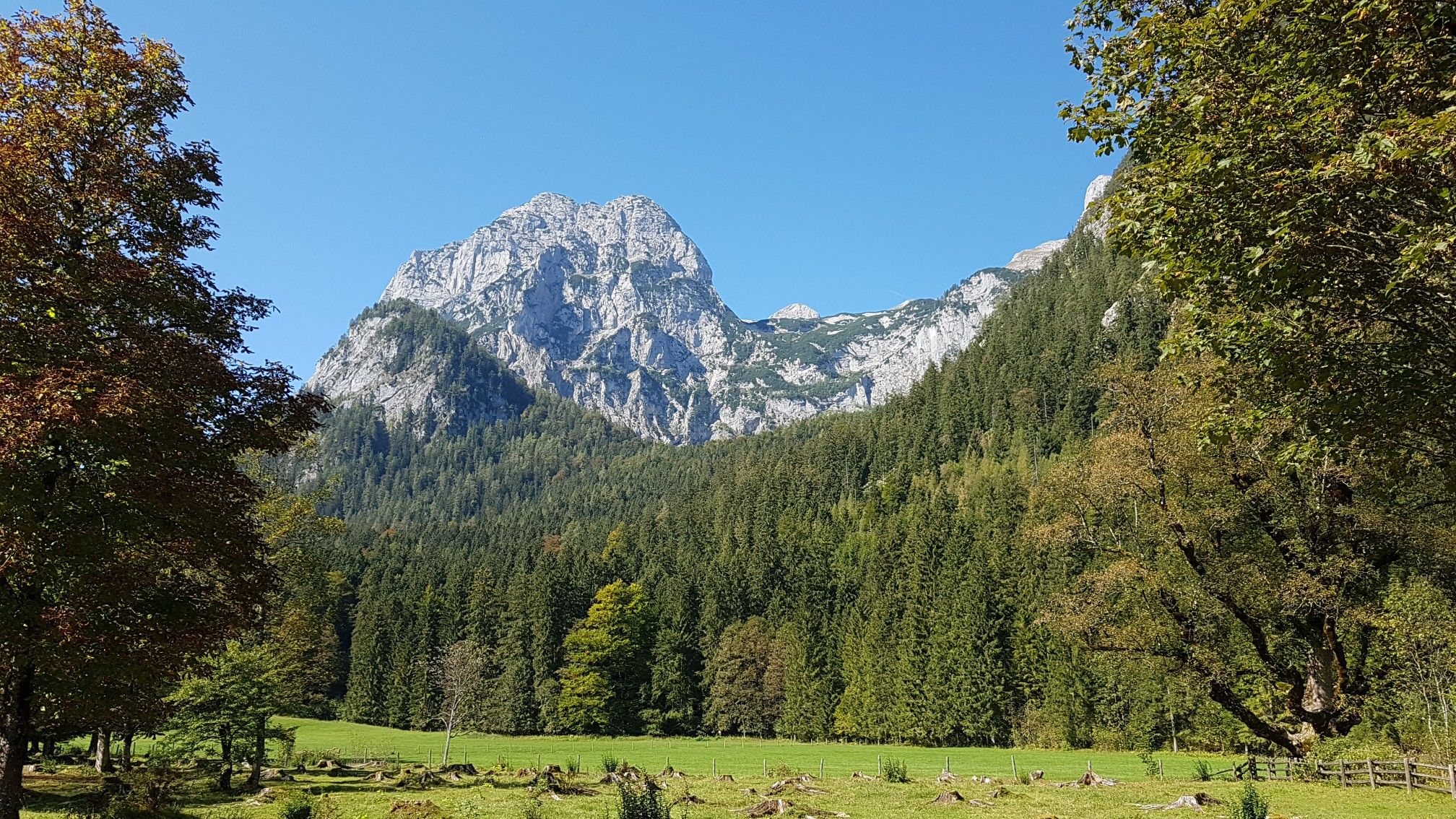
The National Natural Landscapes in Bavaria
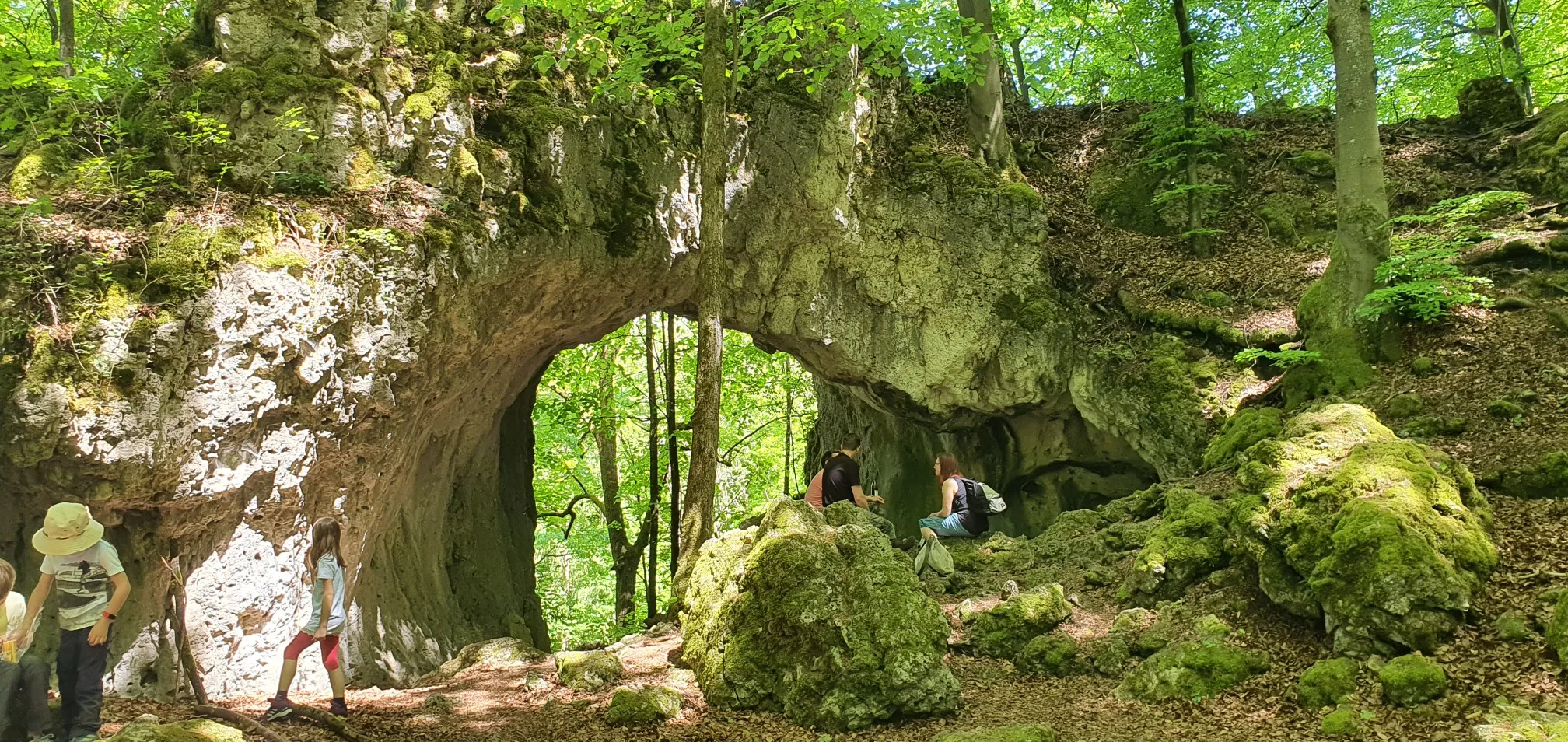
Catch the bus and train into nature – VGN Leisure Tips 2023
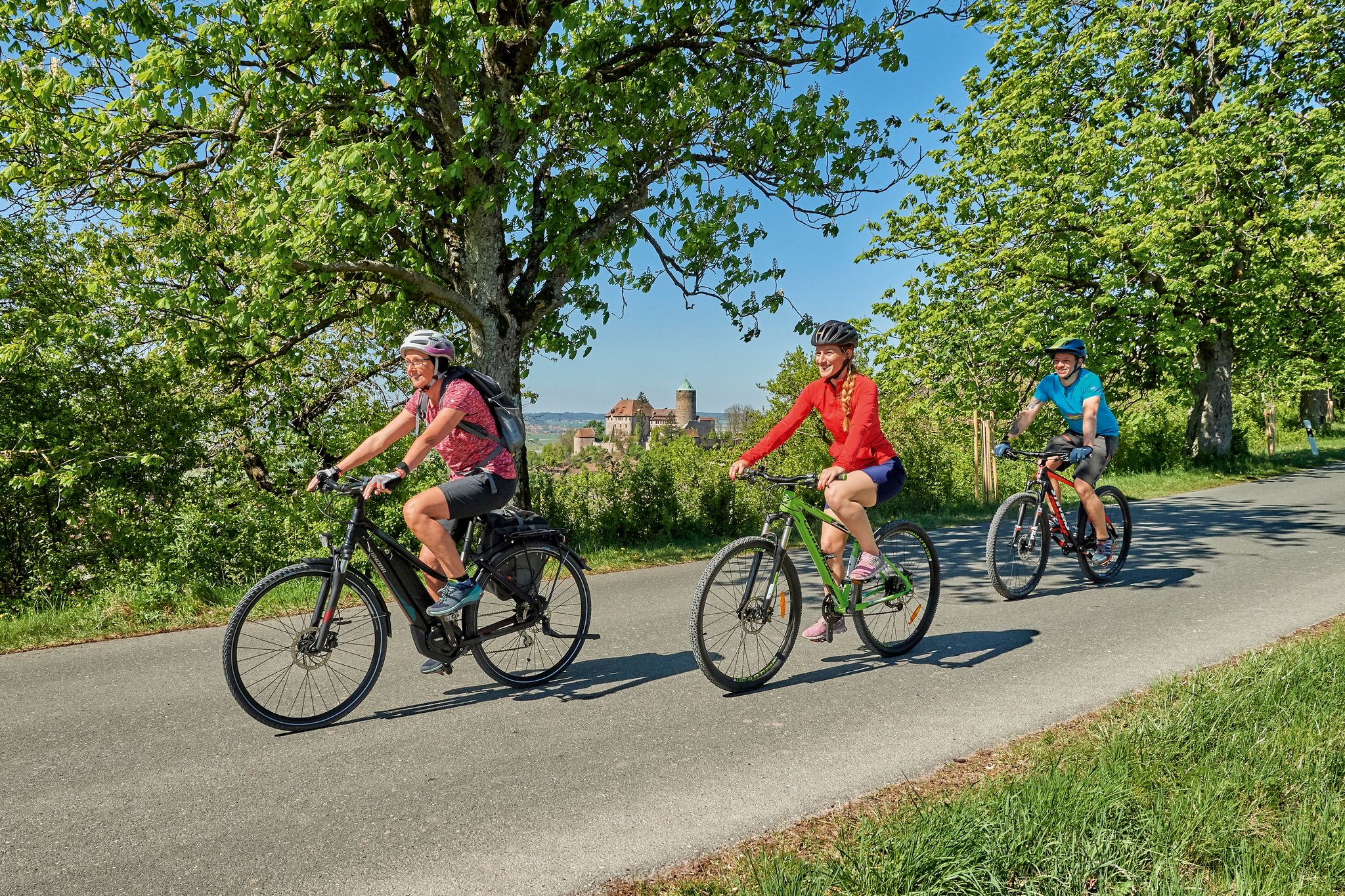
Sustainable cycling holidays — e-bike Tours through Franconia
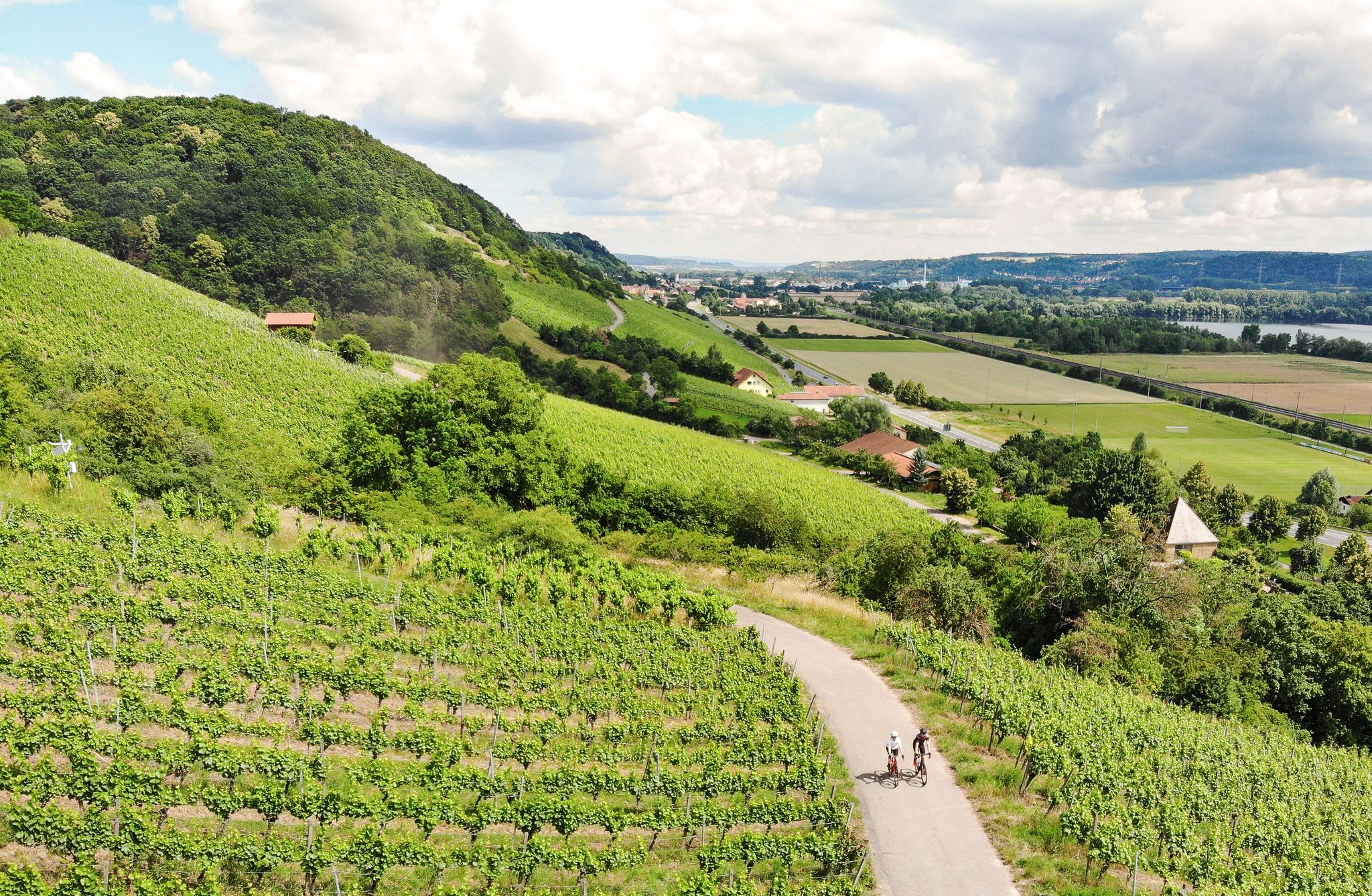
Castles, beer and wine — beautiful rides in the Hass mountains
Colourful leaves & gentle hills – hiking in autumn in Franconia
Unforgettable panoramic views — the most beautiful long-distance hikes in Franconia
Traffic-free bike rides around Königsberg in Bayern
Traffic-free bike rides around Königsberg in Bayern
Other adventures around Königsberg in Bayern


Tips from the Community

Friesenhausen Castle was built as a moated castle in the 13th/14th century.
12
0

Welcome to Friesenhausen Castle The small village of Friesenhausen, part of the municipality of Aidhausen, is beautifully situated at the foot of the Haßberge hills. Along with the Protestant St. George's Church and the Catholic Church of the Assumption of Mary, Friesenhausen Castle is a defining feature of the village. The current building dates back to a Gothic castle surrounded by a moat. In the 16th century, a Renaissance palace was built over the castle courtyard and later converted into a Baroque palace. Further details can be found under the section on the castle's history. To commemorate the village's 1200th anniversary in 2016, a historical guide to Friesenhausen Castle will be published, containing a detailed history of the castle's construction as well as numerous illustrations. The property is privately owned and is generally not open to the public. Groups of 20 or more can request a guided tour by contacting us. Photography is not permitted inside the castle, and animals are not allowed on the premises. On Sunday, September 11, 2016, this year's Open Monument Day will take place. On this occasion, Friesenhausen Castle will open its gates from 12 pm to 5 pm (guided tours will be offered by family members; a small contribution towards expenses is requested). Coffee and cake will also be available. Larger groups can register for the event on this day by contacting us. http://www.schloss-friesenhausen.de/index.html
1
1
Architectural History of Friesenhausen Castle Around the year 1300, several local lords held sway in Friesenhausen simultaneously. A Gothic moated castle in a small lake existed from approximately 1300 to 1741 and was at times owned by the Truchseß von Wetzhausen family. Traces of this family can still be found in the Protestant Church of St. George. The Gothic lake castle, however, was demolished in 1741, and the lake was filled in with the rubble. The present Renaissance-Baroque castle in Friesenhausen also originates from a Gothic castle, which, however, did not stand in the adjacent lake but was surrounded by a moat. Around 1563, the married couple Schenk von Ostheim-Steinau von Steinrück built a Renaissance castle over the Gothic moated castle, incorporating the castle courtyard. The conversion to a Baroque castle and further construction work were carried out under the Würzburg Cathedral canon Johann Philipp Fuchs von Dornheim and the Lords von... Dalberg, who embellished the entire complex with numerous additions such as the gate and the equestrian statues. In 1940, Franz Karl Prince zu Salm-Salm acquired the castle, but resided there only temporarily. As early as 1938, it had served as quarters for women of the Reich Labor Service, later as accommodation for prisoners of war, a military hospital for wounded German soldiers, and finally as a transit camp for expellees from Silesia and the Sudetenland. Subsequently, Caritas Würzburg established a retirement home there, which remained in operation until March 1957. After this intensive use, the building stood empty for 16 years, which is why Prince Salm sold the urgently needed renovation of the castle to the von Eichborn family in March 1973. You can read the detailed, richly illustrated architectural history in our newly published 2016 art guide. http://www.schloss-friesenhausen.de/baugeschichte.html
1
1

From here you have a beautiful view of Königsberg Castle.
2
0
A very beautiful so-called court linden tree
1
0

Königsberg Castle is the ruin of a former high medieval imperial castle above the town of Königsberg in Bavaria, located in the Lower Franconian district of Haßberge. The complex has been undergoing extensive renovation and partial reconstruction since the 20th century. The ruins of the spur castle can be visited. Source: https://de.m.wikipedia.org/wiki/Burg_K%C3%B6nigsberg_(Bayern) Source: https://de.m.wikipedia.org/wiki/Burg_K%C3%B6nigsberg_(Bayern)
15
1
Königsberg Castle is the ruin of a former high medieval imperial castle above the town of Königsberg in Bavaria, located in the Lower Franconian district of Haßberge. The complex has been undergoing extensive renovation and partial reconstruction since the 20th century. The ruins of the spur castle can be visited. Source: https://de.m.wikipedia.org/wiki/Burg_K%C3%B6nigsberg_(Bayern)
15
1
Freight traffic was discontinued on September 24, 1994, and passenger train service on July 31, 1995. Following approval by the Federal Railway Authority on September 19, 1995,[3] the line was closed on December 1, 1995. Dismantling was completed in January 1997.[2] The former station building in Hofheim has housed a small railway museum[4] on the history of the line and the railway in general since 1976. Source: https://de.m.wikipedia.org/wiki/Bahnstrecke_Ha%C3%9Ffurt%E2%80%93Hofheim
13
0
Frequently Asked Questions
How many no-traffic road cycling routes are available around Königsberg in Bayern?
There are 9 no-traffic road cycling routes listed in this guide. These routes offer a variety of experiences across the region's diverse landscapes, from gentle riverside paths to rolling hills.
Are there easy no-traffic road cycling routes suitable for beginners or a relaxed ride in Königsberg in Bayern?
Yes, 3 of the routes are classified as easy. An example is the Königsberg–Hofheim Cycle Path – Junkersdorf loop, which covers 17.8 km with minimal elevation gain, making it ideal for a leisurely ride.
What kind of terrain can I expect on no-traffic road cycling routes in Königsberg in Bayern?
The region offers varied terrain. You'll find flat, enjoyable paths along the Main River, such as those near Eltmann and Zeil am Main. For those seeking more elevation, routes through the Haßberge hills and forests, like the Königsberg–Hofheim Cycle Path – Königsberg Castle in Bavaria loop, feature moderate inclines and descents, with some climbs reaching around a 5% gradient.
Are there any circular no-traffic road cycling routes in the area?
Yes, all the routes listed in this guide are circular, allowing you to start and end your ride in the same location. For example, the Lower Gate – Friesenhausen Castle loop is a 54 km circular route that takes you through scenic countryside.
What historical landmarks or attractions can I see along the no-traffic road cycling routes?
Many routes pass by significant historical sites. You can cycle to and around Königsberg Castle in Bavaria, a prominent landmark. Other routes might take you past Schmachtenberg Castle Ruins or Rotenhan Castle Ruins, offering glimpses into the region's rich history.
What is the best season for no-traffic road cycling in Königsberg in Bayern?
The region is generally pleasant for cycling from spring through autumn. The rolling hills and forests provide a beautiful backdrop, and the Main River paths are enjoyable in warmer weather. Always check local weather conditions before heading out.
Are there any routes that are particularly good for families or beginners looking for car-free options?
For families or beginners, the easier routes with less elevation are recommended. The flat sections along the Main River are particularly suitable. The Königsberg–Hofheim Cycle Path – Junkersdorf loop is an easy option that avoids significant traffic and challenging climbs.
Where can I find parking for these no-traffic road cycling routes?
Königsberg in Bayern, with its charming old town, serves as a natural starting point for many routes. You can typically find parking in or around the town center, which allows easy access to the beginning of the circular routes.
What do other road cyclists enjoy most about cycling in Königsberg in Bayern?
The komoot community rates the routes in this guide highly, with an average score of 4.8 stars. Reviewers often praise the region's picturesque landscapes, the blend of historical towns and natural beauty, and the well-maintained paths suitable for road bikes.
Are there any cafes or places to stop for refreshments along the no-traffic road cycling routes?
Yes, many routes pass through or near charming towns and villages like Zeil am Main and Sand am Main, which offer opportunities for refreshments. The historic town of Königsberg itself also provides delightful starting or ending points with cafes and restaurants.
Can I find more information about the Haßberge region where Königsberg in Bayern is located?
Yes, Königsberg in Bayern is nestled within the beautiful Haßberge region. For more general information about the area's tourism offerings, you can visit the official tourism website: hassberge-tourismus.de.
Most popular routes around Königsberg in Bayern
Most popular attractions around Königsberg in Bayern

Get inspired with the komoot mobile app


Explore more
Browse the best Road cycling routes in other regions.
