The best traffic-free bike rides around Sternenfels
4.3
(244)
1,215
riders
16
rides
No traffic touring cycling routes around Sternenfels traverse a landscape defined by rolling hills, dense forests, and picturesque rivers. The region, often referred to as the "Land of 1000 Hills," offers varied terrain suitable for touring cyclists. Vineyards, particularly around Diefenbach, add to the scenic beauty, while the Stromberg Nature Park provides diverse natural and cultural landscapes. This area features a blend of challenging climbs and rewarding descents, with routes often following waterways or winding through forested areas.
Best no…
Last updated: October 13, 2026
4.6
(89)
415
riders
41.6km
03:10
510m
510m
Hard bike ride. Very good fitness required. Mostly paved surfaces. Suitable for all skill levels.
4.6
(90)
410
riders
40.1km
02:53
440m
440m
Moderate bike ride. Good fitness required. Mostly paved surfaces. Suitable for all skill levels.

4.8
(16)
44
riders
Moderate bike ride. Good fitness required. Mostly paved surfaces. Suitable for all skill levels.
4.3
(12)
62
riders
Moderate bike ride. Good fitness required. Mostly paved surfaces. Suitable for all skill levels.
5.0
(7)
36
riders
Moderate bike ride. Good fitness required. Mostly paved surfaces. Suitable for all skill levels.
Get access to more routes and recommendations from other explorers.
Already have an account?
Our route recommendations are based on thousands of hikes, rides, and runs completed by other people on komoot.
Start today with a free account
Your next adventure awaits.
Popular around Sternenfels
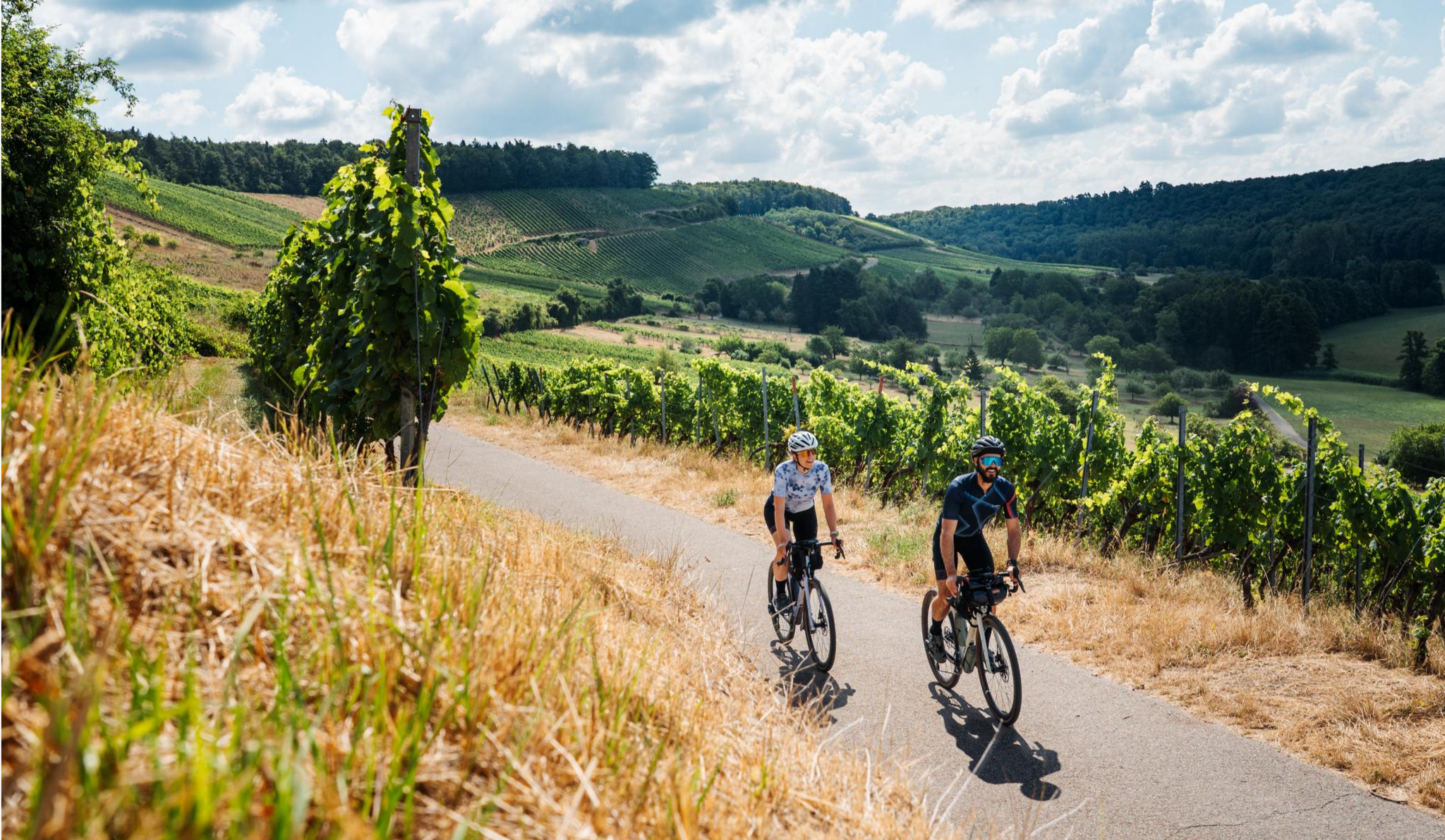
The Kraich- and Metterradweg - from the Rhine to the Enz
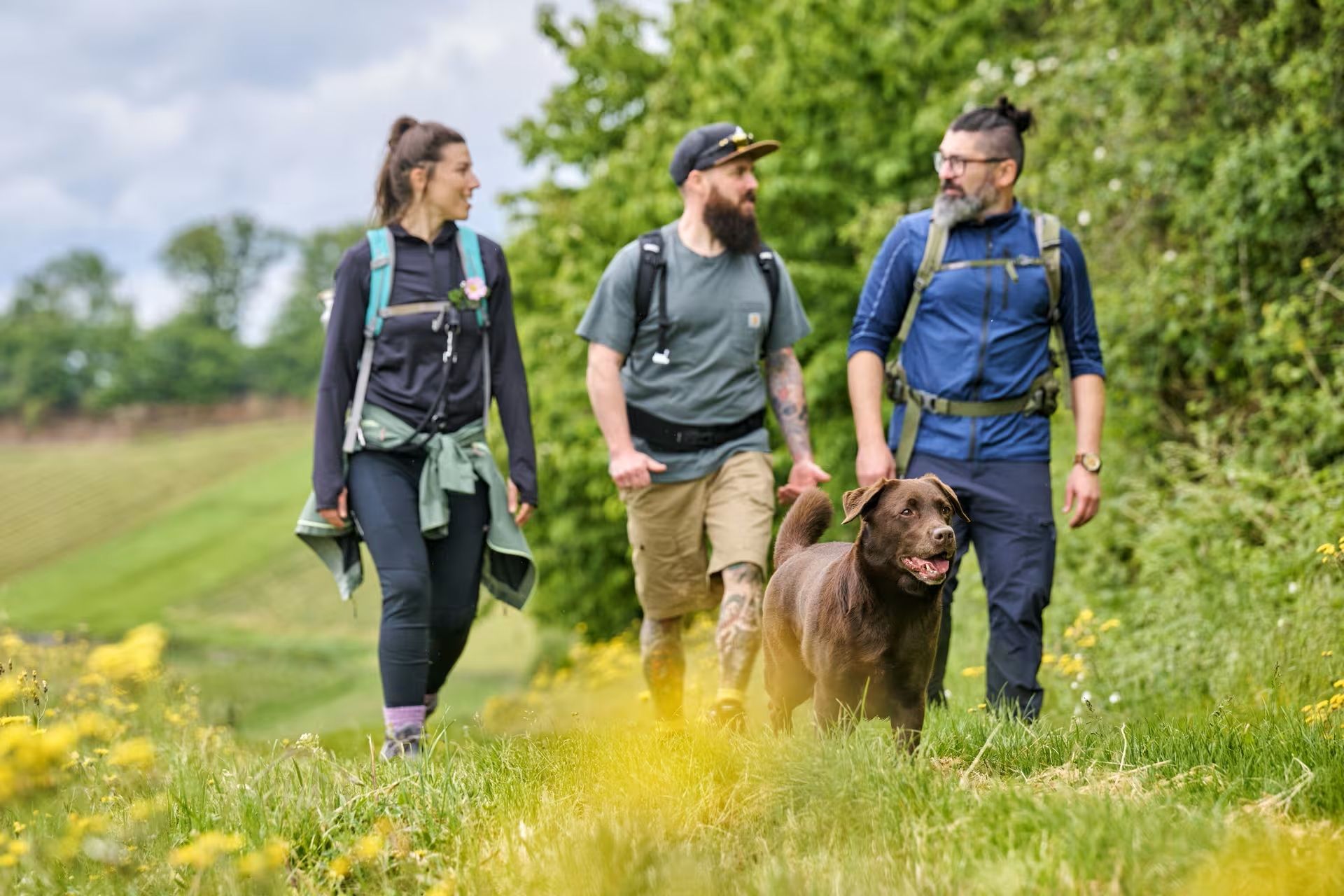
The Land of 1,000 Hills by bus and train – car-free hiking adventures
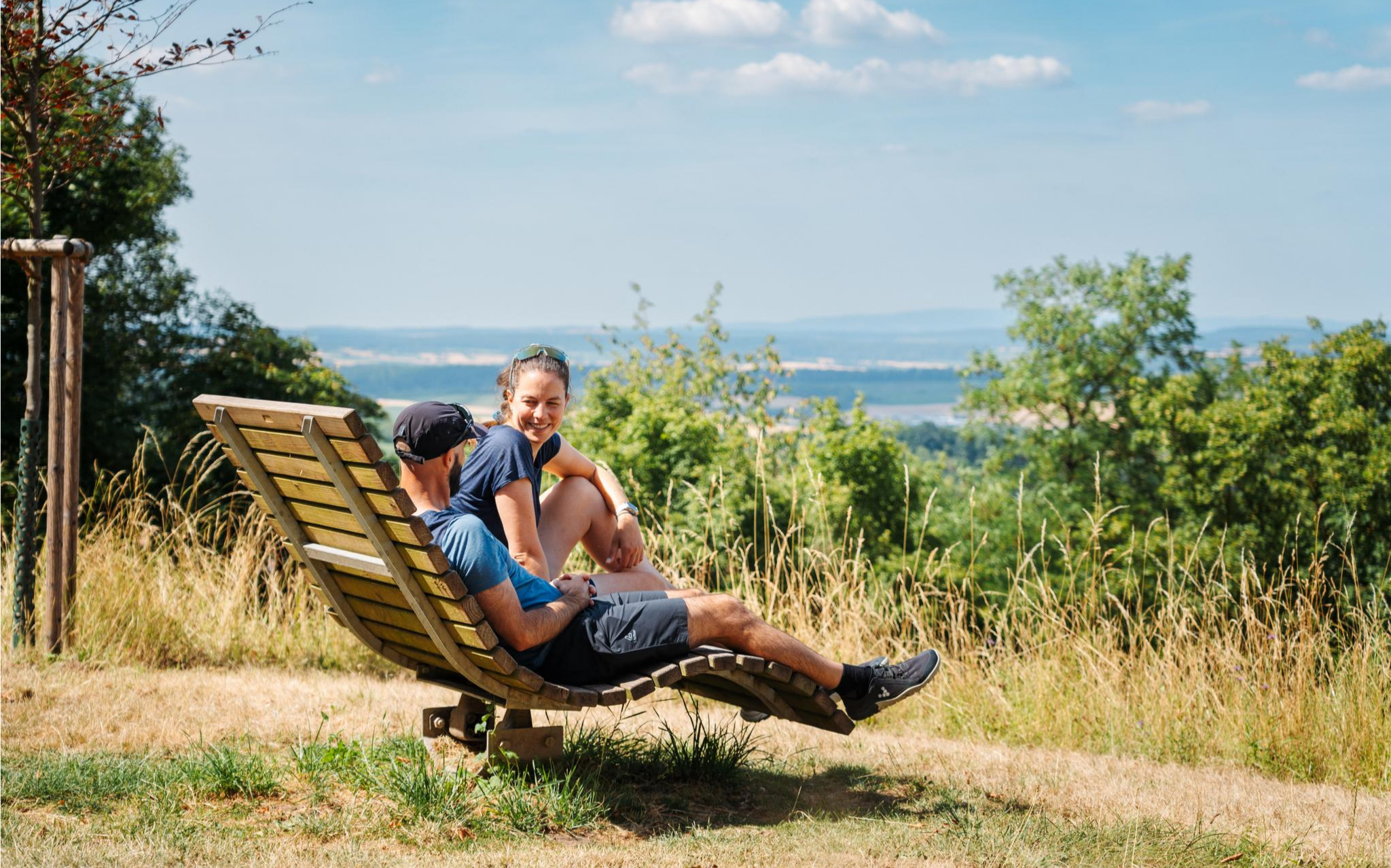
Oases of calm – hill sofas in the land of 1,000 hills
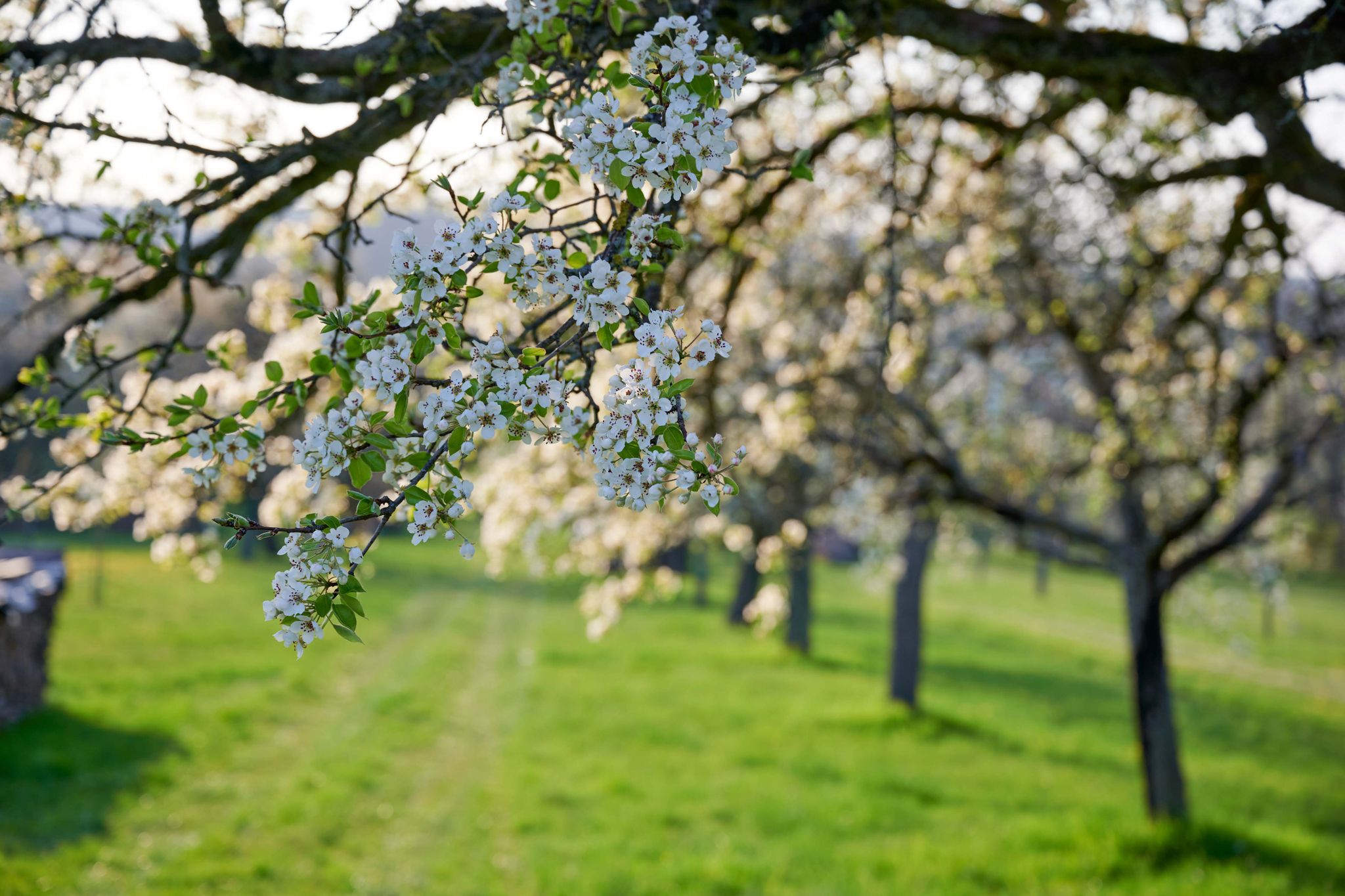
Spring in the land of 1,000 hills – Kraichgau-Stromberg in Germany
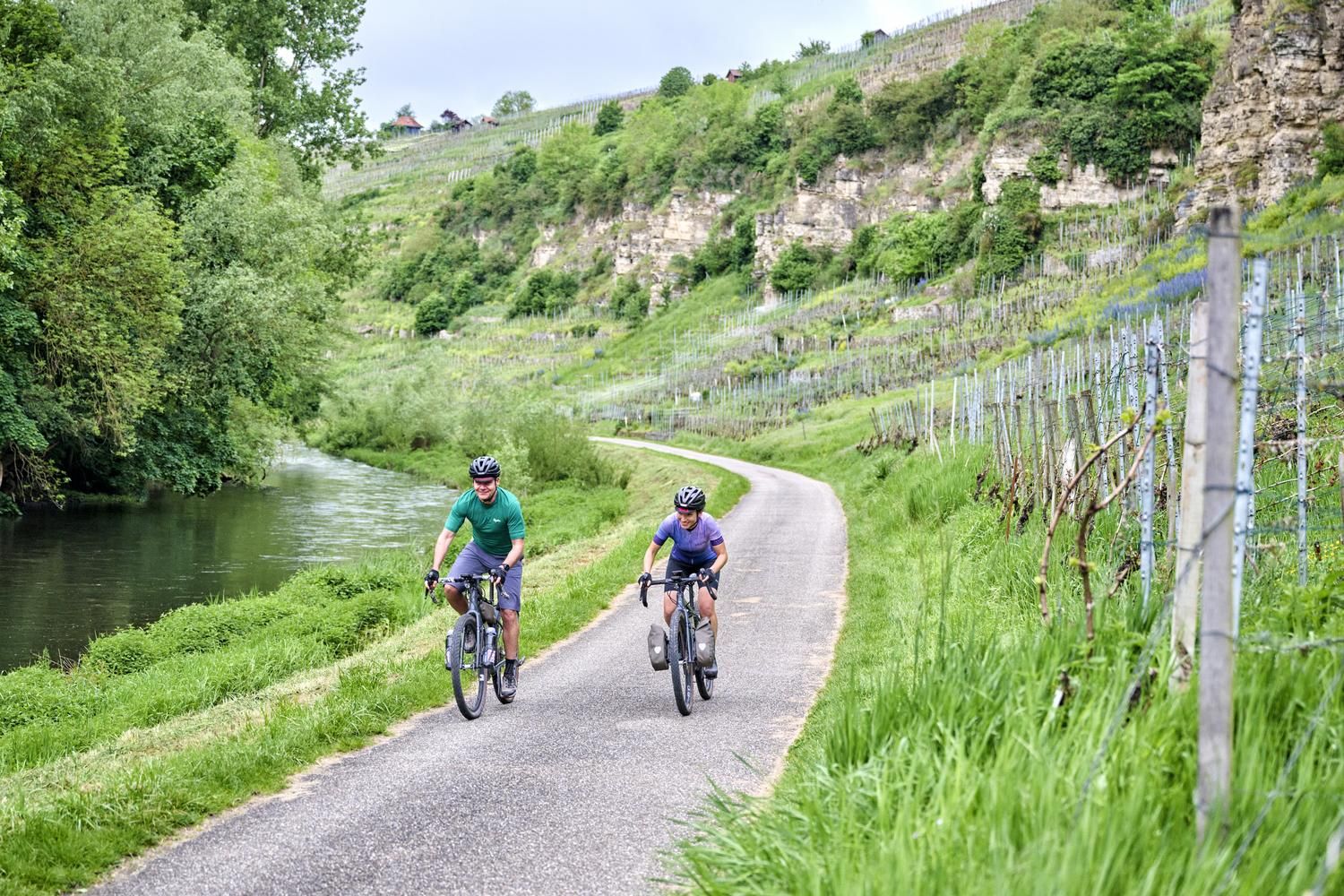
Erfrischend anders: wassernah radeln im Land der 1000 Hügel
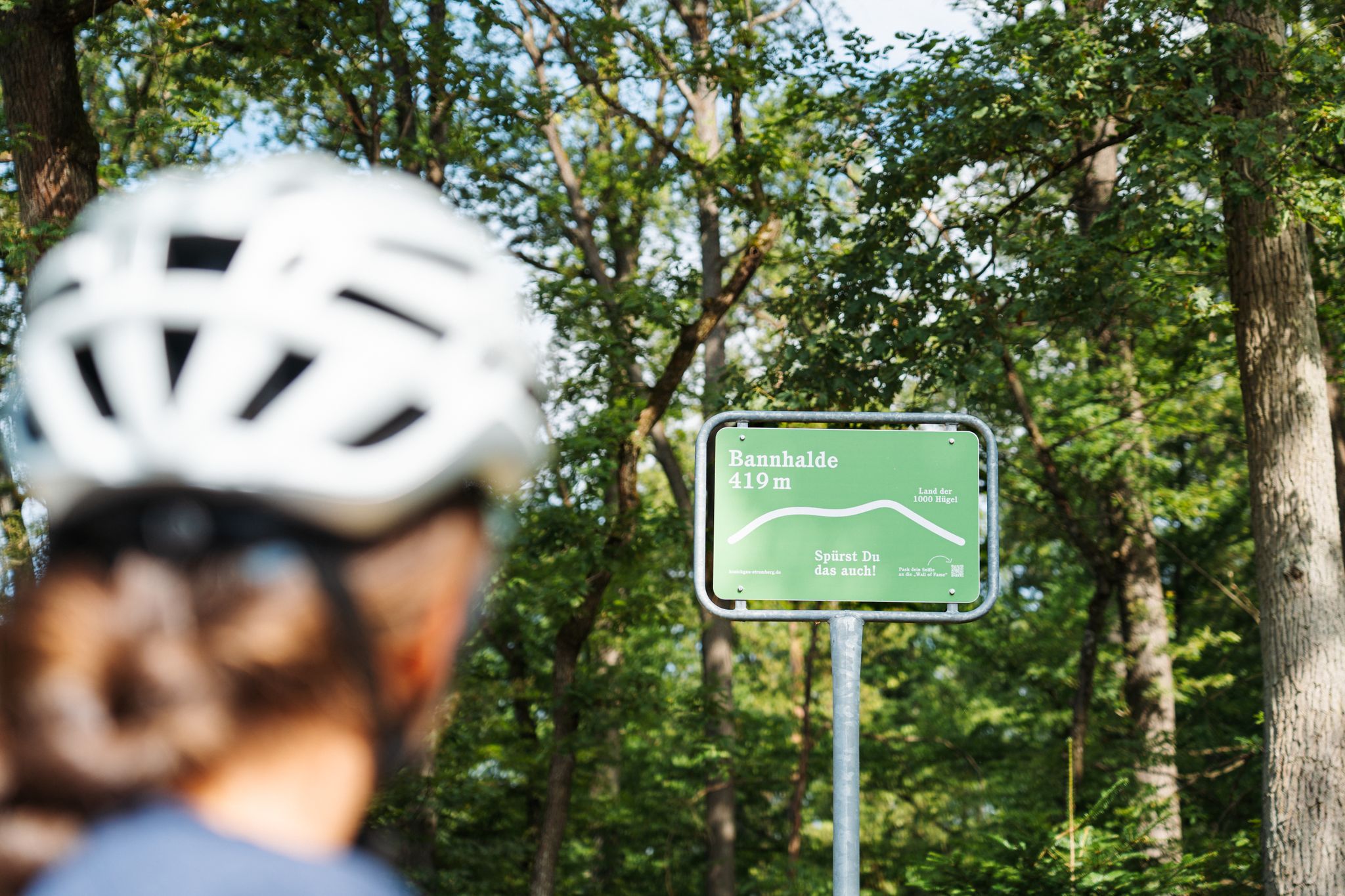
Auf die Pässe, fertig, los!
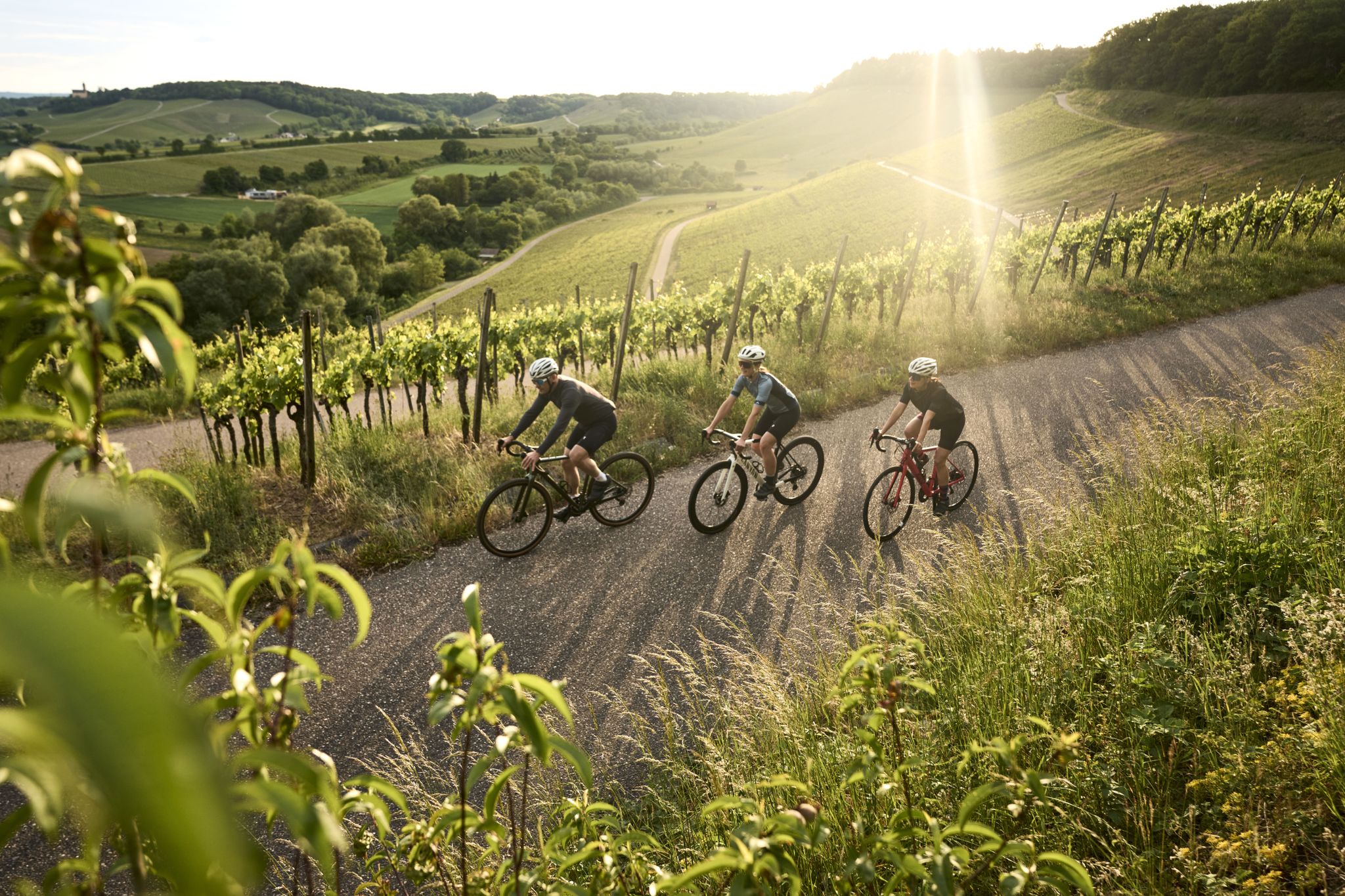
Tritt für Tritt durchs Land der 1000 Hügel
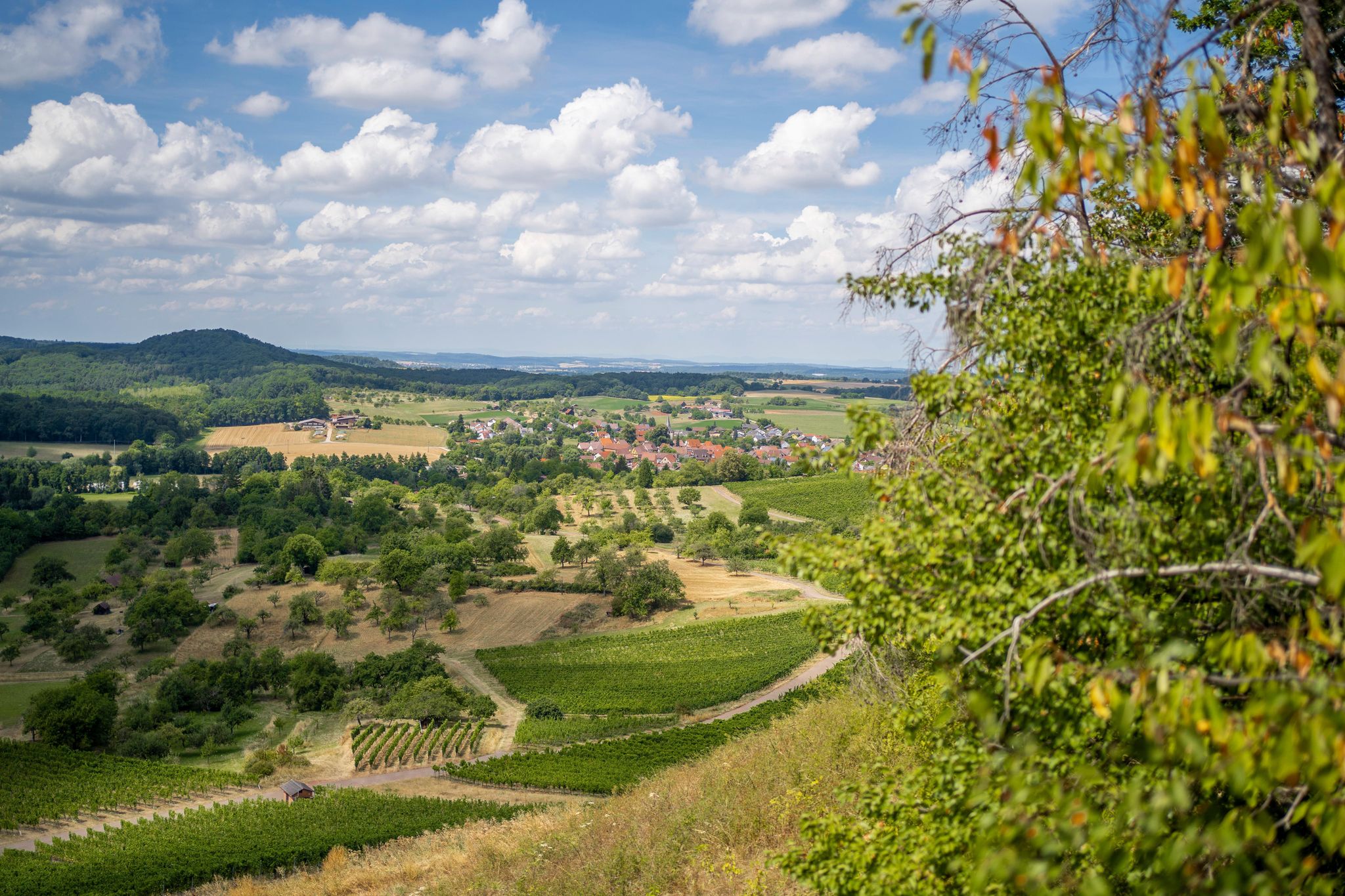
Zwischen Schlossbergturm und Diefenbacher König – Wandern in Sternenfels
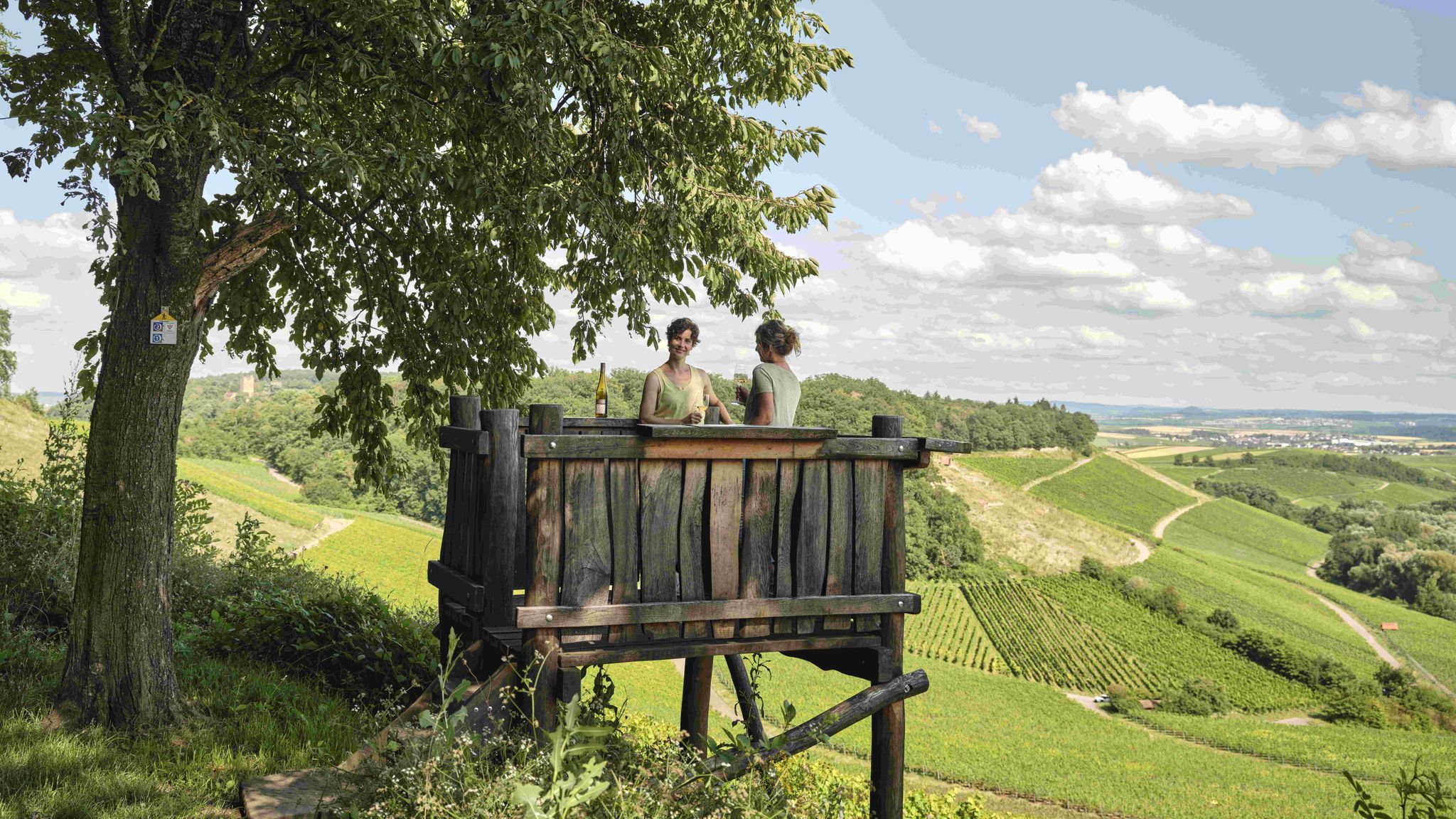
Genusswandern: Auf Wein(wander)wegen durch das Land der 1000 Hügel
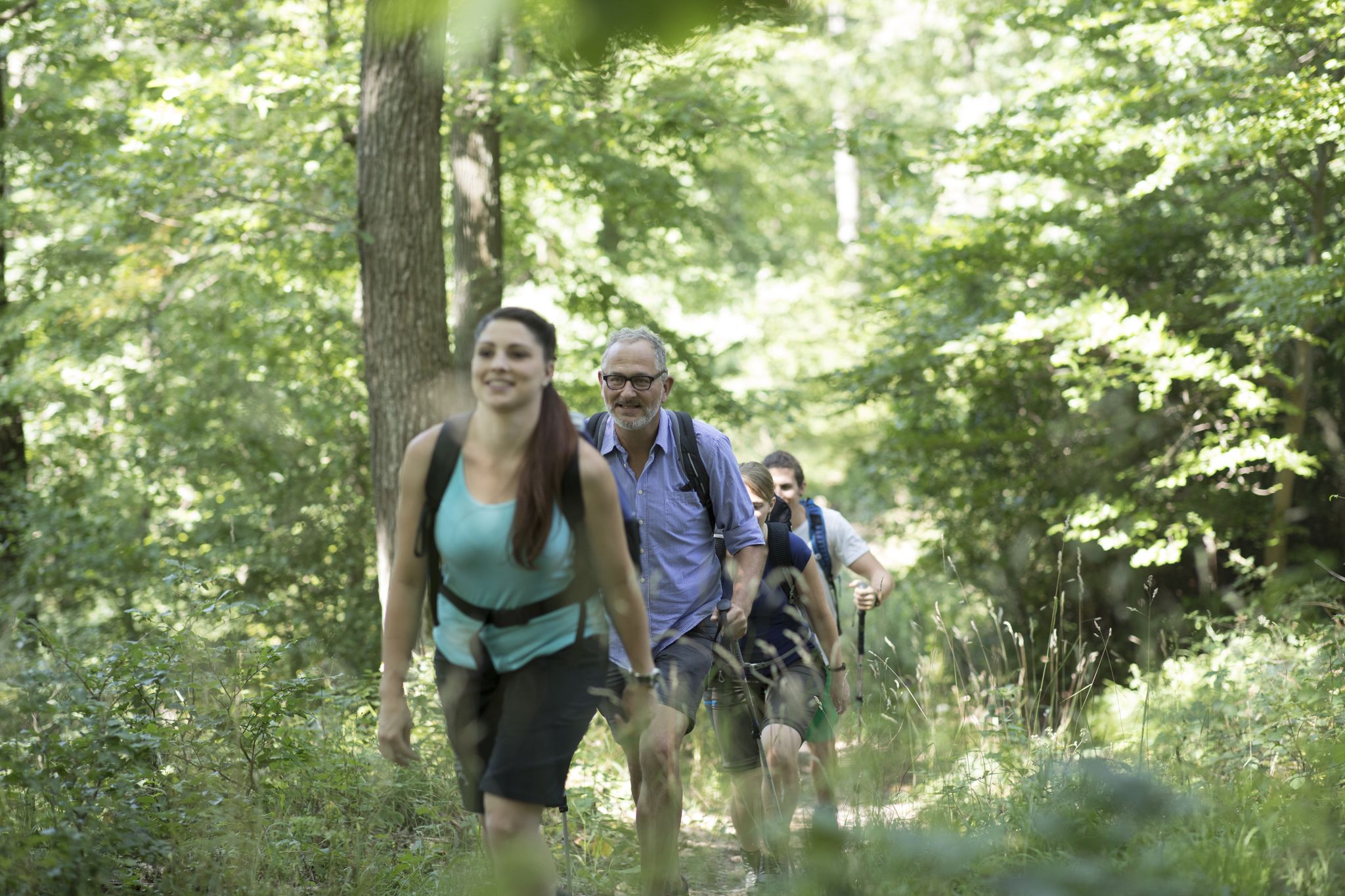
Wander3Klänge: Einfach Los Wandern im Naturpark Stromberg-Heuchelberg
Other adventures around Sternenfels

Tips from the Community

Nice for fast road cycling. Be careful on the curves, you usually can't see if someone is coming the other way.
0
0

From the Schlossbergturm, you have a panoramic view over large parts of Northern Baden and Northern Wuerttemberg. Depending on the weather and visibility, you can recognize, among other things: To the west: the Rhine plain and, in very clear conditions, the Vosges mountains in France. To the southwest: the Northern Black Forest. To the south: the Stromberg, whose highest elevation is the Baiselsberg. To the east: the hilly landscape of the Kraichgau and towards the Heckengäu. To the north: the Odenwald forest, but only with exceptionally good long-distance visibility. On particularly clear days, the visibility extends up to 70–100 km. Therefore, the tower is a popular viewpoint for photographers and hikers. Tip: The best long-distance visibility is often in the morning after a cold front or on dry autumn and winter days when the air is particularly clear.
1
0

A lovingly designed park. Very clean and everyone is very friendly and accommodating.
0
0

https://www.knittlingen.de/stadt-knittlingen/stadtgeschichte "Monday, June 2nd, I will depart. My heart expanded in all the expectations of what I will see and hear. Never have I felt so well as when, half an hour from here, I rode down the mountain – and below me lay Knittlingen…" (Friedrich Hölderlin in a letter from 1788)https://As "Württemberg's foremost bulwark and border fortress against the Palatinate" Knittlingen was first mentioned in a document in 843, then still as "Cnudelingen". In 1148, the Maulbronn monastery, completed a year earlier, acquired the rights over Knittlingen, where one of the monastery's seven granges also arose. In the following centuries, Knittlingen suffered major destruction multiple times – for example in 1360 by the Count Palatine of the Rhine, in the Thirty Years' War in 1632 by the troops of Imperial General Ernesto Montecuccoli, and in 1692 by the French. Partially devastating fires affected many historical buildings. Great influence on the development of urban life was exerted in 1490 by the idea of the Taxis dynasty (since 1650 Thurn und Taxis) to establish a horse relay post from Dutch Mechelen to Austrian Innsbruck and to open a post station in Knittlingen. From 1806 Knittlingen was part of the Oberamt Maulbronn, and in 1840 the place was officially granted town rights. From 1938 to 1972 Knittlingen belonged to the Vaihingen district, and since its dissolution to the Enzkreis in the administrative district of Karlsruhe. The history of Knittlingen's sub-districts Freudenstein (first mentioned in documents around 1251 as "Frodenstein") and Hohenklingen (first mentioned in writing in 1312) also dates back to the 13th or 14th century. The Waldensian village of Kleinvillars was founded in 1699 by reformed religious refugees from Piedmont. The incorporation of Kleinvillars into the town of Knittlingen took place on February 15, 1972, and the amalgamation of Freudenstein-Hohenklingen on August 9, 1975. Also not to be forgotten are the two Spanish partner municipalities Benaoján and Montejaque, with whom Knittlingen has been friendly connected for over 50 years, and since 2010 there has also been an official partnership. www.knittlingen.de/tourismus-freizeit/radtouren
0
0

Children's playground with rest area on the Derdinger Horn panoramic trail
0
0

The new town hall of Knittlingen was inaugurated on this site on May 21, 1954. In front of the town hall stands the Faust monument by Stuttgart artist Hanne Schorp-Pflumm.
5
0

Very nice.
0
0

Frequently Asked Questions
How many no-traffic touring cycling routes are available around Sternenfels?
There are over 19 dedicated no-traffic touring cycling routes around Sternenfels, offering a variety of experiences for different skill levels. You'll find 4 easy routes, 11 moderate routes, and 4 more challenging options.
What kind of terrain can I expect on these no-traffic cycling routes?
The Sternenfels region, often called the 'Land of 1000 Hills', features rolling hills, dense forests, and picturesque river valleys. While some routes follow flatter sections along waterways, most will include varied terrain with both rewarding climbs and descents. For example, the Nature Park Tour involves over 500 meters of elevation gain.
Are there any family-friendly no-traffic cycling routes in Sternenfels?
Yes, there are several routes suitable for families, particularly those looking for easier, car-free paths. While specific 'family-friendly' routes are not explicitly tagged, the 4 easy routes available are generally a good starting point. The region's natural beauty, including vineyards and forests, makes for pleasant rides for all ages.
What are some notable landmarks or attractions I can see along these routes?
Many routes pass by significant cultural and natural highlights. You can cycle past the historic St. Ottilien Chapel on the Ottilienberg, enjoy views from the Eselsburg Observation Tower, or visit the scenic Ehmetsklinge Reservoir. The View of Sternenfels Castle – Lienzinger Valley Cycle Path loop offers views of the historic castle complex itself.
When is the best time of year to go touring cycling in Sternenfels?
The region benefits from a mild climate, making spring through autumn ideal for touring cycling. The autumn months are particularly stunning, as the forests and vineyards, especially around the Diefenbach district, are ablaze with color, creating a beautiful backdrop for your ride.
Are there any circular no-traffic touring cycling routes?
Yes, many of the routes are designed as loops, allowing you to start and end in the same location. For example, the challenging Michaelsberg Picnic Area – Ehmetsklinge Reservoir loop is a great circular option that takes you past the Ehmetsklinge Lake.
What do other touring cyclists enjoy most about the no-traffic routes in Sternenfels?
The area is highly rated by the komoot community, with an average score of 4.4 stars. Reviewers often praise the diverse landscapes, including rolling hills and vineyards, the quiet nature of the routes, and the opportunity to discover cultural highlights like the historic castle complex and nearby Maulbronn Monastery.
Where can I find parking for these no-traffic cycling routes?
Sternenfels is a known starting point for various cycling routes, and parking is generally available in and around the town center. Many routes, such as the View of Sternenfels Castle – Lienzinger Valley Cycle Path loop, start directly from Sternenfels, making it convenient to park your car.
Can I reach the starting points of these routes by public transport with my bike?
Public transport options to Sternenfels are available, though it's advisable to check local bus and train schedules for specific information regarding bike transport. The region is well-connected, but policies on carrying bikes can vary, so planning ahead is recommended.
Are there places to eat or stay near the no-traffic cycling routes?
Yes, the region offers various options for refreshment and accommodation. You'll find cafes and pubs in Sternenfels and surrounding villages. The historic castle complex, for instance, has a beer garden near the Schlossbergturm. For longer stays, there are accommodations catering to cyclists in the area.
Are there any routes that go through the Stromberg Nature Park?
Yes, some routes specifically traverse the diverse cultural landscape of the Stromberg Nature Park. The Nature Park Tour – Nature Park Stromberg-Heuchelberg is a prime example, offering a moderate ride through this beautiful area.
Most popular routes around Sternenfels
Most popular attractions around Sternenfels

Get inspired with the komoot mobile app


Explore more
Browse the best Cycling routes in other regions.
