The best road cycling routes in Loir-et-Cher
4.4
(531)
16,424
riders
2,061
rides
Road cycling routes in Loir-et-Cher traverse a landscape defined by the Loire, Loir, and Cher rivers, offering predominantly flat to gently rolling terrain. The region features extensive forests, including parts of the Sologne and Perche, alongside fertile plains and vineyards. This diverse geography provides varied cycling experiences, from tranquil riverside paths to routes connecting historic châteaux.
Best road cycling routes in Loir-et-Cher
- The most popular road cycling route is Loir Valley: Vendôme - Montoire Loop, an easy 26.0 miles…
Last updated: July 7, 2026
3.8
(4)
31
riders
37.1km
01:38
270m
270m
Easy road ride. Great for any fitness level. Mostly well-paved surfaces and easy to ride.
4.7
(3)
26
riders
41.8km
01:47
250m
250m
Easy road ride. Great for any fitness level. Mostly well-paved surfaces and easy to ride.

Sign up for free
4.3
(6)
21
riders
47.1km
01:58
220m
220m
Easy road ride. Great for any fitness level. Mostly well-paved surfaces and easy to ride.
5.0
(1)
18
riders
48.9km
02:05
150m
150m
Moderate road ride. Good fitness required. Mostly well-paved surfaces and easy to ride.
5.0
(2)
18
riders
44.4km
01:53
190m
190m
Easy road ride. Great for any fitness level. Mostly well-paved surfaces and easy to ride.
5.0
(1)
4
riders
42.3km
01:54
230m
230m
Easy road ride. Great for any fitness level. Mostly well-paved surfaces and easy to ride.
5
riders
Hard road ride. Very good fitness required. Mostly well-paved surfaces and easy to ride.
4.5
(2)
8
riders
62.3km
02:22
130m
130m
Moderate road ride. Good fitness required. Mostly well-paved surfaces and easy to ride.
9
riders
Moderate road ride. Good fitness required. Mostly well-paved surfaces and easy to ride.
3.5
(2)
4
riders
Moderate road ride. Good fitness required. Mostly well-paved surfaces and easy to ride.
Get access to more routes and recommendations from other explorers.
Sign up for free
Already have an account?
Our route recommendations are based on thousands of hikes, rides, and runs completed by other people on komoot.
Start today with a free account
Your next adventure awaits.
Login or Signup
Popular around Loir-et-Cher
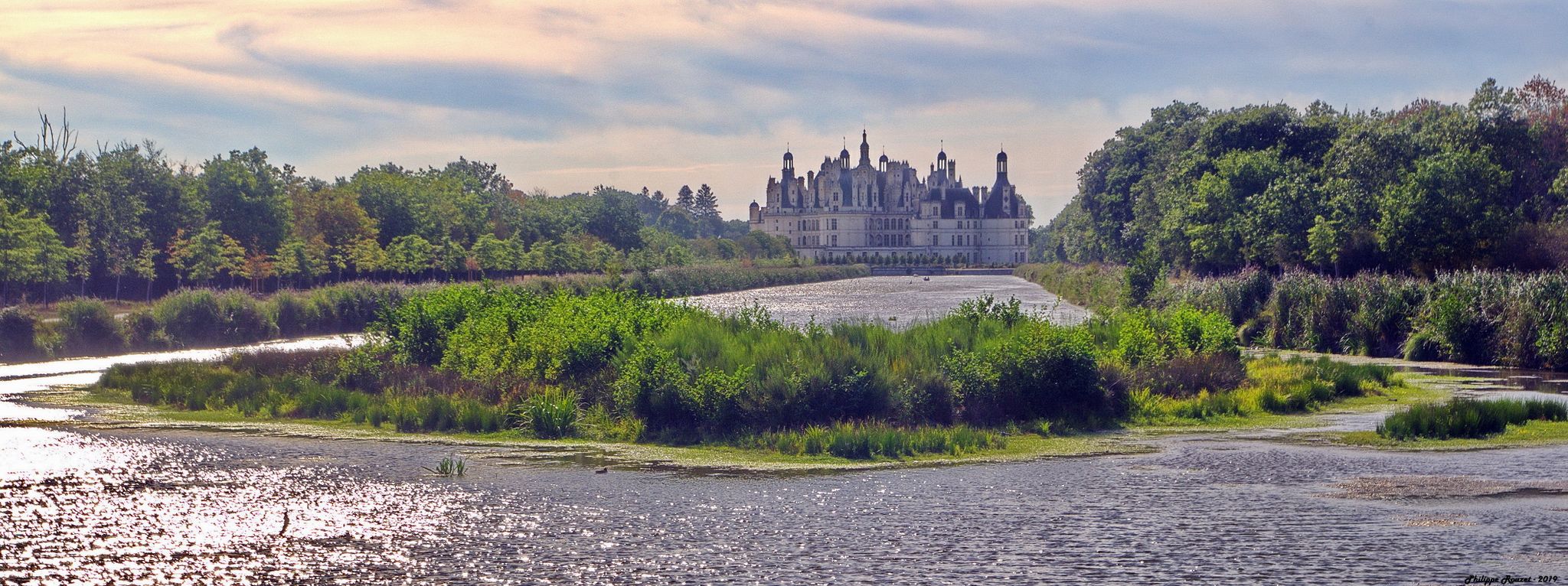
From one castle to another – the Loire to the Cher Valley
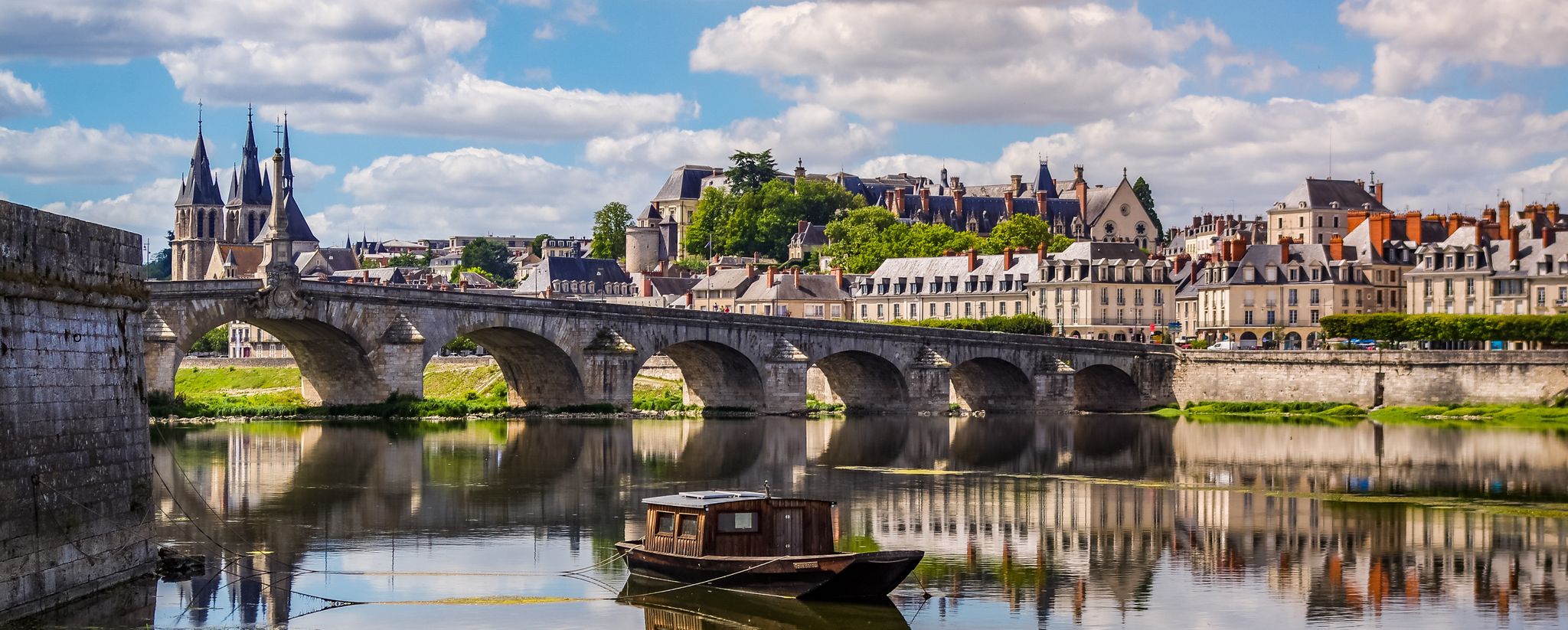
EuroVelo 3 – A cycling pilgrimage from Norway to France
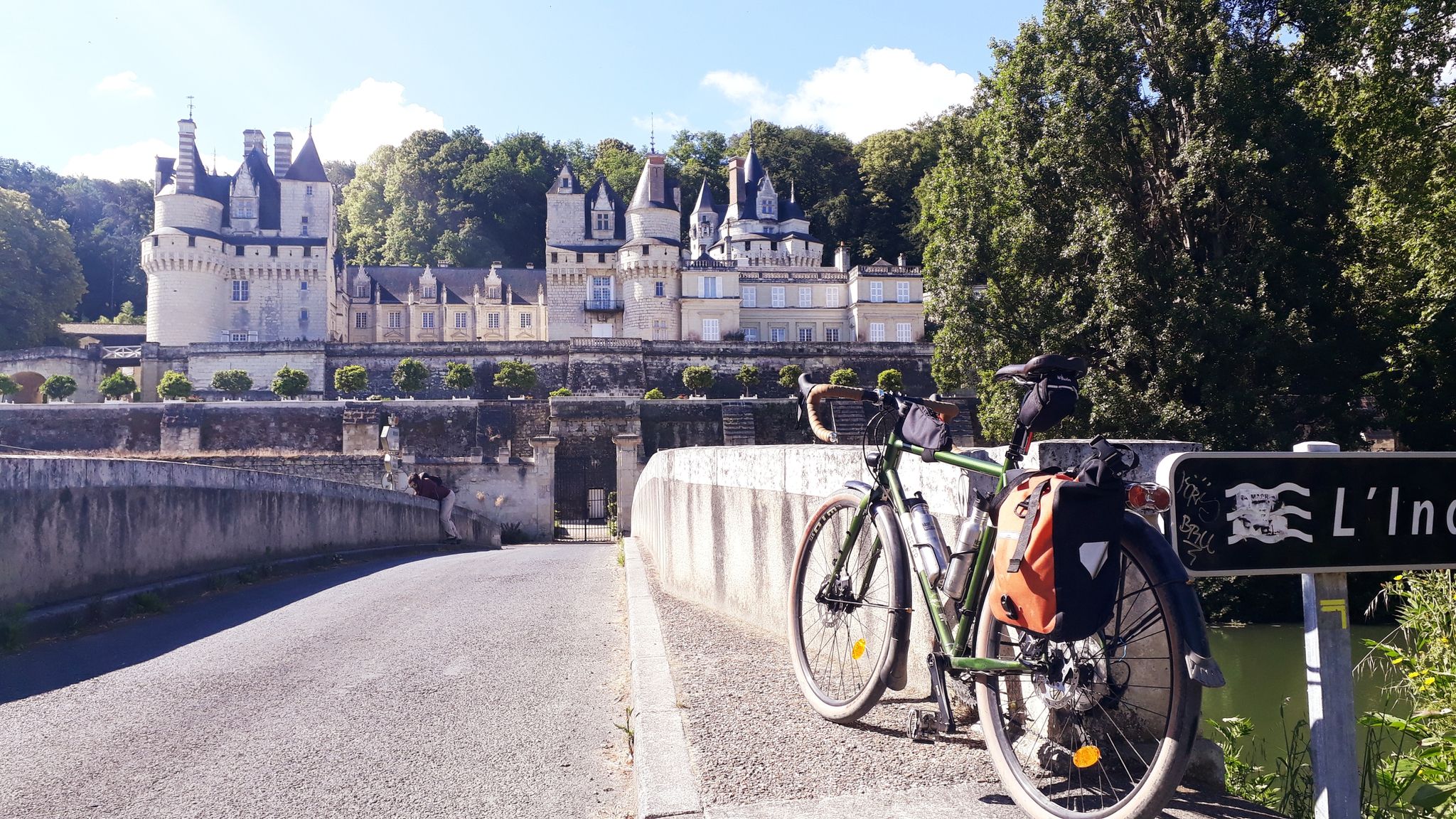
La Loire à vélo – Between nature and castles
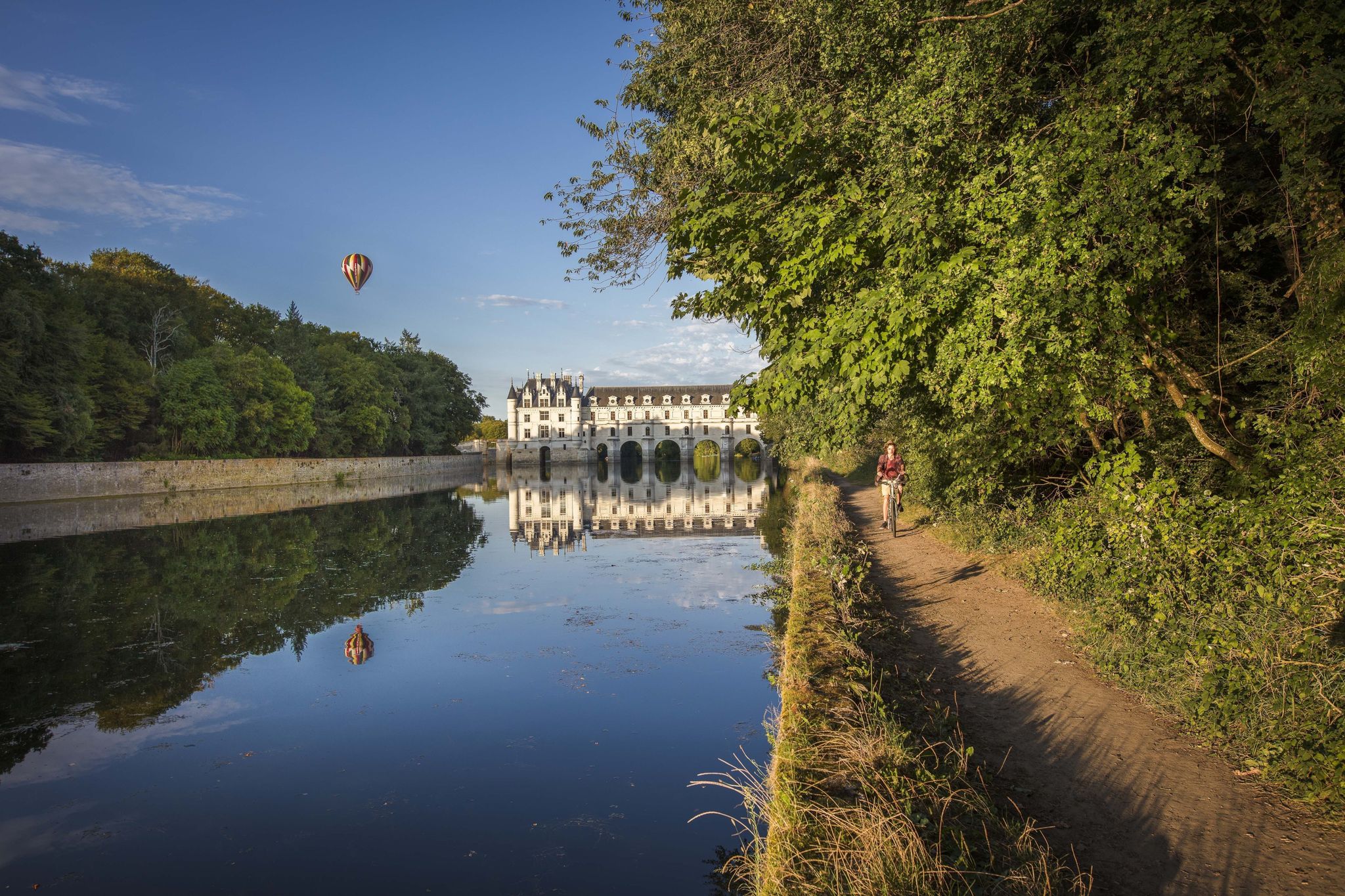
The Loire Valley – escape to the great outdoors
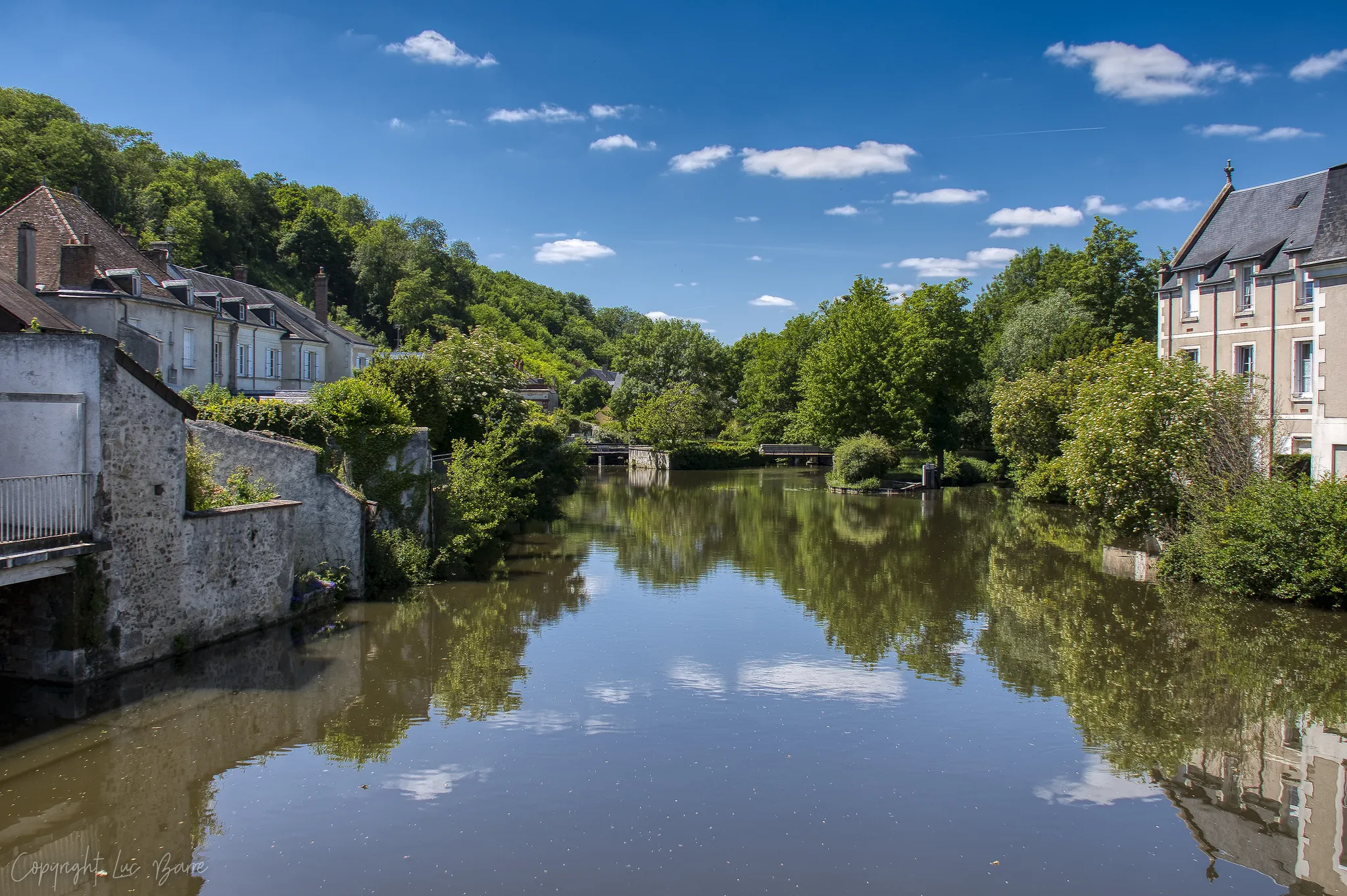
Castles, mills and masterpieces – Loire Valley by bike
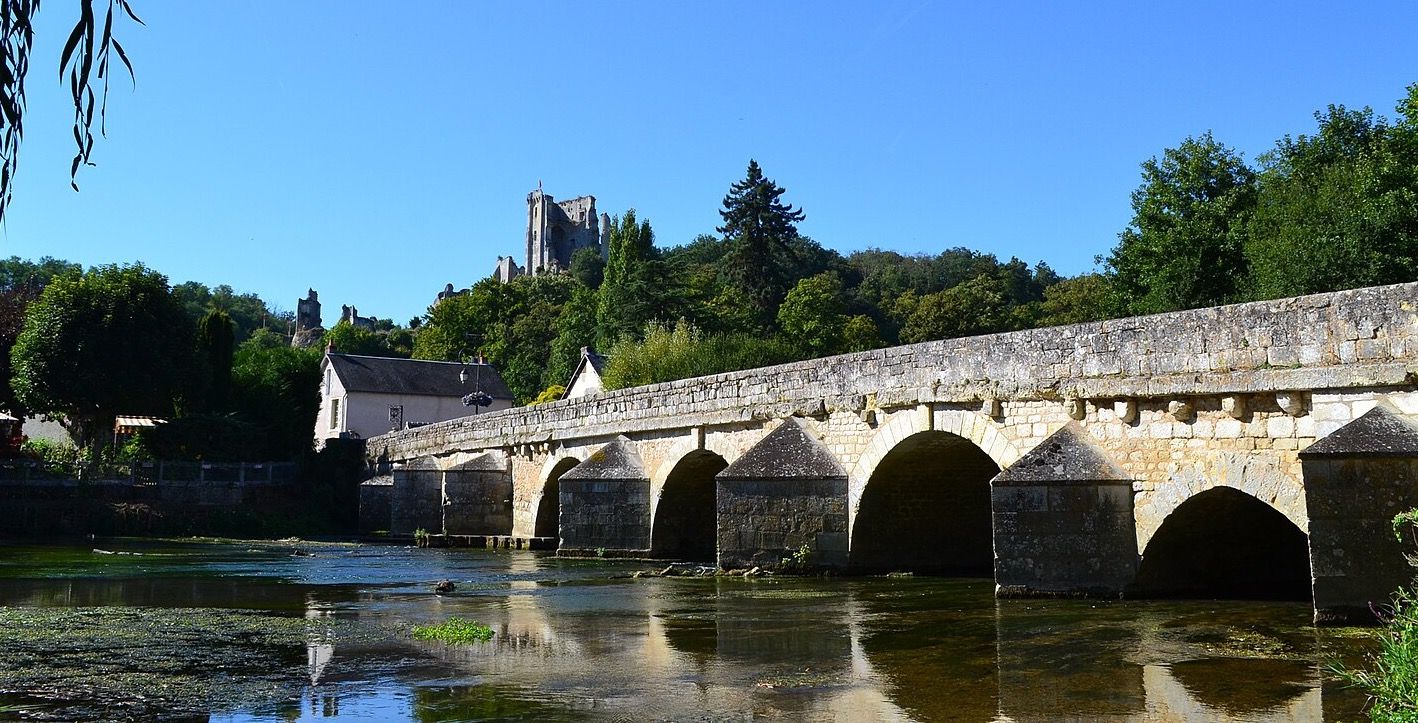
Pilgrimage from Rambouillet to Tours – Saint-Jacques by bike (V41)
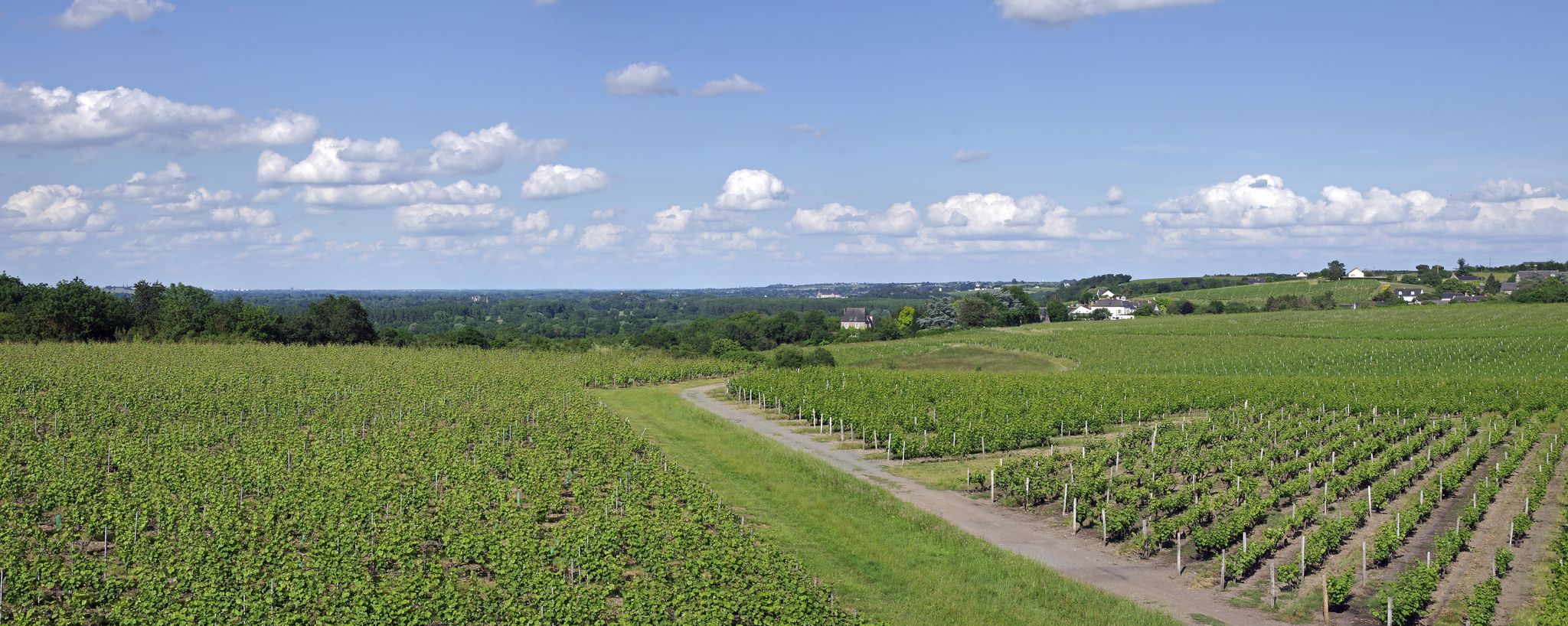
The Loire from ocean to source – GR 3 between Tours and Orléans
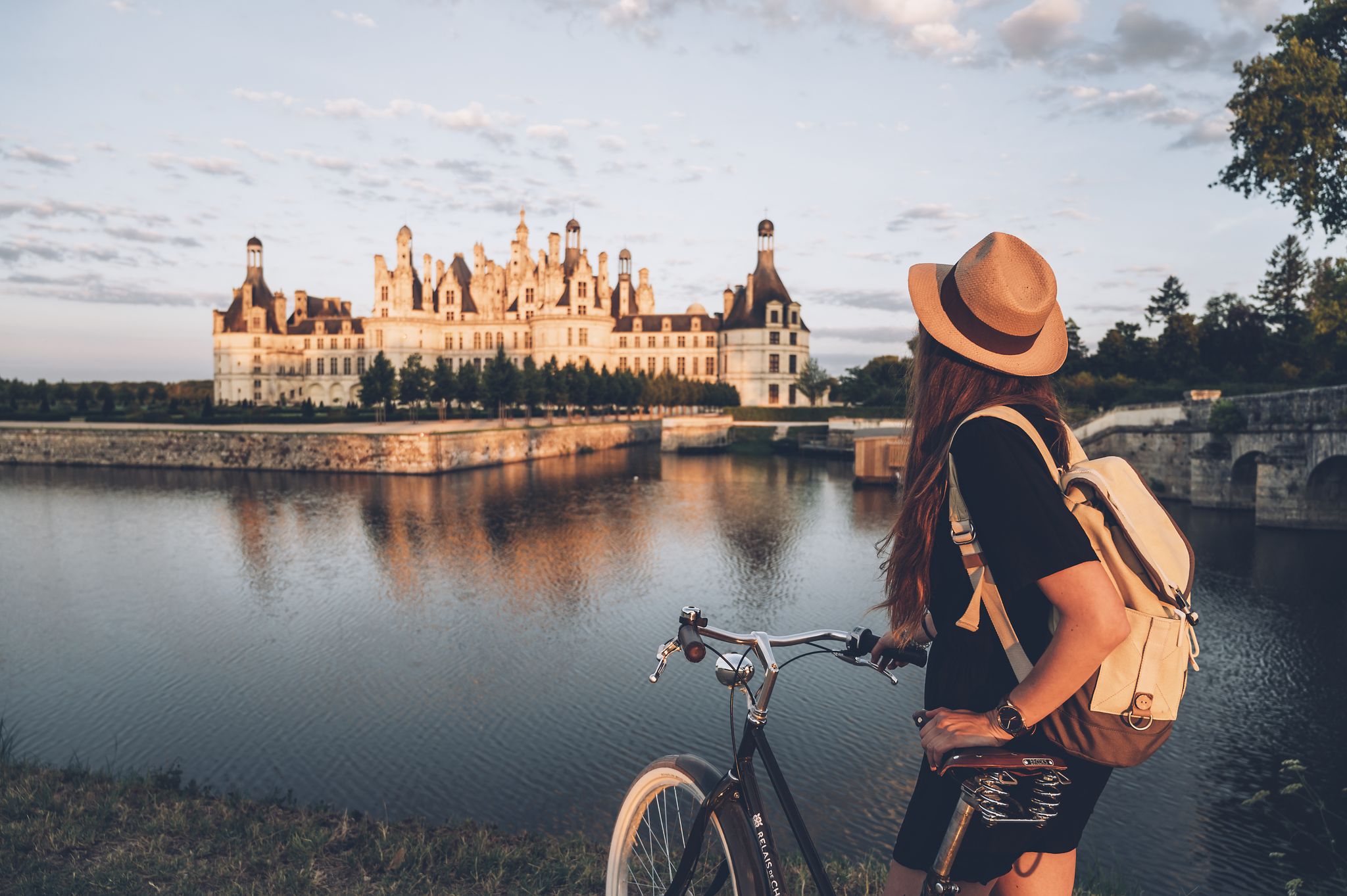
Nature and Culture — discover the Loire and its castles by bike
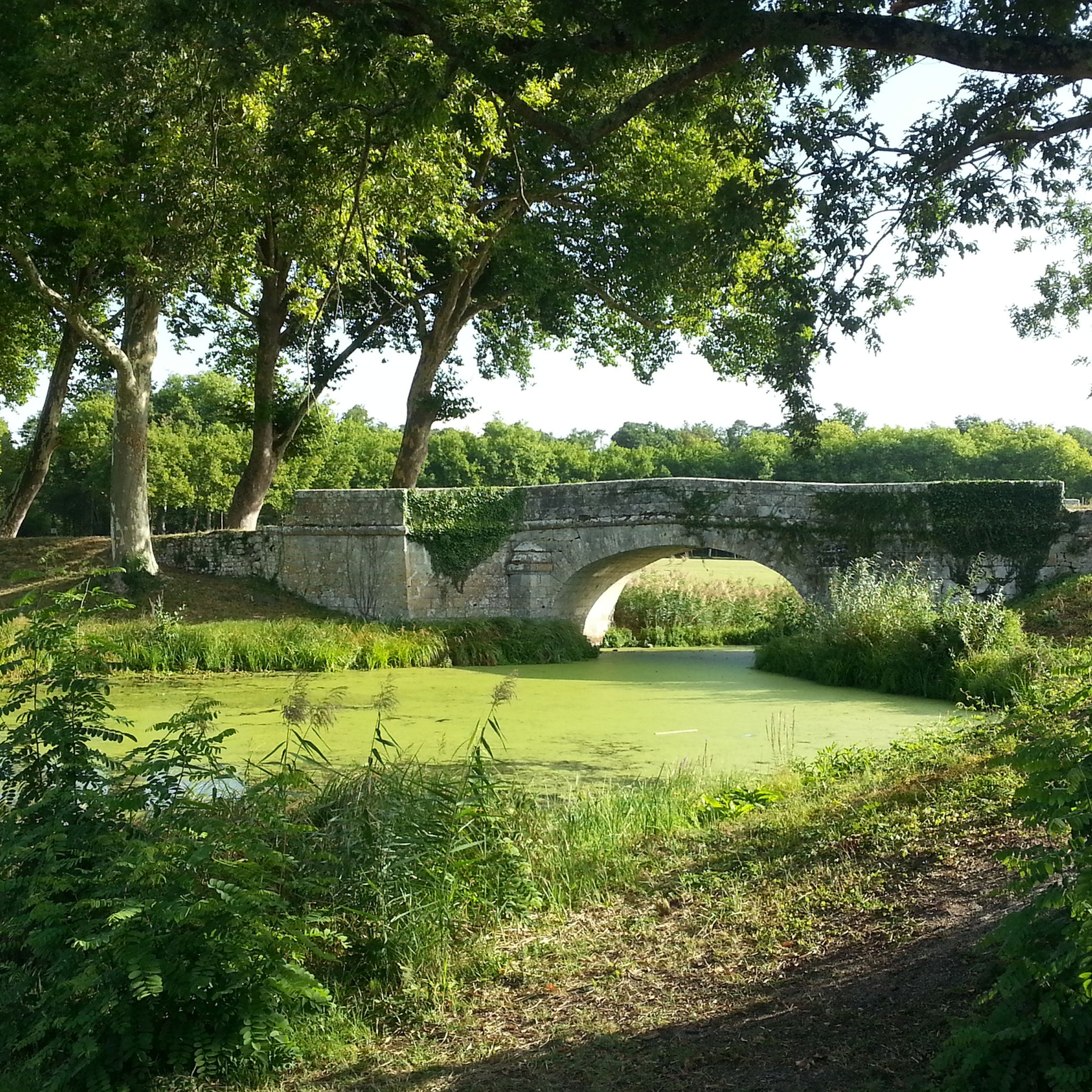
Hiking in Loir-et-Cher
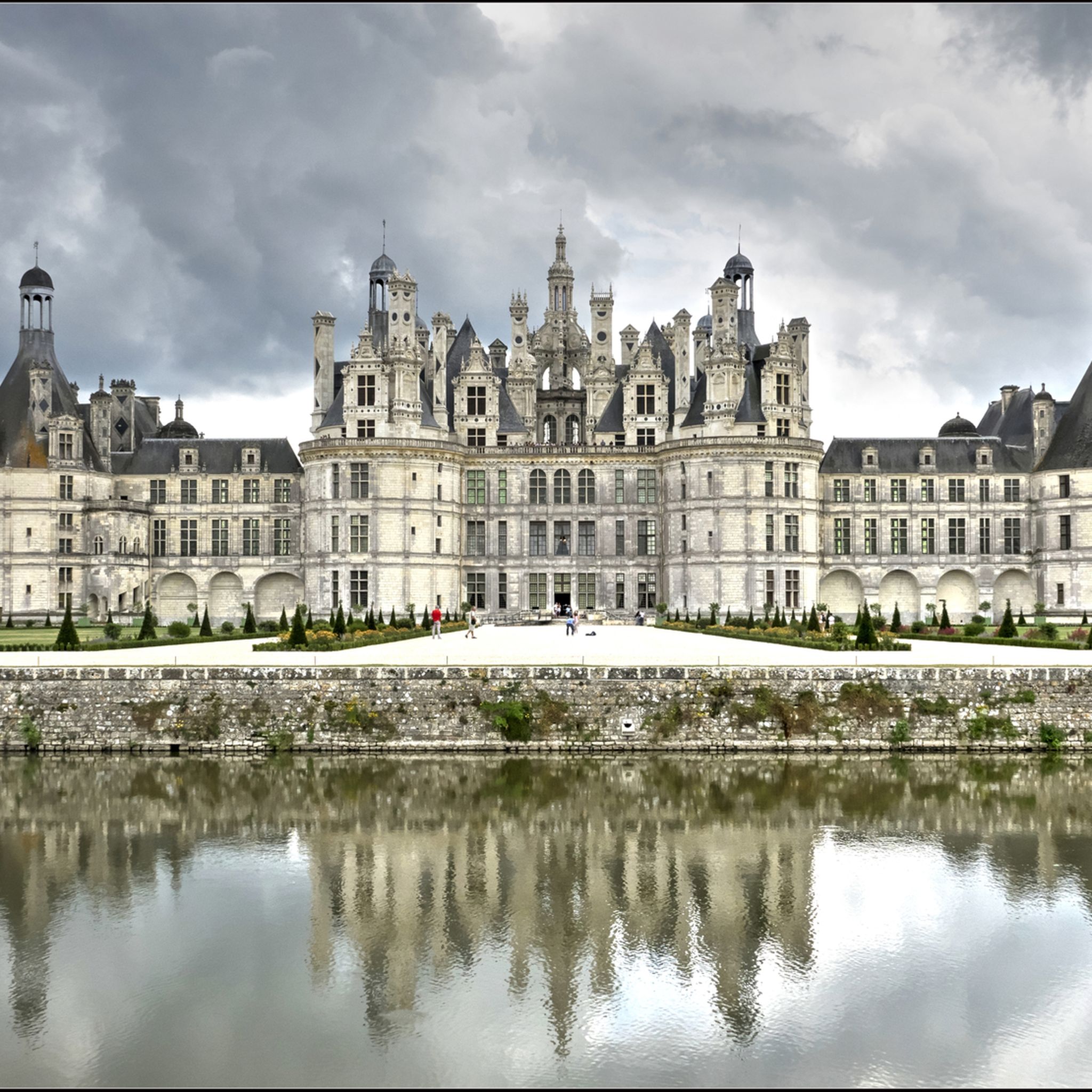
Cycling in Loir-et-Cher
Other adventures in Loir-et-Cher


Tips from the Community

Today the chateau functions as a hotel/restaurant – nice surroundings, good food, very friendly staff, and still at acceptable prices.
1
0

Beautiful crossing of the Loire, very busy bridge
0
0

It is the largest Renaissance hunting lodge on the Loire. A visit is highly recommended. There is a paid parking lot. The park is 55 hectares in size. Chambord Castle impresses with its architecture, the beautifully furnished rooms and art. It is recommended to rent a Histopad for 6.5 euros. From the terrace you have great views of the landscaped garden and the extensive park.
1
0


Built in a Classical style, the Cherveny castle has belonged to the same family for more than six centuries, the Huraults, financiers and officers in the service of several kings of France. The current castle was built around 1625 by Henri, son of Philippe Hurault, and his wife Marguerite Gaillard de la Morinière. They launched the construction of the current castle and entrusted the execution of the work to the architect Jacques Bougier. He uses “Bourré stone”, a stone from the Cher valley which has the particularity of whitening and hardening as it ages. Sobriety and symmetry characterize the Château de Cheverny, a precursor of the French style which established itself under the reign of Louis XIV. The work is of such magnitude that it will not see the end of the project. Their daughter Elisabeth, Marquise de Montglas, completed the interior decoration which was entrusted to Jean Monier. During the following hundred and fifty years, the Château de Cheverny changed owners several times. In 1825, Anne Denis Hurault, Marquis de Vibraye, bought the property from her ancestors. The Château de Cheverny, which has always been inhabited, presents remarkably well-preserved pieces of furniture and interior fittings. The first floor apartments bear witness to the French art of living. An English-style park and gardens surround the Château de Cheverny. Visitors can discover the Jardin des Apprentis, a contemporary designed garden created in 2006 which was inspired by the found plans of an old French garden and the vegetable garden, designed by the Marquise de Vibraye, it combines the use original of different colored materials, vegetables and flowers. The Garden of Love, created in 2019, presents six monumental statues by Gudmar Olovson which reflect Love in all its forms. Cheverny constitutes a heritage of stones, land but also of tradition with venery or hunting with hounds. The Cheverny crew was founded in 1850 by the Marquis de Vibraye. Nowadays, in the Cheverny forest and neighboring forests, the crew harvests exclusively deer. Every day, from April to September 14, subject to reservations, at 11:30 a.m., visitors can attend the dog meal. The Château de Cheverny inspired the Château de Moulinsart to the Belgian comic book author, Hergé. The Domaine de Cheverny and the Hergé Foundation have joined forces to create and set up a permanent exhibition on the theme: the secrets of Moulinsart.
1
0
In the heart of Sologne, the Château de Chambord has continued to dazzle its visitors for five hundred years. A true architectural work, Chambord is the emblem of the French Renaissance throughout the world. An affirmation of royal power, but also an evocation of an ideal city, the monument remains an enigma that has not yet finished revealing all its secrets. The unique and magical atmosphere is felt upon arrival, after crossing the forest, when you find yourself facing this castle with its extraordinary architecture imagined by François I and on which floats the spirit of Leonardo da Vinci. Built from 1519 at the request of François I, a lover of the arts and hunting, the Château de Chambord is a palace that the king liked to show to sovereigns and ambassadors as a symbol of his power inscribed in stone. Built in the heart of the marshy lands of Sologne, Chambord represents a true architectural feat. The plan of the castle and its decorations were designed around a central axis: the famous double-revolution staircase, inspired by Leonardo da Vinci. The castle was completed under the reign of Louis XIV. In the 18th century, work was undertaken to develop the interior of the castle. The need to bring warmth and comfort to the building prompted the various occupants to furnish the castle permanently. By visiting the Château Chambord, you travel through 500 years of French history in a few hours. Stairs, galleries, terraces, large rooms and small offices are all solicitations to wander for pleasure. Chambord is not a castle like the others. Visiting Chambord is accessing a world apart, filled with mystery, which opens the doors to the genius of the Renaissance. The Château de Chambord has been dedicated to the arts from the outset. Molière's Le Bourgeois Gentilhomme was performed there for the first time, in front of Louis XIV in 1670. True to this tradition, the estate has set up a quality cultural program since 2010 (music festival, exhibitions, readings, shows, etc.). The Château de Chambord cannot be dissociated from its natural state, the forest. With its 5,440 hectares and 32 kilometers of surrounding walls, the national estate of Chambord is the largest enclosed park in Europe. Coming to Chambord also means exploring kilometers of hidden paths, admiring preserved landscapes, having the chance to come across wild animals or discovering the magnificent French gardens designed under Louis XIV and completely restored in 2017. Chambord offers many nature activities in the park: equestrian show, horse-drawn carriage rides, visits to the reserve in 4x4, boat trips, on foot or by bike. For lovers of the terroir, come and discover the Chambord vineyards and taste the 500-year-old vintage. Also, don't miss a visit to the vegetable gardens, inspired by permaculture, in the former stables of the château. An opportunity to discover the world of market gardeners and the benefits of this agriculture. In Chambord, everyone can build their day according to their desires.
1
0

Behind this impressive gate is one of the most beautiful estates in Salbris, with at the end of this avenue the private castle of Rivaulde, all brick and half-timbered. It was built in 1524 and then belonged to the lords of Ferté-Imbault. It belonged to the painter Toulouse-Lautrec in the 19th century, who sold it to the Schneider brothers, who had the castle rebuilt by the architect Coulon, then nicknamed "little Vaux-le-Vicomte". Henri Schneider did not see the end of the work in 1902 and it was his wife who made it her main residence.
0
0
Let yourself be charmed by this magnificent castle with a history as rich as its architecture. Built in 980 on an old leveled mound, it is the largest brick castle in Sologne and one of the oldest. It was partly destroyed and rebuilt over the centuries, notably during the Renaissance, and saw illustrious people pass through, including Joan of Arc. Jacques d'Estampes, the first Marquis de la Ferté-Imbaud was ambassador to England and Marshal of France. With his wife Catherine-Blanche de Choiseul, they particularly marked the history of this castle. It is now possible to visit it and privatize it for events.
0
0
Frequently Asked Questions
What is the general terrain like for road cycling in Loir-et-Cher, and are there routes for different skill levels?
Loir-et-Cher offers predominantly flat to gently rolling terrain, making it accessible for a wide range of cyclists. The region's diverse geography, shaped by the Loire, Loir, and Cher rivers, provides varied experiences. You'll find routes suitable for beginners, such as the easy Loir Valley: Vendôme - Montoire Loop, as well as more challenging excursions like the difficult Réserve de Chambord, Blois et Pontlevoy — grand circuit au départ de Le Controis-en-Sologne, which covers over 124 km.
What natural features and landmarks can I expect to see while road cycling in Loir-et-Cher?
Road cycling in Loir-et-Cher allows you to explore a rich tapestry of natural and historical sights. You'll encounter the tranquil river valleys of the Loire, Loir, and Cher, dense forests like those in the Sologne and Perche regions, and picturesque vineyards. Many routes also pass by iconic landmarks, including the famous Loire Valley châteaux. For example, the South of Muides-sur-Loire — loop through the Chambord reserve takes you near the vast park of Chambord Castle.
Are there specific routes that pass by the famous Loire Valley châteaux?
Yes, Loir-et-Cher is central to the Loire Valley châteaux region, and many cycling routes are designed to connect these historical sites. For instance, the Vendôme, Meslay and Renay Castles Loop offers a chance to see several castles. You can also find routes that lead to Cheverny Castle and Chaumont-sur-Loire Castle, often utilizing dedicated cycle paths or quiet country roads.
Is parking readily available near road cycling routes in Loir-et-Cher?
Yes, parking is generally available in towns and villages that serve as starting points for many road cycling routes in Loir-et-Cher. Larger towns like Blois and Vendôme offer various parking options, and smaller villages often have public parking areas. It's advisable to check specific route descriptions or local town information for the most convenient parking spots.
Can I access road cycling routes in Loir-et-Cher using public transport?
Many towns in Loir-et-Cher, such as Blois and Vendôme, are well-connected by regional trains (TER) which often allow bicycles, though conditions may vary. This makes it possible to reach starting points for routes like the From Blois to Muides-sur-Loire — loop along La Loire. Some local bus services might also accommodate bikes, but it's best to verify with the specific transport provider beforehand.
When is the best time of year to go road cycling in Loir-et-Cher?
The best time for road cycling in Loir-et-Cher is typically from spring to early autumn (April to October). During these months, the weather is generally mild and pleasant, with less rainfall and comfortable temperatures for cycling. Spring brings blooming landscapes, while autumn offers beautiful foliage, especially in the forested areas and vineyards.
Are there family-friendly road cycling routes suitable for children in Loir-et-Cher?
Loir-et-Cher is well-suited for family cycling, with many routes featuring flat to gently rolling terrain and dedicated cycle paths. The iconic La Loire à Vélo route, for example, often uses safe, traffic-free sections ideal for families. Routes like the Blois and Cisse Valley Mills Loop are generally easy and can be enjoyed by families looking for a relaxed ride.
Are dogs allowed on road cycling routes in Loir-et-Cher?
While dogs are generally welcome in many outdoor areas in Loir-et-Cher, specific regulations can vary depending on the route and whether it passes through protected natural reserves or private land. On most public roads and designated cycle paths, dogs on a leash are usually permitted. However, it's always recommended to check local signage or specific route guidelines, especially when cycling through forested areas or near wildlife reserves like the Chambord reserve.
What do other road cyclists enjoy the most about road cycling in Loir-et-Cher?
The road cycling experience in Loir-et-Cher is highly rated by the komoot community, with an average score of 4.4 stars from over 490 reviews. Cyclists frequently praise the region's diverse and picturesque landscapes, the well-maintained routes that cater to various skill levels, and the opportunity to combine cycling with visits to historic châteaux and charming villages. The tranquil riverside paths and quiet country lanes through vineyards are often highlighted as particularly enjoyable.
How many road cycling routes are available in Loir-et-Cher?
There are over 2,000 road cycling routes available in Loir-et-Cher on komoot. This extensive network includes a wide variety of options, from easy, short loops to more challenging, longer excursions, ensuring there's a route for every preference and fitness level.
Are there any long-distance or challenging road cycling routes for experienced riders?
Yes, for experienced riders seeking longer distances and more challenging terrain, Loir-et-Cher offers several options. Routes like the Réserve de Chambord, Blois et Pontlevoy — grand circuit au départ de Le Controis-en-Sologne, which is over 124 km, provide a significant challenge. The region's gently rolling hills, especially in areas like the Perche, also allow for extended rides with varied elevation profiles.
Can I find circular road cycling routes in Loir-et-Cher?
Yes, Loir-et-Cher is rich in circular road cycling routes, perfect for day trips. Many routes are designed as loops, allowing you to start and finish in the same location. Examples include the Loir Valley: Vendôme - Montoire Loop and the South of Montrichard-Val-de-Cher — loop in the Cher valley, offering convenient options for exploring the region.
Are there opportunities to cycle through vineyards in Loir-et-Cher?
Absolutely. Loir-et-Cher is known for its wine production, and many road cycling routes wind through picturesque vineyards, particularly in areas like Montlouis and Vouvray. These routes offer not only scenic views but also opportunities for gourmet breaks and wine tastings, allowing you to experience the region's culinary heritage firsthand.
Most popular routes in Loir-et-Cher
Most popular attractions in Loir-et-Cher

Get inspired with the komoot mobile app


Explore more
Browse the best Road cycling routes in other regions.
