The best city hikes and walks in Marche
4.4
(15756)
84,329
hikers
363
hikes
Urban hiking trails in Marche, Italy, offer a diverse landscape for exploration. The region features a varied terrain, from the Adriatic coastline with its rugged cliffs and beaches to inland rolling hills dotted with historic towns. Hikers can experience paths through agricultural landscapes, vineyards, and along riverbanks, providing a range of urban walking experiences.
Best urban hiking trails in Marche
- The most popular urban hiking route is Passetto Elevator – Passetto Monument loop from Ancona, a 3.2 miles (5.1…
Last updated: October 13, 2026
4.8
(21)
155
hikers
10.4km
02:39
30m
30m
Moderate hike. Good fitness required. Easily-accessible paths. Suitable for all skill levels.
4.8
(5)
170
hikers
Moderate hike. Good fitness required. Easily-accessible paths. Suitable for all skill levels.

5.0
(1)
131
hikers
6.15km
01:33
10m
10m
Easy hike. Great for any fitness level. Easily-accessible paths. Suitable for all skill levels.
4.2
(25)
103
hikers
8.56km
02:26
190m
190m
Moderate hike. Good fitness required. Easily-accessible paths. Suitable for all skill levels.
5.0
(1)
116
hikers
Easy hike. Great for any fitness level. Easily-accessible paths. Suitable for all skill levels.
Get access to more routes and recommendations from other explorers.
Already have an account?
Our route recommendations are based on thousands of hikes, rides, and runs completed by other people on komoot.
Start today with a free account
Your next adventure awaits.
Popular around Marche
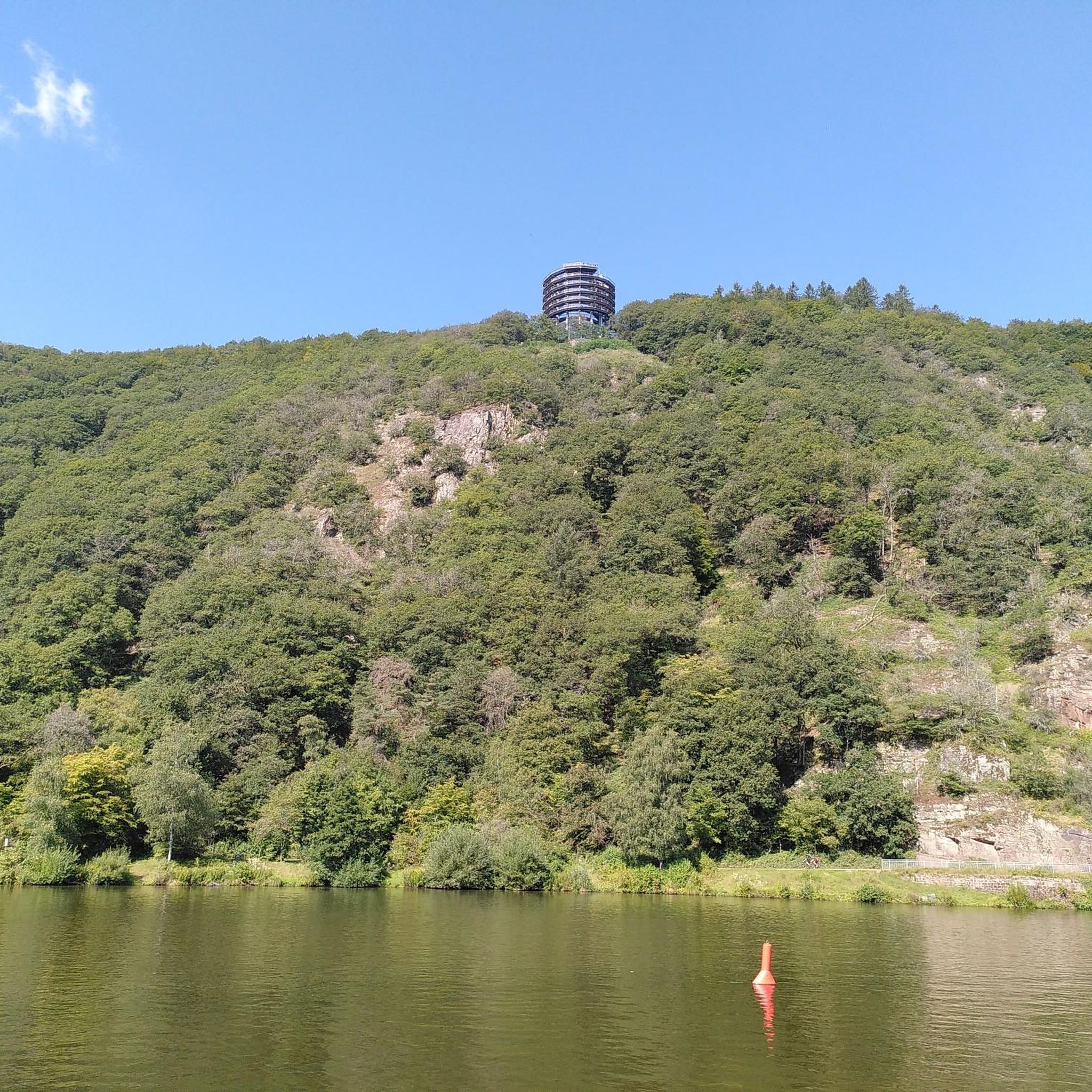
City hikes in Ancona
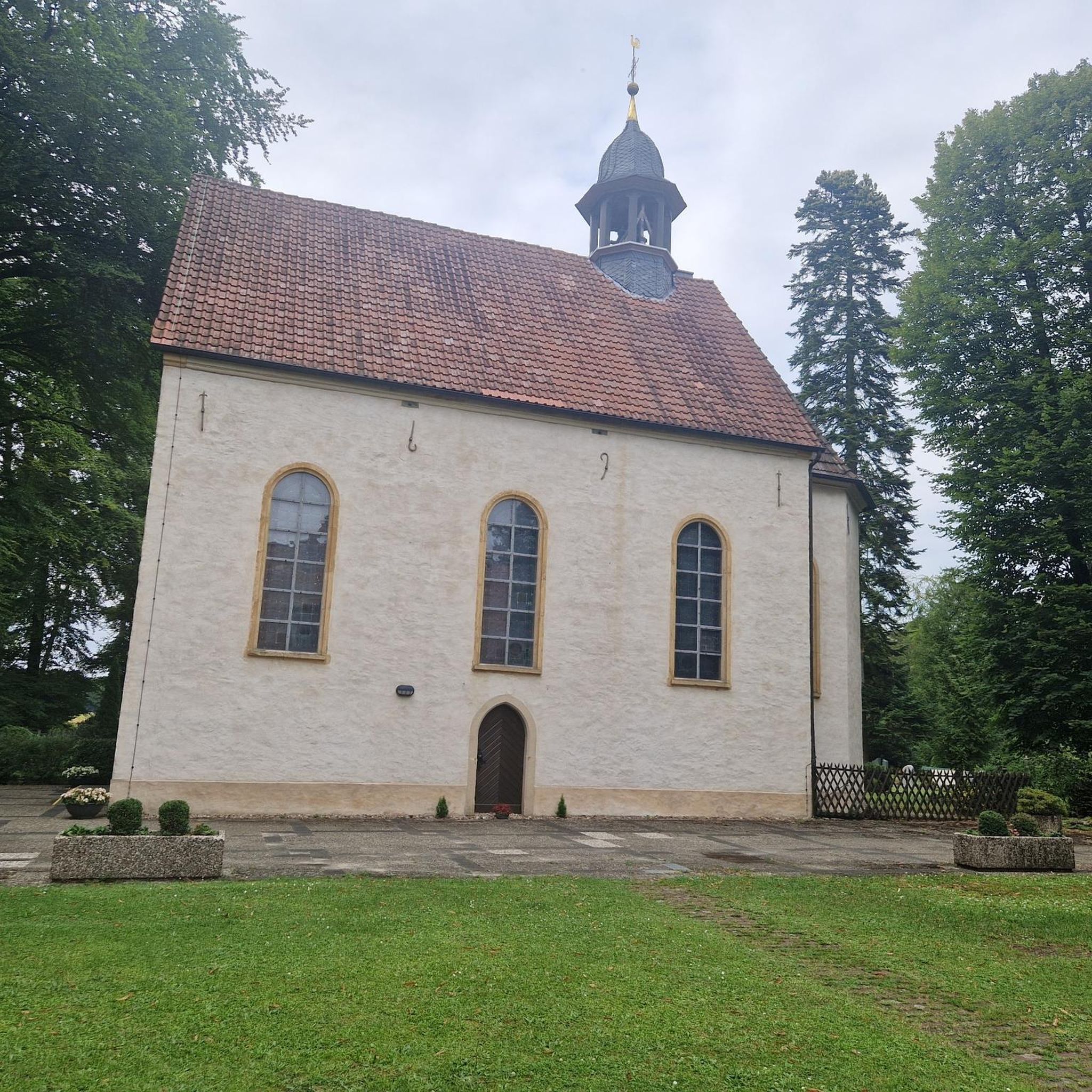
City hikes in Ascoli Piceno

City hikes in Macerata

City hikes in Fermo

City hikes in Pesaro e Urbino
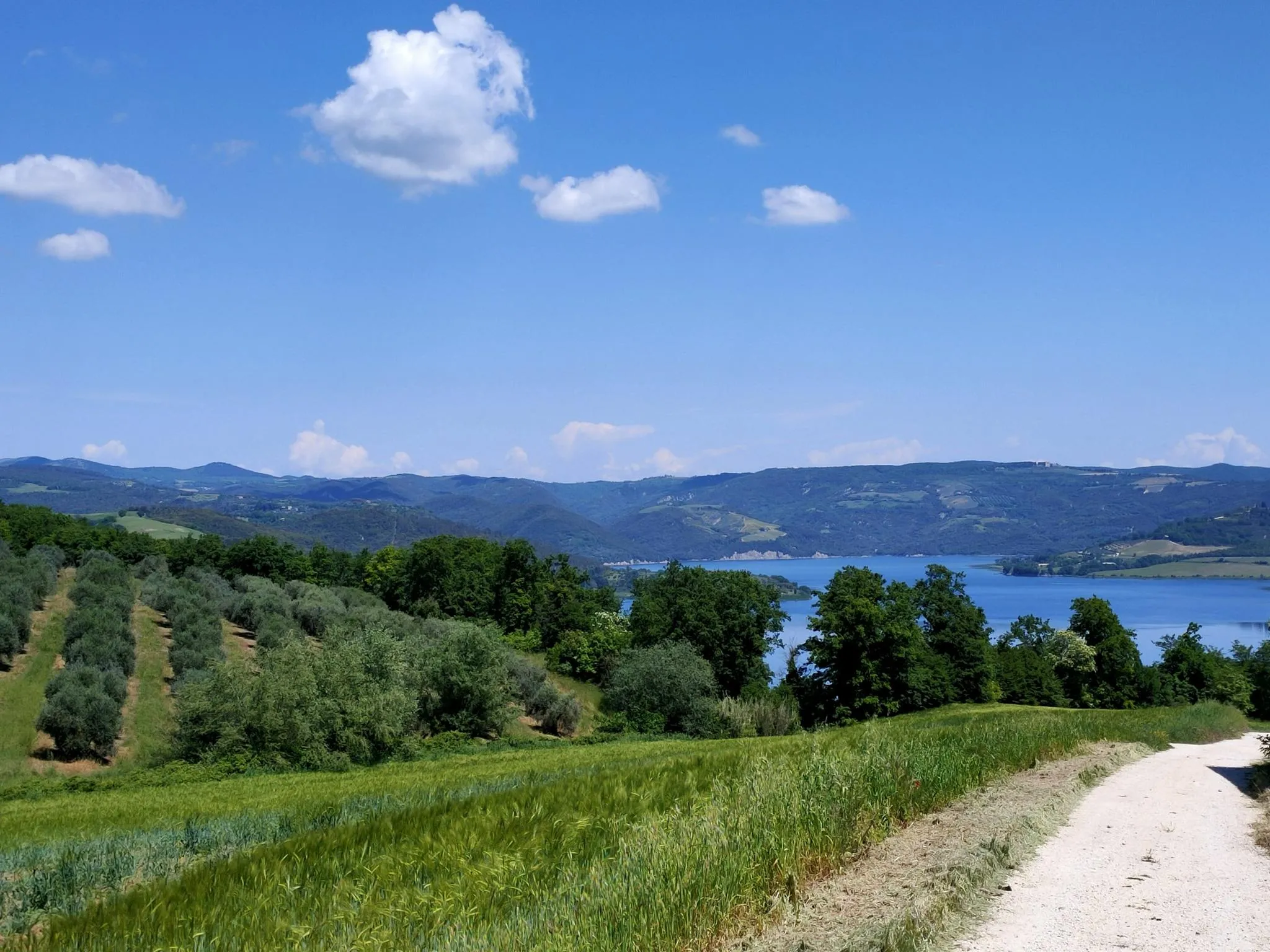
Italian Coast2Coast – From Portonovo to Orbetello
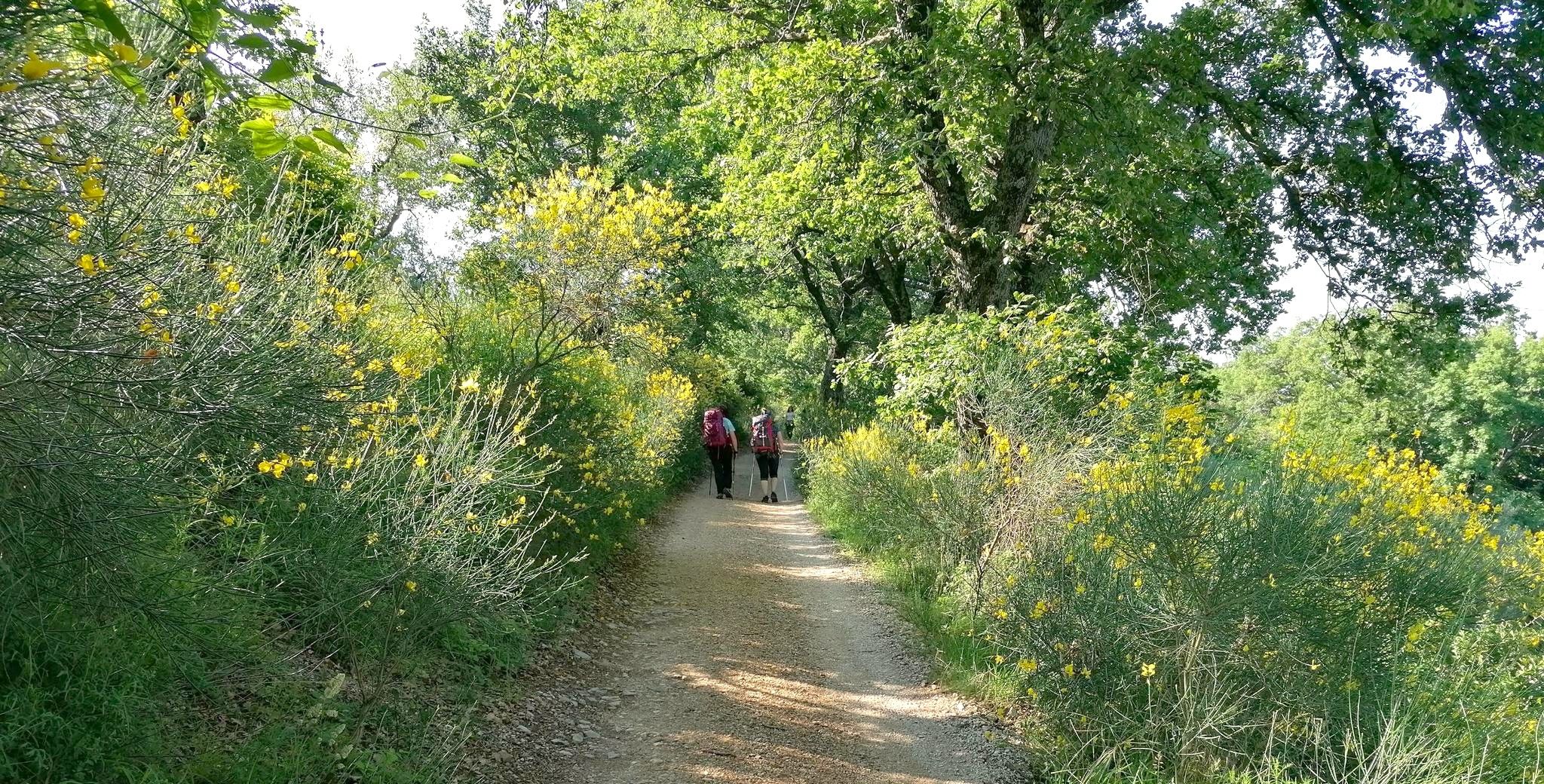
A journey of faith between Umbria and Marche – Via Lauretana
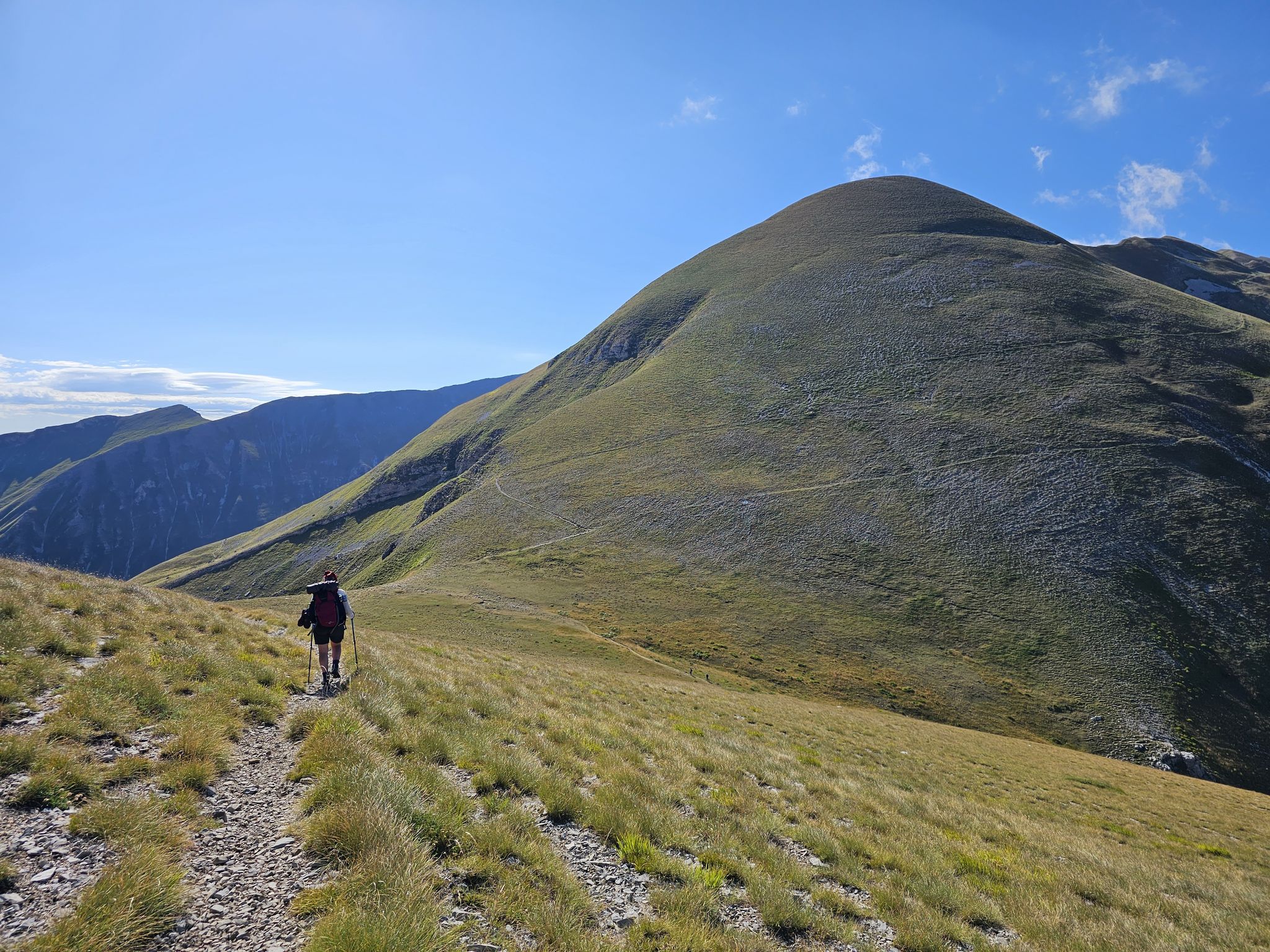
The Sibillini Mountains to Gran Sasso – the Great Apennine Crossing
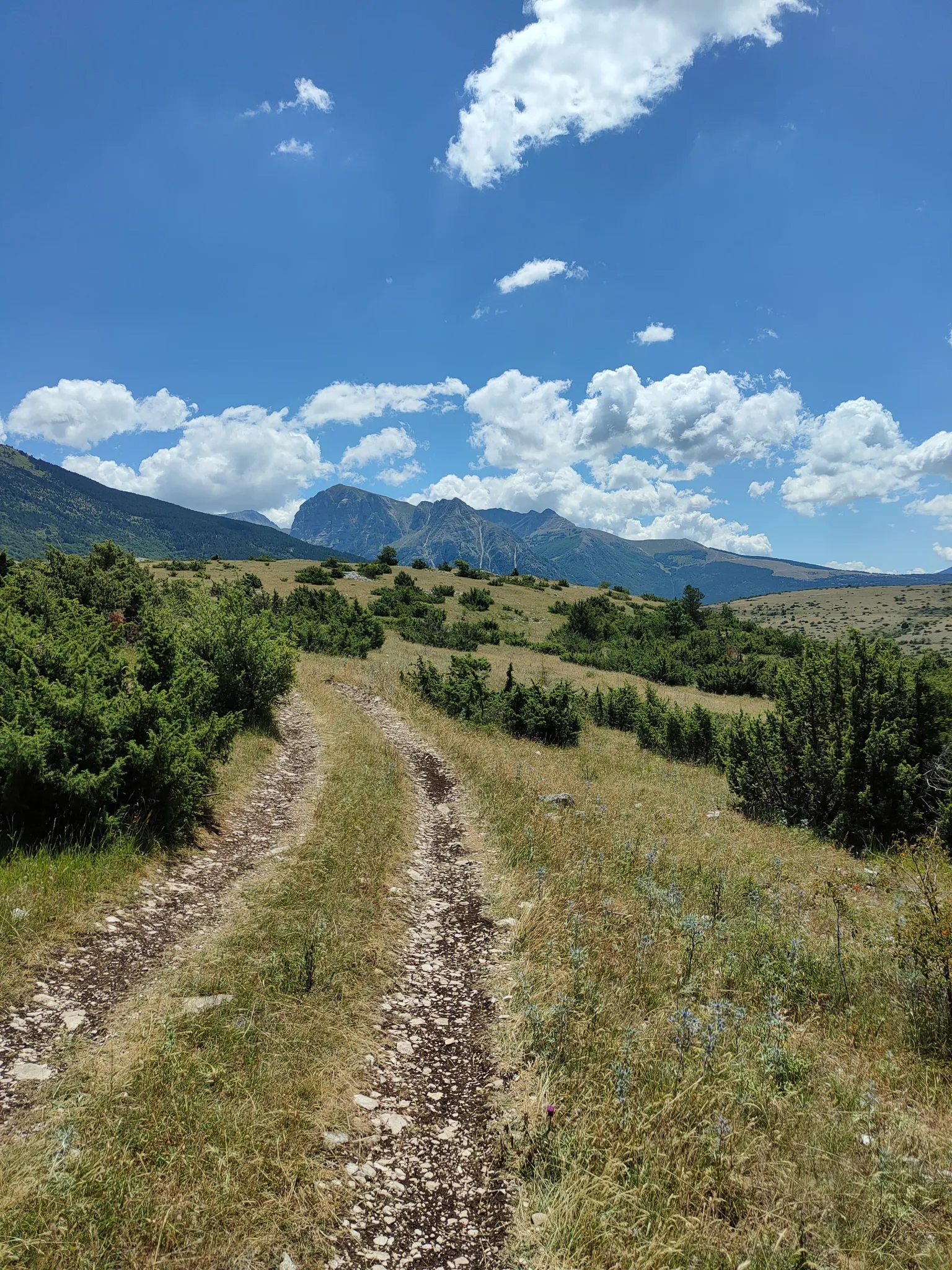
On the trail of the Queen of the Fairies – Grande Anello dei Sibillini
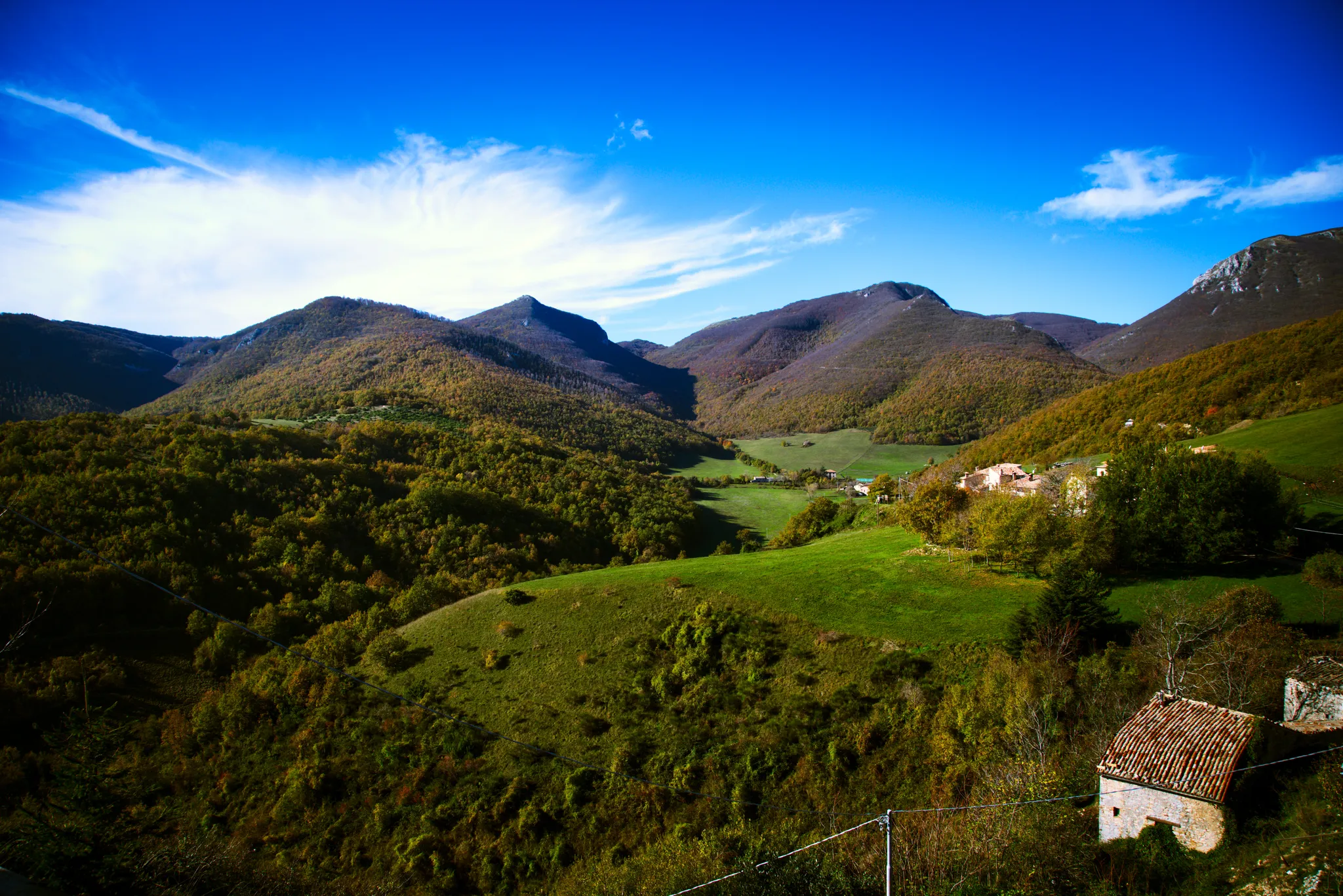
In the heart of Le Marche – Cammino dei Forti
Other adventures in Marche


Tips from the Community

One of the classic forts.
3
0

The Viale della Vittoria is a wide avenue about one kilometer long in the center of Ancona. It was laid out according to the 1914 city plan and connects Piazza Cavour with the Passetto on the Adriatic Sea. Under the large trees runs a wide promenade with benches, shops, and cafés. At the end of the avenue stands the impressive Monumento ai Caduti, which was inaugurated in 1932. The Viale remains one of the most popular walking routes for the residents of Ancona to this day.
1
0

Installed in September 2017 at the behest of the then Archbishop Cardinal Edoardo Menichelli
2
0

The Cathedral of San Ciriaco is the spectacular landmark of Ancona, majestically enthroned on top of Guasco Hill! 🏛️🌊 The impressive cathedral combines Romanesque and Byzantine architecture and welcomes you at the main portal with its famous two red marble lions 🦁✨ Pro-Tip: The climb is especially worth it for the scenery! From the cathedral square, you have an unobstructed 360-degree view over the Adriatic Sea and the bustling activity in the harbour 📸⛵ Come in the late afternoon – the warm sunlight on the white stone walls and the sea in the background are simply breathtaking! 🌅💙
2
0

The Pope visited Ancona on September 8, 1979.
3
0

Municipal seat of the city until 1947, and from 2007 to the present day, the Palazzo degli Anziani is located in Piazza Benvenuto Stracca. It boasts very ancient origins, dating back to 425 AD, as the seat of the Roman imperial administration. This first building was seriously damaged in 839 during the Saracen invasion. The current building was erected in Gothic style in 1270, based on a design by Margaritone d'Arezzo. Built on a very steep slope, it has a rather particular architectural structure, leaning against the slope and originally having six floors towards the port and only three towards the hill. It has two main facades, one western, facing the sea, and the other eastern, facing the square in front. While the facade towards the port largely retains its original form, the upper one, which was entirely made of Conero limestone, was modified during the 17th century. During the terrible fire of 1348, which destroyed large areas of the city, the Palace was seriously compromised. With the papal rule, recovery work was finally carried out to readapt it as the seat of the city administration. After repairing the damage from World War II, the palace first became the seat of the Civic Art Gallery, then the seat of the Faculty of Economics and Commerce of the University of Ancona. After the completion of the latest interior renovations, on November 21, 2011, the city council returned to meet again within the ancient palace.
2
0
The Cathedral of Ancona, dedicated to Saint Cyriacus, is the metropolitan cathedral of the Archdiocese of Ancona-Osimo. It is a medieval church blending Romanesque and Byzantine styles, evident in its Greek cross plan and in the many works of art housed within. It stands in a scenic location atop Colle Guasco, formerly occupied by the acropolis of the Greco-Doric city, overlooking the entire city of Ancona and its gulf. It was designated a basilica in May 1926 by Pope Pius XI, and has been a national monument since 1940. Inside is the painting of Our Lady Queen of All Saints, the subject of an event considered "miraculous" by Catholic tradition, known as the Marian Miracle of Saint Cyriacus. The building has a history of over 2,000 years, during which five major events can be distinguished: - 4th-2nd century BC - Construction of the Temple of Aphrodite, whose perimeter corresponds exactly to the transept and the left wing of the current church; - 6th century AD - Construction of the early Christian Basilica of San Lorenzo, built on the ruins of the ancient temple; - 11th century AD - The Basilica of San Lorenzo became a cathedral and was expanded. With the translation of the body of Saint Cyriacus, it changed its name and took on its current title; - 12th century AD - Transformation of the plan into a Greek cross, giving the church an oriental layout, its main characteristic. - 13th century AD - Construction of the dome and porch, interventions that gave the building its current appearance.
2
0

The ruins are great for anyone interested in them. The area is fenced.
0
0
Frequently Asked Questions
How many urban hiking trails are available in Marche?
Marche offers a wide selection of urban hiking trails, with over 300 routes available. The majority, more than 240, are rated as easy, making them accessible for most walkers.
What kind of urban hiking experiences can I expect in Marche?
Urban hiking in Marche provides a unique blend of historical cityscapes, coastal promenades, and charming village exploration. You can discover ancient towns nestled in rolling hills, stroll along the Adriatic coast, or explore the cultural heritage of cities like Urbino and Ascoli Piceno. The region's diverse terrain ensures varied experiences, from gentle walks through historic centers to more active routes with coastal views.
Are there any easy urban walks suitable for beginners or families?
Yes, Marche has many easy urban walks perfect for beginners and families. For example, the Passetto Elevator – Passetto Monument loop from Ancona is an easy 5 km route that offers pleasant coastal views. Many other routes are designed to be accessible, allowing everyone to enjoy the region's urban beauty.
What are some notable landmarks or attractions to see on urban hikes in Marche?
Urban hikes in Marche often lead to fascinating landmarks. In Ancona, you can explore the Passetto Monument. Along the coast, the Rotonda a Mare in Senigallia and the Ferris Wheel on the Beach in Porto San Giorgio are popular sights. While not directly on urban routes, the region also boasts natural wonders like the Lame Rosse geological formations and the dramatic Infernaccio Gorge, which are accessible via other regional trails.
Are there urban hiking routes that offer scenic views?
Absolutely. Many urban hikes in Marche provide stunning vistas. Coastal routes, such as those around Ancona or Porto San Giorgio, offer breathtaking views of the Adriatic Sea. Inland, walks through historic towns often present panoramic views of the surrounding rolling hills and valleys. For example, the View of the Bay of Rimini from Gabicce Monte is a notable viewpoint in the region.
Can I find circular urban walks in Marche?
Yes, many urban hiking trails in Marche are designed as circular routes, allowing you to start and end in the same location without retracing your steps. This is ideal for exploring city centers and coastal areas efficiently. An example is the Rotonda a Mare of Senigallia – Rocca Roveresca of Senigallia loop from Senigallia, which offers a comprehensive tour of the town's highlights.
What is the best time of year for urban hiking in Marche?
The best time for urban hiking in Marche is generally during the spring (April to June) and autumn (September to October). During these seasons, the weather is mild and pleasant, ideal for walking. Spring brings blooming flowers, while autumn offers beautiful foliage. Summer can be hot, especially in July and August, but coastal walks can be refreshing. Winter walks are also possible, particularly in the milder coastal areas.
Are urban hiking trails in Marche accessible by public transport?
Many urban centers in Marche, such as Ancona, Senigallia, and Ascoli Piceno, are well-connected by public transport, including regional trains and buses. This makes it convenient to access the starting points of various urban hiking trails. It's advisable to check local transport schedules for specific routes and towns.
What do other hikers enjoy most about urban hiking in Marche?
The komoot community highly rates urban hiking in Marche, with an average score of 4.4 out of 5 stars from over 12,000 ratings. Reviewers often praise the region's ability to combine cultural exploration with scenic beauty, highlighting the charm of historic towns, the refreshing coastal paths, and the ease of access to diverse landscapes.
Are there any urban trails in Marche that are dog-friendly?
Many urban parks, promenades, and less crowded streets in Marche are generally dog-friendly, especially if your dog is on a leash. However, specific rules may vary by municipality and protected areas. It's always best to check local regulations or look for signs regarding pet access in specific locations. Always ensure your dog is well-behaved and pick up after them.
Where can I find cafes or restaurants along urban hiking routes in Marche?
Urban hiking in Marche means you're never far from local amenities. Most towns and cities feature numerous cafes, restaurants, and trattorias where you can enjoy local cuisine and refreshments. Coastal walks often have beachfront eateries, while historic centers are dotted with charming establishments. You'll find plenty of options to refuel and relax during or after your hike.
Most popular routes in Marche
Most popular attractions in Marche

Get inspired with the komoot mobile app


Didn’t find what you were looking for?
Check out more Hikes throughout Marche below and find the perfect route in your destination.
Explore more
Browse the best Hikes in other regions.
