Soren, Gleggen-Köblern, Schweizer Ried Und Birken-Schwarzes Zeug
Soren, Gleggen-Köblern, Schweizer Ried Und Birken-Schwarzes Zeug
The best traffic-free bike rides in Soren, Gleggen-Köblern, Schweizer Ried Und Birken-Schwarzes Zeug
4.4
(98)
675
riders
28
rides
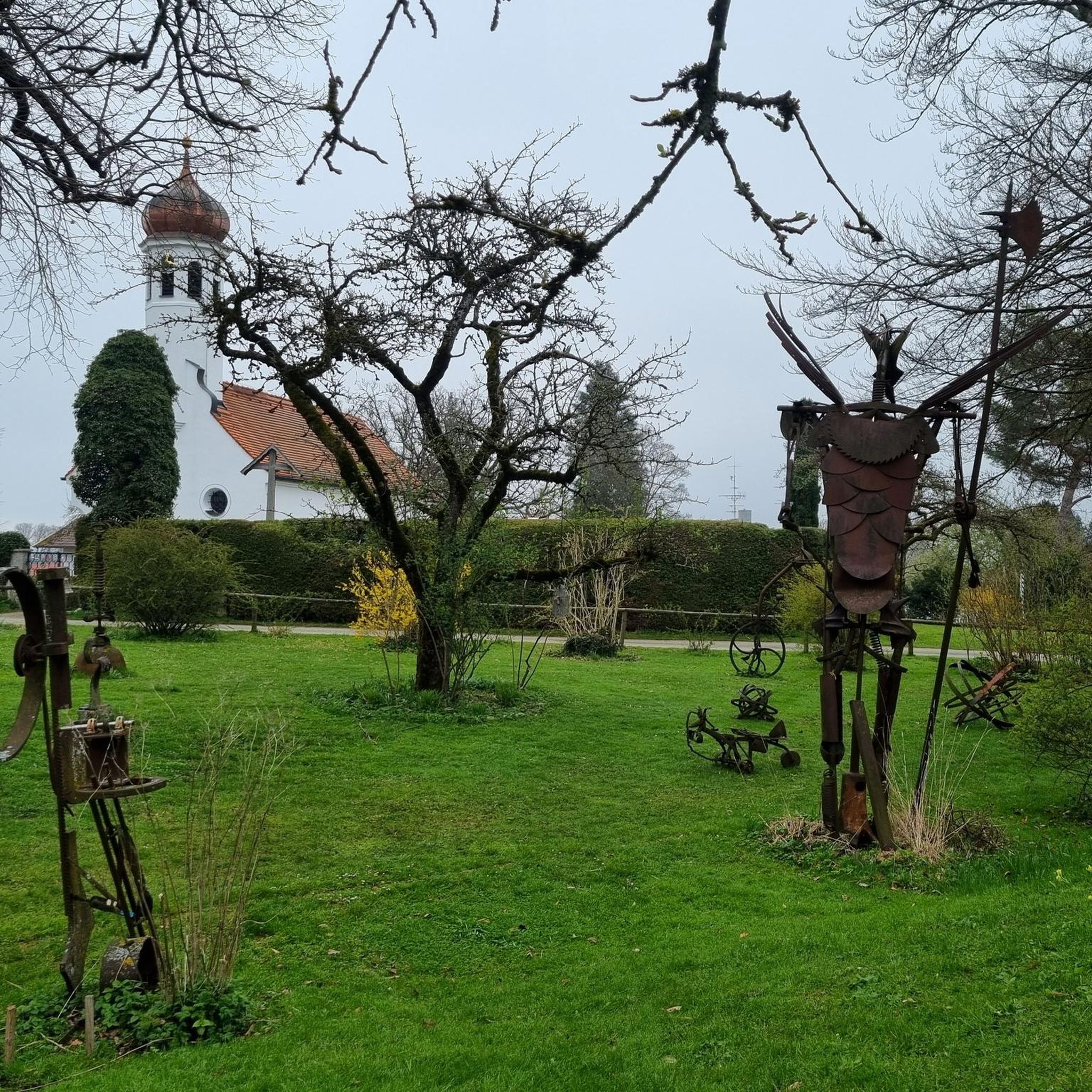
No traffic gravel bike trails in Soren, Gleggen-Köblern, Schweizer Ried Und Birken-Schwarzes Zeug traverse a unique landscape characterized by extensive moorland and wet meadows. This Natura 2000 protected area, situated around 400 meters above sea level, offers a generally flat topography. The region features a cultural landscape with scattered individual trees, meadows, and farmhouses, providing varied terrain for cycling. The area is a biodiversity hotspot, offering serene routes away from heavy traffic.
Best no traffic gravel bike trails in Soren,…
Last updated: September 28, 2026
3.8
(4)
20
riders
41.0km
03:01
1,080m
1,080m
Hard gravel ride. Very good fitness required. Mostly paved surfaces. Suitable for all skill levels.
12
riders
34.6km
02:34
400m
400m
Moderate gravel ride. Good fitness required. Mostly paved surfaces. Suitable for all skill levels.

4.0
(1)
19
riders
37.8km
03:00
1,090m
1,090m
Hard gravel ride. Very good fitness required. Mostly paved surfaces. Suitable for all skill levels.
4.7
(3)
29
riders
25.2km
01:56
660m
660m
Hard gravel ride. Very good fitness required. Mostly paved surfaces. Suitable for all skill levels.
5.0
(3)
14
riders
71.9km
04:22
1,010m
1,010m
Hard gravel ride. Very good fitness required. Mostly paved surfaces. Suitable for all skill levels.
Get access to more routes and recommendations from other explorers.
Already have an account?
Our route recommendations are based on thousands of hikes, rides, and runs completed by other people on komoot.
Start today with a free account
Your next adventure awaits.
Popular around Soren, Gleggen-Köblern, Schweizer Ried Und Birken-Schwarzes Zeug

Tips from the Community

This cycle path with the panorama is simply great !!!
0
0

The water of the Bregenzerwald originates in the mountains and flows through the heart of Dornbirn in gentle steps.
3
0

The Red House, a true landmark of the city of Dornbirn! Proudly situated amidst Dornbirn's picturesque scenery, our Red House is not only a striking building, but also a place where history, culture, and hospitality blend harmoniously. The Red House invites you to immerse yourself in its historic walls and experience the unique atmosphere of this significant place. Whether you embark on a culinary discovery in our restaurant or simply admire the unique architecture, the Red House Dornbirn warmly welcomes you to explore a rich connection between past and present. Immerse yourself in a world where tradition meets modernity, and where the Red House is more than just a building—it is a symbol of identity and pride for Dornbirn. 1639 - Construction of the Red House In 1639, the couple Michael Danner and Verena Rhomberg built the "Red House" on the site of the rectory, which had burned down in 1570. It is a fine example of the timber construction that was once prevalent in this area. Notable features include the four-part window groups, the painted, retractable shutters, and the tendril-decorated underside of the eaves. The red color comes from the protective coating of ox blood and ox gall, common in the 18th century. The Red House around 1900; Original: Horst Günther Maier, Reproduction: StAD, Sign. 40306, Photograph: Victor Hämmerle Text / Source: Red House, Restaurant on the Market Square, Marktplatz 13, Dornbirn https://www.roteshaus.at/
14
0
Feurstein House, Dornbirn The Feurstein House was built in 1611 on the site of a medieval predecessor and expanded in the 18th century. Until the 19th century, it housed the "Adler" inn. The house was named after the merchant Raimund Feurstein (1835-1900). During renovations in 1897, the Neo-Renaissance decorative paintings were added, giving the building its current appearance. The pitched roofs, designed to protect the windows, lend the house a bourgeois character. Text / Source: Dornbirn City Archives https://stadtarchiv.dornbirn.at/stadtspaziergaenge/infotafeln-hausgeschichten/feurstein-haus
15
0
St. Martin's Parish Church, Dornbirn The current church represents at least the fifth building on this site. St. Martin's Church was first mentioned in 1130. Only the freestanding bell tower remains from the Gothic church built in 1453. A new church was constructed in the Rococo style between 1751 and 1753. The tower was heightened to 64 meters in 1767. The hall-like, single-nave church is the largest church in Vorarlberg. Interior dimensions: 65 meters long, 30 meters wide, 14.5 meters high. Height of the exterior columns: 13 meters. The current church was built in 1839/40 under Pastor Schweinberger. The plans were provided by State Architect Martin von Kink. From 1967 to 1969, the church was redesigned by architect Emil Steffann from Bad Godesberg to meet contemporary liturgical needs. The church is the mother and main church of the city. Since the city was divided into six districts, this core area has also been called the first district. The church is particularly noteworthy due to its location in a picturesque square with various old and new houses, a fountain, and five streets radiating from it. Until late in the 19th century, the parish of St. Martin encompassed the entire area of the city of Dornbirn. Text / Source: Dornbirn Market Parish, Dornbirn https://www.pfarre-st-martin.at/
15
0

A very pristine, wild valley! It's definitely worth choosing this route.
0
0

Beautiful view of the Bregenzerwald, it is worth a stop
1
0

Great end point for the hike with delicious refreshments
0
0
Frequently Asked Questions
How many no traffic gravel bike trails are available in Soren, Gleggen-Köblern, Schweizer Ried Und Birken-Schwarzes Zeug?
There are nearly 50 dedicated no traffic gravel bike trails in the region, offering a wide range of options for all skill levels. You'll find everything from easy, flat routes through the moorlands to more challenging tours with significant elevation.
What makes the gravel biking experience unique in this Natura 2000 protected area?
The region is renowned for its expansive moorland landscapes and wet meadows (Streuwiesen), offering a unique natural immersion. As a Natura 2000 protected area, it's a biodiversity hotspot, home to rare plant and animal species, including ground-nesting birds. Cycling here means experiencing a tranquil, low-traffic environment with gentle gradients, allowing you to connect deeply with nature.
Are there any easy, family-friendly no traffic gravel bike routes?
Yes, the generally flat topography of the region makes it ideal for easier rides. An excellent option is the Rhine Delta Cycle Path – Jannersee loop from Lauteracher Ried. This route is mostly flat and offers beautiful views, perfect for families or those seeking a relaxed ride.
What kind of natural attractions can I see along the gravel trails?
The area is rich in natural beauty. You can discover the unique moorland and wet meadow landscapes, which are crucial habitats for diverse flora and fauna. Keep an eye out for rare birds and butterflies. For a specific natural highlight, consider visiting the Auer Ried Information point, which provides insights into this special environment.
Are there any challenging gravel routes for experienced riders?
Absolutely. While much of the region is flat, some routes venture into more demanding terrain. For a significant challenge, consider the Winding Road in Bregenzerwald – Lorenapass loop from Lauterach, which features over 1000 meters of elevation gain over 41 kilometers. Another demanding option is the View of the Rhine Valley – St. Anton Viewpoint loop from Lustenau.
What is the best time of year for gravel biking in Soren, Gleggen-Köblern, Schweizer Ried Und Birken-Schwarzes Zeug?
The spring and autumn months are generally ideal for gravel biking here. The weather is typically mild, and the natural landscapes are vibrant. In spring, you'll see the meadows come alive, while autumn offers beautiful colors. Summer can also be pleasant, but be mindful of potential heat and respect the sensitive habitats during nesting seasons for ground-nesting birds.
Are there any circular gravel routes available?
Yes, many of the gravel routes in the region are designed as loops, allowing you to start and end at the same point. For example, the Dornbirn Gravel Tour is a moderate circular route that takes you through varied terrain, offering a great exploration of the area.
What do other gravel bikers say about the trails in this region?
The komoot community highly rates the gravel biking experience in Soren, Gleggen-Köblern, Schweizer Ried Und Birken-Schwarzes Zeug, with an average score of 4.5 stars. Reviewers often praise the tranquility of the low-traffic paths, the unique natural beauty of the moorlands, and the opportunity to observe diverse wildlife in a protected environment.
Are there any specific landmarks or points of interest to look out for?
Beyond the natural landscapes, you can encounter charming cultural elements. Keep an eye out for traditional farmhouses and scattered trees that define the cultural land. You might also spot the Senderbrücke Covered Bridge or the Cross at Auer Ried, which are notable local features.
What should I be aware of when cycling in a protected Natura 2000 area?
It's crucial to adhere to local regulations and respect the protected status of the area. Stay on designated paths to minimize disturbance to sensitive habitats, especially for ground-nesting birds. Take all your waste with you, and avoid making excessive noise. The goal is to enjoy the natural beauty while ensuring its preservation for future generations.
Can I access these gravel trails using public transport?
The region is well-connected, and many starting points for tours are accessible via public transport, particularly in municipalities like Dornbirn, Lauterach, Lustenau, and Wolfurt. We recommend checking local bus and train schedules to plan your journey to the trailheads.
Are there any routes that pass through gorges or offer unique geological features?
While the primary landscape is moorland, some routes may lead to nearby areas with different features. For instance, the Gunzenachklamm Gorge – Ammans Bridge loop from Haselstauden (Dornbirn) offers a route that includes a gorge, providing a contrast to the open Ried landscapes.
Most popular routes in Soren, Gleggen-Köblern, Schweizer Ried Und Birken-Schwarzes Zeug
Most popular attractions in Soren, Gleggen-Köblern, Schweizer Ried Und Birken-Schwarzes Zeug

Get inspired with the komoot mobile app


Explore more
Browse the best Gravel rides in other regions.
