Attractions and Places To See in Nordwestschweiz - Top 20
Best attractions and places to see in Nordwestschweiz include a diverse array of historical landmarks, natural landscapes, and cultural sites. This region, centered around Basel, features the Jura Mountains and the Rhine River, offering both urban sophistication and natural beauty. Visitors can explore well-preserved Roman settlements, medieval castles, and significant art museums. The area provides a blend of outdoor activities and cultural experiences.
Best attractions and places to see in Nordwestschweiz
- The most popular attractions is Rheinfelden Town Hall, a historical site with an impressive baroque facade and a massive tower. It features coats of arms reflecting its long history, including its connection to Austria.
- Another must-see spot is Wasserflue, a summit offering panoramic views of the Swiss Alps and the Black Forest. This viewpoint is particularly notable in foggy or snowy conditions.
- Visitors also love Old Rhine Bridge, Rheinfelden, a bridge that serves as a border crossing between the two towns of Rheinfelden. It was one of the oldest bridges over the Rhine between Constance and Strasbourg, dating back to the 12th century.
- Nordwestschweiz is known for its historical sites, natural viewpoints, and cycle paths. The region offers a variety of attractions to see and explore, from river promenades to mountain summits.
- The attractions in Nordwestschweiz are appreciated by the komoot community. With over 990 upvotes and 70 photos, the community actively shares its experiences.
Last updated: October 9, 2026
Rhine Cycle Path in Waldshut
Highlight • Cycleway
Translated by Google •
Tip by

Wasserflue
Highlight • Summit
Translated by Google •
Tip by

Sign up now to discover places like this
Get recommendations on the best single tracks, peaks, & plenty of other exciting outdoor places.
Wiesendamm promenade
Highlight • Cycleway
Translated by Google •
Tip by

Old Rhine Bridge, Rheinfelden
Highlight • Bridge
The old Rhine Bridge is a Rhine and border crossing between the two Rheinfelden. Crossing is only permitted for pedestrians, bicycles, mopeds, taxis and the local bus.
From the ferry to the bridge.
There was already a ferry in the area of today's bridge during Roman rule. The Zähringers, who expanded the market town of Rheinfelden into a town, also had a ferry connection across the Rhine. It ensured the connection to the road to the Zähringen possessions in Breisgau.
The first bridge was probably built in the second half of the 12th century, because in 1198 a citizen of Rheinfelden was referred to in a document as Heinricus de Ponte (Heinrich von der Brücke). It was therefore the oldest bridge between Constance and Strasbourg, even before the middle bridge in Basel, which was built in 1225.
Pedestrian bridge.
Except for taxis and the local bus, cars are no longer allowed to use the bridge. The crossing over the Rhine and the entire old town is reserved for bicycles at walking pace and pedestrians.
The Rhine bridge offers a wonderful view of the old town facades and the Park Hotel on the Rhine.
Text / Source: Tourism Rheinfelden, City Office, Rheinfelden
tourismus-rheinfelden.ch/de/erleben/sehenswuerdigkeiten/rheinbruecke
Translated by Google •
Tip by

Laufenburg Old Town and Rhine Bridge
Highlight • Settlement
Translated by Google •
Tip by

Rhine Promenade in Basel
Highlight • Viewpoint
A special highlight is the opportunity to swim in the Rhine and then let the sun dry you on the warm stones on the bank.
Translated by Google •
Tip by

Rhine Cycle Route Wallbach–Bad Säckingen
Highlight (Segment) • Cycleway
Translated by Google •
Tip by

Rhine riverbank in Basel
Highlight • River
Translated by Google •
Tip by

Lange Erlen Park and Wiese River
Highlight • Forest
Translated by Google •
Tip by

Baden Old Town and Wooden Bridge
Highlight • Historical Site
Translated by Google •
Tip by
Sign up for free to discover even more attractions in Nordwestschweiz.
Already have an account?
Start today with a free account
Your next adventure awaits.
Popular around Nordwestschweiz
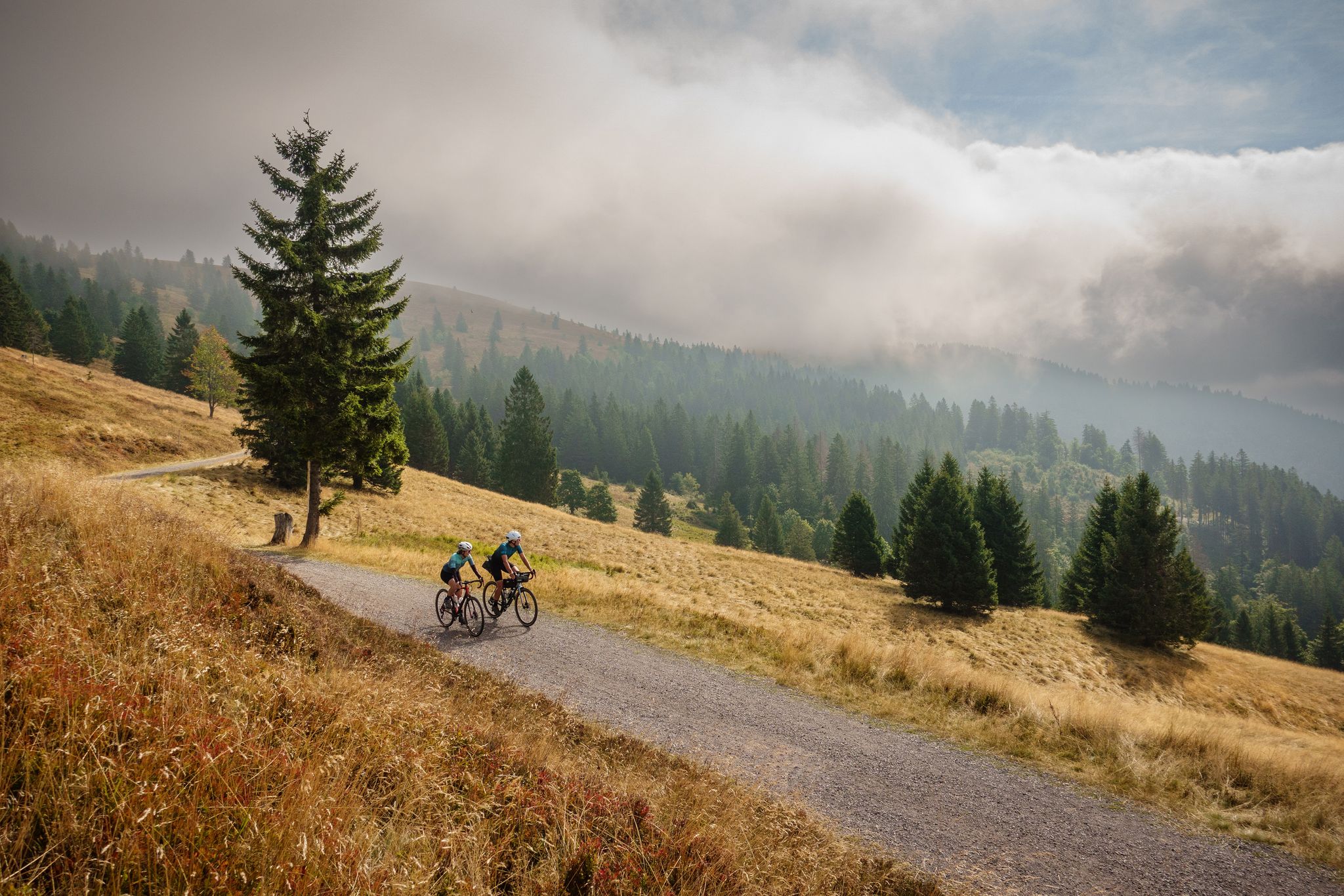
Nature, mountains and freedom – gravel and cycle Tours in the Black Forest
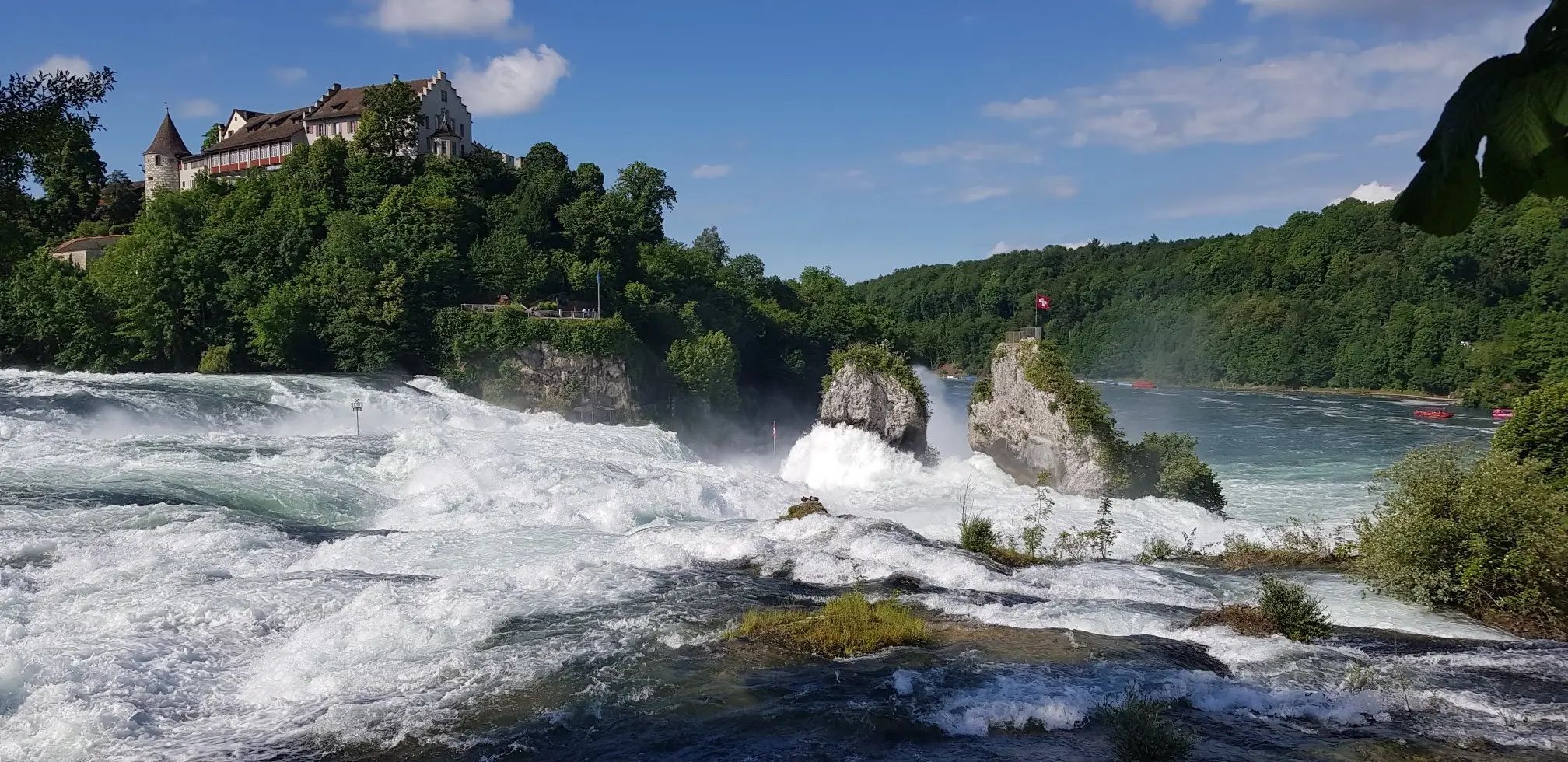
Hochrhein-Höhenweg – Forests and rivers from Germany to Switzerland
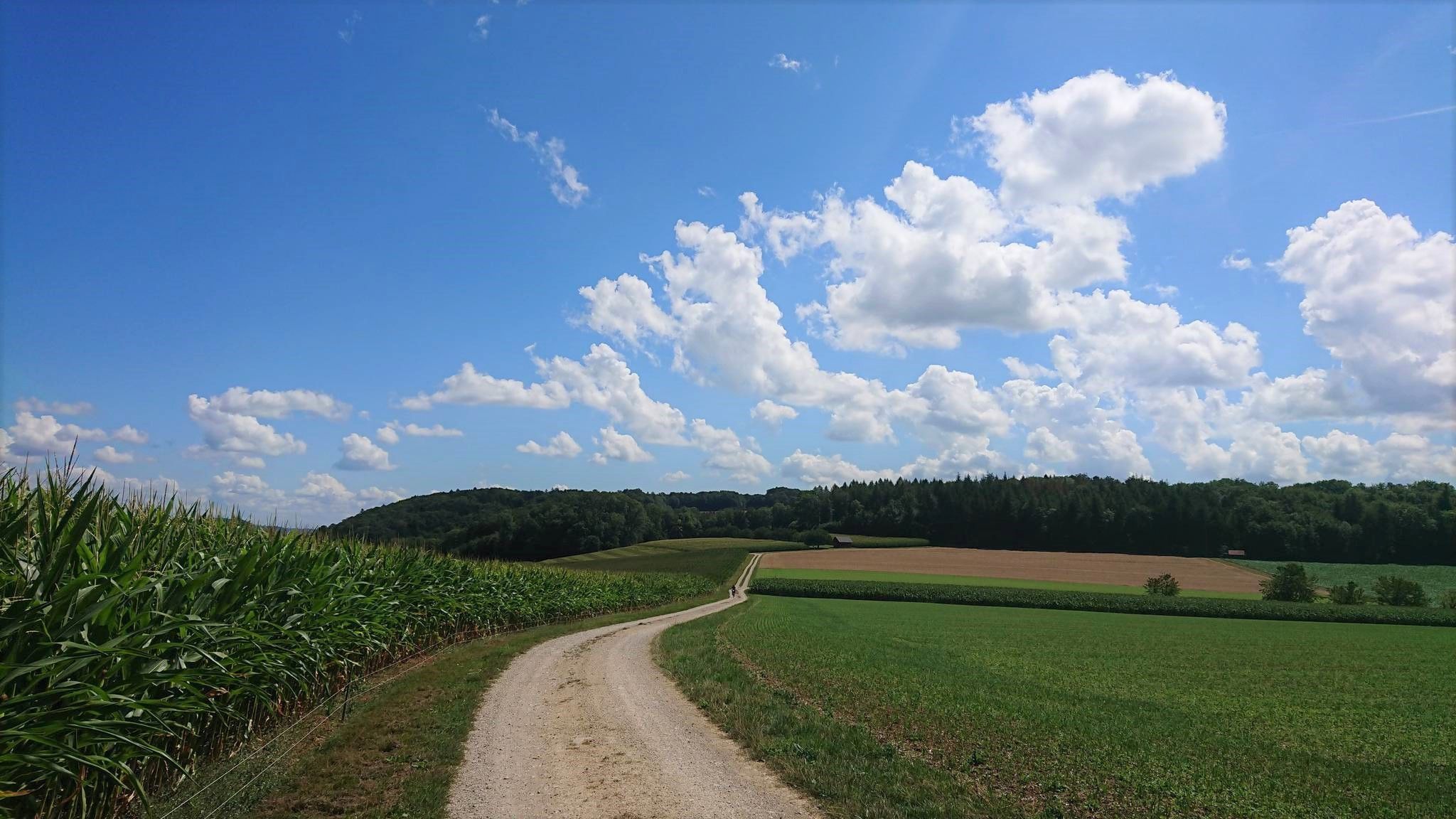
Fricktaler High Trail – Switzerland's green Frick Valley
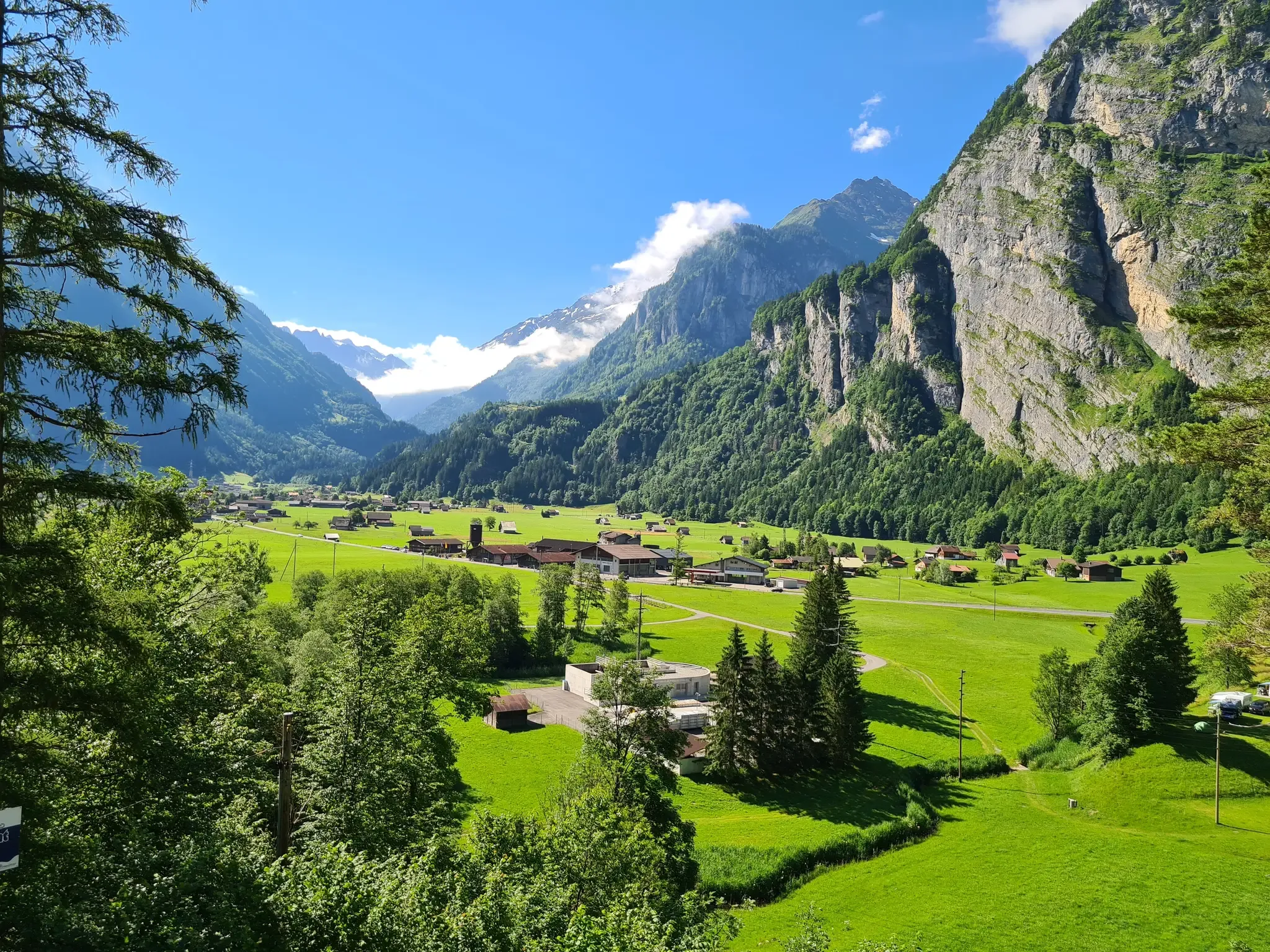
Aare Route – Everything Switzerland has to offer
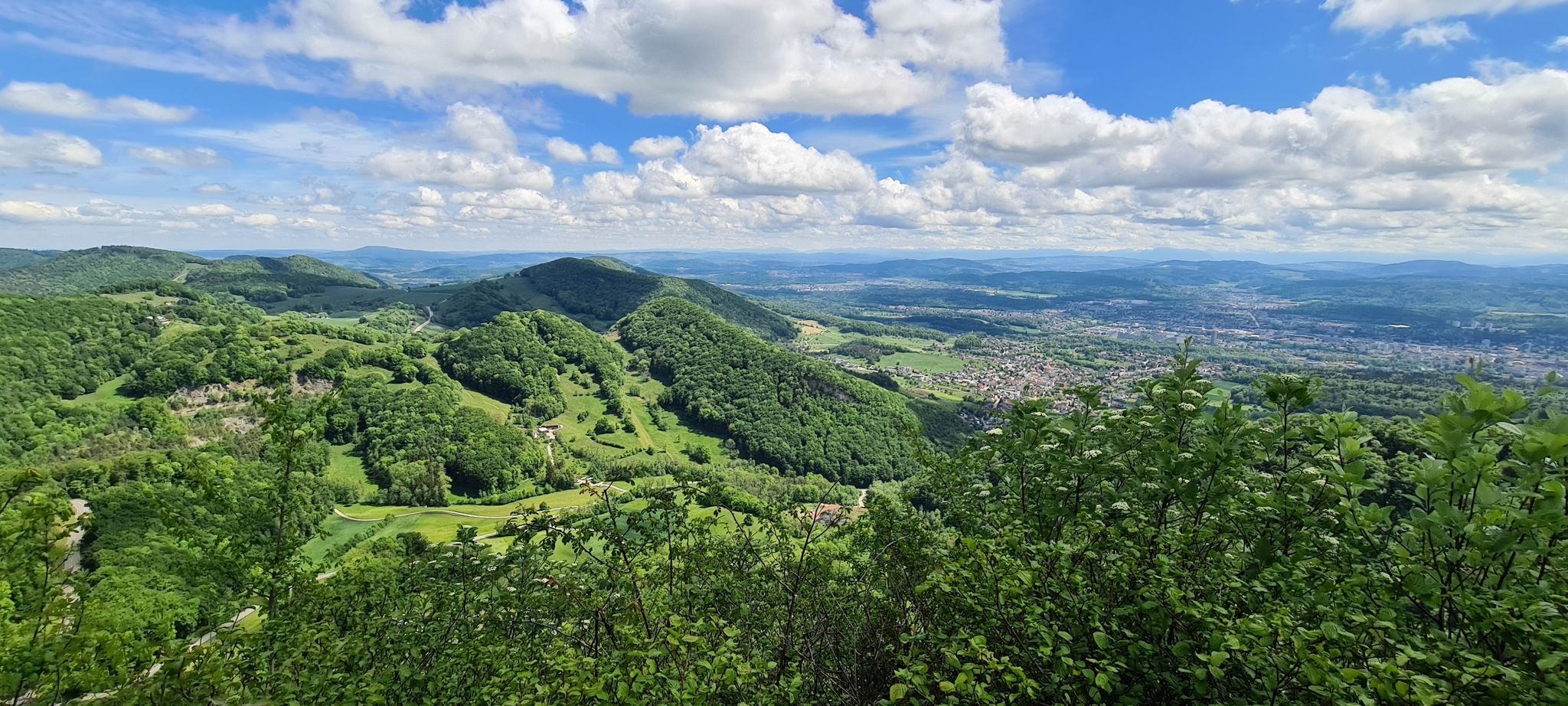
Aargauer Weg – The Habsburg dynasty and magnificent mountain
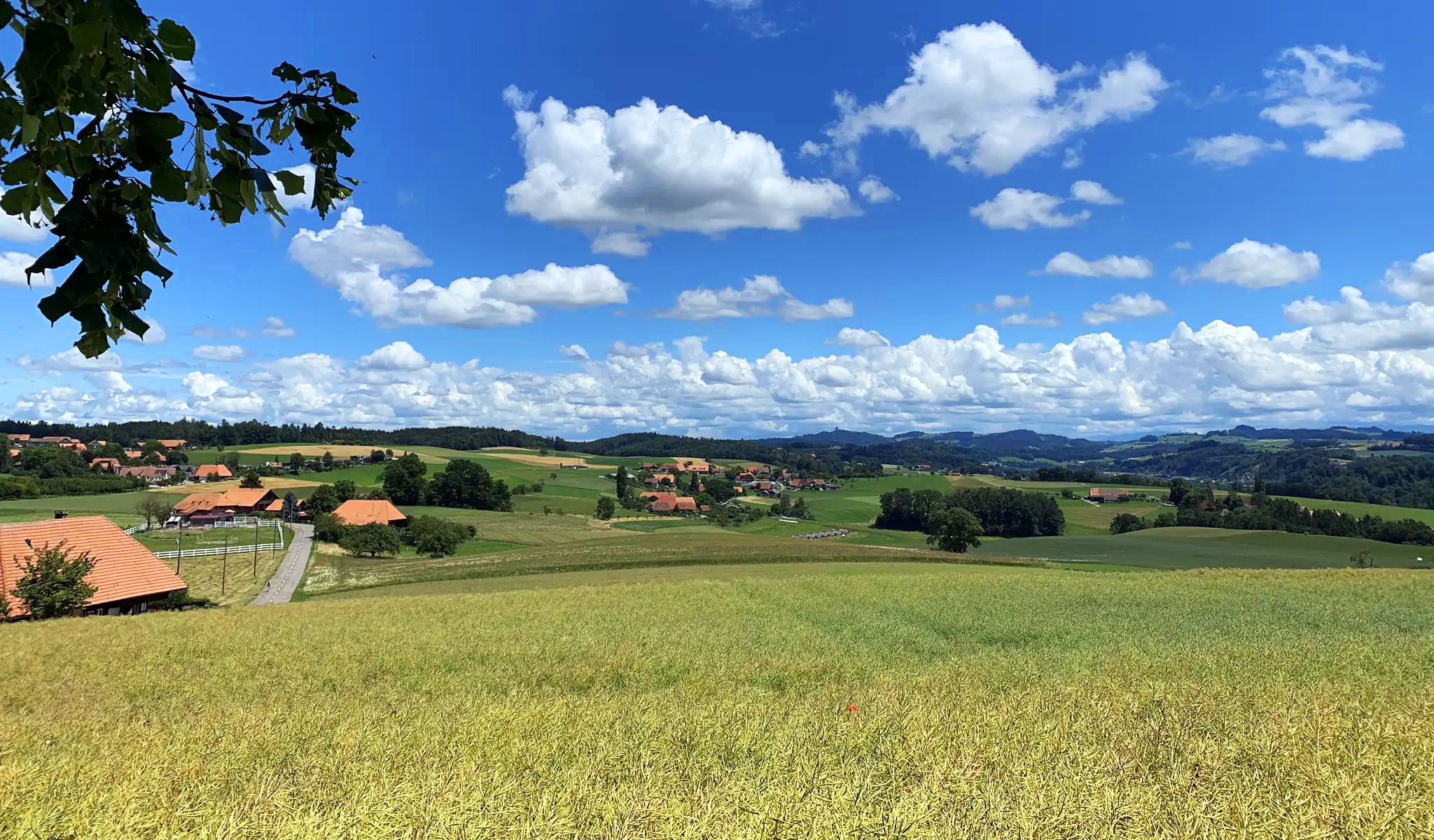
Alter Bernerweg – Cycling in the idyllic Swiss Mittelland
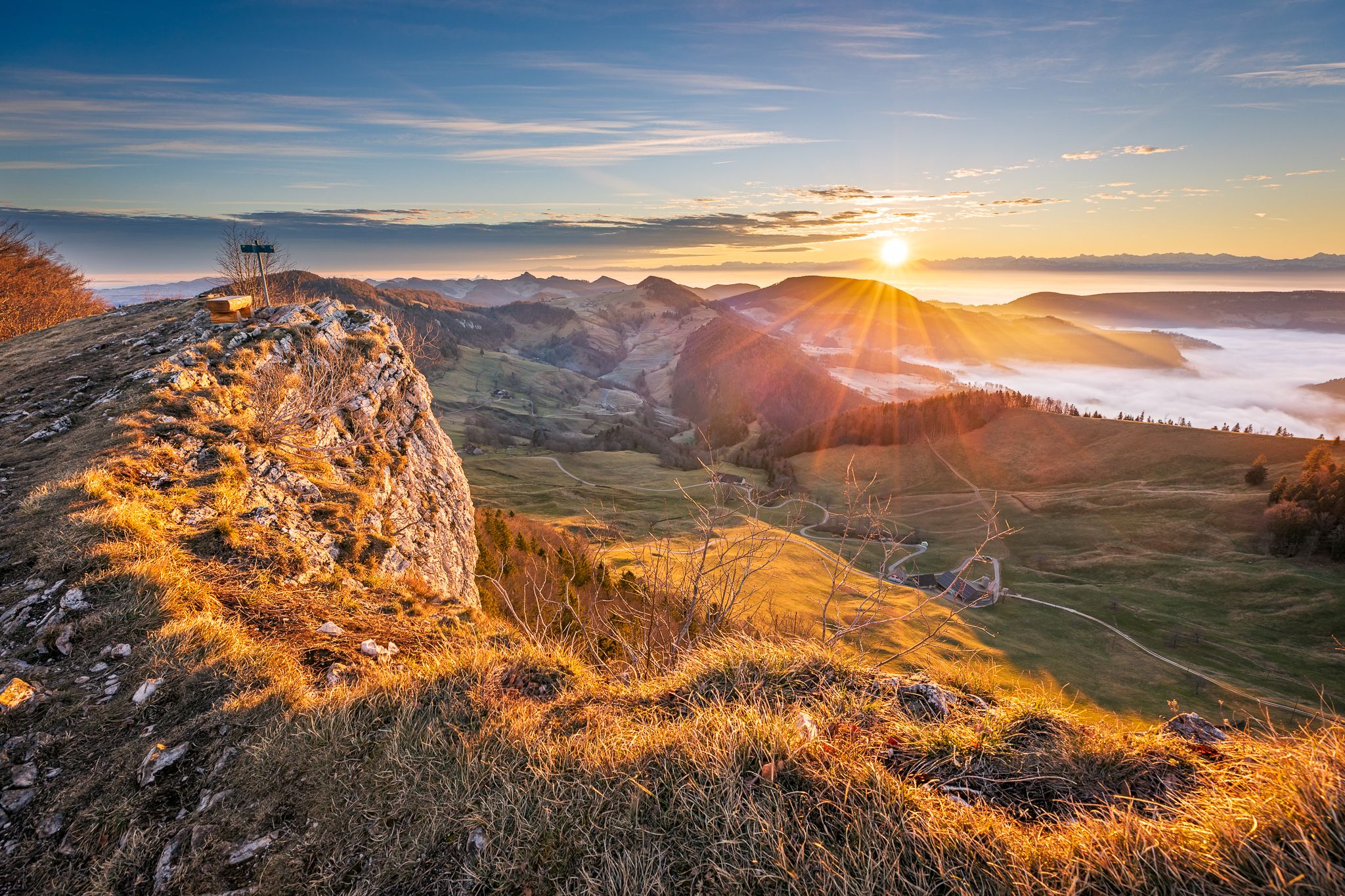
Jura Crest Trail - Rocks, distant views and fondue - 16 stages
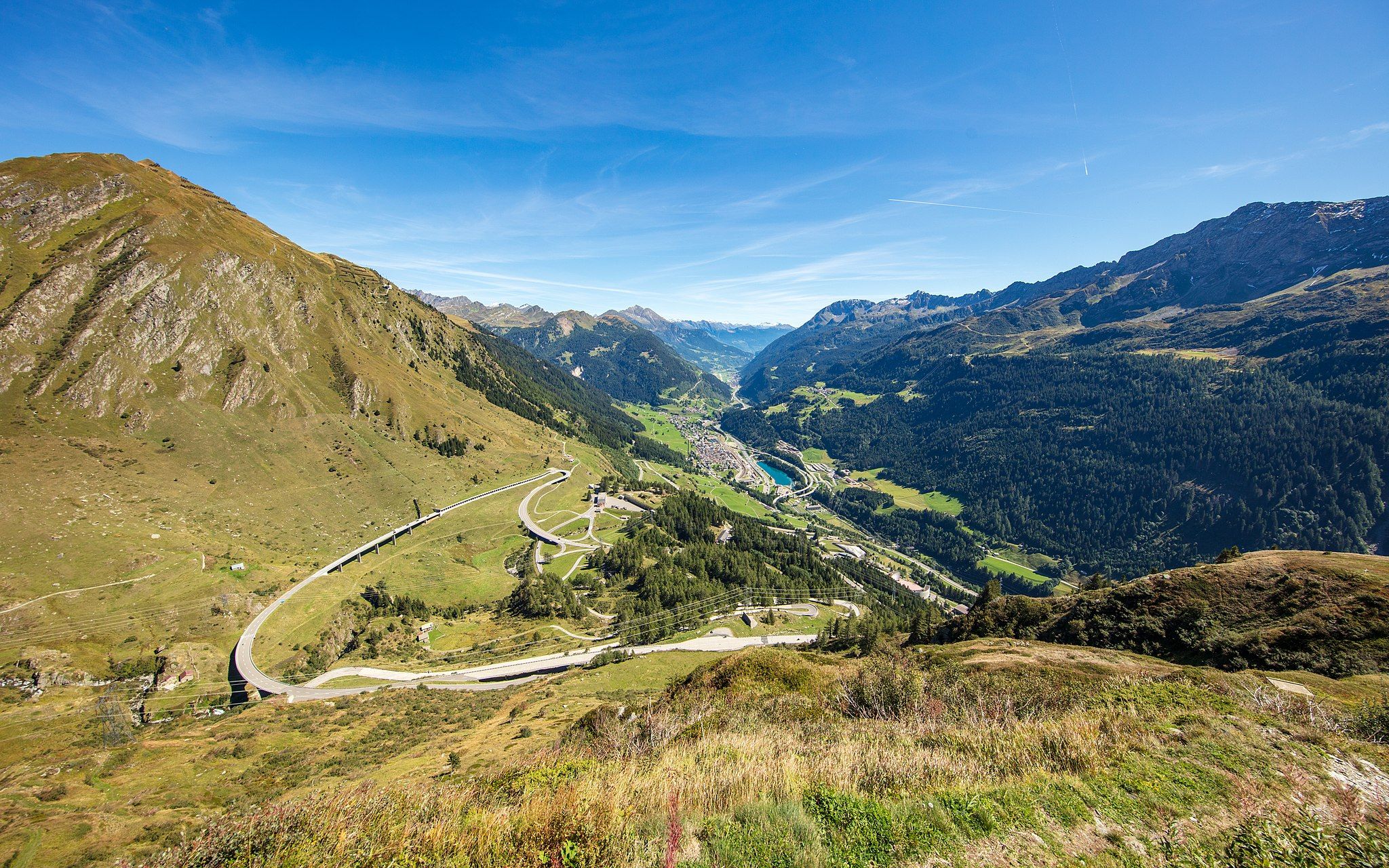
Via Gottardo – Following historic trails
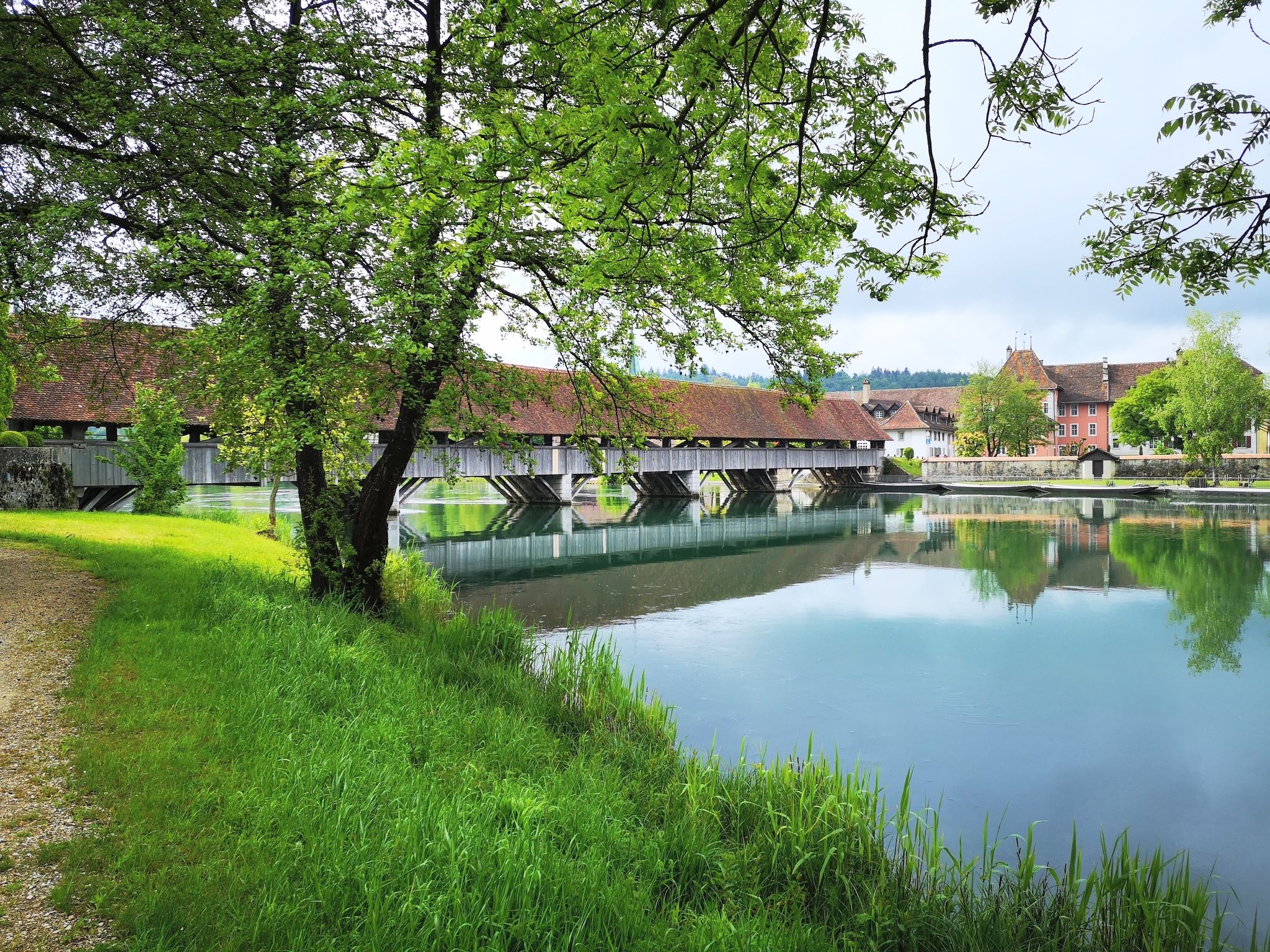
The Mittelland Route – Between Lake Constance and Lake Geneva
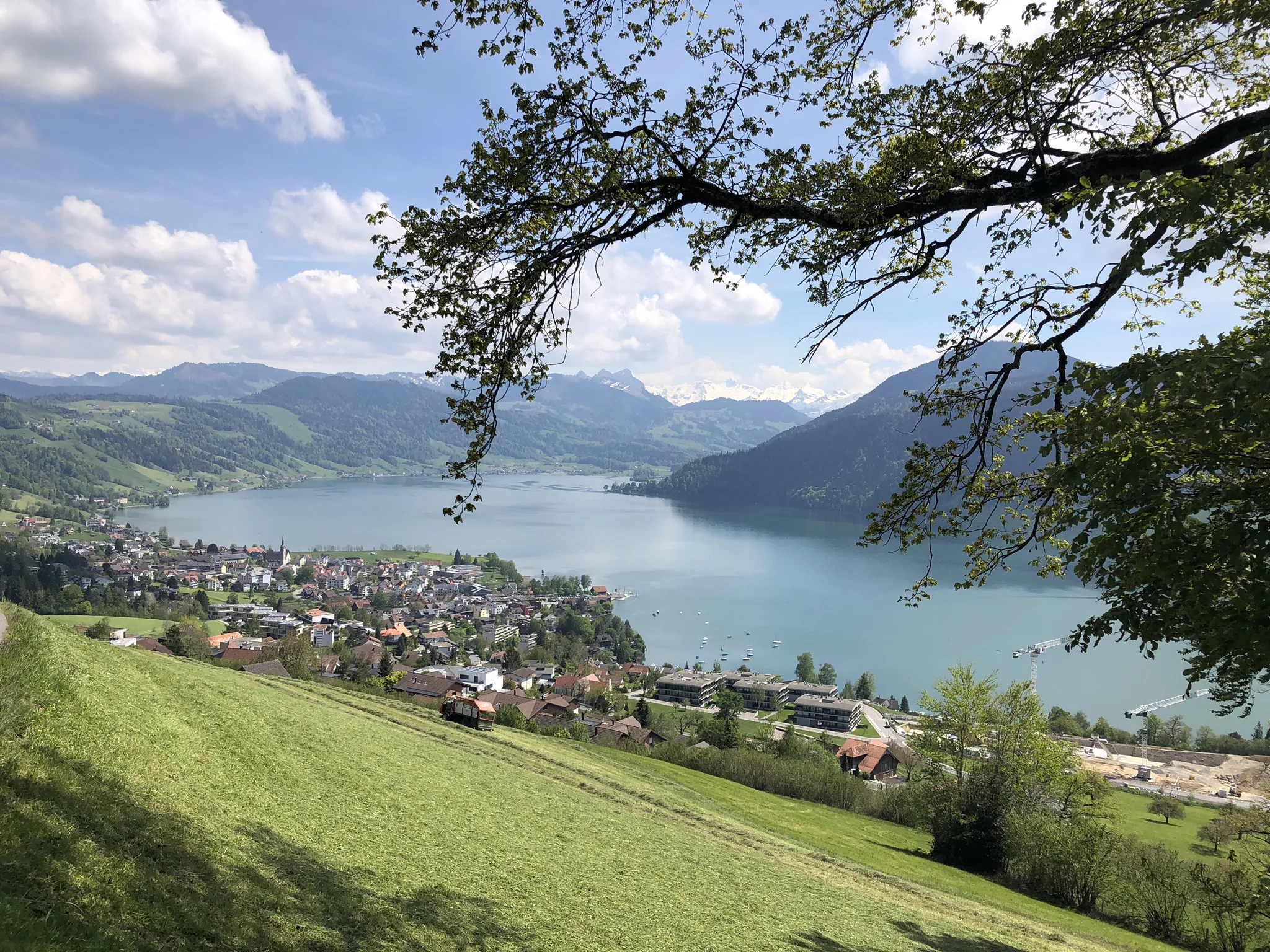
The Herzroute – Cycling through the heart of Switzerland
Other adventures in Nordwestschweiz


Tips from the Community

Both sides of the Wiese riverbank belong to Switzerland, including the paths. The German border runs right next to the path on the northern side.
1
0

Experience the peace of nature...
1
0

Rhine Bridge "Border crossing between the two Rheinfelden" The old Rhine Bridge is a Rhine and border crossing between the two Rheinfelden. Crossing is only permitted for pedestrians, bicycles, mopeds, taxis and the local bus. From the ferry to the bridge. There was already a ferry in the area of today's bridge during Roman rule. The Zähringers, who expanded the market town of Rheinfelden into a town, also had a ferry connection across the Rhine. It ensured the connection to the road to the Zähringen possessions in Breisgau. The first bridge was probably built in the second half of the 12th century, because in 1198 a citizen of Rheinfelden was referred to in a document as Heinricus de Ponte (Heinrich von der Brücke). It was therefore the oldest bridge between Constance and Strasbourg, even before the middle bridge in Basel, which was built in 1225. Pedestrian bridge. Except for taxis and the local bus, cars are no longer allowed to use the bridge. The crossing over the Rhine and the entire old town is reserved for bicycles at walking pace and pedestrians. The Rhine bridge offers a wonderful view of the old town facades and the Park Hotel on the Rhine. Text / Source: Tourism Rheinfelden, City Office, Rheinfelden https://www.tourismus-rheinfelden.ch/de/erleben/sehenswuerdigkeiten/rheinbruecke
17
0
Rhine Bridge, Rheinfelden since 1150 Around 1150, Konrad von Zähringen had the first Rhine bridge built in Rheinfelden. This gave the newly minted town of Rheinfelden (which received town charter in 1130) a major economic boom. The bridge in Rheinfelden was the only bridge over the Rhine in the area at the time, and was even older than the bridges in Basel. Thanks to the island, building a bridge here was easier than elsewhere in the Rhine, as the island could be used as a bridge pillar. This is why the bridge still has a bend today. One night in 1897, the old wooden bridge burned down. "It is said that many a Rheinfelden resident shed a tear when this old landmark of the town, to which such a rich piece of history is linked, was consumed by flames." Construction of the bridge that still stands today began soon after. Fortunately, it is now fireproof, but still not completely out of danger. In 1995 it was almost washed away by floods, and in May 1999 the bridge also withstood the flood of the century. Text / Source: http://rheinfelden.net/rhf-p.htm http://rheinfelden.net/rhf-p.htm
17
2
Rhine Bridge "Border crossing between the two Rheinfelden" The old Rhine Bridge is a Rhine and border crossing between the two Rheinfelden. Only pedestrians, bicycles, mopeds, taxis and the local bus are allowed to cross. From the ferry to the bridge. There was already a ferry in the area of today's bridge during Roman rule. The Zähringen family, who expanded the market town of Rheinfelden into a town, also had a ferry connection across the Rhine. It ensured the connection to the road to the Zähringen possessions in Breisgau. The first bridge was probably built in the second half of the 12th century, because in 1198 a citizen of Rheinfelden was referred to in a document as Heinricus de Ponte (Heinrich von der Brücke). It was therefore the oldest bridge between Constance and Strasbourg, even before the middle bridge in Basel, which was built in 1225. Pedestrian bridge. Except for taxis and the local bus, cars are no longer allowed to use the bridge. The crossing over the Rhine and the entire old town is reserved for bicycles at walking pace and pedestrians. The Rhine bridge offers a wonderful view of the old town facades and the Park Hotel on the Rhine. Text / Source: Tourism Rheinfelden, City Office, Rheinfelden https://www.tourismus-rheinfelden.ch/de/erleben/sehenswuerdigkeiten/rheinbruecke
15
0
Rhine Bridge, Rheinfelden since 1150 Around 1150, Konrad von Zähringen had the first Rhine bridge built in Rheinfelden. This gave the newly minted town of Rheinfelden (which received town charter in 1130) a major economic boom. The bridge in Rheinfelden was the only bridge over the Rhine in the area at the time, and was even older than the bridges in Basel. Thanks to the island, building a bridge here was easier than elsewhere on the Rhine, as the island could be used as a bridge pillar. This is why the bridge still has a bend today. One night in 1897, the old wooden bridge burned down. "It is said that many a Rheinfelden resident shed a tear when this old landmark of the town, to which such a rich piece of history is linked, was destroyed by fire." Construction of the bridge that still stands today began soon after. Fortunately, it is now fireproof, but still not completely out of danger. In 1995 it was almost washed away by floods, and in May 1999 the bridge also withstood the flood of the century. Text / Source: http://rheinfelden.net/rhf-p.htm http://rheinfelden.net/rhf-p.htm
15
0


It's easy to ride. When we were there, the bike path was very close to being flooded.
1
0
Frequently Asked Questions
What historical sites can I explore in Nordwestschweiz?
The Nordwestschweiz region is rich in history. You can visit the impressive Rheinfelden Town Hall, known for its baroque facade and historical coats of arms. Other notable sites include the well-preserved Roman ruins of Augusta Raurica near Basel, the medieval Schloss Lenzburg, and the charming Laufenburg Old Town with its historic Rhine bridge. Basel itself boasts the iconic Basel Minster and the striking Basel Town Hall in Marktplatz.
Where can I find scenic views and natural landscapes in Nordwestschweiz?
For breathtaking panoramic views, head to Wasserflue, where you can see the Swiss Alps and the Black Forest, especially stunning in foggy or snowy conditions. The Jura Mountains offer diverse natural landscapes and hiking trails. You can also explore the tranquil Kaltbrunnental valley or enjoy the views from Cheisacherturm Lookout Tower. The Lange Erlen Park and Wiese River in Basel provide a beautiful natural escape within the city.
Are there family-friendly attractions in Nordwestschweiz?
Yes, many attractions in Nordwestschweiz are suitable for families. The Old Rhine Bridge in Rheinfelden is a pedestrian-friendly crossing with historical significance. Families can also enjoy the Lange Erlen Park and Wiese River, which includes a zoo. Basel Zoo, known as 'Zolli,' is Switzerland's oldest and largest zoo, housing a variety of animals. The Ballenberg Swiss Open-Air Museum offers an engaging look into rural Swiss history.
What outdoor activities are available near these attractions?
The region offers a wide range of outdoor activities. You can enjoy cycling along the Rhine on routes like the Rhine Cycle Path in Waldshut or the Rhine Cycle Route Wallbach–Bad Säckingen. For more adventurous cycling, explore the MTB Trails in Nordwestschweiz or try Gravel biking in Nordwestschweiz. Hiking enthusiasts can find numerous trails, including challenging Mountain Hikes in Nordwestschweiz, especially in the Jura Mountains.
When is the best time to visit Nordwestschweiz attractions?
The best time to visit Nordwestschweiz largely depends on your interests. Spring (April-May) is beautiful for seeing blossoming fruit trees, particularly around areas like Wasserfallen. Summer (June-August) is ideal for outdoor activities, river floating on the Rhine, and enjoying the Rhine Promenade in Basel. Autumn (September-October) offers pleasant weather for hiking and exploring historical towns. In winter, Basel hosts traditional Christmas markets, and some viewpoints like Wasserflue are impressive with snow.
What cultural experiences can I find in Nordwestschweiz?
Nordwestschweiz offers a rich cultural scene. Basel is home to world-class museums such as the Kunstmuseum Basel, Museum Tinguely, and the Basel Paper Mill Museum, which provides hands-on insights into papermaking. Just outside Basel, the Vitra Design Museum in Weil am Rhein is a must-visit for design enthusiasts. Theater Basel is Switzerland's largest theater, offering diverse performances.
Are there any attractions accessible for wheelchairs?
Yes, some attractions in Nordwestschweiz are wheelchair accessible. The Old Rhine Bridge in Rheinfelden is accessible for pedestrians, including those in wheelchairs. Additionally, sections of the Rhine Cycle Route Wallbach–Bad Säckingen are also wheelchair-friendly, offering scenic views along the river.
Can I explore charming old towns in the region?
Absolutely. Basel's Old Town is renowned for its winding cobbled alleyways, historic buildings, and numerous fountains. You can also visit the picturesque Laufenburg Old Town, which straddles the Rhine. Solothurn is celebrated as one of Switzerland's finest Baroque towns, while Baden Old Town offers a cozy atmosphere with its historic parish church and wooden bridge.
What are some unique activities to do on the Rhine River?
The Rhine River offers unique experiences, especially in Basel. A popular summer activity is floating down the Rhine with a 'wickelfisch' (a fish-shaped waterproof bag for your belongings), stopping at the various buvette riverfront bars. You can also enjoy leisurely strolls along the Rhine Promenade in Basel or cycle along the scenic Wiesendamm promenade.
What do visitors enjoy most about Nordwestschweiz?
Visitors frequently praise the region's blend of historical charm and natural beauty. The community particularly enjoys the panoramic views from summits like Wasserflue and the historical significance of sites like the Rheinfelden Town Hall. The well-maintained cycle paths along the Rhine, such as the Rhine Cycle Path in Waldshut, are also highly rated for their scenic routes and opportunities for breaks.
Most popular routes in Nordwestschweiz
Most popular attractions in Nordwestschweiz

Get inspired with the komoot mobile app


Didn’t find what you were looking for?
Are you keen on exploring more awesome places nearby? Browse our guides:
Explore more
Still not found the Highlight you’re looking for? See guides of the top attractions in other regions:
