The best hikes from bus stations in Mantingerzand
4.4
(4038)
23,065
hikers
335
hikes
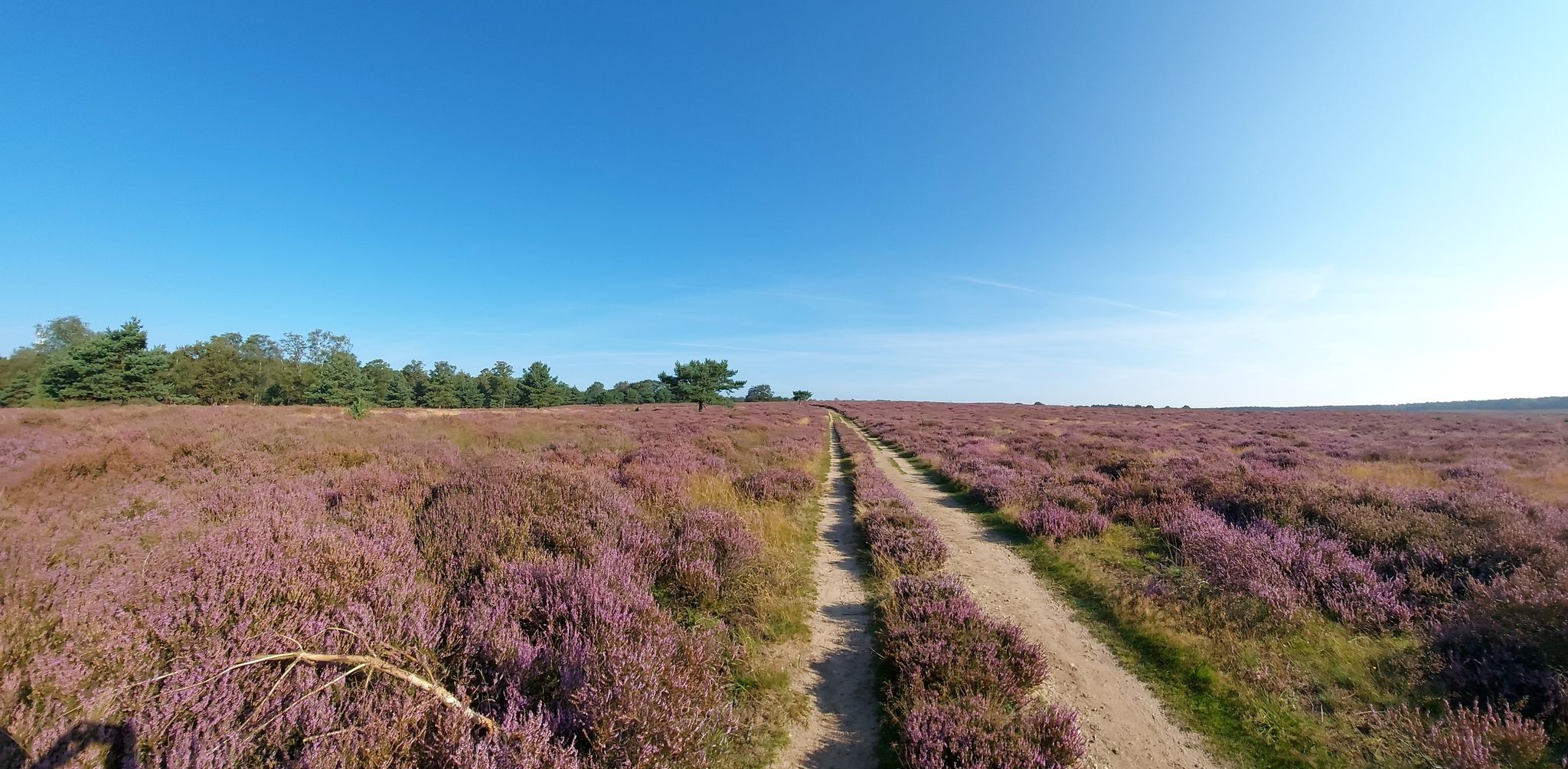
Bus station hiking trails in Mantingerzand traverse a landscape characterized by dynamic sand drifts, extensive heathlands, and ancient forests. The region features gnarled oaks, Scots pines, and extensive juniper thickets, some over 150 years old. Beyond the sandy areas, fens and grasslands contribute to the ecological diversity. Mantingerzand is one of the few locations in the Netherlands with active drifting sands.
Best bus station hiking trails in Mantingerzand
- The most popular bus station hiking route is Mantingerzand Nature Reserve –…
Last updated: July 9, 2026
4.6
(156)
635
hikers
Moderate hike. Good fitness required. Easily-accessible paths. Suitable for all skill levels.
5.0
(2)
17
hikers
Hard hike. Very good fitness required. Easily-accessible paths. Suitable for all skill levels.

Sign up for free
4.3
(4)
13
hikers
Easy hike. Great for any fitness level. Easily-accessible paths. Suitable for all skill levels.
5.0
(1)
10
hikers
Hard hike. Very good fitness required. Easily-accessible paths. Suitable for all skill levels.
5
hikers
Hard hike. Very good fitness required. Easily-accessible paths. Suitable for all skill levels.
Get access to more routes and recommendations from other explorers.
Sign up for free
Already have an account?
Our route recommendations are based on thousands of hikes, rides, and runs completed by other people on komoot.
Start today with a free account
Your next adventure awaits.
Login or Signup
Popular around Mantingerzand
Other adventures in Mantingerzand

Tips from the Community

The Mantingerzand is a vast nature reserve between the villages of Mantinge and Nieuw-Balinge. This area, better known as the Mantingerveld, consists largely of heathland, fens, forests, and some small drifting sands. Former agricultural lands are also part of the Natura 2000 area. These lands have been developed by the owner, Natuurmonumenten, for nature development. The main goal of these interventions was to connect isolated heathlands into one large nature reserve. Heathlands such as the Hullenzand, the Balingerzand and Mantingerzand, Martensplek, and the Lentsche Veen. These nature reserves were valuable remnants of a vast heathland between Hoogeveen and Westerbork, which was increasingly reclaimed over the course of the 20th century. Each of the four areas still possessed high natural quality, but their small size put them under considerable pressure. A striking feature of the Natura 2000 area is the extensive and magnificent juniper thickets, which are among the most beautiful thickets in the Netherlands. The dry and wet heathlands, fens, and drifting sands also demonstrate the area's great diversity. Several old deciduous forests and a number of reclaimed forests are also part of the Natura 2000 area. Source: https://www.provincie.drenthe.nl/onderwerpen/natuur-milieu/natuur/natuurbeleid-regels/natura-2000/gebieden/mantingerzand/
1
0
The Mantingerzand is a vast nature reserve between the villages of Mantinge and Nieuw-Balinge. This area, better known as the Mantingerveld, consists largely of heathland, fens, forests, and some small drifting sands. Former agricultural lands are also part of the Natura 2000 area. These lands have been developed by the owner, Natuurmonumenten, for nature development. The main goal of these interventions was to connect isolated heathlands into one large nature reserve. Heathlands such as the Hullenzand, the Balingerzand and Mantingerzand, Martensplek, and the Lentsche Veen. These nature reserves were valuable remnants of a vast heathland between Hoogeveen and Westerbork, which was increasingly reclaimed over the course of the 20th century. Each of the four areas individually still possessed high natural quality, but were under considerable pressure due to their small size. A striking feature of the Natura 2000 area is the extensive and magnificent juniper thickets, which are among the most beautiful thickets in the Netherlands. The dry and wet heathlands, fens, and drifting sands also demonstrate the area's great diversity. Several old deciduous forests and a number of reclaimed forests are also part of the Natura 2000 area. Source: https://www.provincie.drenthe.nl/onderwerpen/natuur-milieu/natuur/natuurbeleid-regels/natura-2000/gebieden/mantingerzand/
0
0
The Mantingerzand is a vast nature reserve between the villages of Mantinge and Nieuw-Balinge. This area, better known as the Mantingerveld, consists largely of heathland, fens, forests, and some small drifting sands. Former agricultural lands are also part of the Natura 2000 area. These lands have been developed by the owner, Natuurmonumenten, for nature development. The main goal of these interventions was to connect isolated heathlands into one large nature reserve. Heathlands such as the Hullenzand, the Balingerzand and Mantingerzand, Martensplek, and the Lentsche Veen. These nature reserves were valuable remnants of a vast heathland between Hoogeveen and Westerbork, which was increasingly reclaimed over the course of the 20th century. Each of the four areas still possessed high natural quality, but their small size put them under considerable pressure. A striking feature of the Natura 2000 area is the extensive and magnificent juniper thickets, which are among the most beautiful thickets in the Netherlands. The dry and wet heathlands, fens, and drifting sands also demonstrate the area's great diversity. Several old deciduous forests and a number of reclaimed forests are also part of the Natura 2000 area. Source: https://www.provincie.drenthe.nl/onderwerpen/natuur-milieu/natuur/natuurbeleid-regels/natura-2000/gebieden/mantingerzand/
1
0
The Mantingerzand is a vast nature reserve between the villages of Mantinge and Nieuw-Balinge. This area, better known as the Mantingerveld, consists largely of heathland, fens, forests, and some small drifting sands. Former agricultural lands are also part of the Natura 2000 area. These lands have been developed by the owner, Natuurmonumenten, for nature development. The main goal of these interventions was to connect isolated heathlands into one large nature reserve. Heathlands such as the Hullenzand, the Balingerzand and Mantingerzand, Martensplek, and the Lentsche Veen. These nature reserves were valuable remnants of a vast heathland between Hoogeveen and Westerbork, which was increasingly reclaimed over the course of the 20th century. Each of the four areas individually still possessed high natural quality, but were under considerable pressure due to their small size. A striking feature of the Natura 2000 area is the extensive and magnificent juniper thickets, which are among the most beautiful thickets in the Netherlands. The dry and wet heathlands, fens, and drifting sands also demonstrate the area's great diversity. Several old deciduous forests and a number of reclaimed forests are also part of the Natura 2000 area. Source: https://www.provincie.drenthe.nl/onderwerpen/natuur-milieu/natuur/natuurbeleid-regels/natura-2000/gebieden/mantingerzand/
1
0
The Mantingerzand is a vast nature reserve between the villages of Mantinge and Nieuw-Balinge. This area, better known as the Mantingerveld, consists largely of heathland, fens, forests, and some small drifting sands. Former agricultural lands are also part of the Natura 2000 area. These lands have been developed by the owner, Natuurmonumenten, for nature development. The main goal of these interventions was to connect isolated heathlands into one large nature reserve. Heathlands such as the Hullenzand, the Balingerzand and Mantingerzand, Martensplek, and the Lentsche Veen. These nature reserves were valuable remnants of a vast heathland between Hoogeveen and Westerbork, which was increasingly reclaimed over the course of the 20th century. Each of the four areas individually still possessed high natural quality, but were under considerable pressure due to their small size. A striking feature of the Natura 2000 area is the extensive and magnificent juniper thickets, which are among the most beautiful thickets in the Netherlands. The dry and wet heathlands, fens, and drifting sands also demonstrate the area's great diversity. Several old deciduous forests and a number of reclaimed forests are also part of the Natura 2000 area. Source: https://www.provincie.drenthe.nl/onderwerpen/natuur-milieu/natuur/natuurbeleid-regels/natura-2000/gebieden/mantingerzand/
1
0

Added to the collection: https://www.komoot.com/de-de/collection/3600632/-naturdenkmaeler-besondere-baeume-und-weitere-schaetze-der-natur
0
0

The characteristic pine trees of the Mantingerzand are striking conifers that thrive in the area's dry, sandy soil. They give the landscape its distinctive character, often in combination with heathlands and open sandy plains. These pines contribute to biodiversity, provide shelter and nesting sites for birds and other animals, and enhance the natural character of the Mantingerzand.
4
0
Ancient oaks are very old, often hundreds of years old, oak trees that play a vital role in the ecosystem. They provide a habitat for numerous plants, birds, insects, and fungi. Their age and size also make them historical and landscape icons, often recognizable by their impressive trunks and broad crowns.
4
0
Frequently Asked Questions
How many bus station hiking trails are there in Mantingerzand?
Mantingerzand offers a wide selection of hiking trails accessible from bus stations. There are over 300 routes available, catering to various preferences and fitness levels.
What kind of terrain can I expect on bus station hikes in Mantingerzand?
The terrain in Mantingerzand is remarkably diverse. You can expect to encounter expansive sand drifts, vast heathlands (which are stunning when in bloom), ancient forests with gnarled oaks and extensive juniper bushes, as well as fens and grasslands. Some areas even feature active drifting sands, a unique natural phenomenon.
Are there easy hiking options accessible by bus in Mantingerzand?
Yes, Mantingerzand has numerous easy hiking options. Over 180 of the available routes are classified as easy, making them suitable for casual walkers or those looking for a relaxed outing. For example, the Mantingerzand Grassland – Cows in Mantingerzand loop from Nieuw-Balinge is an easy 5.6 km route.
What natural features or landmarks can I see along bus station hiking trails in Mantingerzand?
Mantingerzand is rich in natural beauty. Along the trails, you can explore the Mantingerzand itself, including its unique narrow sandy paths. Don't miss the extensive juniper trees and the tranquil heathland pond. The Mantingerzand Nature Reserve offers a comprehensive experience of the area's diverse landscapes.
What is the best time to visit Mantingerzand for hiking?
Mantingerzand offers beauty year-round, but for specific experiences, consider visiting in late summer to early autumn when the heather is in full bloom, creating stunning purple landscapes. Spring and summer are ideal for spotting rare plants like sundew and marsh gentian, and for birdwatching.
Are the bus station hiking trails in Mantingerzand suitable for families with children?
Many paths in Mantingerzand are easily accessible and suitable for all skill levels, making them a great choice for families. The diverse landscapes, including sand drifts and forests, offer engaging environments for children to explore. Look for the 'easy' rated routes for the most family-friendly options.
Can I bring my dog on bus station hikes in Mantingerzand?
Yes, dogs are generally welcome on the hiking trails in Mantingerzand, but they must be kept on a leash to protect the local wildlife and grazing animals like cows and Scottish Highlanders. Always check local signage for any specific restrictions in certain areas.
Are there circular hiking routes available from bus stops in Mantingerzand?
Yes, many of the hiking routes in Mantingerzand are designed as circular loops, allowing you to start and end your journey at the same point, which is convenient when relying on public transport. An example is the Mantingerzand Nature Reserve – Ancient Oaks at Mantingerzand loop from Nieuw-Balinge, a moderate 8.4 km route.
What kind of wildlife can I expect to see while hiking in Mantingerzand?
Mantingerzand's varied ecosystems support a rich array of wildlife. You might encounter large grazers such as cows and Scottish Highlanders. Birdwatchers can spot skylarks and tree pipits, while deer and foxes are sometimes seen during dawn or dusk. The heathland ponds also attract various amphibians.
What do other hikers enjoy most about hiking in Mantingerzand?
The area is highly rated by the komoot community, with an average score of 4.5 stars from nearly 4,000 ratings. Reviewers often praise the tranquility and natural beauty, highlighting the unique combination of sand drifts, heathlands, and ancient forests. The well-maintained trail networks and the opportunity to see diverse flora and fauna are also frequently mentioned.
Are there any longer, more challenging bus station hikes in Mantingerzand?
For experienced hikers seeking a longer challenge, Mantingerzand offers several difficult routes. For instance, the Mantingerzand – Mantingerzand Nature Reserve loop from Nieuw-Balinge is a demanding 25.3 km trail that explores extensive parts of the reserve.
Most popular routes in Mantingerzand
Most popular attractions in Mantingerzand

Get inspired with the komoot mobile app


Explore more
Browse the best Hikes in other regions.
