Top 20 Castles in the Bezirk Neunkirchen
Castles in the Bezirk Neunkirchen, located in Lower Austria, offer insights into history and culture. The region features diverse landscapes, including valleys and rocky outcrops, providing varied settings for its historical structures. These range from well-preserved hilltop castles to moated fortresses and scenic ruins. The area provides opportunities to explore medieval architecture and historical sites.
Best castles in the Bezirk Neunkirchen
- The most popular castles is Türkensturz Ruins, a castle and natural monument that is a designed system from…
Last updated: October 9, 2026
Türkensturz Ruins
Highlight • Castle
Translated by Google •
Tip by

Seebenstein Castle
Highlight • Castle
Translated by Google •
Tip by

Sign up now to discover places like this
Get recommendations on the best single tracks, peaks, & plenty of other exciting outdoor places.
Schrattenstein Castle Ruins
Highlight • Castle
Translated by Google •
Tip by

Grimmenstein Castle
Highlight • Castle
Translated by Google •
Tip by
Losenheim castle ruins
Highlight • Castle
Translated by Google •
Tip by

Ruins of Klamm Castle
Highlight • Castle
Translated by Google •
Tip by

Mountain Church and Cave Church Pitten
Highlight • Religious Site
Translated by Google •
Tip by

Reichenau an der Rax Castle
Highlight • Castle
These property rights were sold …
Translated by Google •
Tip by
Feistritz Castle
Highlight • Castle
Translated by Google •
Tip by
Schloss Gloggnitz
Highlight • Castle
Translated by Google •
Tip by
Sign up for free to discover even more castles in the Bezirk Neunkirchen.
Already have an account?
Start today with a free account
Your next adventure awaits.
Popular around Bezirk Neunkirchen
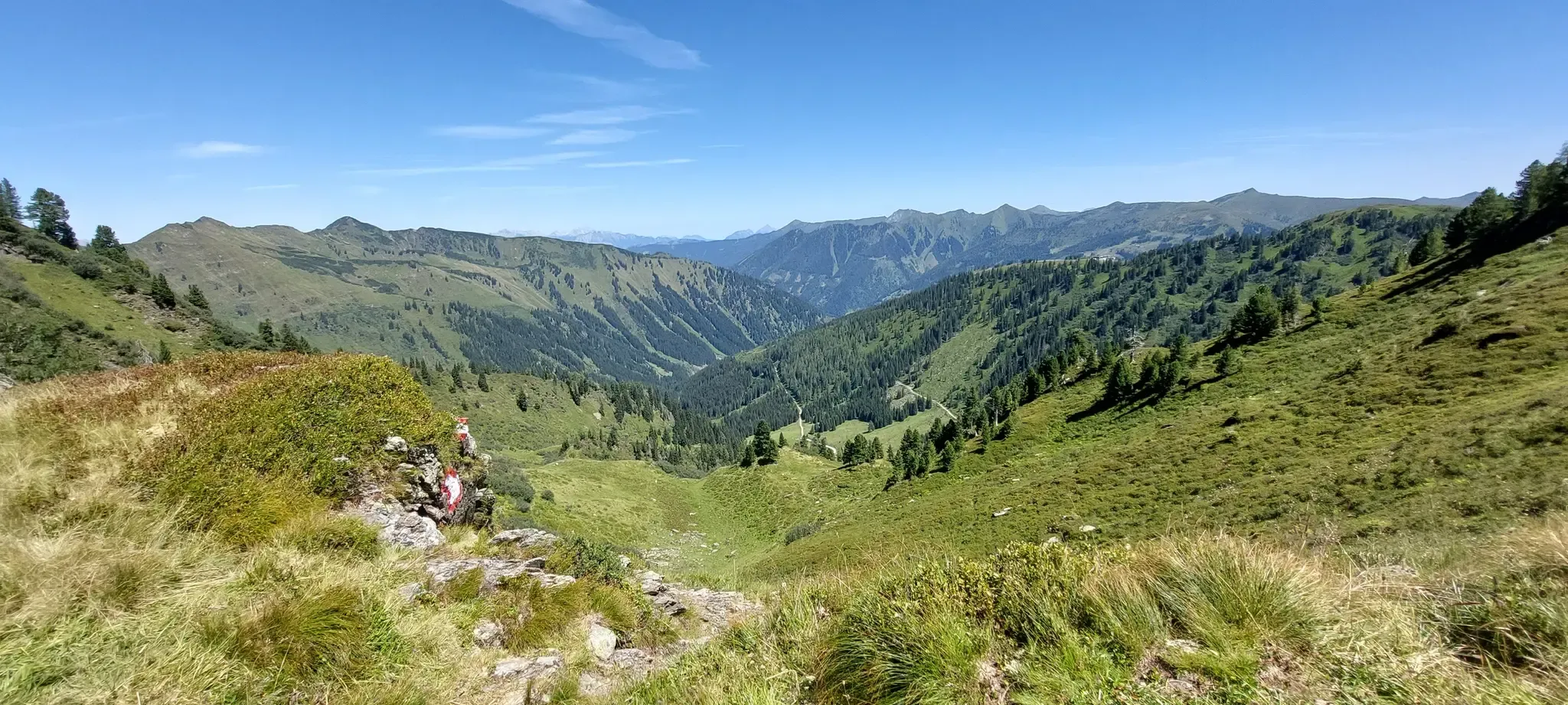
Central Alps Trail Eastern Section – Discover Austria
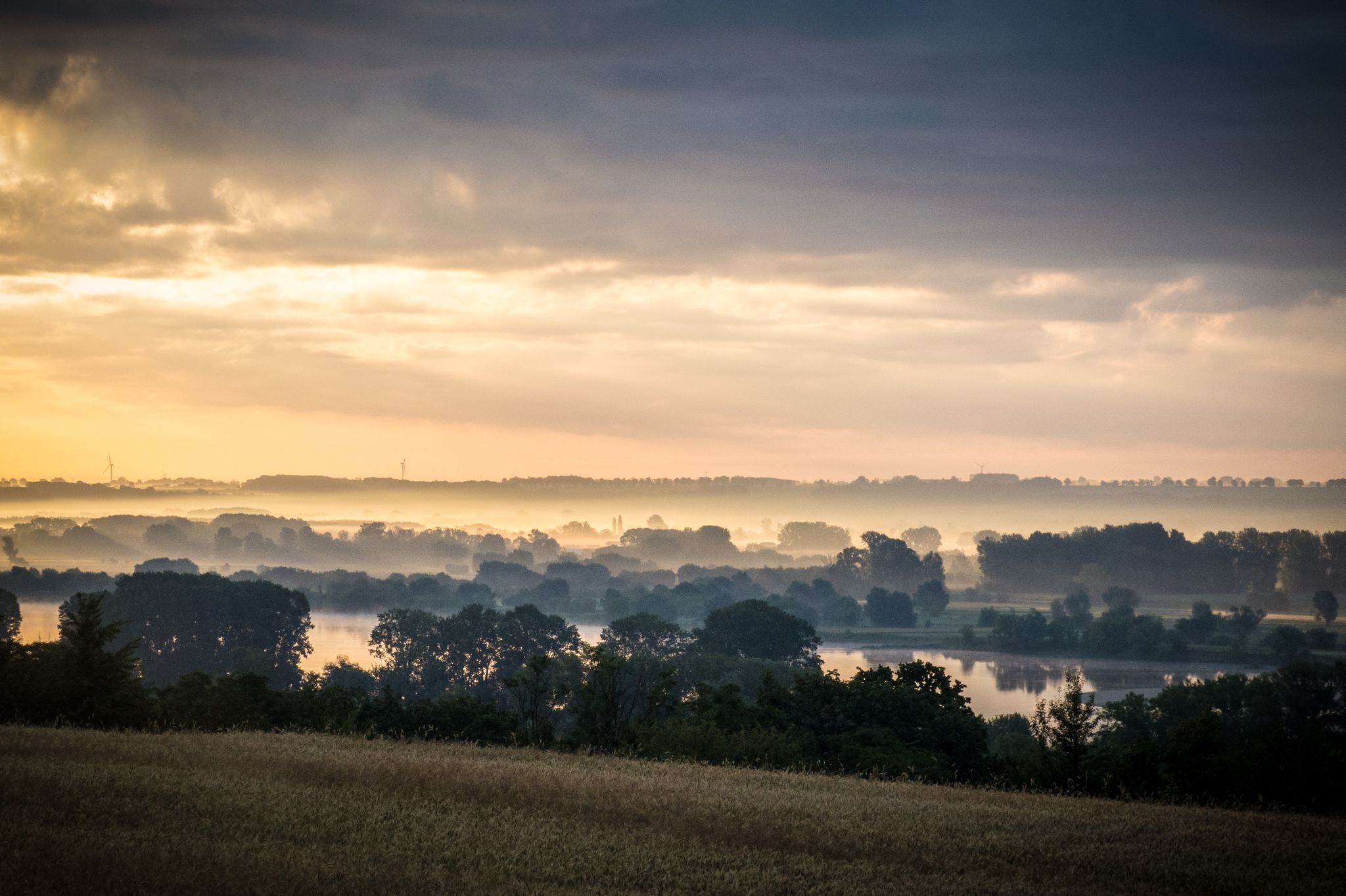
EuroVelo 9 – The Amber Route from the Baltic to Adriatic Sea
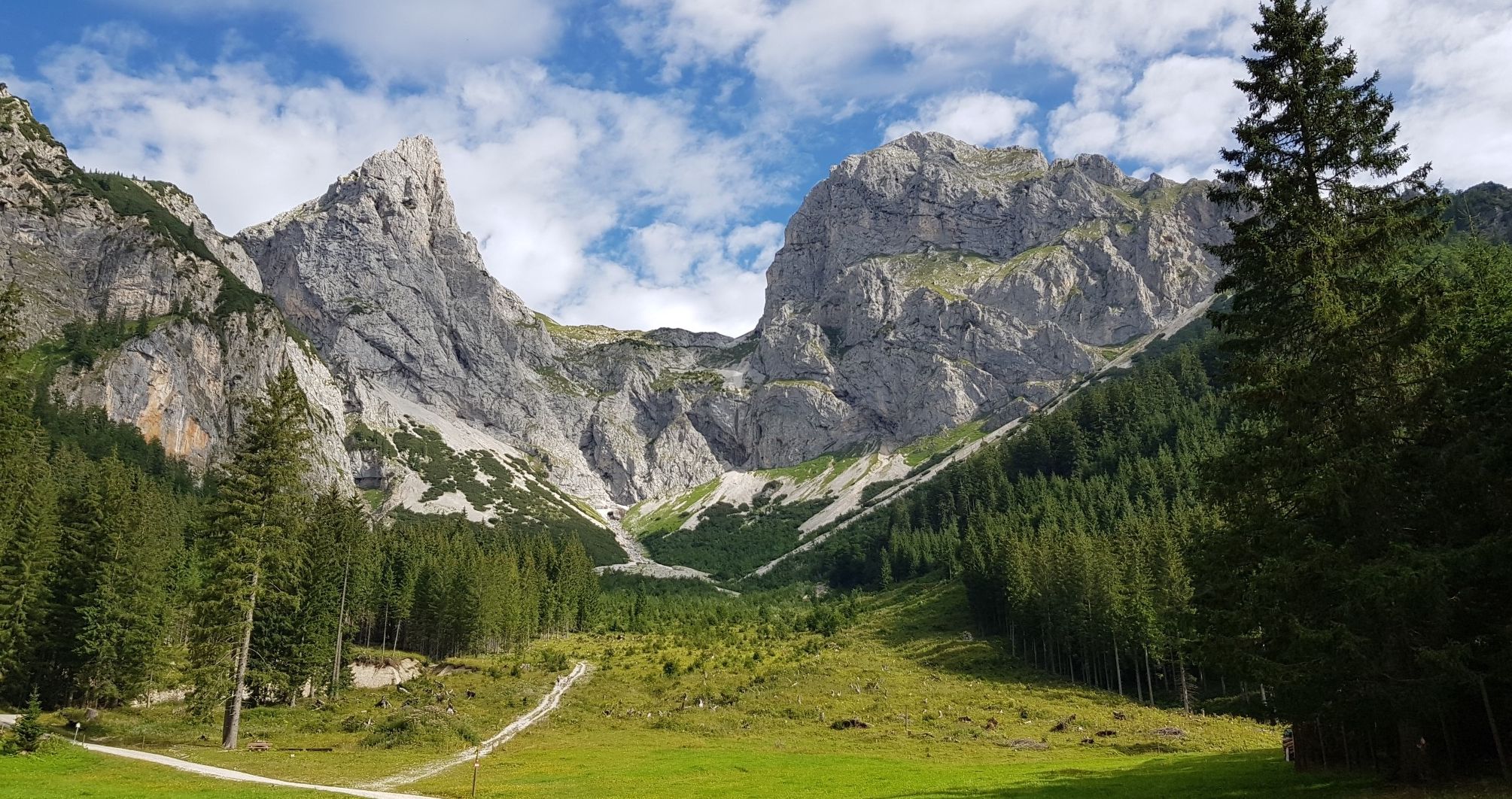
North Alpine Trail 01 – Hike across Austria in 49 days
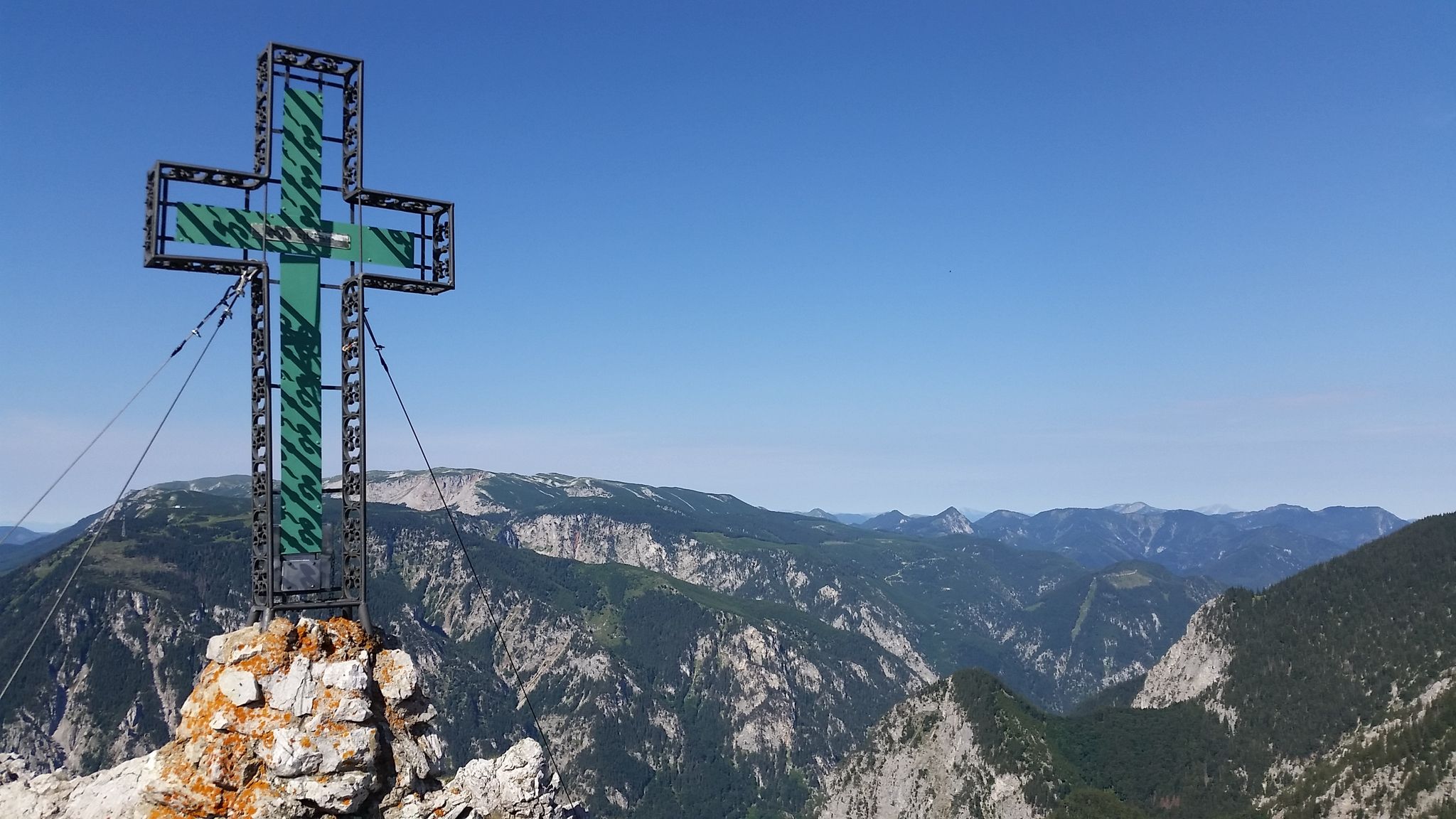
Viennese Alpenbogen – Lower Austria's most beautiful peaks
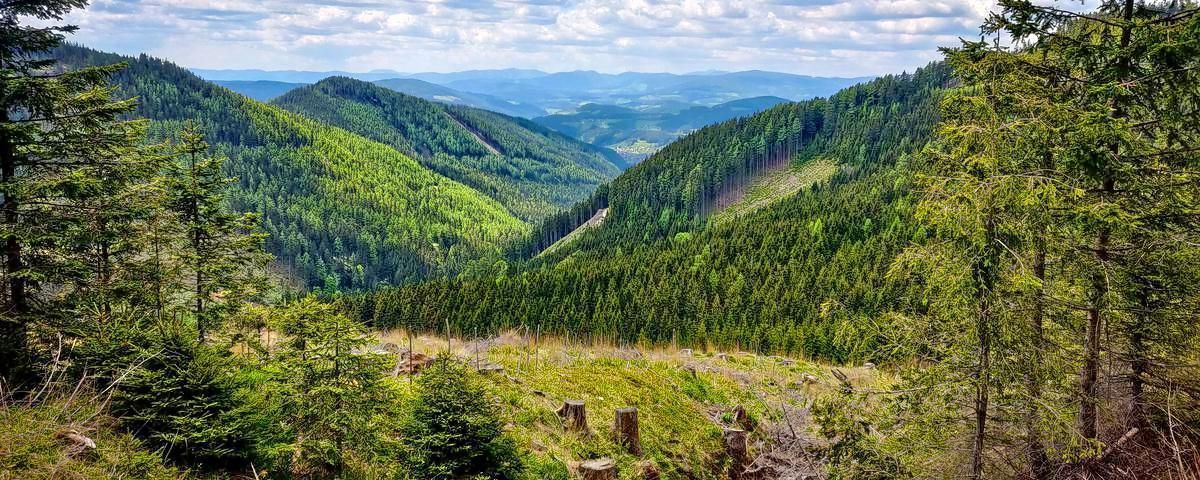
Alpannonia – Crossing borders from Austria to Hungary
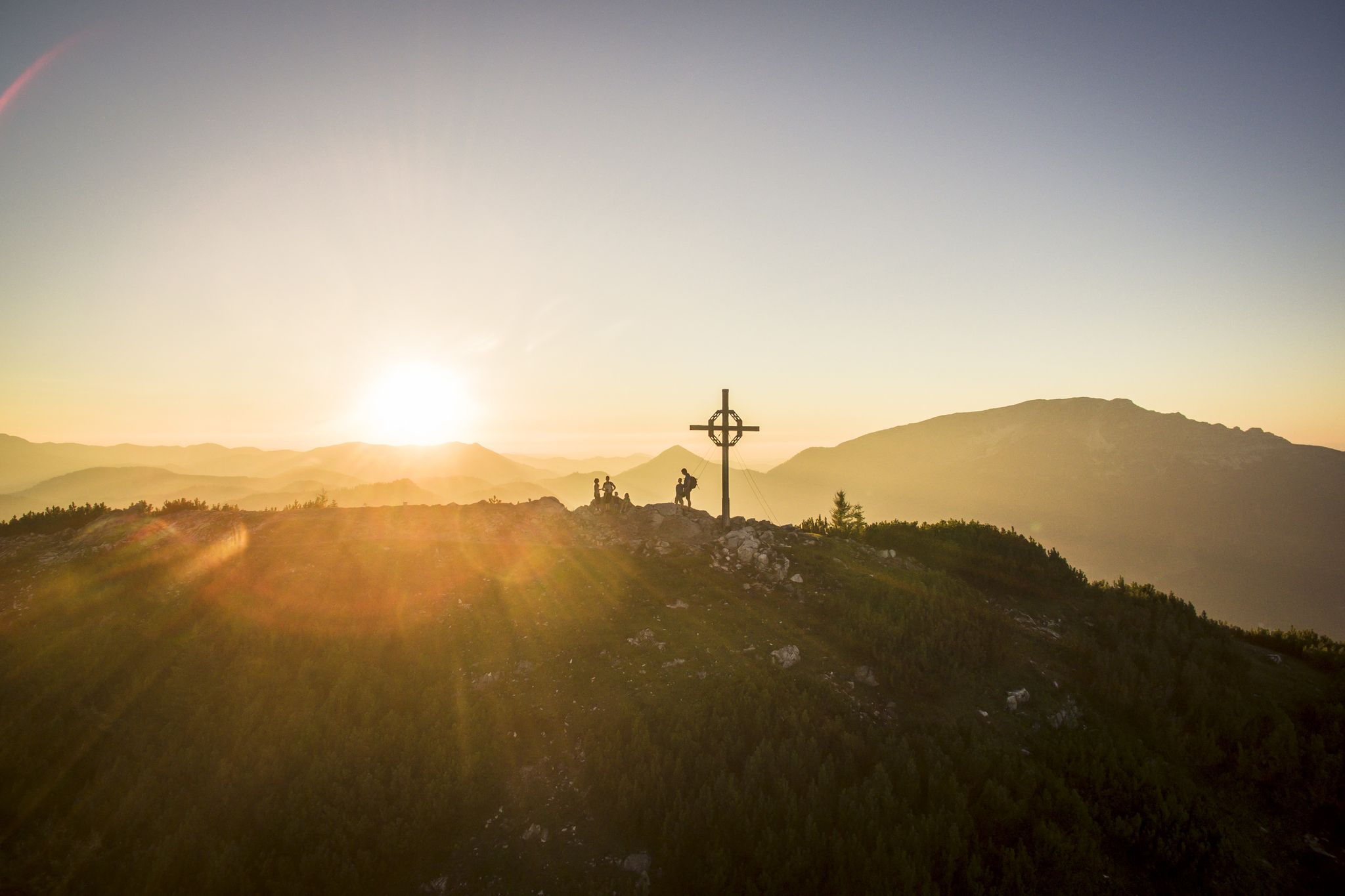
Hiking with a view – certified hiking villages in Lower Austria
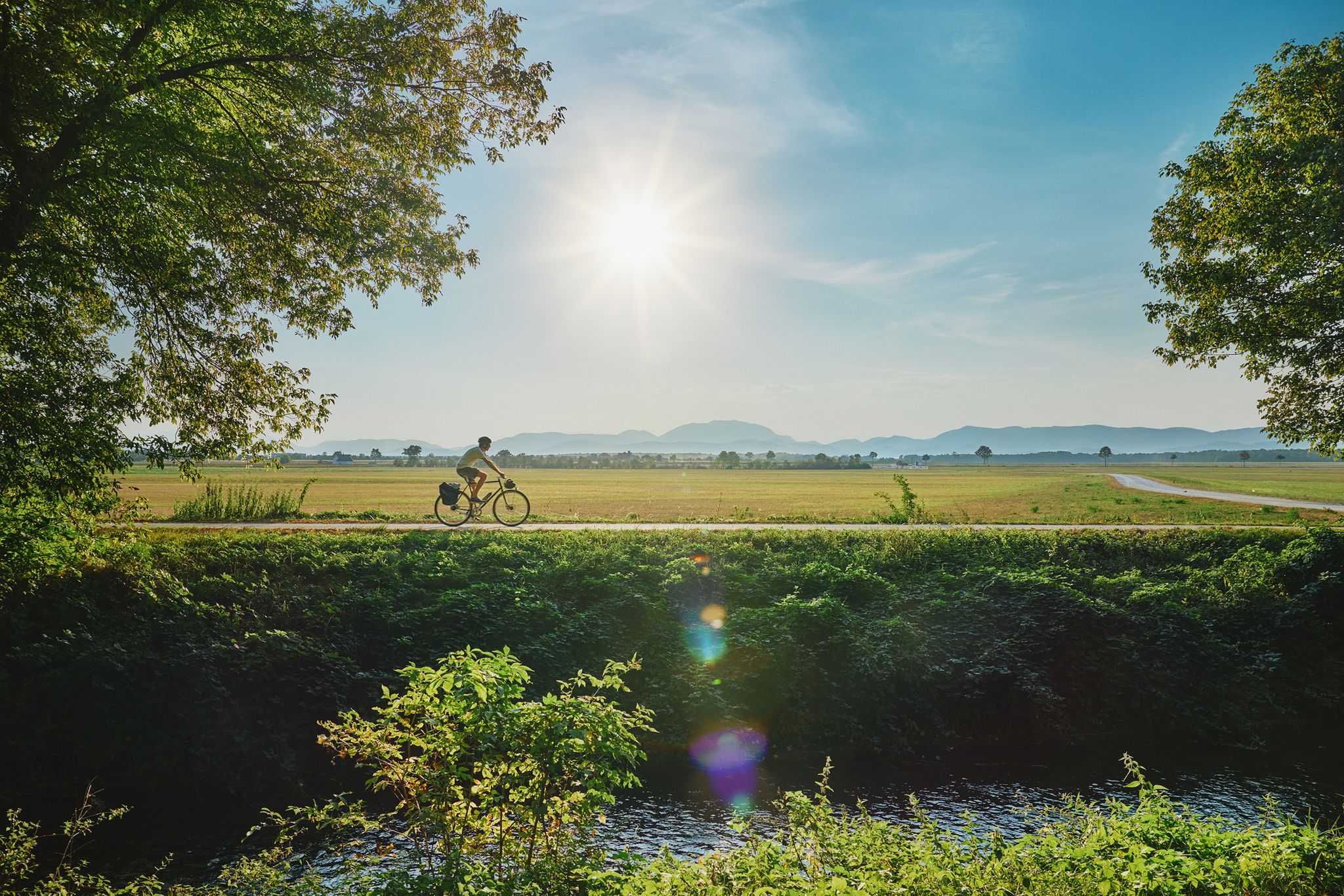
Superb cycling in the Vienna Alps – every day a new route
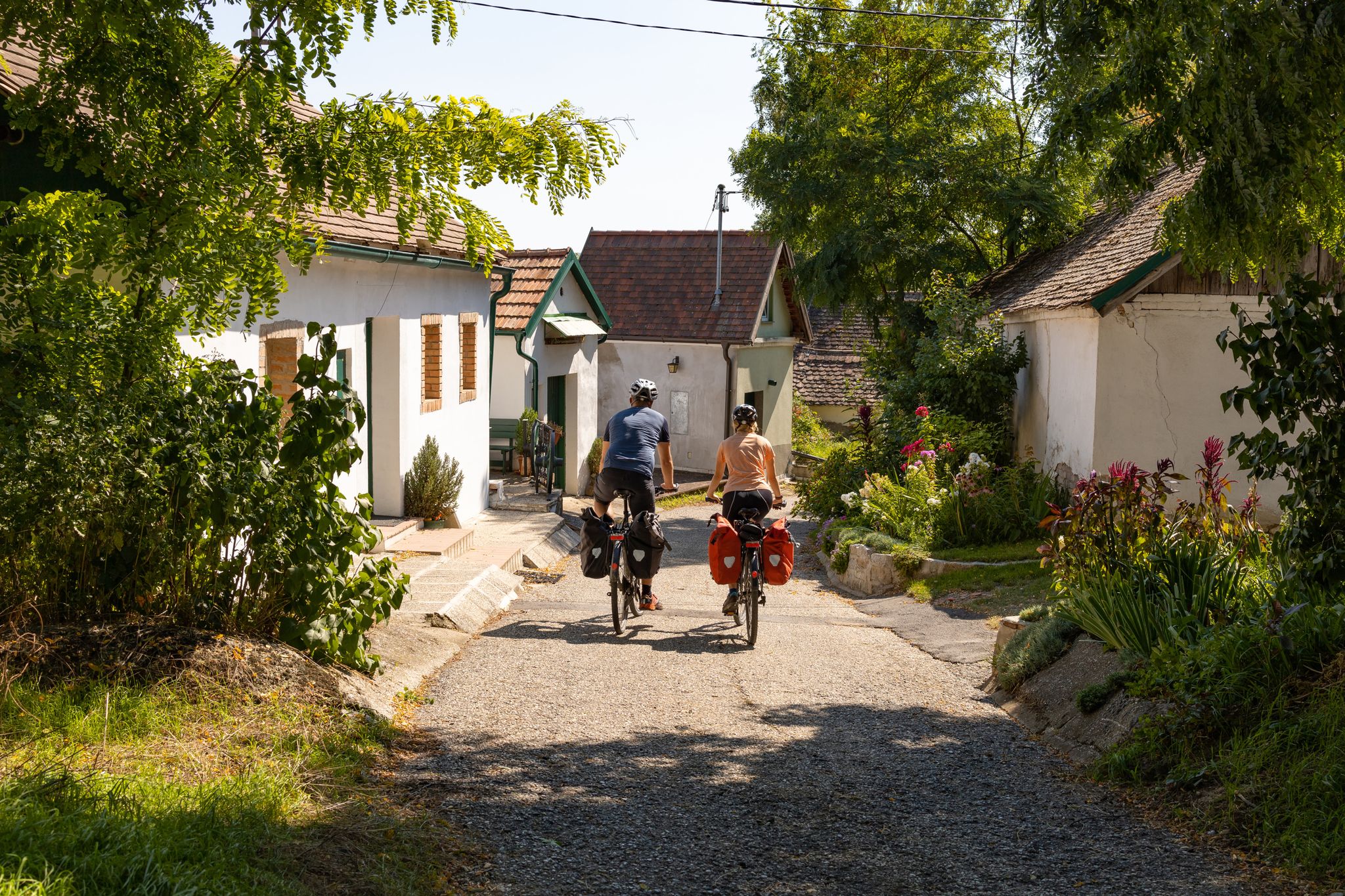
The most beautiful bike discovery Tours in Lower Austria
Hills and valleys – gravel bike tours in the Vienna Woods
Lower Austria to Carinthia — our favourite huts in Austria
Other adventures in the Bezirk Neunkirchen


Tips from the Community

The Feistritz Castle was probably built in the second quarter of the 12th century by ministeriales. The castle was owned by the Pottendorfers from the 14th century until 1488 and by the Zinzendorfers until 1537.
1
0
A church below the castle ("sub castello") is first mentioned from 1000 AD onwards and is likely to be one of the oldest Christian places of worship in the region. The rock cave behind the mountain church is dedicated to Saints Peter and Paul.
1
0
In September 1532, a Turkish army was decisively defeated near Enzesfeld-Fischau. Light Turkish horsemen (Akıncıs) were scattered into the Pittental valley. They are said to have been chased by enraged peasants over the rocks near Gleißenfeld and driven to their deaths - the "Türkensturz" (Turk's Fall). To commemorate this, Prince von und zu Liechtenstein had an artificial ruin erected here in 1824/25.
3
0
The castle, sometimes called Burg Vordergrimmenstein since the 19th century, while the former castle on the summit of the 758 m high Kulmriegel was also called Burg Hochgrimmenstein and a former castle southwest of the Kulmriegel at the end of the Kunzgraben were designated as Hintergrimmenstein.
2
0
In the year 1182, in a deed by Margrave Otakar IV of Styria (also Ottokar), a certain "Chalhoch de Stratensteine" is attested, confirming the freedoms of Seckau Abbey, dedicated by his father. Two years later, his son "Ortolf" also appears in documents. Both names are characteristic of the Lords of Schrattenstein.
3
0
Around 1130, an Ortolfus de Clamma was mentioned in a document. In 1339, Hermann II. von Klamm-Pitten sold the castle to Dukes Albrecht, Friedrich, Leopold, and Otto. The castle was probably in the possession of the von Rappach family (noble family) until the beginning of the 15th century.
2
0
In 1094, the Benedictine monastery of Vornbach was elevated to an abbey. To the east, the donation of territories in the Neunkirchen-Pitten-Gloggnitz area to the Benedictines enabled the founding of a Vornbach filial monastery in Gloggnitz. After the completion of the new Christ the King Church (1962) near the town center, the monastery church became the former parish church.
2
0
Reichenau Castle in Reichenau an der Rax was first mentioned in a document in 1256. Today it is used for exhibitions, concerts, and seminars.
1
0
Frequently Asked Questions
What are some historically significant castles in the Bezirk Neunkirchen?
The Bezirk Neunkirchen is rich in history. Seebenstein Castle, first mentioned in 1170, played a strategic role on a trade route and withstood sieges. Burg Wartenstein, dating back to the 12th century, protected the old wine road and features a Romanesque tower. Schloss Gloggnitz, originally a Benedictine monastery from 1094, has been meticulously restored. Burg Feistritz, likely built in the 12th century, served as protection against foreign troops.
Are there any castle ruins worth visiting for their views or atmosphere?
Yes, the region offers several atmospheric ruins. The Türkensturz Ruins are a designed system from the Romantic period, offering a wonderful vantage point after a steep ascent. The Schrattenstein Castle Ruins perch on a rocky outcrop with magnificent views over the surrounding hills and are freely accessible, providing a mystical atmosphere. You can also explore the Ruins of Klamm Castle and Losenheim castle ruins for historical exploration and views.
What castles are suitable for a family day out?
For a family day out, Seebenstein Castle offers guided tours from Easter Saturday to October 26th, providing an immersive experience. Schloss Gloggnitz hosts regular events and has a restaurant, making it a lively cultural venue. While technically in Burgenland, nearby Burg Forchtenstein is known for its family-friendly events like "Family Draculade" and "Dragon Festival," along with extensive collections that engage all ages.
What outdoor activities can I combine with a castle visit in the Bezirk Neunkirchen?
Many castles are situated amidst beautiful landscapes, perfect for outdoor activities. You can find numerous hiking trails, such as those around Schrattenstein Castle Ruins, which are a worthwhile detour for hikers. For more options, explore the waterfall hikes or cycling routes in the Bezirk Neunkirchen. There are also MTB trails for more adventurous visitors.
When is the best time to visit the castles in the Bezirk Neunkirchen?
The best time to visit depends on the castle. Many castles, like Seebenstein Castle and Grimmenstein Castle, offer guided tours from March or Easter Saturday until October. This period generally provides pleasant weather for exploring both the castles and their surrounding areas, including hiking trails. Visiting during spring or autumn can offer beautiful scenery and comfortable temperatures.
Are there any castles that offer food or accommodation?
Yes, some castles provide amenities for visitors. Schloss Gloggnitz features a restaurant within its historic walls. Grimmenstein Castle is known for offering coffee and cake, and sometimes toasts and Belgian beer on weekends. While not a castle, the nearby Mountain Church and Cave Church Pitten also offer spectacular views and are close to local amenities.
Which castles are well-preserved and offer insights into medieval architecture?
Burg Wartenstein is a well-preserved hilltop castle from the 12th century, showcasing Romanesque and Gothic elements. Seebenstein Castle, with its dual-part structure and 23-meter-high keep, offers a comprehensive look at medieval and later architectural styles through its guided tours. Schloss Pottschach, a Renaissance moated castle, also provides a glimpse into fortified architecture, though it's privately owned.
Are there any castles that are less crowded or off the beaten path?
While popular sites like Türkensturz Ruins attract many, exploring the Schrattenstein Castle Ruins can offer a more tranquil experience, especially during off-peak hours. These ruins are freely accessible and invite quiet exploration. Similarly, the Losenheim castle ruins might offer a less crowded historical experience.
What kind of collections or exhibitions can I find in the castles?
Seebenstein Castle houses a collection of weapons and significant Marian sculptures. Schloss Gloggnitz features a museum in its castle church. Nearby Burg Forchtenstein, though in Burgenland, is renowned for its extensive collections of military equipment, Baroque treasures, and the Esterházy Treasure Chamber, making it a significant cultural destination.
Can I visit castles that are privately owned?
Some privately owned castles, like Seebenstein Castle, do offer public access through guided tours during specific seasons. Grimmenstein Castle also provides guided tours. However, others, such as Schloss Pottschach and Burg Wartenstein, are privately owned and generally not open for public viewing, though their historical significance makes them notable landmarks.
Are there any castles with unique architectural features?
Seebenstein Castle is notable for its dual-part structure, featuring an older section with a round keep and a newer high castle. Burg Wartenstein boasts a Romanesque tower and a Gothic Three Kings Chapel. Schloss Pottschach is a distinctive Renaissance moated castle, fortified with merloned towers, showcasing a unique defensive design.
Most popular routes in the Bezirk Neunkirchen
Most popular attractions in the Bezirk Neunkirchen

Get inspired with the komoot mobile app


Didn’t find what you were looking for?
Explore Bezirk Neunkirchen’s best castles region by region:
Explore more
Looking for the best castles somewhere else? Discover other guides in the Bezirk Neunkirchen:
