Top 20 Natural Monuments around the Thames
Best natural monuments around the Thames encompass a variety of landscapes, from chalk hills and ancient woodlands to extensive wetlands and riverine features. The River Thames itself is a central element, shaping the geology and supporting diverse ecosystems. These areas offer significant ecological importance and geological interest, providing opportunities for outdoor recreation and nature observation. The region features protected landscapes and vital ecological sites, making it a notable area for natural exploration.
Best natural monuments around the Thames
- The most…
Last updated: August 20, 2026
Wittenham Clumps
Highlight • Natural Monument
Tip by

Magna Carta Memorial
Highlight • Natural Monument
The …
Tip by

Sign up now to discover places like this
Get recommendations on the best single tracks, peaks, & plenty of other exciting outdoor places.
Sign up for free
Long Water and Fountains, Hampton Court Park
Highlight • Lake
Tip by

Ham Common Pond
Highlight • Lake
Tip by
St Lawrence and Mary Magdalene Drinking Fountain
Highlight • Historical Site
Tip by

J. R. R. Tolkien Memorial Bench and Trees
Highlight • Natural Monument
Tip by

Day's Lock
Highlight • Structure
Tip by

Little Wittenham Wood
Highlight • Forest
Tip by

Diana Fountain, Bushy Park
Highlight • Viewpoint
Tip by

Cock Marsh Wetland Walkway
Highlight • Trail
Tip by

Sign up for free to discover even more natural monuments around the Thames.
Sign up for free
Already have an account?
Start today with a free account
Your next adventure awaits.
Login or Signup
Popular around Thames
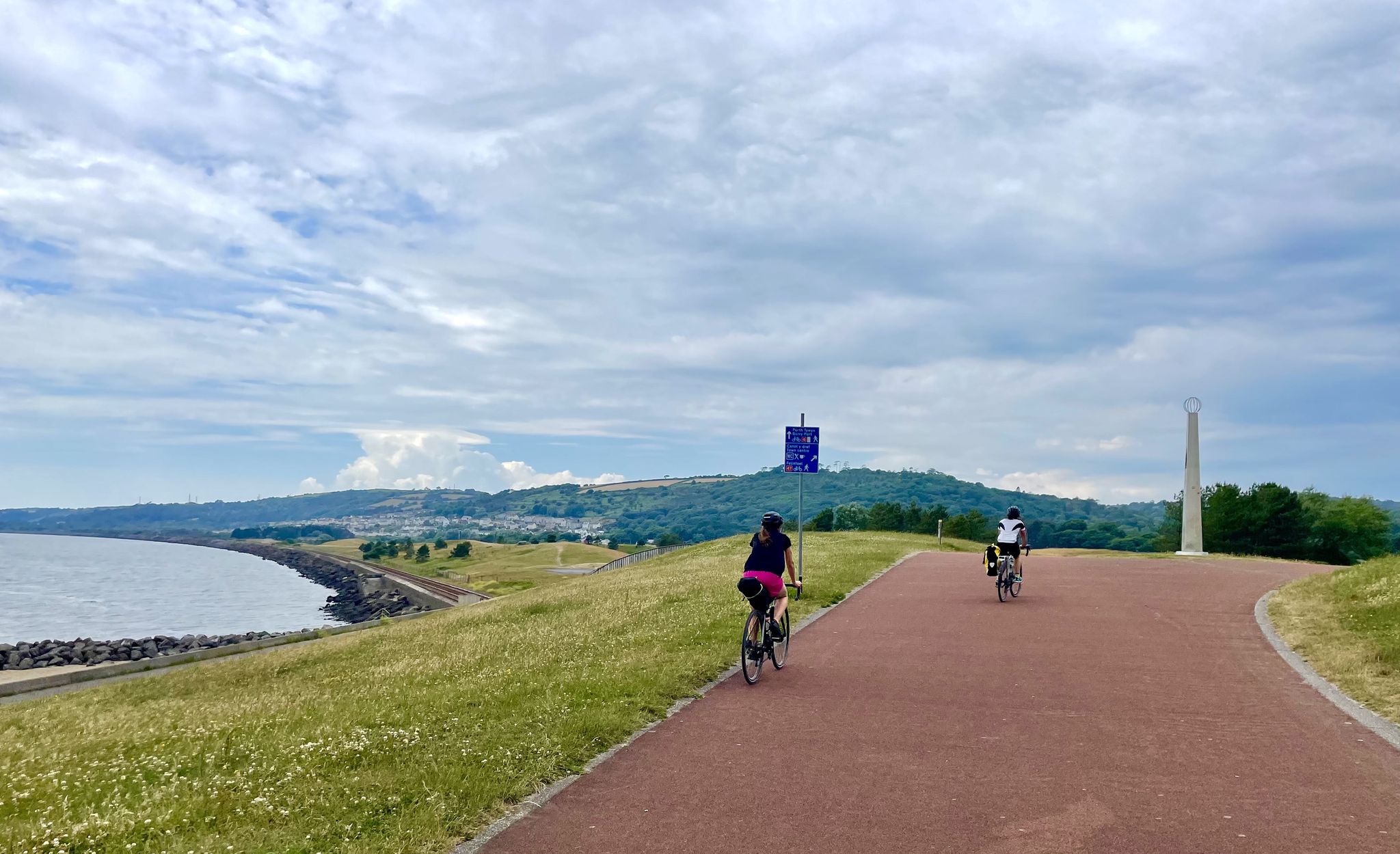
National Cycle Network Route 4 — Greenwich to Fishguard
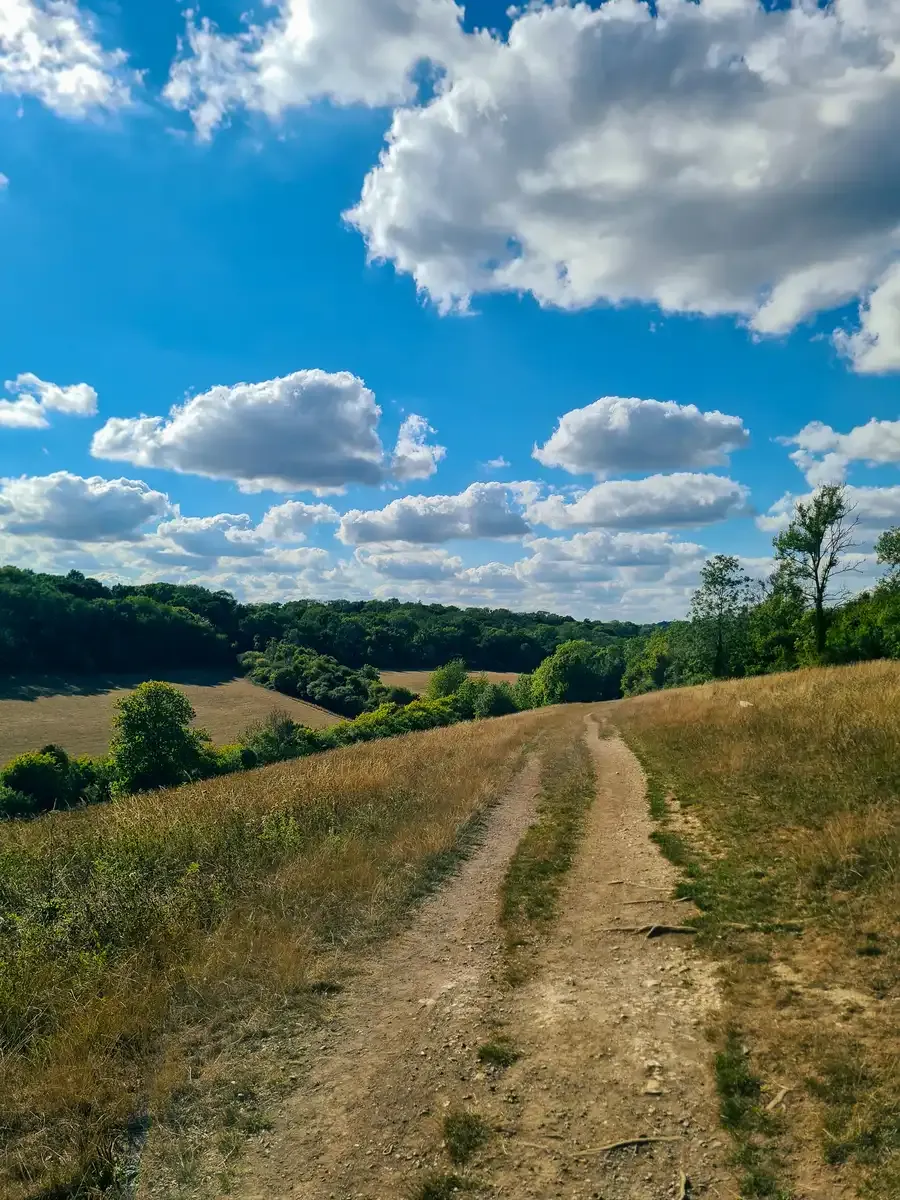
London LOOP — Hiking a ring of greenspaces around the capital
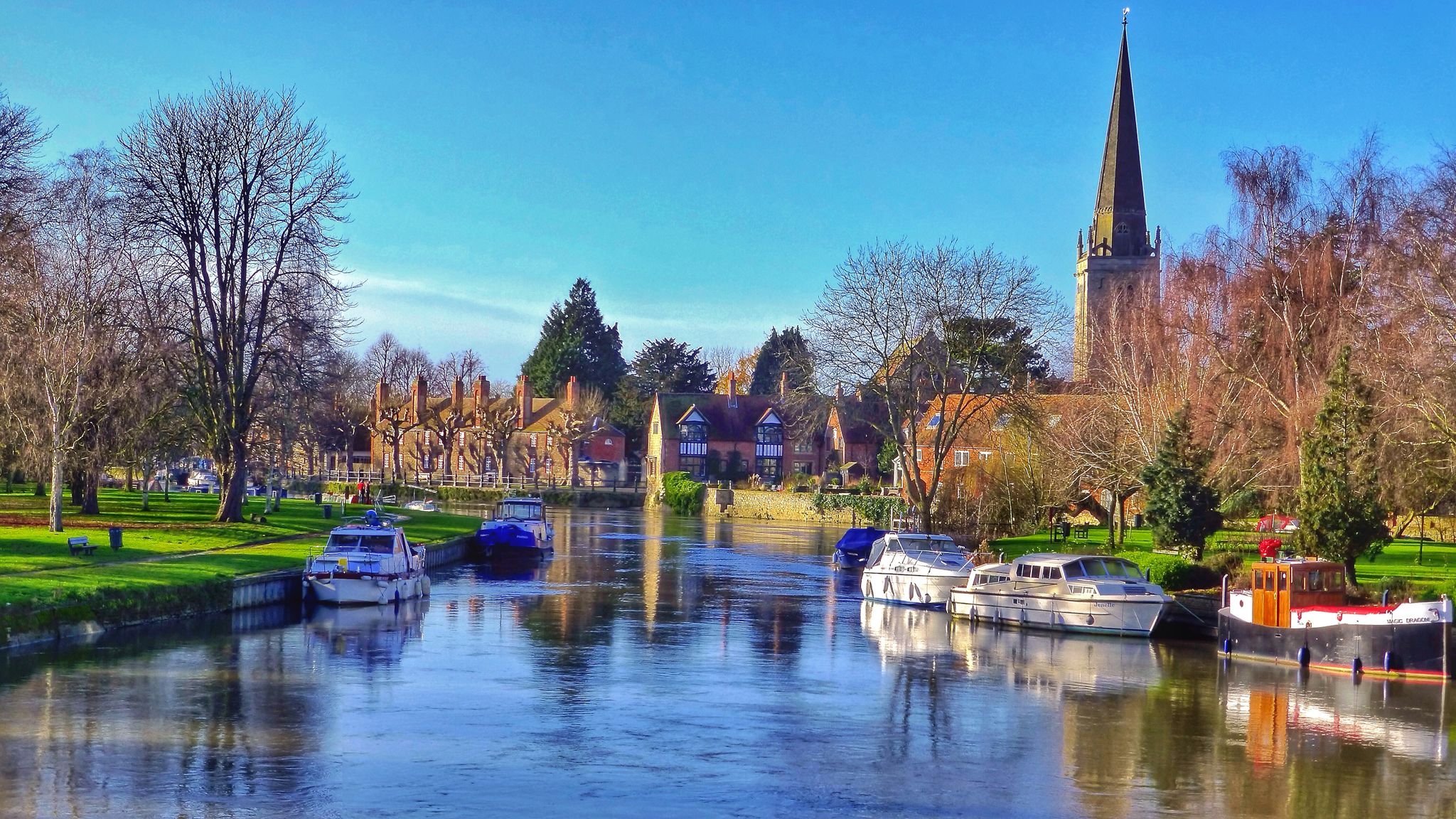
Hiking the Oxford Green Belt Way — Rivers, abbeys, manors and woods
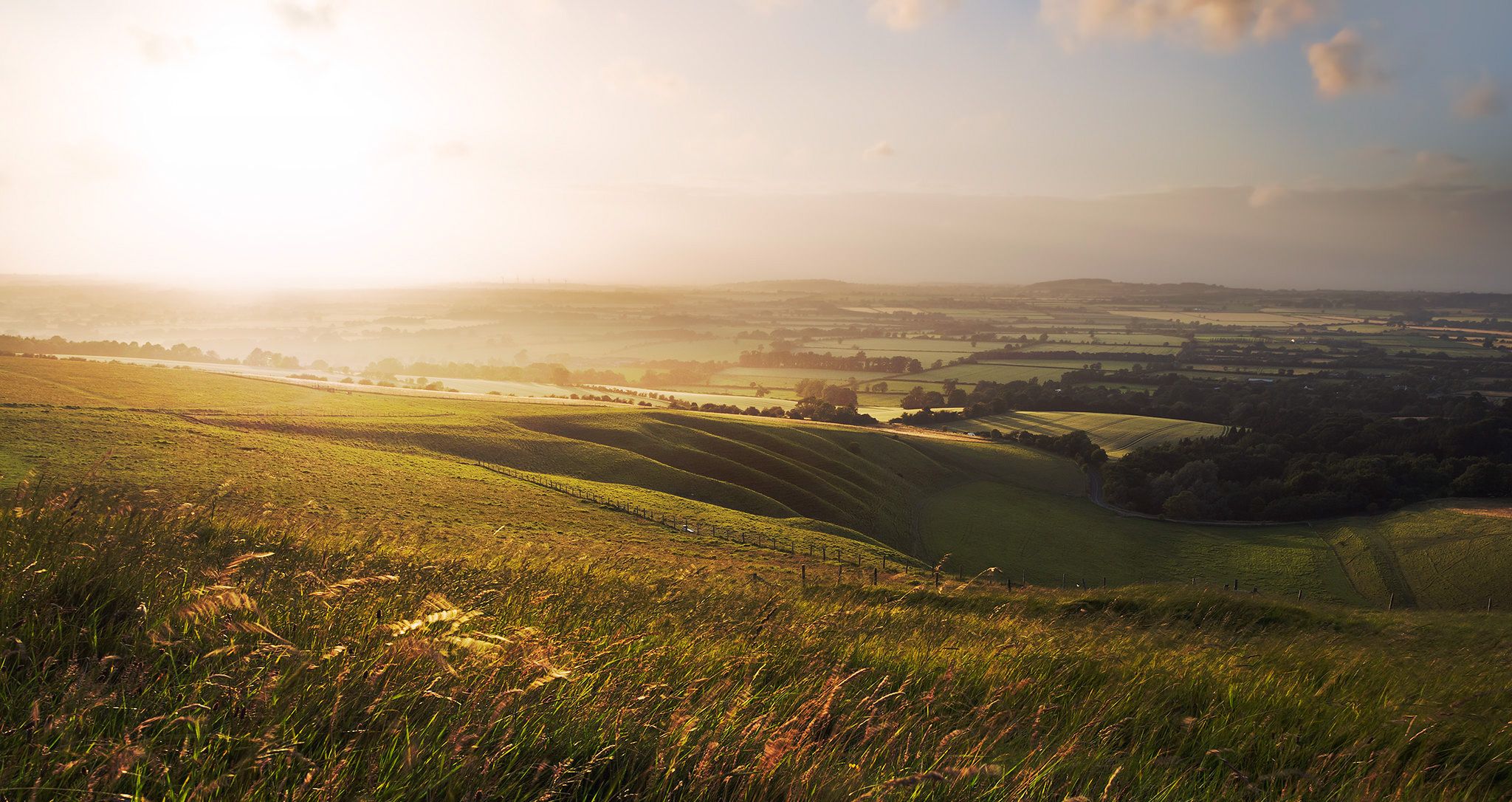
Hiking the Greater Ridgeway — Following Roman roads across England
Wealdway — Hike up hill and down dale in rural South East England
Hiking the Orange Way — Southern England in the footsteps of a king
Chiltern Way — Hike some of the prettiest scenery in England

Cycle the Greater Ridgeway Trail — English Channel to North Sea
Cycling the Mercian Way – Explore England's historic heart
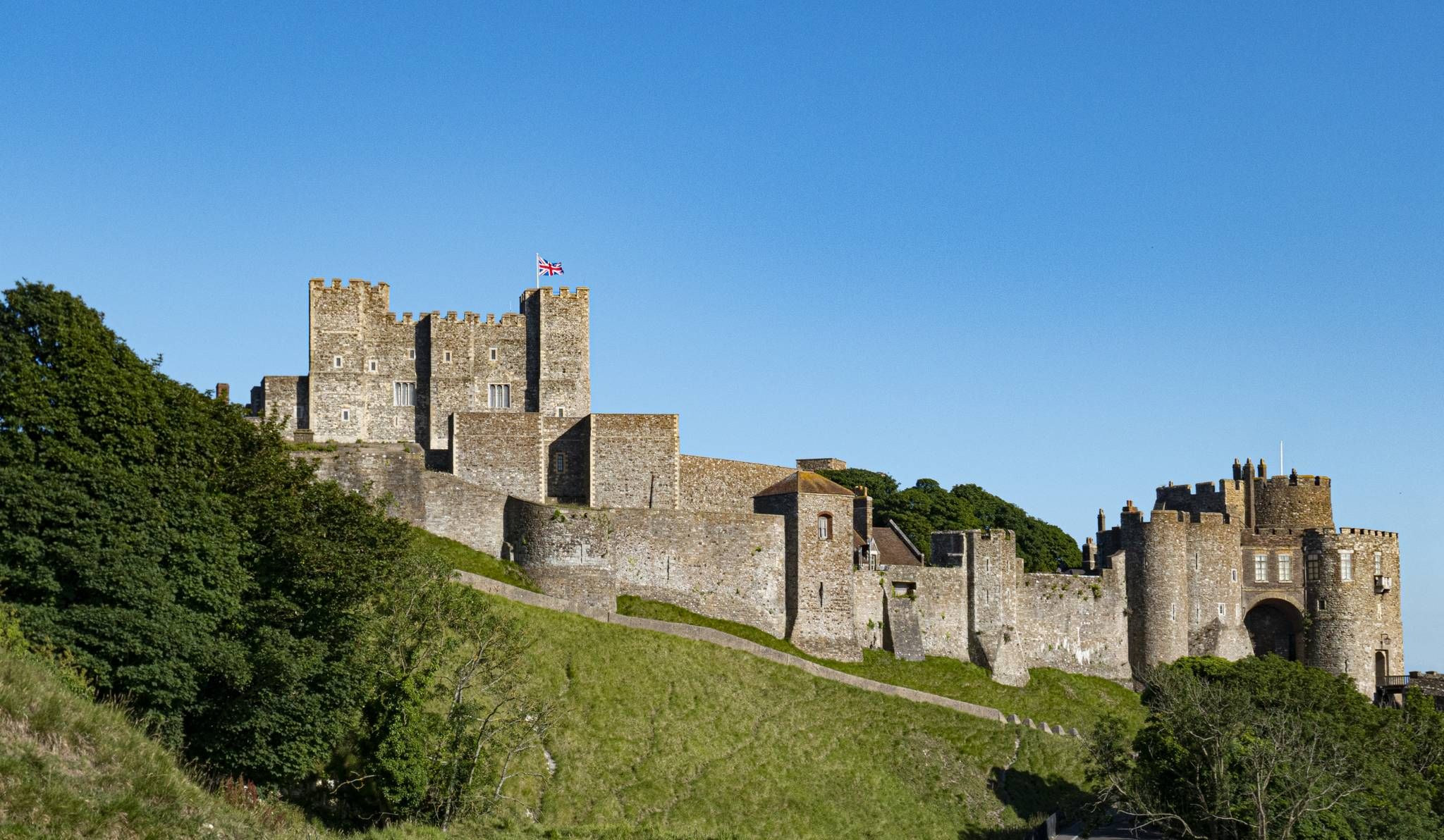
Cycling the Garden of England – orchards, cliffs and maritime history
Other adventures around the Thames


Tips from the Community

Added to the collection: komoot.com/de-de/collection/3600632/-naturdenkmaeler-besondere-baeume-und-weitere-schaetze-der-natur
0
0

A little oasis of countryside in the midst of London. The bench in front of the pond is perfect for a short stop for a snack with a view.
0
0

The information panel belonging to this simple, but certainly dignified, memorial for human rights has been created as a standalone highlight in the komoot system. If you are interested, see =>> https://www.komoot.com/de-de/highlight/1132793
0
1

The ornate Metropolitan Drinking Fountain, originally erected in 1866 outside the Church of St Lawrence Jewry, was a generous gift to London from the Metropolitan Drinking Fountain and Cattle Trough Association. Designed by architect John Robinson with bronze sculpture work by Joseph Durham, this Victorian fountain was carefully dismantled into approximately 150 pieces during the Guildhall redevelopment in the 1970s and placed in storage.
3
0

Day's Lock is a lock on the River Thames near Dorchester-on-Thames, Oxfordshire, England on the Dorchester side of the river. The pound lock was built in 1789 by the Thames Navigation Commissioner. The lock is across the river from the small village of Little Wittenham and is overlooked from the south by the hills of Wittenham Clumps, with a particularly good view from Round Hill. The weir runs straight across the river from the other side of the lock island. Day's Lock is the main gauging station for the measurement of the water flow in the River Thames.
0
0
Little Wittenham Wood has been designated as both a Site of Special Scientific Interest (SSSI) and a Special Area of Conservation (SAC), reflecting its international importance for wildlife. The nature reserve is particularly important for the endangered species, the Great Crested Newt. This shy amphibian uses the many ponds within the nature reserve to breed, but it spends the majority of time in the surrounding woodland. Tucking itself quietly away in safe and secure hidden spots, you have to search carefully to find them. Much easier to spot are the dragonflies and damselflies which hover around the ponds. If you wander down to the bird hide, at the river’s edge, you might be lucky enough to catch a glimpse of Kingfishers or Otters.
0
0
Nice little lung opener first thing in morning. Entry to wooded area was permitted, has a few dens inside and plenty of benches externally, views to take in are beautiful. on a clear day can see for miles
0
0
In 2012, Lisa Kuppler (Frankfurter Allgemeine Sonntagszeitung) paid tribute to the writer J.R.R. TOLKIEN (1892 to 1973), who invented a fictional world called Middle Earth inhabited by 'hobbits', with the words: "It is this complex creation of an entire world that makes 'The Lord of the Rings' the original text of the fantasy genre." Two decades earlier - on the occasion of his 100th birthday - a bench and two trees were dedicated to him here, in Oxford's university park. Tolkien's most popular work to date includes the volumes: "The Fellowship of the Ring" (Volume 1); "The Two Towers" (Volume 2); "The Return of the King" (Volume 3). Many people may not have read his books, but they know the film version of this great myth.
0
0
Frequently Asked Questions
What are some of the most popular natural monuments to visit around the Thames?
Among the most appreciated natural monuments are Wittenham Clumps, known for its ancient woodlands and panoramic views over the River Thames. Visitors also frequently explore the Magna Carta Memorial, a significant historical site set in a natural landscape, and Day's Lock, which offers excellent river views and is overlooked by Wittenham Clumps.
What unique natural features can I expect to see along the River Thames?
The Thames region boasts diverse natural features. You can explore the chalk hills and ancient woodlands of the Chilterns Area of Outstanding Natural Beauty, the extensive wetlands and lakes of the Cotswold Water Park, and the dramatic geological formation of the Goring Gap. Further downstream, the Thames Estuary features vital mudflats and salt marshes, crucial for wildlife.
Are there good walking trails near the natural monuments along the Thames?
Yes, many natural monuments are surrounded by excellent walking opportunities. For instance, Wittenham Clumps offers easy walking paths through grassland and adjoining woods, with stunning river views. The Thames Path also winds through areas like the Cotswold Water Park. For more detailed routes, you can explore guides like Gravel biking around the Thames or MTB Trails around the Thames, which often include walking sections or paths suitable for multi-sport use.
What cycling opportunities are available around the Thames natural monuments?
The area around the Thames offers a variety of cycling routes. You can find gravel biking trails, mountain biking routes, and road cycling paths. Guides such as Gravel biking around the Thames, MTB Trails around the Thames, and Road Cycling Routes around the Thames provide options ranging from easy loops in places like Richmond Park to more challenging rides through the Chilterns.
Are the natural monuments around the Thames suitable for families?
Many natural monuments along the Thames are very family-friendly. Places like Wittenham Clumps, the Magna Carta Memorial, and Ham Common Pond offer accessible paths and open spaces for children to explore. Little Wittenham Wood is also a great spot for nature observation with kids.
What kind of wildlife can I spot at these natural monuments?
The natural monuments along the Thames are rich in wildlife. The Cotswold Water Park is an internationally important site for wildfowl, including great crested grebes, and is home to diverse birds, dragonflies, and aquatic plants. Little Wittenham Wood is a designated Site of Special Scientific Interest, particularly important for the endangered Great Crested Newt, and you might spot kingfishers or otters near the river's edge. The Thames Estuary's mudflats are vital for breeding and overwintering birds like Brent geese.
Are there any historical sites integrated with the natural monuments?
Yes, history and nature often intertwine along the Thames. The Magna Carta Memorial at Runnymede is a prime example, commemorating a pivotal historical event in a significant natural setting. Wittenham Clumps also has a rich history, with evidence of Bronze Age, Iron Age, and Roman occupation, including the curved ramparts of Castle Hill.
What is the best season to visit the natural monuments around the Thames?
The best season depends on your interests. Spring and summer offer lush greenery, blooming wildflowers, and active wildlife, ideal for walking and cycling. Autumn brings beautiful foliage, especially in areas like the Chilterns and Little Wittenham Wood. Winter can offer crisp, clear views and a sense of wilderness, particularly in the Thames Estuary, though some paths might be muddy. Many areas, like Wittenham Clumps, have paths that remain dry and clean most seasons.
Are there wheelchair-accessible routes or facilities at these natural monuments?
Some natural monuments and nearby areas offer wheelchair-accessible options. For example, Parliament Square Garden and the St Lawrence and Mary Magdalene Drinking Fountain are noted as wheelchair accessible. While not all natural trails are fully accessible, many parks and visitor centers in the region strive to provide inclusive paths. It's advisable to check specific site details before visiting.
Where can I find cafes or pubs near the natural monuments for refreshments?
While some natural monuments are quite remote, many are located within reasonable distance of towns and villages along the Thames that offer refreshment options. For instance, Wittenham Clumps is a great picnic spot, but there are no shops directly in the vicinity, so bringing your own food is recommended. However, areas like Day's Lock are near Dorchester-on-Thames, which would have amenities. The Thames Path also passes through numerous settlements with pubs and cafes.
What are the best ways to get to these natural monuments using public transport?
Public transport options vary depending on the specific natural monument. Many areas along the Thames are accessible by train and bus services, particularly those closer to larger towns like Reading or Oxford. For example, Thames Valley Park near Reading is well-connected. For more remote sites like the Chilterns or Cotswold Water Park, a combination of train/bus and a short walk or taxi might be necessary. Checking local transport schedules for your chosen destination is recommended.
Can I bring my dog to the natural monuments along the Thames?
Many natural monuments and trails along the Thames are dog-friendly, especially if dogs are kept on a lead. For example, the paths around Wittenham Clumps and Little Wittenham Wood are popular with dog walkers. Always check local signage for specific rules regarding dogs, especially in nature reserves or areas with sensitive wildlife, to ensure a pleasant visit for everyone.
Most popular routes around the Thames
Most popular attractions around the Thames

Get inspired with the komoot mobile app


Explore more
Extend your search for the best caves by checking out these guides of the top ones around the Thames:
