The best hikes from bus stations in Cusco
4.7
(283)
5,541
hikers
7
hikes
Bus station hiking trails in Cusco provide access to high-altitude Andean landscapes, characterized by ancient Inca ruins, historic cityscapes, and surrounding hills. The region features varied terrain, from urban paths leading to archaeological sites to trails winding through natural areas with significant elevation changes. These routes offer opportunities to explore Cusco's rich history and natural beauty without requiring private transport.
Best bus station hiking trails in Cusco
- The most popular bus station hiking route is Cusco Cathedral – Sacsayhuamán loop…
Last updated: July 7, 2026
5.0
(5)
144
hikers
1.92km
00:38
90m
90m
Easy hike. Great for any fitness level. Easily-accessible paths. Suitable for all skill levels.
4.5
(11)
106
hikers
6.59km
02:04
230m
230m
Moderate hike. Good fitness required. Easily-accessible paths. Suitable for all skill levels.

Sign up for free
4.0
(1)
14
hikers
9.46km
02:34
130m
130m
Moderate hike. Good fitness required. Easily-accessible paths. Suitable for all skill levels.
20
hikers
6.77km
02:05
250m
250m
Moderate hike. Good fitness required. Easily-accessible paths. Suitable for all skill levels.
4.7
(3)
13
hikers
9.69km
02:53
290m
290m
Moderate hike. Good fitness required. Easily-accessible paths. Suitable for all skill levels.
Get access to more routes and recommendations from other explorers.
Sign up for free
Already have an account?
Our route recommendations are based on thousands of hikes, rides, and runs completed by other people on komoot.
Start today with a free account
Your next adventure awaits.
Login or Signup


Tips from the Community

The Temple of the Sun is one of the most impressive relics of the Inca culture and was built in honor of the sun god Inti. It was the spiritual and religious center of the Inca Empire. Today, the Qoricancha stands as a symbolic example of the fusion of Inca building culture and Spanish colonial architecture. The Qoricancha housed not only the Temple of the Sun, but also other sacred shrines for other deities. (Temple of the Moon Goddess, the Temple of Lightning, the Temple of the Rainbow, the Temple of Water, and others. All temples were clad in gold and adorned with precious stones. The Spaniards plundered the treasures and partially destroyed the temple to build a monastery on it. The monastery was repeatedly damaged by several earthquakes, but the walls of the Inca temple have remained undamaged, which speaks to the exceptional architecture. Even today, 15 monks still live here.
1
0
Even if you are no longer allowed to photograph inside the cathedral today (or precisely because of that), visiting it is a must for anyone visiting Cusco. Countless altars in various architectural styles and materials, the different patron saints, the silver monstrance, and of course the entire architecture are admirable. The supporting walls of the nave are built from stones of a nearby Inca temple. After an earthquake, the cathedral's roof was destroyed and rebuilt in the Gothic style.
1
0
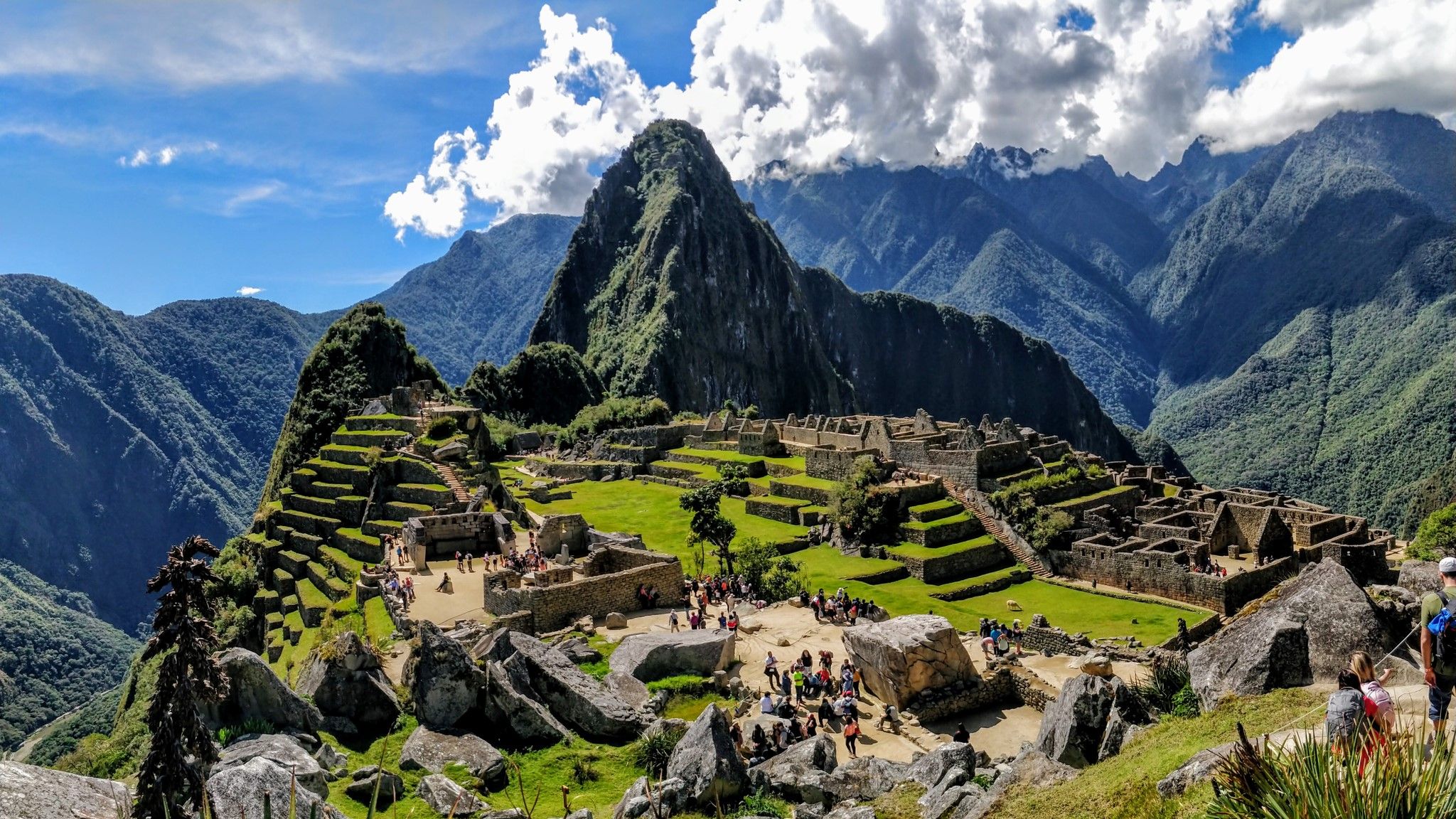
Those who don't want to take the bus to Aguas Calientes can also get back on foot in one and a half to two hours. But beware, there are irregular steps, partly steeply downhill, and in wet weather it can become slippery. In addition, you should take precautions against mosquito bites.
1
0

It's the highest viewpoint. You can pass it from the trail, but otherwise the climb is worth it.
0
0

Ah, this is a fascinating glimpse into the incredible stonework of Sacsayhuamán (sometimes spelled Saksaywaman)! This impressive site is located on the northern outskirts of Cusco, Peru, and it was once a citadel complex of the Inca Empire. What makes Sacsayhuamán so remarkable, and what you're seeing a close-up of, is the massive scale and the astonishing precision of its stonework. The walls are constructed from enormous, irregularly shaped boulders, some weighing hundreds of tons. What's truly mind-boggling is how these stones were fitted together with such incredible accuracy that you can't even slip a piece of paper between them – all without the use of mortar! The purpose of Sacsayhuamán is still debated by historians and archaeologists. While it clearly had a military function due to its strategic location overlooking Cusco, it also likely served important ceremonial and religious purposes. The complex features plazas, towers, and other structures that suggest a multifaceted role in Inca society. The Spanish conquistadors were awestruck by the scale and sophistication of Sacsayhuamán. They dismantled parts of it to use the stones for their own constructions in Cusco, yet a significant portion of the original complex still stands today, a testament to the ingenuity and engineering prowess of the Inca civilization. The image you shared really highlights the intricate and almost unbelievable way these colossal stones were shaped and interlocked. It's a powerful reminder of the advanced skills and knowledge of the Inca people. Is there anything else you'd like to know about Sacsayhuamán?
1
0
Sacsayhuamán, a large Inca fortress overlooking Cuzco, Peru; from a hilltop 230m above the city. It was built in 15th Century AD, during reign of Pachacuti Inca Yupanqui. Built with stones that were up to more than 8.2m tall and weighed many tons, and with zigzag walls more than 305m in length, Sacsayhuamán is a feat of human engineering, the story of whose construction has caused much discussion among archaeologists. In construction of Sacsayhuamán, stones were laid together without the use of mortar, and they seem to be immovable by nature. Although earthquakes have laid waste to many more modern buildings in the locality, Inca site itself has remained unshaken by any of tremors. The purpose for which Sacsayhuamán was built is uncertain. The walls and original towers seem clearly defensive in nature. The site also incorporates a large plaza surrounded by terraces, and it is thought that this area may have been used for ceremonies. In addition, it is thought that there were temples in complex. In 2008, archaeologists uncovered the ruins of a pre-Inca temple and roadway at site’s periphery.
1
0

The Chinkanas (from Quechua "chinkana"; place where one gets lost) or also called labyrinths, are mysterious caves built on limestone; it is not known if the Incas or a previous civilization did this, or how or for what purpose it was built.
4
0
How times change. This used to be a place to take a break, everyone had their snack with them and took their lunch break or afternoon nap here. It was a place to relax. But in recent years the number of visitors has increased so much that more and more areas have been closed or regulated. I like to remember this wonderful time when we could still enjoy this amazing view without any time restrictions.
0
0
Frequently Asked Questions
How many hiking trails are accessible directly from bus stations in Cusco?
There are 6 dedicated hiking routes in Cusco that start conveniently from bus stations, allowing for car-free exploration. These include 2 easy and 4 moderate trails, offering options for various fitness levels.
Are there any easy hiking routes accessible by public transport from Cusco's bus stations?
Yes, there are easy routes available. For a shorter, less strenuous option, consider the White Christ – Chinkana Labyrinths loop from Cuzco. This easy trail covers approximately 4.8 km with about 144 meters of elevation gain, making it suitable for a relaxed outing.
What kind of landmarks or historical sites can I see on these bus station hikes?
Many of the bus station accessible hikes in Cusco offer views of significant historical sites. You can explore routes that pass by the impressive Plaza de Armas of Cusco and the grand Cusco Cathedral. The ancient Inca fortress of Sacsayhuamán and the iconic Cristo Blanco statue, offering panoramic city views, are also frequently part of these trails.
Are there any circular hiking routes from Cusco bus stations?
Yes, several routes are designed as loops, bringing you back to your starting point. An excellent moderate option is the Cusco Cathedral – Sacsayhuamán loop from Cuzco, which covers about 6.7 km and offers a great way to experience the city's history and views.
What do other hikers say about the bus station trails in Cusco?
The komoot community highly rates the hiking experience in Cusco, with an average score of 4.47 stars from over 255 ratings. Hikers often praise the accessibility of these trails from public transport, the stunning historical landmarks, and the rewarding city views.
What is the best time of year for hiking near Cusco's bus stations?
The dry season, from May to October, is generally considered the best time for hiking in Cusco. During these months, you can expect clearer skies and less rainfall, providing optimal conditions for enjoying the trails and panoramic views. However, be prepared for cooler temperatures, especially at higher altitudes.
Are there any moderate difficulty hikes accessible from Cusco's bus stations?
Yes, the majority of the bus station accessible hikes are of moderate difficulty. For example, the Cusco Cathedral – Plaza de Armas of Cusco loop from Cuzco is a moderate 9.4 km route with around 127 meters of elevation gain, offering a good challenge without being overly strenuous.
Can I find trails that offer good viewpoints of Cusco city?
Absolutely. Many of the trails accessible from bus stations lead to excellent viewpoints. The Sacsayhuamán – White Christ loop from City of Cuzco is a moderate hike that takes you past the Cristo Blanco statue, providing breathtaking panoramic views over the entire city of Cusco.
What are the typical distances and elevation gains for these bus station hikes?
The bus station hikes in Cusco vary in length and elevation. Easy routes, like the White Christ – Chinkana Labyrinths loop, are around 4.8 km with about 144 meters of ascent. Moderate trails can range from approximately 6.7 km to 9.4 km, with elevation gains typically between 127 meters and 253 meters.
Are there any specific natural features or unique landscapes to see on these trails?
While the immediate bus station trails focus more on urban and historical landscapes, the Cusco region itself is renowned for its diverse natural beauty. The trails often provide glimpses of the surrounding Andean foothills and the unique high-altitude flora. For more dramatic natural features like Rainbow Mountain or Humantay Lake, you would typically need to arrange separate tours from Cusco.
Are there any trails that combine historical sites with natural elements?
Many routes seamlessly blend historical exploration with natural scenery. The Chinkana Labyrinths – White Christ loop from Cuzco is a moderate trail that takes you through ancient Inca sites like the Chinkana Labyrinths, offering a mix of archaeological interest and scenic views of the surrounding landscape.
Most popular attractions in Cusco

Get inspired with the komoot mobile app


Didn’t find what you were looking for?
Check out more Hikes throughout Cusco below and find the perfect route in your destination.
Explore more
Browse the best Hikes in other regions.
