The best city hikes and walks in Bentheimer Wald
4.4
(9680)
36,963
hikers
25
hikes
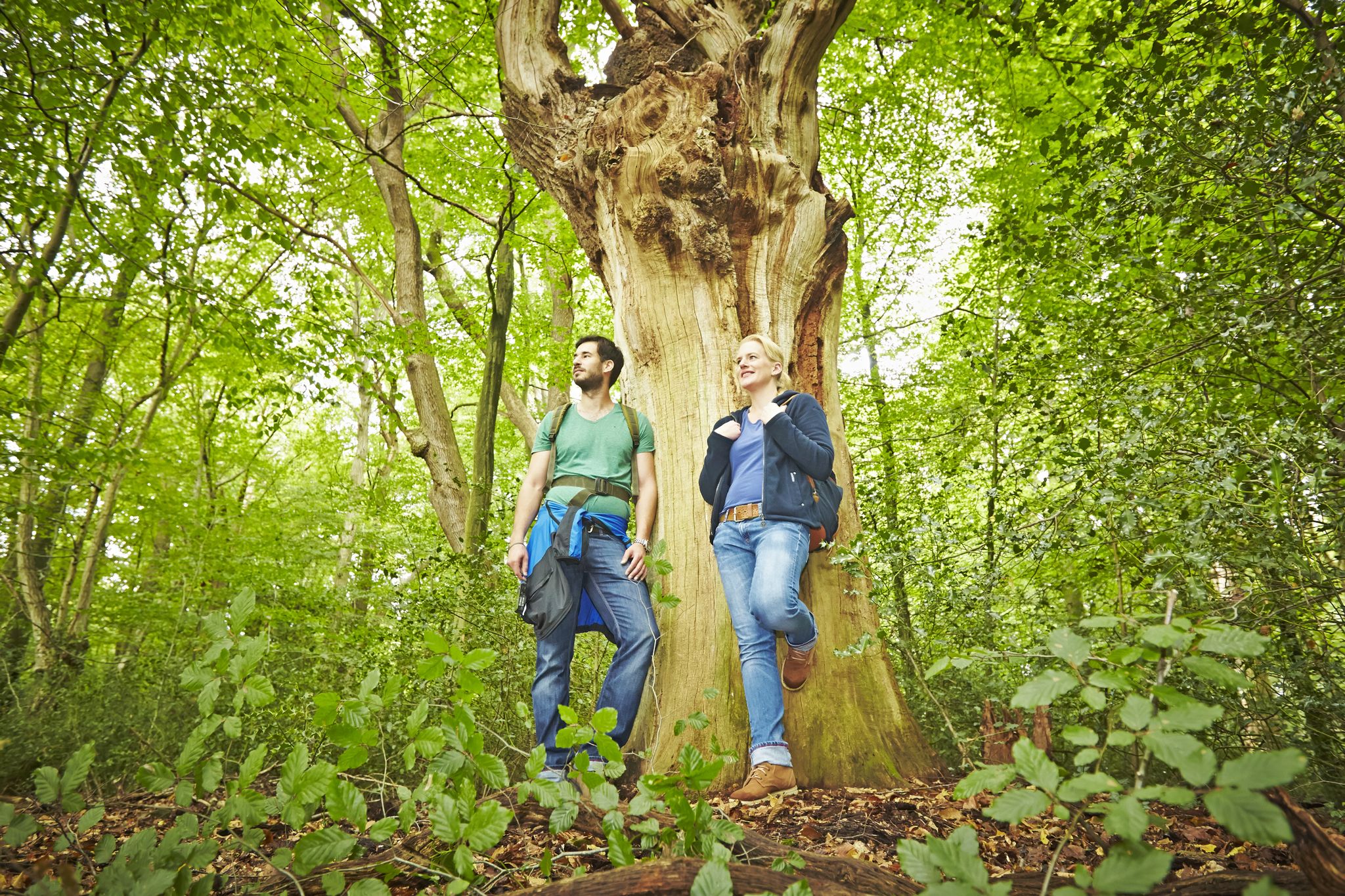
Urban hiking trails in Bentheimer Wald offer a diverse landscape for exploration, characterized by extensive forests and unique sandstone formations. The region features traditional wood pastures and the nearby Gildehauser Venn nature reserve, which includes fens and dune ridges. While much of the area is relatively flat, some routes incorporate gentle elevations. The Vecht Valley also contributes to the variety of natural settings available for urban walks.
Best urban hiking trails in Bentheimer Wald
- The most popular urban hiking route…
Last updated: August 16, 2026
8
hikers
3.22km
00:49
10m
10m
Easy hike. Great for any fitness level. Easily-accessible paths. Suitable for all skill levels.
5.0
(1)
11
hikers
2.96km
00:47
20m
20m
Easy hike. Great for any fitness level. Easily-accessible paths. Suitable for all skill levels.

Sign up for free
4.0
(2)
9
hikers
4.14km
01:06
40m
40m
Easy hike. Great for any fitness level. Easily-accessible paths. Suitable for all skill levels.
5
hikers
6.23km
01:35
10m
10m
Easy hike. Great for any fitness level. Easily-accessible paths. Suitable for all skill levels.
3.7
(3)
11
hikers
2.64km
00:42
20m
20m
Easy hike. Great for any fitness level. Easily-accessible paths. Suitable for all skill levels.
Get access to more routes and recommendations from other explorers.
Sign up for free
Already have an account?
Our route recommendations are based on thousands of hikes, rides, and runs completed by other people on komoot.
Start today with a free account
Your next adventure awaits.
Login or Signup
Popular around Bentheimer Wald
Other adventures in Bentheimer Wald

Tips from the Community

Beautiful spot for a rest with seating and a view of the Vechte river.
0
0

When you approach the upper castle gate, you will find the Gothic chapel with its Bingel Tower, also called St. Catherine's Church, which dates back to Romanesque times, on the right side of the gate. It consists of a single-nave nave with a choir in front of it and was first mentioned in 1406 (according to other sources, 1415). In 1544, Count Arnold of Bentheim had the church prepared for Protestant worship. However, under Count Ernst Wilhelm, it was also given to the Catholics for a certain period, but after the construction of the Catholic church in Bentheim, the Reformed congregation got the church back. As early as 1767, St. Catherine's Church was no longer used for church purposes; the furnishings were no longer present at the time and the floor was dirty. In 1778, a hurricane destroyed the Baroque spire, and it was subsequently rebuilt in its current form. Today, St. Catherine's Church can be visited as a museum. Its exhibition space is rather simply designed. Permanently located within it are a large wooden gallery and a small stone pulpit. A wooden statue of the Madonna from the 16th century, created by Evert van Roden, hangs from the ceiling. In addition, there are numerous old sandstone gravestones and coats of arms of the Counts of Bentheim and their relatives. Since August 2016, the Romanesque sculpture of the "Herrgott von Bentheim" has been located in the choir of St. Catherine's Church. It previously stood at the foot of the Powder Tower (see description there). Temporary special exhibitions also take place in the exhibition space of St. Catherine's Church. The visit to the church was free of charge until the new ticket office was built. Source: https://de.wikipedia.org/wiki/Burg_Bentheim
1
0
After Schüttorf was granted town privileges in 1295, a new riverbed was dug for the Vechte as part of the town's fortifications. On the left bank of the new Vechte, outside the town wall, a watermill was built at the latest in the 14th century. This rye mill, built of Bentheim sandstone, belonged to the Counts of Bentheim, who held the so-called mill privilege, i.e., the right to build mills. Gradually, a mill ensemble developed on the opposite side of the Vechte. This included an oil mill, a sawmill, and a tanning mill, which ground oak bark for the tanners. The sandstone foundations of the former mill complex, which was completely destroyed in a fire in 1928, are still present and visible. The Dutch painter Jacob van Ruisdael captured and popularized the "Drie Watermolen" (Three Watermills) in a sketch around 1650. The Princely Watermill was rebuilt in 1914. Today, it is a popular photographic motif in all four seasons and the venue for the traditional salute firing by the "Historisch I. Kompanie des Bentheimer Landwehrbataillons von 1814". Source: https://www.schuettorf.de/freizeit/tourismus/rundgang-samtgemeinde/die-fuerstliche-wassermuehle/
1
0

Very nice to look at
0
0

🏰 Bentheim Castle The horse trough is a beautiful part of the overall experience surrounding Bentheim Castle, the largest hilltop castle in Northwest Germany.
2
0

Beautiful church, currently under renovation
2
0
A beautiful fountain in a large pond in the castle gardens. The water jets alternate gracefully.
2
0
Beautiful rock formations near the castle
3
0
Frequently Asked Questions
How many urban hiking trails are available in Bentheimer Wald?
Bentheimer Wald offers a wide selection of urban hiking trails, with over 25 routes available. These trails are generally easy, making them accessible for most hikers.
What kind of terrain can I expect on urban hikes in Bentheimer Wald?
Urban hikes in Bentheimer Wald often feature a mix of paved paths, forest trails, and routes through town centers. You'll encounter relatively flat terrain, with some gentle inclines, especially around areas like Bentheim Castle. The region is known for its extensive forests and unique sandstone formations, even within urban-adjacent areas.
Are there any easy urban hiking routes suitable for beginners?
Yes, the vast majority of urban hiking routes in Bentheimer Wald are classified as easy. For example, the Kaiser Wilhelm II Monument – Bad Bentheim train station loop from Bad Bentheim is a short and easy option, perfect for a leisurely stroll.
Can I find circular urban walks in Bentheimer Wald?
Many of the urban hiking trails in Bentheimer Wald are designed as circular routes, allowing you to start and end at the same point. An excellent example is the Bad Bentheim Castle Park – Bad Bentheim loop from Bad Bentheim, which takes you through the scenic castle park and back.
What interesting landmarks or attractions can I see along urban trails?
Urban trails in Bentheimer Wald often lead past significant landmarks. You can explore the impressive Pond with fountain in Kurpark Bad Bentheim, or discover the Funken Pyramid (Forstpark Bentheim). Many routes also offer views of the historic Bentheim Castle.
Are the urban hiking trails in Bentheimer Wald family-friendly?
Absolutely. The urban hiking trails in Bentheimer Wald are generally easy and well-suited for families. The region also features a Forest Adventure Trail (Walderlebnispfad) with interactive stations, and areas like the Ancient Trees and Forest Playground in Bentheim Forest provide engaging experiences for children.
Are dogs allowed on urban hiking trails in Bentheimer Wald?
Bentheimer Wald is generally dog-friendly, and many urban trails are suitable for walks with your canine companion. Always keep your dog on a leash, especially in populated areas or nature reserves, and be mindful of local regulations.
How can I reach the urban hiking trails using public transport?
Bad Bentheim is well-connected by train, making it accessible for urban hikes. The Kaiser Wilhelm II Monument – Bad Bentheim train station loop from Bad Bentheim, for instance, starts conveniently near the train station, allowing for easy access without a car.
Is parking available near the urban hiking trailheads?
Yes, parking is generally available in and around the towns like Bad Bentheim and Schüttorf, close to many urban trailheads. Look for designated parking areas in town centers or near popular attractions like Bentheim Castle.
What do other hikers say about the urban trails in Bentheimer Wald?
The urban trails in Bentheimer Wald are highly rated by the komoot community, with an average score of 4.3 stars. Reviewers often praise the well-maintained paths, the blend of natural beauty with historical sites, and the accessibility of the routes for all skill levels.
What is the best time of year to go urban hiking in Bentheimer Wald?
Urban hiking in Bentheimer Wald is enjoyable year-round. Spring brings blooming nature, summer offers pleasant warmth, autumn showcases vibrant foliage, and even winter provides a unique, tranquil atmosphere. The relatively flat and well-maintained paths make them accessible in most weather conditions.
Are there any specific natural features to look out for on these urban hikes?
Yes, even on urban routes, you'll encounter unique natural features. Keep an eye out for the distinctive sandstone formations that are remnants of centuries-old quarries. You might also pass through traditional wood pastures, known as Hutewald, where ancient trees create a picturesque environment, such as the Hutewald Bad Bentheim.
Can I find urban routes that pass by historical sites?
Definitely. Many urban hikes in Bentheimer Wald are rich in history. The region is famous for Bentheim Castle, the largest hill fort in Lower Saxony, and routes like the Bad Bentheim – Bad Bentheim Castle Park loop from Bad Bentheim will take you right past it, offering a glimpse into the past.
Are there any urban trails that offer good viewpoints?
While much of the region is relatively flat, urban trails around Bad Bentheim can offer elevated perspectives. The Pulverturm at Bentheim Castle provides panoramic views of the surrounding landscape. Additionally, the Isterberg Watchtower, though a short detour from the immediate urban core, offers expansive vistas on clear days.
Most popular routes in Bentheimer Wald
Most popular attractions in Bentheimer Wald

Get inspired with the komoot mobile app


Explore more
Browse the best Hikes in other regions.
