The best walks and hikes in Volcanic Tablelands Wilderness Study Area
5.0
(1)
6
hikers
5
hikes
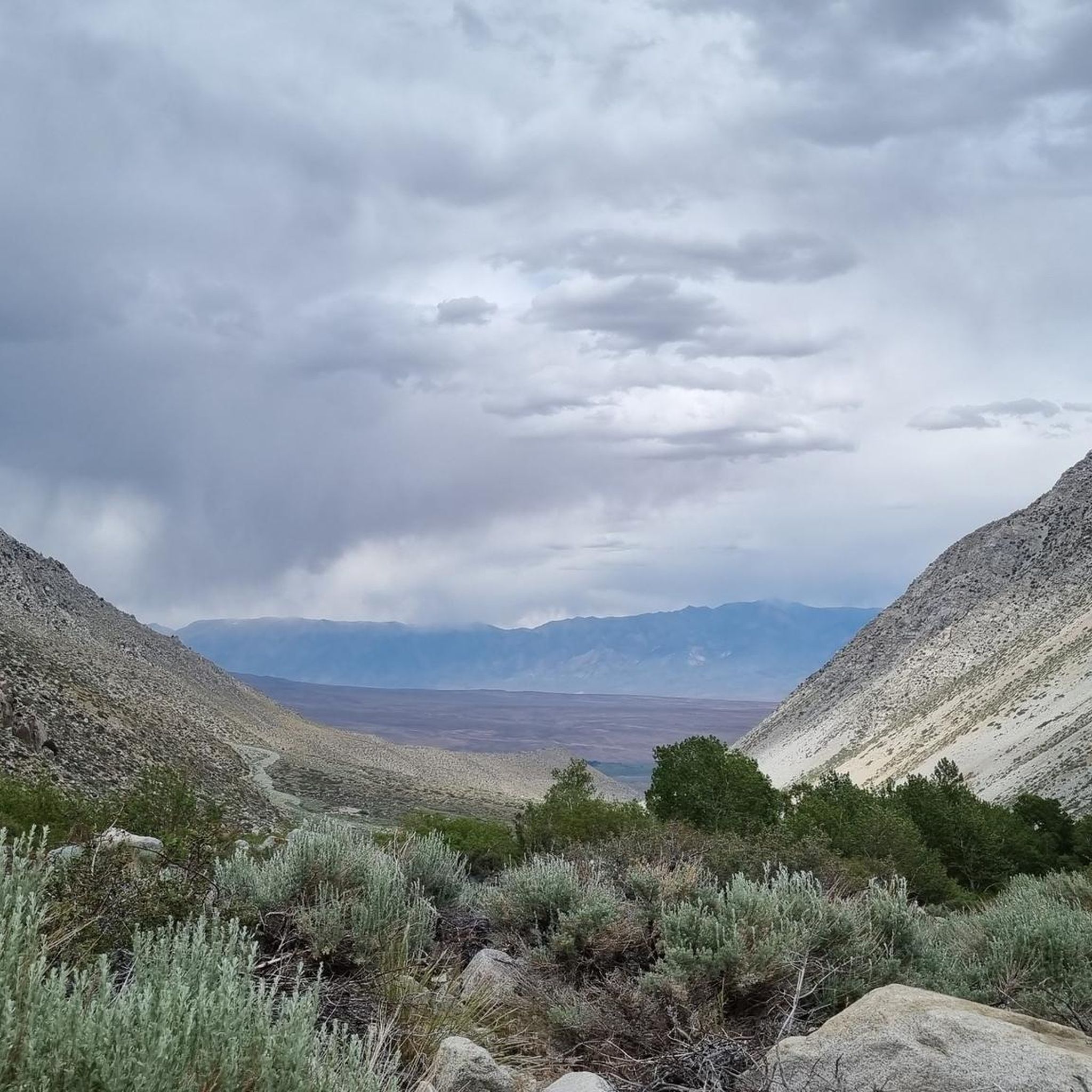
Hiking in Volcanic Tablelands Wilderness Study Area offers exploration across a unique high-desert ecosystem shaped by ancient volcanic activity. The terrain features a broad tuff plateau with distinct volcanic rock formations, shallow ravines, and eroded boulders. Hikers can experience expansive views of the Sierra Nevada to the west and the White Mountains to the east, with the Owens River winding through the valley below. This area serves as an ecological transition zone, supporting diverse flora and fauna.
Best hiking trails…
Last updated: October 8, 2026
4.10km
01:13
160m
70m
Hike the easy 2.5-mile Owens River Gorge trail, gaining 527 feet in 1 hour 13 minutes, with views of canyon walls and the Eastern Sierras.
5
hikers
4.35km
01:14
100m
100m
Easy hike. Great for any fitness level. Easily-accessible paths. Suitable for all skill levels.

28.3km
09:09
1,900m
60m
This difficult 17.6-mile hike to Funnel Lake via Coyote Valley offers high-alpine vistas and a challenging climb in Inyo National Forest.
7.39km
02:12
360m
0m
Hike the moderate 4.6-mile Lower Rock Creek Canyon Trail in Inyo National Forest, featuring a scenic creek, pink rock gorges, and mountain v
5.0
(1)
1
hikers
14.6km
04:11
360m
360m
Hike the moderate 9.0-mile (14.6 km) Lower Rock Creek Trail in Inyo National Forest, featuring varied terrain and stunning Sierra Nevada vie
Our route recommendations are based on thousands of hikes, rides, and runs completed by other people on komoot.
Start today with a free account
Your next adventure awaits.
Popular around Volcanic Tablelands Wilderness Study Area

Tips from the Community


Lower Rock Creek Canyon Trail goes between a canyon, following the river the whole way. This is a nice option for a moderate hike, with beautiful scenery and plenty of wildflowers during spring and summer. The trail is divided in three sections; this section is good for hikers, it has an area where the canyon opens and it is less narrow, and where you can find shade and rocks to sit along the way, with a picnic area at the trailhead. The trail can be flooded during summer due to the snow runoff.
0
0
Frequently Asked Questions
What kind of terrain can I expect when hiking in the Volcanic Tablelands Wilderness Study Area?
The Volcanic Tablelands were formed by ancient volcanic activity, so you'll encounter a unique landscape of 'Bishop Tuff' – a highly dissected plateau with shallow ravines, eroded boulders, and distinct volcanic rock formations. Much of the hiking occurs on existing jeep trails and dirt roads, offering expansive views of the Sierra Nevada and White Mountains.
Are there any easy hiking trails suitable for beginners in the Volcanic Tablelands?
Yes, there are several easy options. For a pleasant, shorter walk, consider the Owens River Gorge trail, which is just over 4 km. Another accessible choice is the Power Plant Ruin loop from Mesa Camp, also around 4 km, offering a gentle loop experience.
What are some unique natural features or landmarks to look out for?
The area is renowned for its unique volcanic geology. You'll find impressive rock formations, especially in popular bouldering areas like Happy Boulders and Sad Boulders. The landscape itself is a transition zone between the Northern Mojave and Great Basin floristic provinces, supporting diverse high-desert flora and fauna. Keep an eye out for the dramatic contrast of the Owens River winding through the valley below.
Can I see ancient petroglyphs while hiking in the Volcanic Tablelands?
Absolutely! The Volcanic Tablelands are rich in ancient Paiute-Shoshone petroglyphs, some estimated to be up to 8,000 years old. These fascinating rock carvings can be found on reddish-brown boulders, often alongside ravines and at designated trailheads. Searching for them can be a rewarding part of your hike. For a specific location, you can explore areas like Fish Slough Petroglyphs.
Are there any long-distance or challenging hikes available?
For those seeking a more challenging adventure, the Funnel Lake via Coyote Valley route is a difficult, nearly 30 km trek with significant elevation gain. Additionally, the broader Volcanic Tableland Loop, while not a single komoot route, is a well-known 24.3-mile path primarily composed of rolling double-track routes and dirt roads, offering panoramic views and a sense of history. You can find more information about this loop on bishopvisitor.com.
What is the best time of year to go hiking in the Volcanic Tablelands?
The Volcanic Tablelands experience a high-desert climate. Spring and fall generally offer the most pleasant hiking conditions with milder temperatures. Summers can be very hot, making early morning or late afternoon hikes preferable, and winters can bring cold temperatures, though snow is less common than in the nearby mountains. Always check the weather forecast before heading out.
Are there any loop trails in the area?
Yes, if you prefer loop trails, the Power Plant Ruin loop from Mesa Camp is an easy, approximately 4.3 km circular route that allows you to explore without retracing your steps.
What kind of wildlife might I encounter?
The Volcanic Tablelands are home to diverse high-desert wildlife. You might spot coyotes, bobcats, and various bird species. Keep an eye out for desert tortoises and different types of snakes, especially during warmer months. Always observe wildlife from a respectful distance.
Is there parking available for trail access?
While formal trailheads are limited, much of the area is accessible via dirt roads and jeep trails, and parking is generally available at various pull-offs and designated areas. Given the remote nature, it's advisable to research specific access points for your chosen route beforehand.
What do other hikers say about the Volcanic Tablelands Wilderness Study Area?
The area is highly rated by the komoot community, with an average score of 5.0 stars. Hikers often praise the solitude, dramatic volcanic landscapes, and the unique opportunity to explore ancient cultural sites like the petroglyphs.
Are there any moderate difficulty trails?
Yes, for a moderately challenging hike, you can explore the Lower Rock Creek Canyon Trail, which is about 7.4 km long. Another moderate option is the longer Lower Rock Creek Trail, spanning approximately 14.5 km.
Most popular routes in Volcanic Tablelands Wilderness Study Area

Get inspired with the komoot mobile app


Explore more
Browse the best Hikes in other regions.
