Top 3 Natural Monuments around Lahti
Best natural monuments around Lahti are shaped by the Ice Age, offering diverse landscapes for exploration. The region, situated in the Finnish Lakeland, features unique ice-marginal formations and ancient rocks. Lahti's commitment to sustainability enhances the appeal of these natural treasures. The area provides opportunities for hiking, cycling, and water sports amidst pristine nature.
Best natural monuments around Lahti
- The most popular natural monument is Pirunpesä (Devil's Nest), a gorge that features walls over 20 meters high. It is…
Last updated: October 14, 2026
Pirunpesä (Devil's Nest)
Highlight • Gorge
Tip by

Launeen Neidot Sculpture
Highlight • Monument
Translated by Google •
Tip by

Sign up now to discover places like this
Get recommendations on the best single tracks, peaks, & plenty of other exciting outdoor places.
Kintterö Nature Reserve Forest Path
Highlight • Trail
Translated by Google •
Tip by

Kintterö Primeval Forest
Highlight • Forest
Tip by
Kuppari's Boulder
Highlight • Natural Monument
Showing Translation
Tip by

Start today with a free account
Your next adventure awaits.

Other adventures around Lahti

Tips from the Community

Kupparin kivi is a large glacial erratic boulder located along the Juustopolku hiking trail. These boulders were transported and left behind by moving ice sheets during the Ice Ages.
0
0

It is a protected, swampy area with forest floors often covered with moss.
0
0
Impressive gorge next to Tiirismaa mountain, with walls over 20 meters high. Nearby you will find a fire pit with benches.
0
0

When you meet a mountain biker, there are no problems, just a friendly hello. Finland is great.
0
0
There is no rubbish anywhere, that is to say. Everything is in excellent condition, as befits a nature reserve.
0
0

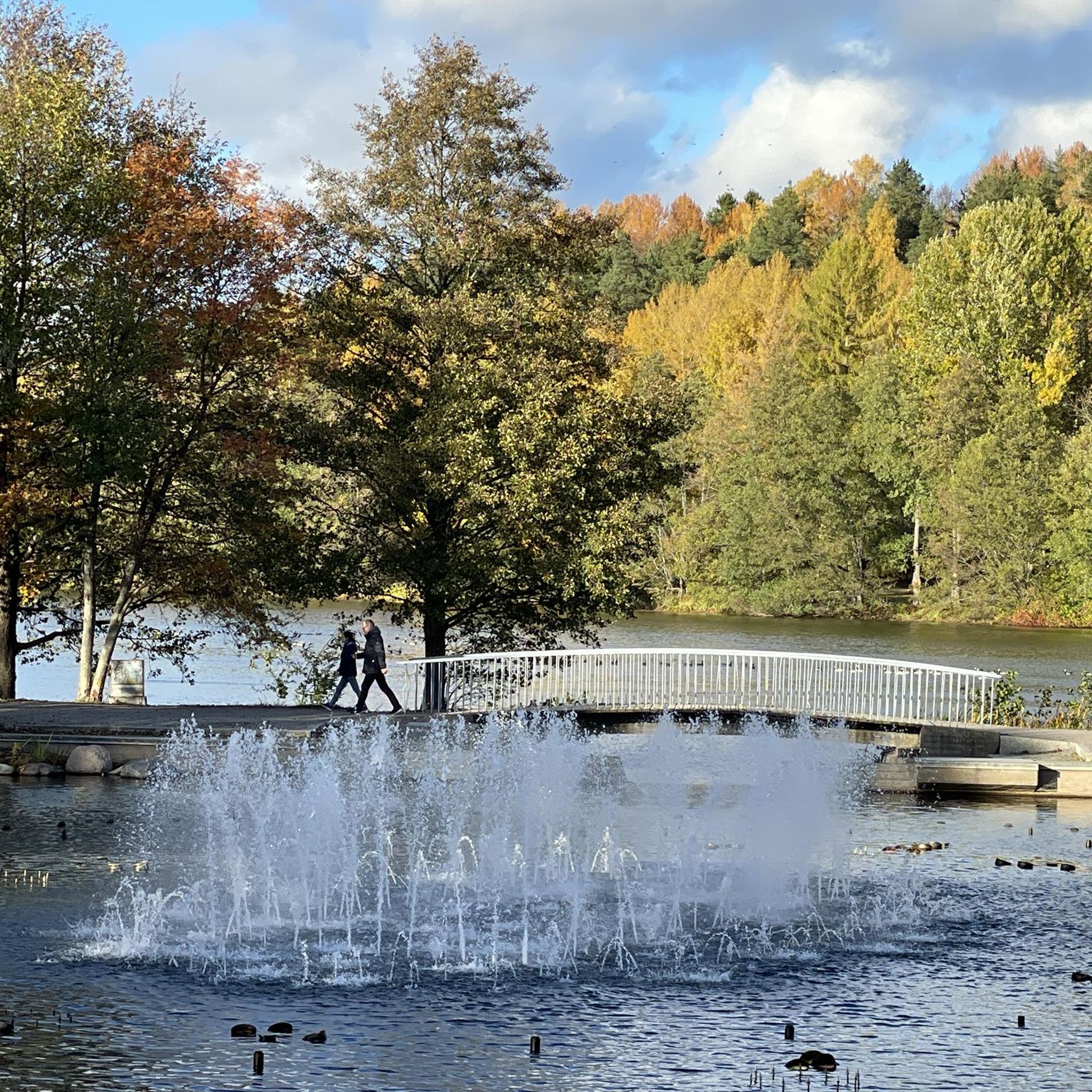
Fountain with a sculpture by Kari Juva created in 1987
3
0

Another interesting monument in Lahti. It is a well. There are 4 statues of women on it.
6
0
Frequently Asked Questions
What unique geological features can I explore in the Lahti region?
The Lahti region is rich in geological formations shaped by the Ice Age. You can explore the impressive Pirunpesä (Devil's Nest) gorge, with its over 20-meter high walls, or discover Kuppari's Boulder, a large glacial erratic along the Juustopolku hiking trail. The entire Salpausselkä UNESCO Global Geopark showcases unique ice-marginal ridges and ancient rocks, offering a journey through geological history.
Are there any national parks near Lahti's natural monuments?
Yes, Päijänne National Park is located on Lake Päijänne, Finland's second-largest lake. It features approximately 50 islands and islets, including the prominent Kelvenne Island, known for its handsome esker islands, rugged cliffs, and sandy beaches. It's an excellent destination for water sports and hiking.
What kind of natural landscapes can I expect to see around Lahti?
The Lahti region offers diverse natural landscapes. You'll find vast lake systems like Lake Vesijärvi and Lake Päijänne, pristine mire landscapes at Linnaistensuo Mire with its unique flora, and extensive forests such as the Kintterö Nature Reserve Forest Path and the Lahti Health Forest, which features kettle terrain and bogs.
Where can I experience the Ice Age history of the Lahti region?
The Salpausselkä UNESCO Global Geopark is the primary place to experience the Ice Age history. It encompasses the Salpausselkä ridges, which are unique ice-marginal formations created by ancient meltwater streams. These ridges, along with glacial erratics like Kuppari's Boulder, provide tangible evidence of the region's glacial past.
What outdoor activities are available near Lahti's natural monuments?
The region offers a wide range of outdoor activities. You can enjoy hiking, running, and cycling on numerous trails within the Salpausselkä Geopark and other forest areas. Lake Vesijärvi and Päijänne National Park are perfect for water sports like kayaking, boating, and swimming. For specific routes, you can explore guides like Traffic-free bike rides around Lahti, MTB Trails around Lahti, and Running Trails around Lahti.
Are there good hiking trails around Lahti's natural monuments?
Yes, there are many excellent hiking opportunities. The Salpausselkä Geopark offers vast networks of trails. You can hike along the marked trail passing Pirunpesä (Devil's Nest), explore the Kintterö Nature Reserve Forest Path, or walk the Juustopolku trail where Kuppari's Boulder is located. Linnaistensuo Mire also has well-maintained duckboards for easy walking. For more options, check out the Running Trails around Lahti guide, which includes many suitable for hiking.
Can I go cycling near the natural monuments in Lahti?
Absolutely. The Lahti region is very cycling-friendly. Lake Vesijärvi has well-maintained cycling paths along its shores. The Pulkkilanharju Esker in Päijänne National Park is renowned as one of Finland's most beautiful driving and walking routes, also suitable for cycling. You can find detailed routes in the Traffic-free bike rides around Lahti guide.
Are there opportunities for water sports or swimming near Lahti's natural monuments?
Yes, Lake Vesijärvi, located right next to Lahti, offers excellent opportunities for swimming and nature observation, with well-maintained beaches and parks. Päijänne National Park, situated on Finland's second-largest lake, is ideal for water sports enthusiasts, with opportunities for kayaking, boating, and swimming in its pristine waters, especially around Kelvenne Island.
Are the natural monuments around Lahti suitable for families with children?
Many natural areas in Lahti are family-friendly. The Lahti Health Forest offers a pleasant and easily accessible 3.4 km woodland route and the Likolampi nature trail, designed to promote well-being. Linnaistensuo Mire provides an easy escape into nature with duckboards over swampy areas, suitable for low-threshold hiking. The shores of Lake Vesijärvi also offer parks and beaches for family enjoyment.
Are there dog-friendly natural areas in Lahti?
Most natural areas and trails around Lahti are dog-friendly, provided dogs are kept on a leash and owners clean up after them. The extensive trail networks in the Salpausselkä Geopark, the Lahti Health Forest, and the paths around Lake Vesijärvi are great options for walks with your dog.
Are any natural monuments in Lahti wheelchair accessible?
While many natural monuments involve varied terrain, the Launeen Neidot Sculpture is noted as wheelchair accessible. Additionally, the Likolampi nature trail within the Lahti Health Forest is designed to be accessible, offering a pleasant natural environment for all visitors.
What is the best time of year to visit Lahti's natural monuments?
The best time to visit Lahti's natural monuments largely depends on the activities you plan. Spring and summer (May to August) are ideal for hiking, cycling, and water sports, with lush greenery and pleasant temperatures. Early summer, especially, sees abundant Labrador tea blooming in Linnaistensuo Mire. Autumn (September to October) offers beautiful fall foliage. Winter provides opportunities for skiing and snowshoeing in areas like the Salpausselkä Geopark, transforming the landscape into a snowy wonderland.
How can I reach the natural monuments around Lahti using public transport?
Lahti has a good public transport network that can take you to the vicinity of many natural monuments. For example, areas like the Lahti Health Forest and parts of the Salpausselkä Geopark are often reachable by local buses. For more remote locations like Päijänne National Park, a combination of public transport and potentially a short taxi ride or personal vehicle might be necessary. You can find more information on local transport options on the Visit Lahti website.
Most popular attractions around Lahti

Get inspired with the komoot mobile app


Explore more
Extend your search for the best caves by checking out these guides of the top ones around Lahti:
